Ireland Drone Laws 2026: IAA Rules, Registration & Where to Fly
 13 min read
2,453 words
✈️ Flying your drone on this trip? See my gear list
View gear on AmazonAs an Amazon Associate I earn from qualifying purchases.
Ireland Drone Laws 2026: IAA Rules, Registration & Where to Fly
The Republic of Ireland operates under the European Union Aviation Safety Agency (EASA) framework, enforced by the Irish Aviation Authority (IAA). If you are flying a drone in Ireland, you must follow IAA rules — not the UK Civil Aviation Authority (CAA) rules that apply in Northern Ireland. This guide covers the 2026 Ireland drone laws, including registration, competency tests, no-fly zones, and where you can legally fly at iconic locations like the Cliffs of Moher and the Ring of Kerry.
LENTION 3.3FT Long Cable USB C Hub
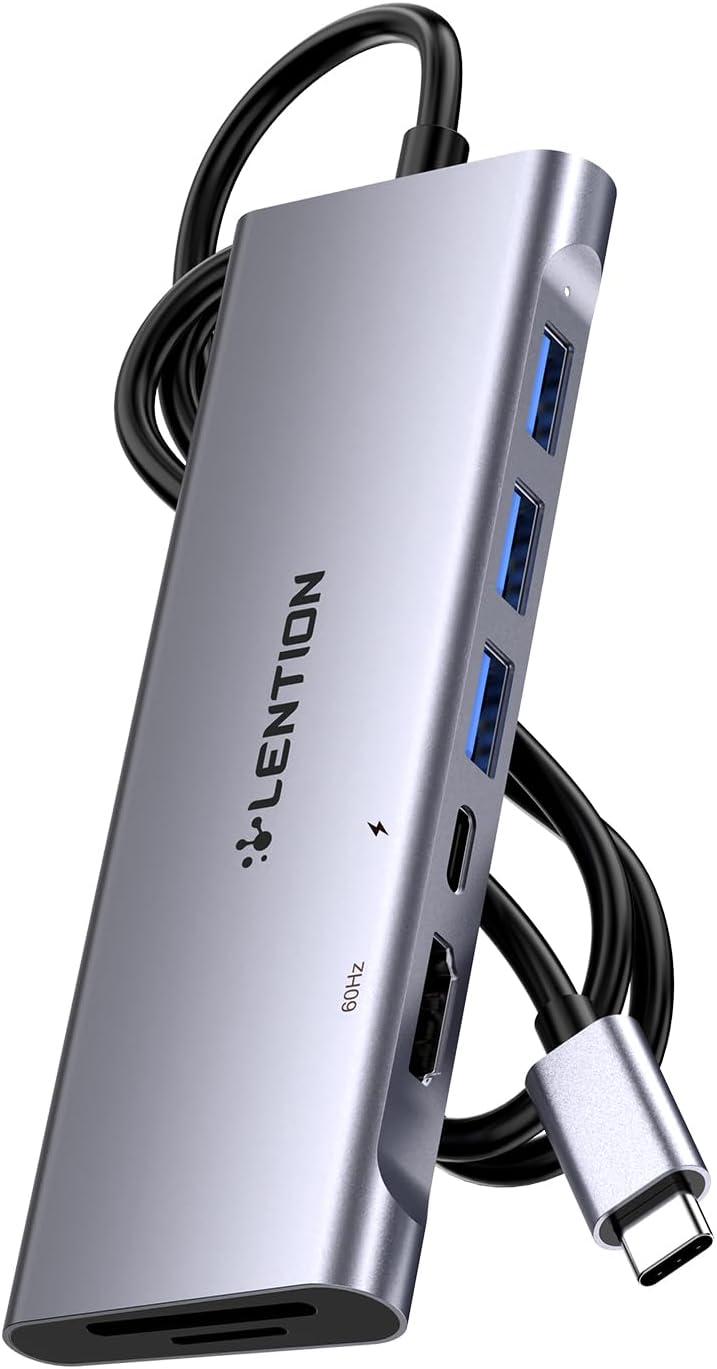
LENTION 3.3FT Long Cable USB C Hub, 4K HDMI, 100W PD, USB 3.0, Card Reader 3A & LED Indicator Stable Driver Adapter, for macOS, iOS/iPadOS, Windows & ChromeOS (C36p-1M, Space Gray)
Check Price on Amazon17-in-1 USB C Hub 65W Powered Adapter, 10Gbps, Dual PD 45W
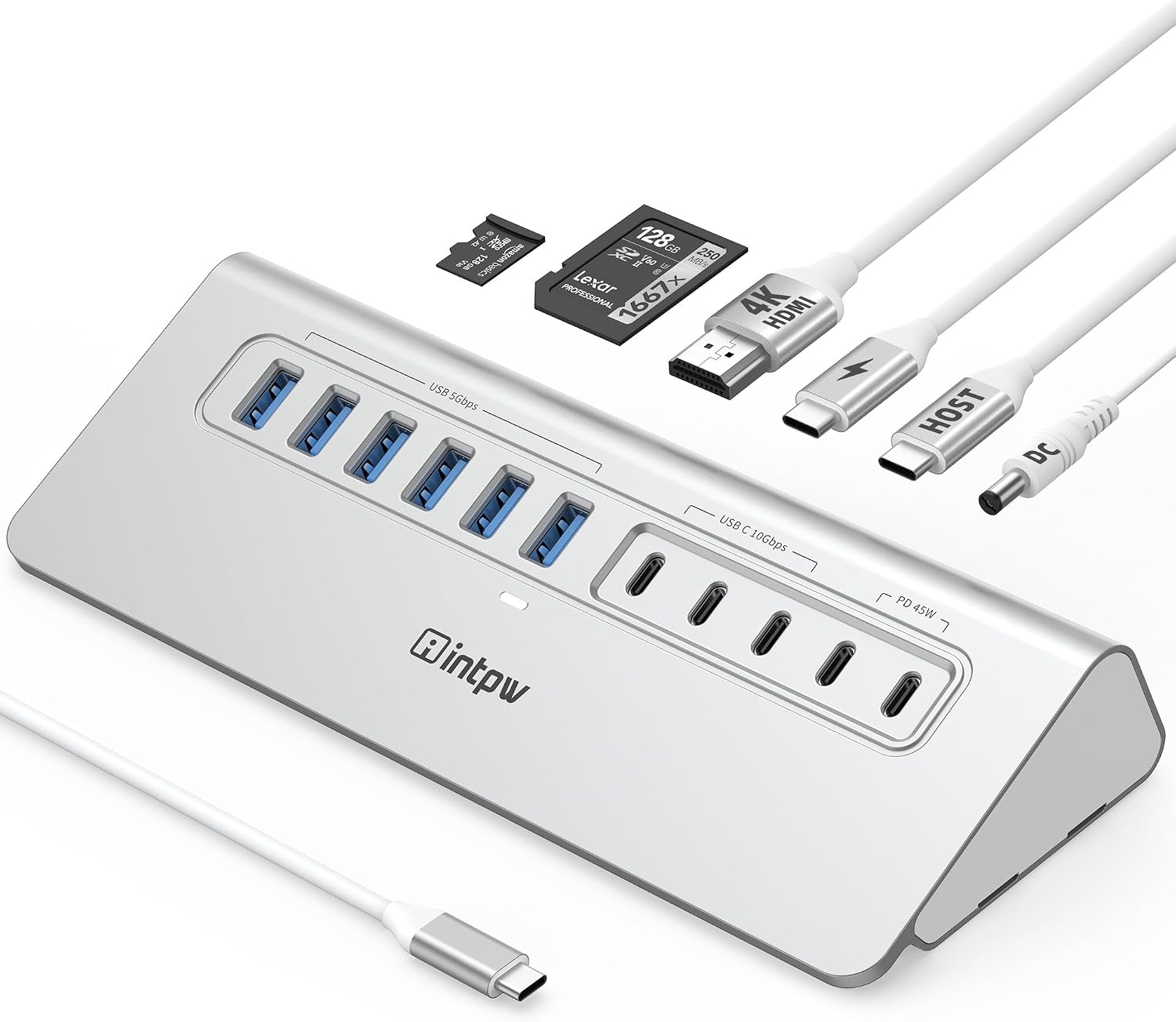
17-in-1 USB C Hub 4K@60Hz, 65W Powered Adapter, 10Gbps, Dual PD 45W PD 100W Charging, 3×USB-C 3.2+6×USB-A 3.0, SD/TF 105MB/s, 3.3ft Cable, Aluminum Desktop USB Hub for MacBook Pro/Air/Mac Mini
Check Price on AmazonLENTION USB-C Hub, HDMI, 100W PD, 2 USB-C, 2 USB 3.0, Card Reader
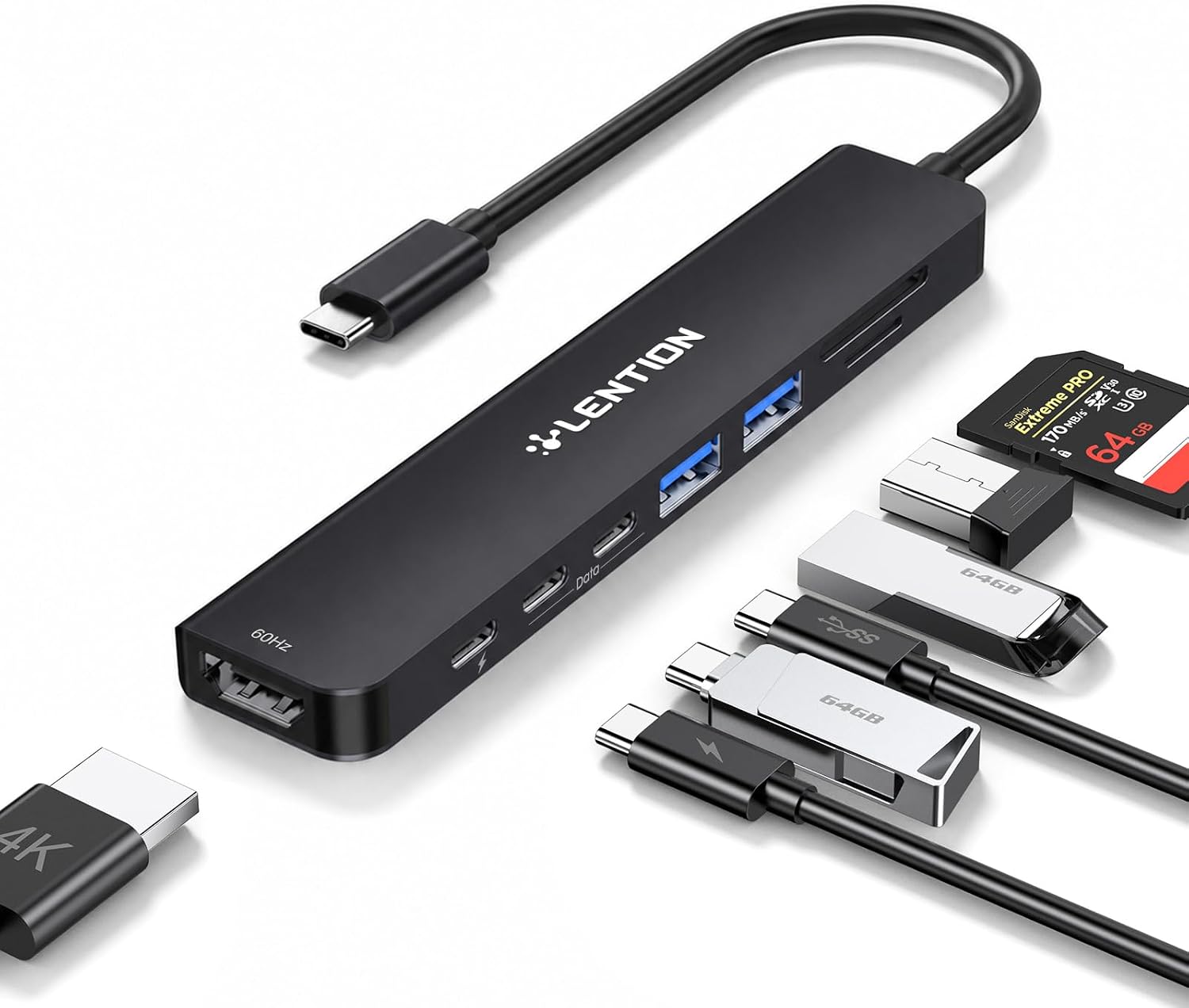
LENTION USB-C Hub, 4K@60Hz HDMI, 100W PD, 2 USB-C, 2 USB 3.0, Card Reader 2A & 2C Work Simultaneously, Stable Driver 3.0 Certified, for macOS, iOS/iPadOS, Windows & ChromeOS (CE19, Black)
Check Price on AmazonWho Is the IAA and Why Do Their Drone Rules Matter?
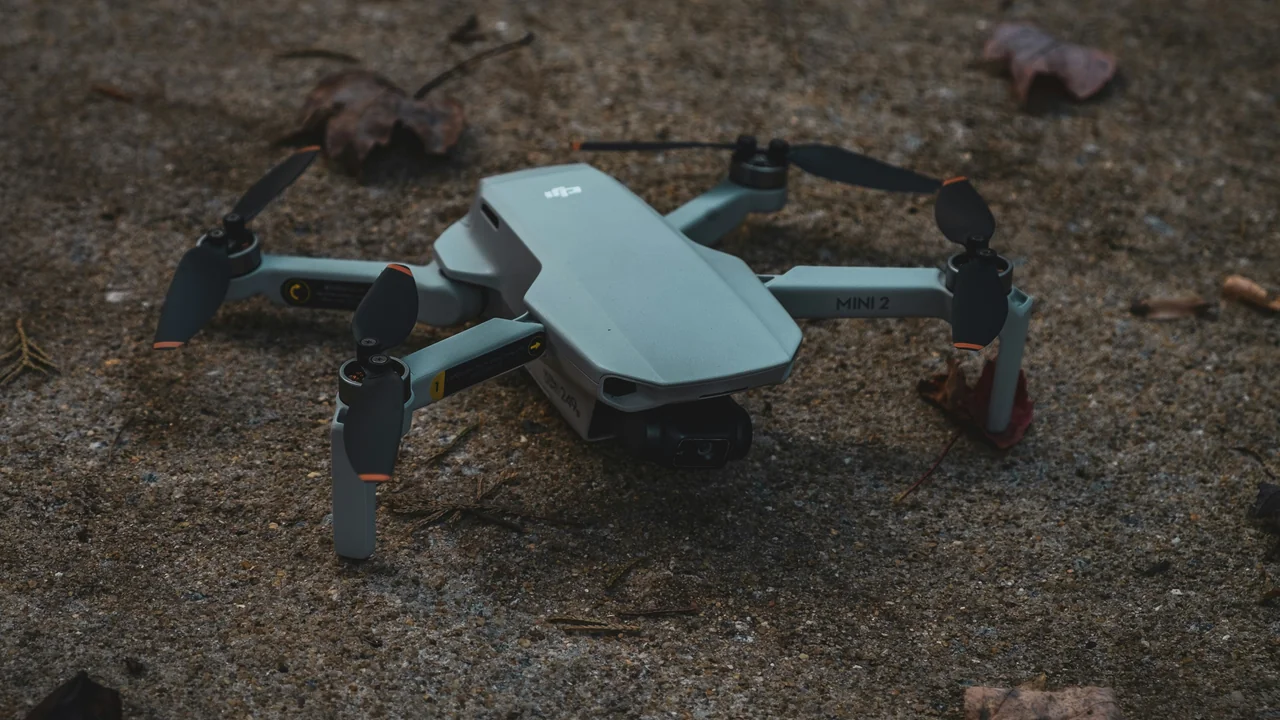
The Irish Aviation Authority (IAA) is the national body responsible for regulating all civil aviation in the Republic of Ireland, including drones. Since Ireland is a European Union member state, the IAA implements the EASA drone regulations, which came into full effect in 2021 and remain current in 2026. These rules apply to all drone operators — whether you are a hobbyist, a tourist, or a commercial pilot.
3 FT Power Strip
3 FT Power Strip, Extension Cord with 8 AC Outlets + 4 USB (2 USB-C), Black Flat Plug, Compact 3FT Flat Cord Keeps Desktop Neat. 1700J Surge Protection, 1625W, Great for Home Office, Dorm, Nightstand
Check Price on AmazonHICOBER USB C SD Card Reader
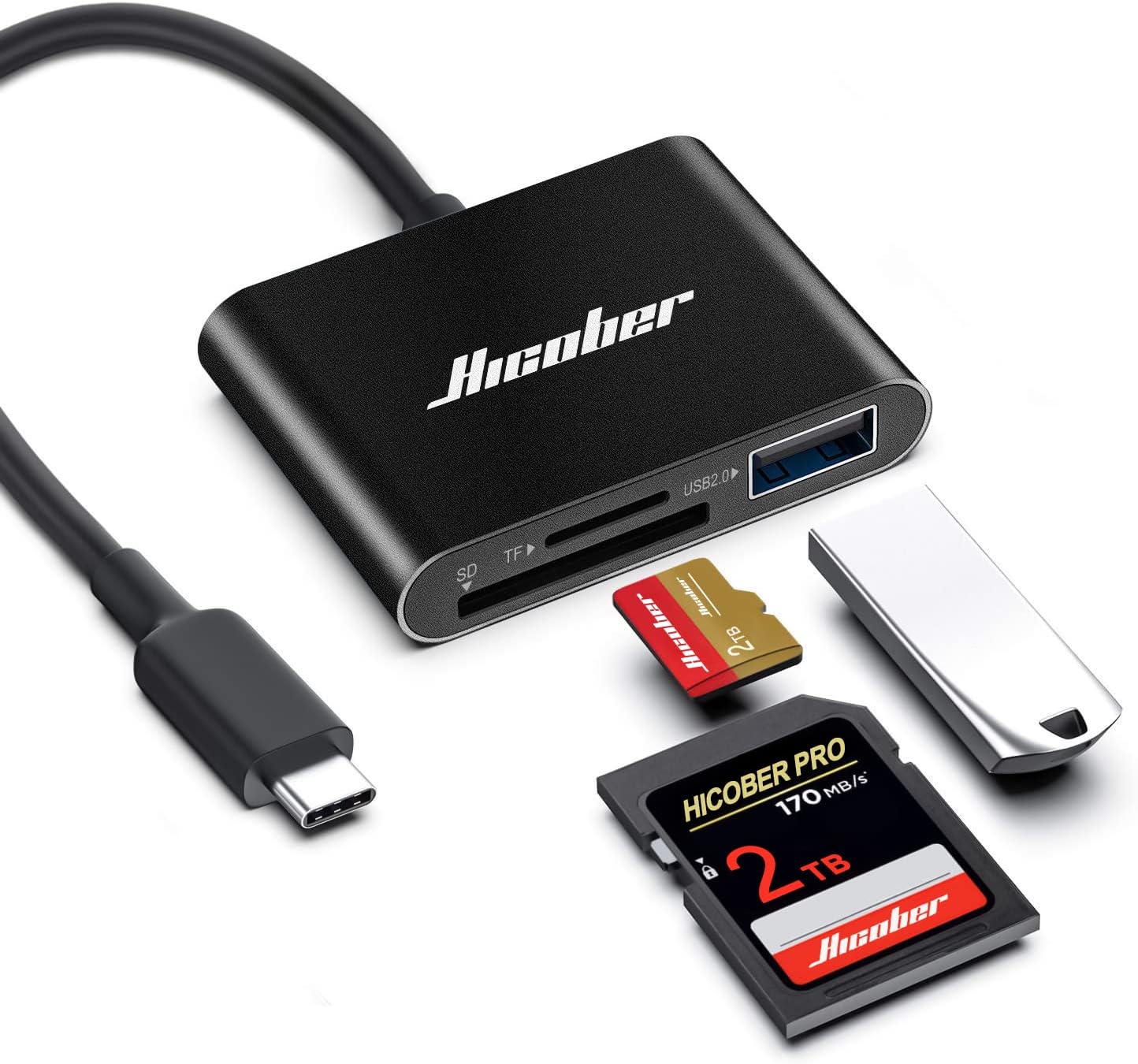
HICOBER USB C SD Card Reader, 3-in-1 for Laptop, Phone, Tablet, Black Durable aluminum body helps dissipate heat quickly for stable performance; reads SD, TF and USB drives up to 2TB via USB-C
Check Price on Amazon64GB Micro SD Card with SD Card Reader
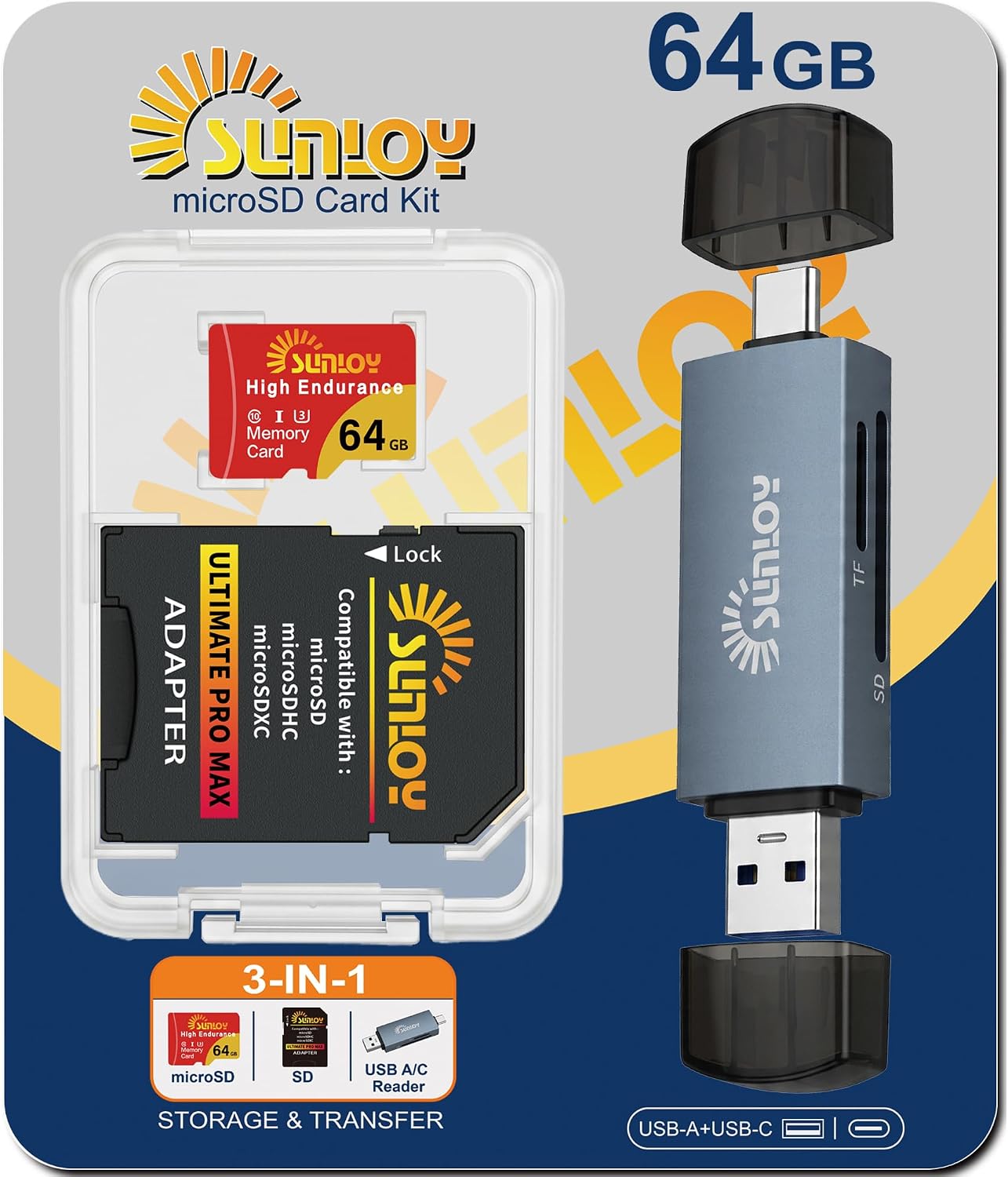
64GB Micro SD Card with SD Card Reader USB3.0 A/C Dual Slots & SD Adapter UHS-I, C10, U3, V30, A1, 4K UHD, USB 3.0 Memory Card Reader for iPhone 17/16/15, MacBook, iPad, Laptop, PC, Drone, Game Console
Check Price on AmazonThe IAA divides drone operations into three categories: Open, Specific, and Certified. Most recreational and low-risk commercial flights fall under the Open Category, which has clear weight limits, altitude restrictions, and operational rules. Flying outside these rules requires an operational authorisation from the IAA under the Specific Category.
Ireland Drone Laws 2026: The EASA Open Category Framework
The core of Ireland drone laws 2026 is the EASA Open Category, which covers drones under 25 kg flown within visual line of sight, below 400 feet (120 metres), and away from people, crowds, and airports. The Open Category is further split into three sub-categories: A1, A2, and A3.
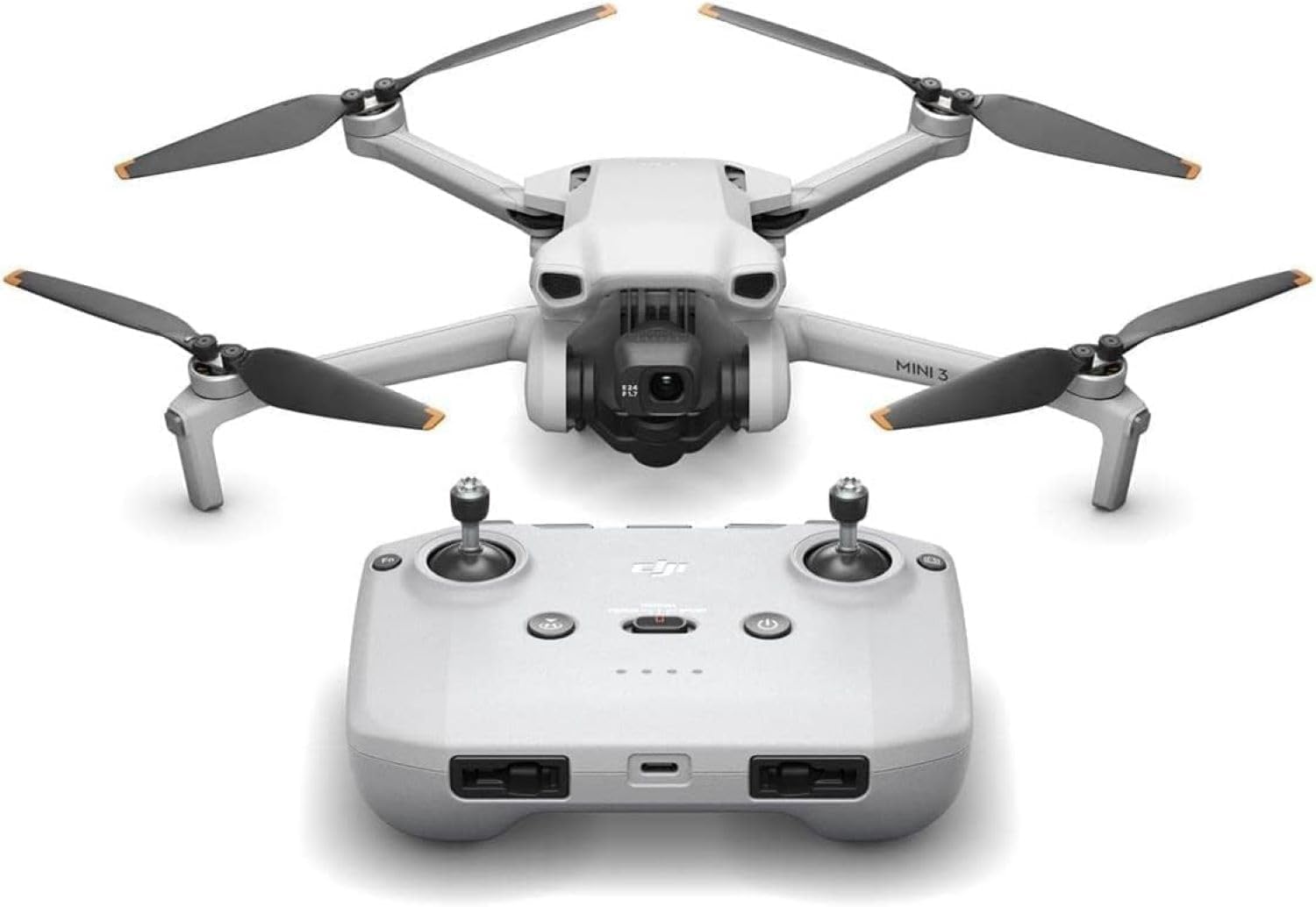
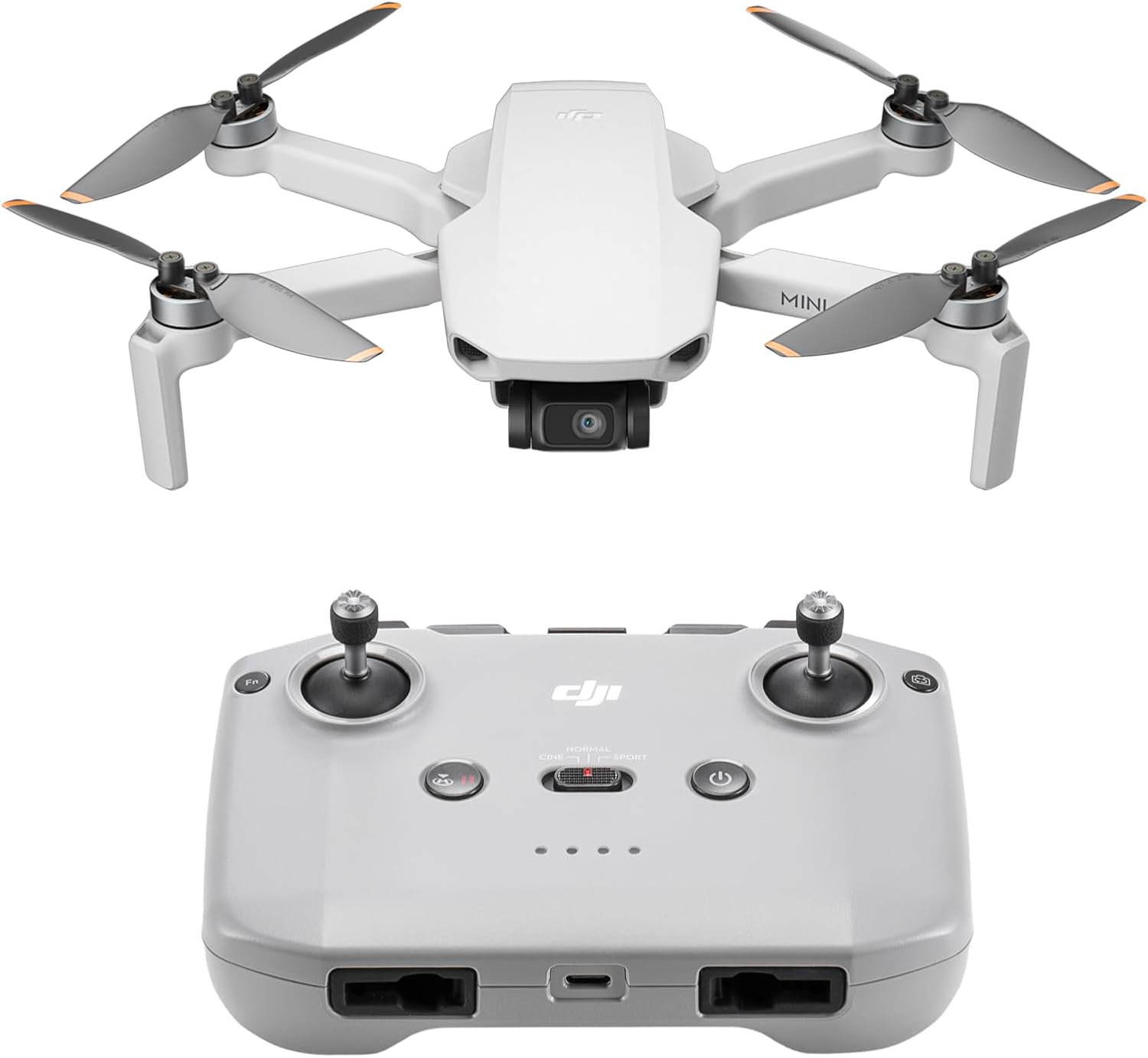
A1 Sub-Category: Flying Over People (Drones Under 250g)
The A1 sub-category allows you to fly drones under 250 grams (like the DJI Mini 4 Pro) over uninvolved people, but not over crowds. You must keep the drone in sight at all times and stay below 400 feet. No registration or competency test is required for drones under 250g with a camera, but you must still follow the basic rules. For drones under 250g without a camera, no registration is needed at all.
A2 Sub-Category: Flying Close to People (Drones Under 2 kg)
✈️ Flying your drone on this trip? See my drone e-book list
View gear on AmazonAs an Amazon Associate I earn from qualifying purchases.
The A2 sub-category applies to drones between 250 grams and 2 kg. You must keep a horizontal distance of at least 30 metres from uninvolved people and 50 metres from buildings and structures. To fly in A2, you need an A2 Certificate of Competency (A2 CofC), which requires passing an online training course and a supervised exam.
DJI Mini 3
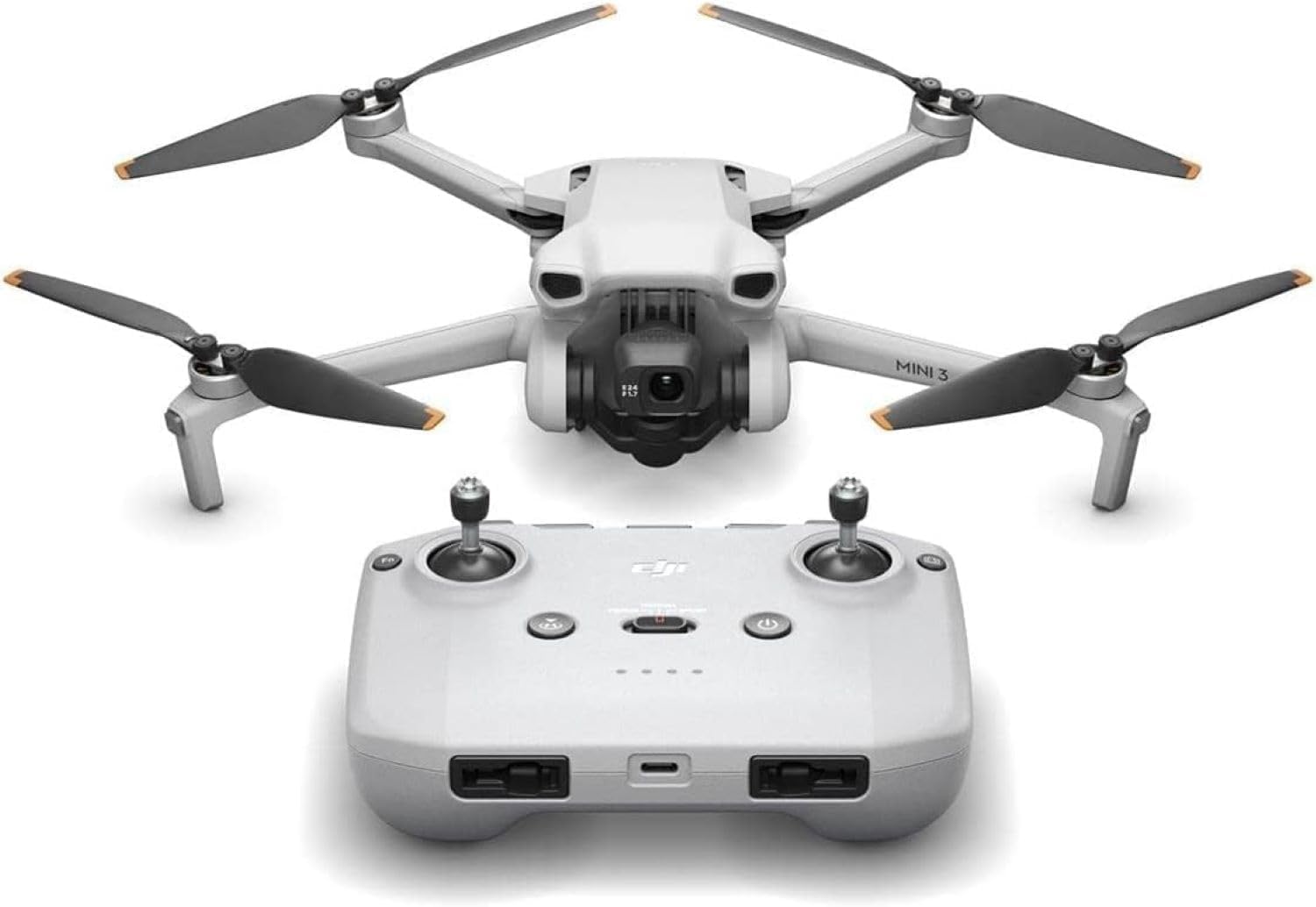
DJI Mini 3, 3-Axis Mechanical Gimbal Mini Camera Drone | 4K HDR Video, 38-Min Flight Time, up to 32800ft (10km) Video Transmission, True Vertical Shooting, GPS Auto Return
Check Price on AmazonDJI Mini 3 Fly More Combo
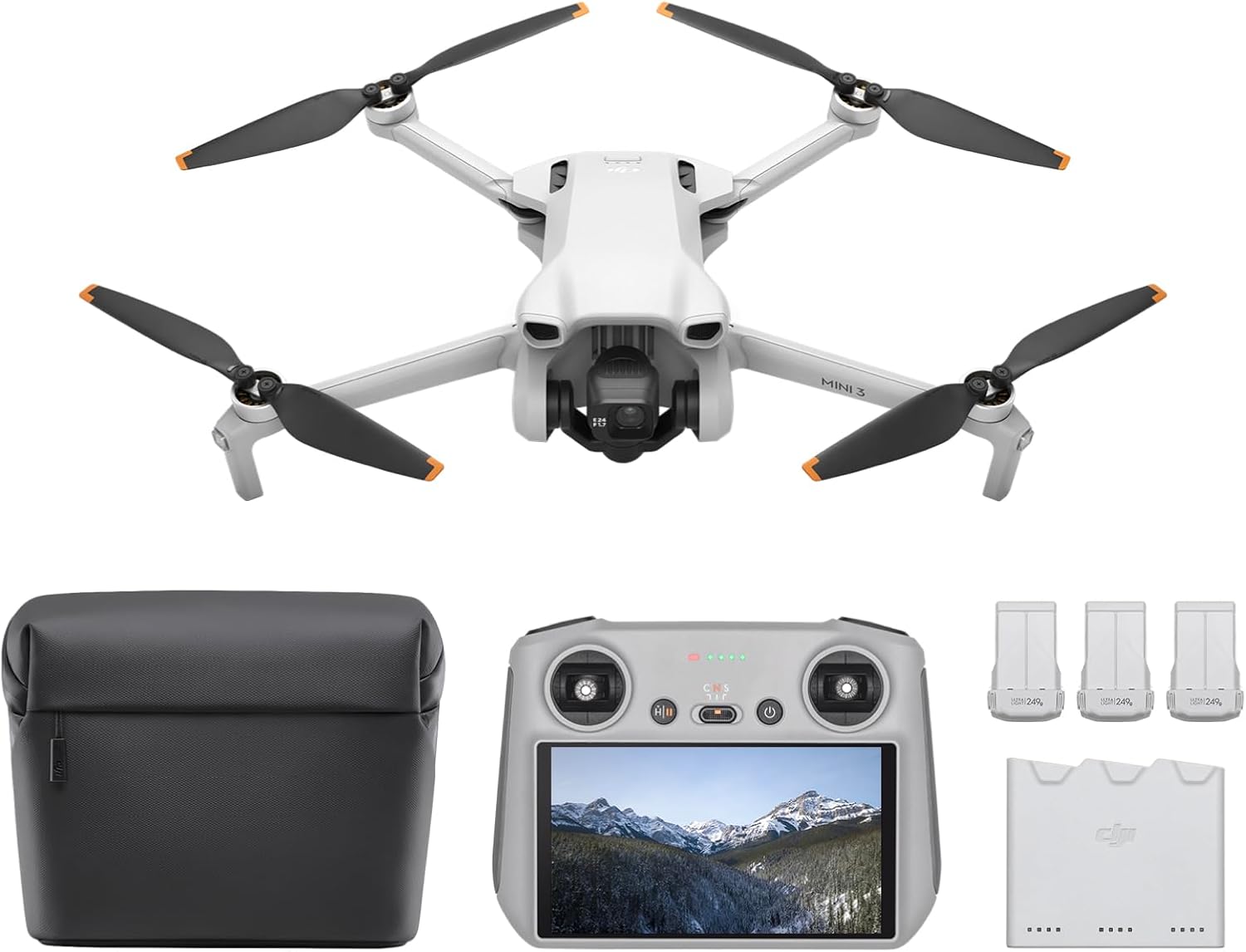
DJI Mini 3 Fly More Combo With DJI RC, 3 Batteries | Lightweight Camera Drone With 4K HDR Video, 114-Min Flight Time, Vertical Shooting, 32800ft (10km) Video Transmission
Check Price on AmazonDJI Mini 3 With DJI RC
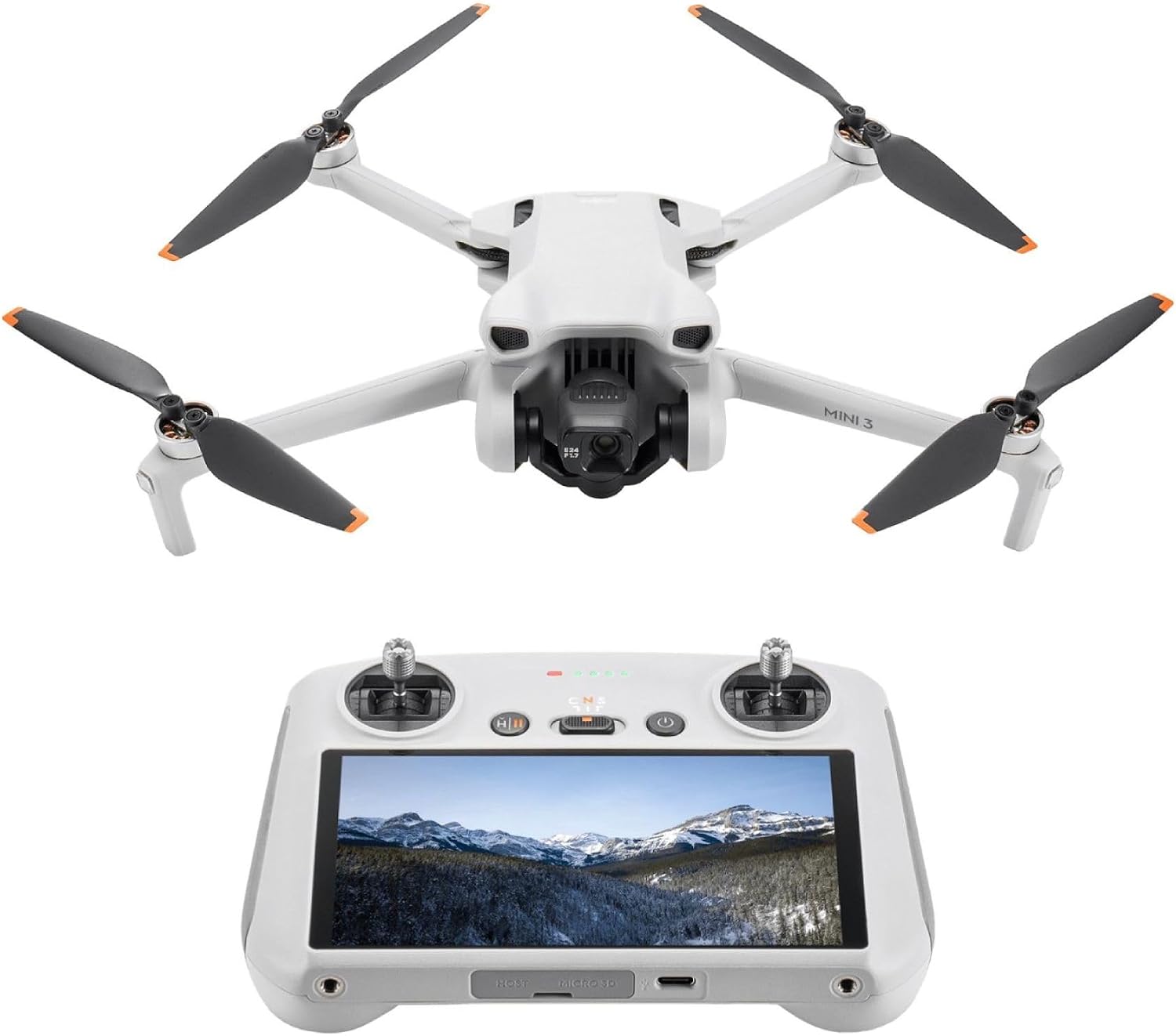
DJI Mini 3 With DJI RC, 3-Axis Mechanical Gimbal Mini Camera Drone | 4K HDR Video, 38-Min Flight Time, up to 32800ft (10km) Video Transmission, Vertical Shooting, GPS Auto Return
Check Price on AmazonA3 Sub-Category: Flying Away from People (Drones Under 25 kg)
The A3 sub-category is for drones between 2 kg and 25 kg. You must fly at least 150 metres away from residential, commercial, industrial, and recreational areas. This means you need open countryside or unpopulated areas. You also need to pass the online competency test (A1/A3 Open Category test).
IAA Drone Registration Ireland: Who Must Register and How
IAA drone registration Ireland is mandatory for all drones weighing 250 grams or more, including those with cameras. The registration process is simple and costs €30 for three years. You must be at least 16 years old to register as an operator. Once registered, you receive a unique operator ID number that must be displayed on your drone.
For drones under 250 grams without a camera, no registration is required. However, if your sub-250g drone has a camera (like the DJI Mini 4 Pro), you are still required to register as an operator in Ireland. This is a common point of confusion — the camera triggers the registration requirement, not just the weight.
Carrying Hard Case for DJI Avata 360 Drone
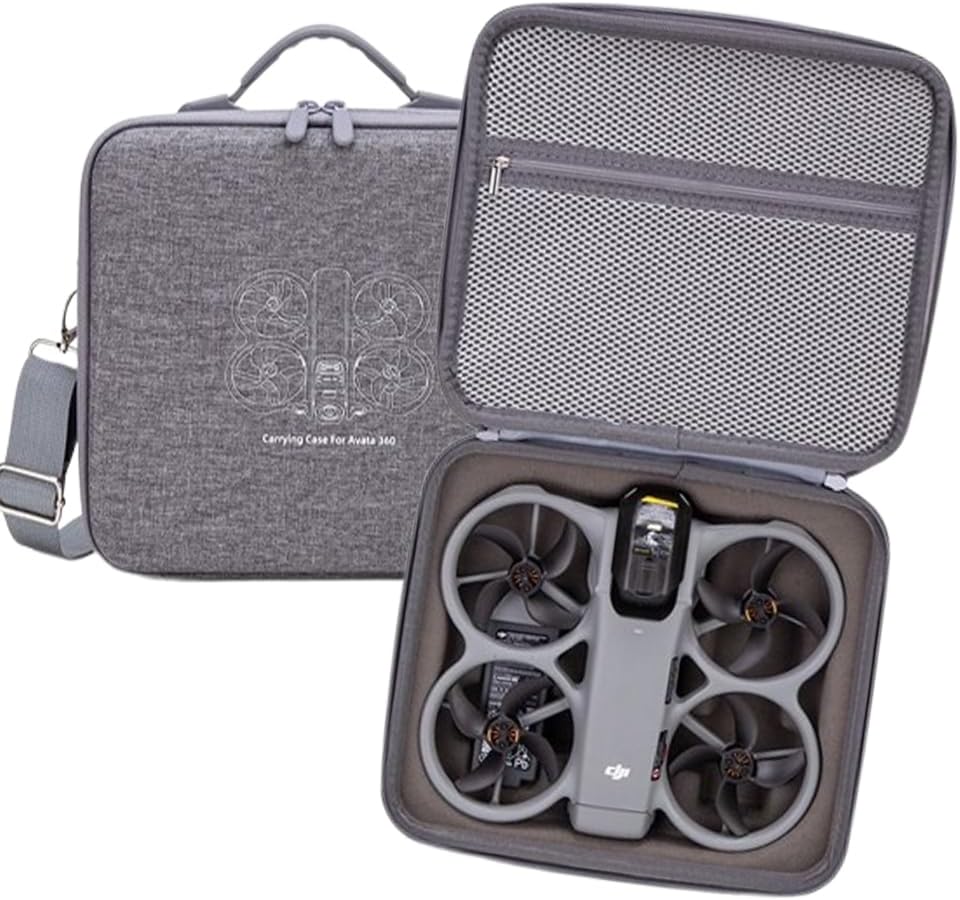
Carrying Hard Case for DJI Avata 360 Drone - Portable Travel Bag for Goggles N3/RC Motion 3 Controller
Check Price on AmazonHard Case for Antigravity A1 Drone
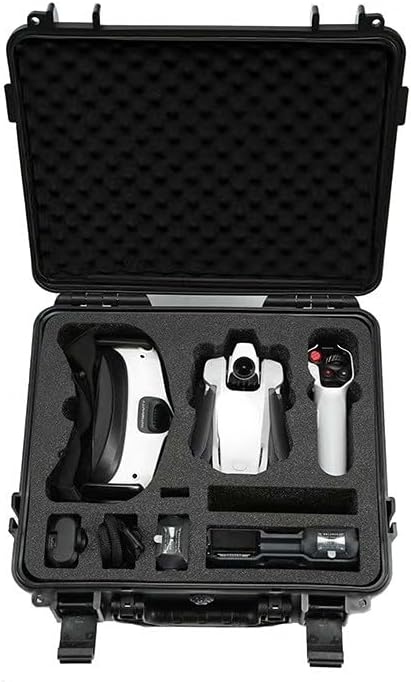
Hard Case for Antigravity A1 Drone, Waterproof Protective Carry Case, Anti-Fall Storage Bag Fit for Drone, Batteries, Goggles, Accessories & RC Gear [Only Protect Shell]
Check Price on AmazonGo to the IAA website and navigate to the drone registration section. You will need a valid email address and a payment method (credit/debit card).
Enter your personal details: name, address, date of birth, and contact information. You must be 16 or older.
The registration fee covers three years. You will receive an operator ID immediately after payment.
Permanently display your operator ID on your drone. It must be clearly visible without tools.
Online Competency Test for Drone Pilots in Ireland
To fly a drone in Ireland under the A1/A3 Open Category, you must pass the IAA online competency test. This free test covers basic drone safety, airspace rules, privacy, and operational limits. The test takes about 30 minutes and you can retake it as many times as needed. Once passed, you receive a certificate valid for five years.
If you want to fly in the A2 sub-category (closer to people), you need the additional A2 Certificate of Competency (A2 CofC). This involves a more detailed online course and a supervised exam. The A2 CofC costs around €50 and is valid for five years.
Drone Rules Republic of Ireland: Northern Ireland vs Republic of Ireland
One of the most confusing aspects of drone regulations in this region is the border between Northern Ireland (part of the United Kingdom) and the Republic of Ireland. Northern Ireland uses UK CAA rules — you need a UK Operator ID and Flyer ID, and the registration fee is £10 (about €11.50). The Republic of Ireland uses IAA/EASA rules — you need IAA registration (€30) and the EU competency test.
If you are flying near the border, you must know exactly which side you are on. The rules are not interchangeable. For example, flying a drone in Derry/Londonderry (Northern Ireland) requires UK CAA compliance, while flying in Letterkenny (Republic of Ireland) requires IAA compliance. There is no mutual recognition of operator IDs between the two jurisdictions.
| Regulation | Republic of Ireland (IAA) | Northern Ireland (UK CAA) |
|---|---|---|
| Registration Fee | €30 (3 years) | £10 (1 year) |
| Competency Test | Free online (A1/A3) | Free online (Flyer ID) |
| Weight Threshold for Registration | 250g (or any camera) | 250g (or any camera) |
| Max Altitude | 400ft (120m) | 400ft (120m) |
| Age Requirement | 16+ | 18+ (Operator ID) |
Flying a Drone Near Irish Airports: Dublin, Cork, Shannon
Flying a drone near any airport in Ireland is strictly prohibited without prior permission from the IAA and the airport authority. The no-fly zone extends 5 kilometres from the airport boundary and up to 2,000 feet in altitude. This applies to all airports, including Dublin (DUB), Cork (ORK), and Shannon (SNN).
Dublin Airport, being the busiest in Ireland, has a particularly sensitive airspace. The IAA uses a geofencing system that automatically restricts drone flights in these zones. Even if your drone can physically take off, you risk severe penalties if caught.
Can I Fly a Drone in Irish National Parks?
Irish national parks, including Killarney National Park, Connemara National Park, and Wicklow Mountains National Park, are managed by the National Parks and Wildlife Service (NPWS). The NPWS generally prohibits drone flights in national parks to protect wildlife, visitor safety, and the natural environment. However, the rules vary by park.
In Killarney National Park, drone flying is banned without a specific permit from the NPWS. Permits are rarely granted for recreational use and are typically reserved for scientific or conservation purposes. In Connemara National Park and Wicklow Mountains National Park, the same restrictions apply. Always check with the specific park office before flying.
Do
- Contact the NPWS office for the park you plan to visit
- Apply for a permit if you have a legitimate scientific or conservation purpose
- Fly in nearby public areas outside the park boundary
Don’t
- Assume no signs mean no rules — park rules are enforced
- Fly near wildlife or nesting birds
- Ignore local signage at park entrances
Drone Rules at the Cliffs of Moher
The Cliffs of Moher are one of Ireland’s most visited natural attractions. The Cliffs of Moher Visitor Experience, which manages the site, has a strict no-drone policy. This ban applies to the entire cliff face and the immediate surrounding area, including the visitor centre and car park. The ban is enforced by site wardens and local Gardaí.
However, you can fly a drone legally from the nearby Burren region or from the coastal areas outside the designated visitor zone, provided you are at least 150 metres from people and structures (A3 rules) and below 400 feet. Always check the official Cliffs of Moher website for the latest restrictions, as they can change seasonally.
Flying a Drone at the Ring of Kerry
The Ring of Kerry is a scenic coastal drive with numerous viewpoints and beaches. Unlike national parks, there is no blanket ban on drone flying along the Ring of Kerry. However, you must follow standard IAA rules: stay below 400 feet, keep away from people and buildings, and avoid flying over crowds at popular stops like Moll’s Gap, Ladies View, and the Skellig Ring.
Be aware that the Ring of Kerry is a narrow road with frequent tour buses and cyclists. Launching or landing your drone from the roadside can be dangerous and is not recommended. Use designated parking areas and ensure you have a clear, unobstructed view of your drone at all times.
Irish Coastline and Beaches: What Is Permitted?
Ireland’s coastline and beaches are generally open for drone flying, provided you follow the IAA rules. On beaches, you must maintain a safe distance from people (30 metres for A2, 150 metres for A3) and avoid flying over sunbathers, swimmers, or wildlife. Many popular beaches, such as Inch Beach in County Kerry or Portrush in County Antrim (Northern Ireland), are busy during summer — choose early morning or off-peak times.
Protected coastal areas, such as Special Areas of Conservation (SACs) and Special Protection Areas (SPAs), may have additional restrictions. These are marked on the IAA’s drone map. Flying over seabird colonies during nesting season (March to August) is particularly discouraged and may be illegal under wildlife protection laws.
Commercial Drone Operations in Ireland
If you plan to use a drone for commercial purposes in Ireland — such as aerial photography, surveying, or inspection — you need to operate under the Specific Category. This requires an operational authorisation from the IAA, which involves submitting a risk assessment (SORA) and having appropriate insurance. The cost varies depending on the complexity of the operation, but expect to pay several hundred euros for the authorisation process.
Commercial pilots also need a valid A2 CofC or higher qualification. The IAA provides a detailed guide on its website for commercial operators. For low-risk commercial flights under the Open Category (e.g., using a sub-250g drone for real estate photography), you can operate without Specific Category authorisation, but you must still register and pass the competency test.
Penalties for Breaking IAA Drone Rules
The IAA takes drone violations seriously. Penalties for breaking Ireland drone laws include fines up to €2,500 for minor infractions, such as failing to register or flying without a competency certificate. More serious violations, such as flying near an airport or causing a safety incident, can result in fines up to €10,000 and potential imprisonment. The IAA can also confiscate your drone and equipment.
In 2025, the IAA reported an increase in enforcement actions, particularly around Dublin Airport and national parks. If you are a visitor, ignorance of the rules is not a defence. Always check the latest regulations before flying.
Summary: Flying a Drone in Ireland in 2026
Ireland offers stunning landscapes for drone photography, but the rules are strict and enforced. Key takeaways: register your drone with the IAA if it weighs 250g or more (or has a camera), pass the free online competency test, stay below 400 feet, and avoid airports, national parks, and the Cliffs of Moher. Remember that the Republic of Ireland uses IAA/EASA rules, not UK CAA rules — Northern Ireland is a separate jurisdiction. Use the Registration Calculator to confirm your requirements, and always check No-Fly Zone Checker before each flight.
Frequently Asked Questions
Do I need to register my drone in Ireland?
Yes, you need to register your drone with the IAA if it weighs 250 grams or more, or if it has a camera regardless of weight. The registration fee is €30 and covers three years. Drones under 250 grams without a camera do not require registration.
What is the IAA drone registration process?
The IAA registration process is done online through the IAA website. You create an operator account, provide your personal details, pay the €30 fee, and receive an operator ID. You must then label your drone with that ID. The process takes about 10 minutes.
Can I fly a drone in Killarney National Park?
No, drone flying is generally prohibited in Killarney National Park without a specific permit from the National Parks and Wildlife Service. Permits are rarely granted for recreational use. You can fly in public areas outside the park boundary, provided you follow IAA rules.
What are the drone rules near Dublin Airport?
Flying a drone within 5 kilometres of Dublin Airport is strictly prohibited without prior permission from the IAA and the airport authority. The no-fly zone extends up to 2,000 feet in altitude. Violations can result in fines up to €2,500 and criminal charges.
Is it legal to fly a drone at the Cliffs of Moher?
The Cliffs of Moher Visitor Experience has a strict no-drone policy for the cliff face and visitor centre area. You can fly from nearby areas like the Burren, provided you stay at least 150 metres from people and structures and below 400 feet. Always check the official website for seasonal changes.
What is the difference between drone rules in Northern Ireland and the Republic?
Northern Ireland uses UK CAA rules — you need a UK Operator ID (£10 per year) and Flyer ID. The Republic of Ireland uses IAA/EASA rules — you need IAA registration (€30 for three years) and the EU competency test. The two systems are not interchangeable, and you must follow the rules of the jurisdiction you are flying in.
Last updated: July 23, 2026
- Irish Aviation Authority (IAA) — www.iaa.ie
- European Union Aviation Safety Agency (EASA) — Drone Regulations
- National Parks and Wildlife Service (NPWS) — Drone Policy
- Cliffs of Moher Visitor Experience — Drone Policy
NANUK 935 Pro Photo Kit Camera Case
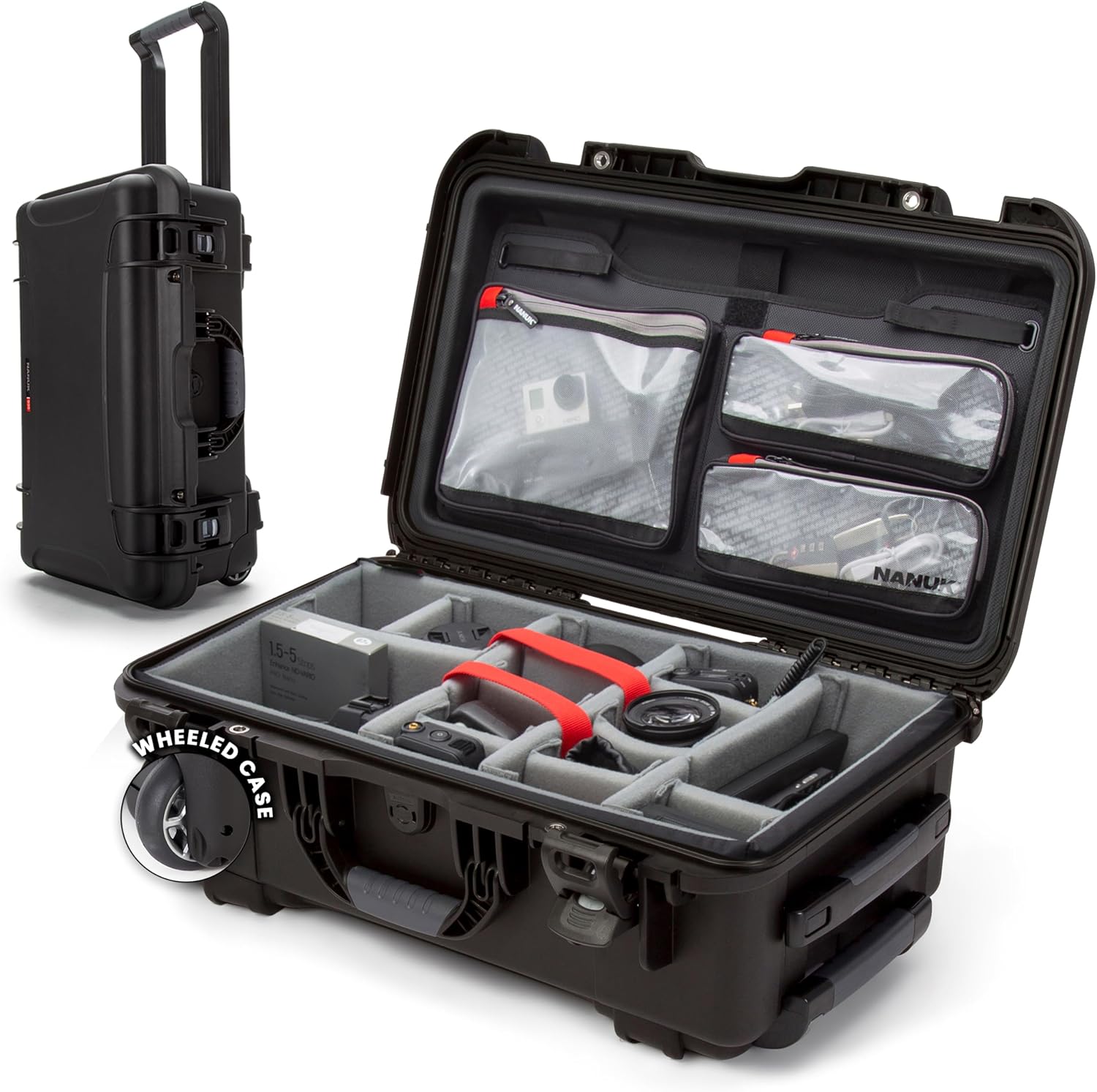
NANUK 935 Pro Photo Kit Camera Case, Waterproof Wheeled Hard Case, Carry-On, Black
Check Price on AmazonNANUK 925 DJI Mavic 4 Pro Creator Combo
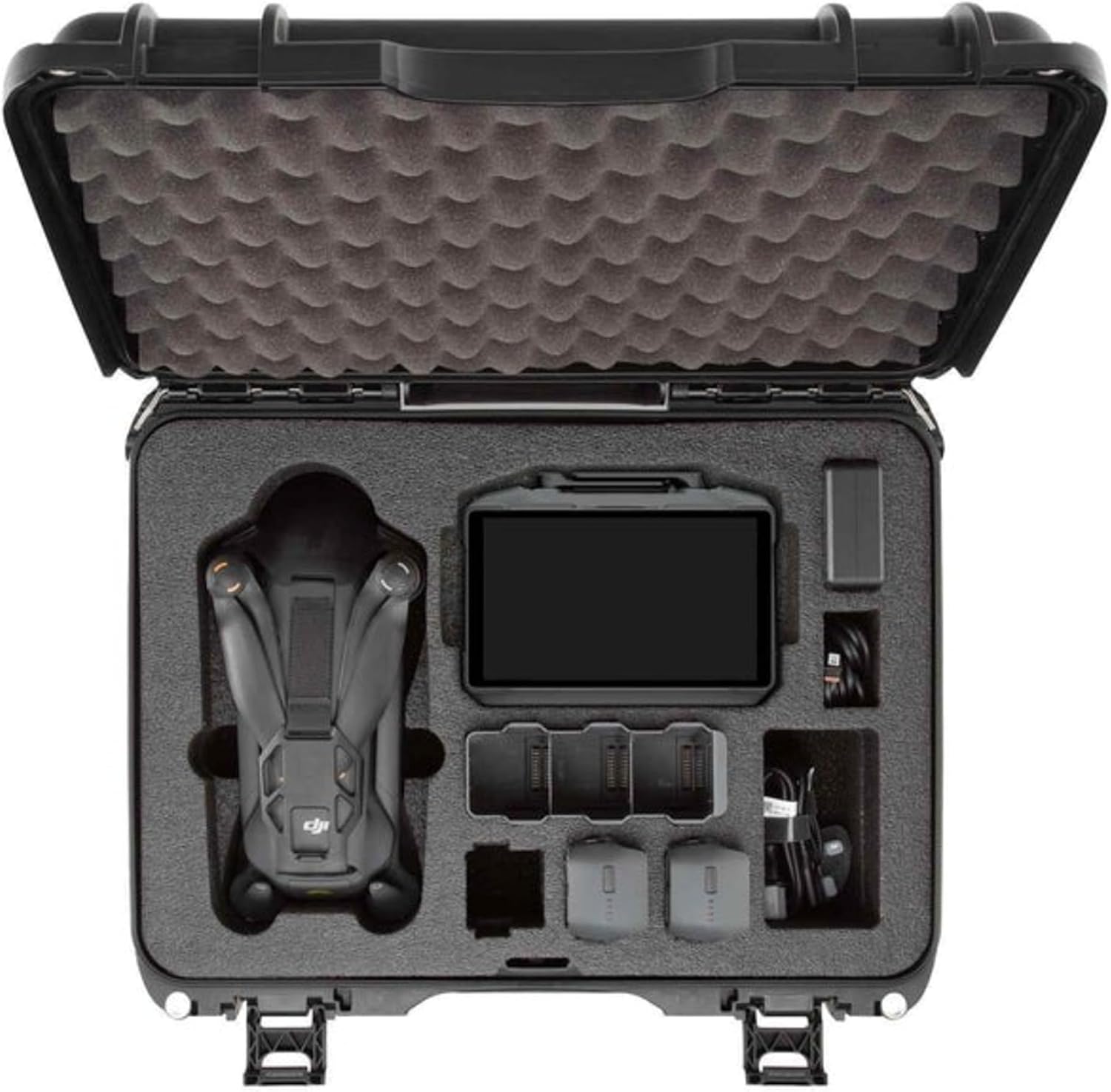
NANUK 925 DJI Mavic 4 Pro Creator Combo - Waterproof Hard Case with Drone Foam Insert, Crushproof, Portable Travel Case, Made in Canada (18.7” x 14.8”x 7”) - Black
Check Price on Amazon Drone Allowed
DroneAllowed editor covering drone regulations, aviation law, and aerial photography across USA, UK, Canada & Australia.