
Drone Laws
🇬🇧 Drone Laws — United Kingdom
Drone laws in the UK are regulated by the CAA. Find out what you need to fly legally in Britain.
Heathrow Airport Drone Laws 2026: FRZ, Rules & No-Fly Zone Explained
💡 Good to Know: The FRZ applies to all drones, regardless of weight. Even a sub-250g drone like the DJI Mini 4…
 11 min read
UK Drone Registration 2026: How to Get Your Flyer ID & Operator ID
If you own or fly a drone in the UK that weighs 250g or more, or has a camera, you are legally…
14 min read
Best Drone Spots in the Scottish Highlands 2026: Legal & Stunning
If you are planning a drone photography trip to Scotland, you have chosen one of the most spectacular landscapes in the world.…
13 min read
Oxford University Drone Laws 2026: CAA Rules, Campus Policy & Where to Fly
If you are a drone pilot looking to capture the iconic spires and historic quads of Oxford, you have likely wondered about…
14 min read
Cambridge University Drone Laws 2026: CAA Rules, The Backs & Where to Fly
Flying a drone near Cambridge University is a dream for many aerial photographers, but the reality of Cambridge University drone laws is…
19 min read
London Drone Laws 2026: Can You Fly a Drone in the Capital?
If you’re planning to fly a drone in London and capture footage of the city’s iconic skyline, bridges, or landmarks, you need…
10 min read
Wales Drone Laws 2026: Snowdonia, Brecon Beacons & CAA Rules
If you are planning to fly a drone in Wales in 2026, you need to understand that the country operates under UK-wide…
15 min read
Scotland Drone Laws 2026: Highlands, Islands & CAA Rules
If you are planning to capture the dramatic landscapes of the Highlands, the jagged ridges of Skye, or the white sands of…
14 min read
DMARES UK Drone Registration: Step-by-Step Guide 2026
If you own or fly a drone in the United Kingdom, completing your DMARES drone registration UK is a legal requirement you…
10 min read
Flying a Drone in England 2026: Rules, Zones & Where It’s Legal
If you are planning to fly a drone in England in 2026, understanding the drone laws England has in place is essential…
12 min read
Understanding UK Drone Laws in 2026: Your Complete CAA Guide
If you are searching for the latest UK drone laws for 2026, you have likely already encountered the complex system of Flyer IDs, Operator IDs, and the A2 Certificate of Competency (A2 CofC). This guide breaks down every requirement from the Civil Aviation Authority (CAA) so you can fly legally, whether you are a beginner with a DJI Mini 4 Pro or a commercial pilot planning a rooftop survey. You will learn exactly which ID you need, how to register, where you can fly, and what penalties you face for non-compliance. We follow The Drone Code throughout and reference official CAA sources to ensure you have accurate, actionable information.
Do You Need to Register a Drone with the CAA in 2026?
Yes, the CAA mandates registration for almost all drone operators in the UK. The system is split into two distinct IDs: the Operator ID and the Flyer ID. The Operator ID is tied to the person or organisation responsible for the drone, whilst the Flyer ID is tied to the individual pilot flying it. This dual-requirement is the most common point of confusion, so let us clarify it immediately.
Operator ID UK: How to Get It and What It Costs
The Operator ID is your 'licence' to own and operate a drone. You must obtain this ID from the CAA's official registration portal at register-drones.caa.co.uk. The fee is £9 per year, and you must renew it annually. Once you receive your Operator ID number, you must display it clearly on your drone. This rule applies to all drones weighing 250g or more, including those with a camera, even if they are lighter than 250g.
Flyer ID UK: The Free Online Test Explained
The Flyer ID is a free credential that proves you understand the basic rules of safe flying. You must pass a multiple-choice online test on the CAA's registration website. The test covers The Drone Code, airspace restrictions, and privacy laws. It takes approximately 20 minutes to complete and is valid for five years. Anyone over the age of 13 can take the test; children under 13 must be supervised by the ID holder.
A2 Certificate of Competency (A2 CofC): Who Needs It in 2026?
The A2 Certificate of Competency (A2 CofC) is a more advanced qualification required for specific operations under the Open Category. It allows you to fly closer to people than the standard A3 rules permit. Specifically, the A2 CofC is necessary if you want to fly a drone weighing between 250g and 2kg within 30 metres of uninvolved people (or 5 metres in slow-flight mode).
Open Category Sub-Categories: A1, A2, and A3 Explained
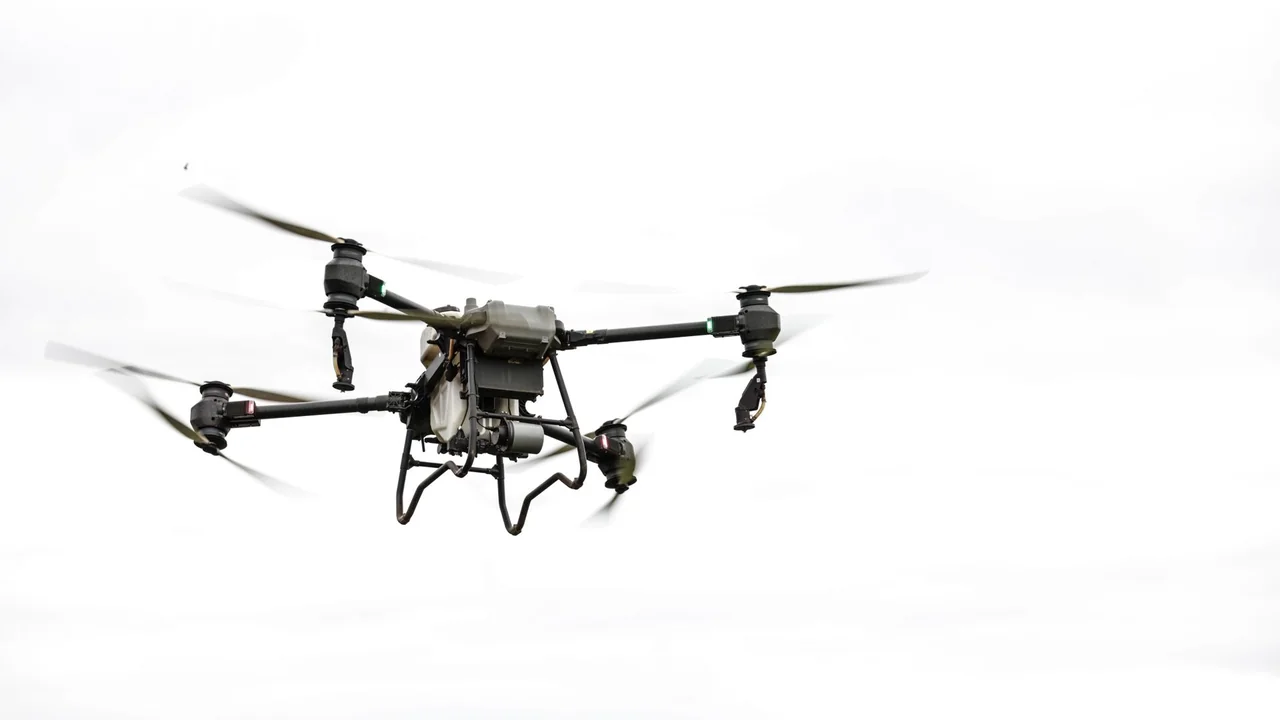
The CAA divides drone operations into three Open Category sub-categories. Understanding these is essential for planning any flight.
| Sub-Category | Weight Limit | Distance from People | Required ID |
|---|---|---|---|
| A1 | Under 250g (including C0 class) | Can fly over people (not crowds) | Operator ID + Flyer ID |
| A2 | Under 2kg (C1 or C2 class) | 30m from people (5m in slow mode) | Operator ID + Flyer ID + A2 CofC |
| A3 | Under 25kg (C2 or C3 class) | 150m from residential/commercial areas | Operator ID + Flyer ID |
For most beginners with a sub-250g drone (like the DJI Mini 4 Pro), you will operate under A1 rules. For heavier drones, you move into A2 or A3, which require the A2 CofC or stricter distance rules.
Flying a Drone Near Heathrow: What the CAA Says
Flying a drone near Heathrow Airport is strictly prohibited without explicit permission from air traffic control. Heathrow sits inside a Flight Restriction Zone (FRZ) that extends 5km from the airport boundary and up to 2,000 feet. The CAA and NATS (National Air Traffic Services) enforce a total ban on drone flights within this zone for all recreational operators. Commercial pilots may apply for a Permission for Commercial Operations (PfCO) from the CAA, but this is rarely granted for Heathrow due to the volume of passenger traffic.
Before every flight, check airspace using the Drone Assist app (developed by NATS) or the No-Fly Zone Checker on droneallowed.com. These tools show real-time airspace restrictions including FRZs and Controlled Traffic Regions (CTRs).
DJI Mini 4 Pro and Other Sub-250g Drones: UK Rules
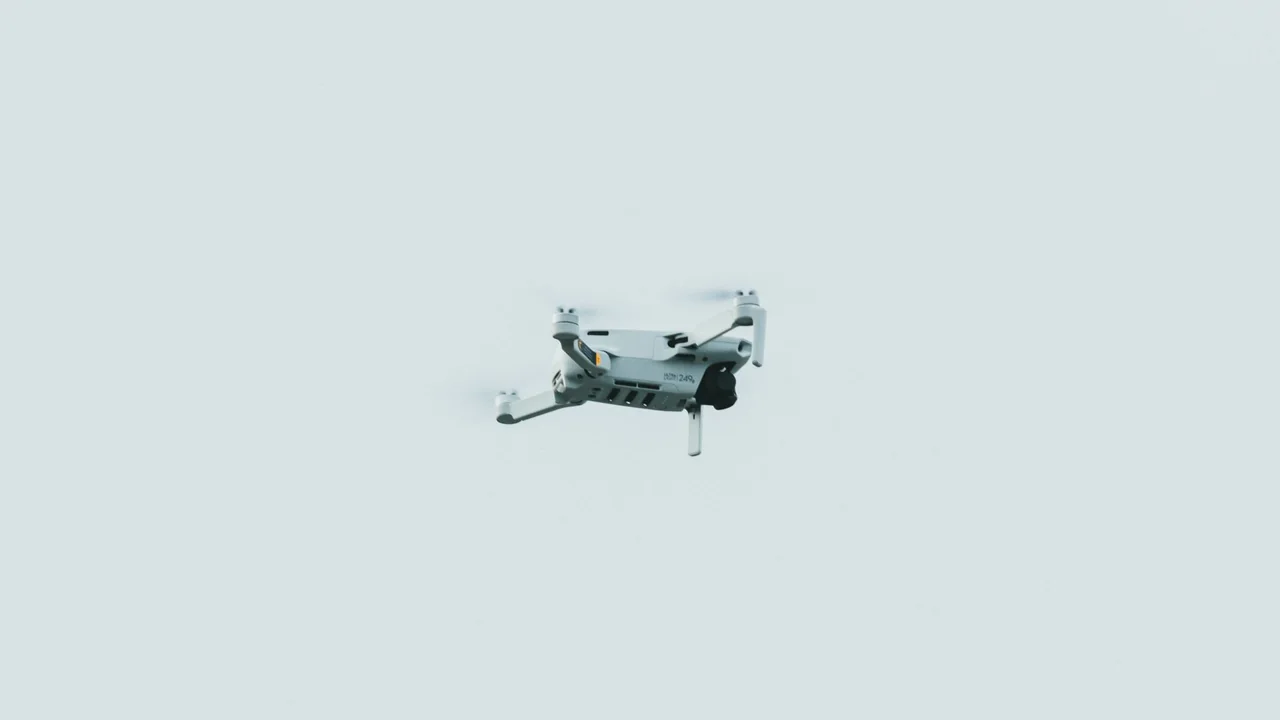
The DJI Mini 4 Pro weighs 249g, placing it in the sub-250g category. This means you do not need an Operator ID for the drone itself, but you still need a Flyer ID if you fly it (since you are the pilot). However, the CAA's rules are nuanced: if you add any accessories (like propeller guards or a strobe light) that push the total weight above 250g, you must register for an Operator ID immediately.
Use the Weight Checker Tool to confirm your drone's exact weight with accessories before flying.
The Drone Code: Five Key Rules Summarised
The Drone Code is the CAA's official safety guide, available at dronesafe.uk. It distils the law into five simple rules:
- Keep your drone in sight — always maintain visual line of sight.
- Stay below 400 feet (120 metres) — this is the maximum altitude in the Open Category.
- Keep away from people, buildings, and vehicles — maintain at least 50 metres distance from uninvolved people.
- Stay away from airports and aircraft — never fly within 5km of an airport or aerodrome.
- Respect privacy — do not record or photograph people without their consent.
These rules apply to all drone pilots regardless of drone weight or experience level.
Drone Laws in Scotland, Wales, and Northern Ireland
The CAA's drone laws apply uniformly across the entire United Kingdom, including England, Scotland, Wales, and Northern Ireland. However, there are local variations you must consider:
- Scotland: The Scottish Outdoor Access Code grants wider access to land, but you still cannot fly over private property without permission. National parks like the Cairngorms have additional restrictions.
- Wales: Snowdonia National Park has specific bylaws banning drone flights without a permit. Check local authority websites before flying.
- Northern Ireland: The border with the Republic of Ireland can cause confusion. You must follow UK law in Northern Ireland and Irish law if you cross the border. Always check airspace before flying near the border.
Commercial Drone Operations in the UK
If you are flying drones for commercial purposes (e.g., photography, surveying, inspection), you need additional qualifications. The CAA requires either an A2 Certificate of Competency (A2 CofC) for flights under the Open Category, or a Permission for Commercial Operations (PfCO) for operations outside the Open Category (e.g., beyond visual line of sight, night flying). The PfCO costs approximately £1,000 and requires a detailed operations manual and flight assessment.
Use the Registration Calculator to estimate costs for commercial operations.
Penalties for Breaking UK Drone Law
The CAA and police enforce drone laws strictly. Penalties include:
- Fines up to £5,000 for flying without an Operator ID or Flyer ID.
- Fines up to £2,500 for flying in restricted airspace (e.g., near airports).
- Imprisonment for up to 5 years if your drone endangers an aircraft (under the Air Navigation Order 2016).
- Confiscation of your drone and equipment.
Summary: Final Thoughts on UK Drone Laws 2026
The UK drone laws in 2026 are clear but require careful attention to detail. Start by registering for your Operator ID (£9/year) and passing the Flyer ID test (free) on the CAA website. If you plan to fly near people with a drone over 250g, invest in the A2 CofC. Always check airspace using the Drone Assist app before flying, and follow The Drone Code at all times. For commercial operations, obtain the appropriate permissions from the CAA. Use the tools on droneallowed.com to simplify the process, and remember that ignorance of the law is no defence.
Frequently Asked Questions
Do I need an Operator ID to fly a drone in the UK?
Yes, if your drone weighs 250g or more, you must have an Operator ID. This costs £9 per year and must be renewed annually. You must display the Operator ID number on your drone. Even if your drone is under 250g, you still need a Flyer ID to fly legally. The only exception is for toy drones under 250g without a camera.
What is the difference between Flyer ID and Operator ID?
The Operator ID is tied to the person or organisation that owns the drone. It costs £9 per year and must be displayed on the drone. The Flyer ID is tied to the individual pilot and is free. You need a Flyer ID to operate any drone, regardless of weight. In practice, if you own and fly a drone, you need both IDs. The Flyer ID test covers The Drone Code and basic safety rules.
Do I need an A2 CofC for my DJI Mini 4 Pro in the UK?
No, you do not need an A2 CofC for the DJI Mini 4 Pro because it weighs under 250g. You can fly it under A1 rules, which allow you to fly over people (but not crowds) without additional certification. However, if you add accessories that push the weight above 250g, you will need an Operator ID and may need an A2 CofC depending on your flight plan. Always weigh your drone with accessories before flying.
Can I fly a drone near Heathrow Airport?
No, you cannot fly a drone within 5km of Heathrow Airport without explicit permission from the CAA. This area is a Flight Restriction Zone (FRZ) with a total ban on recreational drone flights. Commercial operators may apply for a Permission for Commercial Operations (PfCO), but this is rarely granted. Flying near Heathrow without permission is a criminal offence with fines up to £5,000 and potential imprisonment.
What happens if I fly my drone illegally in the UK?
Flying illegally can result in fines up to £5,000, confiscation of your drone, and imprisonment for up to 5 years if you endanger an aircraft. The CAA and police actively enforce drone laws and publish prosecution lists. Common offences include flying without an Operator ID, flying in restricted airspace, and flying above 400 feet. Always check the CAA website and The Drone Code before flying.
Is it legal to fly a drone over people in the UK?
It depends on your drone's weight and the sub-category you are flying under. Under A1 rules, drones under 250g can fly over people (but not crowds). Under A2 rules, you must stay 30 metres from people (5 metres in slow-flight mode) and need an A2 CofC. Under A3 rules, you must stay 150 metres from residential and commercial areas. You can never fly over crowds of people, regardless of drone weight.
Last updated: June 24, 2026
- Civil Aviation Authority (CAA) — register-drones.caa.co.uk
- UK Air Navigation Order 2016 (as amended)
- The Drone Code — dronesafe.uk
- NATS Drone Assist app documentation