Drone Laws
🇦🇺 Drone Laws — Australia
Drone laws in Australia are regulated by CASA. Find out the rules for flying in each state.
CASA RePL Guide 2026: How to Get Your Remote Pilot Licence in Australia
If you’re looking to turn your drone flying into a paying gig in Australia, the CASA RePL Australia credential is your ticket.…
 13 min read
CASA Drone Registration Australia 2026: Complete Guide
If you own a drone in Australia and it weighs 250 grams or more, you need to complete CASA drone registration Australia.…
11 min read
Western Australia Drone Laws 2026: Perth, Kimberley & CASA Rules
Flying a drone in Western Australia in 2026 means navigating two layers of rules: the federal CASA regulations that apply across Australia,…
12 min read
Sydney Drone Laws 2026: CASA Rules, Harbour & Where to Fly
If you’re searching for Sydney drone laws in 2026, you’ve likely realised that flying a drone in Australia’s most iconic city is…
14 min read
Melbourne Drone Laws 2026: CASA Rules, CBD & Where to Fly
If you’re wondering where you can fly a drone in Melbourne under the 2026 CASA rules, you’ve come to the right place.…
12 min read
Victoria Drone Laws 2026: Melbourne, Great Ocean Road & Rules
If you’re planning to fly a drone in Victoria in 2026, you’re likely wondering where you can legally take off, especially around…
13 min read
South Australia Drone Laws 2026: Adelaide, Outback & CASA Rules
If you’re planning to fly a drone in South Australia in 2026, you need to navigate a mix of federal CASA rules…
12 min read
NSW Drone Laws 2026: Sydney, Blue Mountains & CASA Rules
If you’re a drone pilot living in or visiting New South Wales, you’ve landed in the most heavily regulated state in Australia…
14 min read
Queensland Drone Laws 2026: Beaches, Parks & CASA Rules Explained
Planning a drone flight in Queensland in 2026? Whether you are a tourist hoping to capture the golden sunrise over the Gold…
14 min read
Understanding Australia's Drone Rules in 2026: Your Complete Guide to CASA Regulations
If you're planning to fly a drone in Australia in 2026, you need to get your head around the Civil Aviation Safety Authority (CASA) rules. Whether you're a tourist wanting to capture the sunset at Bondi Beach, a Queensland local flying over the Great Barrier Reef, or a beginner looking to earn your RePL, this guide covers everything about Australia drone laws. You'll learn the standard operating conditions, what changed with the 2024 sub-2kg rule updates, and how to stay legal from the Gold Coast to the Outback.Who Is CASA and Why Do Their Drone Rules Matter?
Standard Operating Conditions CASA: The Default Rules for Every Pilot
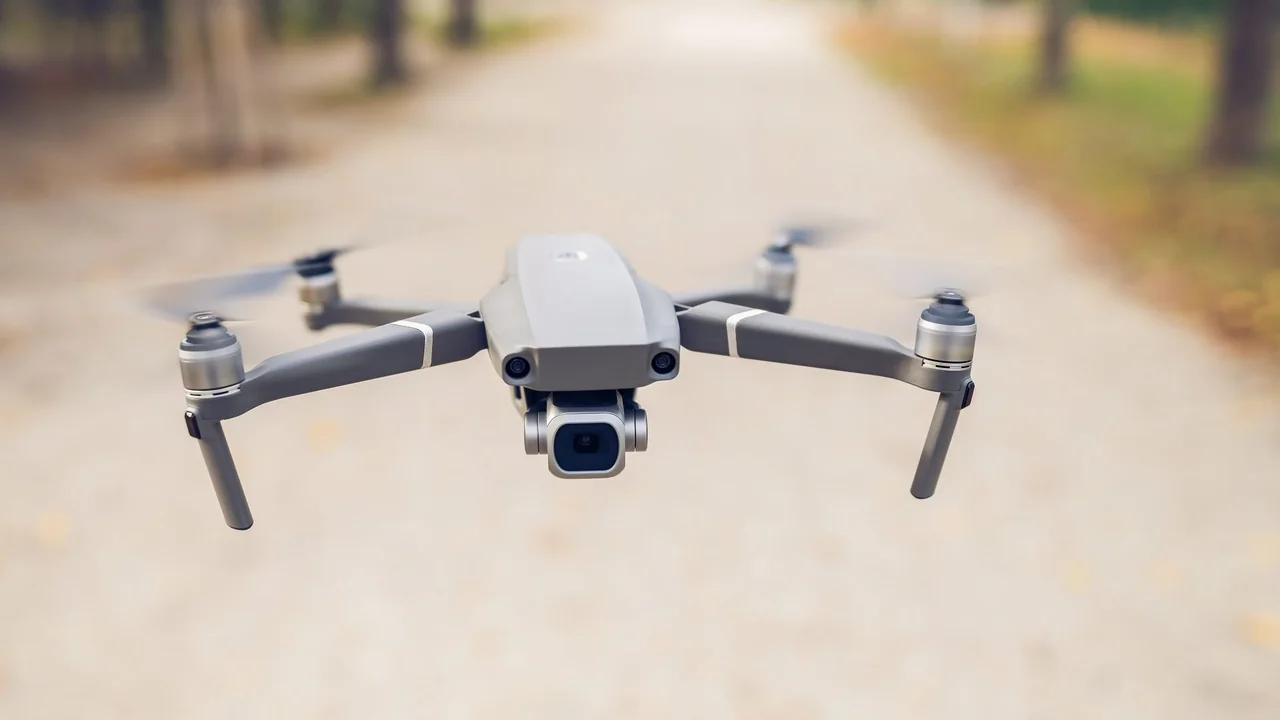
Before you take off, you must understand CASA's standard operating conditions. These are the baseline rules for recreational drone flying. If you fly outside these conditions, you need an excluded RPA (remotely piloted aircraft) category or a RePL. Here's the list:- Fly only during the day (civil twilight is allowed with lights).
- Keep your drone within visual line of sight at all times.
- Fly no higher than 120 metres (400 feet) above ground level.
- Stay at least 30 metres away from other people (not your helpers).
- Do not fly over or above people.
- Stay at least 5.5 kilometres from controlled aerodromes (airports).
- Stay at least 3.5 kilometres from non-controlled aerodromes.
- Do not fly in prohibited or restricted airspace.
- Do not fly near emergencies (bushfires, police operations, etc.).
- Do not fly over private property without permission (state laws apply).
CASA Drone Registration Australia: Who Needs It and How to Do It
Do You Need the CASA Knowledge Test?
If you fly a drone weighing 250g to 2kg for fun, you don't need a test — but you must follow the standard operating conditions. However, if you want to fly outside those conditions (e.g., closer than 30 metres to people), you need to take the CASA online knowledge test. It's free, takes about 30 minutes, and covers safety rules. Pass it, and you can apply for an excluded RPA operator credential.Sub-2kg Drone Rules Australia: The Excluded RPA Category
The sub-2kg drone rules Australia changed significantly in 2024. Drones under 2kg that are not registered (i.e., sub-250g) are called excluded RPA (remotely piloted aircraft). This category allows you to fly closer to people than standard conditions — as close as 0 metres if you have consent — but only if you pass the knowledge test and register your drone (if over 250g).| Weight Category | Registration Required? | Knowledge Test Required? | Max Altitude |
|---|---|---|---|
| Under 250g (e.g., DJI Mini 4 Pro) | No | No (unless flying outside SOC) | 120m |
| 250g to 2kg (e.g., DJI Air 3) | Yes (A$20/yr) | Yes (for excluded RPA ops) | 120m |
| Over 2kg (e.g., DJI Matrice 30) | Yes | RePL required | 120m (unless approved) |
RePL (Remote Pilot Licence) and ReCo (Remote Operator Certificate)
If you want to fly drones commercially in Australia — for real estate photography, filmmaking, or surveying — you need an RePL. This is a licence issued by CASA through approved training providers. The course costs around A$1,500 to A$3,000 depending on the provider and takes 2–5 days. Once you have your RePL, you can apply for a ReCo (Remote Operator Certificate) if you want to run a drone business with multiple pilots.Search CASA's website for a list of approved schools near you.
Covers air law, meteorology, navigation, and flight operations.
Submit your certificate to CASA. It's valid for life (subject to currency).
Flying a Drone Near Sydney Australia: City-Specific Rules
If you're flying a drone near Sydney Australia, you need to be extra careful. Sydney has some of the strictest airspace in the country. The Sydney Harbour Bridge, Opera House, and Botanic Gardens are all in controlled airspace. Use CASA's "Can I Fly There?" tool before launching. Most of the harbour is a no-fly zone due to the airport and helicopter routes. The Royal National Park south of Sydney is a state park with its own rules — drones are banned without a permit.Drone Laws Queensland Beaches and Coastal Areas
Queensland is a hotspot for drone flying, but the drone laws Queensland beaches are specific. On public beaches, you can fly under standard operating conditions — but only if you stay 30 metres away from people. At popular spots like Surfers Paradise, Noosa Main Beach, or Whitehaven Beach, that's almost impossible. Many local councils (e.g., Gold Coast City Council) have by-laws restricting drone use on beaches during peak times. Always check with the local council and use the "Can I Fly There?" tool.Best Queensland Beach for Drones
- Remote beaches on Fraser Island (K'gari) — fewer people
- Early morning at Coolangatta Beach before crowds
- Private beaches with landowner permission
Tricky Queensland Beaches
- Surfers Paradise — too many people
- Whitehaven Beach — national park rules apply
- Byron Bay (NSW border) — different state rules
Are Drones Allowed in Australian National Parks?
This is a common question, and the answer varies by state. Generally, national parks in Australia do not allow drones without a specific permit. For example:- NSW National Parks: Drones are banned unless you have a scientific or film permit.
- Queensland National Parks: Banned in most parks (e.g., Lamington, Daintree). Some allow drones with a permit.
- Victorian National Parks: Banned in all parks managed by Parks Victoria.
- Western Australia: Banned in most parks, but some allow drones with a permit.
- Tasmania: Banned in all national parks.
Night Flying Rules in Australia
Recreational pilots cannot fly at night under standard operating conditions. However, if you have an excluded RPA credential (via the knowledge test) or a RePL, you can fly at night provided your drone has lights visible for 3 nautical miles (about 5.5 km). Commercial operators with a RePL can apply for night flying approval from CASA.Penalties for Breaking CASA Drone Rules
CASA takes drone safety seriously. Penalties include:| Offence | Maximum Fine |
|---|---|
| Flying without registration (if required) | A$1,050 |
| Flying in restricted airspace (e.g., near airports) | Up to A$10,000+ |
| Flying over people without permission | Up to A$5,000 |
| Flying during an emergency (e.g., bushfire) | Up to A$10,000 + possible criminal charges |
How to Use the CASA "Can I Fly There?" Tool
CASA provides a free online tool called "Can I Fly There?" (available at casa.gov.au or via the app). You enter your location, and it shows you nearby no-fly zones, controlled airspace, and national park boundaries. It's not perfect — it doesn't show local council by-laws — but it's an essential first step before any flight.DJI Mini 4 Pro in Australia: Sub-250g Rules
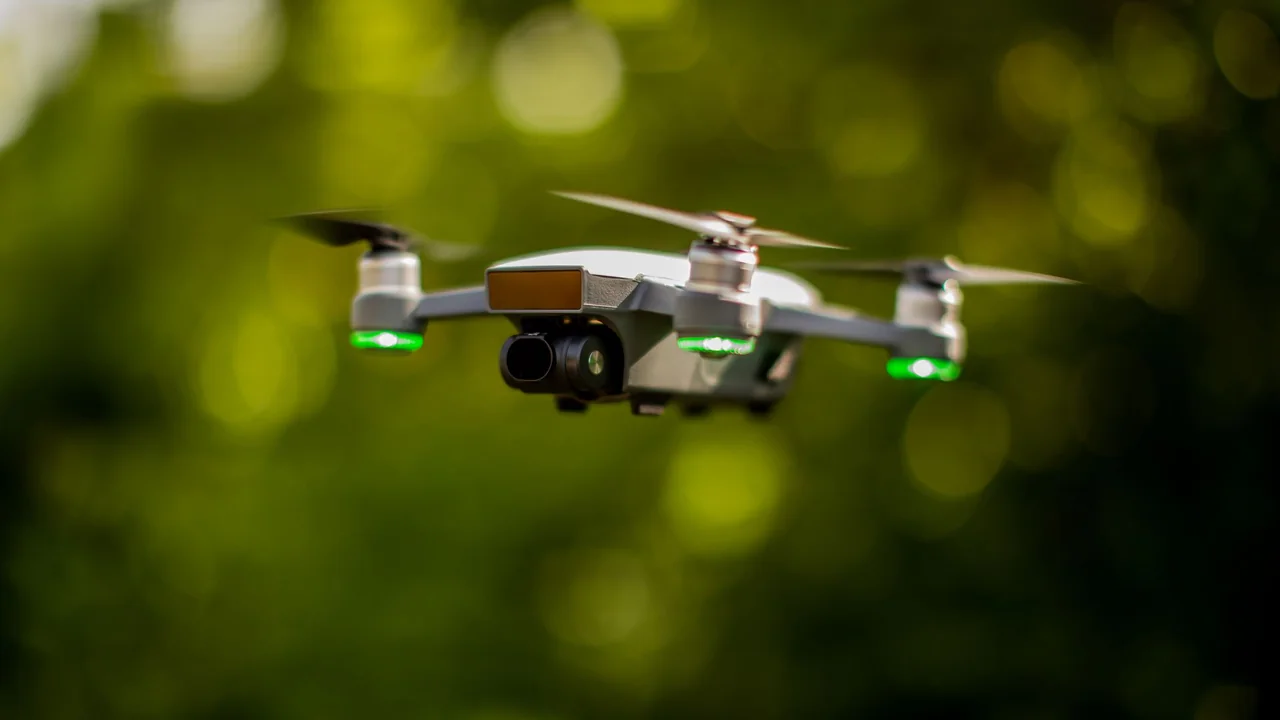
The DJI Mini 4 Pro in Australia is a popular choice because it weighs under 250 grams with the standard battery. This means you do not need to register it, and you don't need a knowledge test for basic flying under standard conditions. However, if you add a heavier battery or payload, it goes over 250g and registration becomes mandatory. Also, the sub-250g exemption does not allow you to fly over people or near airports — standard conditions still apply.Final Thoughts on Australia Drone Laws 2026
Australia's drone laws are designed to keep everyone safe whilst allowing responsible pilots to enjoy the skies. The key takeaways are: register your drone if it's over 250g (use our Registration Calculator to check), follow the standard operating conditions, and always check the "Can I Fly There?" tool before launching. For commercial work, invest in your RePL. For beach flying, go early or find a quiet spot. And remember — national parks are mostly off-limits. Fly smart, fly legal, and Australia's stunning landscapes are yours to capture.Frequently Asked Questions
Do I need to register my drone in Australia?
Yes, if your drone weighs 250 grams or more. Registration costs A$20 per year and is done through myrpas.casa.gov.au. Drones under 250g, like the standard DJI Mini 4 Pro, do not need registration. However, if you modify the drone to exceed 250g, registration becomes mandatory. The registration covers all drones you own under one account, and you must display the registration number on each drone.
What are the standard operating conditions for drones in Australia?
The standard operating conditions are CASA's default rules for recreational drone flying. They include flying only during daylight, keeping your drone within visual line of sight, staying below 120 metres altitude, and maintaining at least 30 metres distance from other people. You must also stay at least 5.5 km from controlled aerodromes and 3.5 km from non-controlled ones. Flying over people or near emergencies is strictly prohibited under these conditions.
Can I fly a drone on the beach in Queensland?
Yes, you can fly a drone on most Queensland beaches, but you must follow CASA's standard operating conditions. This means staying at least 30 metres away from people, which can be challenging at popular beaches like Surfers Paradise or Noosa Main Beach. Many local councils also have by-laws restricting drone use during peak times or in crowded areas. Always check with the local council and use CASA's "Can I Fly There?" tool before flying.
Do I need a RePL to fly commercially in Australia?
Yes, if you are flying a drone for commercial purposes — such as real estate photography, filmmaking, or surveying — you need a Remote Pilot Licence (RePL). The RePL is obtained through CASA-approved training providers and costs between A$1,500 and A$3,000. The course covers air law, meteorology, and practical flight operations. Once you have your RePL, you can also apply for a Remote Operator Certificate (ReCo) if you plan to operate a drone business with multiple pilots.
Can I fly my DJI Mini 4 Pro anywhere without registration?
No, you cannot fly your DJI Mini 4 Pro anywhere without restrictions. Whilst the standard battery keeps it under 250g and exempt from registration, you must still follow CASA's standard operating conditions. This means staying 30 metres away from people, 5.5 km from airports, and below 120 metres altitude. National parks, restricted airspace, and busy beaches are still off-limits. Adding a heavier battery or payload pushes the weight over 250g, requiring registration.
Are drones allowed in Australian national parks?
In most Australian national parks, drones are banned without a specific permit. Each state manages its own parks — for example, NSW National Parks and Wildlife Service bans drones entirely, whilst Queensland allows them in some parks with a permit. Victoria, Tasmania, and Western Australia also have blanket bans. If you want to fly in a national park, you must apply for a scientific, film, or commercial permit from the relevant state authority. Flying without a permit can result in fines.
Last updated: June 24, 2026
- Civil Aviation Safety Authority (CASA) — casa.gov.au
- Civil Aviation Safety Regulations Part 101 (CASR 101)
- myrpas.casa.gov.au — drone registration portal