
Drone Laws In Iceland 2026: Complete Guide for Drone Pilots
 11 min read
2,016 words
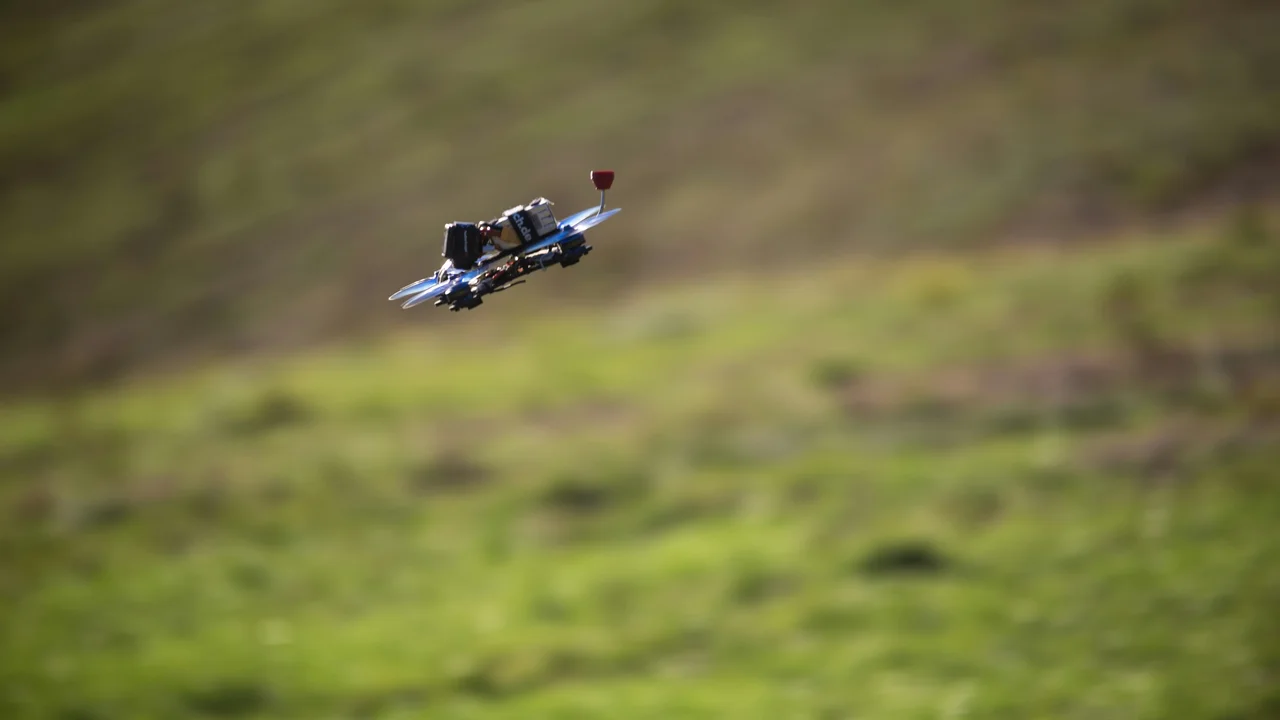
If you are planning to fly a drone in Iceland, the most important thing to know is that the Icelandic Transport Authority (ICETRA) governs all drone operations under Regulation No. 1160/2016, which aligns closely with European Union (EASA) standards. This guide covers everything from registration and certification to no-fly zones and penalties, so you can fly legally and safely. You will get clear, actionable information on drone laws in Iceland, including where you can fly, what permits you need, and the fines for breaking the rules.
LENTION 3.3FT Long Cable USB C Hub
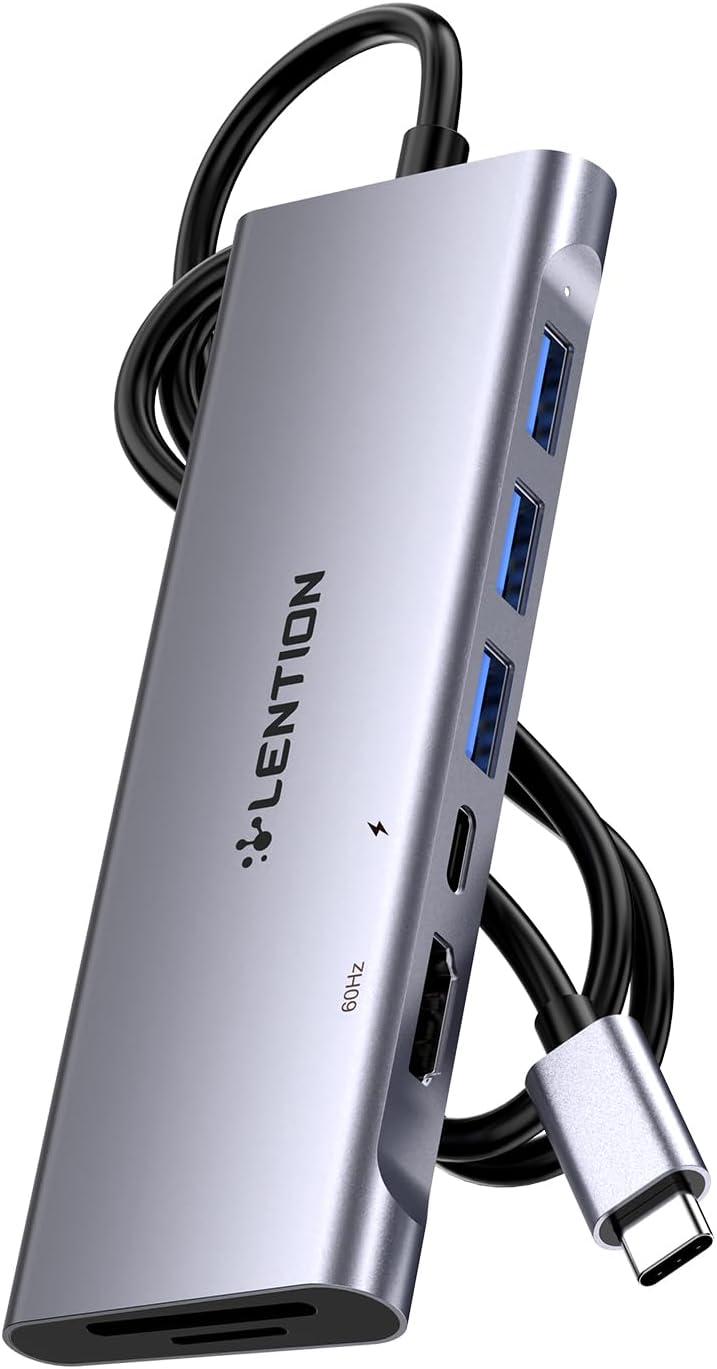
LENTION 3.3FT Long Cable USB C Hub, 4K HDMI, 100W PD, USB 3.0, Card Reader 3A & LED Indicator Stable Driver Adapter, for macOS, iOS/iPadOS, Windows & ChromeOS (C36p-1M, Space Gray)
Check Price on Amazon17-in-1 USB C Hub 65W Powered Adapter, 10Gbps, Dual PD 45W
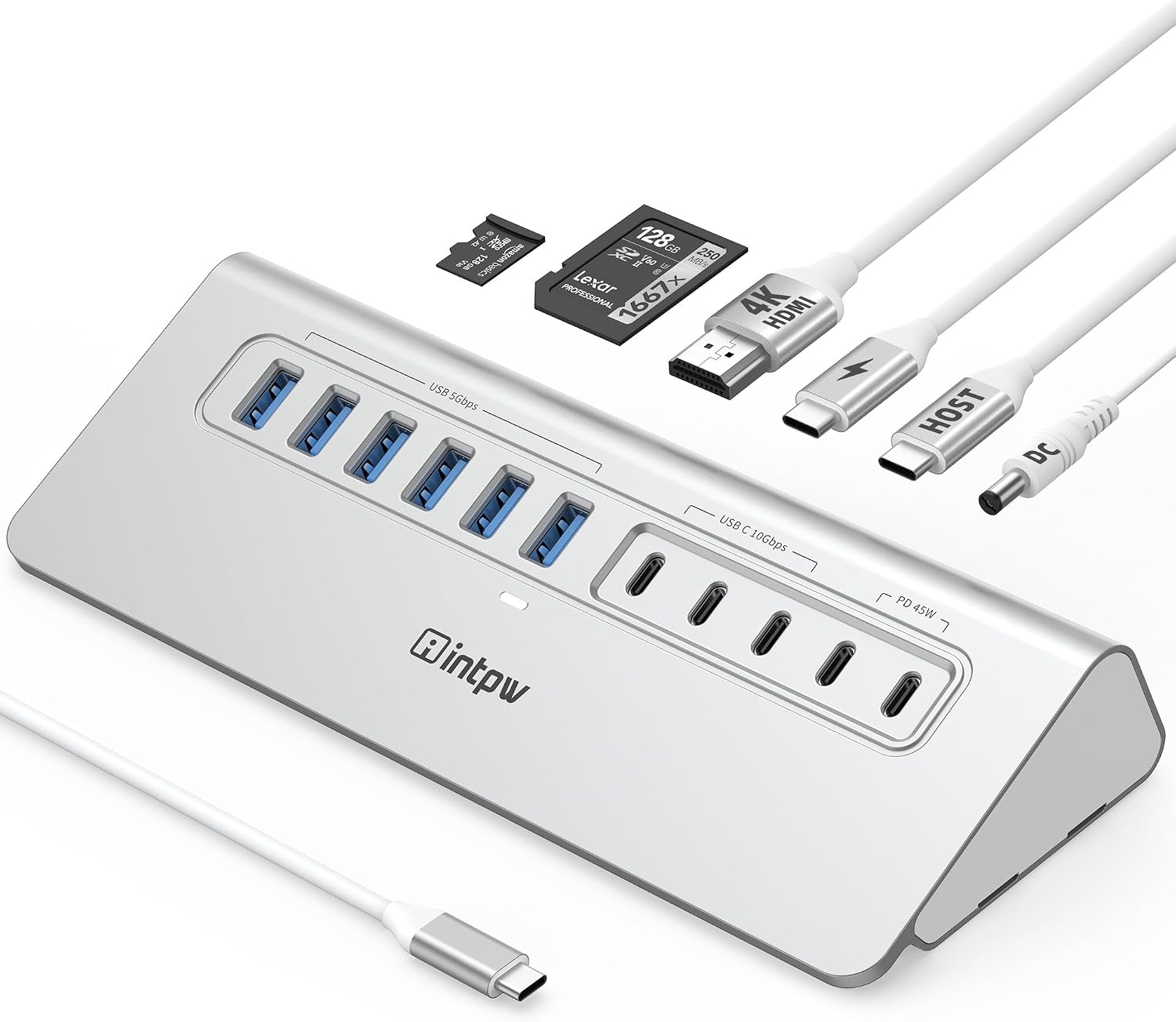
17-in-1 USB C Hub 4K@60Hz, 65W Powered Adapter, 10Gbps, Dual PD 45W PD 100W Charging, 3×USB-C 3.2+6×USB-A 3.0, SD/TF 105MB/s, 3.3ft Cable, Aluminum Desktop USB Hub for MacBook Pro/Air/Mac Mini
Check Price on AmazonLENTION USB-C Hub, HDMI, 100W PD, 2 USB-C, 2 USB 3.0, Card Reader
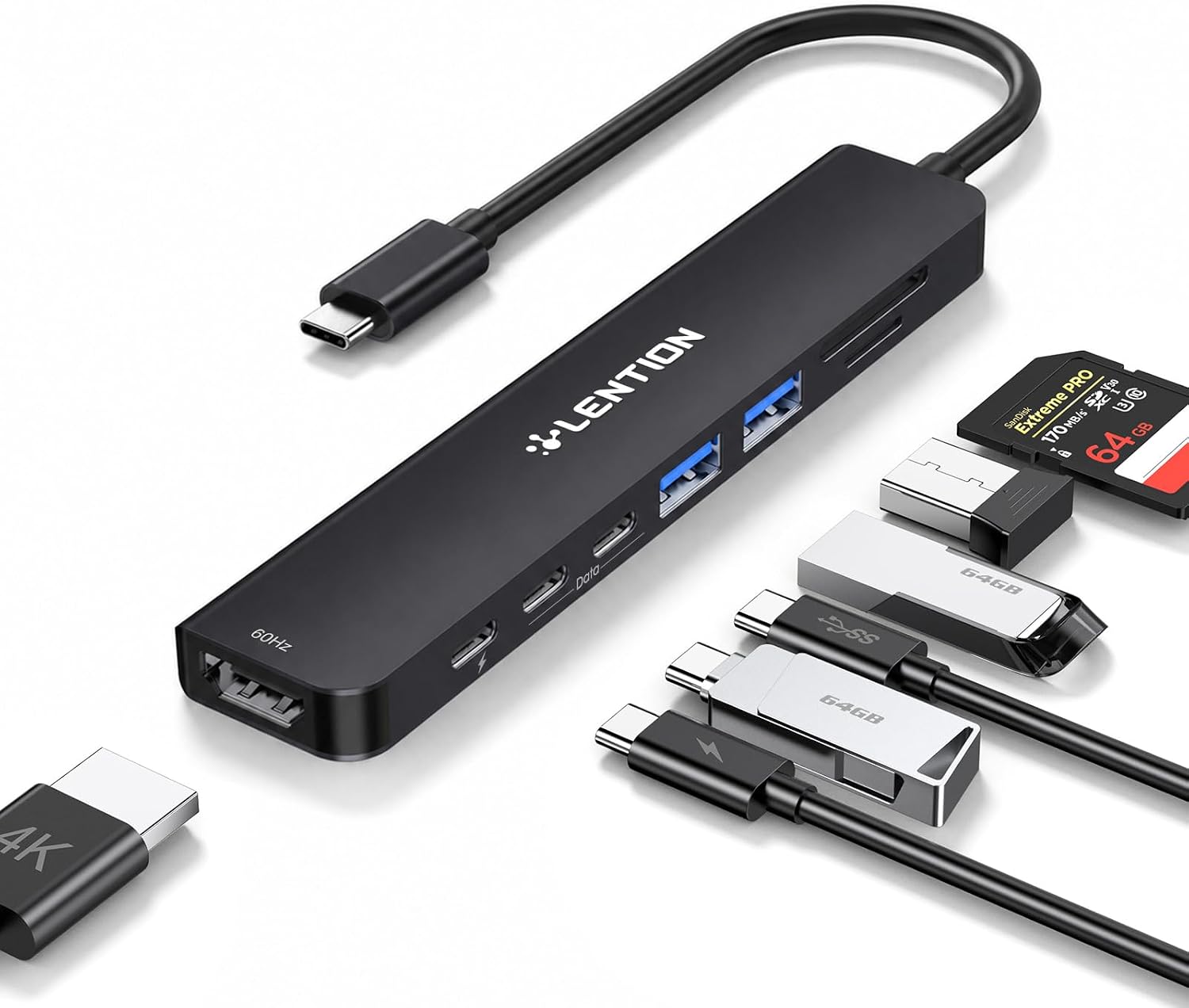
LENTION USB-C Hub, 4K@60Hz HDMI, 100W PD, 2 USB-C, 2 USB 3.0, Card Reader 2A & 2C Work Simultaneously, Stable Driver 3.0 Certified, for macOS, iOS/iPadOS, Windows & ChromeOS (CE19, Black)
Check Price on AmazonUnderstanding Drone Laws in Iceland: Regulatory Authority and Framework
The primary authority for drone laws in Iceland is the Icelandic Transport Authority (ICETRA), known locally as Samgöngustofa. They enforce Regulation No. 1160/2016, which is based on the European Union’s EASA framework. This means if you are familiar with EU drone rules, you will find Iceland’s system very similar. All drones weighing over 250 grams (0.55 pounds) must be registered, and operators must pass an online exam. The regulation applies to all drones used for recreational or commercial purposes, with some exemptions for very lightweight models.
3 FT Power Strip
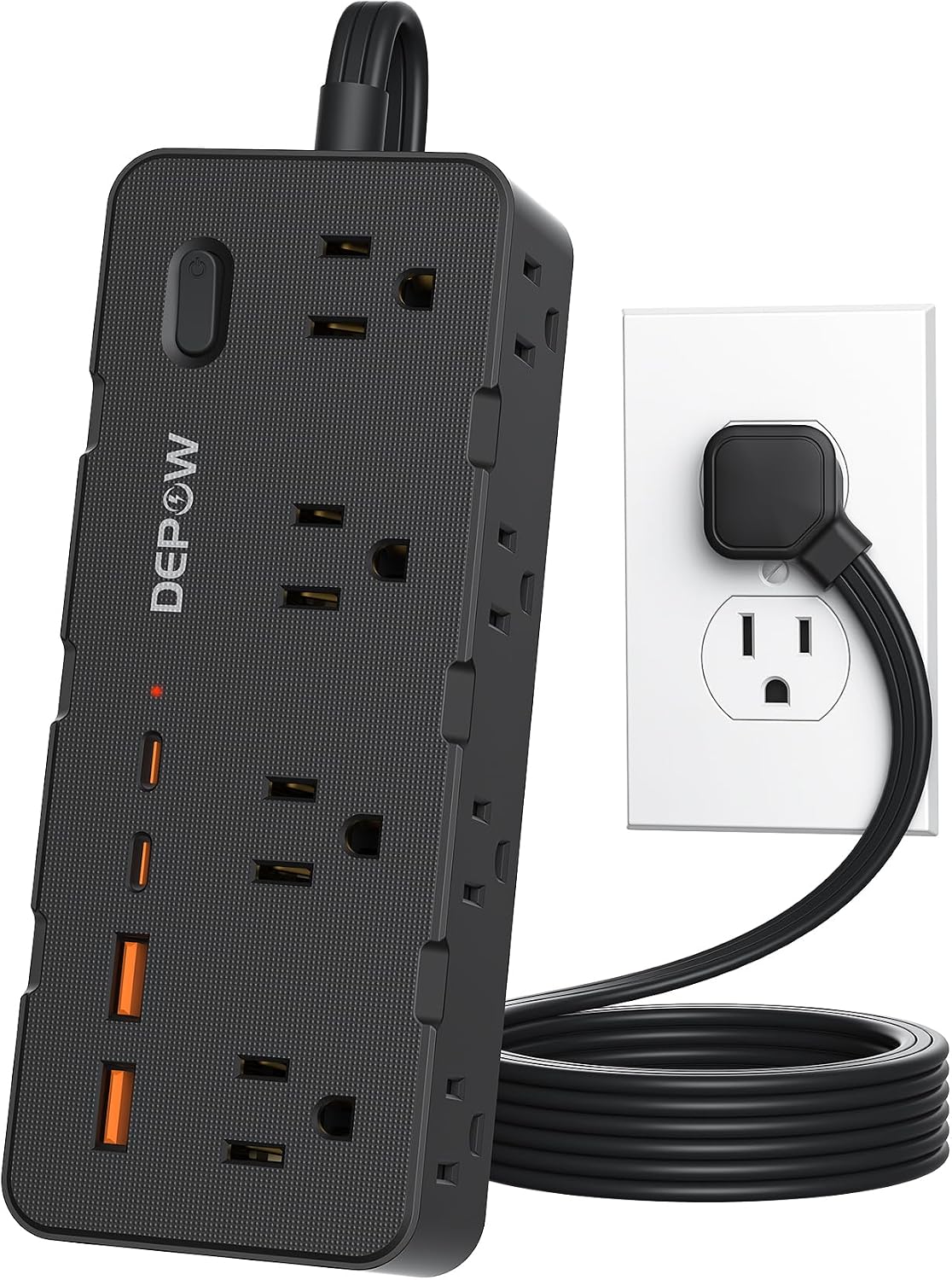
3 FT Power Strip, Extension Cord with 8 AC Outlets + 4 USB (2 USB-C), Black Flat Plug, Compact 3FT Flat Cord Keeps Desktop Neat. 1700J Surge Protection, 1625W, Great for Home Office, Dorm, Nightstand
Check Price on AmazonHICOBER USB C SD Card Reader
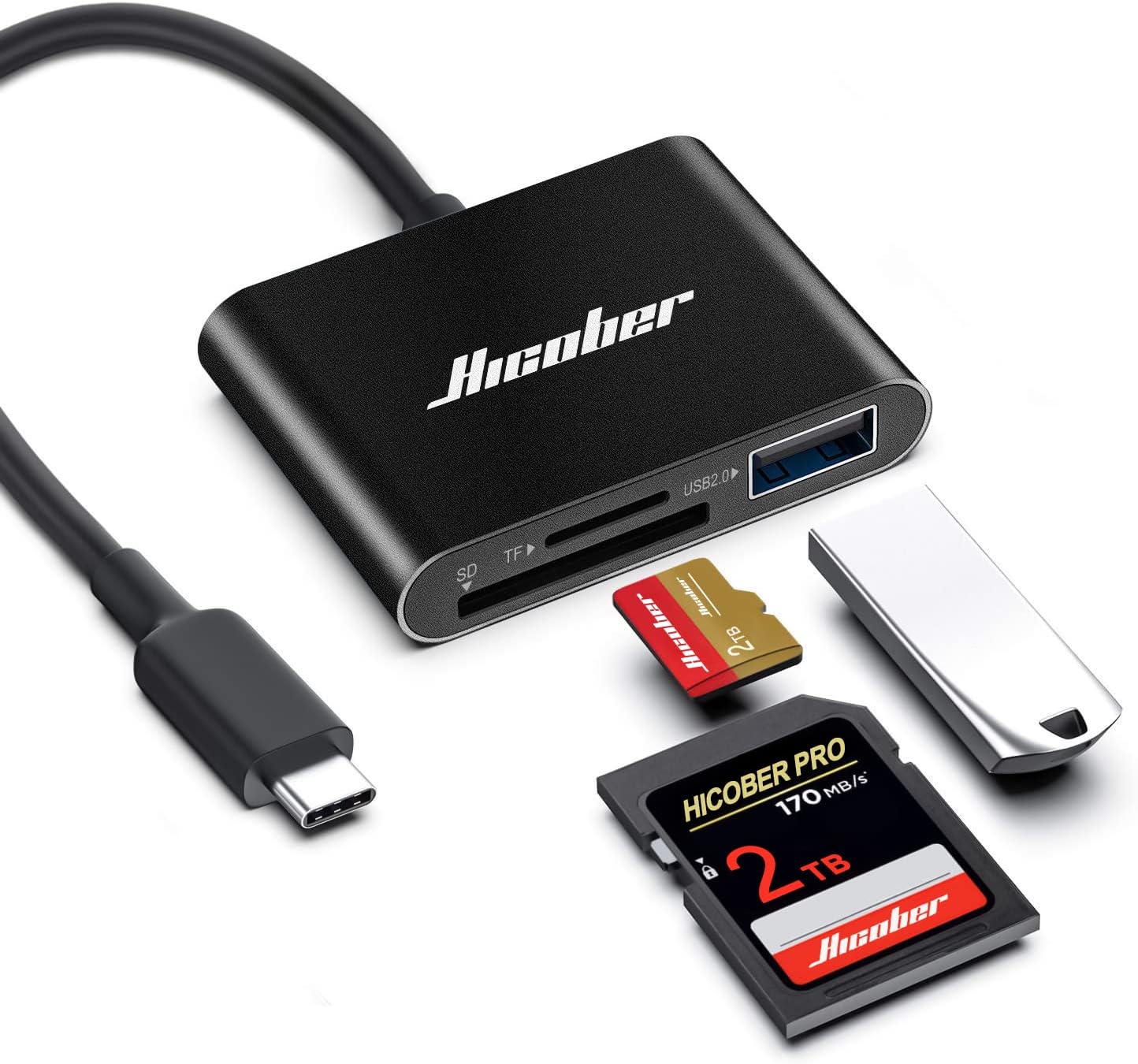
HICOBER USB C SD Card Reader, 3-in-1 for Laptop, Phone, Tablet, Black Durable aluminum body helps dissipate heat quickly for stable performance; reads SD, TF and USB drives up to 2TB via USB-C
Check Price on Amazon64GB Micro SD Card with SD Card Reader
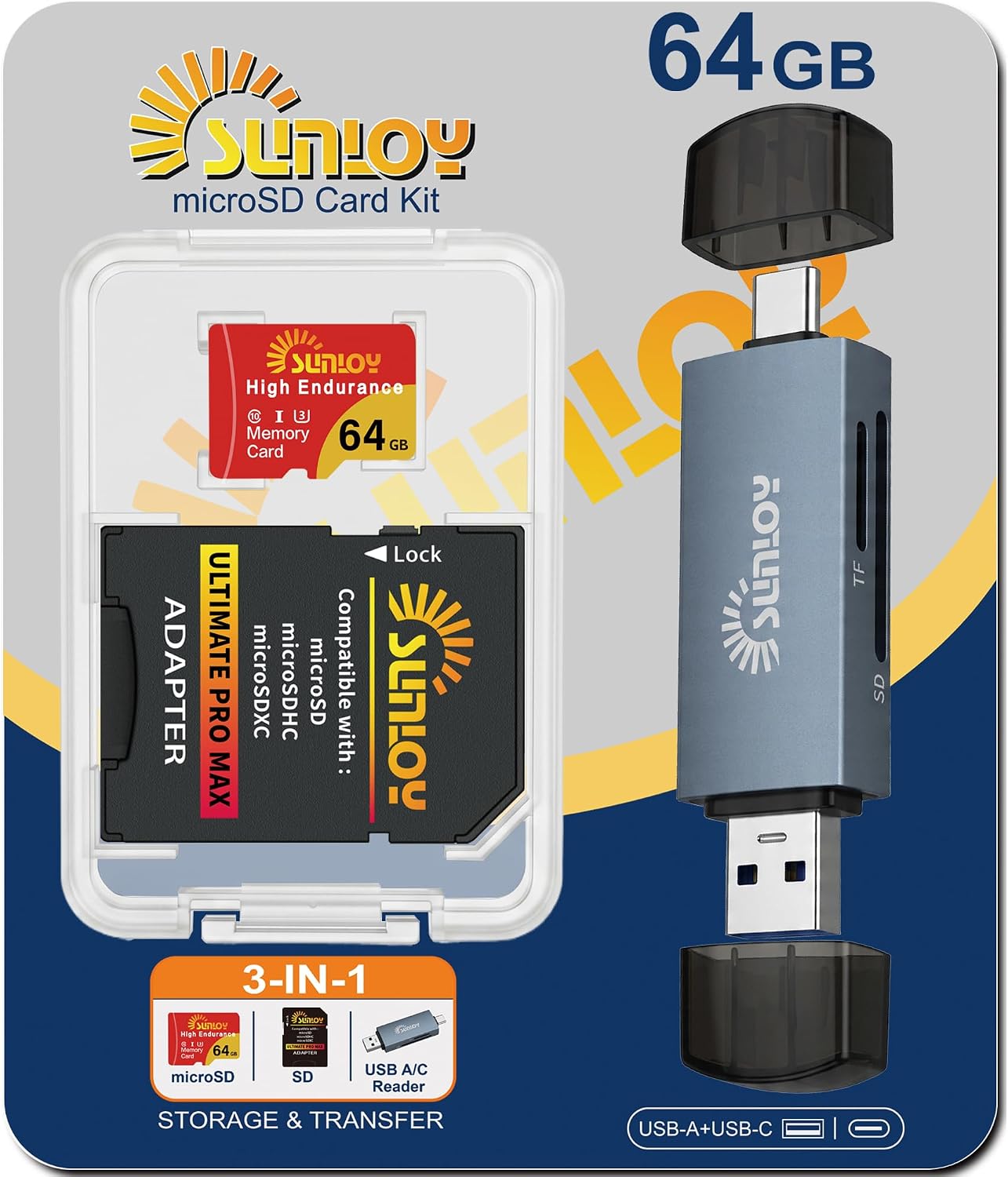
64GB Micro SD Card with SD Card Reader USB3.0 A/C Dual Slots & SD Adapter UHS-I, C10, U3, V30, A1, 4K UHD, USB 3.0 Memory Card Reader for iPhone 17/16/15, MacBook, iPad, Laptop, PC, Drone, Game Console
Check Price on AmazonDo You Need to Register Your Drone Under Iceland Drone Laws?
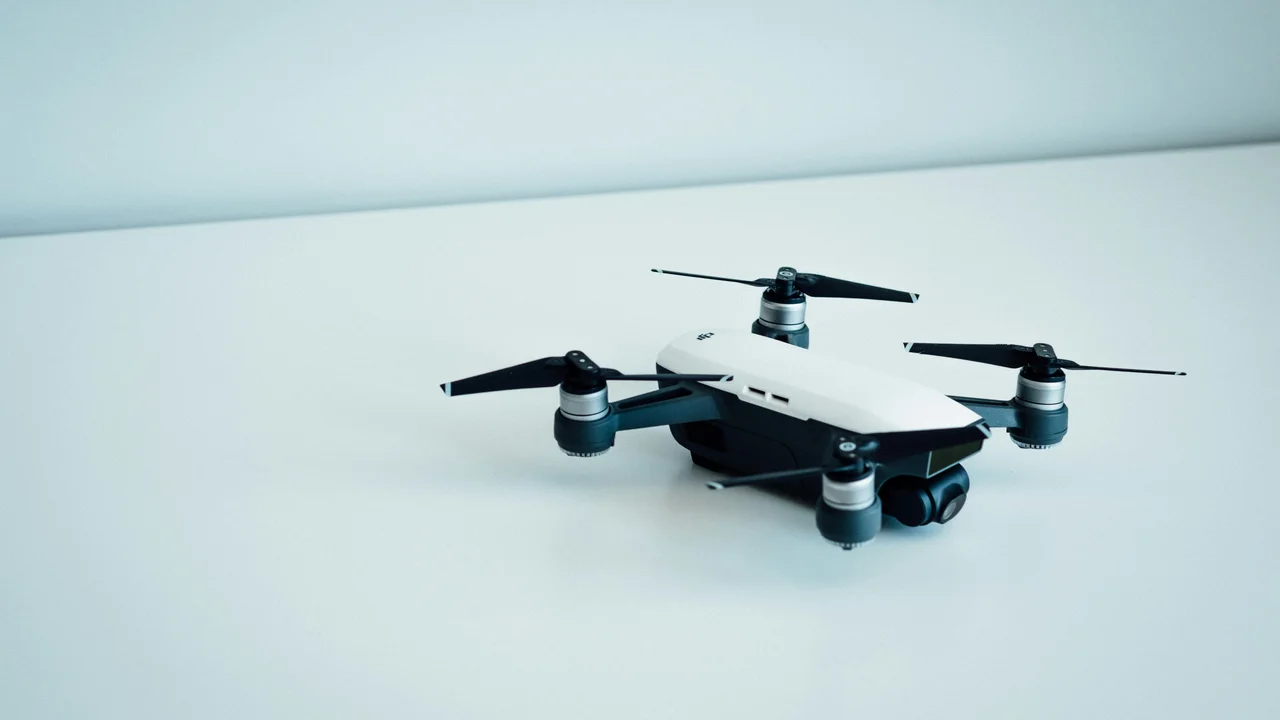
Yes, under Iceland drone laws, you must register as a drone operator with ICETRA if your drone weighs more than 250 grams (0.55 pounds) or if it has a camera (even if it is lighter). Registration is done online through the ICETRA portal. There is no fee for registration, but you must renew it every three years. Once registered, you will receive an operator ID number that must be displayed on your drone.
Do You Need a License or Certificate for Drone Laws in Iceland?
For most recreational and commercial flights, you need to pass the EASA A1/A3 online exam (also called the “Open Category” exam). This is a free, multiple-choice test available in English and Icelandic. After passing, you receive a certificate valid for five years. For drones over 4 kilograms (8.8 pounds) or for flights closer to people (A2 category), you need an additional A2 certificate, which requires a more advanced exam and a self-practical training declaration.
No-Fly Zones and Restricted Areas Under Iceland Drone Laws
Iceland has several strict no-fly zones that you must avoid. These include all national parks (like Thingvellir National Park), nature reserves, and areas around airports (a 5-kilometer or 3.1-mile radius from runways). You are also banned from flying over crowds, military installations, and geothermal areas without special permission. The entire Vatnajökull National Park is a no-fly zone unless you have a specific permit from the park administration.
Where Can You Legally Fly a Drone in Iceland?
You can fly in most open, unpopulated areas outside of restricted zones. Coastal cliffs, remote highlands, and rural farmland are generally allowed, provided you stay at least 150 meters (492 feet) away from buildings, people, and vehicles. The maximum altitude is 120 meters (394 feet) above ground level. Always check local municipal rules, as some towns like Reykjavík have additional restrictions on flying in public parks.
DJI Mini 3
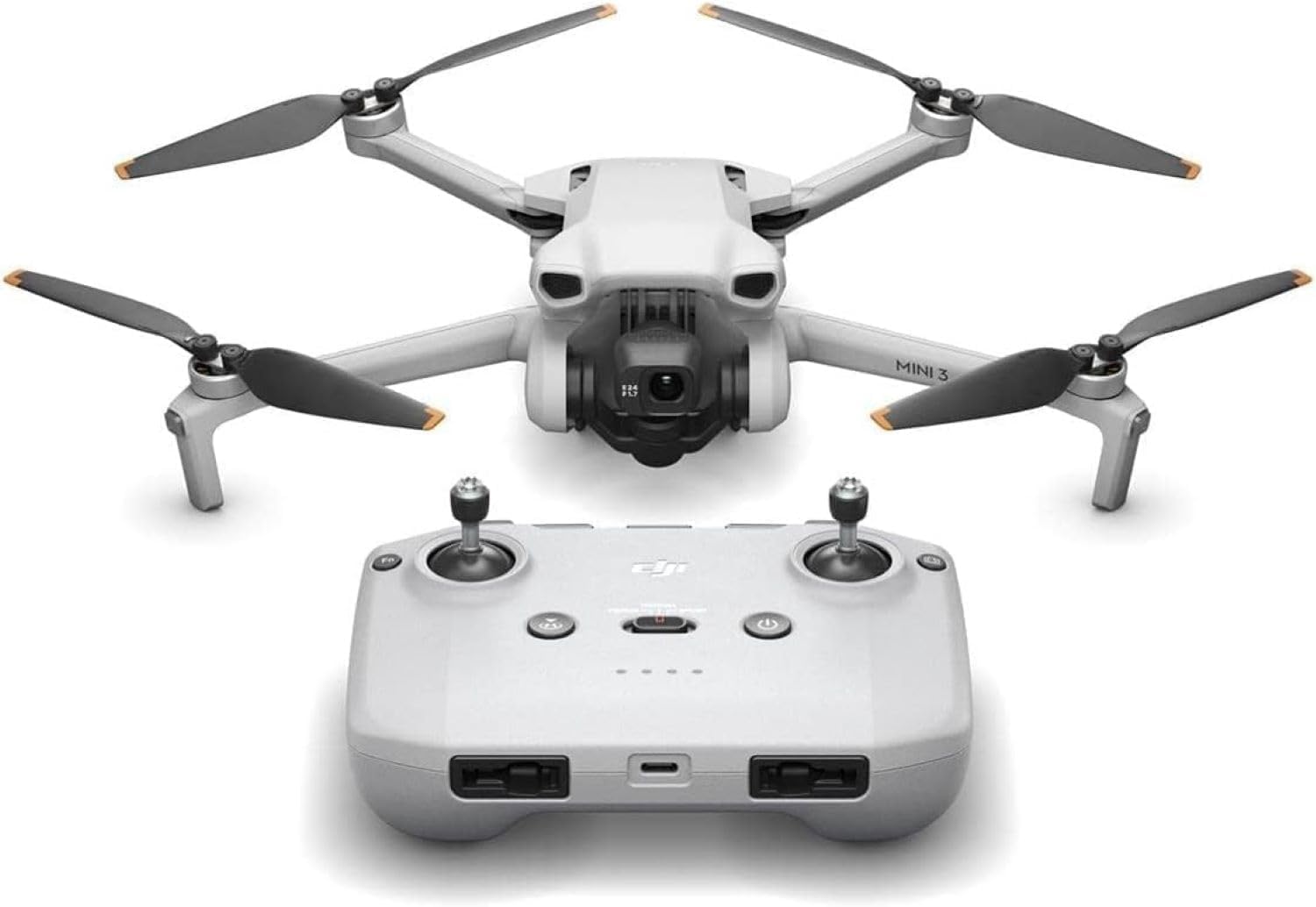
DJI Mini 3, 3-Axis Mechanical Gimbal Mini Camera Drone | 4K HDR Video, 38-Min Flight Time, up to 32800ft (10km) Video Transmission, True Vertical Shooting, GPS Auto Return
Check Price on AmazonDJI Mini 3 Fly More Combo
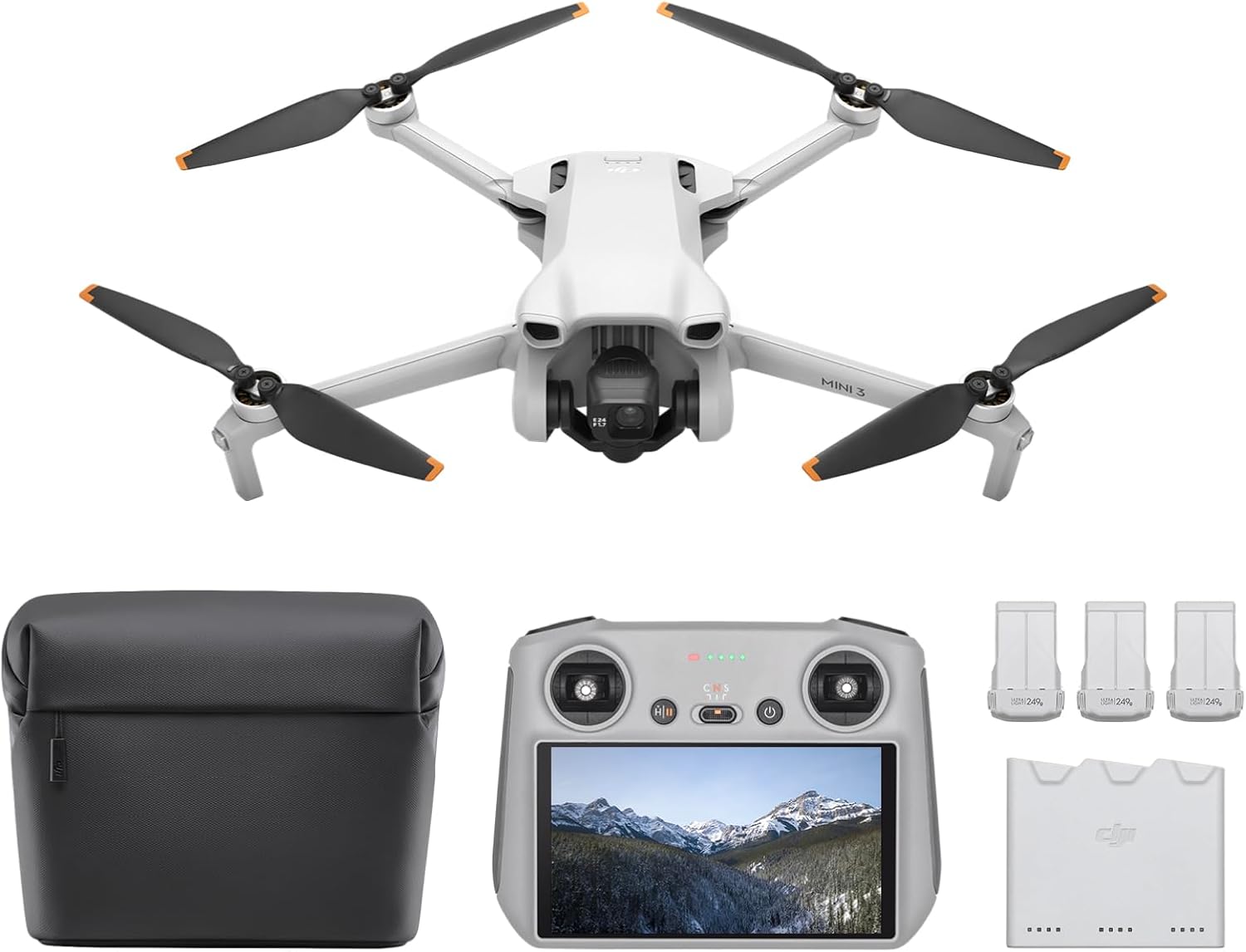
DJI Mini 3 Fly More Combo With DJI RC, 3 Batteries | Lightweight Camera Drone With 4K HDR Video, 114-Min Flight Time, Vertical Shooting, 32800ft (10km) Video Transmission
Check Price on AmazonDJI Mini 3 With DJI RC
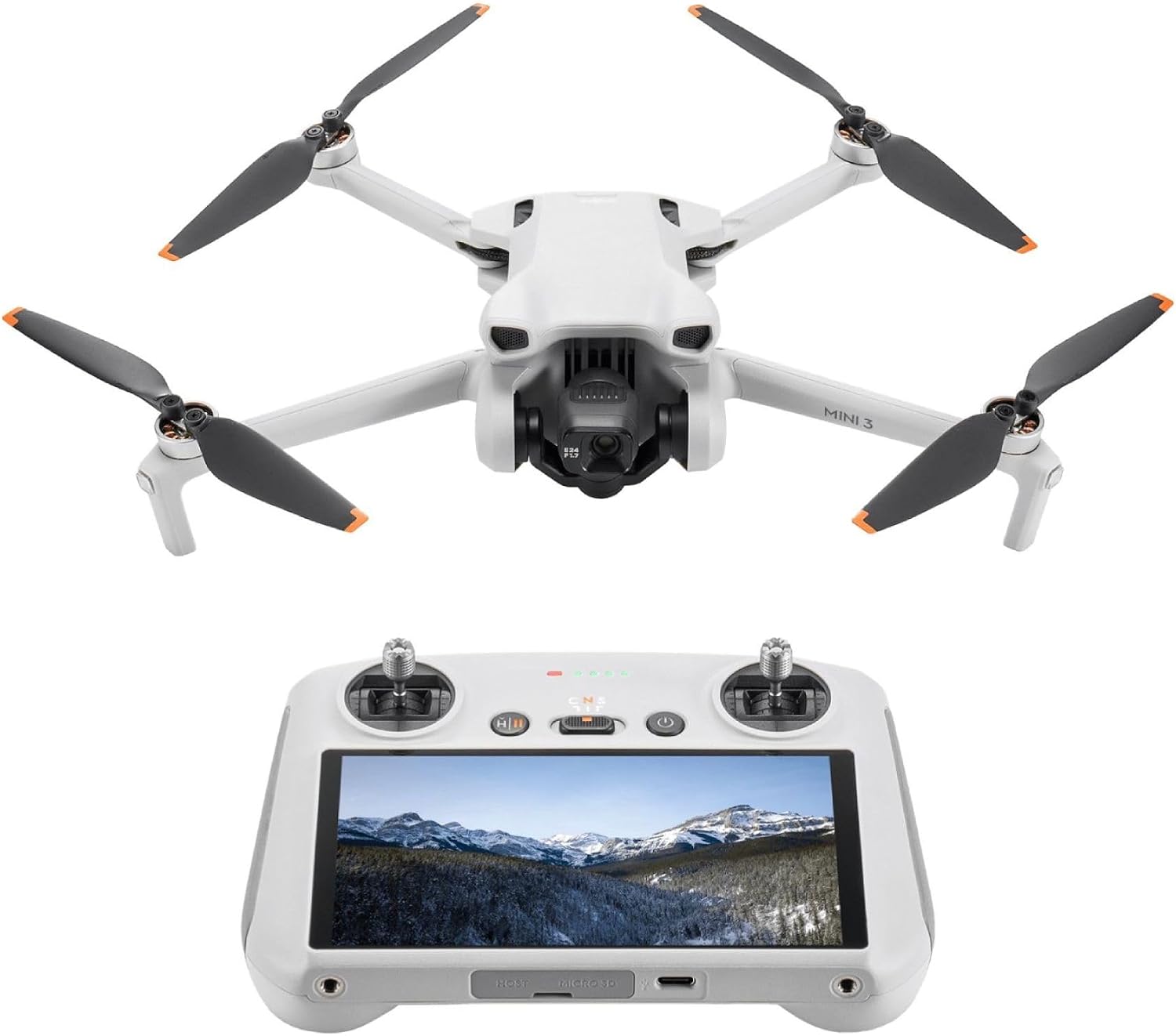
DJI Mini 3 With DJI RC, 3-Axis Mechanical Gimbal Mini Camera Drone | 4K HDR Video, 38-Min Flight Time, up to 32800ft (10km) Video Transmission, Vertical Shooting, GPS Auto Return
Check Price on AmazonAllowed Areas
- Remote highlands and glaciers (outside national parks)
- Open coastlines (away from bird sanctuaries)
- Private land with owner permission
Restricted Areas
- All national parks (Thingvellir, Vatnajökull, Snæfellsjökull)
- Within 5 km of airports
- Geothermal areas (e.g., Geysir, Blue Lagoon vicinity)
Penalties for Violating Drone Laws in Iceland
Penalties for breaking drone laws in Iceland are severe. Fines can range from 50,000 ISK (about $360 USD) to 500,000 ISK ($3,600 USD) depending on the violation. For serious offenses, such as flying near airports or in national parks, your drone can be confiscated immediately, and you may face criminal charges. Repeat offenders risk a ban from operating drones in Iceland for up to five years. ICETRA and the Icelandic police actively enforce these rules, especially in tourist-heavy areas.
Drone Weight and Classification Under Iceland Drone Laws
Iceland follows the EASA classification system. Drones under 250 grams (like the DJI Mini 4 Pro) are in the C0 class and can fly over people (but not over crowds). Drones between 250g and 900g (C1 class) require a label and must stay 30 meters (98 feet) away from people. Drones over 900g (C2 and above) require more distance and additional certification. Always check your drone’s class label — if it does not have a CE class mark, you must fly in the A3 category (away from people).
| Drone Weight | EASA Class | Minimum Distance from People |
|---|---|---|
| Under 250g (with camera) | C0 | Fly over people allowed |
| 250g – 900g | C1 | 30 meters (98 feet) |
| 900g – 4kg | C2 | 50 meters (164 feet) |
| Over 4kg | C3 / C4 | 150 meters (492 feet) |
If your drone does not have a CE class mark (common for older models), you must fly in the A3 subcategory, which requires a 150-meter (492-foot) distance from residential, commercial, and recreational areas. This is a common mistake for tourists using older drones.
Flying Drones Near Wildlife in Iceland
Iceland has strict wildlife protection laws that intersect with drone laws in Iceland. You are prohibited from flying within 150 meters (492 feet) of any bird colony, nesting site, or mammal (including seals and reindeer). The puffin colonies along the south coast are particularly sensitive — flying near them can result in a fine of up to 300,000 ISK ($2,160 USD). Always land immediately if an animal shows signs of distress. The Icelandic Environment Agency (Umhverfisstofnun) can also issue additional fines for wildlife disturbance.
Carrying Hard Case for DJI Avata 360 Drone
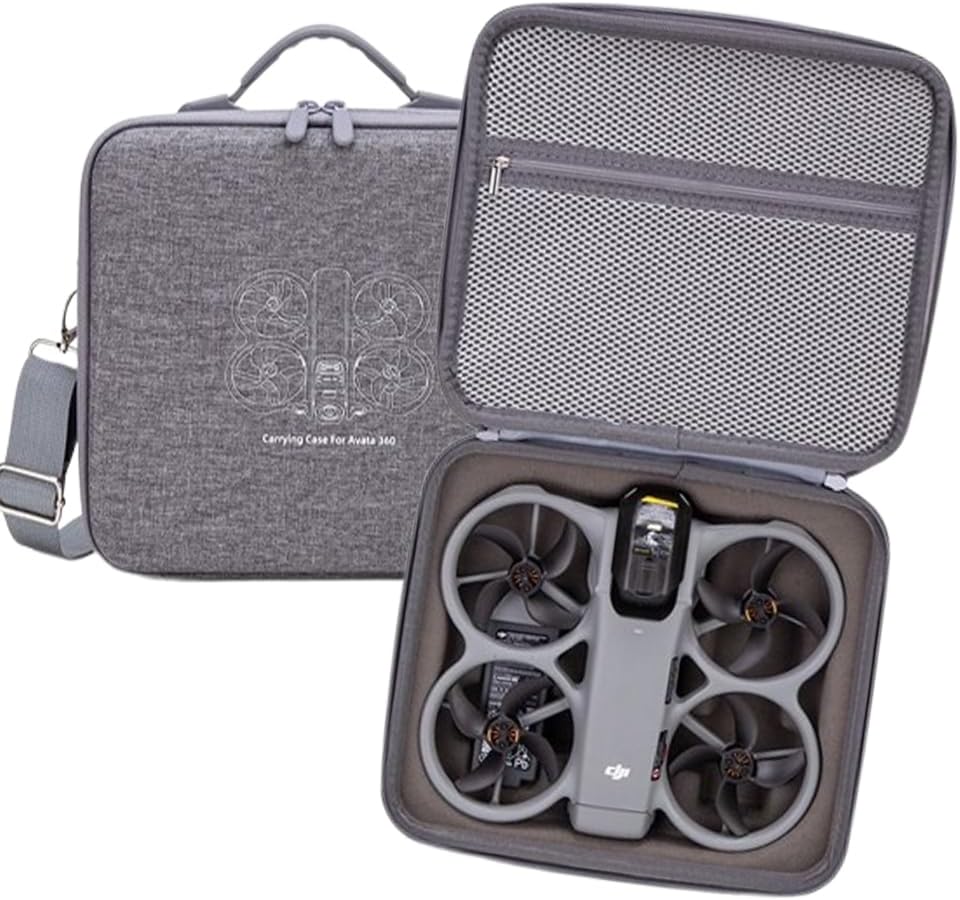
Carrying Hard Case for DJI Avata 360 Drone - Portable Travel Bag for Goggles N3/RC Motion 3 Controller
Check Price on AmazonHard Case for Antigravity A1 Drone
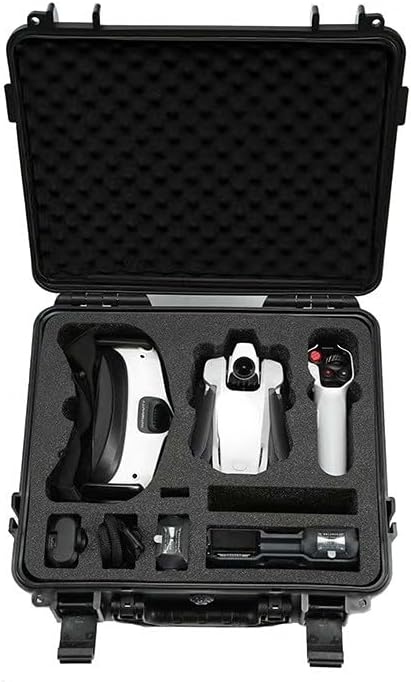
Hard Case for Antigravity A1 Drone, Waterproof Protective Carry Case, Anti-Fall Storage Bag Fit for Drone, Batteries, Goggles, Accessories & RC Gear [Only Protect Shell]
Check Price on AmazonInsurance Requirements for Drone Laws in Iceland
While not mandatory for recreational drone operators under Icelandic law, liability insurance is strongly recommended. For commercial operators, it is required. The minimum coverage is typically 1,000,000 ISK ($7,200 USD) for third-party damage. Many travel insurance policies exclude drone liability, so you may need a specialized drone insurance provider. If you cause property damage or injury without insurance, you are personally liable for all costs, which can be substantial in Iceland.
Final Thoughts on Drone Laws in Iceland
Iceland offers incredible drone photography opportunities, but the rules are strict and enforced. Before you fly, register with ICETRA, pass the A1/A3 exam, and always check the no-fly zone map. Respect wildlife and national parks — the fines are high, and the environment is fragile. For most travelers, a sub-250g drone like the DJI Neo Review 2026: The Ultra-Affordable Selfie Drone Worth Buying? simplifies compliance because it falls into C0 class, but you still need operator registration if it has a camera. Use our No-Fly Zone Checker before every flight to stay safe and legal.
Frequently Asked Questions
What are the rules for drone laws in Iceland?
The rules for drone laws in Iceland require all drone operators to register with ICETRA if their drone weighs over 250 grams or has a camera. You must also pass the EASA A1/A3 online exam, keep your drone within visual line of sight, and stay below 120 meters (394 feet) altitude. Flying in national parks, near airports, and over crowds is prohibited. Penalties range from fines of 50,000 ISK to 500,000 ISK, and drones can be confiscated for serious violations.
Do I need to register my drone for drone laws in Iceland?
Yes, you need to register as a drone operator with ICETRA if your drone weighs more than 250 grams (0.55 pounds) or if it has a camera — even if the drone is lighter. Registration is free and valid for three years. You must display your operator ID on the drone. If you only fly a toy drone without a camera and under 250g, registration is not required.
Are there restricted areas relevant to drone laws in Iceland?
Yes, drone laws in Iceland include strict no-fly zones. You cannot fly in any national park (Thingvellir, Vatnajökull, Snæfellsjökull), within 5 kilometers (3.1 miles) of airports, over military areas, or near geothermal sites like Geysir. Wildlife sanctuaries and bird colonies are also restricted, especially during nesting season from May to August. Always check ICETRA’s official no-fly zone map before flying.
What are the penalties for breaking rules related to drone laws in Iceland?
Penalties for violating drone laws in Iceland start at 50,000 ISK (about $360 USD) for minor infractions and can reach 500,000 ISK ($3,600 USD) for serious offenses like flying in national parks or near airports. Your drone may be confiscated immediately, and repeat offenders can be banned from operating drones in Iceland for up to five years. ICETRA and police actively patrol popular tourist areas.
Can I fly a DJI Mini 4 Pro in Iceland without registration?
Yes, because the DJI Mini 4 Pro weighs under 250g, you do not need to register it with ICETRA. However, all other drone laws still apply, including no-fly zones, altitude limits, and wildlife protection rules.
Are drones allowed in Icelandic national parks?
No. Drones are strictly prohibited in all Icelandic national parks, including Þingvellir, Vatnajökull, and Snæfellsjökull. Flying in these areas can result in fines up to 500,000 ISK ($3,600 USD) and confiscation of your drone.
What is the maximum altitude for drone flight in Iceland?
The maximum altitude is 120 meters (400 feet) above ground level. This applies to all drones, regardless of weight or classification. Flying above this limit is illegal and can result in penalties.
Do I need a license to fly a drone in Iceland as a tourist?
If your drone weighs under 250g, no license or registration is required. For drones between 250g and 900g, you need to register as an operator and pass a free online competency test. Drones over 900g require additional training and insurance.
Can I fly a drone near the Blue Lagoon or geothermal areas?
Flying over geothermal areas, including the Blue Lagoon, is restricted. These areas are often within no-fly zones due to safety and privacy concerns. Always check the ISAVIA airspace map and local signage before launching.
What happens if I break drone laws in Iceland?
Penalties range from 50,000 ISK ($360 USD) for minor infractions to 500,000 ISK ($3,600 USD) for serious violations like flying in national parks or near airports. Your drone may be confiscated, and repeat offenders can be banned from operating drones in Iceland for up to five years.
Is drone insurance mandatory in Iceland?
For drones weighing 250g or more, third-party liability insurance is mandatory. For sub-250g drones, insurance is not required but is strongly recommended. Always carry proof of insurance when flying.
Last updated: July 14, 2026
- Icelandic Transport Authority (ICETRA) — Regulation No. 1160/2016
- European Union Aviation Safety Agency (EASA) — Open Category Rules
- Icelandic Environment Agency (Umhverfisstofnun) — Wildlife Protection Guidelines
- ISAVIA — Icelandic Airspace and No-Fly Zone Maps
NANUK 935 Pro Photo Kit Camera Case
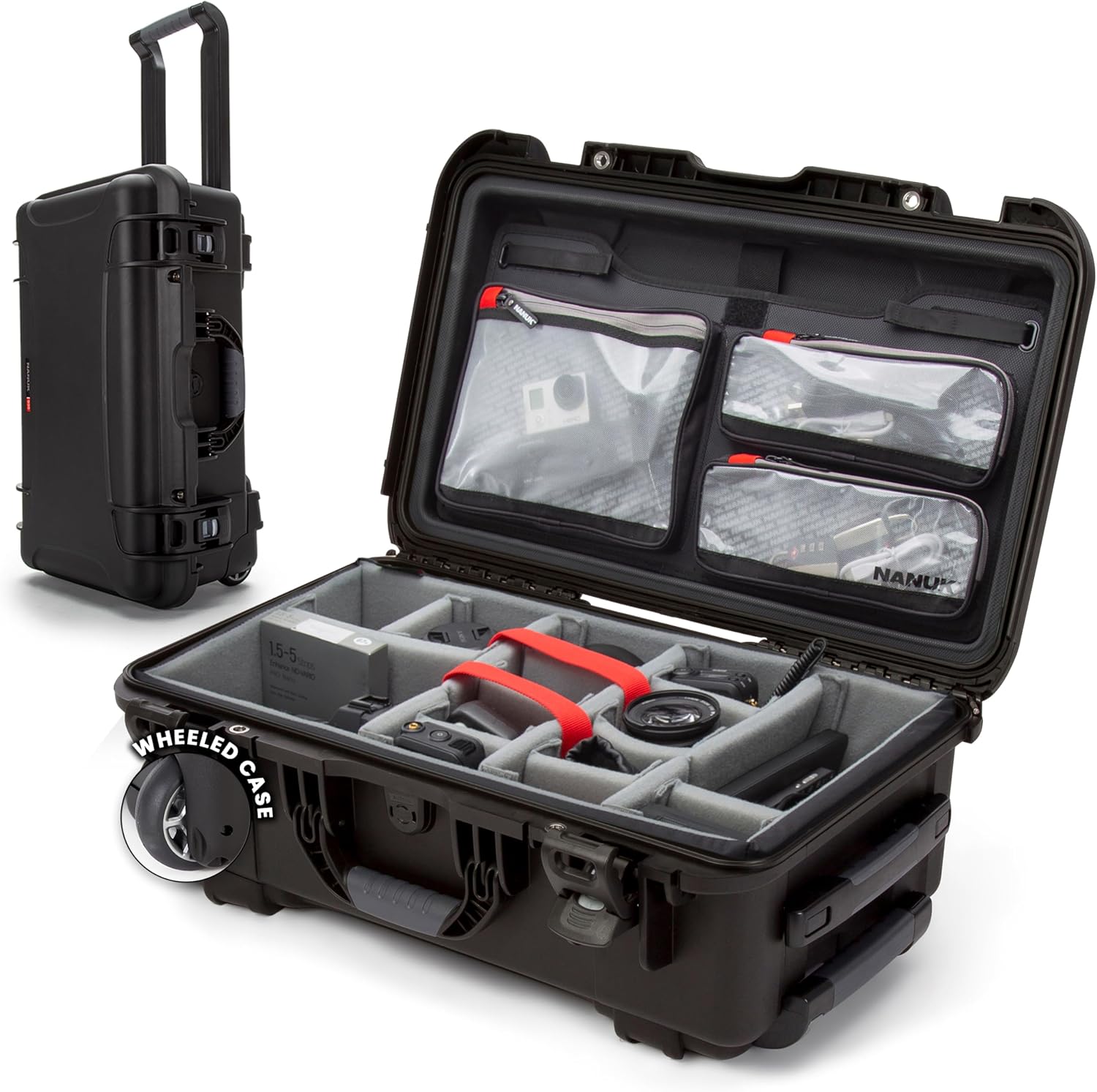
NANUK 935 Pro Photo Kit Camera Case, Waterproof Wheeled Hard Case, Carry-On, Black
Check Price on AmazonNANUK 925 DJI Mavic 4 Pro Creator Combo
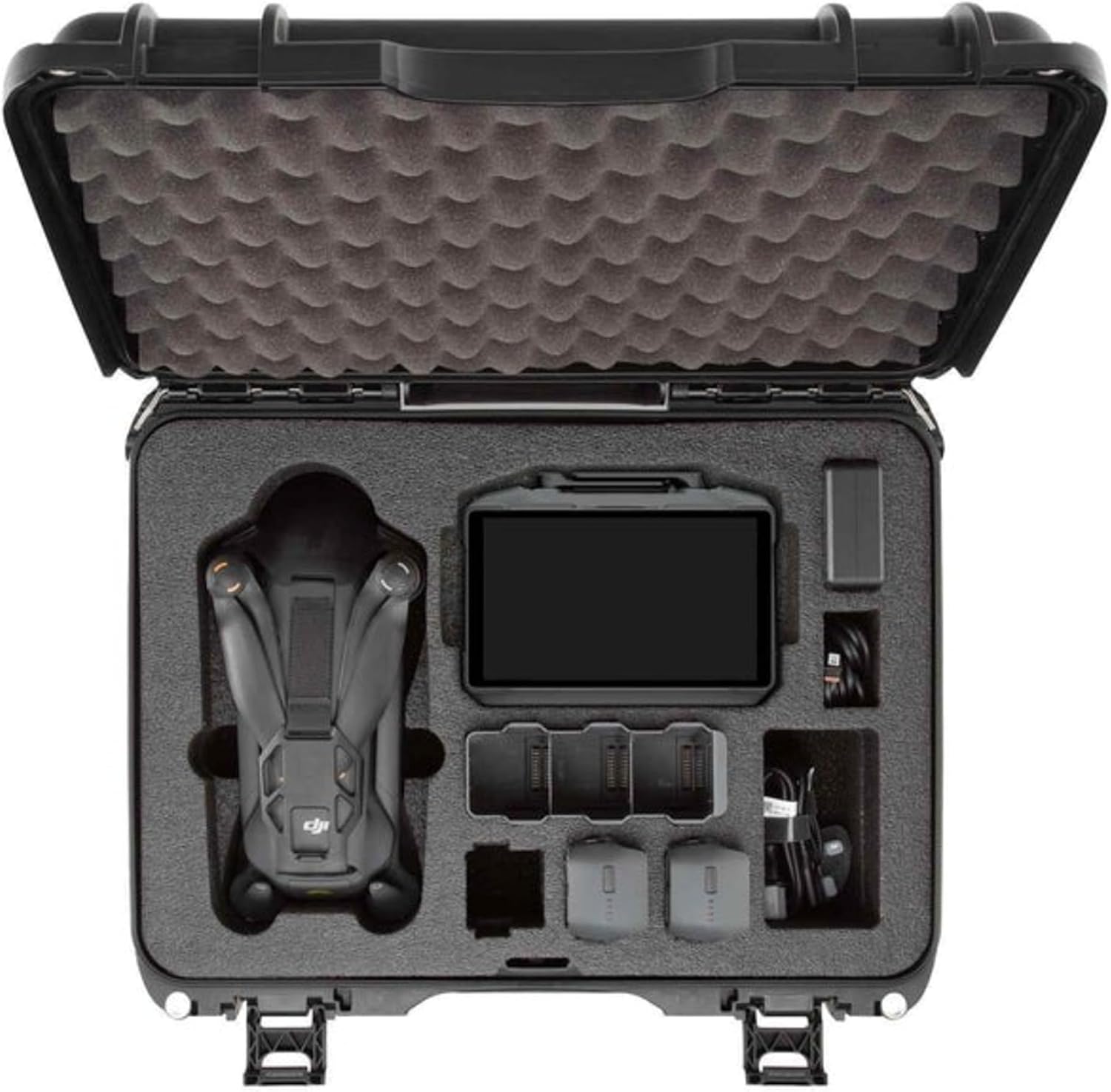
NANUK 925 DJI Mavic 4 Pro Creator Combo - Waterproof Hard Case with Drone Foam Insert, Crushproof, Portable Travel Case, Made in Canada (18.7” x 14.8”x 7”) - Black
Check Price on Amazon Drone Allowed
DroneAllowed editor covering drone regulations, aviation law, and aerial photography across USA, UK, Canada & Australia.