
Drone Laws
🇨🇦 Drone Laws — Canada
Drone laws in Canada are regulated by Transport Canada. Browse our provincial guides below.
Transport Canada RPAS Basic Certificate 2026: Study Guide & Exam Tips
If you are a Canadian drone pilot looking to fly a drone weighing 250 grams or more, the Transport Canada RPAS Basic…
 14 min read
Transport Canada Drone Registration 2026: Step-by-Step Guide
If you own a drone in Canada that weighs 250 grams or more, you are legally required to register it with Transport…
14 min read
Best Drone Spots British Columbia: Legal Flying in Canada’s Most Beautiful Province
If you’re a drone photographer in British Columbia who’s frustrated by the growing list of banned parks and restricted areas, you’ve come…
14 min read
Canada Drone Laws Under 250g: Do You Need to Register Your Drone?
If you own a DJI Mini 4 Pro, DJI Mini 3, or any drone weighing under 250 grams, you are not required…
13 min read
Toronto Drone Laws 2026: Pearson, Billy Bishop & Where to Fly
If you are searching for Toronto drone laws to understand where you can fly in 2026, you have come to the right…
14 min read
Ontario Drone Laws 2026: Transport Canada Rules & Where to Fly
If you’re a drone pilot living in Ontario or planning to fly here, you need to understand the specific rules that apply…
12 min read
British Columbia Drone Laws 2026: Mountains, Forests & Transport
If you are planning to fly a drone in British Columbia in 2026, you need to navigate a layered set of rules…
13 min read
Alberta Drone Laws 2026: Banff, Calgary & Transport Canada Rules
If you are planning to fly a drone in Alberta in 2026, you are likely wondering how to navigate the strict bans…
12 min read
Quebec Drone Laws 2026: Montreal, Provincial Parks & Rules
If you are planning to fly a drone in Quebec in 2026, you need to navigate a complex set of overlapping rules…
13 min read
What Are the Transport Canada RPAS Regulations in 2026?
Transport Canada governs all drone operations under the Canadian Aviation Regulations (CARs), specifically Part IX. These rules apply to any drone weighing between 250 grams (0.55 pounds) and 25 kilograms (55 pounds). The regulations are designed to keep both manned aviation and people on the ground safe. As of 2026, the framework remains largely stable, with a strong emphasis on pilot certification and airspace authorisation. The core of the system is the split between Basic and Advanced operations, which dictates where and how you can fly.
Transport Canada Drone Registration: Who Needs It and How to Get It
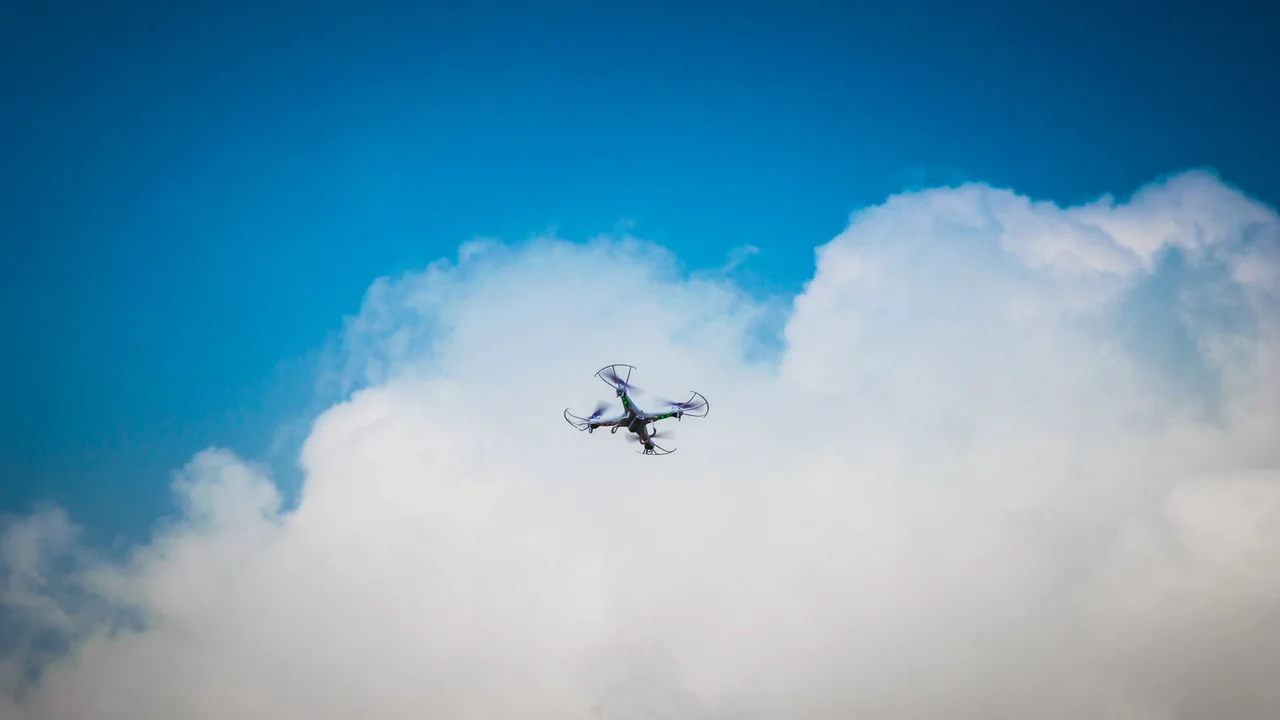
Drone registration in Canada is free and mandatory for all RPAS weighing between 250g and 25kg. You must register your drone with Transport Canada before your first flight. The process is straightforward: you create an account on the Transport Canada Drone Management Portal (often called the DroneZone portal), enter your drone's make and model, and receive a registration number. This number must be displayed on your drone clearly.
If you own multiple drones, you register each one individually. The registration is linked to you, the pilot, not the drone itself. This means if you sell your drone, the new owner must register it under their name. Use our Registration Calculator to confirm your specific drone's requirements.
Basic RPAS Certificate Canada: Your First Step
The Basic RPAS Pilot Certificate is the entry-level licence for Canadian drone pilots. It is a free online exam administered by Transport Canada. The exam consists of 35 multiple-choice questions, and you must score at least 80% to pass. It covers basic aeronautics, airspace classification, weather, and regulations.
Who Needs the Basic RPAS Certificate?
You need a Basic certificate if you fly a drone over 250g in uncontrolled airspace. Uncontrolled airspace is airspace where air traffic control does not manage traffic. This includes many rural areas, small towns, and open fields. The Basic certificate allows you to fly:
- More than 30 metres (100 feet) horizontally from bystanders
- At or below 122 metres (400 feet) above ground level
- Away from airports and heliports (unless in uncontrolled airspace)
Advanced RPAS Certificate Canada: How to Get It
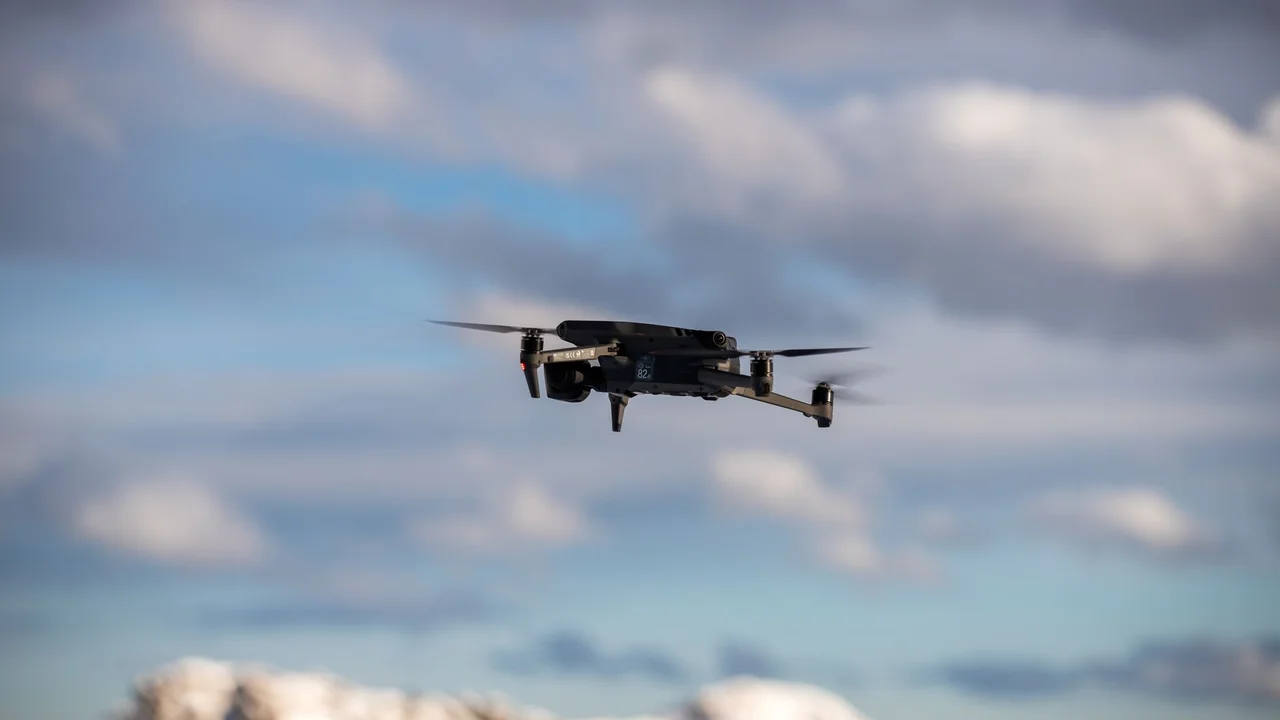
The Advanced RPAS Pilot Certificate is required for flying in controlled airspace or within 30 metres of bystanders. This is the commercial pilot's gold standard in Canada. The process is more involved than the Basic certificate and has a cost associated with it.
This exam has 50 questions, and you need 80% to pass. It costs C$10 per attempt. Topics are more in-depth, including advanced airspace and risk management.
You must book a flight review with a Transport Canada-designated flight reviewer (DFR). The reviewer will assess your pre-flight planning, emergency procedures, and flight manoeuvres. This costs between C$200 and C$400 depending on the reviewer.
After passing both the exam and flight review, you submit your application through the DroneZone portal. Transport Canada issues your Advanced certificate within a few weeks.
Basic vs Advanced RPAS Certificate: Comparison Table
Choosing between Basic and Advanced depends entirely on where you want to fly. The table below clarifies the key differences.
| Feature | Basic RPAS Certificate | Advanced RPAS Certificate |
|---|---|---|
| Cost | Free | C$10 (exam) + C$200–C$400 (flight review) |
| Exam Questions | 35 | 50 |
| Controlled Airspace | Not allowed | Allowed with NAV CANADA authorisation |
| Fly Near People | Must stay 30m away | Can fly closer with consent |
| Flight Review Required | No | Yes |
| Validity | 5 years | 5 years |
If you plan to fly in cities like Toronto, Vancouver, or near any airport, you need the Advanced certificate. For rural flying, the Basic certificate suffices.
Drone Weight Thresholds in Canada: Under 250g, 250g–25kg, Over 25kg
Canada's drone laws are weight-based. Here is what each category means for you:
- Under 250g (sub-250g): Drones like the DJI Mini 4 Pro are exempt from registration and pilot certification. However, you must still follow operational rules: fly below 122m (400ft), stay away from airports, and avoid flying over people or populated areas. You cannot fly in controlled airspace without authorisation.
- 250g to 25kg: This is the standard category requiring registration and a Basic or Advanced certificate. Most consumer drones fall here.
- Over 25kg: These require a Special Flight Operations Certificate (SFOC) from Transport Canada. This is rare for recreational pilots and typically involves industrial or agricultural drones.
Flying in Controlled Airspace: NAV CANADA and DroneZone Portal
Controlled airspace in Canada is managed by NAV CANADA. To fly in controlled airspace with an Advanced certificate, you must use the DroneZone portal to request authorisation. This is an online system where you submit your flight plan, and NAV CANADA either approves or denies it. The process can take a few hours to a few days, depending on the location. Always check the airspace before you fly using our No-Fly Zone Checker to avoid violations.
Parks Canada Drone Ban: All National Parks
One of the most common mistakes made by drone pilots in Canada is flying in national parks. Parks Canada enforces a strict ban on drone take-off and landing in all national parks, national historic sites, and national marine conservation areas. This includes iconic parks like Banff, Jasper, Yoho, and Gros Morne. There is no exception for sub-250g drones. The only way to fly legally is to obtain a specific permit from Parks Canada, which is rarely granted for recreational purposes. For tourists visiting from the United States or Europe, this is a critical rule to remember.
DJI Mini 4 Pro Rules in Canada: The Sub-250g Advantage
The DJI Mini 4 Pro weighs under 250 grams, which places it in the exempt category. This means you do not need to register it with Transport Canada, and you do not need a Basic or Advanced pilot certificate to fly it. However, you are still subject to the same operational rules as all drone pilots. You must fly below 122 metres (400 feet), stay at least 30 metres from people (unless you have an Advanced certificate), and avoid controlled airspace without authorisation. The sub-250g advantage is significant for recreational pilots who want to avoid paperwork, but it does not grant you free rein over populated areas or national parks.
Penalties for Non-Compliance
| Violation | Individual Fine (CAD) | Corporate Fine (CAD) |
|---|---|---|
| Flying without registration | $1,000 – $3,000 | $5,000 – $15,000 |
| Operating without a certificate | $1,000 – $3,000 | $5,000 – $15,000 |
| Flying in restricted airspace | $3,000 – $5,000 | $10,000 – $25,000 |
| Flying over people or populated areas | $1,000 – $3,000 | $5,000 – $15,000 |
| Flying in a national park | $1,000 – $25,000 | Up to $100,000 |
Frequently Asked Questions
Do I need to register my drone in Canada?
Yes, if your drone weighs between 250 grams and 25 kilograms, you must register it with Transport Canada. Registration is free and valid for five years. Drones under 250g, like the DJI Mini 4 Pro, are exempt from registration but still must follow operational rules.
What is the difference between Basic and Advanced RPAS certificate in Canada?
The Basic certificate is a free online exam that allows you to fly in uncontrolled airspace only. The Advanced certificate requires a paid exam and an in-person flight review, and it permits flying in controlled airspace and closer to people. The Advanced certificate is necessary for commercial operations in cities.
Can I fly a drone in Banff National Park?
No, Banff National Park is under the Parks Canada drone ban. Take-off and landing of drones are prohibited in all national parks unless you have a specific permit, which is rarely granted for recreational use. This ban applies to all drones, including sub-250g models.
How do I get an Advanced RPAS Pilot Certificate in Canada?
To get an Advanced certificate, you must first pass the Advanced online exam (50 questions, 80% pass mark, C$10 per attempt). Then, you must complete an in-person flight review with a Transport Canada-designated flight reviewer. After both are passed, you apply through the DroneZone portal.
Can I fly a DJI Mini 4 Pro anywhere in Canada without a licence?
No, you cannot fly a DJI Mini 4 Pro anywhere without restrictions. While it is exempt from registration and pilot certification due to its sub-250g weight, you must still follow all operational rules. You cannot fly in controlled airspace without authorisation, over people, or in national parks.
What are the rules for flying a drone at night in Canada?
Night flying is only permitted with an Advanced RPAS certificate. You must equip your drone with anti-collision lights visible for at least 3 statute miles. A pre-flight risk assessment is mandatory. Basic certificate holders are restricted to flying during daylight hours only.
Last updated: June 24, 2026
- Transport Canada — Drone Safety (tc.canada.ca)
- Canadian Aviation Regulations (CARs) Part IX — Remotely Piloted Aircraft Systems
- Parks Canada — Drone Use Policy (pc.gc.ca)
- NAV CANADA — DroneZone Portal (navcanada.ca)