
Drone Laws
🇺🇸 Drone Laws — United States
Drone laws in the United States are regulated by the FAA. Browse our state-by-state guides below.
SFO Drone Laws 2026: San Francisco Airport Airspace & No-Fly Zone
Understanding SFO Airport Drone Laws: A Complete Guide for Bay Area Pilots If you fly a drone anywhere in the San Francisco…
 14 min read
Hartsfield-Jackson Atlanta Airport Drone Laws 2026: Airspace & Rules
Flying a drone near Hartsfield-Jackson Atlanta International Airport (ATL) requires navigating the most complex and restrictive airspace in the southeastern United States.…
12 min read
O’Hare Airport Drone Laws 2026: Chicago Airspace, Rules & No-Fly Zone
If you are a drone pilot in or around Chicago, understanding O’Hare airport drone laws is not just recommended — it is…
14 min read
LAX Drone Laws 2026: Los Angeles Airport Airspace, Rules & No-Fly Zone
If you’re a drone pilot in Los Angeles, the single most important thing you need to understand is the LAX airport drone…
13 min read
JFK Airport Drone Laws 2026: Class B Airspace, No-Fly Zone & Rules
If you are a drone pilot living in or planning to fly in New York City, the single most important regulation you…
14 min read
Drone Photography for Beginners 2026: Laws, Settings & First Shots Guide
You just unboxed your first drone, and you are probably feeling a mix of excitement and nerves. You want to capture stunning…
11 min read
Drone Fishing Laws 2026: Is Drone Fishing Legal in the US, UK & Australia?
Are you wondering whether you can use your drone to cast a fishing line further out to sea or drop bait into…
14 min read
West Virginia Drone Laws 2026: New River Gorge, Blackwater Falls & Rules
Flying a drone in West Virginia in 2026 means navigating a patchwork of federal, state, and local rules, with special attention required…
18 min read
Vermont Drone Laws 2026: Green Mountains, Fall Foliage & Rules
If you are planning to fly a drone in Vermont in 2026, especially to capture the stunning Green Mountains and world-famous fall…
16 min read
Tennessee Drone Laws 2026: Smokies, Nashville & Rules
If you’re planning to fly a drone in Tennessee in 2026, you need to navigate a patchwork of federal rules, state privacy…
14 min read
South Dakota Drone Laws 2026: Mount Rushmore, Badlands & Rules
Planning a drone trip to South Dakota in 2026? You are likely picturing the iconic faces of Mount Rushmore or the otherworldly…
13 min read
South Carolina Drone Laws 2026: Myrtle Beach, Charleston & Rules
If you are planning to fly a drone in South Carolina in 2026, especially around popular destinations like Myrtle Beach or Charleston,…
13 min read
US Drone Laws 2026: Complete FAA Guide for Recreational & Commercial Pilots
If you're searching for US drone laws in 2026, you need a single, authoritative source that cuts through the confusion. Whether you just unboxed a sub-250g mini drone or you're building a commercial inspection business, the Federal Aviation Administration (FAA) sets the baseline rules for all drone operations in the United States. In this guide, you will learn exactly what the FAA requires of you based on how you fly—recreationally or commercially—and how state laws add another layer. We break down registration, Remote ID, airspace authorization, and the penalties you face for non-compliance, so you can fly with confidence and stay legal from day one.Who Regulates Drones in the United States?
Recreational vs. Commercial Drone Rules: The Two Paths
US drone laws split pilots into two distinct categories: recreational (hobbyist) and commercial (Part 107). Your category determines registration requirements, testing obligations, and what operations you can legally perform. Below is a quick reference table to help you identify which path applies to you.| Requirement | Recreational (Hobbyist) | Commercial (Part 107) |
|---|---|---|
| Registration needed? | Only if drone weighs 250g+ | Yes, regardless of weight |
| Knowledge test required? | TRUST (free, online) | Part 107 knowledge test ($175) |
| Age minimum | None (but follow TRUST rules) | 16 years old |
| Can you fly for money? | No | Yes |
| Remote ID required? | Yes (from Sept 2023) | Yes (from Sept 2023) |
| Night flying allowed? | With anti-collision lights | With night training or initial test |
| Flying over people allowed? | No (unless sub-250g and no operation over people) | Yes (with Category compliance) |
Recreational Drone Rules USA
If you fly your drone strictly for fun or personal enjoyment, you are a recreational operator. You must follow the Exception for Limited Recreational Operations outlined in 49 USC § 44809. Here are the key requirements:- Pass the TRUST test (The Recreational UAS Safety Test) — a free online course from FAA-approved providers. Print your certificate and carry it when flying.
- Register your drone with the FAA DroneZone if it weighs 0.55 pounds (250 grams) or more. The fee is $5 and the registration is valid for 3 years.
- Fly at or below 400 feet above ground level (AGL) in uncontrolled (Class G) airspace. To fly in controlled airspace (around airports), you need prior authorization via LAANC.
- Keep the drone in visual line of sight (VLOS) at all times. No flying beyond what you can see with your eyes.
- Do not fly over people or moving vehicles unless the drone weighs under 250g and is operated in a manner that does not create undue risk.
Commercial Drone Rules (Part 107)
If you use your drone for any purpose that involves compensation, employment, or business—even indirectly—you need a Part 107 Remote Pilot Certificate. This includes real estate photography, roof inspection, agricultural monitoring, or even a YouTube channel monetized through ads. The process is straightforward but requires a knowledge test at an FAA-approved testing center.Do I Need to Register My Drone in the USA?
What Is Remote ID and Do You Need It?
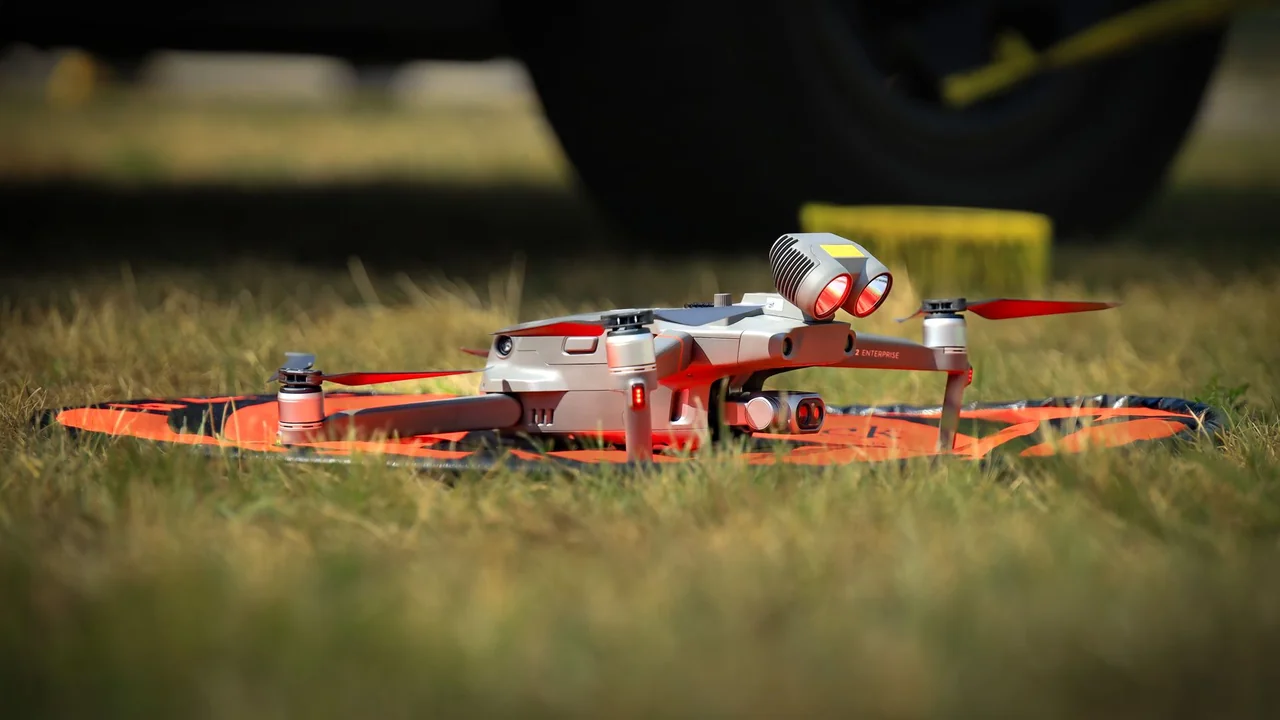
Remote ID is the FAA's broadcast requirement that allows drones to be identified while in flight. Think of it as a digital license plate. Since September 16, 2023, all drones that require FAA registration must broadcast Remote ID signals. This includes:- All drones registered under Part 107 (commercial)
- All recreational drones weighing 250g or more
- Drones under 250g flown for commercial purposes (since they must be registered)
How to Get Airspace Authorization with LAANC
Most controlled airspace around airports requires prior authorization before you launch. The FAA developed the Low Altitude Authorization and Notification Capability (LAANC) system to automate this process. You can request approval through apps like AirMap, Kittyhawk, or Aloft (formerly Kittyhawk). LAANC provides near-instant approval for flights up to 400 feet in controlled airspace, depending on the airport's grid map. Some areas (like near major international airports) may have zero altitude allowed. Always check before flying. Use our No-Fly Zone Checker to see LAANC availability in your area.No-Fly Zones and Restricted Areas
Even with FAA authorization, certain areas are permanently off-limits or severely restricted. Here are the most important no-fly zones for US drone pilots:- National Parks (NPS): The National Park Service bans drone takeoffs, landings, and operations from all park land. This includes launch points outside the park boundary if the drone flies over park land. Violations carry federal fines.
- Washington DC SFRA: The Special Flight Rules Area around Washington DC is a no-drone zone. Flying a drone within 15 miles of Reagan National Airport is illegal and can lead to criminal charges.
- Stadiums and Sporting Events: A Temporary Flight Restriction (TFR) goes into effect for any stadium hosting a Major League Baseball, NFL, NCAA Division I football, or NASCAR event. The TFR starts 1 hour before and ends 1 hour after the event, within 3 nautical miles.
- Military Bases and Prisons: These are often marked as prohibited areas on sectional charts. Flying near them without permission is a violation of federal law.
State Drone Laws: What the FAA Doesn't Control
While the FAA controls the airspace, states and local governments regulate privacy, trespassing, and land use. This creates a patchwork of drone laws by state USA that you must understand before flying. Here are common state-level restrictions:| State | Key Law | What It Means for You |
|---|---|---|
| Texas | Texas Government Code § 423.003 | Creates a right to sue for drone surveillance that captures images of private property without consent. Commercial operators need written permission for real estate photos. |
| California | California Public Resources Code § 5001.65 | Bans drone takeoffs and landings in state parks. Flying over is allowed if you stay above 400 feet, but you cannot launch from inside the park. |
| New York | New York Parks, Recreation and Historic Preservation Law | Prohibits drone operation in state parks, historic sites, and recreation areas without a permit. Violations are misdemeanors. |
| Florida | Florida Statute § 934.50 | Prohibits using drones to capture images of private property with intent to commit trespass or harassment. Also bans drones over correctional facilities. |
Flying Over People and Moving Vehicles
The FAA updated Part 107 in 2021 to allow operations over people under specific conditions. Drones fall into four categories:- Category 1: Drones under 250g that do not have exposed rotating parts that could cause lacerations. No additional compliance needed.
- Category 2: Drones that do not exceed a specific kinetic energy threshold (11 foot-pounds). Requires FAA-accepted means of compliance (e.g., manufacturer declaration).
- Category 3: Drones that exceed Category 2 limits but can only fly over people in controlled environments where people are warned.
- Category 4: Drones with an FAA-approved type certificate (rare for consumer drones).
Penalties for Violating US Drone Laws
The FAA takes enforcement seriously. Civil penalties for violating drone regulations can reach $27,500 per violation for civil cases and up to $250,000 for criminal cases involving reckless operation. Common violations include:- Flying in controlled airspace without LAANC authorization
- Operating without registration (when required)
- Flying beyond visual line of sight (BVLOS) without a waiver
- Interfering with manned aircraft (can lead to felony charges)
- Violating TFRs (e.g., stadiums, wildfires)
Summary: Your Action Plan for 2026
US drone laws in 2026 are well-established but require attention to detail. Here is your actionable checklist:- Determine if you fly recreationally or commercially. This is the single most important decision.
- Pass the TRUST test (recreational) or Part 107 knowledge test (commercial).
- Register your drone if required using the FAA Registration Guide.
- Ensure Remote ID compliance (built-in or module).
- Check airspace before every flight using LAANC apps and our No-Fly Zone Checker.
- Review your state's specific drone laws before flying in a new location.
Frequently Asked Questions
Do I need a license to fly a drone in the USA?
What is the FAA 400 foot rule?
Do I need to register my drone with the FAA?
What is Part 107 and do I need it?
Can I fly a drone in a national park in the USA?
What is Remote ID for drones?
- Federal Aviation Administration (FAA) – 14 CFR Part 107
- FAA Reauthorization Act of 2018 (49 USC § 44809)
- National Park Service – Director's Order #21