
Best Drones Under 250g 2026: No FAA Registration Required
 13 min read
2,572 words
13 min read
2,572 words
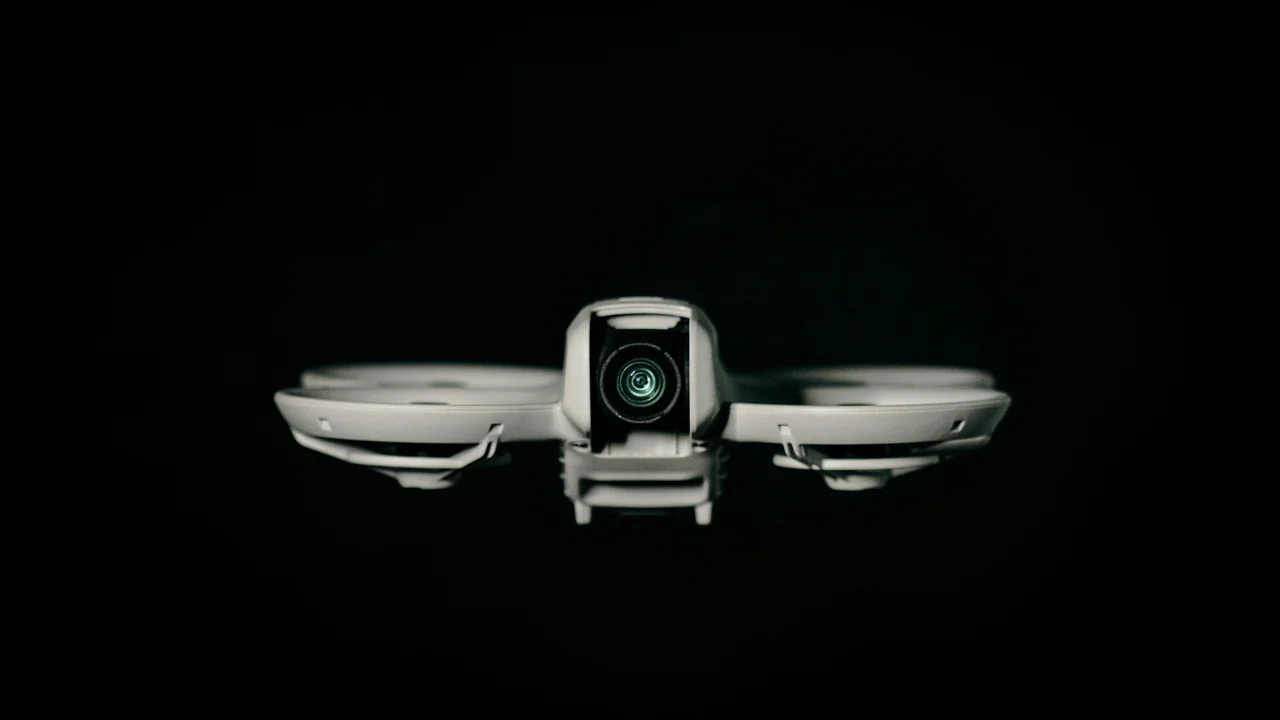
If you are looking for the best drones under 250g to avoid FAA registration, you have come to the right place. In 2026, the 250-gram weight threshold remains the single most important factor for recreational pilots who want to minimize legal hassle. This guide will walk you through every top-tier sub-250g drone on the market, explain exactly what “no registration required” means under current FAA rules, and help you choose the perfect lightweight drone for your needs. You will learn the legal status of each model in the US, UK, Canada, and Australia, and get a clear, side-by-side comparison of camera quality, flight time, and obstacle avoidance.
Why 250 Grams Matters: The FAA Registration Threshold Explained
The Federal Aviation Administration (FAA) mandates that any drone weighing more than 0.55 pounds (250 grams) must be registered through the FAA DroneZone before your first flight. The registration fee is $5 and is valid for three years. Drones that weigh exactly 249 grams or less fall below this threshold, meaning recreational flyers do not need to register the aircraft itself. However, this does not mean you are free from all rules. The FAA’s TRUST test is still required for all recreational pilots, regardless of drone weight. Additionally, in the UK, a sub-250g drone without a camera requires no registration, but if the drone has a camera (as most do), you still need a Flyer ID. In Canada and Australia, airspace rules and altitude limits apply to all drones, even those under 250g.
DJI Mini 4 Pro (249g): The Flagship Sub-250g Drone in 2026
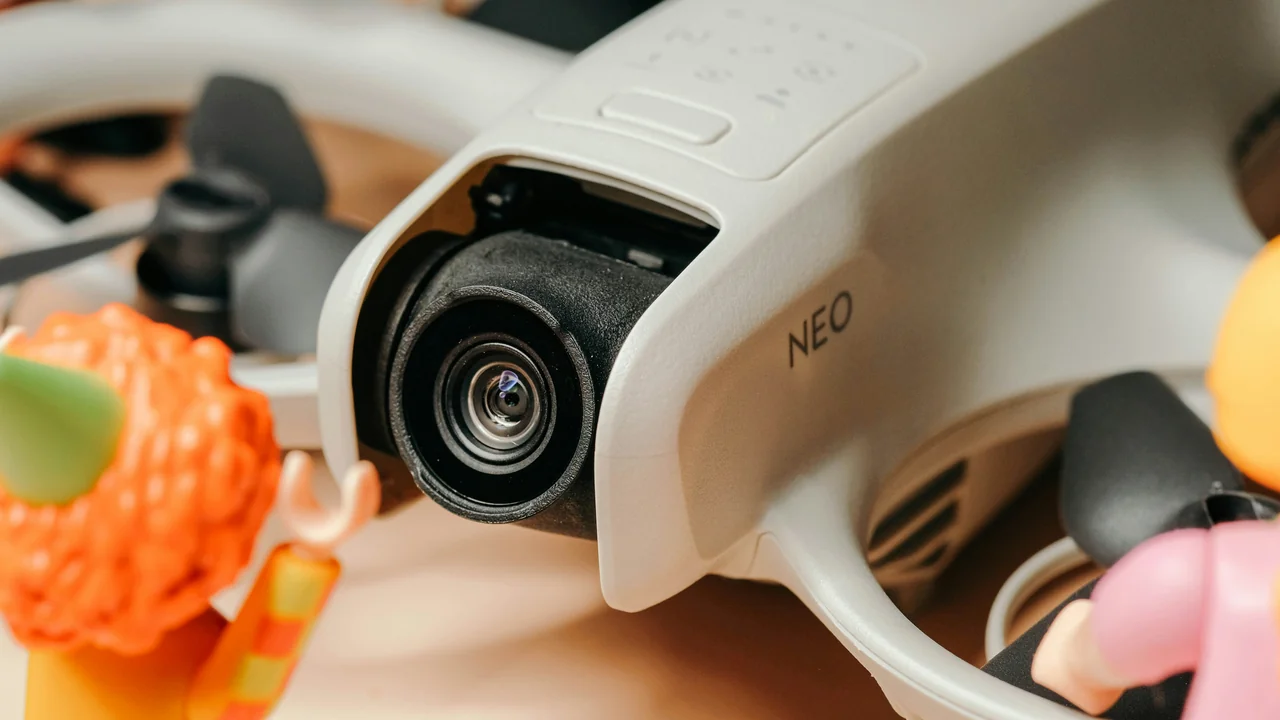
The DJI Mini 4 Pro is the best drone under 250g you can buy in 2026. It weighs exactly 249 grams, meaning no FAA registration is required for recreational use. This drone packs a 1/1.3-inch CMOS sensor capable of 4K/100fps video and 48MP photos, along with omnidirectional obstacle avoidance — a feature previously reserved for much heavier drones. The Mini 4 Pro also introduces ActiveTrack 360, allowing the drone to track subjects from any angle while avoiding obstacles. Flight time is rated at 34 minutes, though you can expect around 28 minutes in real-world conditions with wind.
Legal Status of the DJI Mini 4 Pro
In the United States, the DJI Mini 4 Pro requires no FAA registration for recreational flights. Commercial pilots still need a Part 107 Remote Pilot Certificate, but the drone itself does not need to be registered. In the UK, because the drone has a camera, you must pass the CAA’s Flyer ID test and register as an operator. In Canada, Transport Canada requires all drones over 250g to be registered, but the Mini 4 Pro falls under this limit — however, you still cannot fly in controlled airspace without authorization. Australia’s CASA rules are similar: sub-250g drones are exempt from registration but must follow standard safety rules.
DJI Mini 3 Pro (249g): Previous Generation, Still Excellent
The DJI Mini 3 Pro remains a compelling option in 2026, especially if you can find it at a discount. It weighs 249 grams and shares the same 1/1.3-inch sensor as the Mini 4 Pro, but lacks the omnidirectional obstacle avoidance — it only has forward, backward, and downward sensors. Video quality is still excellent at 4K/60fps, and the camera can tilt upward by 60 degrees, which is great for architectural shots. Flight time is 34 minutes (hovering), or about 25 minutes in active flight. If you do not need the absolute best obstacle avoidance, the Mini 3 Pro is a fantastic value.
Is the DJI Mini 3 Pro Still Worth Buying in 2026?
Yes, but only if you prioritize camera quality over obstacle avoidance. The Mini 3 Pro’s camera is nearly identical to the Mini 4 Pro’s, so you will not sacrifice image quality. The main trade-off is safety: you must be more careful when flying near trees or buildings. For open-field flying or aerial photography of landscapes, the Mini 3 Pro is more than capable and costs significantly less than the new model.
DJI Mini 3 (249g): The Budget Option in the Mini Series
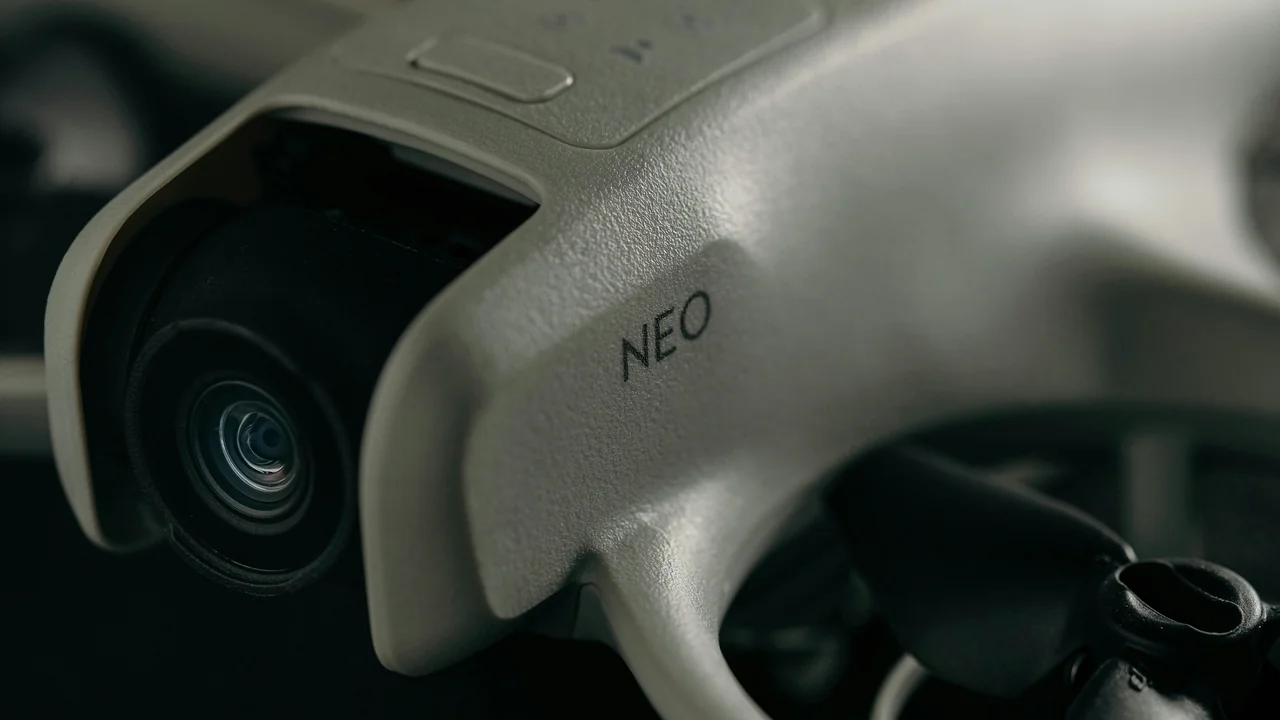
The standard DJI Mini 3 is the best lightweight drone for budget-conscious buyers who still want high-quality footage. It weighs 249 grams and features a 1/1.3-inch sensor with 4K/30fps video. The camera can tilt upward by 90 degrees, allowing for vertical shooting without cropping — ideal for social media content. Obstacle avoidance is limited to downward sensors only, so you must fly manually and avoid obstacles. Flight time is 38 minutes (hovering), but real-world use gives you about 30 minutes. The Mini 3 lacks the “Pro” features like ActiveTrack and omnidirectional sensing, but for the price, it is hard to beat.
DJI Mini 2 SE (249g): The Entry-Level Sub-250g Drone
If you are a complete beginner or on a tight budget, the DJI Mini 2 SE is the most affordable sub-250g drone that still delivers reliable performance. It weighs 249 grams and features a 1/2.3-inch sensor with 2.7K/30fps video — lower resolution than the Mini 3, but still good for casual use. The Mini 2 SE has no obstacle avoidance at all, so you must be extremely careful. Flight time is 31 minutes (hovering), or about 20 minutes in windy conditions. It uses OcuSync 2.0 transmission, giving you a range of up to 10 kilometers. This drone is perfect for learning to fly without worrying about registration.
Autel Evo Nano+ (249g): The DJI Alternative
The Autel Evo Nano+ is the strongest competitor to DJI in the sub-250g category. It weighs 249 grams and features a 1/2-inch CMOS sensor with a larger f/1.9 aperture, which performs exceptionally well in low light. The Nano+ offers three-way obstacle avoidance (forward, backward, downward) and a flight time of 28 minutes. Autel’s SkyLink transmission system provides a range of up to 12 kilometers. The camera supports 4K/30fps video and 50MP photos. One advantage over DJI is that Autel does not enforce geofencing in the same restrictive manner, giving you more flexibility in certain areas. However, the Autel app is less polished than DJI’s Fly app, and customer support is not as responsive.
Comparison Table: Best Drones Under 250g 2026
| Drone Model | Weight | Camera | Flight Time | Obstacle Avoidance | US Registration Required? |
|---|---|---|---|---|---|
| DJI Mini 4 Pro | 249g | 4K/100fps, 48MP | 34 min | Omnidirectional | No (recreational) |
| DJI Mini 3 Pro | 249g | 4K/60fps, 48MP | 34 min | Forward, backward, downward | No (recreational) |
| DJI Mini 3 | 249g | 4K/30fps, 12MP | 38 min | Downward only | No (recreational) |
| DJI Mini 2 SE | 249g | 2.7K/30fps, 12MP | 31 min | None | No (recreational) |
| Autel Evo Nano+ | 249g | 4K/30fps, 50MP | 28 min | Forward, backward, downward | No (recreational) |
What “No Registration Required” Actually Means — And Its Limits
The phrase “no registration required” is often misunderstood. It does not mean you can fly anywhere without any rules. In the United States, the FAA’s TRUST test is mandatory for all recreational flyers, regardless of drone weight. You must carry proof of passing the TRUST test when flying. Additionally, all FAA airspace rules apply: you cannot fly above 400 feet AGL, you must stay away from airports and manned aircraft, and you cannot fly over people or moving vehicles without a waiver. Controlled airspace (Class B, C, D, and E) still requires LAANC authorization, even for sub-250g drones. In the UK, sub-250g drones with cameras require a Flyer ID and operator registration. In Canada and Australia, airspace restrictions and altitude limits apply to all drones. Always verify local rules before flying.
Do Sub-250g Drones Still Need FAA Registration for Commercial Use?
Yes, this is a critical distinction. If you plan to use your drone for any commercial purpose — such as real estate photography, inspection work, or videography for hire — you must hold a Part 107 Remote Pilot Certificate from the FAA. However, the drone itself does not need to be registered if it weighs under 250 grams. The Part 107 rule requires the aircraft to be registered only if it weighs more than 0.55 pounds. So a DJI Mini 4 Pro used for commercial work still requires you to pass the Part 107 knowledge test, but you skip the $5 registration fee for the drone. You must still label the drone with your Part 107 certificate number if you are flying commercially, even without registration.
Final Thoughts: Choosing the Best Drone Under 250g for 2026
After testing all the top sub-250g drones, the DJI Mini 4 Pro is clearly the best drone under 250g for most buyers in 2026. Its omnidirectional obstacle avoidance, excellent camera, and long flight time make it the safest and most capable option. If your budget is tighter, the DJI Mini 3 offers great value without sacrificing too much image quality. For beginners, the DJI Mini 2 SE is the cheapest way to enter the sub-250g category. The Autel Evo Nano+ is a solid alternative if you want a larger aperture for low light and less restrictive geofencing. Before making your final decision, use our Weight Checker tool to confirm your drone’s exact weight and registration status. Remember: no registration required does not mean no rules required. Fly safely, respect airspace, and always carry your TRUST certificate.
Frequently Asked Questions
What is the best drone under 250g that doesn’t need registration?
The DJI Mini 4 Pro is widely considered the best drone under 250g that does not require FAA registration for recreational use. It weighs exactly 249 grams and offers omnidirectional obstacle avoidance, 4K/100fps video, and a 34-minute flight time. For budget buyers, the DJI Mini 3 is an excellent alternative with similar camera quality but fewer safety sensors.
Do I need to register a DJI Mini 4 Pro?
No, you do not need to register a DJI Mini 4 Pro with the FAA for recreational flights because it weighs under 250 grams. However, you must still pass the FAA’s TRUST test and carry proof of completion. If you fly commercially, you need a Part 107 certificate but the drone itself still does not require registration.
What is the lightest DJI drone?
The lightest DJI drone is the DJI Mini 2 SE, which weighs exactly 249 grams. The entire DJI Mini series — Mini 2 SE, Mini 3, Mini 3 Pro, and Mini 4 Pro — all weigh 249 grams to stay under the FAA registration threshold. No DJI drone currently weighs less than 249 grams.
DJI Mini 4 Pro vs Autel Evo Nano+ — which is better?
The DJI Mini 4 Pro is generally better for most users due to its omnidirectional obstacle avoidance, superior app stability, and longer flight time. The Autel Evo Nano+ has a slight edge in low-light performance thanks to its larger f/1.9 aperture, but it lacks the same level of safety features. Choose the Mini 4 Pro for safety and reliability, or the Nano+ if you primarily shoot at dusk or dawn.
Do sub-250g drones still need FAA registration for commercial use?
No, sub-250g drones do not need FAA registration even for commercial use, as long as you hold a valid Part 107 Remote Pilot Certificate. The FAA registration requirement applies only to drones weighing more than 0.55 pounds. You must still label the drone with your Part 107 certificate number, but you skip the $5 registration fee.
What drone can I fly without any licence in the UK?
In the UK, you can fly a sub-250g drone without a camera without any registration or licence. However, most sub-250g drones like the DJI Mini 4 Pro have cameras, so you must pass the CAA’s Flyer ID test and register as an operator. The only truly licence-free drone is one that weighs under 250 grams and has no camera at all, such as a toy drone.
Can I fly a sub-250g drone over people without any restrictions?
In the US, the FAA allows you to fly over people if your drone falls under Category 1, which requires it to have no exposed rotating parts and weigh under 250 grams. Most sub-250g drones like the DJI Mini 4 Pro meet this, but you must still avoid sustained flight over crowds. In the UK, you cannot fly over people unless they are under your control or you have specific permission. Always check local laws for the area you plan to fly in.
Do I need insurance for a drone under 250 grams?
In the US, the FAA does not require insurance for recreational or commercial drone operations, but it is highly recommended to protect against liability. In the UK, you must have third-party liability insurance for any drone with a camera, regardless of weight. In Australia, CASA requires insurance for commercial operations but not for recreational flying. Check your local authority’s requirements.
Can I fly a sub-250g drone at night without a waiver?
In the US, recreational flyers can fly a sub-250g drone at night as long as they have anti-collision lighting visible for three statute miles. Commercial Part 107 pilots also need anti-collision lighting but no longer require a waiver since 2021. In the UK, night flying is permitted with anti-collision lights. In Canada, you need anti-collision lighting and must not exceed 400 feet AGL.
How do I prove my drone weighs under 250 grams?
You should keep the manufacturer’s specification sheet or the original packaging that states the takeoff weight. The FAA or local authority may ask for proof during a spot check. For the DJI Mini 4 Pro, the official spec lists 249 grams with the standard battery and no accessories. If you add a prop cage or a larger battery, the weight may exceed 250 grams, and you must register it.
What happens if I fly a drone over 250 grams without registration?
In the US, flying an unregistered drone over 250 grams can result in FAA civil penalties up to $27,500 per violation. Criminal penalties can include fines up to $250,000 and imprisonment up to three years. In the UK, you can face fines up to £1,000. In Canada, penalties range from $1,000 to $25,000. Registration is cheap and easy, so there is no reason to skip it.
Do sub-250g drones need Remote ID?
In the US, all drones that require FAA registration must comply with Remote ID. Since sub-250g drones do not require registration for recreational use, they are exempt from Remote ID. However, if you register a sub-250g drone for commercial use, it must have Remote ID. In the UK, sub-250g drones with cameras must broadcast operator ID but do not require Remote ID. In Europe, sub-250g drones are in the C0 class and do not need Remote ID.
Last updated: June 25, 2026
- Federal Aviation Administration (FAA) — faa.gov
- FAA DroneZone — faadronezone.faa.gov
- UK Civil Aviation Authority (CAA) — caa.co.uk
- Transport Canada — tc.canada.ca
- Civil Aviation Safety Authority (CASA) Australia — casa.gov.au
Drone Allowed
DroneAllowed editor covering drone regulations, aviation law, and aerial photography across USA, UK, Canada & Australia.