
Delaware Drone Laws 2026: Beaches, Cape Henlopen & Rules
 12 min read
2,284 words
12 min read
2,284 words
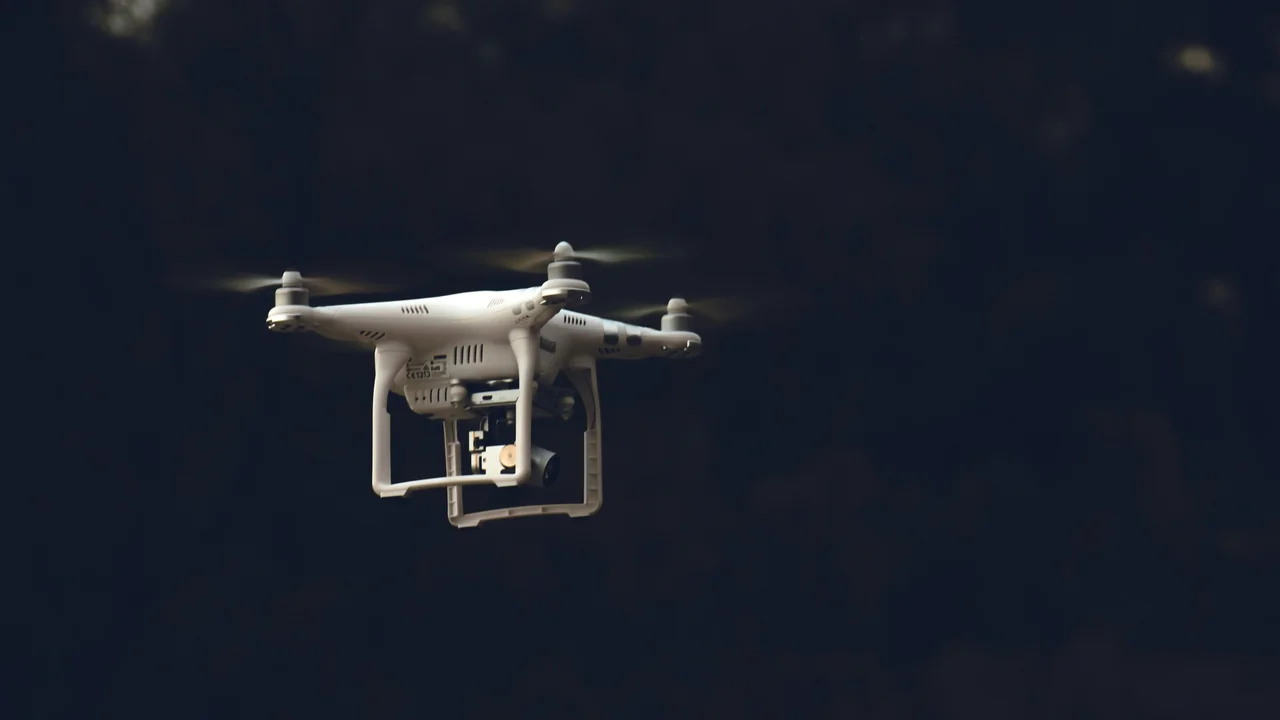
If you are planning to fly a drone in Delaware in 2026, especially along the popular beach corridor from Rehoboth Beach to Lewes, you need to understand a patchwork of rules that go far beyond FAA regulations. Delaware drone laws are unique because the state combines a strict federal baseline with aggressive local beach ordinances and a massive military presence at Dover Air Force Base. This guide will walk you through exactly where you can fly, where you cannot, and how to avoid a hefty fine while capturing aerial footage of the First State’s coastline.
What Are the Federal FAA Drone Rules That Apply in Delaware?
Before you launch anywhere in Delaware, you must comply with the Federal Aviation Administration’s (FAA) baseline rules. These apply uniformly across all 50 states, including Delaware.
| Rule | Requirement |
|---|---|
| Registration | Any drone over 0.55 lbs (250g) must be registered via the FAA DroneZone for $5 (valid 3 years). |
| Remote ID | Drones over 0.55 lbs must broadcast Remote ID in standard broadcast mode. |
| Altitude | Maximum 400 feet above ground level (AGL). |
| Visual Line of Sight | You must maintain unaided visual contact with the drone at all times. |
| Airspace | You cannot fly in controlled airspace without LAANC authorization. |
| Part 107 | Commercial operations require an FAA Part 107 Remote Pilot Certificate. |
If you are unsure whether your drone needs registration, use our Weight Checker tool to confirm. The key takeaway: the federal rules are your starting point, but Delaware adds significant state and local restrictions.
Delaware State Drone Law: Title 11 and Title 2 Provisions
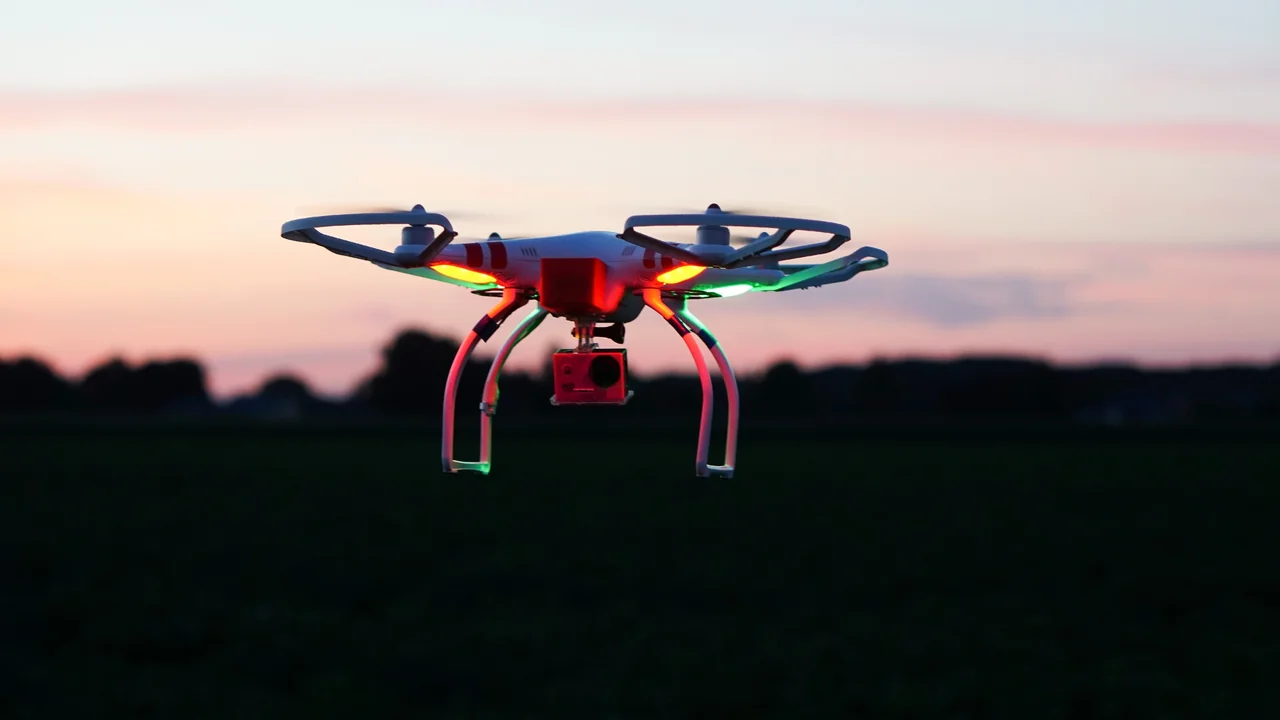
Delaware has two primary state laws that affect drone operations: Title 11 (Crimes and Criminal Procedure) and Title 2 (Transportation). These laws create a baseline for state-level enforcement.
Title 11: Unlawful Use of an Unmanned Aircraft System
Under Title 11, Section 1337, it is illegal to operate a drone in a way that interferes with emergency services, law enforcement, or correctional facilities. Specifically, flying over a prison or correctional facility is a felony. Additionally, using a drone to commit voyeurism (peeping into private residences) is a criminal offense. This law applies everywhere in Delaware, not just near beaches or parks.
Title 2: Airport and Airspace Restrictions
Title 2 grants the Delaware Department of Transportation (DelDOT) authority to regulate drones near airports. While this mostly mirrors FAA controlled airspace, it gives state police the power to enforce no-fly zones around smaller airports that may not have FAA control towers. The practical impact: if you are near any airport in Delaware, assume you need LAANC authorization or avoid the area entirely.
Drone Rules at Rehoboth Beach: Banned on the Beach
Rehoboth Beach is the most popular beach destination in Delaware, and its drone rules are clear and strict. The Rehoboth Beach town ordinance (Chapter 100, Section 100-7) explicitly bans the launching, landing, or operation of drones on the beach and over the beach from the dune line to the water. This includes the boardwalk area.
The ban applies year-round, regardless of crowd size. Even if you are flying over the ocean from a private property, you cannot launch from or recover on the beach. Violations carry a fine of up to $500. The town has also posted signs at beach entrances reminding visitors of the ban.
Cape Henlopen State Park Drones: Permit Required
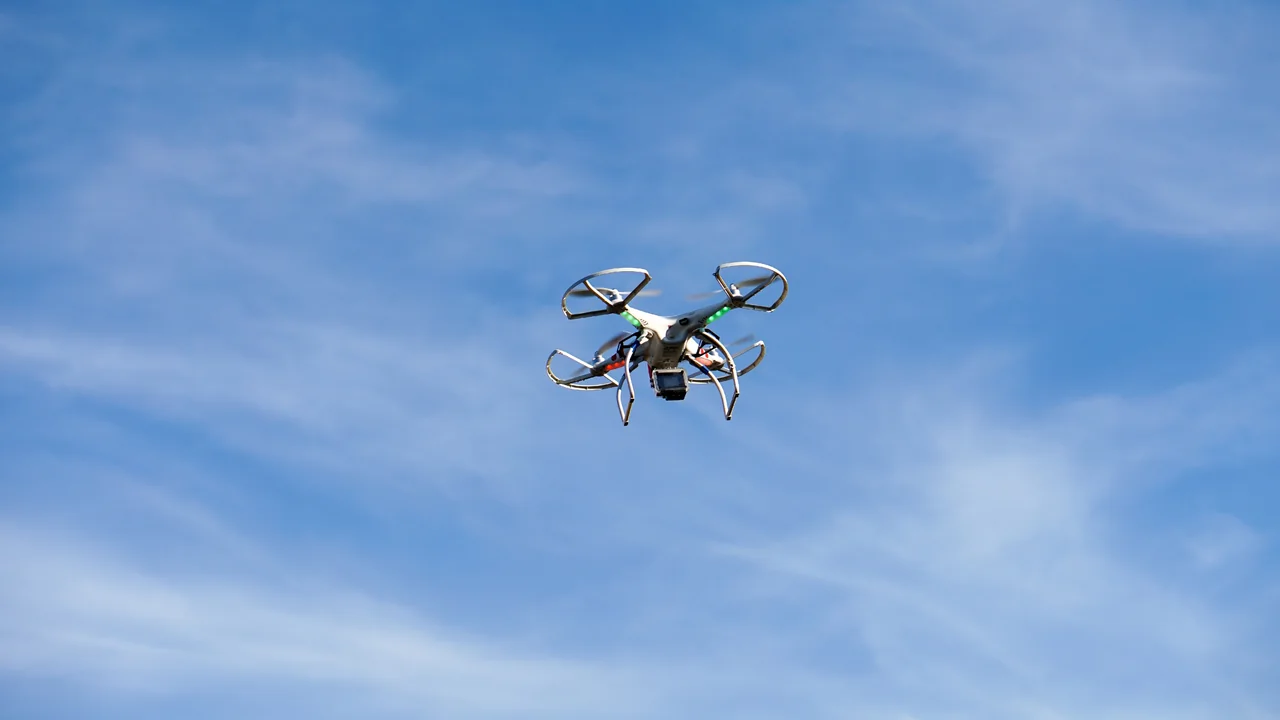
Cape Henlopen State Park, located just north of Rehoboth Beach, is managed by the Delaware Department of Natural Resources and Environmental Control (DNREC). DNREC policy requires a Special Use Permit for any drone operation within a state park. This includes the beach, dunes, trails, and the historic Fort Miles area.
The permit process is not automatic. You must submit a written request to the park office at least two weeks in advance, detailing the purpose, duration, and exact flight path of your operation. Permits are typically only granted for educational, scientific, or commercial projects with clear justification. Recreational flying is almost never approved. Flying without a permit can result in a citation and removal from the park.
Lewes Beach Drone Rules: Town Ordinance Limits
Lewes, the town just north of Cape Henlopen, has its own drone ordinance. Lewes Town Code Section 196-1 prohibits the operation of drones over public property, including the beach, the Lewes-Cape May ferry terminal area, and the historic district. Private property flights are allowed only with the property owner’s explicit permission.
The ordinance is enforced by the Lewes Police Department. First-time violators face a $100 fine, with subsequent offenses increasing to $250. The town has also designated the beach as a “Drone-Free Zone” with signs at the main access points. If you are staying in a rental property near the beach, you cannot fly from the property if the flight path crosses over the beach or public street.
Delaware Seashore State Park: DNREC Rules Apply
Delaware Seashore State Park, which stretches from Dewey Beach south to Fenwick Island, follows the same DNREC policy as Cape Henlopen. A Special Use Permit is required for any drone operation. The park’s beach, Indian River Inlet, and the Burton Island camping area are all off-limits without a permit.
The park staff are trained to watch for drone activity, especially during summer months when the beach is crowded. Flying over the Indian River Inlet bridge is also prohibited under FAA rules because it is a critical infrastructure area. The combination of state park rules and FAA restrictions makes this entire stretch of coastline effectively a no-fly zone for recreational pilots.
Wilmington Airspace: ILG and Class C Airspace
Wilmington, Delaware’s largest city, sits within the Class C airspace of New Castle Airport (ILG). Class C airspace extends from the surface to 4,000 feet within a 5-mile radius of the airport, with a shelf area extending further out. Any flight in this airspace requires LAANC authorization from the FAA.
Beyond ILG, Wilmington also has heliports and small airstrips that create additional airspace restrictions. The Delaware River corridor, which forms the eastern border of Wilmington, is a busy airspace for helicopters and small aircraft. Flying near the river without LAANC approval is risky. Use our No-Fly Zone Checker before launching anywhere in New Castle County.
Dover Air Force Base: Major Military Restricted Area
Dover Air Force Base (Dover AFB) is the largest air force base on the East Coast and the primary aerial port for the U.S. military. It creates a massive restricted airspace area that covers not just the base itself but a significant buffer zone. The FAA has designated this area as Restricted Airspace R-5801, which extends from the surface up to 18,000 feet.
Flying a drone anywhere near Dover AFB is illegal without prior coordination with the base commander. The restricted area covers approximately 12 miles in diameter, encompassing the city of Dover and surrounding rural areas. Violations are taken extremely seriously. The base has radar systems capable of detecting small drones, and the military has authority to disable or destroy drones that enter the restricted zone. If you are driving through Dover on Route 1, do not stop to fly a drone.
Delaware River Corridor: Airspace and Local Rules
The Delaware River forms the eastern border of Delaware, separating it from New Jersey. The river corridor is a complex airspace environment because it includes multiple airports, heliports, and the Wilmington Shipping Channel. The FAA classifies much of the river corridor as Class B airspace (Philadelphia International’s outer ring) or Class D airspace (New Castle Airport).
Additionally, the river itself is under the jurisdiction of the Delaware River and Bay Authority (DRBA), which prohibits drone operations over its bridges and facilities. The DRBA owns the Delaware Memorial Bridge, the Cape May-Lewes Ferry terminals, and the Wilmington Marine Terminal. Flying over any of these structures is banned. The practical effect: the entire river corridor from Wilmington south to Lewes is heavily restricted.
Summary: Flying a Drone in Delaware in 2026
Delaware offers beautiful coastal scenery, but the drone laws are among the most restrictive on the East Coast. Here is the actionable takeaway: avoid flying on any public beach from Rehoboth to Lewes, do not attempt to fly near Cape Henlopen or Delaware Seashore State Parks without a permit, and stay completely clear of Dover AFB. If you are a recreational flyer visiting from the DC or Philadelphia area, your best option is to fly over private farmland or rural areas inland, away from the coast and military zones. Always check the FAA’s B4UFLY app and our No-Fly Zone Checker before launching. The combination of state laws, town ordinances, and military airspace makes Delaware a challenging but rewarding destination for drone pilots who do their homework.
Frequently Asked Questions
Are drones allowed at Rehoboth Beach?
No, drones are banned on Rehoboth Beach and over the beach area year-round. The town ordinance prohibits launching, landing, or operating any unmanned aircraft on the beach from the dune line to the water. This includes the boardwalk area. Violations can result in a fine of up to $500.
Can I fly a drone at Cape Henlopen State Park?
Only with a Special Use Permit from DNREC. Recreational drone flying is not allowed at Cape Henlopen State Park. You must submit a written request at least two weeks in advance detailing the purpose and flight path. Permits are rarely granted for casual photography.
What are the drone rules in Delaware?
Delaware follows FAA rules as a baseline, then adds state laws under Title 11 and Title 2. You must register drones over 0.55 lbs, stay under 400 feet, maintain visual line of sight, and obtain LAANC authorization in controlled airspace. State law prohibits flying over prisons, emergency scenes, and using drones for voyeurism. Local beach towns and state parks have additional bans.
Is Dover Air Force Base a no-fly zone for drones?
Yes. Dover AFB is surrounded by Restricted Airspace R-5801, which extends from the surface to 18,000 feet. Flying a drone anywhere within this restricted area is illegal without prior coordination with the base commander. The military actively monitors for drone intrusions and can disable or destroy drones that enter the zone.
Can I fly a drone on Delaware beaches?
It depends on the specific beach. Rehoboth Beach and Lewes Beach have town ordinances banning drones on the beach. Cape Henlopen and Delaware Seashore State Parks require a permit. Dewey Beach has no explicit drone ordinance but is surrounded by restricted areas. In practice, most Delaware beaches are off-limits to recreational drone pilots.
What is the drone law in Delaware?
Delaware’s drone law is a combination of federal FAA rules, state statutes under Title 11 and Title 2, and local ordinances. The state law prohibits drone interference with emergency services and flying over correctional facilities. Local towns like Rehoboth and Lewes have their own bans on beach flying. Dover AFB creates a massive restricted airspace zone. Always check both state and local rules before flying.
Can I fly a drone in a Delaware state park?
Yes, but only with a Special Use Permit from DNREC. Unauthorized drone flights are prohibited in all state parks, including Cape Henlopen and Delaware Seashore State Park. Permit applications require proof of insurance and a detailed flight plan.
Do I need a permit to fly at Rehoboth Beach?
Yes. Rehoboth Beach Town Code Chapter 100 bans drone takeoff, landing, and operation on the beach and over the boardwalk. There are no designated drone zones for recreational flyers. Commercial operators may apply for a special event permit, but it is rarely granted.
What happens if I fly near Dover Air Force Base?
You risk federal prosecution. Dover AFB is surrounded by restricted airspace (R-4101) that extends from the surface up to 18,000 feet. Inadvertent entry can trigger interception by military aircraft, FAA enforcement action, and fines up to $50,000.
Is drone fishing legal in Delaware?
Drone fishing is legal in federal waters and some tidal areas, but it is banned at all state park beaches and most municipal beaches. You must also comply with Delaware fishing regulations regarding bait deployment and catch reporting. Always confirm local ordinances before casting.
Do I need a Part 107 license to fly a drone for real estate photography in Delaware?
Yes. Any flight that is not purely recreational — including real estate photography, inspection, or mapping — requires a valid FAA Part 107 Remote Pilot Certificate. Flying without one can result in fines starting at $1,100 per violation.
Can I fly a DJI Mini 4 Pro in Delaware without registration?
No. The FAA requires all drones weighing over 0.55 lbs (250g) to be registered. The DJI Mini 4 Pro has a takeoff weight of 249g, so it technically falls below the threshold. However, if you add any accessory (propeller guards, landing gear, or a larger battery) that pushes the weight over 250g, you must register it. Additionally, if you fly for any commercial purpose, registration is mandatory regardless of weight.
Last updated: June 25, 2026
- Federal Aviation Administration (faa.gov) – Part 107 and Part 48 regulations
- Delaware State Code – Title 11 Section 1337 and Title 2
- Rehoboth Beach Town Code – Chapter 100
- Lewes Town Code – Section 196-1
- Delaware Department of Natural Resources and Environmental Control (DNREC) – State Park Drone Policy
Drone Allowed
DroneAllowed editor covering drone regulations, aviation law, and aerial photography across USA, UK, Canada & Australia.