
Drone Laws Chicago 2026: Complete Guide for Drone Pilots
 11 min read
2,047 words
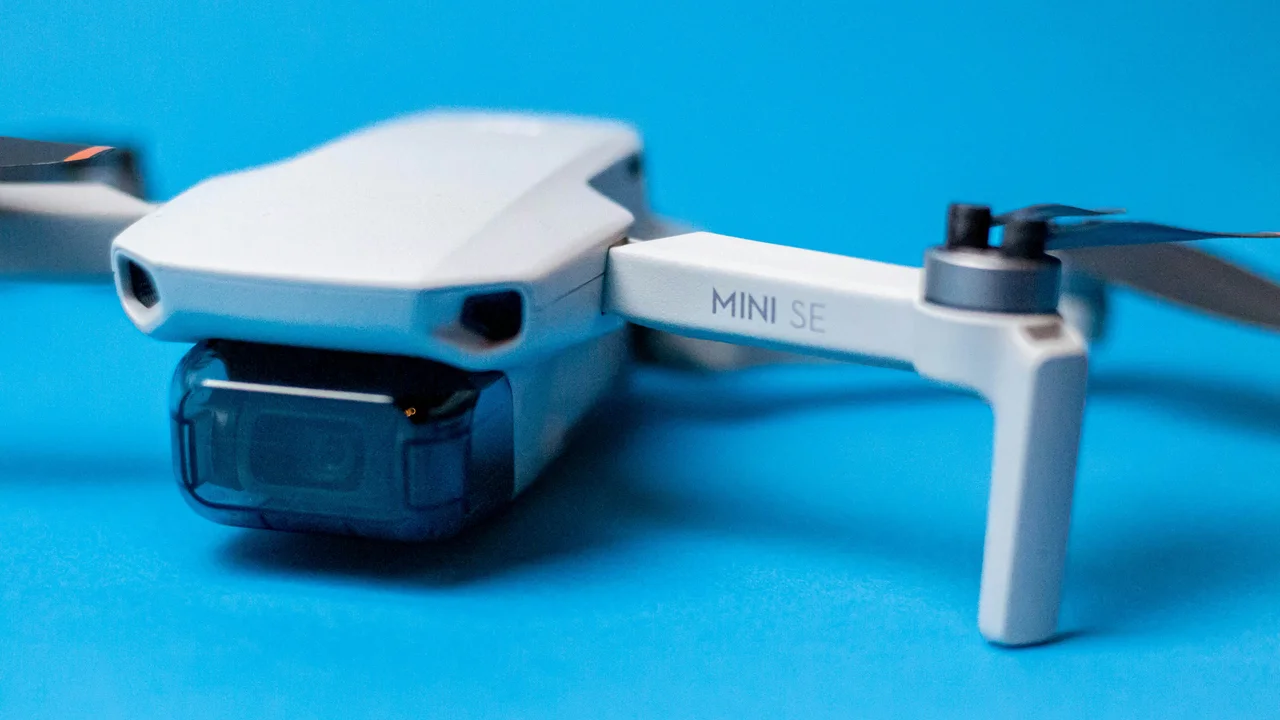
Flying a drone in Chicago requires following both federal FAA regulations and the City of Chicago’s municipal drone ordinance. As of 2026, you can fly a drone in Chicago, but you must register your drone with the FAA if it weighs over 0.55 lbs (250g), obtain a Part 107 Remote Pilot Certificate for any commercial operation, and respect Chicago’s strict no-fly zones around O’Hare and Midway airports, parks, and government buildings. This guide covers every rule, registration step, restricted area, and penalty you need to know before you take off in the Windy City.
LENTION 3.3FT Long Cable USB C Hub
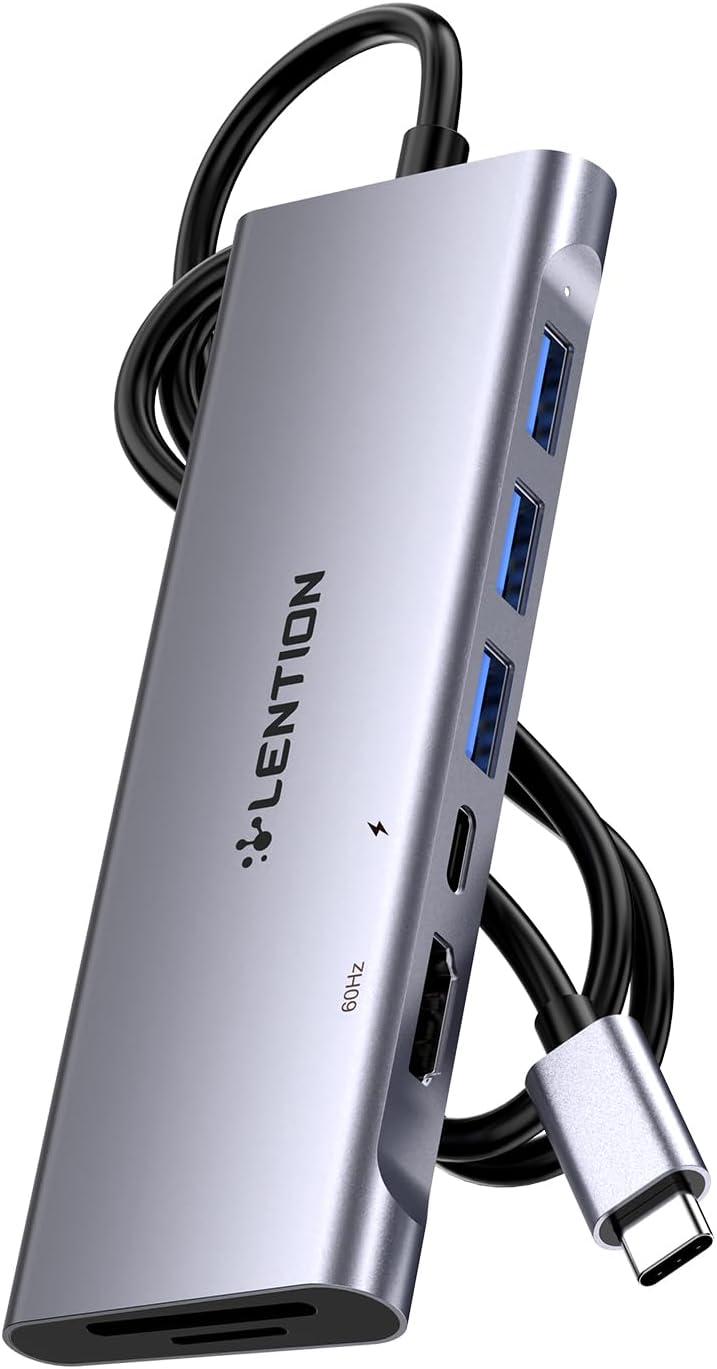
LENTION 3.3FT Long Cable USB C Hub, 4K HDMI, 100W PD, USB 3.0, Card Reader 3A & LED Indicator Stable Driver Adapter, for macOS, iOS/iPadOS, Windows & ChromeOS (C36p-1M, Space Gray)
Check Price on Amazon17-in-1 USB C Hub 65W Powered Adapter, 10Gbps, Dual PD 45W
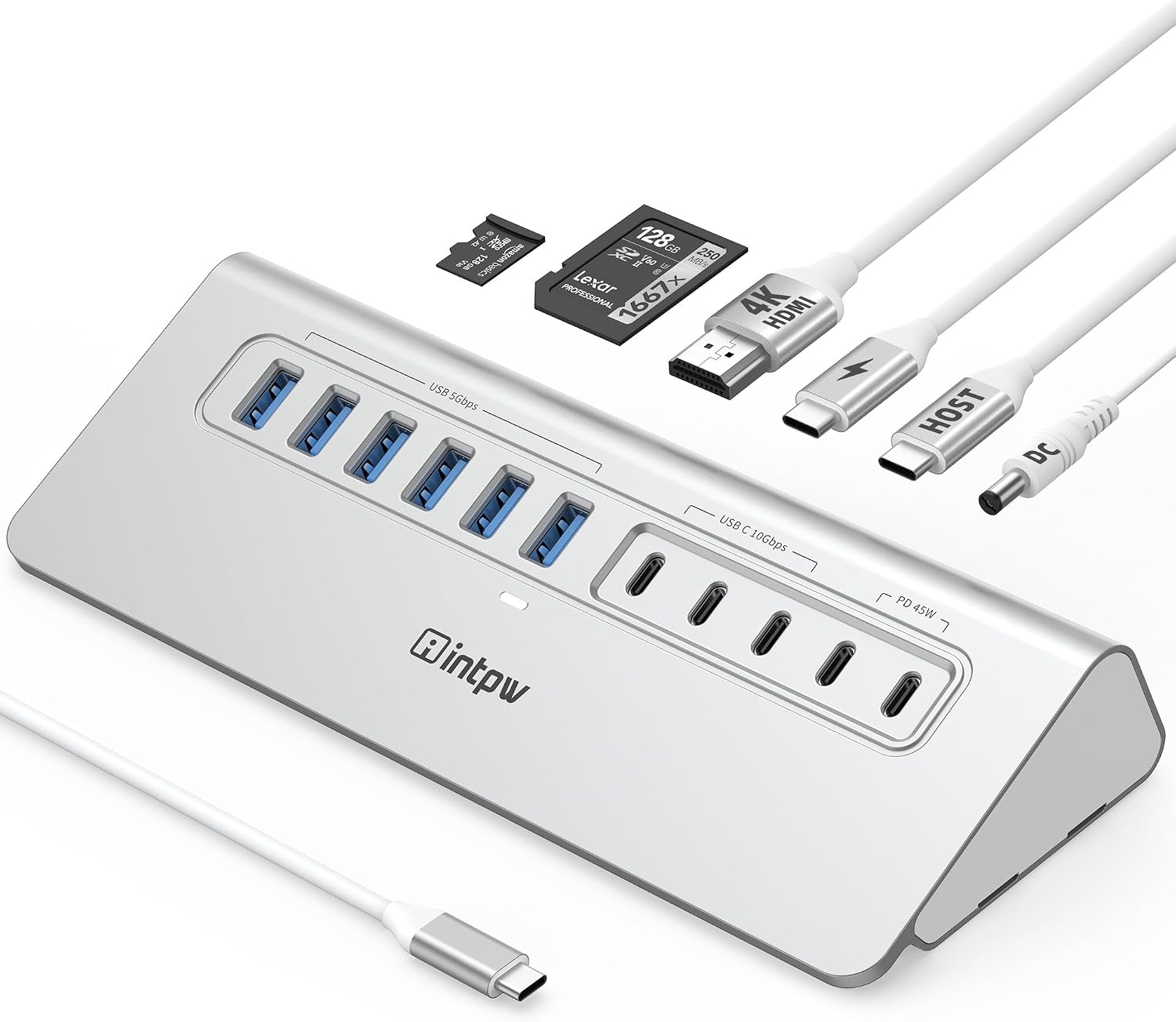
17-in-1 USB C Hub 4K@60Hz, 65W Powered Adapter, 10Gbps, Dual PD 45W PD 100W Charging, 3×USB-C 3.2+6×USB-A 3.0, SD/TF 105MB/s, 3.3ft Cable, Aluminum Desktop USB Hub for MacBook Pro/Air/Mac Mini
Check Price on AmazonLENTION USB-C Hub, HDMI, 100W PD, 2 USB-C, 2 USB 3.0, Card Reader
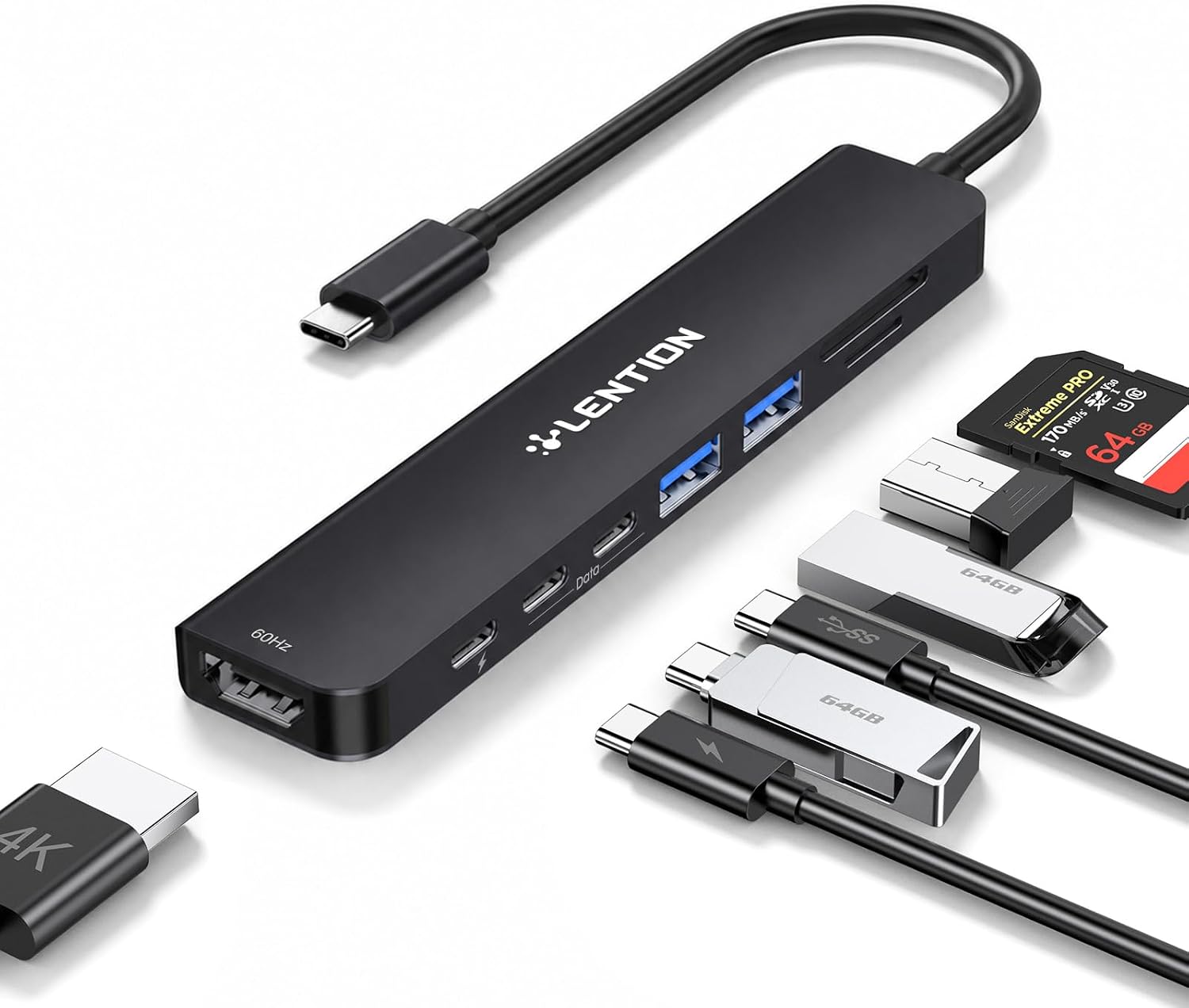
LENTION USB-C Hub, 4K@60Hz HDMI, 100W PD, 2 USB-C, 2 USB 3.0, Card Reader 2A & 2C Work Simultaneously, Stable Driver 3.0 Certified, for macOS, iOS/iPadOS, Windows & ChromeOS (CE19, Black)
Check Price on AmazonWhat Are the Drone Laws Chicago 2026?
Chicago’s drone laws in 2026 are a layered system combining federal, state, and city rules. The FAA governs all airspace above the city, while the Chicago Park District and City Council enforce ground-level restrictions. You must comply with both sets of rules simultaneously.
3 FT Power Strip
3 FT Power Strip, Extension Cord with 8 AC Outlets + 4 USB (2 USB-C), Black Flat Plug, Compact 3FT Flat Cord Keeps Desktop Neat. 1700J Surge Protection, 1625W, Great for Home Office, Dorm, Nightstand
Check Price on AmazonHICOBER USB C SD Card Reader
HICOBER USB C SD Card Reader, 3-in-1 for Laptop, Phone, Tablet, Black Durable aluminum body helps dissipate heat quickly for stable performance; reads SD, TF and USB drives up to 2TB via USB-C
Check Price on Amazon64GB Micro SD Card with SD Card Reader
64GB Micro SD Card with SD Card Reader USB3.0 A/C Dual Slots & SD Adapter UHS-I, C10, U3, V30, A1, 4K UHD, USB 3.0 Memory Card Reader for iPhone 17/16/15, MacBook, iPad, Laptop, PC, Drone, Game Console
Check Price on AmazonThe primary federal framework is FAA Part 107 for commercial pilots and the Exception for Recreational Flyers for hobbyists. Chicago adds its own layer: Chapter 10-36 of the Municipal Code restricts drones from flying over city property and within 500 feet of any stadium, hospital, or school during operating hours.
Do You Need to Register Your Drone for Drone Laws Chicago?
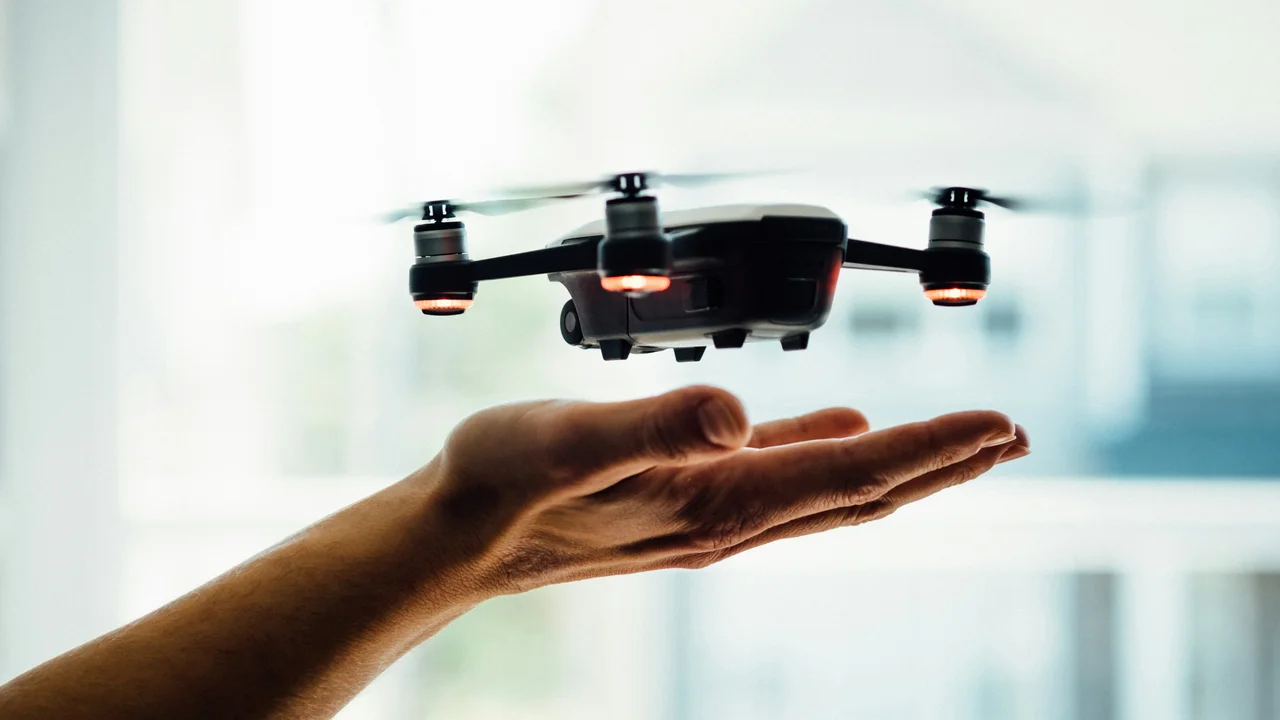
Yes, if your drone weighs more than 0.55 lbs (250g), you must register it with the FAA through the FAA DroneZone website. The registration fee is $5 and covers all your drones for three years. Drones weighing 250g or less, like the DJI Neo or DJI Mini 4 Pro, do not require FAA registration, but you still must follow all other Chicago drone laws.
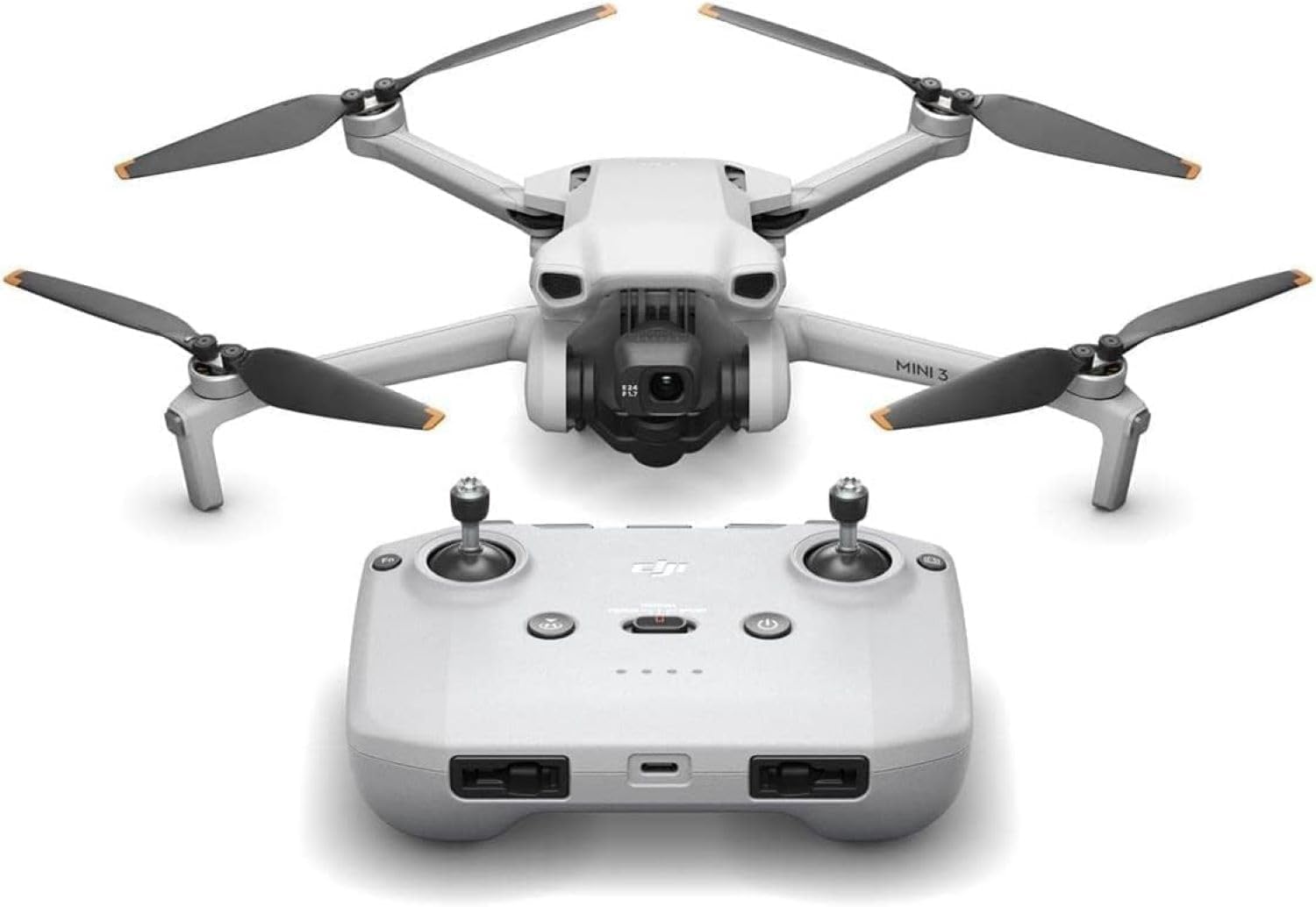
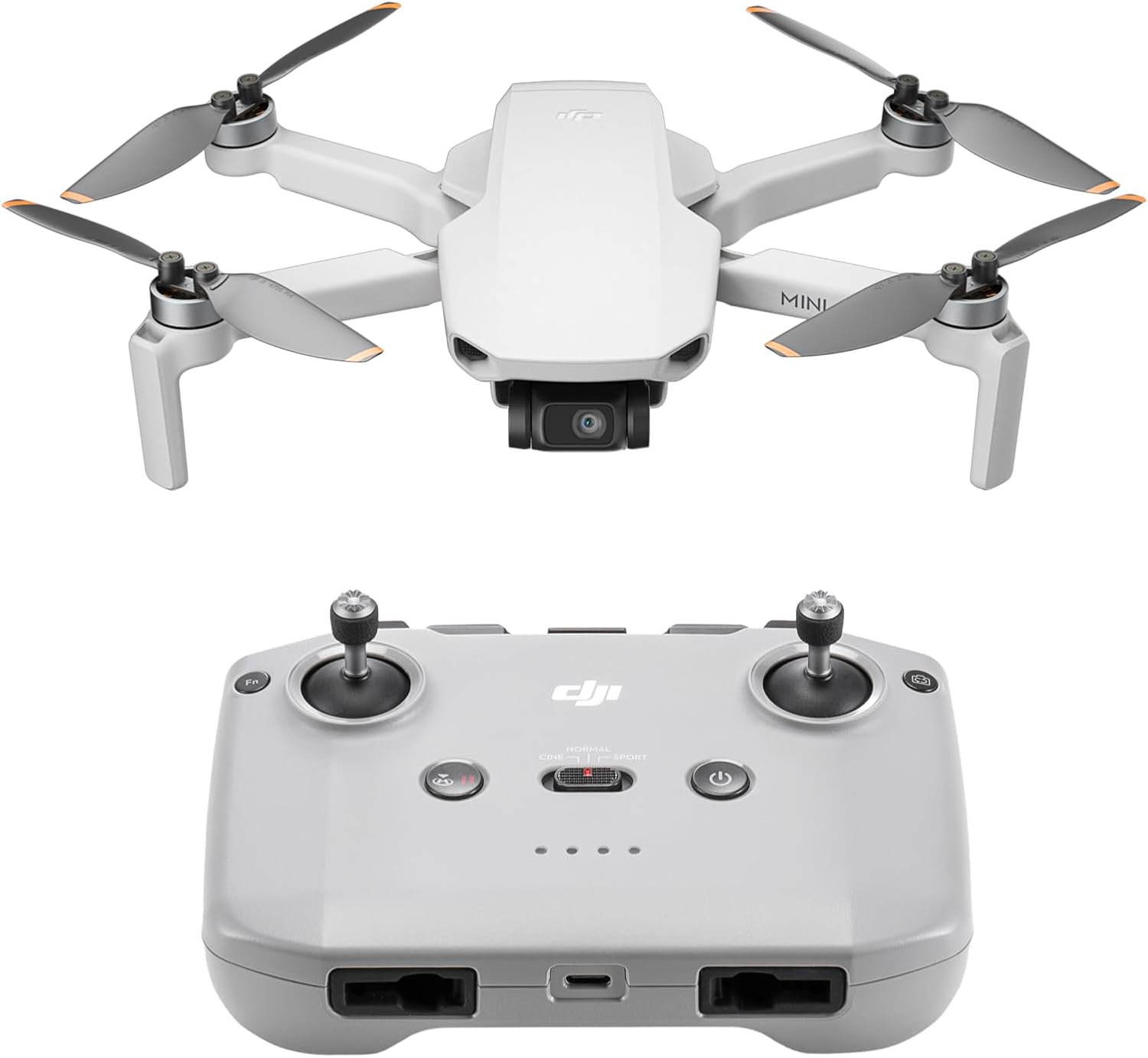
If you’re unsure whether your drone needs registration, use the Weight Checker Tool to verify. For commercial pilots, the Part 107 Remote Pilot Certificate is mandatory regardless of drone weight. You must pass the FAA knowledge test at a certified testing center and renew your certificate every 24 months.
Where Can You Legally Fly a Drone in Chicago?
Legal drone flight in Chicago is limited to private property with the owner’s permission and designated areas outside of no-fly zones. You cannot fly over city-owned land, parks, beaches, or public rights-of-way. The most reliable locations for legal flight include:
DJI Mini 3
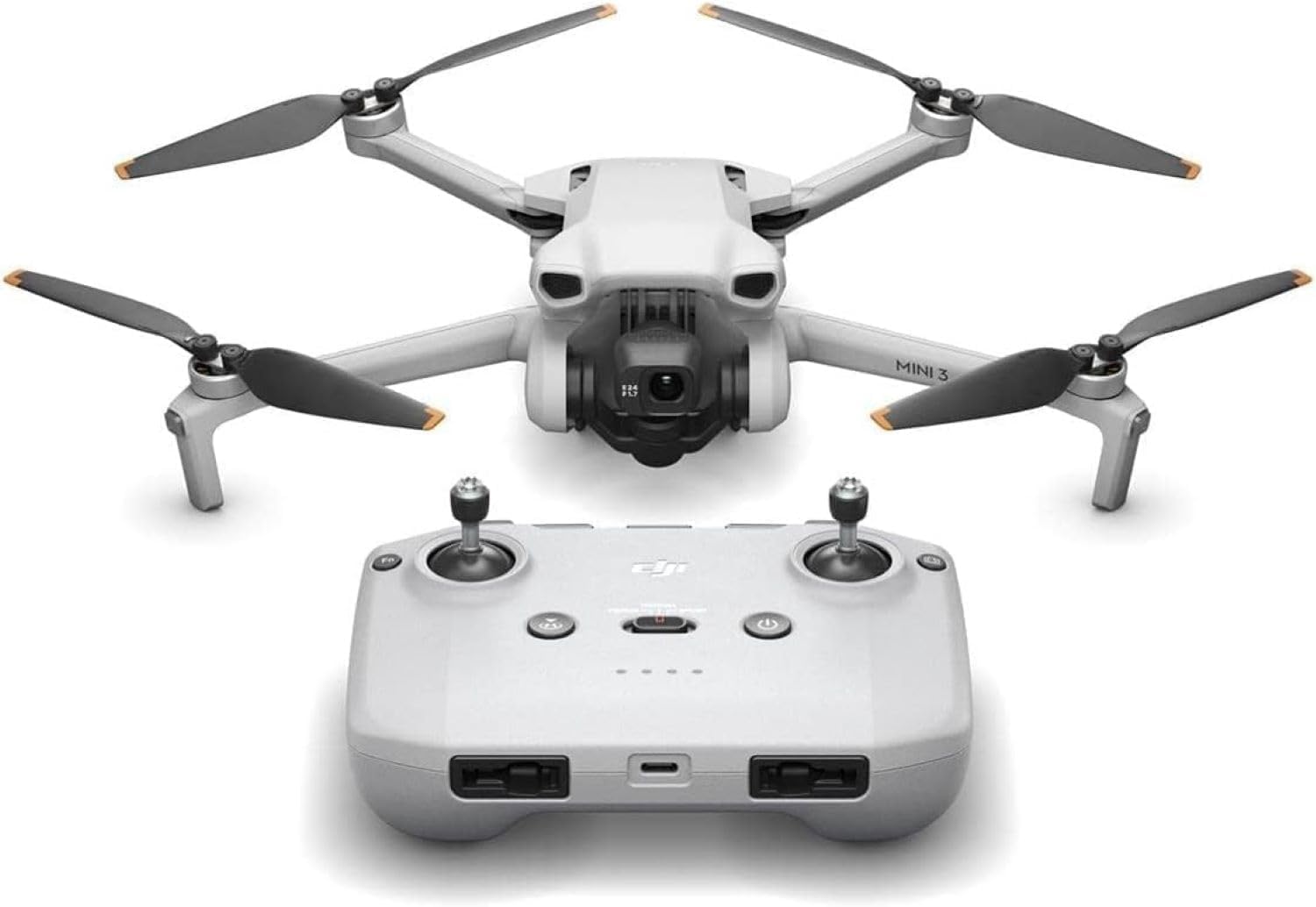
DJI Mini 3, 3-Axis Mechanical Gimbal Mini Camera Drone | 4K HDR Video, 38-Min Flight Time, up to 32800ft (10km) Video Transmission, True Vertical Shooting, GPS Auto Return
Check Price on AmazonDJI Mini 3 Fly More Combo
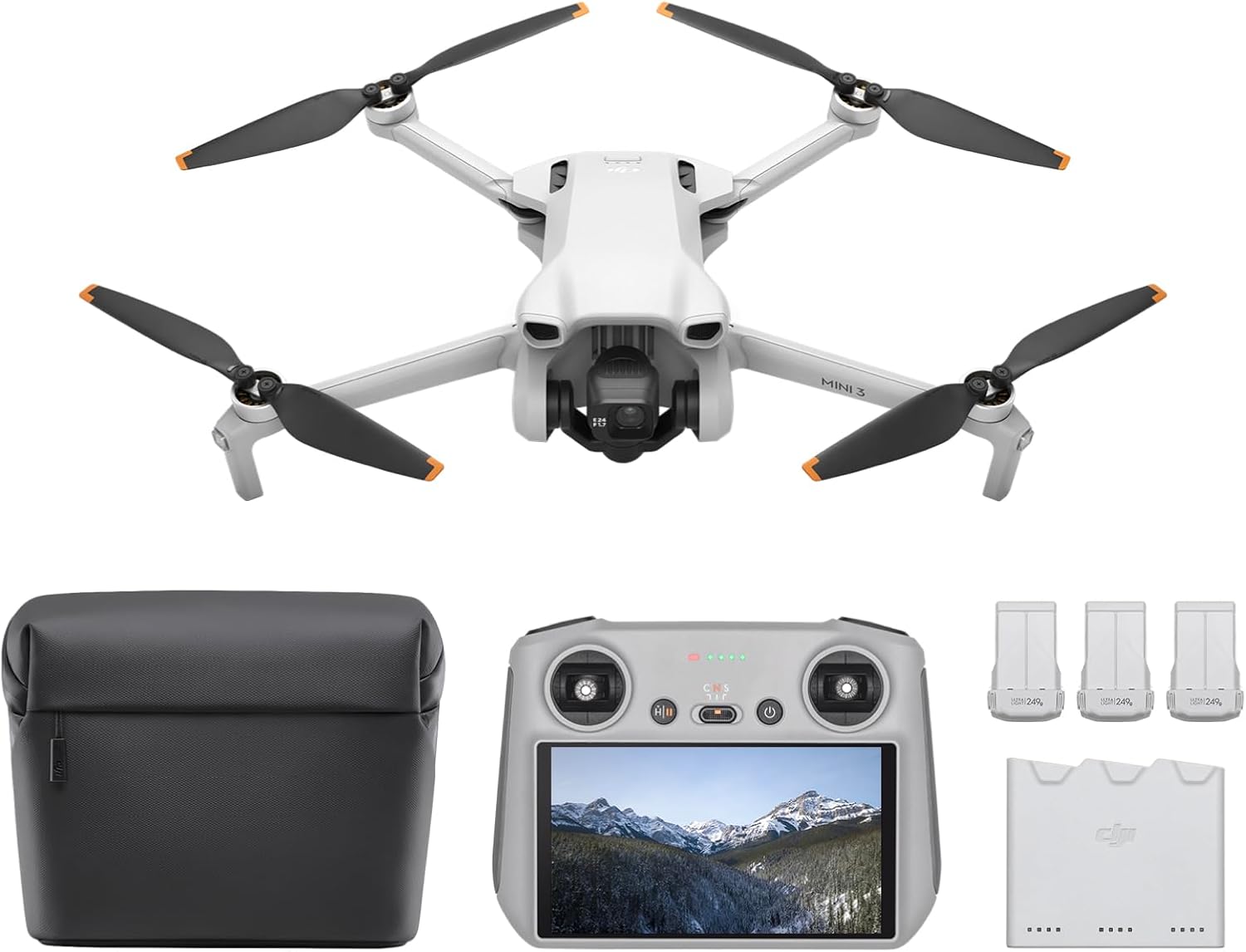
DJI Mini 3 Fly More Combo With DJI RC, 3 Batteries | Lightweight Camera Drone With 4K HDR Video, 114-Min Flight Time, Vertical Shooting, 32800ft (10km) Video Transmission
Check Price on AmazonDJI Mini 3 With DJI RC
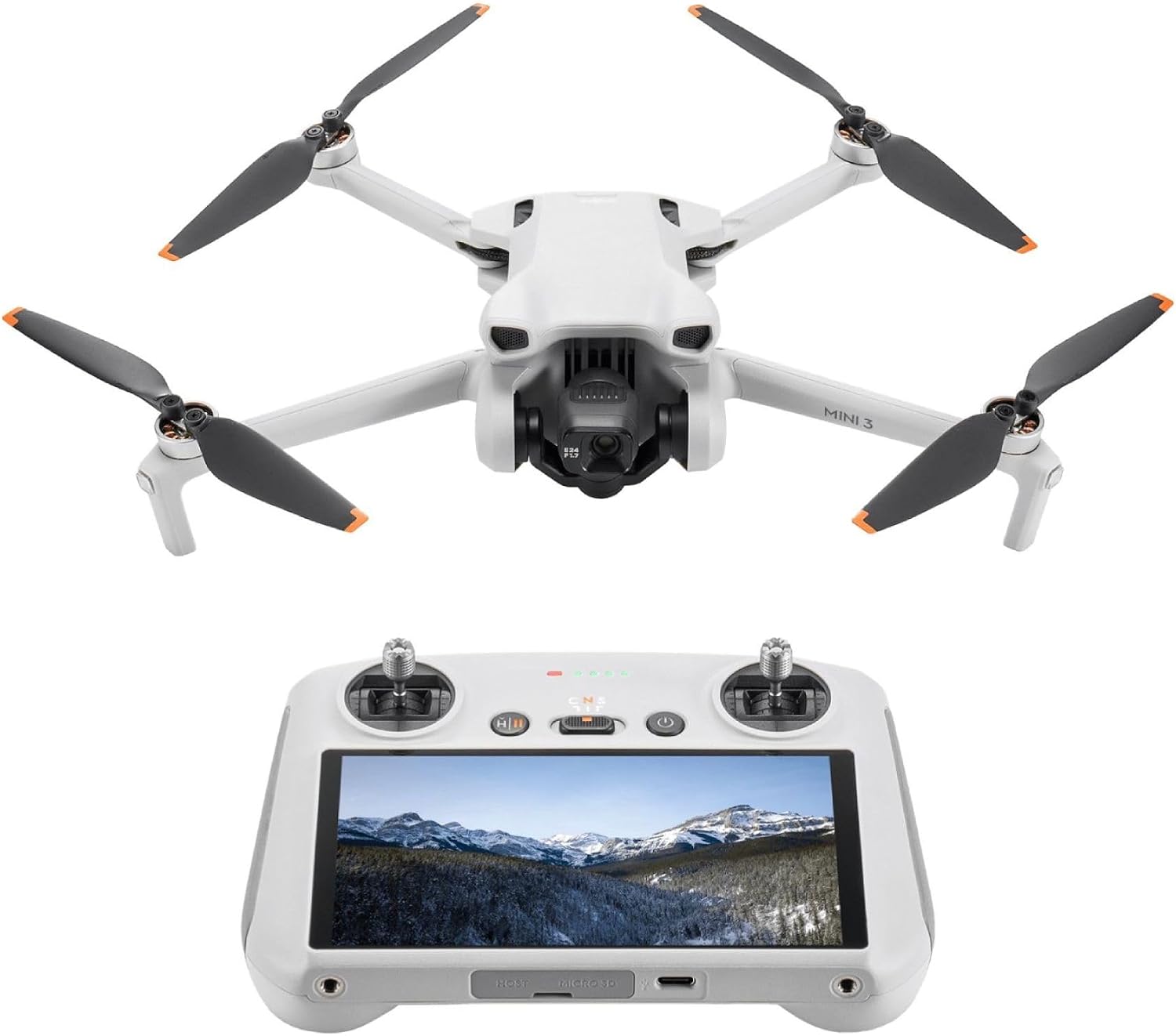
DJI Mini 3 With DJI RC, 3-Axis Mechanical Gimbal Mini Camera Drone | 4K HDR Video, 38-Min Flight Time, up to 32800ft (10km) Video Transmission, Vertical Shooting, GPS Auto Return
Check Price on Amazon- Private residential backyards (with explicit homeowner permission)
- Industrial zones on the far South and West sides (away from airports)
- Rural areas outside Cook County, such as forest preserves outside city limits
- Designated RC airfields like the Chicago Area Radio Control Society field in Elgin
For recreational flyers, the FAA’s B4UFLY app shows real-time airspace restrictions. Always check the No-Fly Zone Checker before each flight. Chicago’s dense urban environment means most downtown areas are effectively unflyable due to overlapping restricted zones.
What Are the No-Fly Zones and Restricted Areas in Chicago?
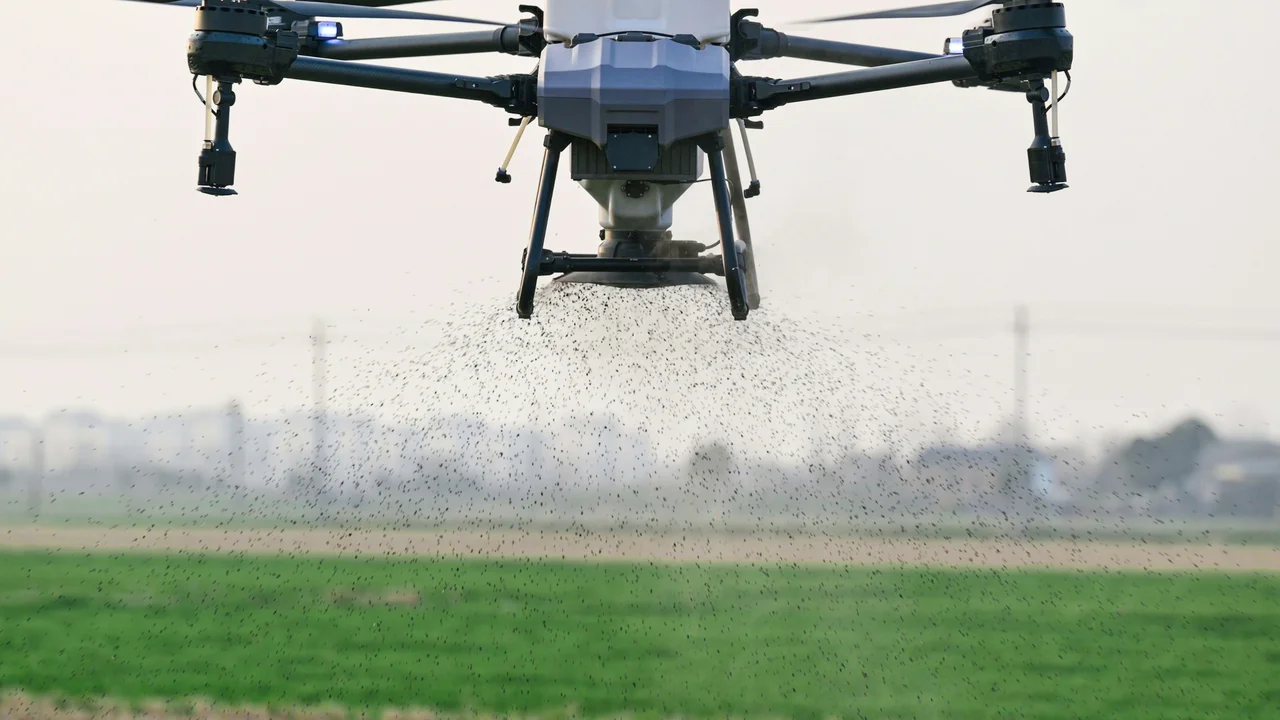
Chicago has some of the most restrictive no-fly zones in the United States. The FAA controls airspace around O’Hare International Airport (ORD) and Chicago Midway International Airport (MDW). Both have Class B airspace that extends up to 10,000 feet. You cannot fly within a 5-mile radius of either airport without prior LAANC authorization.
| Location | Restriction | Authorization Required |
|---|---|---|
| O’Hare International Airport | Class B airspace, no drone ops within 5 miles | LAANC approval via FAA DroneZone |
| Midway International Airport | Class B airspace, no drone ops within 5 miles | LAANC approval via FAA DroneZone |
| Chicago Parks (600+ parks) | Complete ban on takeoff, landing, and overflight | Chicago Park District film permit ($500/day) |
| Lake Michigan shoreline | No drone ops within 500 feet of shoreline | Not available for recreational pilots |
| Government buildings (City Hall, Federal buildings) | No-fly zone within 1,000 feet | Not available |
| Hospitals and schools | No-fly zone during operating hours | Not available |
Additional restricted areas include the United Center, Wrigley Field, Guaranteed Rate Field, and Soldier Field. The FAA has issued Temporary Flight Restrictions (TFRs) during Bears, Cubs, White Sox, and Bulls games. These TFRs typically activate one hour before the event and last until one hour after.
What Are the Penalties for Violating Drone Laws in Chicago?
Penalties for breaking drone laws in Chicago can be severe, ranging from fines to criminal charges. The FAA enforces federal violations with civil penalties up to $27,500 per incident. Willful or reckless violations can result in criminal fines up to $250,000 and imprisonment up to three years.
Carrying Hard Case for DJI Avata 360 Drone
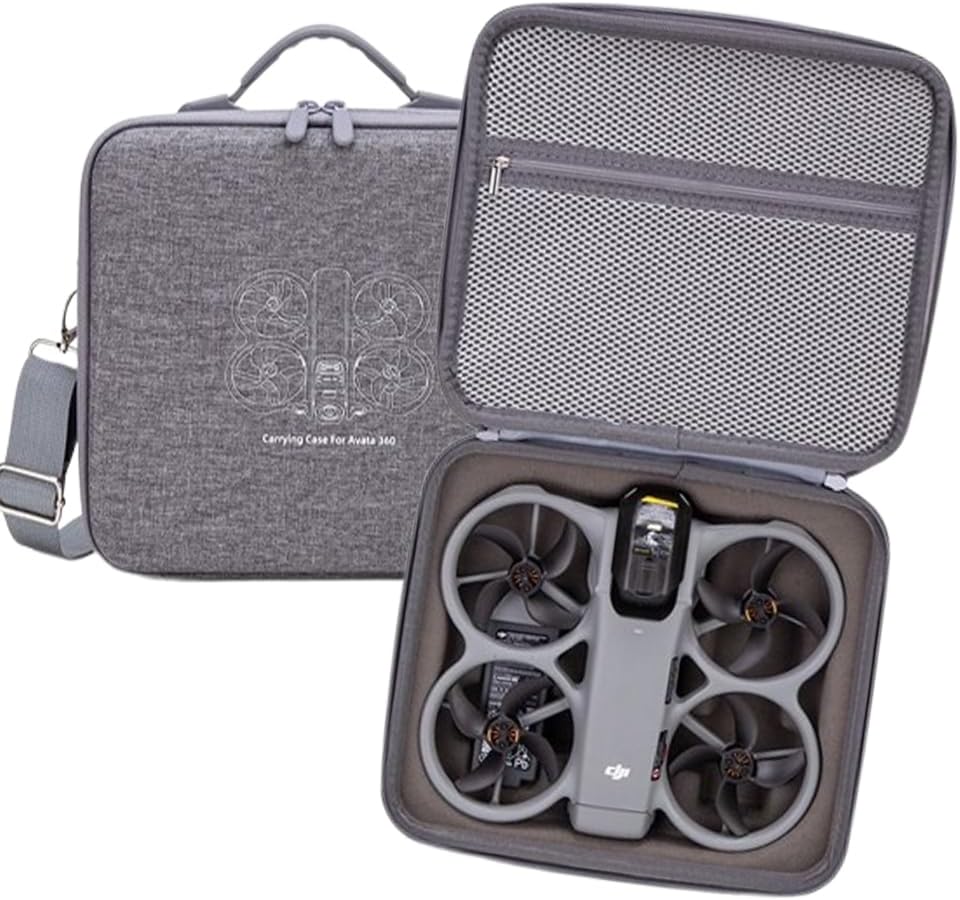
Carrying Hard Case for DJI Avata 360 Drone - Portable Travel Bag for Goggles N3/RC Motion 3 Controller
Check Price on AmazonHard Case for Antigravity A1 Drone
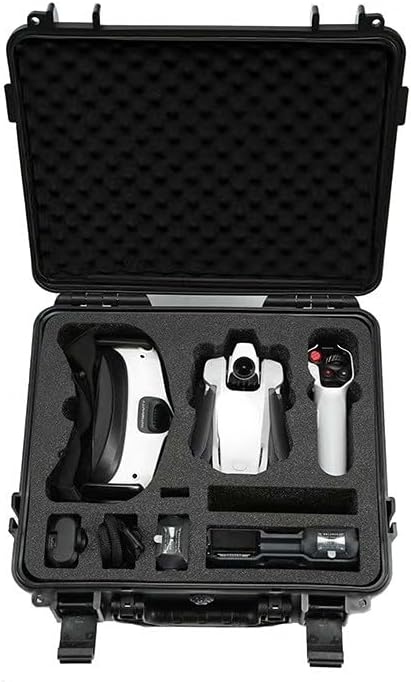
Hard Case for Antigravity A1 Drone, Waterproof Protective Carry Case, Anti-Fall Storage Bag Fit for Drone, Batteries, Goggles, Accessories & RC Gear [Only Protect Shell]
Check Price on AmazonFederal Penalties (FAA)
- Civil fine: up to $27,500 per violation
- Criminal fine: up to $250,000
- Imprisonment: up to 3 years
- Revocation of Part 107 certificate
Chicago City Penalties
- Fine: $500 to $5,000 per violation
- Impoundment of drone equipment
- Misdemeanor charge for repeat offenses
- Civil lawsuit for damage or injury
Chicago’s municipal code allows police officers to issue citations on the spot. If you fly over a park or beach, the Chicago Park District can confiscate your drone and hold it as evidence. In 2025, the city issued over 200 drone-related citations, with average fines of $1,200.
How Do Chicago Drone Laws Compare to Other Illinois Cities?
Chicago’s drone laws are among the strictest in Illinois. For comparison, the City Of Church Hill Drone Laws 2026 are much more lenient, allowing drone flight over city parks with a simple permit. Chicago’s ban on drone operations over all city-owned property is unique among major U.S. cities.
Other Illinois cities like Springfield, Peoria, and Rockford follow state law (Illinois Drone Surveillance Act) which prohibits law enforcement from using drones without a warrant but does not restrict recreational flight. Chicago’s ordinance goes further by banning all drone activity on city property.
How to Get a Permit to Fly a Drone in Chicago Parks
If you need to fly over a Chicago park for commercial purposes, you must apply for a Special Use Permit from the Chicago Park District. The process is detailed and requires significant lead time.
Fill out the Chicago Park District’s Special Use Permit application. Include your FAA Part 107 certificate, proof of insurance ($2 million liability minimum), and a detailed flight plan.
The fee is $500 per day for commercial drone operations. Non-profit organizations may qualify for a reduced fee of $100 per day.
If your flight area is within controlled airspace, you must also get LAANC approval from the FAA. This is a separate process done through the FAA DroneZone or a third-party app like Aloft.
Permits are valid for specific dates and times. You must notify the Chicago Park District at least 72 hours before your flight.
Recreational pilots cannot obtain a permit for park flights. The only legal option for hobbyists is to fly on private property with explicit permission or travel outside Chicago city limits.
What Equipment Do You Need for Legal Drone Flight in Chicago?
To comply with Chicago drone laws, you need specific equipment and documentation. The FAA requires all drones to display registration markings if registered. You must also carry your Part 107 certificate (if commercial) or recreational completion certificate.
For safety, equip your drone with:
- Propeller guards (recommended for urban environments)
- Anti-collision strobe lights (required for night flight under Part 107)
- Remote ID module (mandatory for all drones over 250g since September 2023)
- LAANC authorization confirmation (digital or printed)
If you’re considering a new drone for Chicago flying, the Drone With Camera Reviews — Complete Review & Buying Guide 2026 can help you choose a model that fits the weight and registration requirements. For FPV enthusiasts, the DJI Avata 2 Review 2026 covers a popular sub-250g option that avoids FAA registration.
How Do Chicago Drone Laws Affect Tourists and Visitors?
Tourists visiting Chicago face the same drone laws as residents. You cannot fly over Navy Pier, the Art Institute, the Willis Tower Skydeck, or any other tourist attraction on city property. The lakefront path, a popular 18-mile trail, is entirely off-limits for drone operations.
If you’re visiting from another country, note that FAA registration requires a U.S. address. International visitors must register their drone through the FAA DroneZone using their hotel address or a friend’s address. You also need to comply with Chicago’s municipal code, which applies to all operators regardless of nationality.
Summary
Chicago’s drone laws in 2026 are strict but navigable if you follow the rules. Register your drone with the FAA if it weighs over 250g, obtain a Part 107 certificate for commercial work, and never fly over city parks, beaches, or public property. Use LAANC for airspace authorization near airports, and always check the Chicago Park District’s latest updates before flying. For recreational pilots, the safest approach is to fly on private property outside city limits. For commercial pilots, the permit process is available but costly at $500 per day.
Before your next flight, verify your drone’s weight with the Weight Checker Tool and check restricted zones with the No-Fly Zone Checker. If you’re flying a sub-250g drone, review the Canada Drone Laws Under 250g for comparison if you plan cross-border flights.
Frequently Asked Questions
What are the rules for drone laws in Chicago?
The rules for drone laws in Chicago require FAA registration for drones over 0.55 lbs (250g), a Part 107 Remote Pilot Certificate for commercial operations, and compliance with Chicago’s municipal code banning drone flight over city-owned parks, beaches, and public property. You must also obtain LAANC authorization before flying within 5 miles of O’Hare or Midway airports. Recreational pilots cannot fly in any Chicago Park District land without a special permit.
Do I need to register my drone for drone laws in Chicago?
Yes, you need to register your drone with the FAA through the FAA DroneZone if it weighs more than 0.55 lbs (250g). The registration fee is $5 and covers all your drones for three years. Drones weighing 250g or less, such as the DJI Mini 4 Pro or DJI Neo, do not require FAA registration but must still follow all Chicago city ordinances. Commercial pilots must also obtain a Part 107 certificate regardless of drone weight.
Are there restricted areas relevant to drone laws in Chicago?
Yes, Chicago has extensive restricted areas including Class B airspace around O’Hare and Midway airports, all 600+ Chicago Park District parks and beaches, the Lake Michigan shoreline within 500 feet, government buildings like City Hall, and stadiums such as Wrigley Field and Soldier Field during events. Hospitals and schools also have no-fly zones during operating hours. Violating these restrictions can result in fines up to $5,000 from the city and additional FAA penalties.
What are the penalties for breaking rules related to drone laws in Chicago?
Penalties for breaking Chicago drone laws include FAA civil fines up to $27,500 per violation, criminal fines up to $250,000 with possible imprisonment of up to three years, and Chicago city fines ranging from $500 to $5,000 per incident. The Chicago Park District can confiscate your drone and hold it as evidence. Repeat offenders may face misdemeanor charges. In 2025, the city issued over 200 citations with an average fine of $1,200.
Last updated: July 14, 2026
- FAA DroneZone — faadronezone.faa.gov
- Chicago Municipal Code Chapter 10-36
- Chicago Park District Special Use Permits
- FAA Part 107 Regulations
- Illinois Drone Surveillance Act (Public Act 098-0569)
NANUK 935 Pro Photo Kit Camera Case
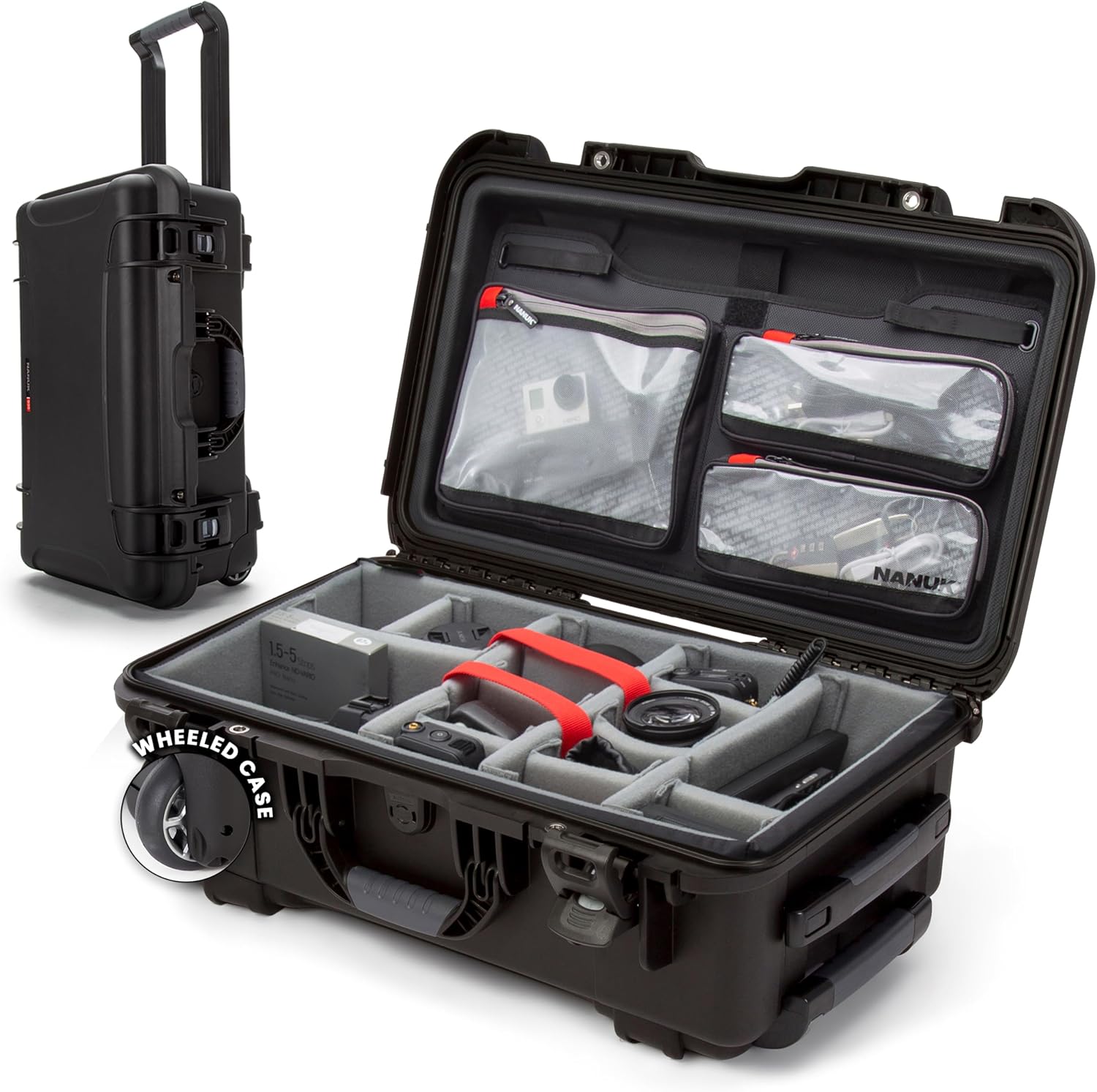
NANUK 935 Pro Photo Kit Camera Case, Waterproof Wheeled Hard Case, Carry-On, Black
Check Price on AmazonNANUK 925 DJI Mavic 4 Pro Creator Combo
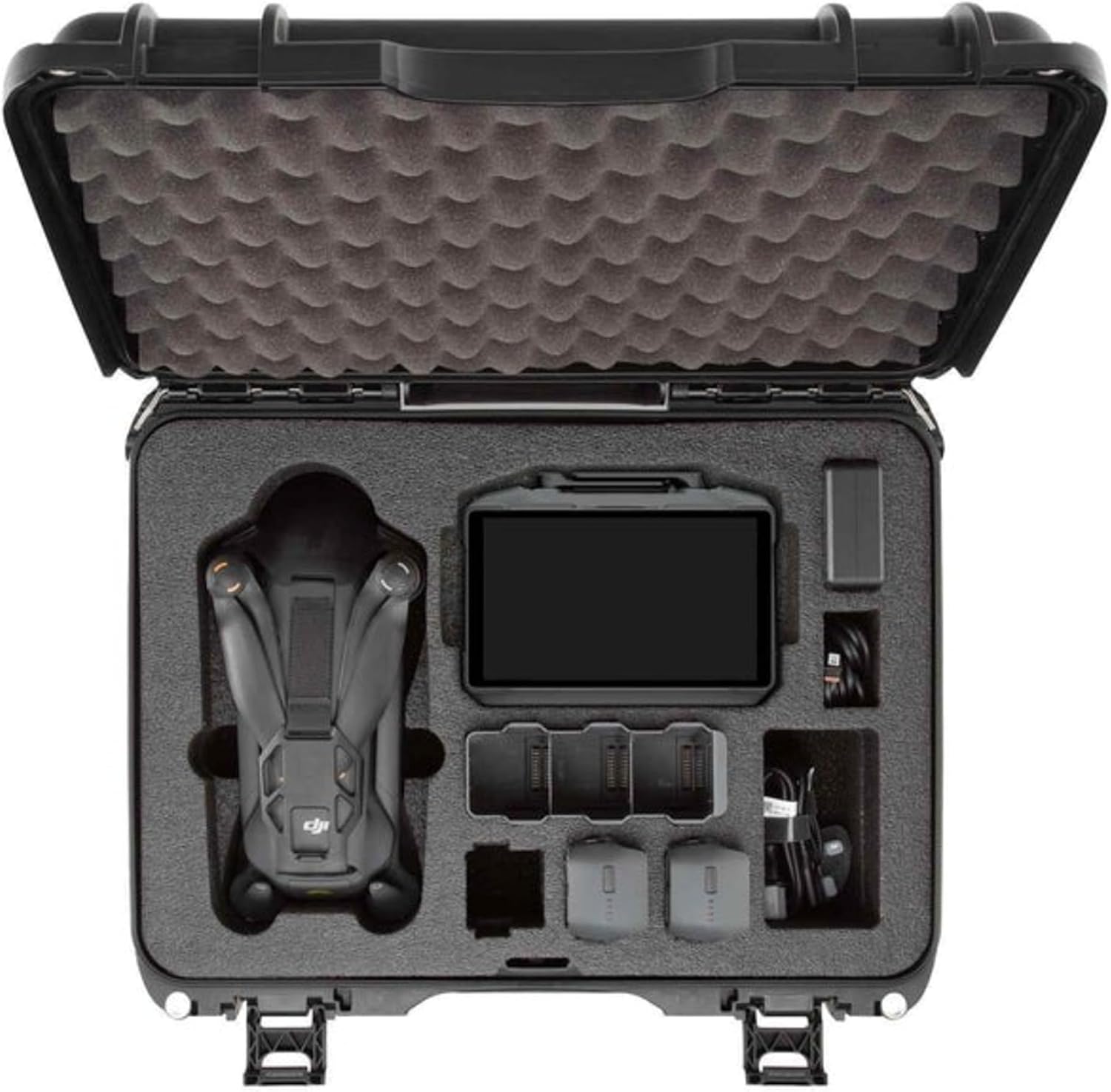
NANUK 925 DJI Mavic 4 Pro Creator Combo - Waterproof Hard Case with Drone Foam Insert, Crushproof, Portable Travel Case, Made in Canada (18.7” x 14.8”x 7”) - Black
Check Price on Amazon Drone Allowed
DroneAllowed editor covering drone regulations, aviation law, and aerial photography across USA, UK, Canada & Australia.