
Harris County Drone Laws 2026: Houston Area, Rules & Where to Fly
 12 min read
2,261 words
12 min read
2,261 words
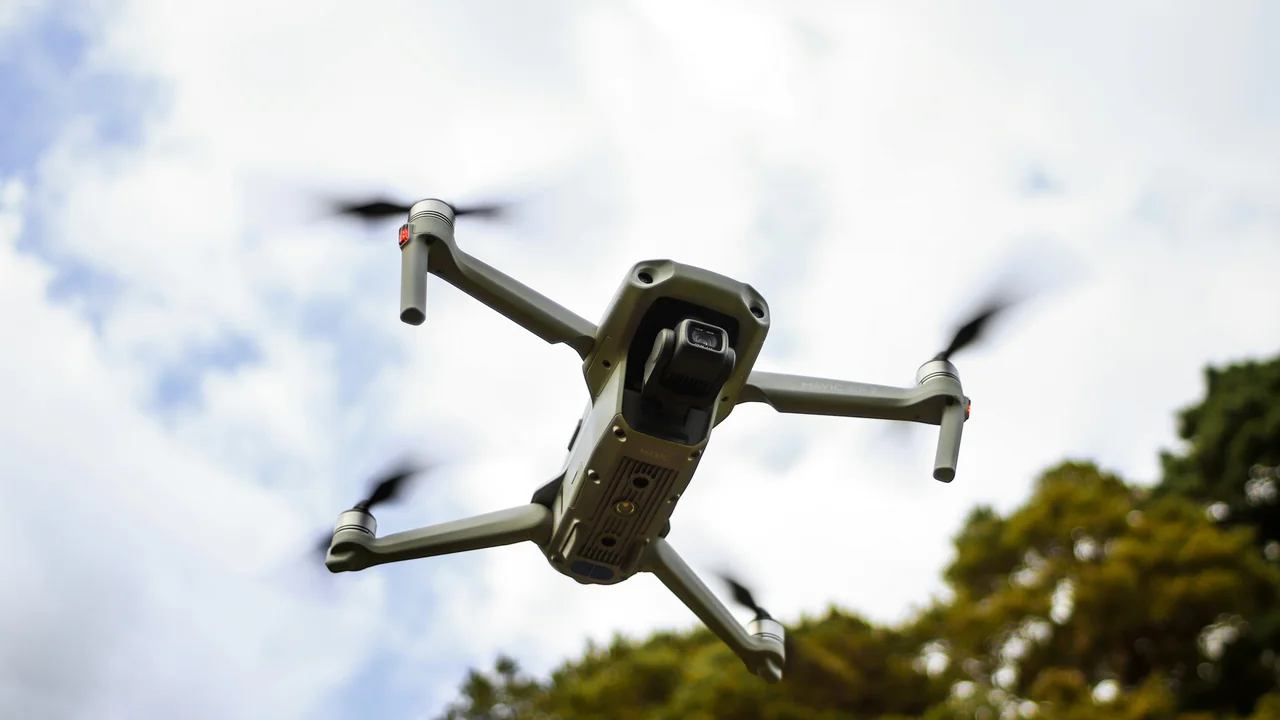
If you fly a drone in Harris County, Texas, you are operating in the fourth most populous county in the United States, home to over 4.7 million people and the sprawling Greater Houston metroplex. Understanding Harris County drone laws in 2026 means navigating a layered system: state-level preemption, FAA airspace rules, and county-specific policies for parks and flood control land. This guide covers everything you need to know about drone rules Harris County Texas pilots must follow, including where you can fly, where you cannot, and how Texas law protects your right to fly in most county-owned spaces.
Does Texas Preemption Law Affect Drone Rules in Harris County?
Yes, and this is the single most important fact for Houston area drone laws. Texas Government Code Chapter 423, specifically Section 423.002, preempts local governments—including Harris County—from enacting their own drone ordinances that conflict with state law. This means Harris County cannot ban drones outright in county parks, flood control land, or other county-owned property unless state law explicitly allows it.
What does this mean for your flight? In practice, you do not need to worry about a patchwork of conflicting local bans across the county. However, you must still respect FAA airspace restrictions, state privacy laws, and rules for specific facilities like airports and federal installations.
What Are the FAA Airspace Restrictions Over Harris County and Houston?
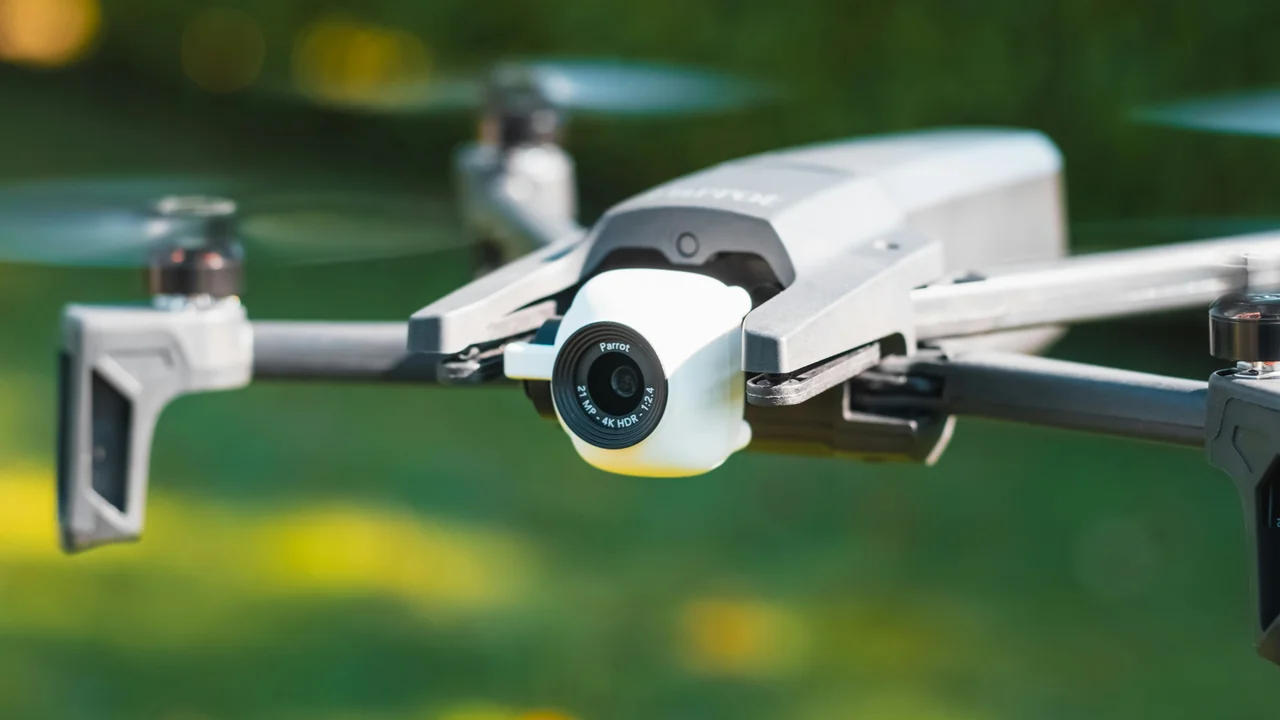
Harris County contains some of the busiest airspace in Texas. The FAA controls all airspace above 400 feet AGL, but your drone must navigate controlled airspace near airports using the LAANC (Low Altitude Authorization and Notification Capability) system.
| Airport | Airspace Class | Location in Harris County | LAANC Required? |
|---|---|---|---|
| George Bush Intercontinental (IAH) | Class B | North Houston | Yes — full authorization needed |
| William P. Hobby (HOU) | Class C | South Houston | Yes — authorization needed |
| Ellington Airport (EFD) | Class D | Southeast Houston (near NASA) | Yes — authorization needed |
| Various smaller airports | Class D / E | Countywide | Check FAA B4UFLY app |
How to Get LAANC Authorization for Harris County Airspace
The LAANC system is available through apps like Aloft (formerly Kittyhawk), AirMap, and the FAA B4UFLY app. For Part 107 pilots, you can request near-real-time authorization for controlled airspace up to 400 feet. Recreational flyers under the Exception for Recreational Flyers must also use LAANC if flying in controlled airspace.
Use the FAA B4UFLY app or our No-Fly Zone Checker to see if your planned flight area is in controlled airspace.
Submit a request through a FAA-approved LAANC service provider. Most requests are approved within seconds.
You must stay within the altitude and area limits granted by LAANC. Exceeding these limits violates FAA regulations.
Can You Fly a Drone in Harris County Parks in 2026?
Yes, under Texas preemption law, Harris County cannot ban drones in county parks. This is a significant advantage for drone laws Greater Houston pilots. County parks such as Terry Hershey Park, Barker Reservoir, and Addicks Reservoir are generally open for drone flight as long as you follow FAA rules.
Which Harris County Parks Are Best for Drone Flying?
- Terry Hershey Park — 500-acre linear park along Buffalo Bayou, open space with minimal tree cover in many sections. Good for aerial photography of the bayou and wildlife.
- Barker Reservoir — Large flood control area with wide-open skies. Ideal for long-range flights (within VLOS).
- Addicks Reservoir — Similar to Barker, with expansive grasslands. Be mindful of nearby residential areas.
- Bear Creek Pioneers Park — 2,000+ acres with large meadows. Popular with RC hobbyists.
- George Bush Park — 7,800 acres of floodplain forest and prairie. Excellent for nature footage.
Pros of Flying in Harris County Parks
- No county-level bans on drones
- Large open spaces with minimal obstructions
- Accessible via major highways
Cons to Consider
- Must avoid crowds and wildlife
- Some parks border airports (e.g., Bear Creek near IAH)
- No dedicated drone launch areas
Is Memorial Park a Harris County Park?
No. Memorial Park is a City of Houston park, not a Harris County park. The City of Houston has its own park rules, which may be more restrictive. In 2026, the City of Houston still prohibits drone takeoff and landing in city parks without a special events permit. You may fly over Memorial Park from adjacent airspace, but you cannot launch or land within the park boundaries.
Flying Along the Bayou Greenways: What Are the Rules?
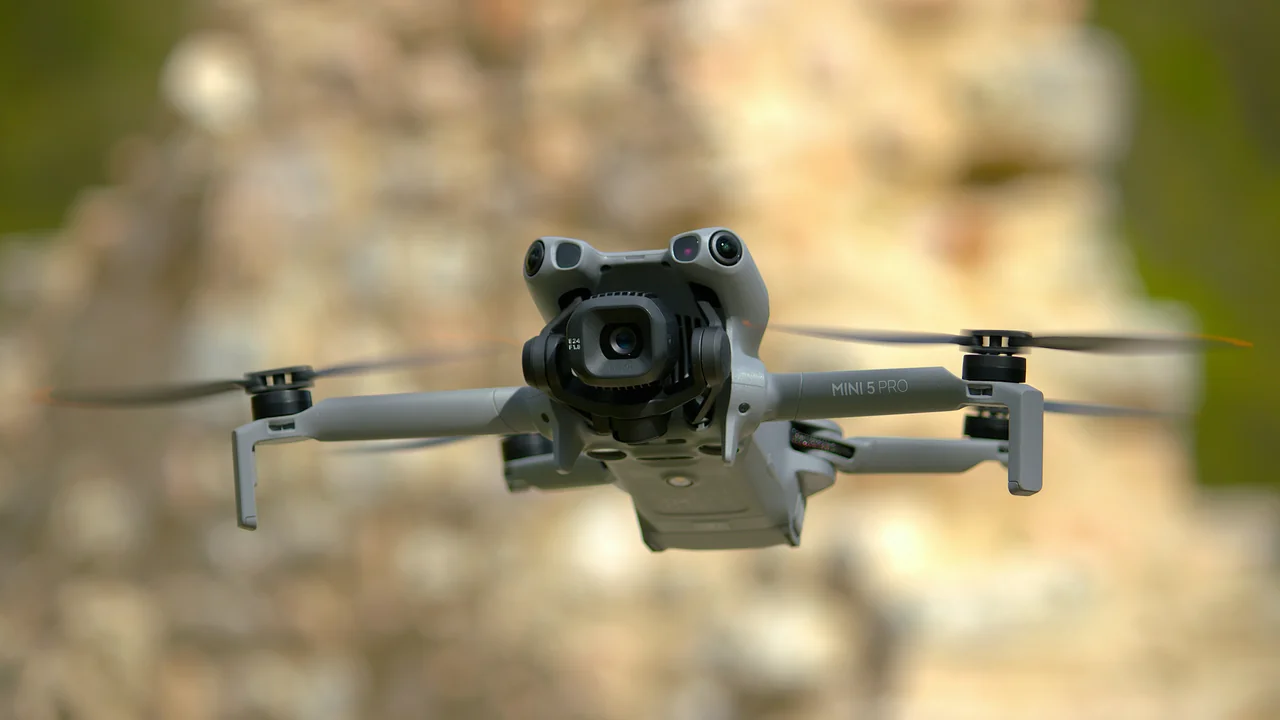
The Bayou Greenways system is a network of linear parks and trails along Houston’s bayous, managed by both Harris County and the City of Houston. This system includes over 150 miles of trails along Buffalo Bayou, Brays Bayou, White Oak Bayou, and others. For drone rules Harris County Texas, the key distinction is who owns the land.
On Harris County Flood Control District (HCFCD) land—which includes most of the bayou corridors outside city limits—you can fly under the same rules as county parks. The HCFCD explicitly allows drone use for recreational and commercial purposes, provided you do not interfere with flood control operations or disturb wildlife.
Where Are the Major No-Fly Zones in Harris County?
While Harris County is generally drone-friendly, several locations are strictly off-limits due to federal or state law.
NASA Johnson Space Center (Clear Lake)
The NASA Johnson Space Center in the Clear Lake area is a federal facility with a permanent no-fly zone extending 3 nautical miles from the center. This is one of the most significant restrictions in southeast Harris County. The FAA has designated this area as a National Defense Airspace under 14 CFR Part 99. Flying here can result in interception by law enforcement and federal charges.
Other Restricted Areas in Harris County
- Houston Ship Channel — While not a no-fly zone, the ship channel is a high-security area. Avoid flying over ships or industrial facilities without permission.
- Lake Houston — The lake is a drinking water reservoir. Harris County does not ban drones over the water, but the City of Houston (which owns the lake) may enforce restrictions. Check with the Houston Public Works Department before flying.
- San Jacinto Battleground State Historic Site — Texas state park rules apply. Drones are generally allowed but must not disturb visitors or wildlife.
What Are the State-Level Drone Laws That Apply in Harris County?
Texas has specific drone laws under Chapter 423 of the Government Code that affect every flight in Harris County.
| Texas Law | What It Means for Your Flight | Penalty |
|---|---|---|
| No surveillance of private property (Sec. 423.003) | You cannot capture images of private property without consent if the property owner has a reasonable expectation of privacy. | Class C misdemeanor (up to $500 fine) |
| No flying over critical infrastructure (Sec. 423.004) | Cannot fly over oil refineries, chemical plants, power plants, or correctional facilities. | Class B misdemeanor (up to $2,000 fine) |
| No interference with emergency services (Sec. 423.005) | Must yield to police, fire, and medical helicopters. Stay at least 500 feet away. | Class A misdemeanor (up to $4,000 fine) |
| Preemption of local ordinances (Sec. 423.002) | Counties and cities cannot ban drones in public spaces beyond state law. | N/A — protects your right to fly |
How to Fly Legally in Harris County: A Step-by-Step Checklist
If your drone weighs over 0.55 lbs (250g), register it on the FAA DroneZone for $5. This is required for both recreational and commercial flights.
Use the FAA B4UFLY app or our No-Fly Zone Checker to see if your flight area requires LAANC authorization.
Opt for Harris County parks or HCFCD land for the most permissive flying experience. Avoid city parks without permits.
Do not fly over private property without consent, avoid critical infrastructure, and yield to manned aircraft.
The FAA altitude limit applies everywhere in Harris County except within 400 feet of a structure.
Final Thoughts: Flying in Harris County in 2026
Harris County remains one of the most drone-friendly large counties in the United States, thanks to Texas preemption law. You can fly in county parks, along bayous, and over most unincorporated areas without needing county permission. The main challenges are FAA airspace near IAH, Hobby, and Ellington airports, and the strict no-fly zone around NASA Johnson Space Center. For the best experience, plan your flights around the county’s extensive bayou greenways and large reservoir parks, and always use our No-Fly Zone Checker before launching.
Frequently Asked Questions
What are the drone laws in Harris County Texas?
Harris County drone laws are governed primarily by Texas state law (Government Code Chapter 423) and FAA regulations. The county cannot impose its own drone bans on county property due to Texas preemption. You must register your drone with the FAA if it weighs over 0.55 lbs, stay below 400 feet AGL, and avoid flying over critical infrastructure, private property without consent, and emergency response scenes. LAANC authorization is required near any of the county’s major airports.
Can I fly a drone in unincorporated Harris County?
Yes, you can fly a drone in unincorporated Harris County as long as you follow FAA and Texas state laws. Unincorporated areas are not subject to city ordinances, and Harris County itself does not ban drones on county-owned land. However, you must still respect airspace restrictions near airports, avoid flying over private property without permission, and stay clear of critical infrastructure like the Houston Ship Channel. The bayou corridors and reservoir parks are excellent locations for flying in unincorporated areas.
Are drones allowed in Harris County parks?
Yes, drones are allowed in Harris County parks under Texas preemption law. The county cannot ban drone takeoff, landing, or flight in county parks. Popular parks for drone flying include Terry Hershey Park, Bear Creek Pioneers Park, and George Bush Park. However, you must still follow FAA rules and Texas privacy laws. Note that Memorial Park is a City of Houston park, not a county park, and has different rules that prohibit launching and landing without a permit.
What is the airspace over Harris County Houston?
The airspace over Harris County is a mix of Class B (IAH), Class C (Hobby), Class D (Ellington), and Class G uncontrolled airspace in rural areas. Most of the county lies within controlled airspace that requires LAANC authorization for drone flights above certain altitudes. The FAA B4UFLY app or our No-Fly Zone Checker can help you determine the specific airspace class for your location. Uncontrolled airspace exists in parts of northwest and far southeast Harris County, where you can fly without LAANC but must still stay below 400 feet AGL.
Can I fly a drone along the bayous in Harris County?
Yes, flying along the bayous in Harris County is one of the best options for drone pilots. The Bayou Greenways system includes over 150 miles of trails and flood control land managed by the Harris County Flood Control District. Most of this land is open to drone flight, as long as you do not interfere with flood control operations or disturb wildlife. Popular bayou routes include Buffalo Bayou through Terry Hershey Park, Brays Bayou near the University of Houston, and White Oak Bayou in the Heights area. Always check for nearby airspace restrictions before flying.
Is NASA Johnson Space Center a no-fly zone in Harris County?
Yes, NASA Johnson Space Center in the Clear Lake area is a federal no-fly zone. The FAA has established a 3-nautical-mile restricted area around the facility, and flying within this zone without authorization is illegal. This restriction covers most of the Clear Lake area, including parts of Seabrook, Webster, and the Kemah Boardwalk. Violating this no-fly zone can result in interception by law enforcement aircraft, fines, and even criminal charges. Always use a no-fly zone checker before flying in southeast Harris County.
Last updated: July 04, 2026
- Federal Aviation Administration (faa.gov)
- Texas Government Code Chapter 423
- Harris County Flood Control District
- Harris County Parks Department
- City of Houston Parks and Recreation Department
Drone Allowed
DroneAllowed editor covering drone regulations, aviation law, and aerial photography across USA, UK, Canada & Australia.