

Can You Fly a Drone at the Beach? (US, UK, Australia & Canada Rules)
 13 min read
2,520 words
Quick Answer: Can You Fly a Drone at the Beach?
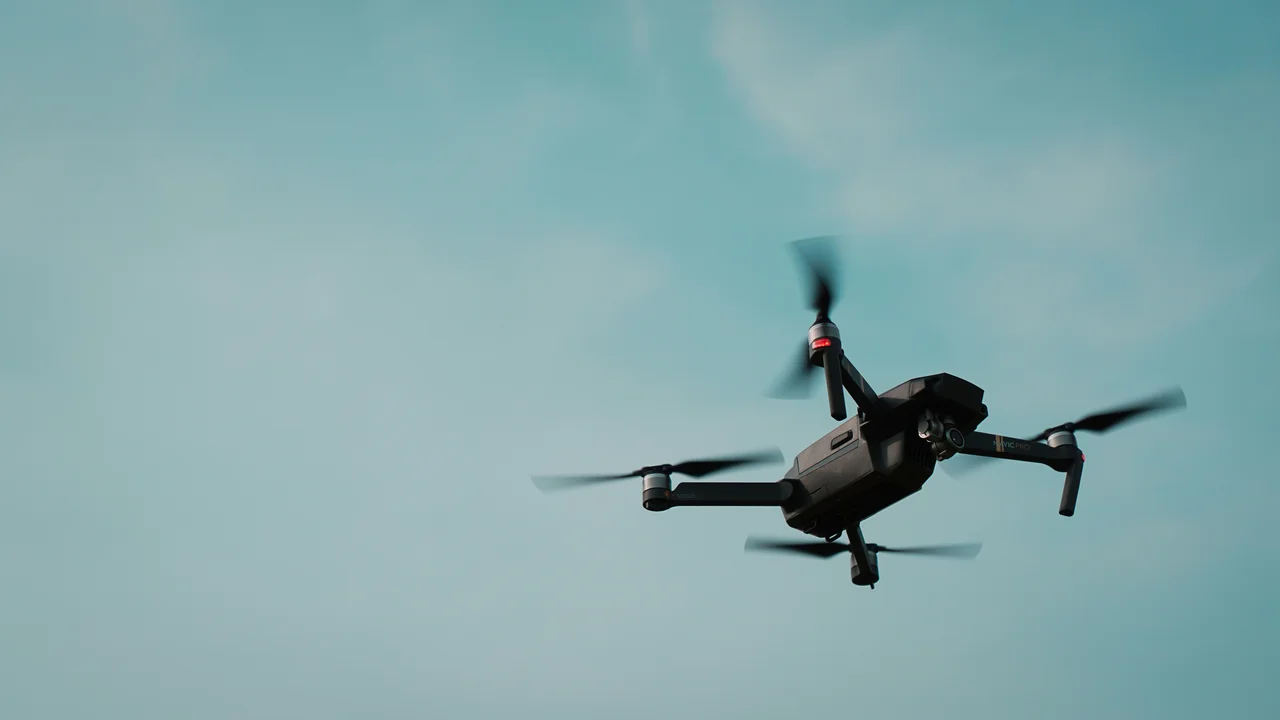
Yes, you can fly a drone at the beach in most locations, but the rules vary dramatically by country, state, and even which specific beach you choose. There is no single “beach drone law” — you must check local regulations before flying. This guide breaks down the rules for the US, UK, Australia, and Canada, covering everything from FAA registration to nesting bird protections.
LENTION 3.3FT Long Cable USB C Hub
LENTION 3.3FT Long Cable USB C Hub, 4K HDMI, 100W PD, USB 3.0, Card Reader 3A & LED Indicator Stable Driver Adapter, for macOS, iOS/iPadOS, Windows & ChromeOS (C36p-1M, Space Gray)
Check Price on Amazon17-in-1 USB C Hub 65W Powered Adapter, 10Gbps, Dual PD 45W
17-in-1 USB C Hub 4K@60Hz, 65W Powered Adapter, 10Gbps, Dual PD 45W PD 100W Charging, 3×USB-C 3.2+6×USB-A 3.0, SD/TF 105MB/s, 3.3ft Cable, Aluminum Desktop USB Hub for MacBook Pro/Air/Mac Mini
Check Price on AmazonLENTION USB-C Hub, HDMI, 100W PD, 2 USB-C, 2 USB 3.0, Card Reader
LENTION USB-C Hub, 4K@60Hz HDMI, 100W PD, 2 USB-C, 2 USB 3.0, Card Reader 2A & 2C Work Simultaneously, Stable Driver 3.0 Certified, for macOS, iOS/iPadOS, Windows & ChromeOS (CE19, Black)
Check Price on AmazonExpect to find restrictions on flying over people, near wildlife, and in certain protected areas. We’ll cover the key principles, give you specific beach examples, and help you fly legally and responsibly.
3 FT Power Strip
3 FT Power Strip, Extension Cord with 8 AC Outlets + 4 USB (2 USB-C), Black Flat Plug, Compact 3FT Flat Cord Keeps Desktop Neat. 1700J Surge Protection, 1625W, Great for Home Office, Dorm, Nightstand
Check Price on AmazonHICOBER USB C SD Card Reader
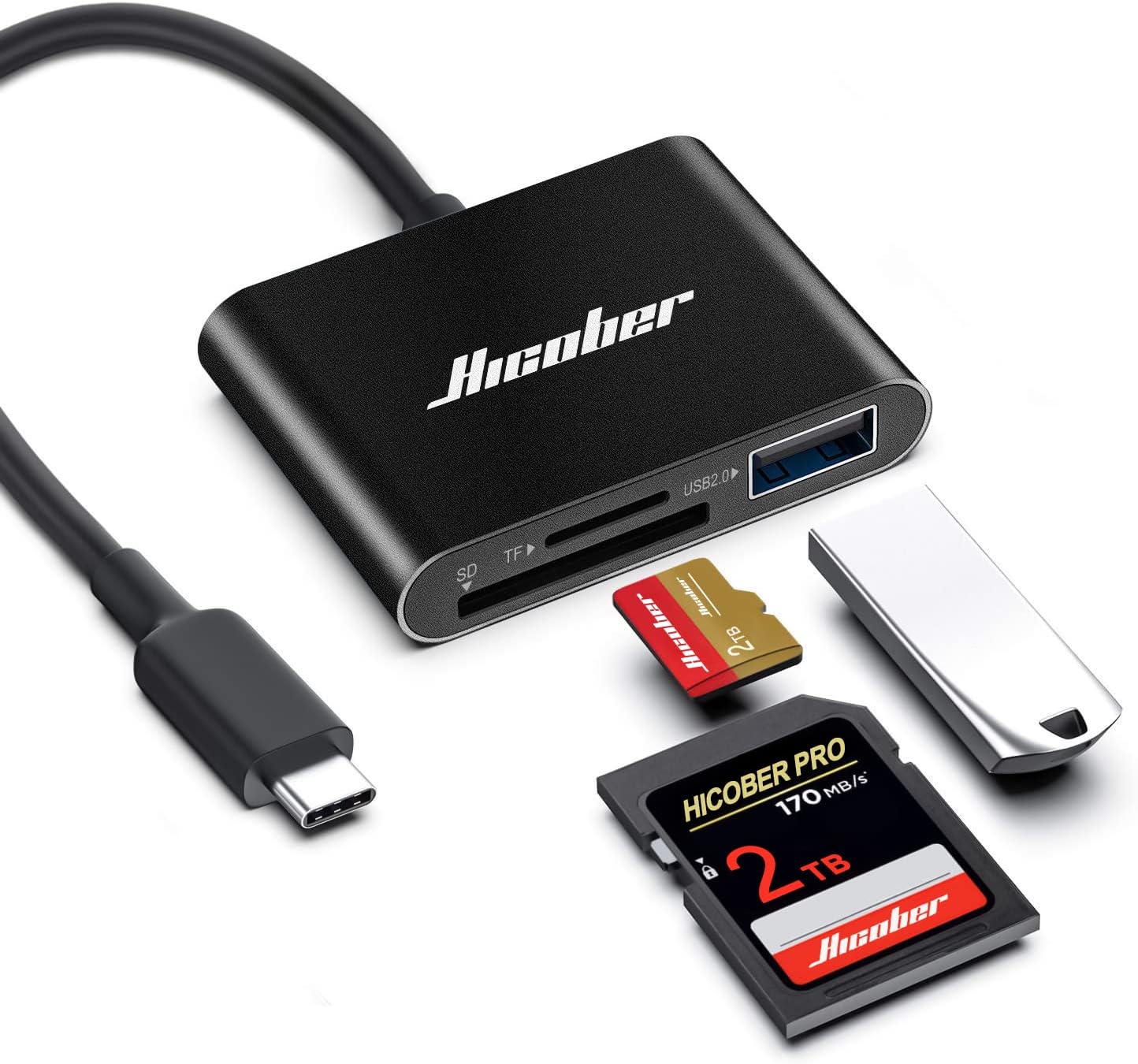
HICOBER USB C SD Card Reader, 3-in-1 for Laptop, Phone, Tablet, Black Durable aluminum body helps dissipate heat quickly for stable performance; reads SD, TF and USB drives up to 2TB via USB-C
Check Price on Amazon64GB Micro SD Card with SD Card Reader
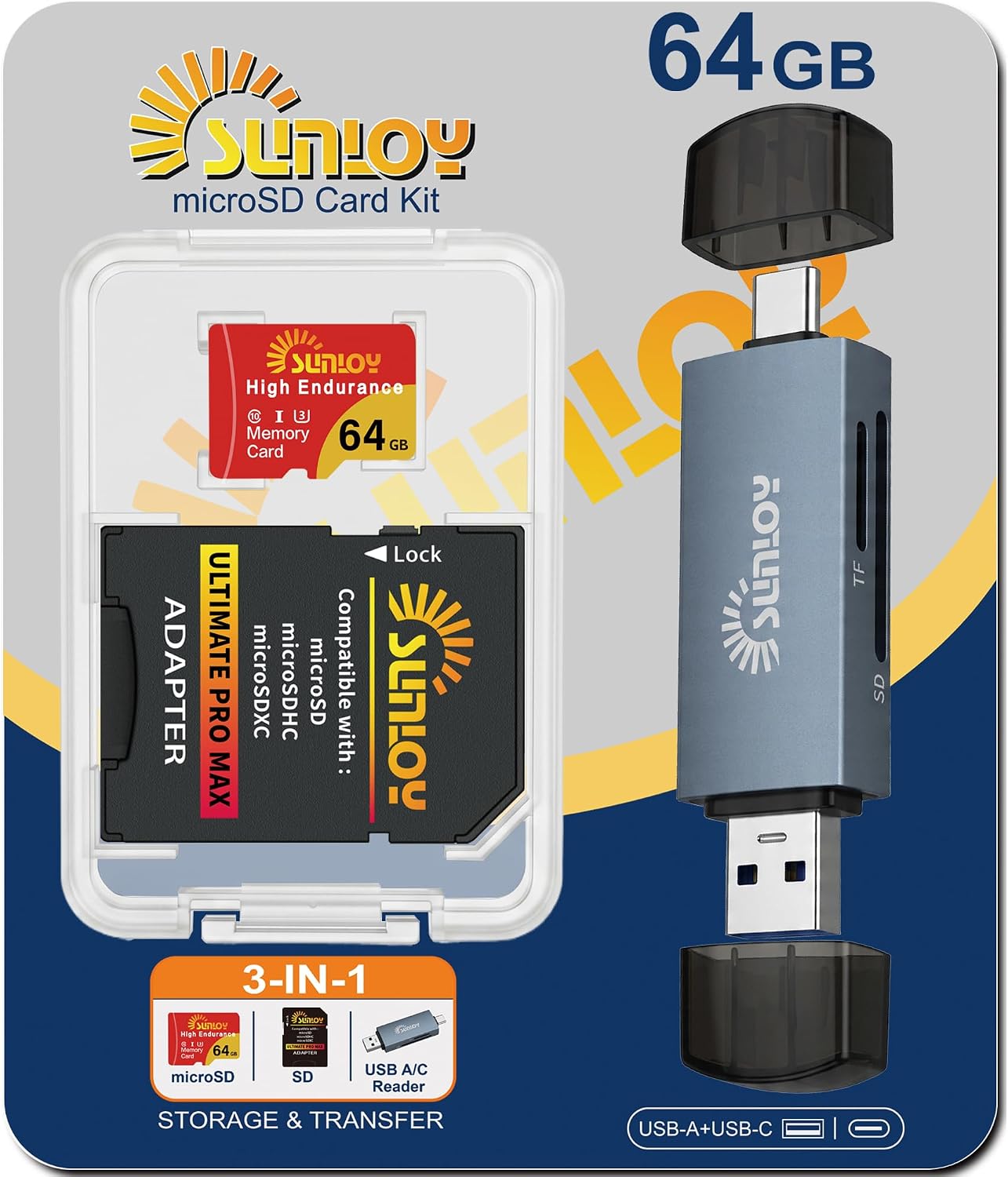
64GB Micro SD Card with SD Card Reader USB3.0 A/C Dual Slots & SD Adapter UHS-I, C10, U3, V30, A1, 4K UHD, USB 3.0 Memory Card Reader for iPhone 17/16/15, MacBook, iPad, Laptop, PC, Drone, Game Console
Check Price on AmazonDrone Rules at the Beach: A Country-by-Country Overview
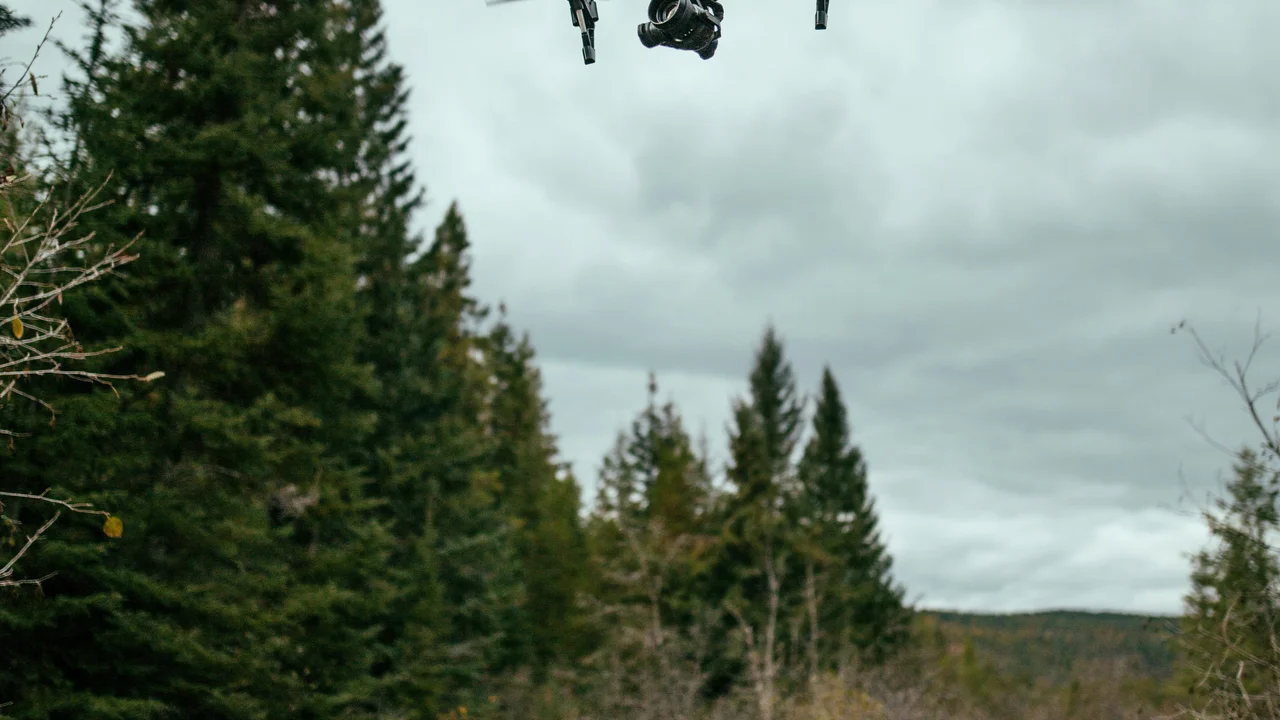
The core question — can you fly a drone at the beach — doesn’t have a single answer. Here’s a quick reference table to get you started.
| Country | National Authority | Key Beach-Specific Rule | Registration Threshold |
|---|---|---|---|
| USA | FAA | No federal beach ban; state and local rules apply | Over 0.55 lbs (250g) |
| UK | CAA | National Trust, SSSI, and local council restrictions common | Over 250g (registration & flyer ID) |
| Australia | CASA | State park and council rules often prohibit drone flights | Over 250g (operator accreditation & registration) |
| Canada | Transport Canada | National parks and provincial parks ban drones; municipal rules vary | Over 250g (pilot certificate & registration) |
USA: Drone Rules at the Beach
The FAA does not have a specific rule banning drones from beaches. However, state and local governments can create their own restrictions. This means you must check both federal airspace rules and local ordinances before flying.
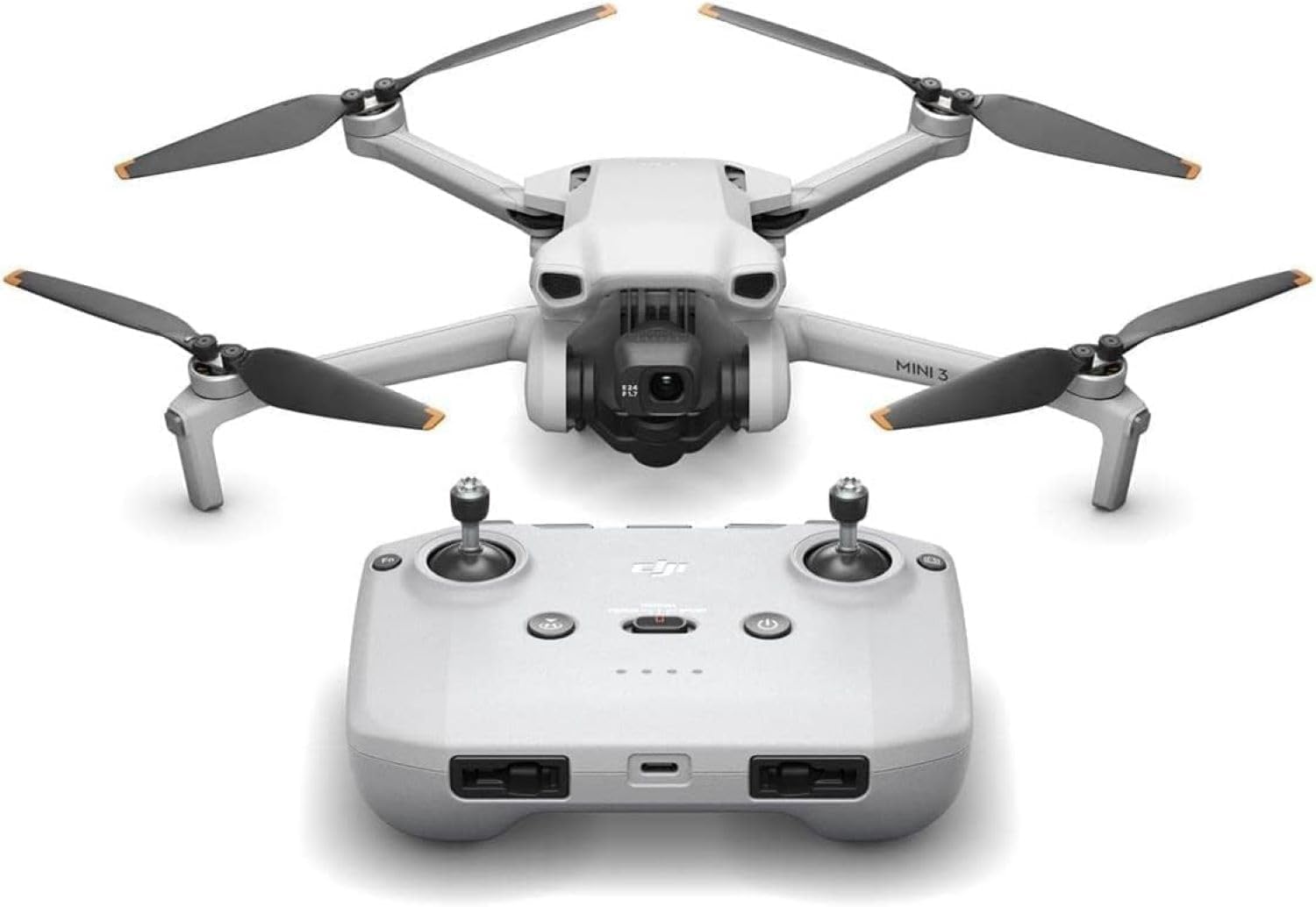
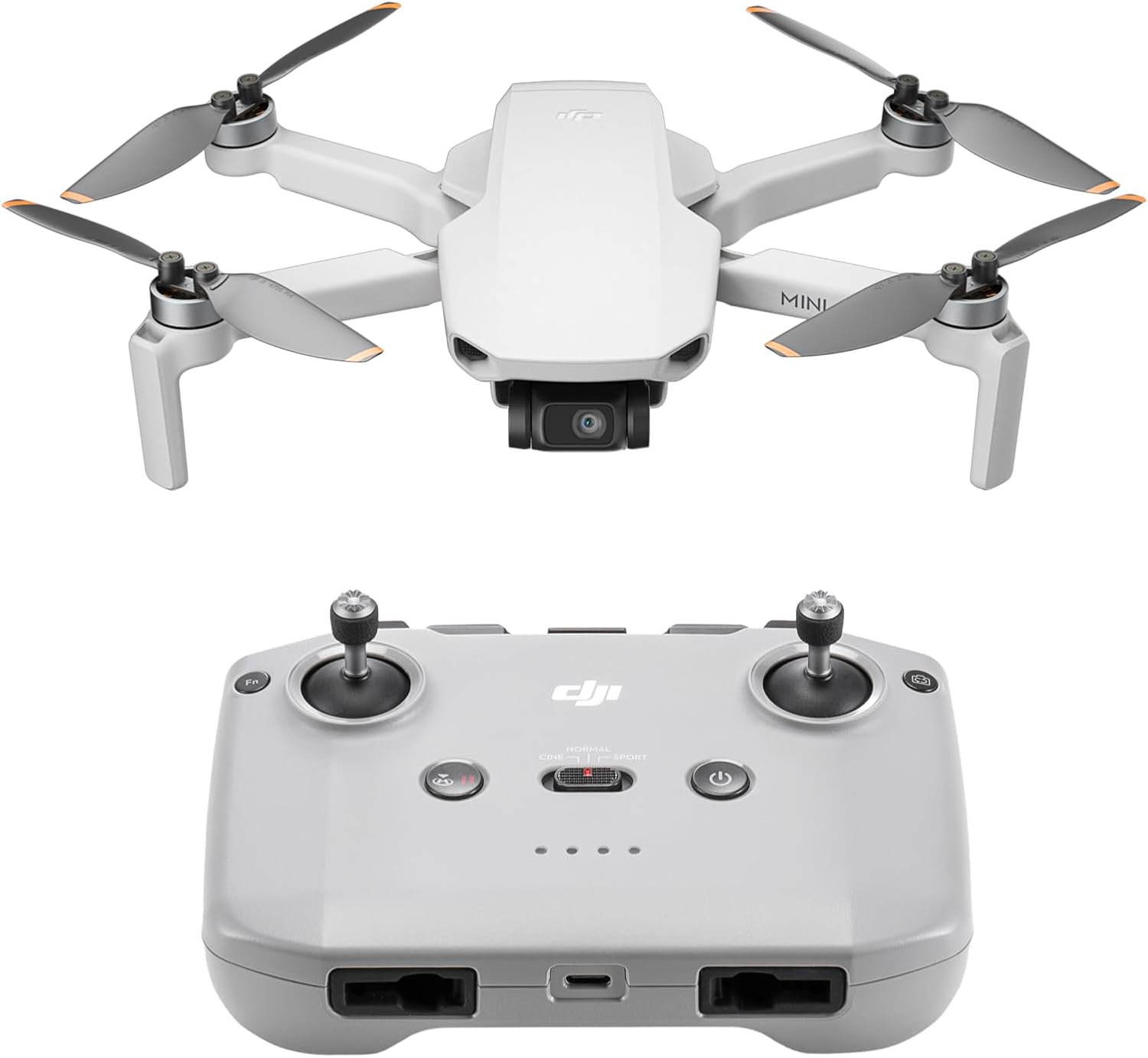
The key FAA rules that apply at the beach include: you cannot fly over people or moving vehicles, you must keep your drone within visual line of sight, and you cannot fly higher than 400 feet above ground level. If your drone weighs over 0.55 lbs (250g), you must register it with the FAA DroneZone for $5, valid for three years.
Florida Beaches: A Mix of State and Local Rules
Florida statute 330.41 generally preempts local governments from creating their own drone regulations. This means most Florida beaches are open for drone flight under FAA rules. However, some counties and cities have successfully passed restrictions, particularly in state parks and wildlife refuges.
DJI Mini 3
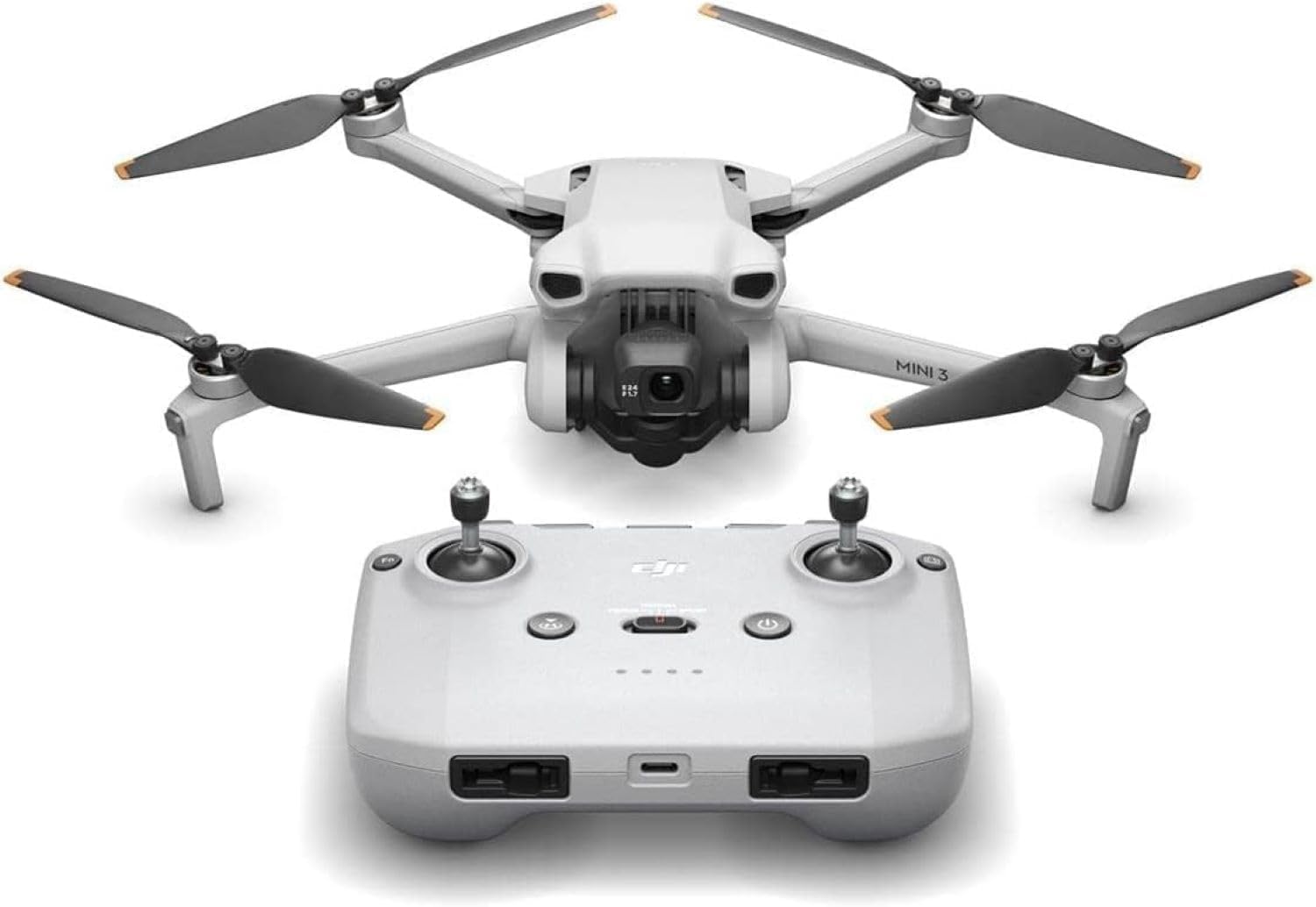
DJI Mini 3, 3-Axis Mechanical Gimbal Mini Camera Drone | 4K HDR Video, 38-Min Flight Time, up to 32800ft (10km) Video Transmission, True Vertical Shooting, GPS Auto Return
Check Price on AmazonDJI Mini 3 Fly More Combo
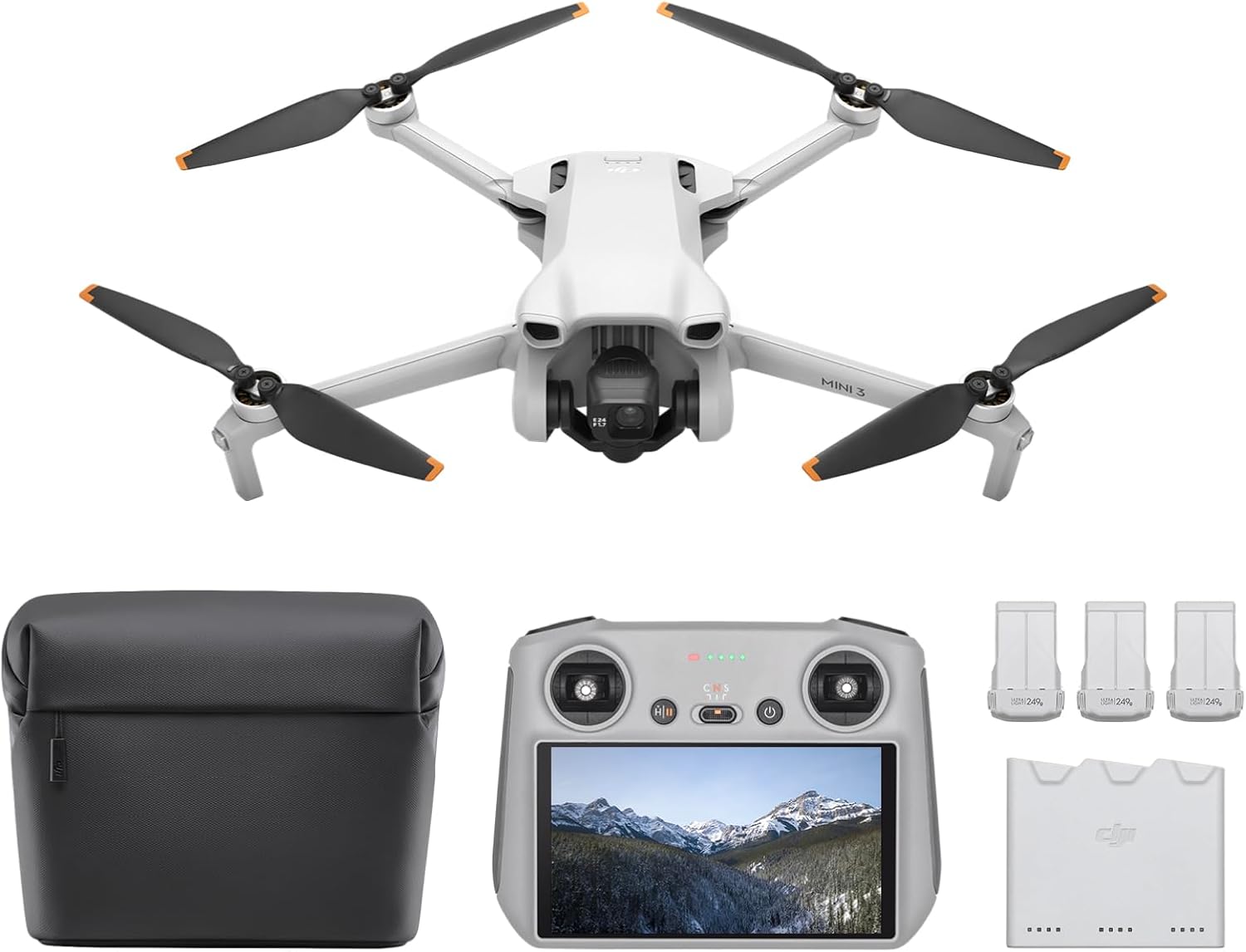
DJI Mini 3 Fly More Combo With DJI RC, 3 Batteries | Lightweight Camera Drone With 4K HDR Video, 114-Min Flight Time, Vertical Shooting, 32800ft (10km) Video Transmission
Check Price on AmazonDJI Mini 3 With DJI RC
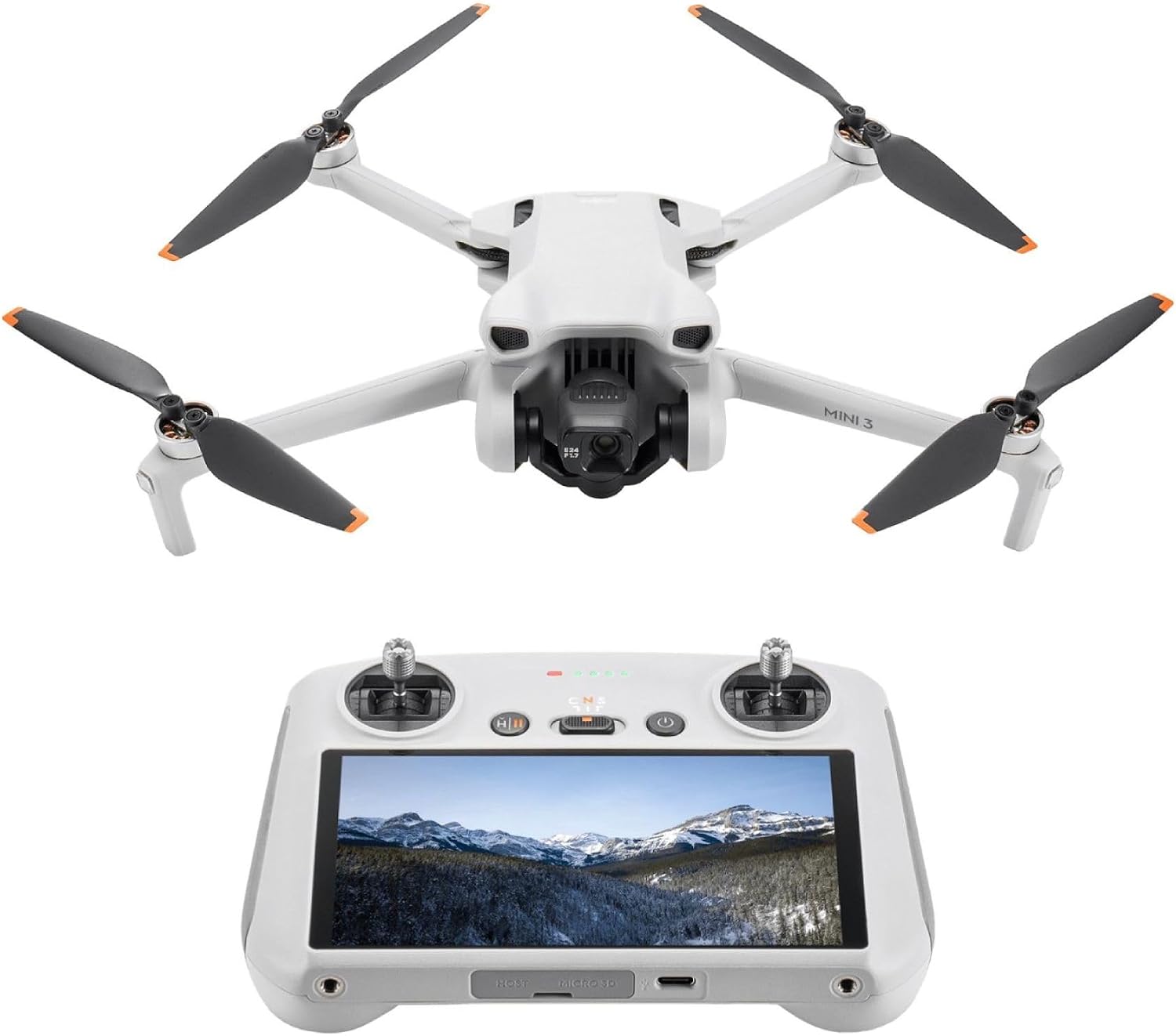
DJI Mini 3 With DJI RC, 3-Axis Mechanical Gimbal Mini Camera Drone | 4K HDR Video, 38-Min Flight Time, up to 32800ft (10km) Video Transmission, Vertical Shooting, GPS Auto Return
Check Price on AmazonFor example, Miami-Dade County has specific ordinances against launching or landing drones from county parks, which includes many beaches. The key is to check the specific beach’s local rules before flying. Always look for posted signs or check with the local park authority.
California Beaches: Strict and Varied Restrictions
California has some of the most complex beach drone rules in the US. State parks, county parks, and city beaches each have separate regulations. Most California state parks prohibit drone flight entirely, including popular coastal parks like Point Reyes and Big Sur.
County beaches often have their own rules. For instance, Los Angeles County beaches prohibit drone flight, while San Diego County allows it with restrictions. City beaches like Santa Monica also ban drones. The safest approach is to assume a California beach is off-limits unless you find explicit permission.
Hawaii Beaches: Complex and Often Restricted
Hawaii’s beaches are heavily regulated. All state parks in Hawaii prohibit drone flight, and many county parks have similar bans. The popular Waikiki Beach in Honolulu is off-limits due to the number of people and nearby restricted airspace.
Carrying Hard Case for DJI Avata 360 Drone
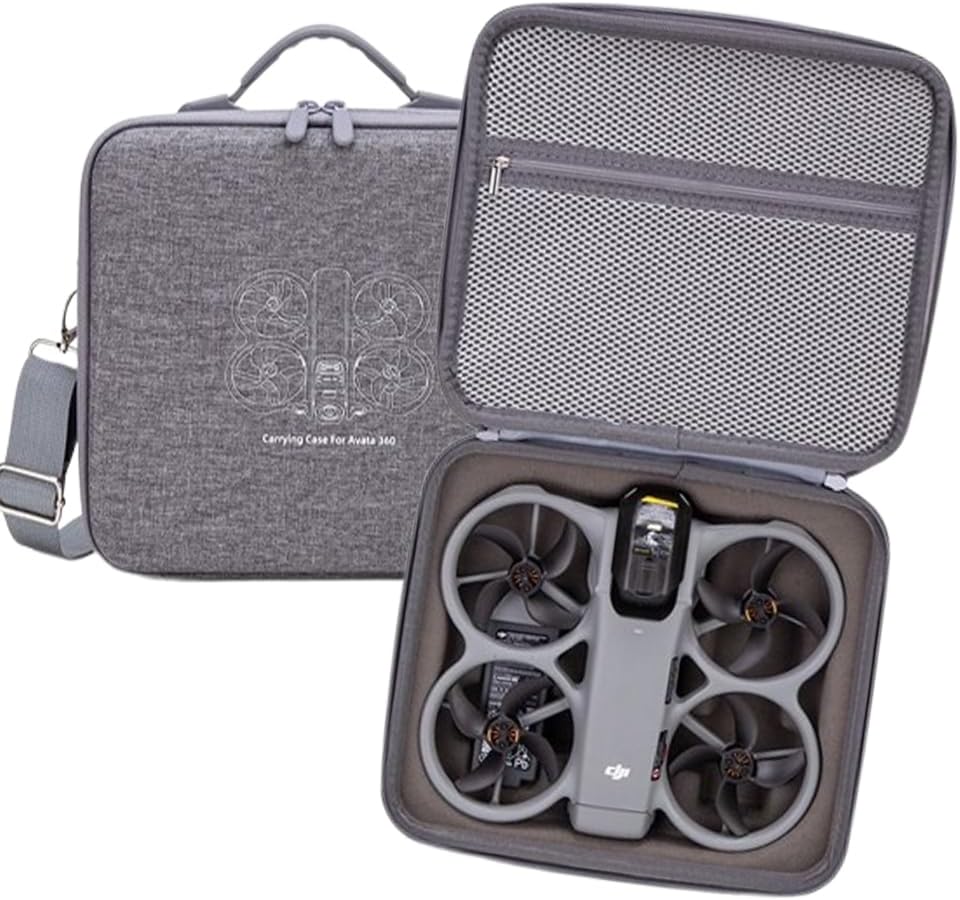
Carrying Hard Case for DJI Avata 360 Drone - Portable Travel Bag for Goggles N3/RC Motion 3 Controller
Check Price on AmazonHard Case for Antigravity A1 Drone
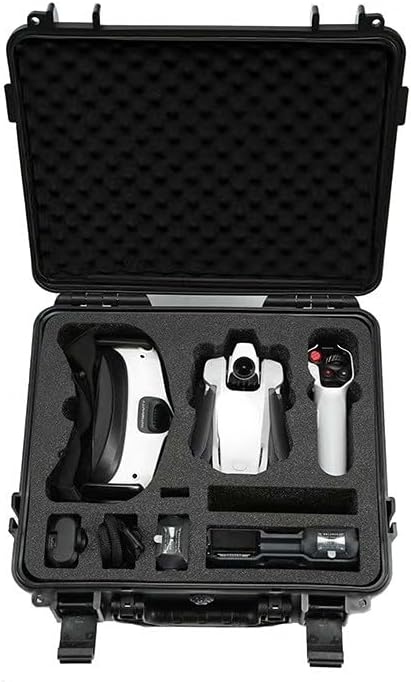
Hard Case for Antigravity A1 Drone, Waterproof Protective Carry Case, Anti-Fall Storage Bag Fit for Drone, Batteries, Goggles, Accessories & RC Gear [Only Protect Shell]
Check Price on AmazonEven on beaches where drone flight is technically allowed, you must maintain 50 feet of distance from people and avoid flying over crowds. Nesting birds, particularly the endangered Hawaiian monk seal, add another layer of seasonal restrictions. Always check with the Hawaii Department of Land and Natural Resources before flying.
Texas Beaches: Generally Open for Drone Flight
Texas has a strong preemption law that limits local governments from banning drones. This means most Texas beaches are open for drone flight under FAA rules. Popular beaches like Galveston and South Padre Island generally allow drones, though you must avoid flying over people and respect wildlife.
However, state parks in Texas, including beachside parks, prohibit drone flight. Always check if the beach is within a state park boundary. The Texas Open Beaches Act protects public beach access, but it doesn’t override FAA safety rules.
UK: Drone Rules at the Beach
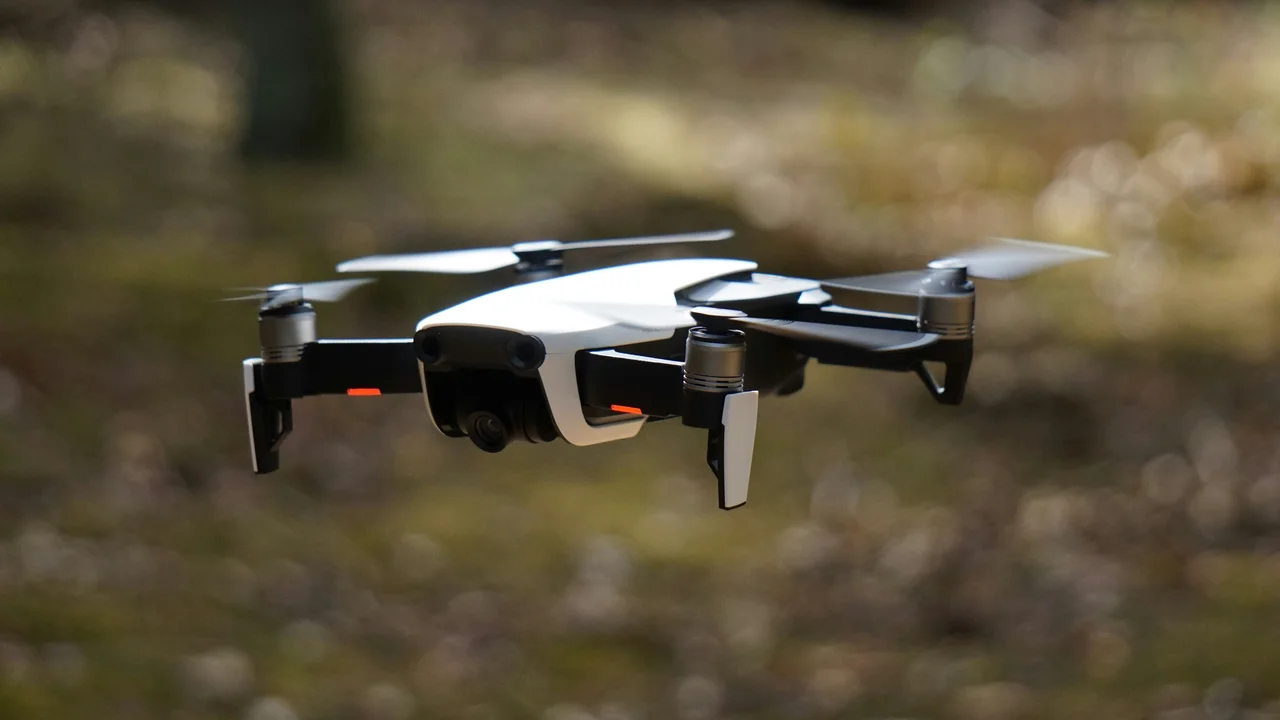
The UK Civil Aviation Authority (CAA) sets national drone rules. At the beach, the key rules are: you must keep your drone at least 50 meters away from uninvolved people and property, and you cannot fly over crowds. If your drone weighs over 250g, you must register with the CAA and pass a flyer ID test.
UK beaches often have additional restrictions from local councils, the National Trust, and Sites of Special Scientific Interest (SSSI). Many popular beaches like Brighton and Bournemouth have local byelaws that restrict drone flight, especially during summer months.
National Trust Beaches
The National Trust owns and manages many of the UK’s most beautiful beaches. Their policy is clear: drone flight is not permitted on National Trust land without prior written permission. This includes launching, landing, and flying over their property. Popular National Trust beaches include Formby Beach and Studland Bay.
If you want to fly at a National Trust beach, you need to apply for permission well in advance. They rarely grant permission for recreational flights. The safest option is to find a non-National Trust beach.
Local Council Restrictions
Many UK coastal councils have their own drone restrictions. For example, Bournemouth, Christchurch, and Poole Council has a byelaw that prohibits drone flight from their beaches and promenades. Brighton & Hove Council similarly bans drones from the seafront during summer.
Always check the local council’s website for the specific beach you plan to visit. The CAA’s drone code is the minimum standard; local rules can be stricter.
Australia: Drone Rules at the Beach
The Civil Aviation Safety Authority (CASA) sets national drone rules in Australia. At the beach, you must keep your drone at least 30 meters from people and cannot fly over crowds. If your drone weighs over 250g, you need to register it with CASA and obtain an operator accreditation.
Australian beaches are often within state parks or national parks, which have their own restrictions. Many popular beaches like Bondi Beach in Sydney and St Kilda Beach in Melbourne have local council rules that restrict or prohibit drone flight.
State Park and Council Rules
Each Australian state manages its own parks. For example, New South Wales National Parks and Wildlife Service prohibits drone flight in all national parks, including coastal parks like Royal National Park. Queensland’s Department of Environment and Science similarly bans drones in national parks.
Local councils also have the power to restrict drone flight. The City of Sydney, for instance, prohibits drone flight from all council-managed parks and reserves, which includes many beaches. Always check the specific council’s website before flying.
Beaches Where Drones Are Usually OK
- Remote, uncrowded beaches
- Beaches outside national parks
- Beaches with explicit council permission
Beaches Where Drones Are Usually Banned
- Popular tourist beaches (Bondi, St Kilda)
- National park beaches
- Wildlife protection zones
Canada: Drone Rules at the Beach
Transport Canada sets national drone rules. At the beach, you must keep your drone at least 30 meters away from people and cannot fly over crowds. If your drone weighs over 250g, you need a pilot certificate and must register your drone with Transport Canada.
Canadian beaches are often within national parks or provincial parks, which have their own restrictions. National parks in Canada, including coastal parks like Pacific Rim National Park Reserve, prohibit drone flight entirely. Provincial parks also generally ban drones.
Provincial and Municipal Rules
Each province manages its own parks. For example, BC Parks prohibits drone flight in all provincial parks, including popular beach parks like Rathtrevor Beach and Englishman River Falls. Ontario Parks similarly bans drones in provincial parks.
Municipalities also have the power to restrict drone flight. The City of Vancouver, for instance, prohibits drone flight from all city parks, which includes beaches like Kitsilano Beach and Jericho Beach. Always check the specific municipal bylaw before flying.
Key Principles for Flying at Any Beach
Regardless of the country, some universal principles apply. First, never fly over crowds. The beach is a public space, and flying over sunbathers or swimmers is dangerous and illegal in most places. Second, maintain a safe distance from people — at least 50 meters in the UK, Australia, and Canada, and as far as practical in the US.
Third, respect wildlife. Nesting birds, sea turtles, and marine mammals are particularly vulnerable during breeding season. Many beaches have seasonal restrictions to protect wildlife. Fourth, be aware of privacy. Flying a drone with a camera near people on the beach can be seen as intrusive, even if it’s technically legal.
Beach Safety: Birds, Wildlife, and Nesting Season
Many coastal areas are critical habitats for birds and other wildlife. In the US, the Migratory Bird Treaty Act protects nesting birds, and disturbing them can result in fines. In the UK, Sites of Special Scientific Interest (SSSI) often have specific protections for ground-nesting birds like terns and plovers.
In Australia, many beaches are nesting sites for sea turtles and shorebirds. Flying a drone too close can cause stress and abandonment of nests. In Canada, beaches are important for migratory birds and marine mammals. Always check for nesting season restrictions before flying.
- Check for nesting season restrictions (varies by region)
- Maintain at least 100m distance from wildlife
- Avoid flying near seabird colonies
- Never fly over marine mammals (seals, sea lions)
Sea-to-Land Airspace: What You Need to Know
Flying over water is generally no different from flying over land under FAA, CAA, CASA, and Transport Canada rules. However, you must still follow airspace restrictions. Many beaches are near airports, which creates controlled airspace that requires authorization.
For example, Myrtle Beach International Airport in South Carolina creates a Class D airspace that extends over the beach. Flying in this airspace requires LAANC authorization in the US. Similarly, Newcastle Airport in Australia and Vancouver International Airport in Canada create airspace restrictions that affect nearby beaches.
TFRs and Restricted Areas Near Beach Airports
Temporary Flight Restrictions (TFRs) can pop up near beaches for events like air shows, presidential visits, or emergency situations. Always check for TFRs before flying. In the US, the FAA’s B4UFLY app is essential for checking airspace status.
In the UK, the CAA’s Drone Assist app shows airspace restrictions. In Australia, the CASA-verified app “OpenSky” provides similar information. In Canada, the NAV CANADA Drone Flight Planning app is the official tool. Always check these apps before heading to the beach.
Privacy Considerations at the Beach
Flying a drone with a camera at the beach raises privacy concerns. Even if it’s legal to fly, you should avoid recording people without their consent. In many countries, privacy laws protect individuals from being recorded in situations where they have a reasonable expectation of privacy.
At the beach, people are often in swimwear and may not expect to be filmed. Always fly with respect for others. If someone asks you to stop filming them, comply. In some jurisdictions, like the UK, the Information Commissioner’s Office provides guidance on drone use and privacy.
Summary: How to Fly Legally at Any Beach
The answer to “can you fly a drone at the beach” is almost always “yes, but with conditions.” The key steps are: check the national rules for your country, check the specific beach’s local regulations, and respect wildlife and privacy. Always use the official apps to check airspace restrictions before flying.
For the safest experience, choose a remote, uncrowded beach outside of protected areas. If you’re unsure, contact the local park authority or council for permission. Flying responsibly ensures that drone access to beaches remains open for everyone.
Frequently Asked Questions
Can you fly a drone at the beach in the US?
Yes, in most US beaches, but you must follow FAA rules and check local ordinances. The FAA does not ban drones from beaches, but state and local governments can create restrictions. For example, Florida’s preemption law generally allows drone flight, while California state parks ban it. Always check the specific beach’s rules and avoid flying over people or crowds.
Are drones allowed on California beaches?
Drones are generally not allowed on California beaches managed by state parks, which includes many popular coastal areas. County and city beaches have their own rules — for instance, Los Angeles County beaches ban drones, while San Diego County allows them with restrictions. The safest approach is to assume a California beach is off-limits unless you find explicit permission from the managing authority.
Can I fly a drone at an Australian beach?
It depends on the specific beach. CASA rules require you to keep 30 meters from people and avoid crowds. However, many Australian beaches are within national parks, which ban drones entirely. Popular beaches like Bondi Beach have local council restrictions. Always check the state park and local council rules before flying. Drones over 250g require CASA registration and operator accreditation.
What are the UK rules for flying a drone at the beach?
UK CAA rules require you to keep your drone at least 50 meters from uninvolved people and property, and you cannot fly over crowds. Drones over 250g must be registered with the CAA. Additionally, many UK beaches are managed by the National Trust, which bans drones, or have local council restrictions. Sites of Special Scientific Interest (SSSI) also have protections that may prohibit drone flight.
Are there drone rules about flying over people at the beach?
Yes, all countries have strict rules about flying over people. In the US, you cannot fly over people or moving vehicles under FAA rules. In the UK, you must keep 50 meters from uninvolved people. Australia requires 30 meters, and Canada requires 30 meters. Flying over crowds is prohibited in all four countries. The beach is a public space, and you must avoid flying over sunbathers, swimmers, and other beachgoers.
Can I fly a drone on Florida beaches?
Yes, Florida beaches are generally open for drone flight thanks to state preemption law (Florida Statute 330.41). However, local restrictions on launching from public property still apply. For example, Miami-Dade County prohibits launching or landing drones from county parks, which includes many beaches. Always check the specific beach’s local rules and follow FAA regulations, including maintaining visual line of sight and avoiding flying over people.
Last updated: July 14, 2026
NANUK 935 Pro Photo Kit Camera Case
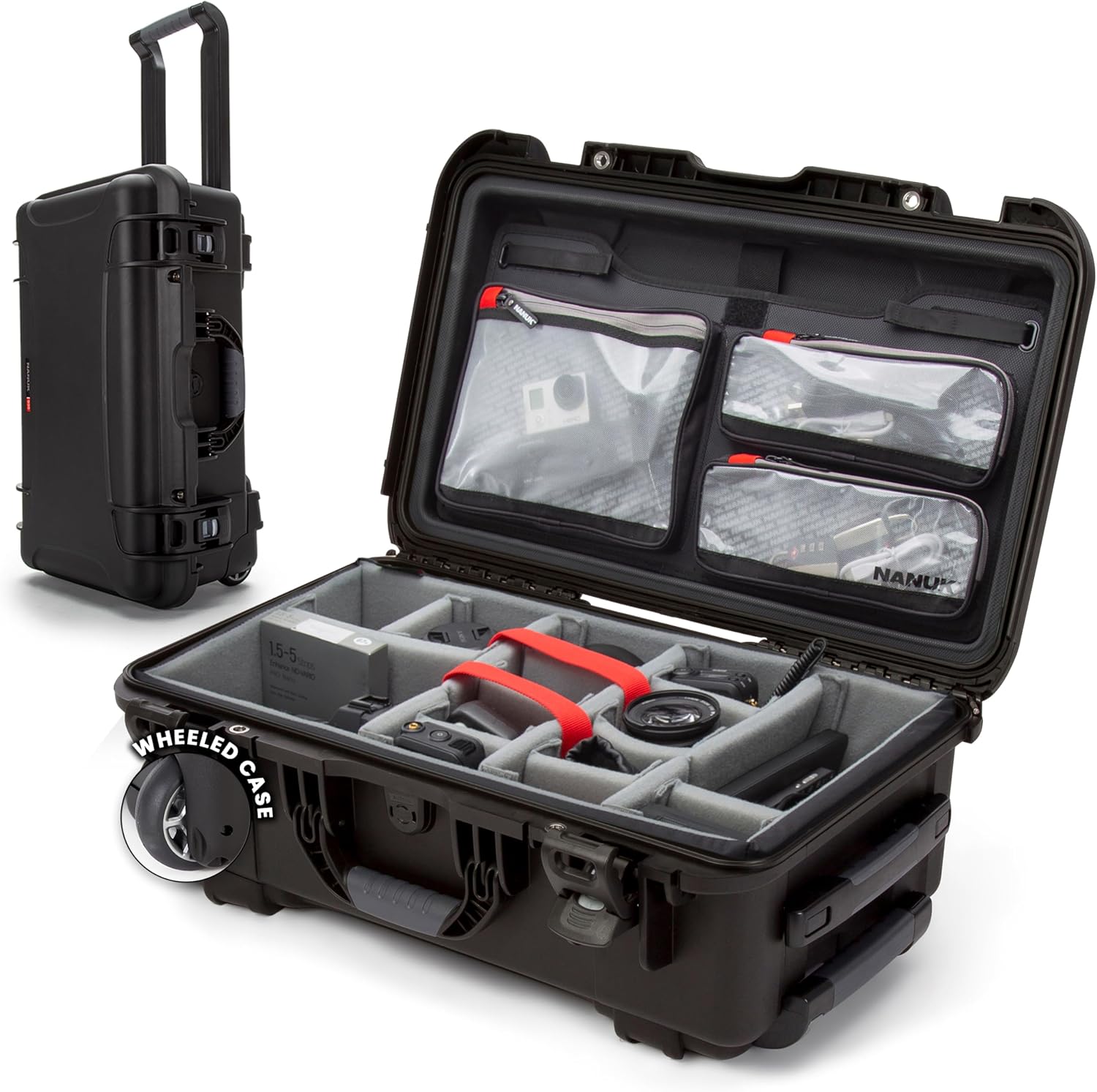
NANUK 935 Pro Photo Kit Camera Case, Waterproof Wheeled Hard Case, Carry-On, Black
Check Price on AmazonNANUK 925 DJI Mavic 4 Pro Creator Combo
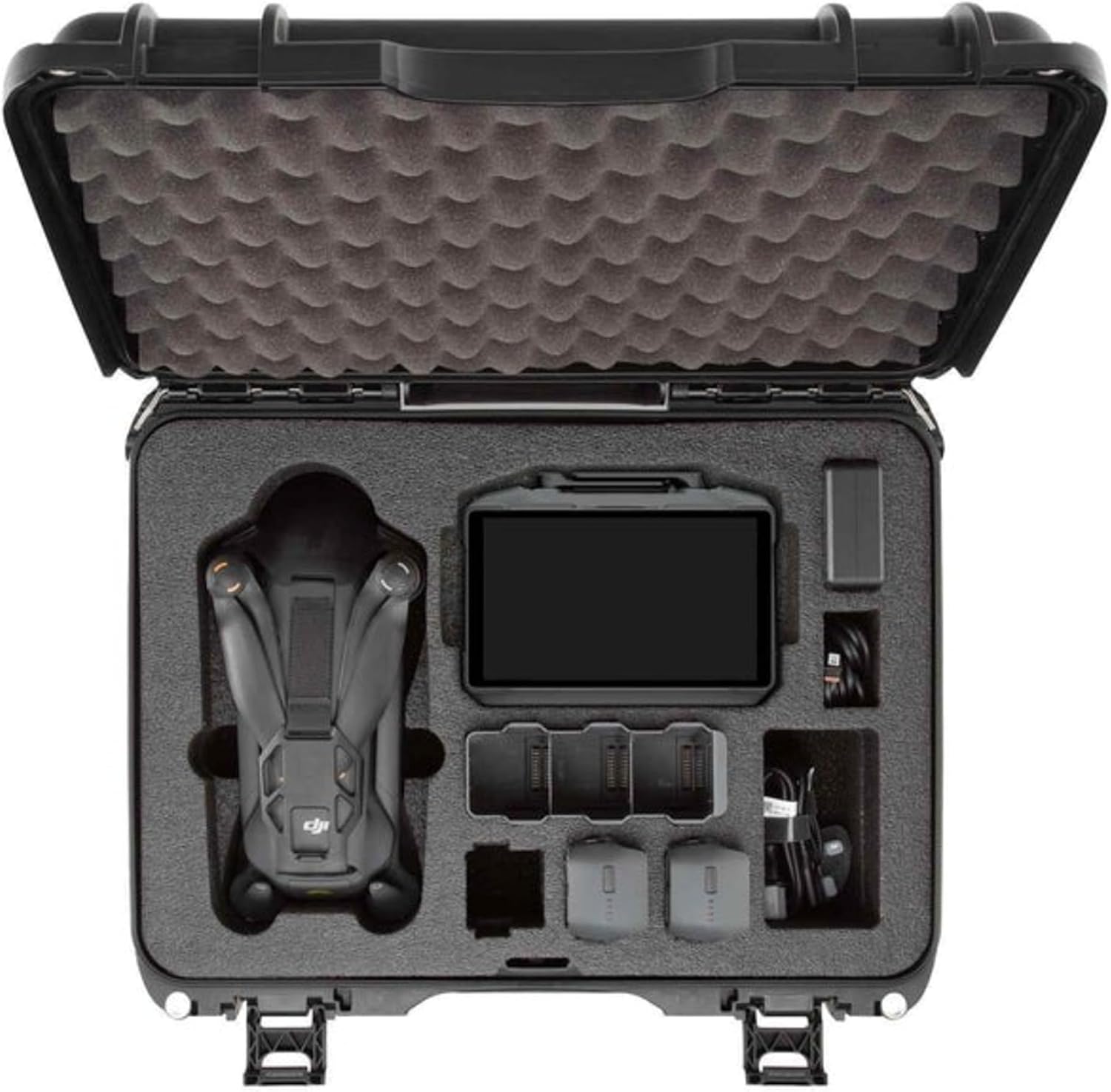
NANUK 925 DJI Mavic 4 Pro Creator Combo - Waterproof Hard Case with Drone Foam Insert, Crushproof, Portable Travel Case, Made in Canada (18.7” x 14.8”x 7”) - Black
Check Price on Amazon Drone Allowed
DroneAllowed editor covering drone regulations, aviation law, and aerial photography across USA, UK, Canada & Australia.