
Tennessee Drone Laws 2026: Smokies, Nashville & Rules
 14 min read
2,714 words
14 min read
2,714 words
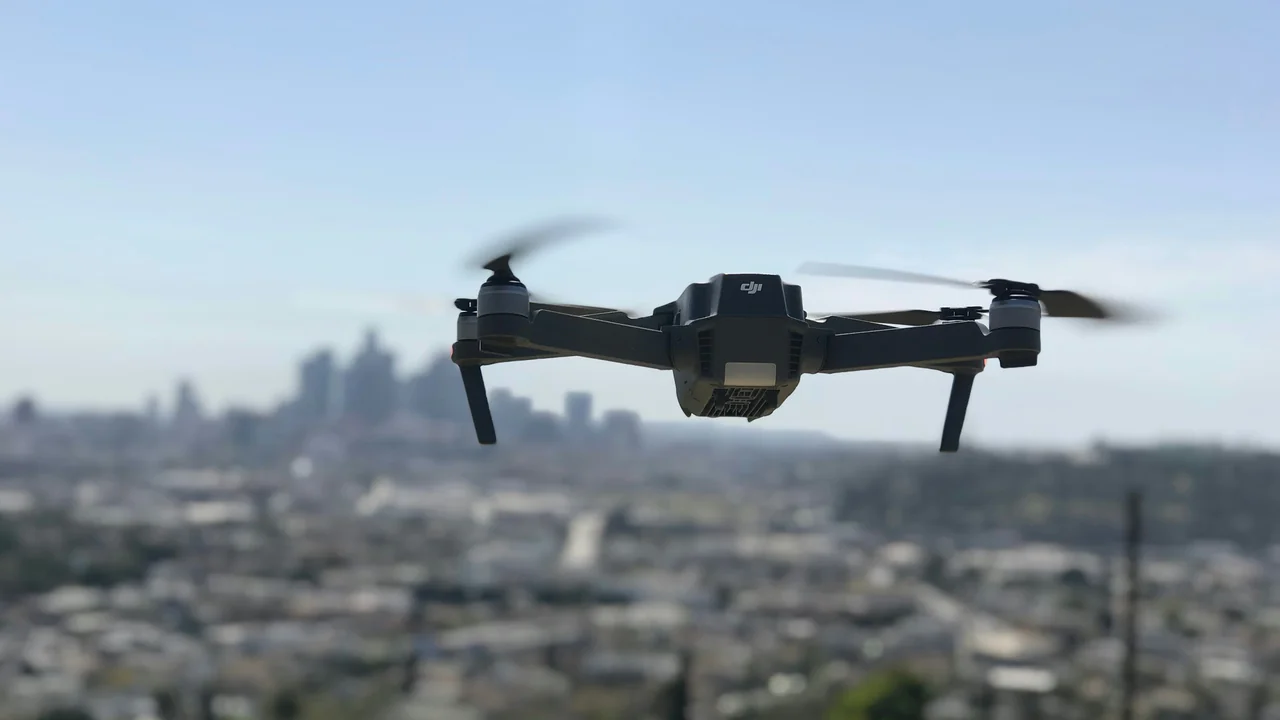
If you’re planning to fly a drone in Tennessee in 2026, you need to navigate a patchwork of federal rules, state privacy laws, and specific restrictions in national parks and busy airport airspace. This guide covers everything from the Great Smoky Mountains to downtown Nashville, giving you the exact rules for every major flying location in the Volunteer State. You’ll learn where you can fly, where you absolutely cannot, and how to avoid fines or criminal charges under Tennessee’s unique drone privacy law.
What Are the Federal FAA Rules That Apply to All Tennessee Drone Pilots?
Before you launch anywhere in Tennessee, you must comply with the Federal Aviation Administration’s baseline requirements. These apply regardless of state or local laws.
If your drone weighs more than 0.55 pounds (250 grams), you must register it with the FAA through the FAA DroneZone and pay a $5 fee that covers three years. You must also mark your drone with your registration number. For recreational flyers, you need to pass The Recreational UAS Safety Test (TRUST) and carry proof of passage. For commercial operations, you need a Part 107 Remote Pilot Certificate. All flights must stay below 400 feet above ground level, keep the drone within visual line of sight, and never fly over people or moving vehicles without a waiver. Controlled airspace around airports requires LAANC authorization before takeoff.
Tennessee Drone Laws 2026: What Does TCA 39-13-903 Mean for Pilots?
Tennessee has one of the most significant state-level drone privacy laws in the country. Tennessee Code Annotated (TCA) 39-13-903 makes it a criminal offense to use a drone to intentionally photograph, record, or otherwise observe another person in a place where they have a reasonable expectation of privacy.
This law covers private residences, hotel rooms, restrooms, locker rooms, and any other location where someone would reasonably expect not to be observed. It does not apply to law enforcement with a warrant or in emergency situations. For drone pilots, this means you must avoid flying over private property in a way that could be construed as surveillance. Even if you are flying legally under FAA rules, if you hover over someone’s backyard and record them, you could face criminal charges under this statute.
Can You Fly a Drone in the Great Smoky Mountains National Park?
No. The Great Smoky Mountains National Park is entirely off-limits for drone flights. The National Park Service (NPS) banned drones in all national parks in 2014 under Policy Memorandum 14-05. This applies to all 522,000 acres of the Smokies, including trails, campgrounds, overlooks, and backcountry areas.
The ban covers launching, landing, and operating drones from any location within park boundaries. If you fly over the Smokies from outside the park, such as from Gatlinburg or Cherokee, you are still violating NPS regulations if the drone enters park airspace. The NPS works with the FAA to enforce this, and violations can result in fines up to $5,000 and potential confiscation of your drone.
What About Drones in Cherokee National Forest Near the Smokies?
Unlike national parks, the Cherokee National Forest, which borders the Smokies to the north and south, is generally open to drone flights. The United States Forest Service (USFS) permits recreational drone use as long as you follow FAA rules and do not disturb wildlife or other visitors. However, there are some important caveats.
- You cannot fly in designated wilderness areas within the forest.
- You cannot launch from developed recreation sites like campgrounds or picnic areas without a special use permit.
- You must stay at least 100 feet away from other people and wildlife.
- You cannot interfere with firefighting or search and rescue operations.
The Cherokee National Forest offers some of the best legal drone flying opportunities near the Smokies, with open ridgelines and scenic overlooks that are outside NPS jurisdiction. The Tellico River area and the Ocoee River Gorge are popular spots.
Drone Laws Nashville: Flying in Music City’s Airspace
Nashville is served by Nashville International Airport (BNA), which has Class C airspace. This means you need LAANC authorization to fly within the controlled airspace that extends approximately 5 miles from the airport and up to 4,000 feet. The Class C airspace has two rings: an inner ring with a surface area up to 2,500 feet and an outer ring starting at 2,500 feet.
Downtown Nashville, including Broadway, the Gulch, and the Vanderbilt University area, falls within the inner ring. You cannot legally fly here without FAA authorization. LAANC requests are typically processed within seconds through apps like Kittyhawk or AirMap, but approval is not guaranteed. The FAA may deny requests in congested areas or during events like NFL games at Nissan Stadium or CMA Fest.
For recreational flyers, there are open areas north of the city near Bledsoe Creek State Park and south near Percy Priest Lake that are outside controlled airspace. Always check the airspace map before flying anywhere in Davidson County.
Drone Rules Memphis: FedEx Hub and Class B Airspace
Memphis presents one of the most challenging drone environments in Tennessee due to Memphis International Airport (MEM), which is the second busiest cargo airport in the world. FedEx operates its global hub here, and the airspace is Class B—the most restrictive category in the national airspace system.
Class B airspace around MEM extends from the surface up to 7,000 feet in a series of concentric rings. The inner ring covers a 5-mile radius from the airport, and the outer ring extends up to 15 miles. Almost the entire city of Memphis, including downtown, Beale Street, and the Mississippi Riverfront, falls within this controlled airspace. LAANC authorization is available for Class B airspace, but approvals are less common than in Class C or D airspace due to the high volume of cargo traffic.
| Airport | Airspace Class | LAANC Available? | Key Restriction |
|---|---|---|---|
| Nashville (BNA) | Class C | Yes | Downtown requires authorization |
| Memphis (MEM) | Class B | Yes (limited) | FedEx cargo traffic priority |
| Knoxville (TYS) | Class C | Yes | Near Smokies airspace restrictions |
If you are flying in Memphis, use the No-Fly Zone Checker to verify your exact location. The Class B airspace extends well beyond the city limits, so even suburban areas like Germantown and Collierville may require authorization. The FAA has a memorandum of understanding with FedEx that prioritizes cargo operations, meaning your LAANC request may be denied if it conflicts with a scheduled departure or arrival.
Knoxville Drone Laws: Flying Near the Smokies Gateway
Knoxville is served by McGhee Tyson Airport (TYS), which has Class C airspace similar to Nashville. The controlled airspace covers most of Knoxville and extends into Blount County. Downtown Knoxville, the University of Tennessee campus, and the Old City are all within the inner ring and require LAANC authorization.
For drone pilots heading to the Smokies, Knoxville is often a stopover. The good news is that much of the area east of Knoxville toward Sevierville and Pigeon Forge is outside TYS controlled airspace. However, you must still respect the 400-foot altitude limit and avoid flying near small general aviation airports like Gatlinburg-Pigeon Forge Airport (GKT).
Arnold Air Force Base: Military Restricted Airspace
Arnold Air Force Base near Manchester, Tennessee, has restricted airspace that is off-limits to drones. The base is a major testing facility for the U.S. Air Force, and the restricted area (R-3801) extends from the surface up to 18,000 feet. This airspace covers a large area in Coffee and Franklin counties.
There are no LAANC authorizations for military restricted areas. You cannot fly here under any circumstances without prior coordination with the base. The FAA publishes Notices to Air Missions (NOTAMs) when the restricted area is active, but it is safest to assume it is always active. If you see signs indicating military operations, do not fly.
Tennessee State Parks: What Does TDEC Policy Say About Drones?
The Tennessee Department of Environment and Conservation (TDEC) manages the state’s 56 state parks. As of 2026, TDEC policy prohibits drone launches and landings from within state park property without a special use permit. This includes parking lots, trails, campgrounds, and picnic areas.
However, the policy does not ban flying over state parks if you launch from outside the park boundary. For example, if you stand on a public road adjacent to a state park and fly your drone over the park, you are not violating TDEC policy as long as you comply with FAA rules and do not disturb park visitors. This is a gray area that many pilots use, but be aware that park rangers may still ask you to leave if they feel your flight is disruptive.
Natchez Trace Parkway: NPS Jurisdiction and Drone Ban
The Natchez Trace Parkway runs through Tennessee from the Alabama border to Nashville. This scenic road is managed by the National Park Service, and the same drone ban that applies to the Smokies applies here. You cannot launch, land, or operate a drone from any location along the parkway, including pullouts, picnic areas, and visitor centers.
The parkway stretches 444 miles total, with about 200 miles in Tennessee. The ban covers the entire corridor, not just the road itself. If you are stopped at a pullout and fly your drone over adjacent private land, you are still violating NPS regulations because you launched from NPS property. The best alternative is to find a public road or private property outside the parkway boundary and fly from there.
Gatlinburg Drone Laws: Flying in the Gateway Town
Gatlinburg is the most popular gateway to the Great Smoky Mountains, but it is not part of the national park. The town itself is outside NPS jurisdiction, which means drone flights are generally allowed as long as you follow FAA rules and local ordinances.
Gatlinburg does not have a specific city ordinance banning drones, but you must respect private property and avoid flying over crowds on the main Parkway strip. The Gatlinburg-Pigeon Forge Airport (GKT) has Class G airspace (uncontrolled), so no LAANC authorization is needed, but you must still stay below 400 feet and remain clear of any aircraft.
Pros of Flying in Gatlinburg
- Outside NPS jurisdiction
- Uncontrolled airspace near town
- Scenic mountain views without park restrictions
Cons of Flying in Gatlinburg
- Heavy pedestrian traffic on main streets
- Private property restrictions
- Proximity to Smokies boundary (easy to accidentally enter park airspace)
For the best experience, find a spot on the outskirts of town, such as near the Gatlinburg Golf Course or the Arts and Crafts Community loop. These areas have fewer people and better sightlines for drone photography. Always keep your drone within visual line of sight and be prepared to land immediately if a helicopter or small plane approaches—Gatlinburg has frequent air tours.
Flying on the Cumberland Plateau: Open Airspace for Drone Pilots
The Cumberland Plateau in central Tennessee offers some of the most open drone flying in the state. This region includes areas like Crossville, Cookeville, and Spencer. The airspace is largely Class G (uncontrolled) with few airport restrictions. The plateau’s high elevation (up to 2,000 feet) means you can fly over deep gorges and waterfalls without worrying about controlled airspace.
Popular spots include Fall Creek Falls State Park (remember TDEC policy applies), the Caney Fork River Gorge, and the Virgin Falls Trail. Because the plateau is sparsely populated, you can often find long stretches of public land where drone flights are unrestricted. Always check for temporary flight restrictions (TFRs) due to wildfire or military training exercises, which are common in this region.
Summary: Your Action Plan for Flying Drones in Tennessee in 2026
Tennessee offers diverse drone flying opportunities, but the key is knowing where the boundaries are. The Great Smoky Mountains National Park, Natchez Trace Parkway, and Arnold Air Force Base are absolute no-fly zones. Nashville and Memphis require LAANC authorization due to busy airport airspace. Gatlinburg and the Cherokee National Forest are your best bets for scenic mountain flights without park restrictions.
Before you fly anywhere in Tennessee, use the No-Fly Zone Checker to verify airspace restrictions and park boundaries. Always carry your FAA registration certificate and proof of TRUST or Part 107 certification. Respect Tennessee’s privacy law by never recording people in private spaces. With proper planning, you can capture stunning footage of the Smokies from Gatlinburg, Nashville’s skyline from outside controlled airspace, and the wild beauty of the Cumberland Plateau.
Frequently Asked Questions
Are drones allowed in the Great Smoky Mountains in Tennessee?
No, drones are strictly prohibited in the Great Smoky Mountains National Park. The National Park Service banned all unmanned aircraft in 2014, and this applies to the entire 522,000-acre park. Violations can result in fines up to $5,000 and potential confiscation of your drone. You cannot launch from inside the park or fly over it from outside the boundary.
Can I fly a drone in Nashville?
You can fly a drone in Nashville, but you must obtain LAANC authorization for flights within Class C airspace around Nashville International Airport (BNA). Downtown Nashville, including Broadway and the Gulch, is within the controlled airspace and requires approval. Outside the controlled airspace, such as near Percy Priest Lake, you can fly without authorization as long as you follow standard FAA rules.
What are the drone laws in Memphis?
Memphis has Class B airspace due to Memphis International Airport (MEM), the second busiest cargo airport in the world. LAANC authorization is available but limited due to heavy FedEx cargo traffic. The controlled airspace covers most of the city and extends into suburbs like Germantown and Collierville. You must avoid flying near the airport and always prioritize cargo operations.
What is Tennessee’s drone privacy law?
Tennessee’s drone privacy law, TCA 39-13-903, makes it a criminal offense to use a drone to intentionally photograph or record someone in a place where they have a reasonable expectation of privacy. This includes private homes, hotel rooms, and restrooms. A first offense is a Class C misdemeanor with up to 30 days in jail and a $50 fine. Repeat offenses are Class A misdemeanors with up to 11 months in jail and fines up to $2,500.
Are drones banned in Tennessee State Parks?
Drones are not banned outright in Tennessee State Parks, but TDEC policy prohibits launching or landing from within park property without a special use permit. You can fly over state parks if you launch from outside the boundary, but park rangers may ask you to leave if your flight is disruptive. Some parks have stricter local policies, so always check with the park office before flying.
Can I fly a drone near Gatlinburg?
Yes, you can fly a drone near Gatlinburg because the town is outside Great Smoky Mountains National Park jurisdiction. The airspace is Class G (uncontrolled), so no LAANC authorization is needed. However, you must avoid flying over crowds on the main Parkway strip, respect private property, and stay below 400 feet. Be careful not to accidentally enter Smokies airspace, which begins just outside town.
Last updated: June 25, 2026
- Federal Aviation Administration (faa.gov)
- Tennessee Code Annotated 39-13-903
- National Park Service Policy Memorandum 14-05
- Tennessee Department of Environment and Conservation (TDEC) Drone Policy
- U.S. Forest Service Cherokee National Forest Regulations
Drone Allowed
DroneAllowed editor covering drone regulations, aviation law, and aerial photography across USA, UK, Canada & Australia.