
Yellowstone Drone Laws 2026: NPS Ban & What You Need to Know
 14 min read
2,668 words
14 min read
2,668 words
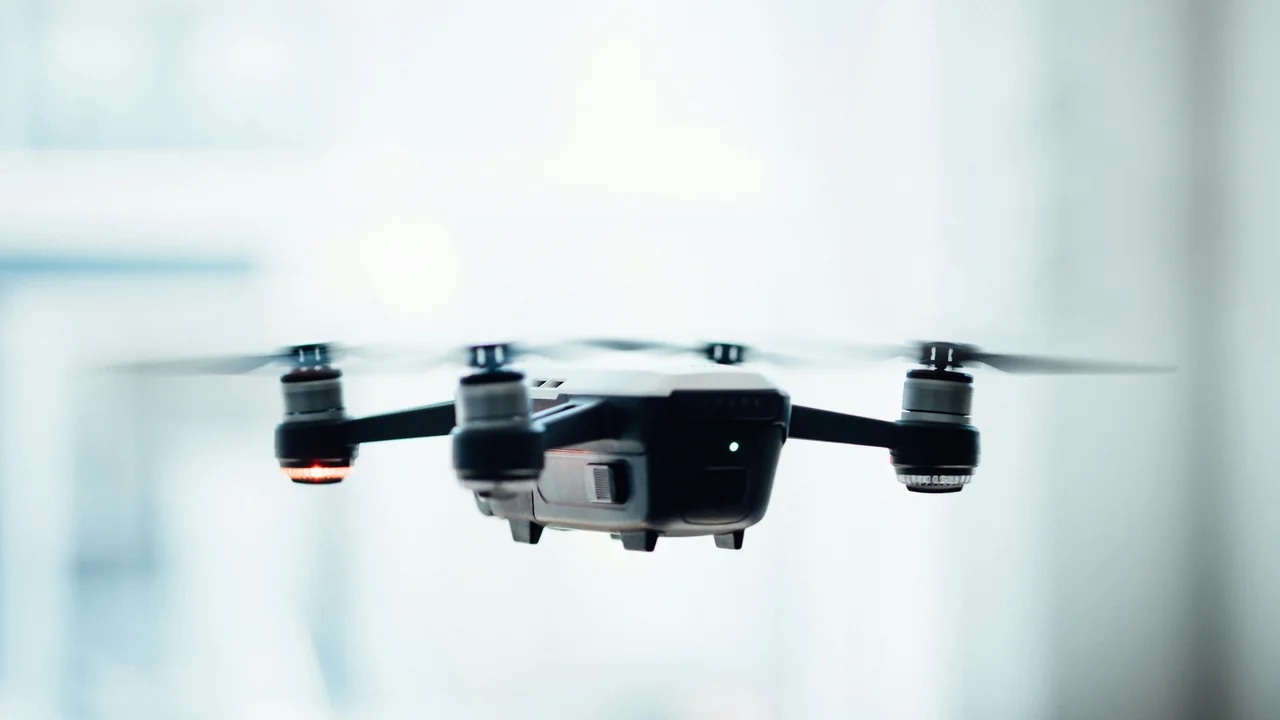
You are planning a trip to Yellowstone and wondering if you can fly your drone over Old Faithful, the Grand Prismatic Spring, or the Lamar Valley. The answer is a clear and strict no. Yellowstone drone laws are absolute: the National Park Service (NPS) has banned all drone operations inside the park since 2014, and this prohibition applies to every visitor, whether you are flying a tiny DJI Mini or a commercial camera drone. In this guide, you will learn exactly why the ban exists, where you cannot fly, and most importantly, where you can legally launch your drone just outside the park boundaries.
Are Drones Banned in Yellowstone National Park?
Yes, drones are completely banned in Yellowstone National Park. The NPS implemented this ban in 2014 under the authority of 36 CFR § 1.5, which allows superintendents to prohibit activities that could harm park resources or visitor safety. This ban covers all types of unmanned aircraft systems (UAS), including drones, quadcopters, fixed-wing models, and even radio-controlled aircraft. There are zero exceptions for recreational or commercial use. The ban applies to takeoff, landing, and operation from within the park boundaries.
What does this mean for your flight? If you launch your drone from inside Yellowstone, even from a parking lot or a trailhead, you are violating federal law. Park rangers actively patrol for drone operators, and the consequences are serious. Confiscation of your equipment and a federal citation are common outcomes. Do not assume that flying from a remote backcountry location will go unnoticed — the park has surveillance and reports from other visitors.
Why Does the Yellowstone National Park Drone Ban Exist?
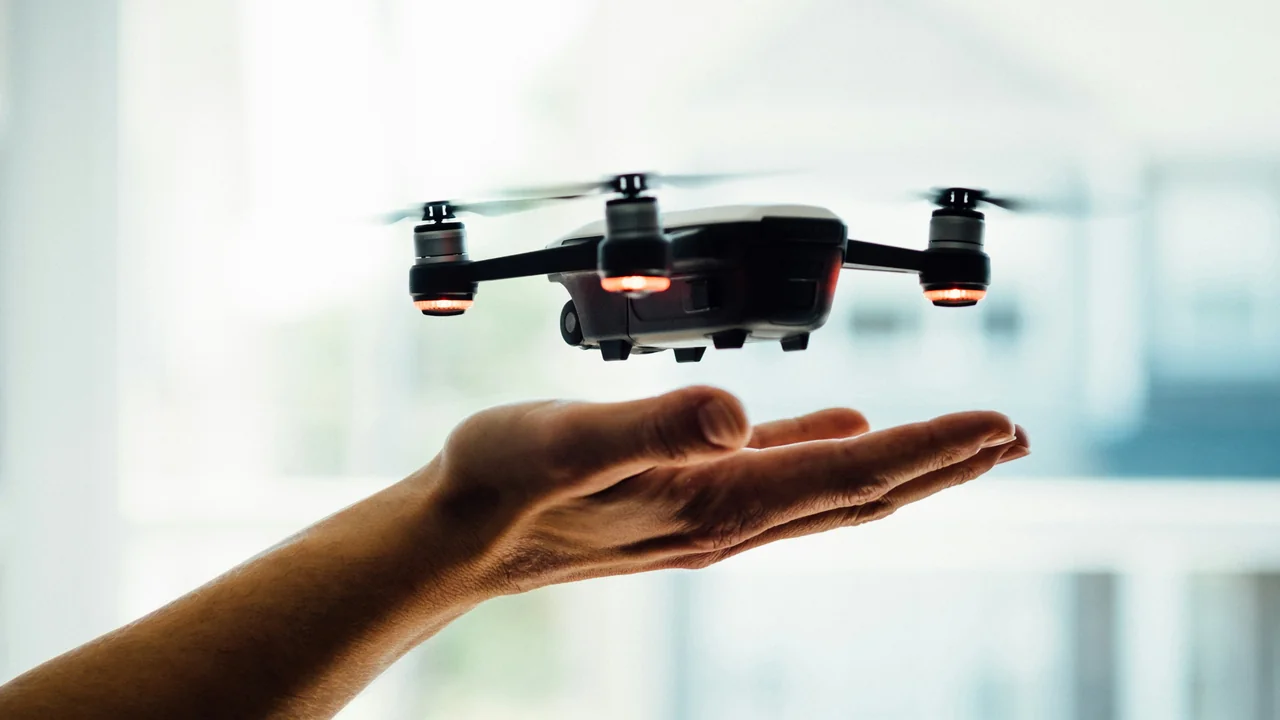
The Yellowstone National Park drone ban is not arbitrary — it is based on three critical concerns that directly affect the park’s ecosystem and visitor experience.
Wildlife Disturbance
Yellowstone is home to grizzly bears, wolves, bison, elk, and countless bird species. Drones cause acute stress responses in wildlife. A drone flying overhead can cause bison to stampede, elk to abandon their calves, and nesting birds to flee their nests. Research published by the National Park Service shows that drone noise triggers a “fight or flight” response in large mammals, disrupting natural behaviors like feeding, mating, and migration. Even a brief 30-second flyover can cause lasting harm.
Thermal Feature Damage
Yellowstone’s geothermal features — including Old Faithful, Grand Prismatic Spring, and the Norris Geyser Basin — are fragile and irreplaceable. If a drone crashes into a hot spring, the chemical contamination from the drone’s lithium battery, plastic components, and metal frame can alter the water chemistry. This damages the unique microbial life that gives these features their vivid colors. In 2016, a drone crashed into Grand Prismatic Spring, and park scientists had to monitor the site for months to assess damage.
Visitor Safety and Experience
Drones are loud and intrusive. The NPS prioritizes the natural soundscape of Yellowstone — the quiet that allows you to hear a wolf howl or a geyser erupt. Drone noise disrupts this experience for thousands of visitors who come to the park for solitude and immersion in nature. Additionally, drones flying near boardwalks or crowded overlooks pose a physical risk to visitors if they malfunction or crash.
Can I Fly a Drone in Grand Teton National Park?
No. Grand Teton National Park, which is adjacent to Yellowstone’s southern border, also enforces the same drone ban under the NPS policy. The ban covers all areas within Grand Teton, including the Teton Range, Jenny Lake, Jackson Lake, and the Snake River corridor. Flying a drone from the parking lot at the Mormon Row barns or the Schwabacher Landing is prohibited. The same federal penalties apply.
Where Can I Legally Fly a Drone Near Yellowstone?
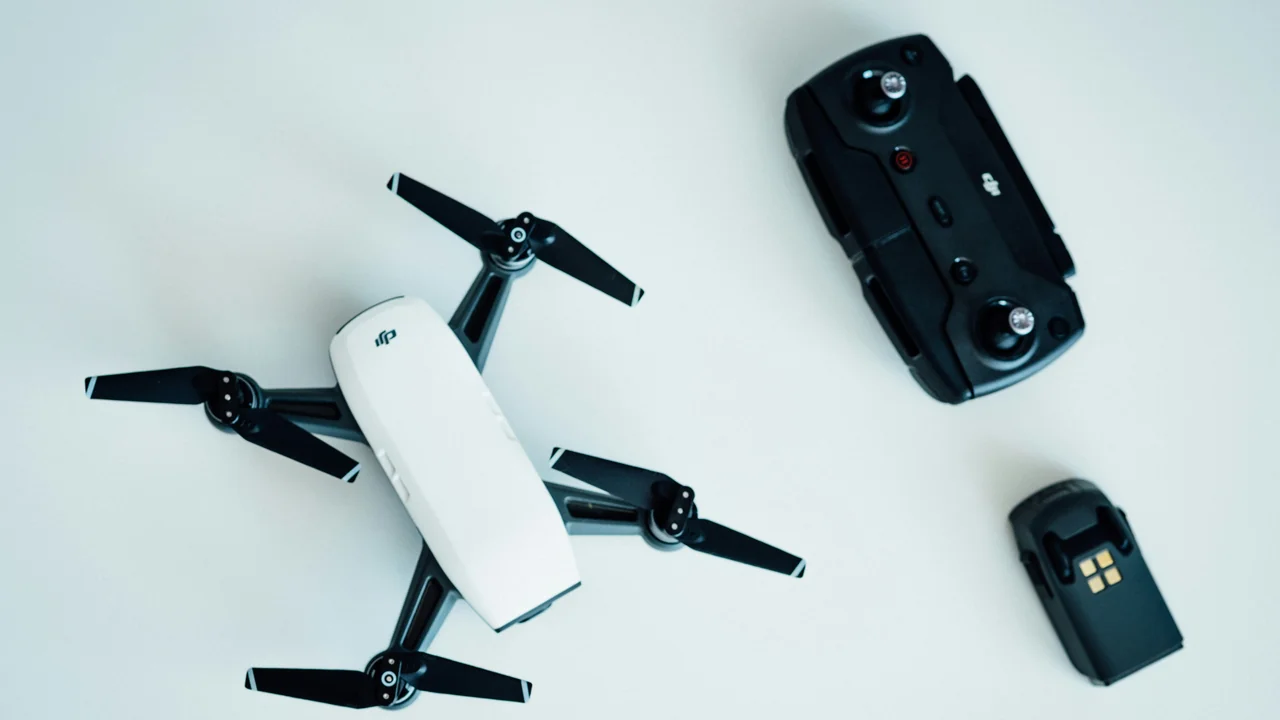
While Yellowstone and Grand Teton are off-limits, the surrounding national forests allow drone flights subject to FAA regulations. These areas offer incredible landscapes that rival the park’s scenery. The key is knowing where the boundaries are and respecting them.
| Area | Jurisdiction | Drones Allowed? | Key Considerations |
|---|---|---|---|
| Bridger-Teton National Forest | USFS | Yes | Follow FAA rules; check for wilderness area restrictions |
| Shoshone National Forest | USFS | Yes | East of Yellowstone; popular for drone photography |
| Gallatin National Forest | USFS | Yes | Montana side; access via West Yellowstone |
| BLM Land (Wyoming) | BLM | Yes | Check for Temporary Flight Restrictions (TFRs) |
| Yellowstone National Park | NPS | No | Absolute ban; zero exceptions |
| Grand Teton National Park | NPS | No | Adjacent to Yellowstone; same ban |
Bridger-Teton National Forest
Bridger-Teton National Forest surrounds much of Yellowstone’s eastern and southern boundaries. This is the most accessible location for legal drone flights near the park. You can launch from designated trailheads, pull-offs, and open meadows. However, you must avoid designated wilderness areas within the forest, such as the Teton Wilderness and the Gros Ventre Wilderness, where drone flights are also prohibited. Always check the USFS map for wilderness boundaries before flying.
Shoshone National Forest
Shoshone National Forest lies east of Yellowstone and offers stunning views of the Absaroka Range. This forest is less crowded than Bridger-Teton, making it an excellent choice for drone operators. The Wapiti Valley and the North Fork of the Shoshone River are popular launch points. Follow all FAA altitude limits and maintain visual line of sight.
Gallatin National Forest
On the Montana side, Gallatin National Forest provides access near West Yellowstone, Gardiner, and Cooke City. The Gallatin Range offers open alpine terrain ideal for drone photography. Be aware that this forest borders the park, so ensure your drone does not cross into NPS jurisdiction. Use a GPS map with park boundary overlays to stay legal.
What Are the Penalties for Flying a Drone in Yellowstone?
Violating the Yellowstone drone ban carries significant penalties. Under federal law, you can face:
- A federal citation with fines up to $5,000 per violation
- Confiscation of your drone and all equipment used in the operation
- Potential criminal charges under 36 CFR § 1.5 and the Federal Aviation Administration’s regulations
- If your drone causes a wildlife stampede or damages a thermal feature, you could face civil penalties exceeding $10,000
- Repeat offenders may be banned from all NPS sites for a period of time
Park rangers have the authority to seize your drone immediately. In practice, most first-time violators receive a $1,000 to $2,500 fine and have their drone confiscated. Do not risk it — the fines far exceed the cost of renting a camera or hiring a licensed aerial photographer outside the park.
What Are the Best Alternatives to Drones in Yellowstone?
If you want stunning aerial perspectives of Yellowstone without breaking the law, consider these alternatives.
Hire a Licensed Aerial Photographer
Several commercial operators hold FAA Part 107 certificates and have special use permits from the NPS for limited film projects. These permits are extremely rare and typically granted only for official documentaries or scientific research. For a typical tourist, this is not a realistic option. Instead, focus on ground-level photography that captures the park’s grandeur.
Use a Long Lens or Telephoto Camera
You can capture incredible wildlife and landscape shots from safe distances using a DSLR or mirrorless camera with a 200mm to 400mm lens. The Lamar Valley is famous for wolf and bear photography, and you can achieve stunning results without a drone. The key is patience and a good tripod.
Visit Scenic Overlooks
Yellowstone has numerous designated scenic overlooks that provide elevated views. Mount Washburn, Dunraven Pass, and the Grand Canyon of the Yellowstone (Artist Point) offer perspectives that rival drone footage. These locations are accessible by car or short hikes and are completely legal.
Fly at Approved Locations Outside the Park
As detailed above, the national forests surrounding Yellowstone offer legal drone flying. Plan a separate day trip to Bridger-Teton or Shoshone National Forest to get your aerial fix. Use our No-Fly Zone Checker to confirm you are outside NPS boundaries before launching.
Do I Need to Register My Drone for Flying Near Yellowstone?
If your drone weighs more than 0.55 pounds (250 grams), you must register it with the FAA through the DroneZone website before flying anywhere in the United States, including the national forests near Yellowstone. Registration costs $5 and is valid for three years. Even if you are flying a sub-250g drone like the DJI Mini 4 Pro, you must still follow all FAA rules, including the 400-foot altitude limit and maintaining visual line of sight. Use our Weight Checker to determine if your drone requires registration.
Are There Any Exceptions to the Yellowstone Drone Ban?
The NPS does not grant exceptions for recreational drone flights. The only exceptions are for official NPS research, search and rescue operations, and authorized film productions that hold a special use permit. These permits are rarely issued and require extensive justification, liability insurance, and proof of environmental sensitivity. If you are a tourist, a hobbyist, or a commercial photographer, you will not qualify. Do not attempt to argue your case with a ranger — the ban is non-negotiable.
Final Thoughts
Yellowstone drone laws are among the strictest in the National Park System, and for good reason. The park’s wildlife and thermal features are irreplaceable, and the NPS is committed to preserving them. Your best strategy is to leave your drone in your car or at your lodging when entering the park, and plan dedicated drone flights in the surrounding national forests. Use the No-Fly Zone Checker to map safe zones, and always verify current FAA and USFS regulations before your trip. By respecting the ban, you help protect Yellowstone for future generations.
Frequently Asked Questions
Are drones allowed in Yellowstone National Park?
No, drones are strictly prohibited in Yellowstone National Park. The ban has been in effect since 2014 and covers all unmanned aircraft systems, including recreational and commercial drones. There are no exceptions for small drones like the DJI Mini series. Violating the ban can result in fines up to $5,000 and confiscation of your equipment.
Can I fly a drone near Old Faithful?
No, you cannot fly a drone near Old Faithful or anywhere else inside Yellowstone National Park. The area around Old Faithful is heavily patrolled by park rangers, and drone flights are quickly reported by visitors. If you attempt to fly near Old Faithful, you risk immediate confiscation and a federal citation. The thermal features in this area are especially vulnerable to contamination from a drone crash.
What is the fine for flying a drone in Yellowstone?
The fine for flying a drone in Yellowstone can range from $1,000 to $5,000 per violation, depending on the circumstances. In addition to the fine, your drone will be confiscated and you may face criminal charges. If your drone causes damage to wildlife or thermal features, civil penalties can exceed $10,000. Repeat offenders may be banned from all National Park Service sites.
Are drones allowed in Grand Teton?
No, drones are not allowed in Grand Teton National Park. The same NPS ban applies to Grand Teton as to Yellowstone. All areas within the park, including the Teton Range, Jenny Lake, and the Snake River corridor, are off-limits. The John D. Rockefeller Jr. Memorial Parkway, which connects the two parks, is also under NPS jurisdiction and prohibits drone flights.
Where can I legally fly a drone near Yellowstone?
You can legally fly a drone in the national forests surrounding Yellowstone, including Bridger-Teton National Forest, Shoshone National Forest, and Gallatin National Forest. These areas are managed by the US Forest Service and allow drone flights as long as you follow FAA regulations. Avoid designated wilderness areas within these forests, where drones are also prohibited. Always check for Temporary Flight Restrictions before flying.
Why are drones banned in Yellowstone?
Drones are banned in Yellowstone for three main reasons: wildlife disturbance, thermal feature damage, and visitor safety. Drones cause stress responses in bison, bears, elk, and birds, disrupting natural behaviors. A drone crash into a hot spring can cause chemical contamination that damages the unique microbial life. Additionally, drone noise degrades the natural soundscape that millions of visitors come to experience each year.
Can I fly a drone over Yellowstone from outside the park boundary?
Technically, the National Park Service ban applies to launching, landing, and operating drones from within park boundaries. However, flying over the park from adjacent public land is legally gray and strongly discouraged. The FAA maintains jurisdiction over airspace, but the NPS can cite you for “harassment of wildlife” or “disruption of visitor experience” if your drone is observed over the park. Rangers actively monitor for drone activity near boundary lines, especially at popular entry points like West Yellowstone and Gardiner.
What happens if I get caught flying a drone in Yellowstone?
First-time offenders typically receive a federal citation with fines starting at $1,000. In severe cases involving wildlife disturbance or safety incidents, fines can reach $5,000 or more. Your drone will be confiscated as evidence, and you may face additional charges under the Lacey Act if wildlife harassment is proven. Repeat offenders risk misdemeanor charges with potential jail time up to six months.
Are there any drone-free zones I can use inside Yellowstone?
No. The ban covers 100% of Yellowstone National Park territory, including all developed areas, backcountry, lakes, rivers, and thermal features. There are no designated “drone zones” or “drone-free” areas within the park. The only exceptions are for authorized research or official NPS operations with a special use permit.
Can I fly a drone in the national forests surrounding Yellowstone?
Yes, but with restrictions. The Bridger-Teton, Shoshone, Gallatin, and Custer-Gallatin National Forests that surround Yellowstone generally allow recreational drone use under FAA Part 107 or the Recreational Exception. However, you must stay below 400 feet, avoid wildlife, and never fly over wilderness areas or designated “no drone” zones like developed campgrounds or trailheads. Always check the specific forest’s Motor Vehicle Use Map and Temporary Flight Restrictions before flying.
What is the best drone for capturing aerial footage near Yellowstone?
For legal flying on adjacent public land, a compact drone like the DJI Mini 4 Pro or Autel Evo Nano+ is ideal. These sub-250g drones require no FAA registration for recreational use, making them easier to transport and deploy. Their small size also reduces noise, minimizing disturbance to wildlife and other visitors. Ensure your drone has a good camera stabilization system to handle the wind conditions common in the Yellowstone region.
Can I use a drone for commercial filming near Yellowstone?
Yes, but you need FAA Part 107 certification and must operate from legal locations outside the park boundaries. Commercial operators also require a special use permit from the relevant land management agency (USFS, BLM, or state lands) and must adhere to stricter wildlife buffer zones. Commercial drone operations near Yellowstone are subject to additional scrutiny due to the sensitive ecosystem.
Are there any proposed changes to the Yellowstone drone ban?
As of 2026, there are no active proposals to lift or modify the drone ban in Yellowstone. The NPS continues to evaluate the impact of drones on park resources, but the overwhelming consensus among park managers and conservation groups is that the ban remains necessary. Any future changes would require a formal rulemaking process with public comment periods.
Last updated: June 25, 2026
- National Park Service — Yellowstone: Unmanned Aircraft
- 36 CFR § 1.5 — Closures and Public Use Limits
- FAA DroneZone — Registration Requirements
- US Forest Service — Bridger-Teton, Shoshone, Gallatin National Forest Regulations
Drone Allowed
DroneAllowed editor covering drone regulations, aviation law, and aerial photography across USA, UK, Canada & Australia.