Drone Laws Uk Under 250G 2026: Complete Guide for Drone Pilots
 13 min read
2,463 words
✈️ Flying your drone on this trip? See my gear list
View gear on AmazonAs an Amazon Associate I earn from qualifying purchases.
If you fly a drone under 250g in the UK, you generally do not need to register for an Operator ID, but you must still follow the CAA’s Drone Code and pass the free Flyer ID theory test. The key distinction is that sub-250g drones are exempt from the £9 annual Operator ID fee, but the same safety rules, altitude limits, and no-fly zones apply. This complete guide covers everything you need to know about drone laws uk under 250g for 2026, including registration, where you can fly, restricted areas, and penalties.
LENTION 3.3FT Long Cable USB C Hub
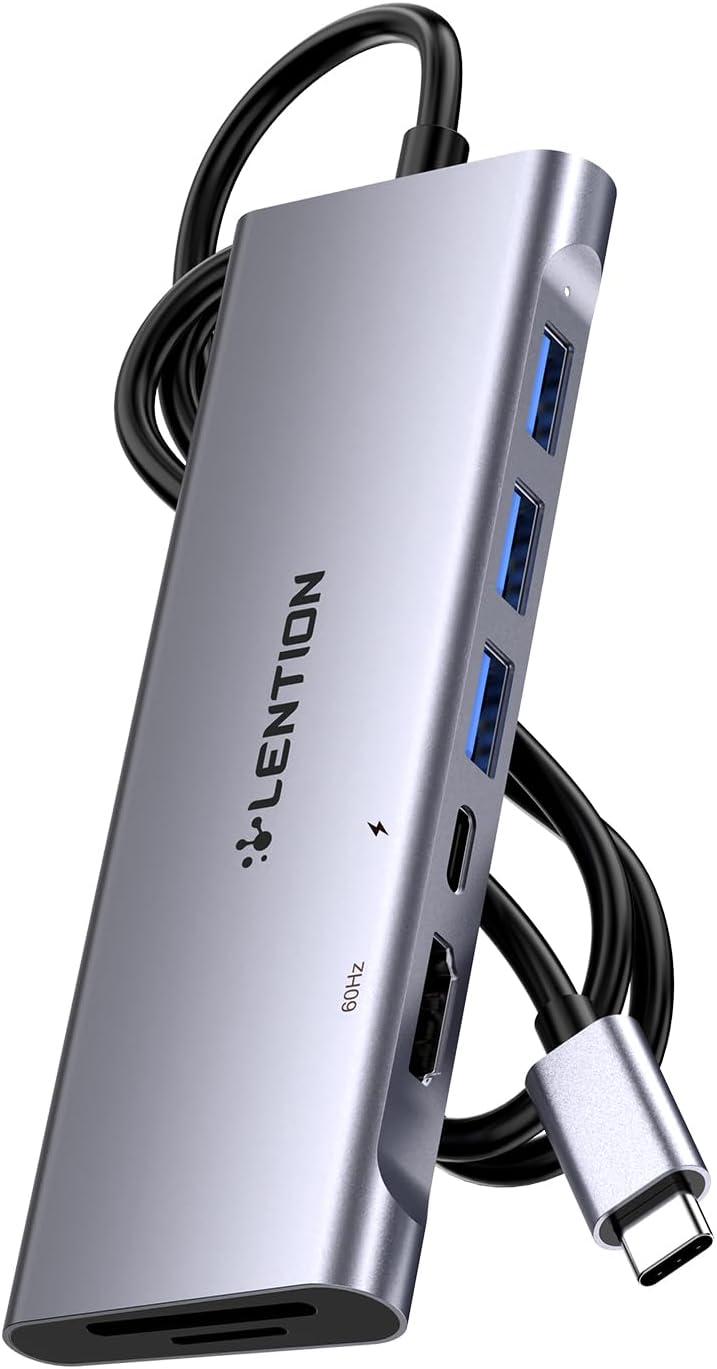
LENTION 3.3FT Long Cable USB C Hub, 4K HDMI, 100W PD, USB 3.0, Card Reader 3A & LED Indicator Stable Driver Adapter, for macOS, iOS/iPadOS, Windows & ChromeOS (C36p-1M, Space Gray)
Check Price on Amazon17-in-1 USB C Hub 65W Powered Adapter, 10Gbps, Dual PD 45W
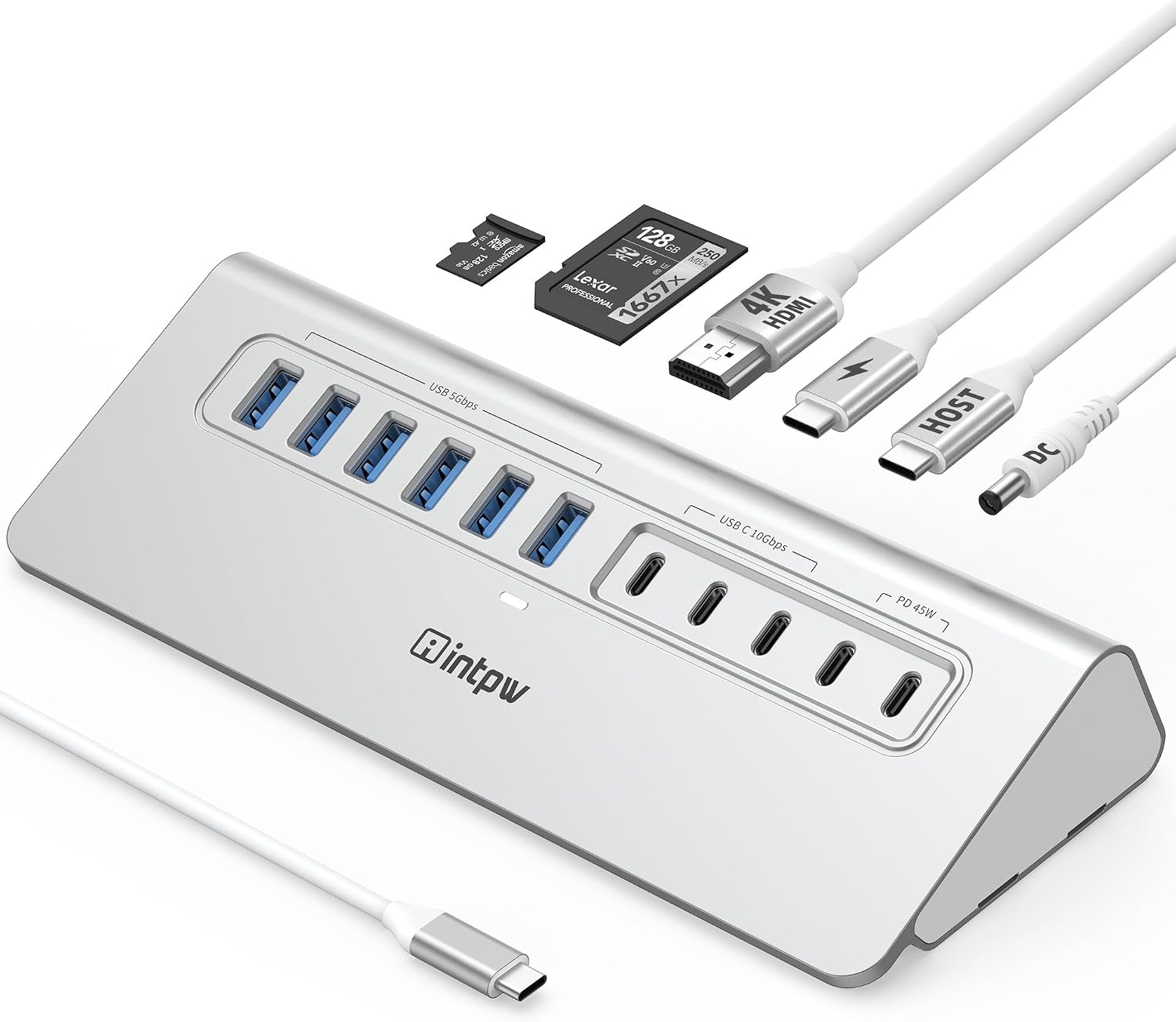
17-in-1 USB C Hub 4K@60Hz, 65W Powered Adapter, 10Gbps, Dual PD 45W PD 100W Charging, 3×USB-C 3.2+6×USB-A 3.0, SD/TF 105MB/s, 3.3ft Cable, Aluminum Desktop USB Hub for MacBook Pro/Air/Mac Mini
Check Price on AmazonLENTION USB-C Hub, HDMI, 100W PD, 2 USB-C, 2 USB 3.0, Card Reader
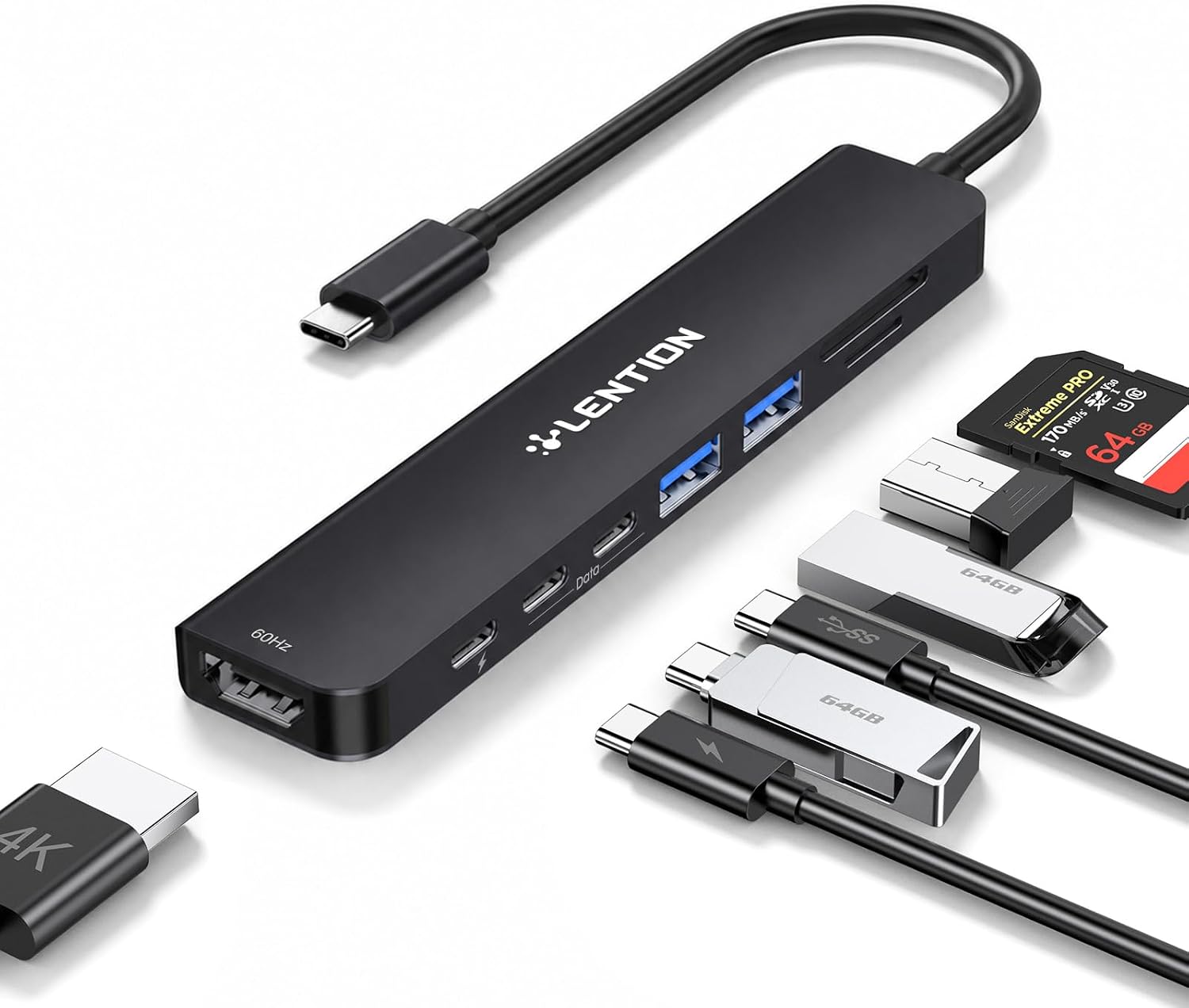
LENTION USB-C Hub, 4K@60Hz HDMI, 100W PD, 2 USB-C, 2 USB 3.0, Card Reader 2A & 2C Work Simultaneously, Stable Driver 3.0 Certified, for macOS, iOS/iPadOS, Windows & ChromeOS (CE19, Black)
Check Price on AmazonWhat Are the CAA Rules for Drones Under 250g in the UK?
The Civil Aviation Authority (CAA) regulates all drone flights in the United Kingdom. For drones under 250g, the rules are simpler than for heavier models, but they are not a free pass. The CAA’s core requirement is that you follow The Drone Code (available at dronesafe.uk), which covers safety, privacy, and airspace restrictions.
3 FT Power Strip
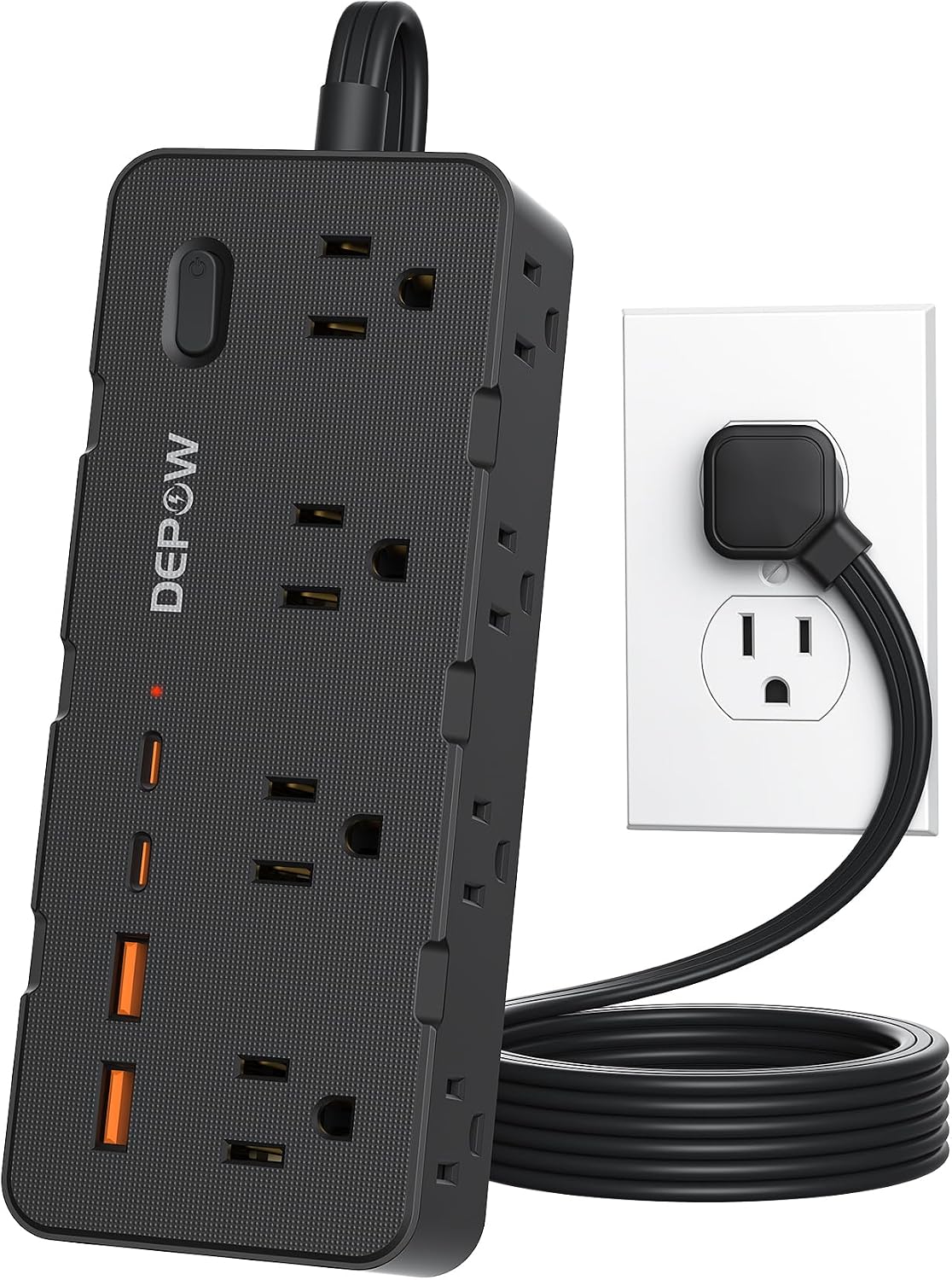
3 FT Power Strip, Extension Cord with 8 AC Outlets + 4 USB (2 USB-C), Black Flat Plug, Compact 3FT Flat Cord Keeps Desktop Neat. 1700J Surge Protection, 1625W, Great for Home Office, Dorm, Nightstand
Check Price on AmazonHICOBER USB C SD Card Reader
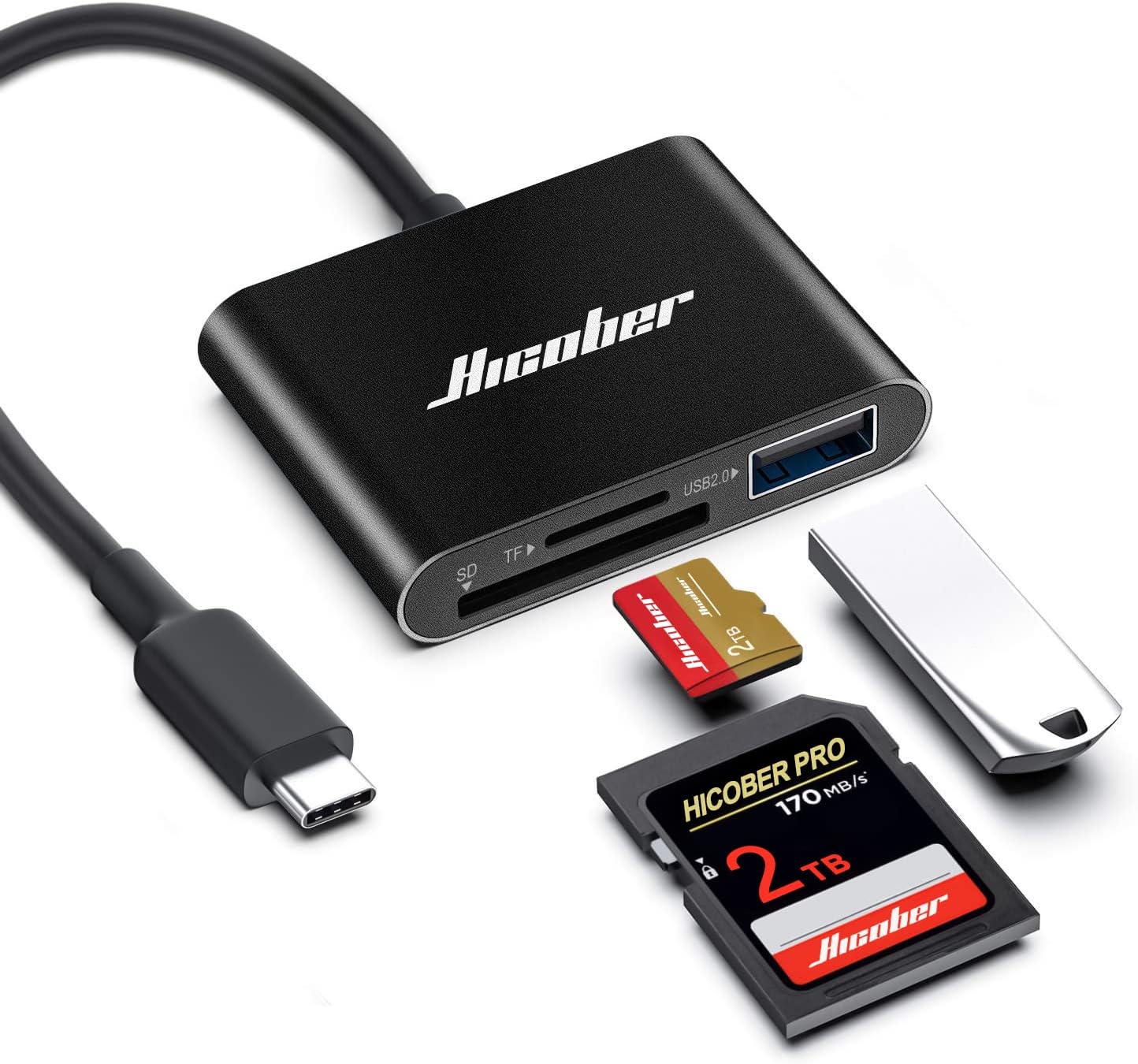
HICOBER USB C SD Card Reader, 3-in-1 for Laptop, Phone, Tablet, Black Durable aluminum body helps dissipate heat quickly for stable performance; reads SD, TF and USB drives up to 2TB via USB-C
Check Price on Amazon64GB Micro SD Card with SD Card Reader
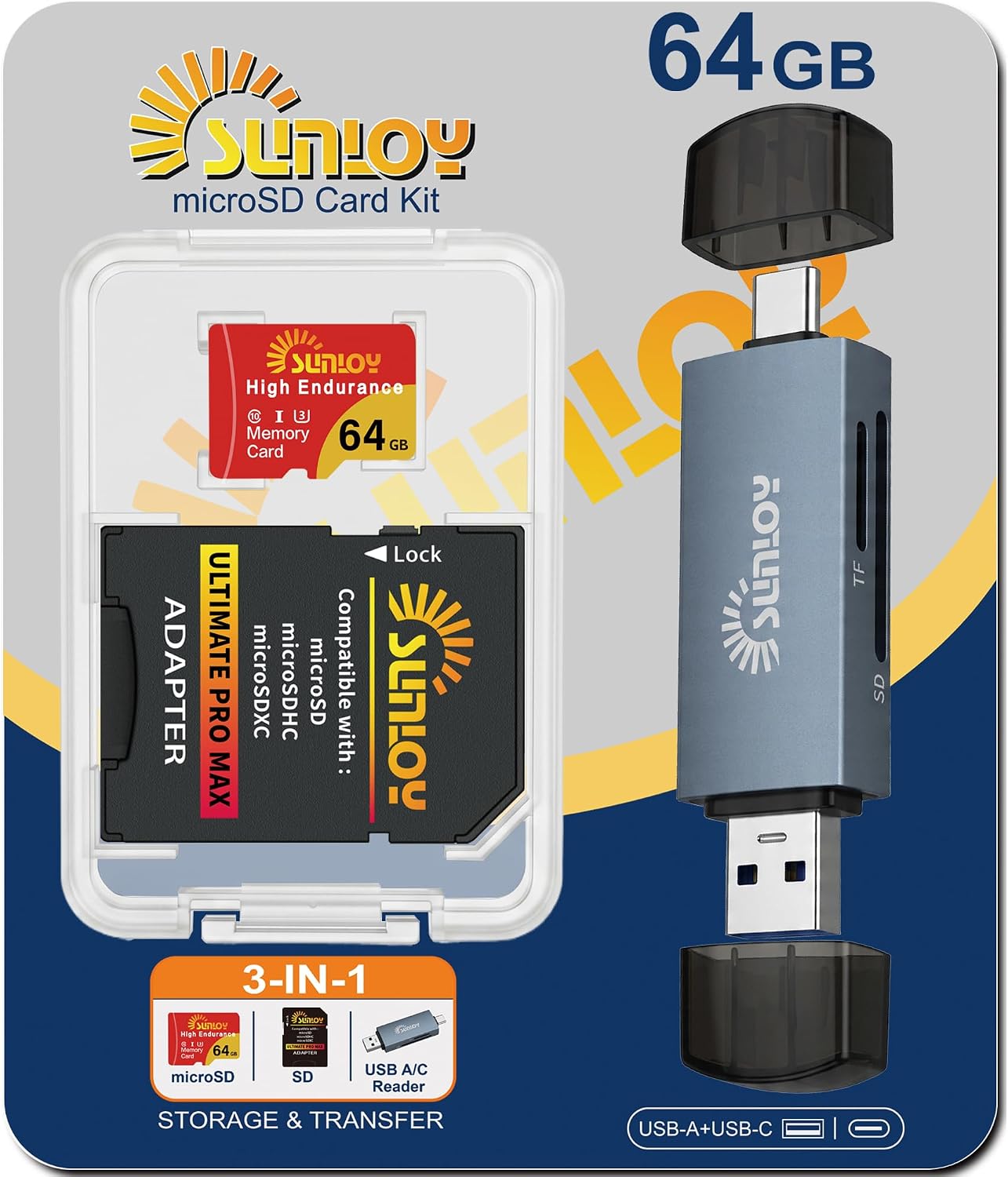
64GB Micro SD Card with SD Card Reader USB3.0 A/C Dual Slots & SD Adapter UHS-I, C10, U3, V30, A1, 4K UHD, USB 3.0 Memory Card Reader for iPhone 17/16/15, MacBook, iPad, Laptop, PC, Drone, Game Console
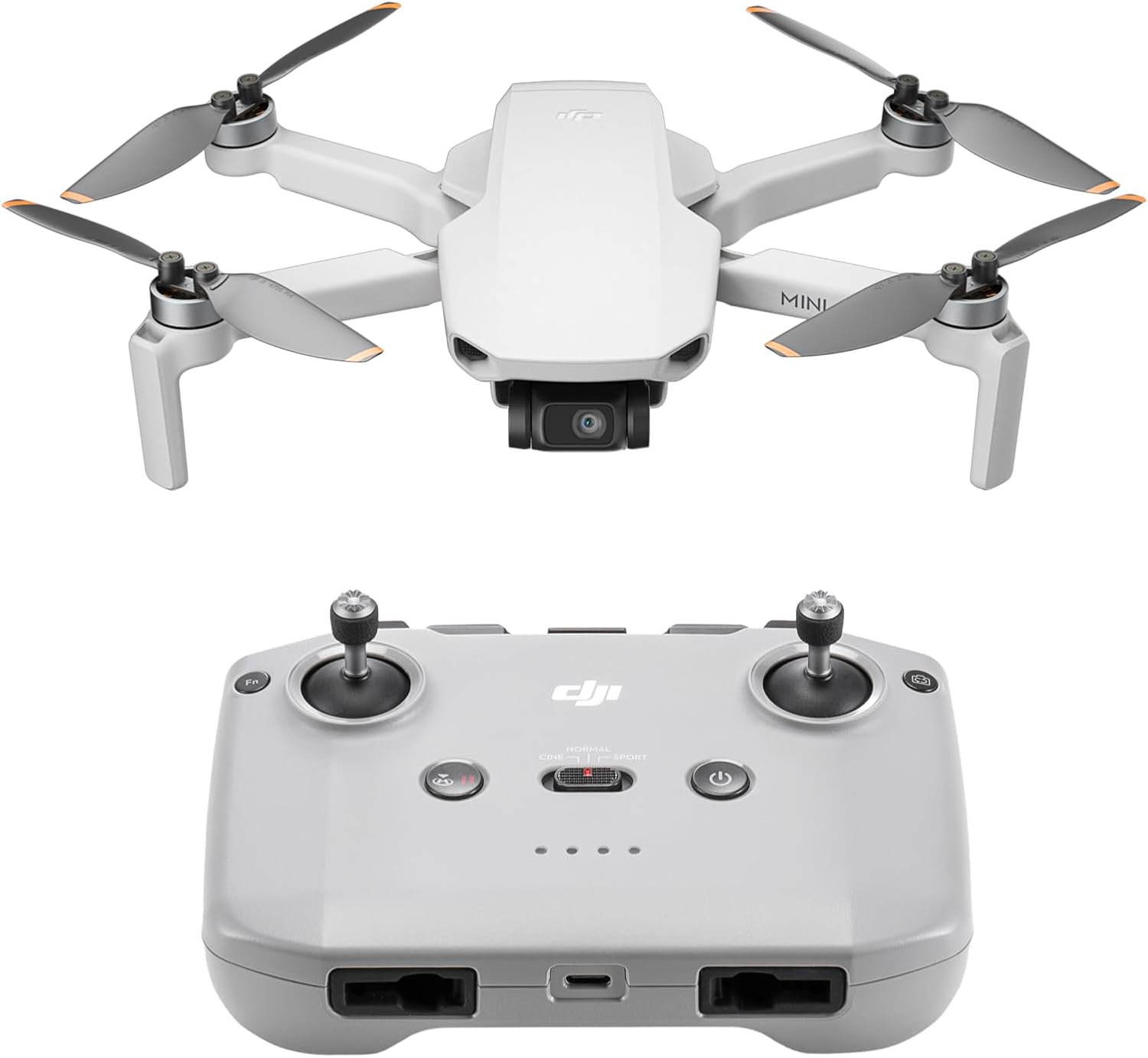
Check Price on AmazonFor drones under 250g, the CAA places them in the Open Category (A1 subcategory). This means you can fly over people (but not over gatherings of people) and you must keep the drone in direct sight at all times. The maximum altitude remains 400 feet (120 metres) above ground level (AGL).
Do You Need a Flyer ID for Sub-250g Drones in the UK?
Yes. Even if your drone weighs less than 250g, you must obtain a Flyer ID from the CAA. The Flyer ID is free and requires you to pass a short multiple-choice theory test (about 20 questions) on the CAA’s registration portal (register-drones.caa.co.uk). Once you pass, the Flyer ID is valid for five years.
Registration and Certification: What’s Required for Drones Under 250g?
The most common confusion about uk drone laws under 250g is whether registration is needed. Here’s the breakdown:
| Requirement | Sub-250g Drone | 250g+ Drone |
|---|---|---|
| Flyer ID (free) | Required | Required |
| Operator ID (£9/year) | Not required | Required |
| Pass CAA theory test | Required (for Flyer ID) | Required (for Flyer ID) |
| A2 Certificate of Competency | Not required | Required for flights near people |
✈️ Flying your drone on this trip? See my drone e-book list
View gear on AmazonAs an Amazon Associate I earn from qualifying purchases.
The CAA’s registration system is designed around the operator (the person responsible for the drone) and the flyer (the person controlling it). For sub-250g drones, the operator is exempt from paying the £9 fee, but the flyer must still be registered. If you are both the owner and pilot, you need only a Flyer ID.
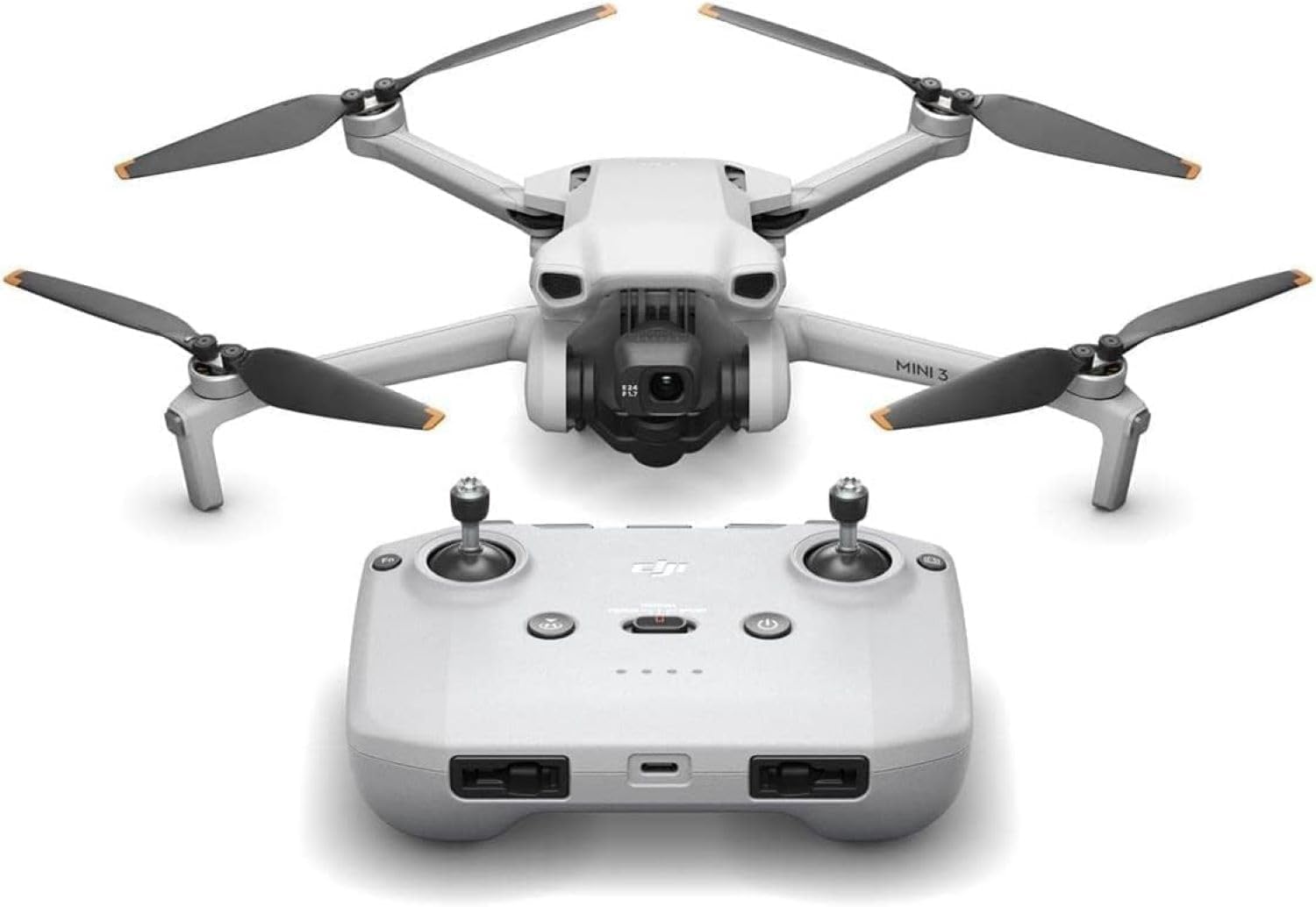
DJI Mini 3
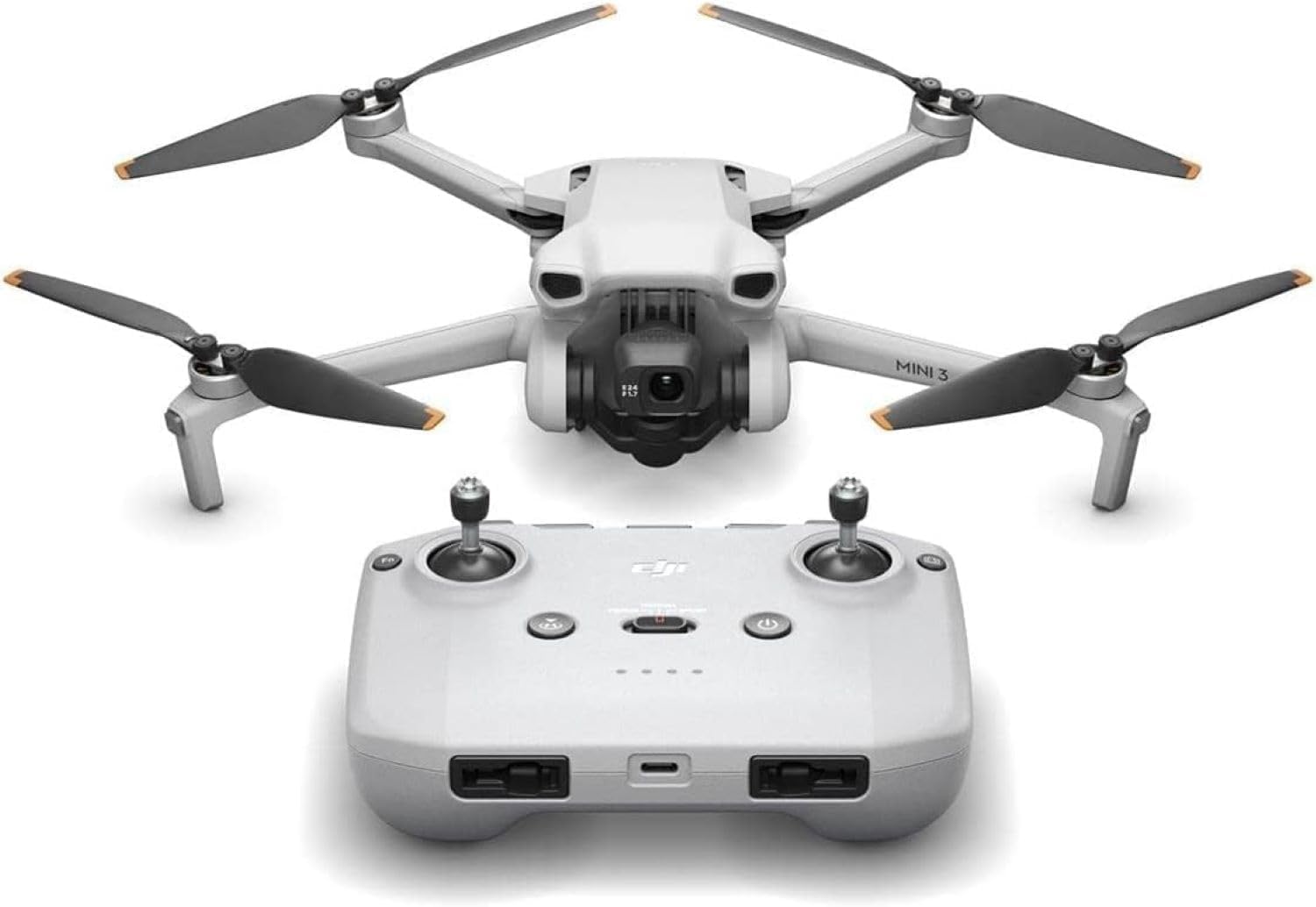
DJI Mini 3, 3-Axis Mechanical Gimbal Mini Camera Drone | 4K HDR Video, 38-Min Flight Time, up to 32800ft (10km) Video Transmission, True Vertical Shooting, GPS Auto Return
Check Price on AmazonDJI Mini 3 Fly More Combo
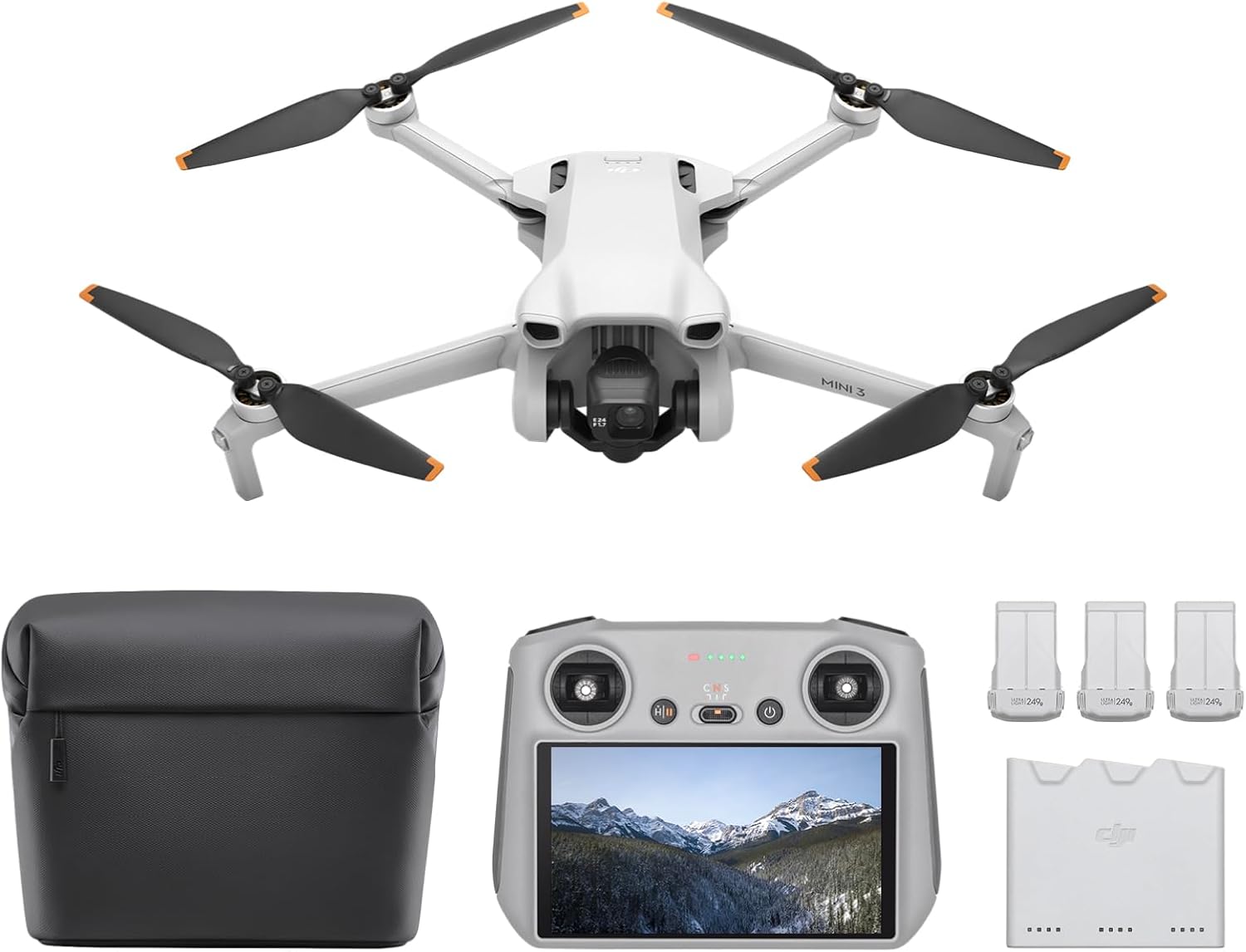
DJI Mini 3 Fly More Combo With DJI RC, 3 Batteries | Lightweight Camera Drone With 4K HDR Video, 114-Min Flight Time, Vertical Shooting, 32800ft (10km) Video Transmission
Check Price on AmazonDJI Mini 3 With DJI RC
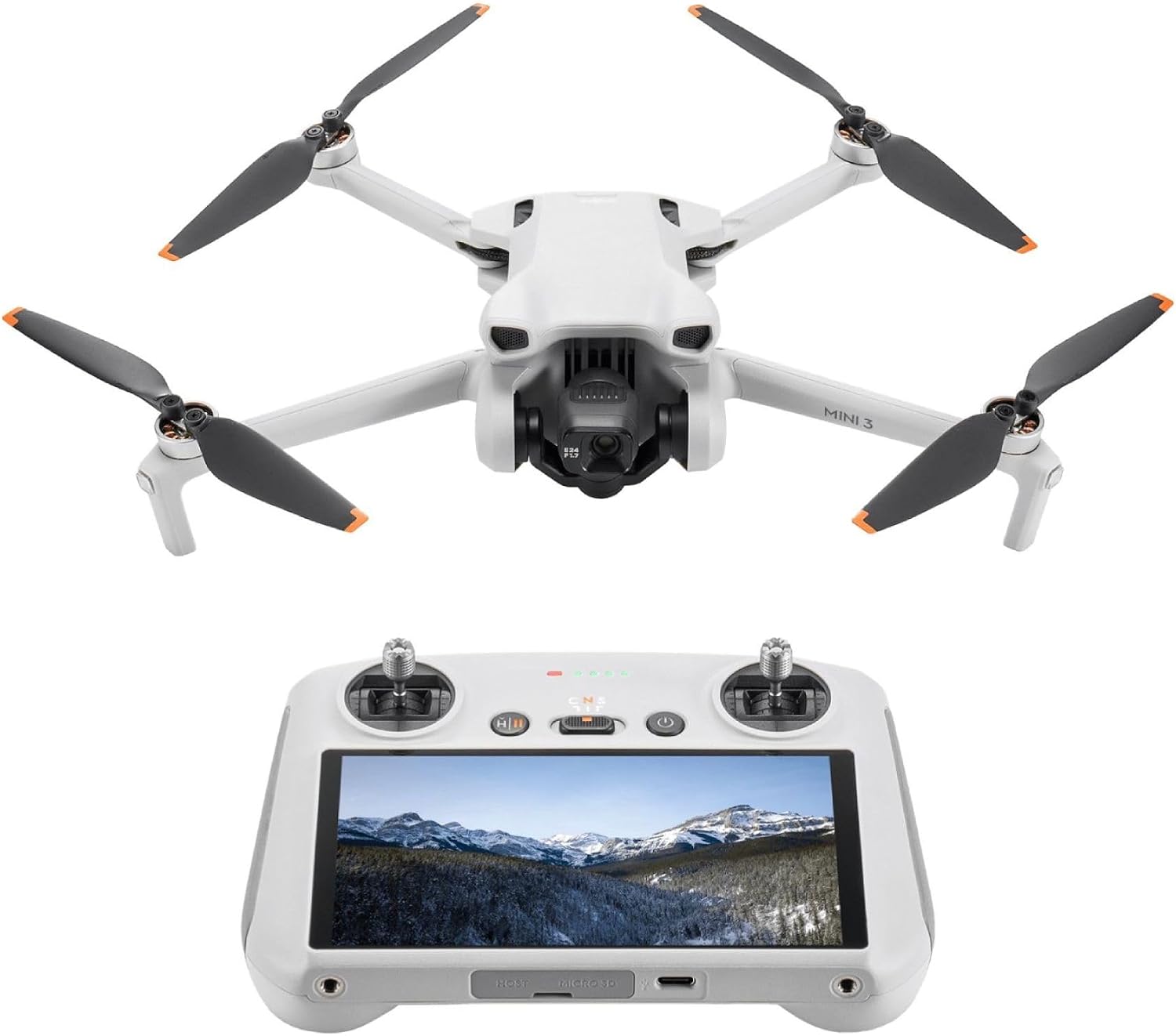
DJI Mini 3 With DJI RC, 3-Axis Mechanical Gimbal Mini Camera Drone | 4K HDR Video, 38-Min Flight Time, up to 32800ft (10km) Video Transmission, Vertical Shooting, GPS Auto Return
Check Price on AmazonWhat If You Add a Payload That Pushes It Over 250g?
This is a critical nuance. If you attach a camera mount, a larger battery, or any accessory that brings the total take-off weight above 250g, the drone is no longer exempt from the Operator ID requirement. You must then register as an operator and pay the £9 annual fee. Always weigh your drone with all accessories before flying.
No-Fly Zones and Restricted Areas for Sub-250g Drones in the UK
Even though your drone is under 250g, the same no-fly zone restrictions apply. You cannot fly in controlled airspace without permission, near airports, or over crowds. The CAA enforces these rules strictly, and ignorance is not a defence.
- Stay at least 5 km (3 miles) from airports and airfields
- Avoid flying within 50 metres of people, vehicles, or buildings not under your control
- Never fly over gatherings of people (concerts, sports events, protests)
- Do not fly in restricted airspace (e.g., military zones, prisons, royal palaces)
To check where you can fly, use the Drone Assist app (by NATS) or the DJI Fly Safe geofencing system. These tools show real-time airspace restrictions and are updated regularly.
Using the Drone Assist App for Sub-250g Flights
The Drone Assist app (free on iOS and Android) is the official CAA-recommended tool for checking airspace. It shows:
Carrying Hard Case for DJI Avata 360 Drone
Carrying Hard Case for DJI Avata 360 Drone - Portable Travel Bag for Goggles N3/RC Motion 3 Controller
Check Price on AmazonHard Case for Antigravity A1 Drone
Hard Case for Antigravity A1 Drone, Waterproof Protective Carry Case, Anti-Fall Storage Bag Fit for Drone, Batteries, Goggles, Accessories & RC Gear [Only Protect Shell]
Check Price on Amazon- Airport flight restriction zones (FRZs)
- Controlled airspace (CTR, CTA, etc.)
- Military training areas (Danger Areas)
- National parks and nature reserves (where additional restrictions may apply)
For sub-250g drones, the app is especially useful because many pilots assume they can fly anywhere. The app clarifies that even light drones cannot enter airport FRZs without permission.
Where Can You Legally Fly a Sub-250g Drone in the UK?
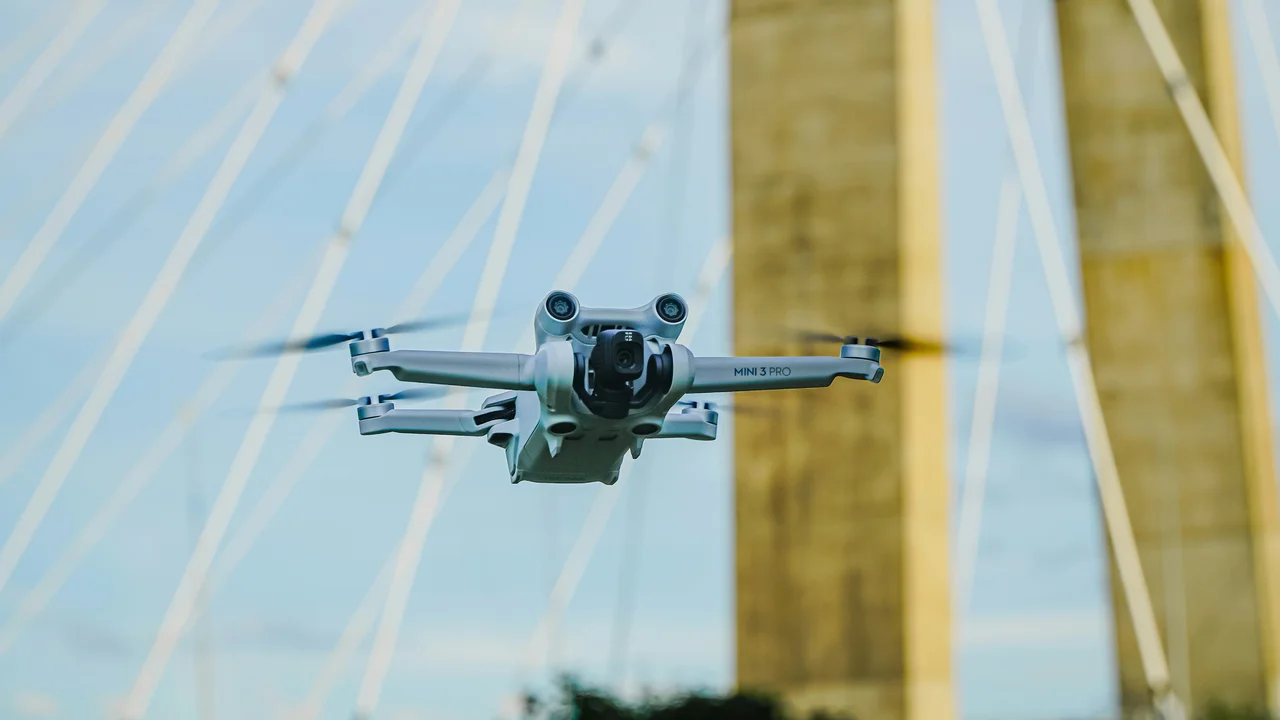
You can fly a sub-250g drone in many places, but you must always follow the Drone Code. Here are the most common scenarios:
| Location | Allowed? | Conditions |
|---|---|---|
| Parks and open fields | Yes | Keep 50m from people and buildings; avoid crowds |
| Beaches (non-crowded) | Yes | Check local council bylaws; avoid swimmers |
| National parks | Yes | Follow Drone Code; some parks have additional rules |
| Near airports | No | 5km exclusion zone (FRZ) |
| Over private property | Conditional | You can fly over, but avoid hovering over gardens or windows |
For commercial use (e.g., real estate photography), the rules are the same for sub-250g drones. You do not need a separate commercial licence if you stay within the Open Category limits. However, if you plan to fly over uninvolved people or near buildings, you may need an A2 Certificate of Competency (A2 CofC) — but this is rarely required for sub-250g drones because they are already in the A1 subcategory.
Flying in London and Other Cities
City flying with a sub-250g drone is possible but restricted. Many London parks (e.g., Hyde Park, Regent’s Park) have specific bylaws banning drone take-off and landing. The CAA’s rules still apply, but local council regulations can be stricter. Always check with the local authority before flying in urban areas.
Pros of Sub-250g Drones in Cities
- No Operator ID fee
- Can fly closer to people (A1 category)
- Lighter and more portable
Cons of Sub-250g Drones in Cities
- Still subject to all no-fly zones
- Local bylaws may restrict take-off
- Wind can be a challenge at 249g
Penalties for Breaking Drone Laws in the UK (Sub-250g)
The CAA takes enforcement seriously, even for sub-250g drones. Penalties can include:
- On-the-spot fine: Up to £1,000 for flying without a Flyer ID or in a restricted zone
- Prosecution: For serious breaches (e.g., endangering an aircraft), you could face unlimited fines or imprisonment
- Confiscation: Your drone can be seized by police or CAA enforcement officers
The CAA also works with local police to enforce drone regulations. If you are reported by a member of the public or caught on radar, you can expect a visit from enforcement officers. The Drone Code is legally binding under the Air Navigation Order 2016 (as amended).
What Happens If You Fly Without a Flyer ID?
Flying without a Flyer ID is a criminal offence. The CAA can issue a fixed penalty notice of £1,000. Repeat offenders face prosecution. Since the Flyer ID is free and takes only 20 minutes to obtain, there is no excuse to skip it.
Summary: Key Takeaways for Drone Laws UK Under 250g
To fly a sub-250g drone legally in the UK, remember these five points:
- Obtain a free Flyer ID from the CAA (pass the online theory test).
- You do not need an Operator ID (£9/year) — but only if the drone stays under 250g with all accessories.
- Always follow The Drone Code: stay below 400 feet, keep the drone in sight, and avoid people and aircraft.
- Check airspace using the Drone Assist app before every flight — no-fly zones apply equally to sub-250g drones.
- Respect local bylaws and private property rights.
If you’re unsure whether your drone qualifies as sub-250g, use our Weight Checker Tool to confirm. And before you fly, check your location with our No-Fly Zone Checker to stay safe and legal.
Frequently Asked Questions
What are the rules for drone laws uk under 250g?
For drones under 250g in the UK, you must obtain a free Flyer ID from the CAA by passing an online theory test. You do not need to register for an Operator ID (£9/year). All other CAA rules apply: fly below 400 feet (120 metres), keep the drone in visual line of sight, stay at least 50 metres from people and buildings, and avoid no-fly zones near airports and restricted areas. The Drone Code (dronesafe.uk) is your essential guide.
Do I need to register my drone for drone laws uk under 250g?
You do not need to register as an operator (no £9 fee) if your drone weighs under 250g. However, you must still register as a flyer by obtaining a Flyer ID, which is free and valid for five years. The Flyer ID requires passing a short theory test. If you add accessories that push the weight above 250g, you must then register as an operator and pay the annual fee.
Are there restricted areas relevant to drone laws uk under 250g?
Yes, sub-250g drones are subject to the same no-fly zones as heavier drones. You cannot fly within 5 km (3 miles) of airports, in controlled airspace without permission, over crowds, or near military bases, prisons, and royal palaces. Use the Drone Assist app by NATS to check real-time airspace restrictions before flying. Ignorance of these zones is not a defence under CAA regulations.
What are the penalties for breaking rules related to drone laws uk under 250g?
Penalties for violating UK drone laws with a sub-250g drone can include an on-the-spot fine of up to £1,000 for flying without a Flyer ID or in a restricted zone. Serious offences, such as endangering an aircraft, can lead to unlimited fines or imprisonment. The CAA and local police enforce these rules, and your drone may be confiscated. Always follow the Drone Code to avoid penalties.
Do I need to register a sub-250g drone with the CAA?
No. Drones under 250g, including the DJI Mini series and Hubsan Zino, are exempt from the CAA’s Operator ID and Flyer ID registration requirements. However, you must still follow all other Drone Code rules.
Can I fly a sub-250g drone over people in the UK?
Yes, but only if you avoid crowds and do not fly over people who are not under your control. The CAA’s Open Category A1 subcategory allows flights over uninvolved people, but you must not fly over gatherings of people or large crowds.
What happens if my sub-250g drone has a camera?
The camera does not change the registration exemption. Sub-250g drones with cameras are still exempt from CAA registration. However, you must comply with data protection laws and avoid capturing images of people without their consent in private spaces.
Can I fly a sub-250g drone near an airport in the UK?
No. The 5km no-fly zone around airports applies to all drones, regardless of weight. Flying a sub-250g drone near an airport is illegal and dangerous, with penalties including unlimited fines and imprisonment.
Do I need insurance for a sub-250g drone in the UK?
No, insurance is not a legal requirement for drones under 250g flown for recreational purposes. However, if you use the drone for commercial work, you may need public liability insurance. The CAA recommends insurance for all drone flights as a best practice.
What is the maximum altitude for a sub-250g drone in the UK?
400 feet (120 metres) above ground level. This limit applies to all drones, including sub-250g models. You must maintain visual line of sight at all times.
Can I fly a sub-250g drone in a park?
Yes, but you must stay 50 metres away from people and property not under your control. Check local bylaws as some parks may have additional restrictions.
What happens if I fly a sub-250g drone illegally?
You can face fines up to £1,000 for endangering safety, prosecution for breaking the Air Navigation Order, and confiscation of your drone. Police and the CAA actively enforce drone laws.
Can I fly a sub-250g drone near a prison?
No. Flying within 5km of a prison is illegal under the Air Navigation Order. This applies to all drones, including sub-250g models.
Do I need a license to fly a sub-250g drone commercially?
No, you do not need an Operational Authorisation. However, you must register as an operator (if your drone has a camera) and pass the A2 CofC or A1/A3 theory test.
Can I fly a sub-250g drone at night?
Yes, provided you maintain visual line of sight and follow all other Drone Code rules. The CAA recommends using lights visible from 3 nautical miles.
Can I fly a sub-250g drone over people?
Yes, but not over crowds. You may fly over uninvolved people at a distance, but avoid sustained flight directly over them.
Are sub-250g drones exempt from airport no-fly zones?
No. The 5km Flight Restriction Zone around airports applies to all drones, including sub-250g models.
Last updated: July 14, 2026
- CAA (Civil Aviation Authority) — caa.co.uk/drones
- The Drone Code — dronesafe.uk
- Air Navigation Order 2016 (as amended)
- NATS Drone Assist app
NANUK 935 Pro Photo Kit Camera Case
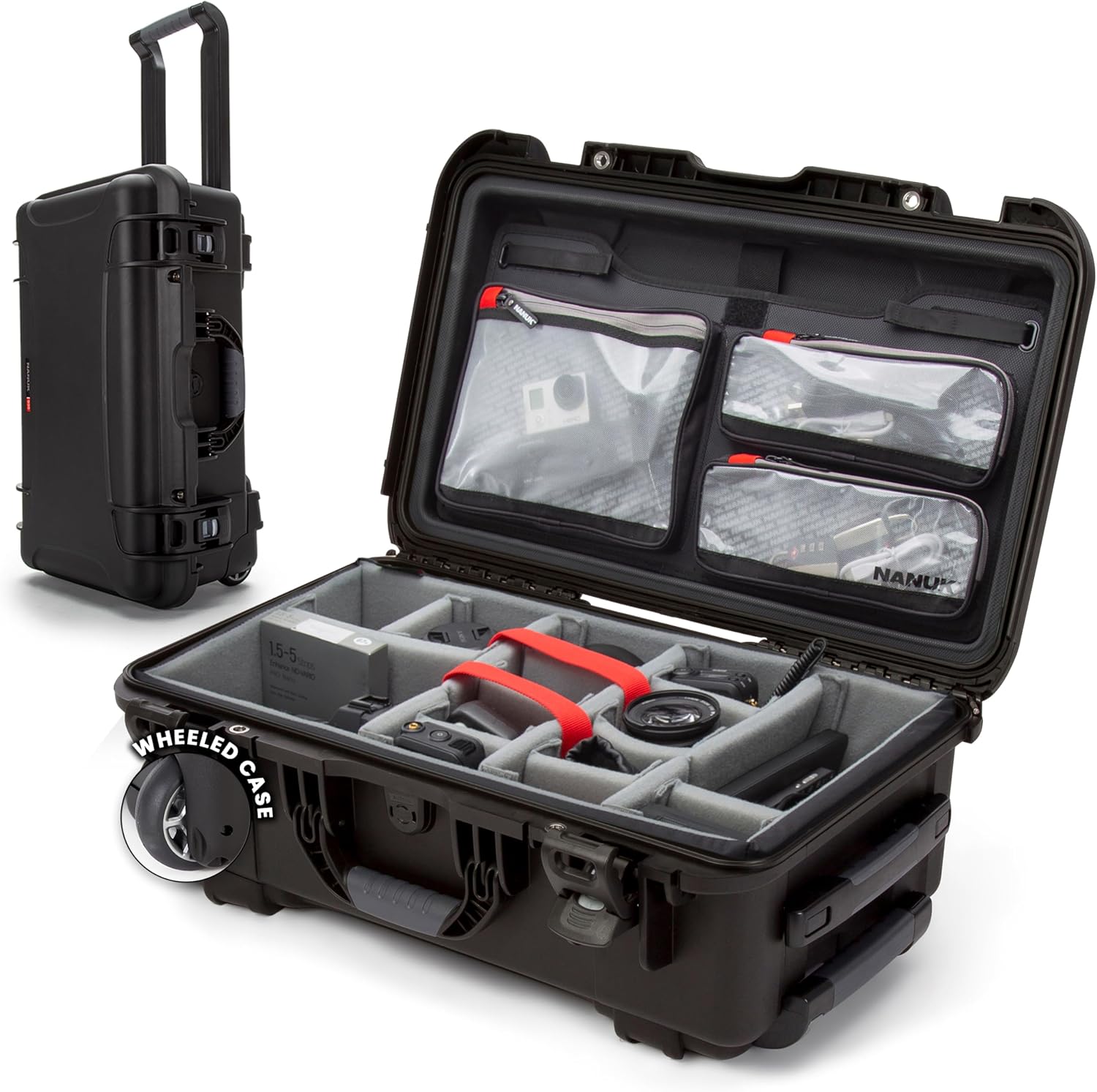
NANUK 935 Pro Photo Kit Camera Case, Waterproof Wheeled Hard Case, Carry-On, Black
Check Price on AmazonNANUK 925 DJI Mavic 4 Pro Creator Combo
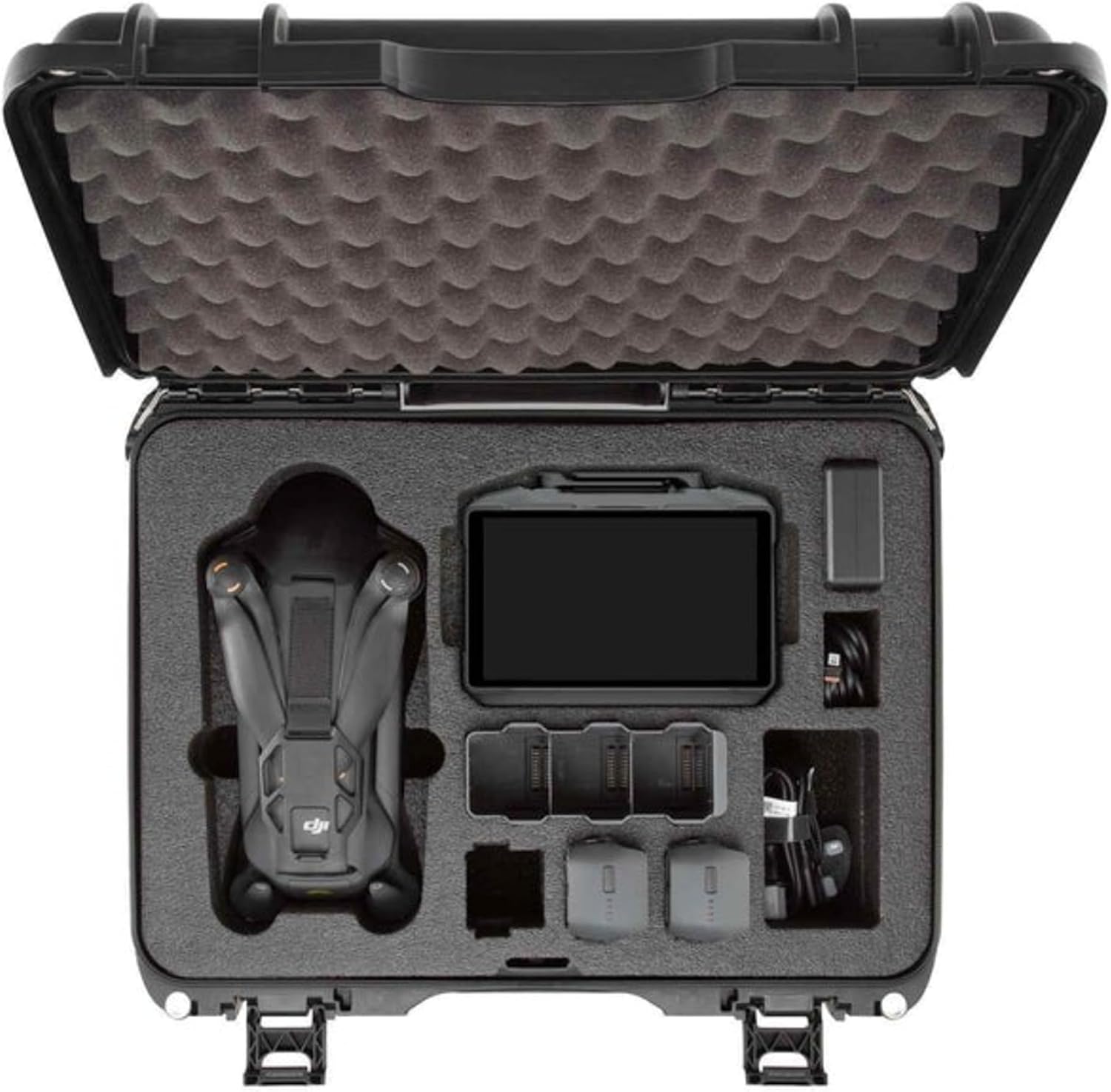
NANUK 925 DJI Mavic 4 Pro Creator Combo - Waterproof Hard Case with Drone Foam Insert, Crushproof, Portable Travel Case, Made in Canada (18.7” x 14.8”x 7”) - Black
Check Price on Amazon Drone Allowed
DroneAllowed editor covering drone regulations, aviation law, and aerial photography across USA, UK, Canada & Australia.