
London Drone Laws 2026: Can You Fly a Drone in the Capital?
 10 min read
2,000 words
10 min read
2,000 words
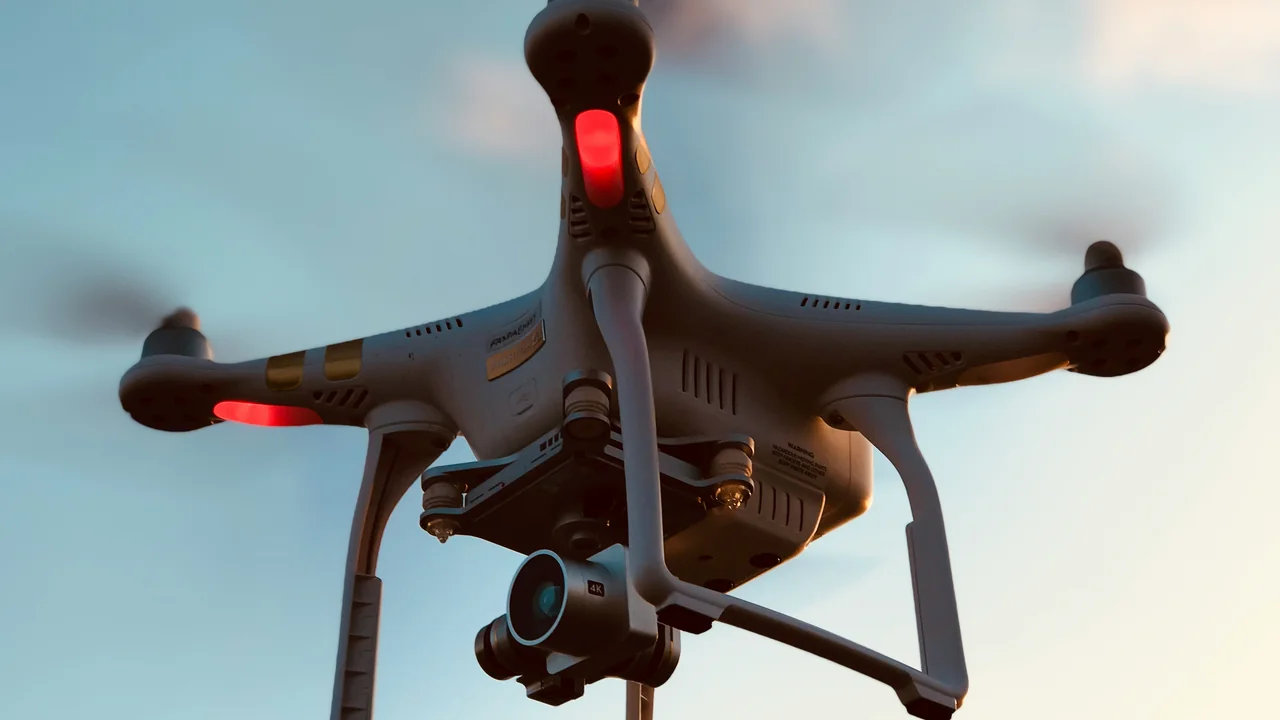
If you’re planning to fly a drone in London and capture footage of the city’s iconic skyline, bridges, or landmarks, you need to understand the London drone laws before you even unpack your drone. The short answer is that central London is effectively a no-fly zone for recreational pilots, and even commercial flights face extraordinary restrictions. In this guide, we’ll break down the CAA rules, explain the complex airspace around Heathrow and London City Airport, and tell you exactly where you can and cannot fly in the capital in 2026.
Do You Need to Register Your Drone Under CAA Rules?
Before you consider flying anywhere in the UK, you must comply with the Civil Aviation Authority (CAA) national framework. If your drone weighs 250g or more, you need an Operator ID, which costs £9 per year and must be renewed annually. You also need a free Flyer ID, which requires passing a short online theory test on the CAA’s register-drones.caa.co.uk website. Even if you own a sub-250g drone like the DJI Mini 4 Pro, you still need a Flyer ID to fly legally in the UK. The CAA’s Drone Code, available at dronesafe.uk, is the definitive guide for all pilots.
Can I Fly a Drone in Central London? The Reality of the London Drone Ban
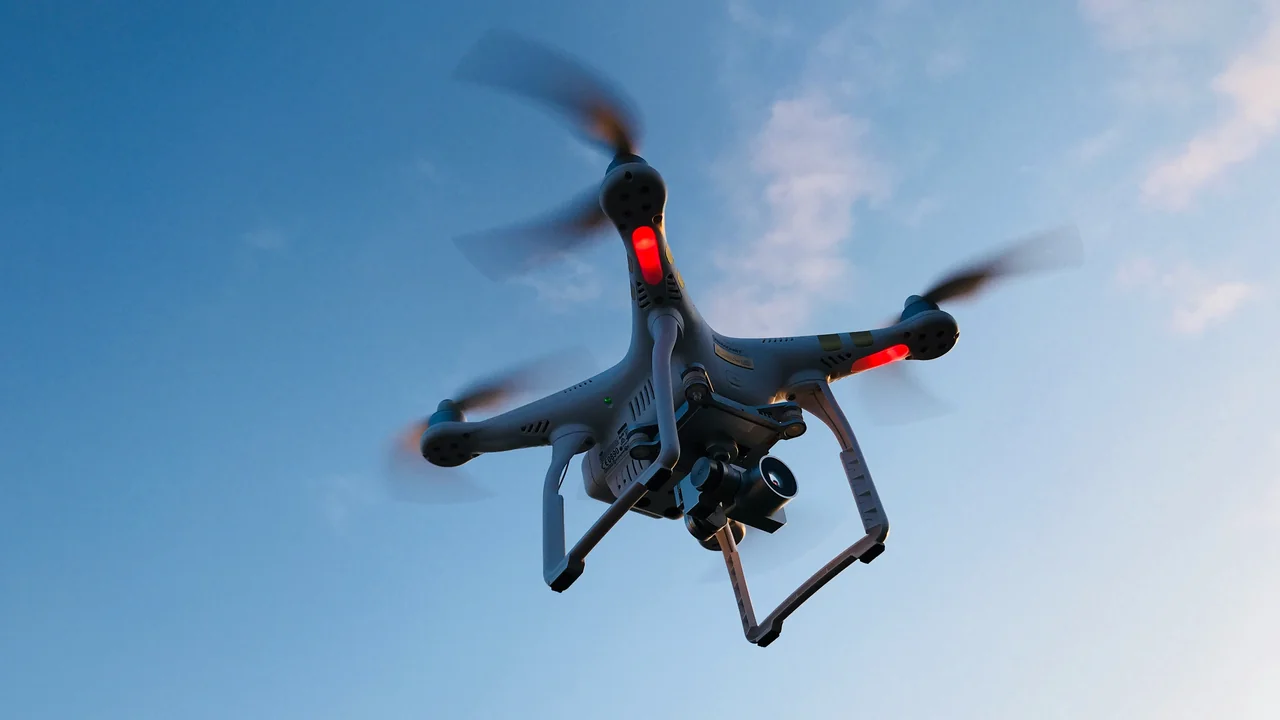
The question “can I fly drone London” is one we hear constantly, and the answer is almost always no for central London. The capital is surrounded by five major airports — Heathrow (LHR), Gatwick (LGW), Luton (LTN), Stansted (STN), and London City (LCY) — creating overlapping Flight Restriction Zones (FRZs) that cover the vast majority of the city. Heathrow’s FRZ extends 5 kilometres from the airport boundary, and central London sits well within this zone. Additionally, the London City Airport Class D airspace covers a significant portion of East London, including the Docklands and the Thames Estuary.
Heathrow Drone Rules London: The 5km FRZ
The Heathrow drone rules London are some of the strictest in the UK. The airport has a 5km Flight Restriction Zone (FRZ) that extends from the runway ends and covers a significant portion of West and Central London. This means areas like Hounslow, Richmond, and even parts of Kensington are off-limits for drone flying. The FRZ is enforced by the Metropolitan Police and the CAA, and violations can result in unlimited fines and up to five years in prison. You can check your exact location against the FRZ using the No-Fly Zone Checker.
London City Airport Drone Rules: Class D Airspace
London City Airport (LCY) operates a Class D airspace that extends to 2,000 feet above ground level. This airspace covers a large portion of East London, including Canary Wharf, the O2 Arena, and the Thames Barrier. The LCY FRZ is smaller than Heathrow’s but still prohibits drone flying within the airport boundary and its immediate surroundings. The Royal Docks and the ExCeL Centre are also within this restricted zone.
Where Are the No-Fly Zones in London?
London has numerous no-fly zones beyond the airport FRZs. These include Royal Parks, government buildings, and protected landmarks. The Metropolitan Police actively patrol these areas and use drone detection technology to identify illegal flights.
Royal Parks Drone Policy: Banned Across All Eight Parks
The Royal Parks Authority explicitly prohibits drone flying in all eight of London’s Royal Parks. This includes Hyde Park, Regent’s Park, Green Park, St. James’s Park, Richmond Park, Bushy Park, Greenwich Park, and Kensington Gardens. The ban covers both take-off and landing, as well as overflight. Even if you are flying a sub-250g drone like the DJI Mini 4 Pro, you cannot fly in these parks. The Royal Parks Authority states that drones disturb wildlife, pose a safety risk to visitors, and infringe on the peaceful enjoyment of the parks. Violations can result in fines and confiscation of your drone.
Buckingham Palace, Parliament, and Windsor Castle
Buckingham Palace, the Houses of Parliament, and Windsor Castle are all within restricted airspace. Buckingham Palace and Parliament are within the Heathrow FRZ and also have their own specific no-fly zones due to their status as Royal Palaces and government buildings. Windsor Castle, located west of London, is also within the Heathrow FRZ and is a designated protected site. Flying a drone near these locations is illegal and can result in criminal prosecution under the Serious Crime Act 2007.
Can You Fly a Drone Over the Thames? Thames Drone Rules
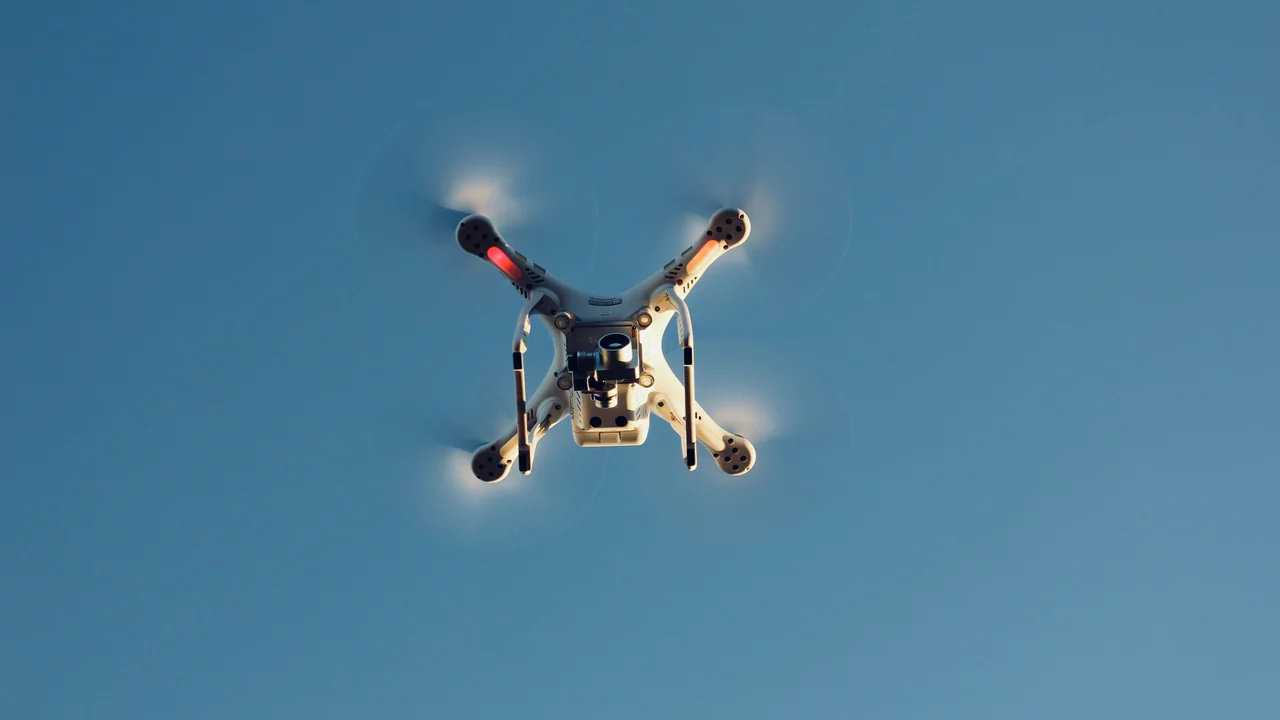
The Thames drone rules are complex because the river passes through multiple restricted zones. The Thames flows through central London, which is within the Heathrow FRZ and the London City Airport Class D airspace. This means that flying a drone over the Thames in central London is illegal for recreational pilots. However, sections of the Thames further east, such as the Thames Barrier area or the stretch near Greenwich, may be outside the LCY FRZ and could be permissible with proper CAA registration and adherence to the Drone Code. Always check your specific location using the No-Fly Zone Checker before flying.
How to Get a Drone Permit for London Filming
If you need to fly a drone in London for commercial filming, you must obtain a CAA Article 16 exemption. This is a specific permission from the CAA that allows you to operate outside the standard drone rules. The process is rigorous and requires you to demonstrate that you have a valid reason for flying in restricted airspace, a detailed flight plan, and appropriate insurance. You will also need an A2 Certificate of Competency (A2 CofC) for operations near people. The CAA typically charges a fee for processing Article 16 applications, and you should expect a lead time of several weeks. Many commercial drone operators in London work with the CAA and the Metropolitan Police to secure permissions for high-profile projects.
Register your drone and pass the theory test on the CAA website.
This qualification is required for commercial operations near people.
Provide a detailed flight plan, risk assessment, and insurance documentation to the CAA.
For flights near Heathrow or London City, you must obtain permission from NATS (National Air Traffic Services).
Metropolitan Police Drone Enforcement in London
The Metropolitan Police have a dedicated drone unit that actively enforces drone laws in London. They use detection technology, including radio frequency scanners and drone detection systems, to identify illegal flights. If you are caught flying a drone illegally in London, you face severe penalties. The CAA can issue fines of up to £1,000 for registration offences and unlimited fines for flying in restricted airspace. In serious cases, you could face up to five years in prison under the Aviation and Maritime Security Act 1990. The Metropolitan Police also have the power to confiscate your drone and any footage you have captured.
Can You Fly a Drone in Greenwich Park?
Greenwich Park is one of London’s Royal Parks and is therefore subject to the Royal Parks drone ban. However, Greenwich is also located outside the immediate Heathrow FRZ and is on the edge of the London City Airport airspace. This means that areas near Greenwich, such as the Thames Path or the Greenwich Peninsula, may be permissible for drone flying, provided you are outside the LCY FRZ and follow the Drone Code. The No-Fly Zone Checker is essential for determining your exact location relative to these zones.
Summary: Final Thoughts on Flying Drones in London
Flying a drone in London in 2026 is extremely restricted for recreational pilots. The combination of Heathrow’s 5km FRZ, London City’s Class D airspace, the Royal Parks ban, and the no-fly zones around government buildings means that central London is effectively a no-fly zone. If you are a tourist or resident wanting to film the London skyline, you will need to travel outside the capital or obtain a CAA Article 16 exemption for commercial filming. Always check your location using the No-Fly Zone Checker before flying, and remember that the Metropolitan Police actively enforce these rules. Your best bet for drone flying in the London area is to travel to locations outside the airport FRZs, such as the North Downs or the Essex countryside, where you can fly safely and legally.
Frequently Asked Questions
Can I fly a drone over the Thames in London?
Flying a drone over the Thames in central London is illegal for recreational pilots because the river passes through the Heathrow FRZ and the London City Airport Class D airspace. Sections of the Thames further east, such as near the Thames Barrier or the Greenwich Peninsula, may be permissible if you are outside these restricted zones. Always use the No-Fly Zone Checker to verify your exact location before flying.
Are drones banned in Hyde Park?
Yes, drones are banned in Hyde Park. Hyde Park is one of the eight Royal Parks in London, and the Royal Parks Authority has a blanket ban on drone flying in all of them. This ban covers take-off, landing, and overflight, regardless of your drone’s weight. Violations can result in fines and confiscation of your equipment.
How do I get a drone permit to film in London?
To film commercially in London, you need a CAA Article 16 exemption, which requires a detailed flight plan, risk assessment, and insurance. You must also hold an A2 Certificate of Competency (A2 CofC) and coordinate with NATS if flying near Heathrow or London City Airport. The application process takes several weeks and involves a fee payable to the CAA.
Can I fly a drone near Tower Bridge?
No, you cannot fly a drone near Tower Bridge. Tower Bridge is located in central London within the Heathrow FRZ and is also close to the London City Airport airspace. Additionally, it is a protected heritage site, and the Metropolitan Police actively enforce the no-fly zone around it. Recreational drone flying near Tower Bridge is illegal.
Are drones legal in London?
Drones are legal in London only in very specific circumstances and locations. Recreational flying is effectively banned in central London due to the Heathrow and London City Airport FRZs, the Royal Parks ban, and the no-fly zones around government buildings. Commercial flying is possible with a CAA Article 16 exemption and proper qualifications. Always check the Drone Code and use the No-Fly Zone Checker before flying.
What happens if you fly a drone illegally in London?
Flying a drone illegally in London can result in severe penalties. The CAA can issue fines of up to £1,000 for registration offences and unlimited fines for flying in restricted airspace. In serious cases, you could face up to five years in prison under the Aviation and Maritime Security Act 1990. The Metropolitan Police also have the power to confiscate your drone and any footage you have captured.
Last updated: June 25, 2026
- Civil Aviation Authority (CAA) – dronesafe.uk
- NATS Airspace – nats.aero
- Royal Parks Authority – royalparks.org.uk
- Metropolitan Police – met.police.uk
Drone Allowed
DroneAllowed editor covering drone regulations, aviation law, and aerial photography across USA, UK, Canada & Australia.