
NSW Drone Laws 2026: Sydney, Blue Mountains & CASA Rules
 14 min read
2,684 words
14 min read
2,684 words
What Are the CASA Drone Laws That Apply to All of New South Wales?
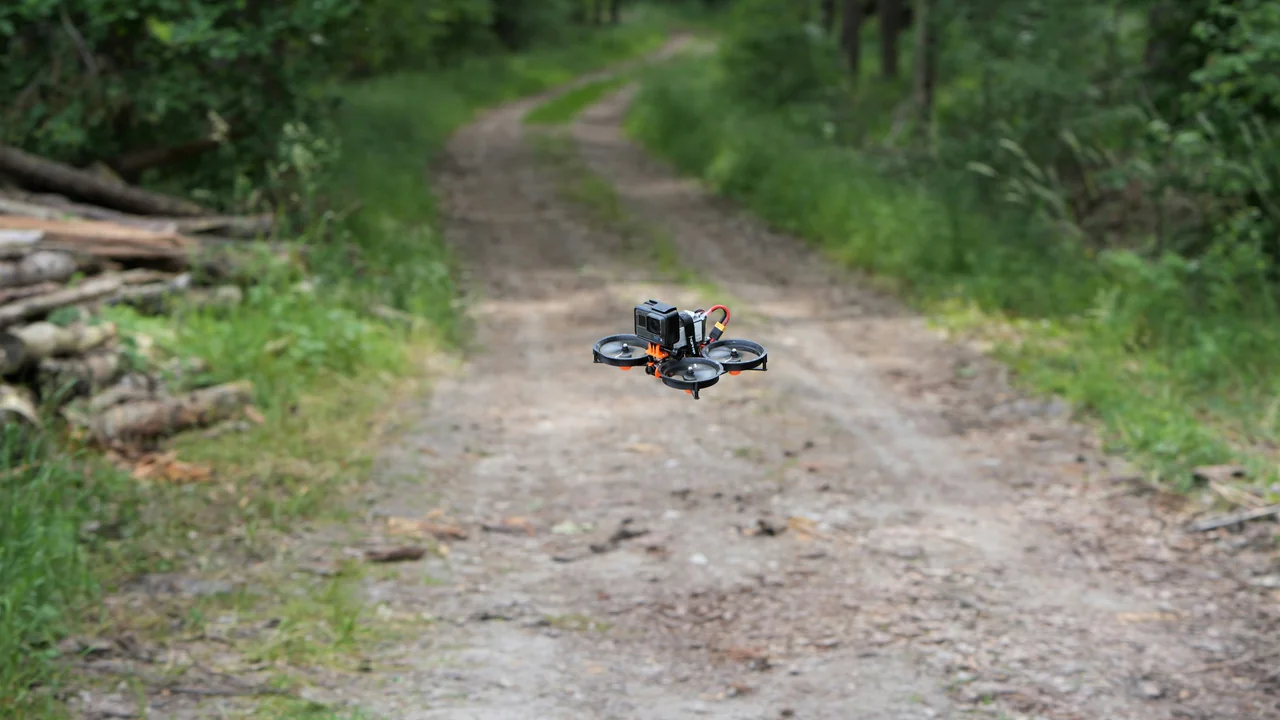
Before you even think about local rules, you must comply with CASA’s national framework. These are the baseline rules for every drone pilot in NSW, whether you’re flying a sub-250g DJI Mini 4 Pro or a 1.2kg Mavic 3.
For drones weighing 250 grams or more, you must register on the myRPA system. The fee is A$20 per year, and registration lasts for 12 months. You’ll also need to pass the CASA online accreditation test (the “RePL” for commercial operators, or the “Operator’s Accreditation” for recreational flyers).
The standard operating conditions under CASA Part 101 include:
- Fly only during daylight hours.
- Keep your drone within visual line of sight (VLOS) at all times.
- Stay at least 30 metres away from other people (not your crew).
- Do not fly over or above people — this is strictly prohibited for recreational flights.
- Stay below 120 metres (400 feet) above ground level.
- Keep at least 5.5 km away from controlled aerodromes (like Sydney Airport, Bankstown, Newcastle).
- Never fly near emergency operations (fires, police, ambulance scenes).
Drone Laws Sydney: Flying in Australia’s Largest City
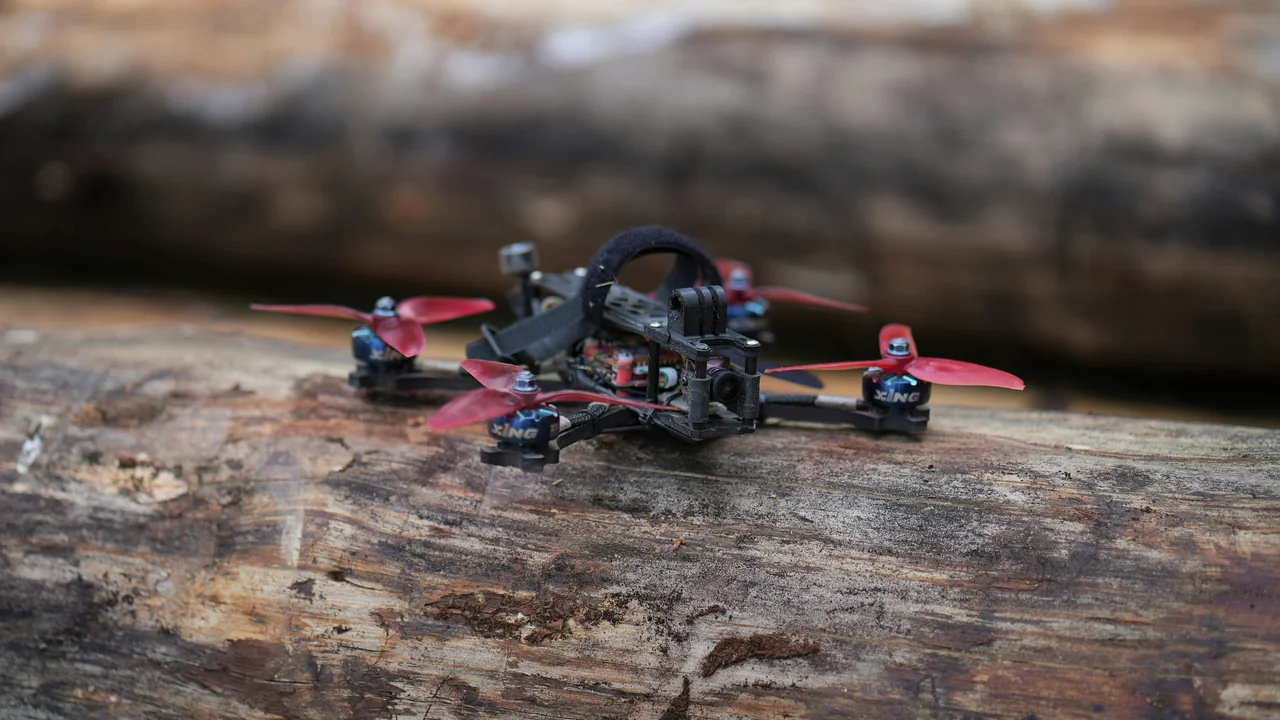
Sydney presents unique challenges because of its complex airspace, heavy population density, and iconic landmarks. Here’s what you need to know for the key locations.
Can You Fly a Drone Over Sydney Harbour?
Sydney Harbour is one of the most photographed locations in the world, but it’s also a minefield of restrictions. The harbour lies within the Sydney Airport control zone (Class C airspace), which means you are automatically restricted by CASA’s 5.5 km rule from the airport boundary. Additionally, the Sydney Harbour Bridge and the Opera House are considered “sensitive locations” under CASA guidelines — flying over them is not permitted without an approval from CASA and the relevant land manager.
For commercial operators, you can apply for a CASA area approval for specific harbour locations, but it requires a detailed operational plan and usually takes 4–6 weeks. Recreational pilots should avoid the harbour entirely unless they are on the northern side (e.g., around Mosman) and well outside the 5.5 km radius.
Drone Rules for Bondi Beach and Other Sydney Beaches
Bondi Beach is managed by Waverley Council, and their local by-law explicitly bans drone take-off and landing on council land, including the beach, the promenade, and the surrounding parks. This applies even if you’re flying a sub-250g drone. The same applies to other popular beaches like Coogee (Randwick Council) and Manly (Northern Beaches Council).
If you want to fly over the ocean near Bondi, you must launch from a public reserve that is not under council control — and even then, you must stay outside the 30-metre distance from people on the sand. In practice, this makes recreational drone flying at Bondi nearly impossible without breaking a rule.
Flying a Drone in the Sydney CBD
The Sydney central business district is entirely within controlled airspace (Class C) due to proximity to Sydney Airport. Recreational drone flying in the CBD is effectively banned unless you are at least 5.5 km from the airport boundary — which only covers areas like Parramatta, Penrith, and Campbelltown. Even then, you must deal with tall buildings, heavy pedestrian traffic, and the 30-metre rule from people.
Commercial operators can apply for an “area approval” from CASA to fly in the CBD, but this is rarely granted unless you have a specific purpose (e.g., building inspection) and a comprehensive safety case. The CASA approval process for Sydney CBD airspace is notoriously strict.
Blue Mountains Drone Rules: What You Need to Know
The Blue Mountains is a World Heritage-listed national park, and drone flying is banned within the entire park boundary under the National Parks and Wildlife Act 1974 (NSW). This includes all popular lookout points like Echo Point (Three Sisters), Wentworth Falls, and Govetts Leap.
The ban is enforced by NSW National Parks and Wildlife Service (NPWS) rangers, who patrol popular areas. Penalties for flying a drone in a national park can reach A$3,000 for an individual. There is no recreational permit available — only commercial operators with a valid CASA RePL and a specific NPWS licence can apply for an exemption, and even then it’s rarely granted for tourism purposes.
NSW National Parks Drones: Which Parks Allow Flying?
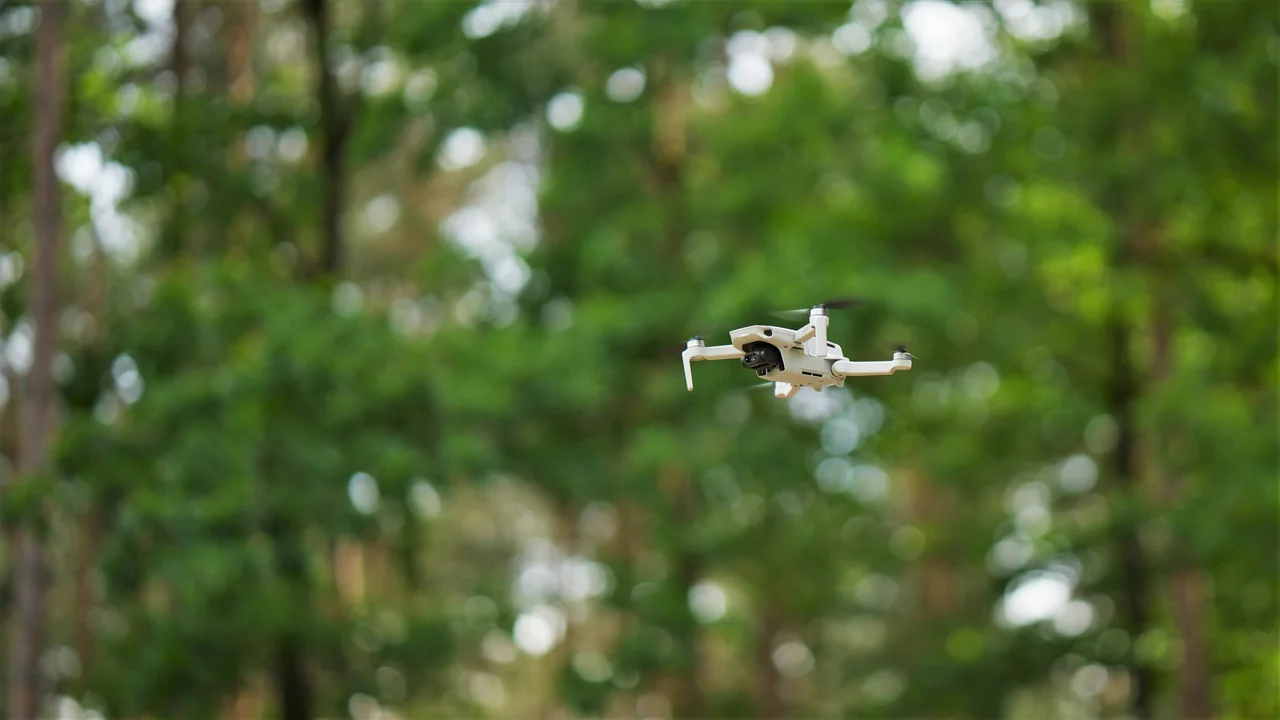
The simple answer is: very few. Under the National Parks and Wildlife Regulation 2019, drones are prohibited in all NSW national parks, nature reserves, state conservation areas, and Aboriginal areas unless you hold a specific NPWS licence. This affects popular spots like:
- Royal National Park — Banned. This includes the Coast Track and Wattamolla.
- Ku-ring-gai Chase National Park — Banned. Includes Bobbin Head and West Head.
- Lane Cove National Park — Banned.
- Garigal National Park — Banned.
- Blue Mountains National Park — Banned (see above).
The only exception is if you hold a “scientific licence” or a “commercial filming licence” from NPWS, which requires public liability insurance (A$20 million minimum) and a detailed risk assessment. Even then, you must comply with CASA rules simultaneously.
Drone Laws in Regional NSW: Hunter Valley, Byron Bay, Newcastle
Outside Sydney, regional NSW offers more flying opportunities, but local rules still apply.
Hunter Valley Drone Flying
The Hunter Valley wine region is largely open for drone flying, as it consists of private vineyards, open farmland, and small towns. You must obtain permission from the landowner before launching (this is a CASA requirement). The area is outside controlled airspace, so you can fly up to 120 metres. However, avoid flying near Cessnock Airport (within 5.5 km) and any helicopter landing pads at wineries.
Byron Bay Drone Rules
Byron Bay is a popular destination, but it comes with strict local council rules. Byron Shire Council has banned drone take-off and landing on all council-managed beaches and reserves, including Main Beach, The Pass, and Wategos Beach. The Cape Byron State Conservation Area (including the lighthouse) is managed by NPWS, so drones are banned there too. Your best bet is to launch from private property outside the township, but you still cannot fly over people on the beach.
Newcastle and Williamtown Airspace
Newcastle is heavily affected by RAAF Base Williamtown, a military airfield with a 5.5 km restricted zone. Most of Newcastle’s coastline — including Nobbys Beach and Merewether Beach — lies within this zone. Recreational drone flying is effectively banned in the city centre and along the coast. You can fly further south, around Lake Macquarie, provided you stay away from the RAAF base and any helicopter landing sites.
Central Coast Beaches: What the Councils Say
The Central Coast (Gosford, Terrigal, Avoca) is managed by Central Coast Council. The council’s by-law prohibits drone flying over all council-managed beaches, parks, and reserves. This means you cannot launch from Terrigal Beach, Avoca Beach, or the Bouddi National Park (NPWS-managed). The only legal option is to fly from private land with the owner’s permission, staying clear of people and beaches.
Summary: Your Action Plan for Flying Legally in NSW
Flying a drone in New South Wales in 2026 requires careful planning. Start by registering your drone with CASA if it weighs 250g or more, and complete the online accreditation. Use the CASA “Can I Fly There?” tool to check airspace before every flight. Remember that NSW national parks are a no-go zone without a rare NPWS licence, and most Sydney beaches ban take-off and landing under local council by-laws. If you’re visiting the Blue Mountains, leave your drone at home — the fines aren’t worth the footage. For the safest flying experience in NSW, head to open farmland in the Hunter Valley or the Central Tablelands, where you have landowner permission and are well outside controlled airspace.
Frequently Asked Questions
What are the basic CASA federal rules for drone flying in NSW?
CASA’s rules apply across all of Australia, including NSW. For drones 250g and over, you must register on the myRPA website (A$20/year) and pass an online accreditation test. Standard operating conditions include: fly only during daylight, keep visual line of sight, stay below 120 metres altitude, remain at least 30 metres from people, and stay at least 5.5 km from controlled aerodromes. Flying over people is prohibited for recreational pilots.
Can I fly a drone in NSW national parks like the Blue Mountains?
No, drone flying is banned in all NSW national parks, nature reserves, and state conservation areas under the National Parks and Wildlife Act. This includes the Blue Mountains, Royal National Park, Ku-ring-gai Chase, and Lane Cove National Park. The only exception is if you hold a specific commercial filming licence from NPWS, which requires A$20 million public liability insurance and a detailed safety case. Recreational permits are not available.
What are the drone laws for Sydney Harbour?
Sydney Harbour sits within the Sydney Airport control zone (Class C airspace), meaning you must stay at least 5.5 km from the airport boundary. This effectively bans recreational flying over most of the harbour. Additionally, the Harbour Bridge and Opera House are sensitive locations where flying is prohibited without CASA approval. Commercial operators can apply for an area approval, but it is rarely granted for tourism purposes. Penalties for unauthorised flights can reach A$13,750.
Is it legal to fly a drone in the Sydney CBD?
Recreational drone flying in the Sydney CBD is effectively banned because the entire city centre lies within Sydney Airport’s controlled airspace (Class C). You must be at least 5.5 km from the airport boundary, which only covers outer suburbs like Parramatta, Penrith, and Campbelltown. Commercial operators can apply for a CASA area approval, but it requires a detailed safety case and is rarely granted for general filming. The dense population and tall buildings also make it difficult to comply with the 30-metre distance from people rule.
Can I fly a drone in the Blue Mountains National Park?
No, drone flying is strictly prohibited in the Blue Mountains National Park under the National Parks and Wildlife Act. This includes all lookout points like Echo Point (Three Sisters), Wentworth Falls, and Govetts Leap. Rangers patrol popular areas and can issue fines of up to A$3,000. The only exception is for commercial operators with a specific NPWS licence, which requires A$20 million insurance and is rarely granted for tourism purposes. Even launching from private land outside the park is risky if your drone enters park airspace.
Are drones allowed in Royal National Park?
No, drones are banned in Royal National Park, which is managed by NSW NPWS. This includes the popular Coast Track, Wattamolla, and all picnic areas. The ban applies to both recreational and commercial operators unless they hold a specific NPWS filming licence. Penalties can reach A$3,000 for individuals. If you want to fly near the coast south of Sydney, you must find private land outside the park boundary with the landowner’s permission.
Can I fly a drone in Ku-ring-gai Chase National Park?
No, drone flying is banned in Ku-ring-gai Chase National Park, which includes popular spots like Bobbin Head, West Head, and the Basin. The park is managed by NSW NPWS, and the same ban applies as for all other national parks. The only exception is for commercial operators with a specific NPWS filming licence, which is rarely granted. The park also lies near the Sydney Airport control zone, adding further airspace restrictions.
What are the drone rules for Bondi Beach?
Bondi Beach is managed by Waverley Council, which has a local by-law banning drone take-off and landing on all council-managed land, including the beach, promenade, and surrounding parks. This applies to all drones, including sub-250g models. You cannot launch from the sand, the grassed area, or the Bondi Pavilion. If you want to fly over the ocean near Bondi, you must launch from private land outside council control and stay at least 30 metres from people on the beach.
Is the Hunter Valley good for drone flying?
Yes, the Hunter Valley wine region is one of the best areas for drone flying in NSW, provided you obtain landowner permission before launching. The area is largely outside controlled airspace, so you can fly up to 120 metres altitude. However, you must avoid Cessnock Airport (5.5 km radius) and any helicopter landing pads at wineries. The region’s open farmland and vineyards make it ideal for capturing scenic footage, but always respect privacy and avoid flying over people at wineries.
What are the drone rules for Byron Bay?
Byron Bay has strict local council rules. Byron Shire Council bans drone take-off and landing on all council-managed beaches and reserves, including Main Beach, The Pass, and Wategos Beach. The Cape Byron State Conservation Area (including the lighthouse) is managed by NPWS, so drones are banned there too. Your only legal option is to launch from private property with the owner’s permission, but you still cannot fly over people on the beach. The area also has a small airport (Byron Bay Airport) with a 5.5 km restricted zone.
Can I fly a drone in Newcastle?
Newcastle is heavily affected by RAAF Base Williamtown, a military airfield with a 5.5 km restricted zone. Most of Newcastle’s coastline, including Nobbys Beach, Merewether Beach, and Bar Beach, lies within this zone, making recreational drone flying effectively banned in the city centre and along the coast. You can fly further south around Lake Macquarie, provided you stay away from the RAAF base and any helicopter landing sites. Always check the CASA “Can I Fly There?” tool for the latest airspace restrictions.
What are the drone rules for Central Coast beaches?
The Central Coast is managed by Central Coast Council, which has a by-law prohibiting drone take-off and landing on all council-managed beaches, parks, and reserves. This includes Terrigal Beach, Avoca Beach, and all foreshore reserves. Bouddi National Park (NPWS-managed) also bans drones. Your only legal option is to fly from private land with the owner’s permission, staying clear of people and beaches. The area also has multiple helicopter landing pads and small airfields, so check airspace before flying.
Last updated: June 25, 2026
- Civil Aviation Safety Authority (CASA) — Part 101 of the Civil Aviation Safety Regulations
- NSW National Parks and Wildlife Service — National Parks and Wildlife Act 1974
- Waverley Council, Byron Shire Council, Central Coast Council — Local by-laws on drone use
Drone Allowed
DroneAllowed editor covering drone regulations, aviation law, and aerial photography across USA, UK, Canada & Australia.