
South Australia Drone Laws 2026: Adelaide, Outback & CASA Rules
 12 min read
2,265 words
12 min read
2,265 words
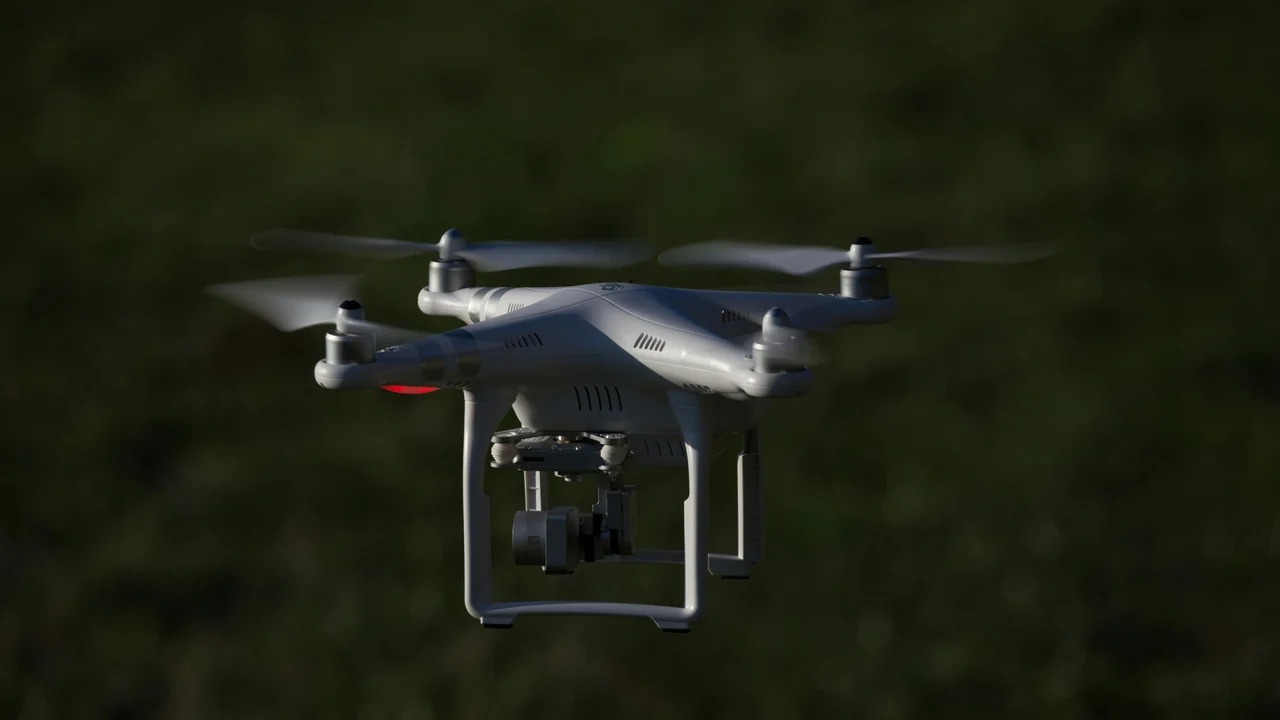
If you’re planning to fly a drone in South Australia in 2026, you need to navigate a mix of federal CASA rules and strict state-level park permits. This guide covers everything from flying near Adelaide Airport to capturing the Flinders Ranges and respecting wildlife on Kangaroo Island, ensuring you stay legal and avoid fines.
What Are the CASA Drone Laws for South Australia in 2026?
Before you launch anywhere in SA, you must comply with the Civil Aviation Safety Authority (CASA) baseline. These are federal rules that apply to every drone pilot in Australia, regardless of the state or territory.
Standard Operating Conditions for Recreational Flyers
For drones weighing 250 grams or more, you must register with CASA via the myrpas portal (A$20 per year) and display your operator accreditation number on the aircraft. The key standard operating conditions include:
- Fly only during daylight hours, within visual line of sight (VLOS).
- Stay at least 30 metres away from other people (not your crew).
- Keep at least 5.5 km away from controlled aerodromes (like Adelaide Airport) unless you have an airspace authorisation.
- Do not fly over or above people, moving vehicles, or emergency operations.
- Respect all no-fly zones, including near prisons, defence bases, and national parks.
Commercial Operations and the RePL
If you plan to earn money from drone footage or services in SA, you need a Remote Pilot Licence (RePL) from an approved training provider. The RePL is specific to the category of drone you operate (e.g., multirotor under 7 kg). You’ll also need an operator accreditation (ReOC) if you employ other pilots.
Drone Laws in Adelaide: Navigating YPAD Airspace
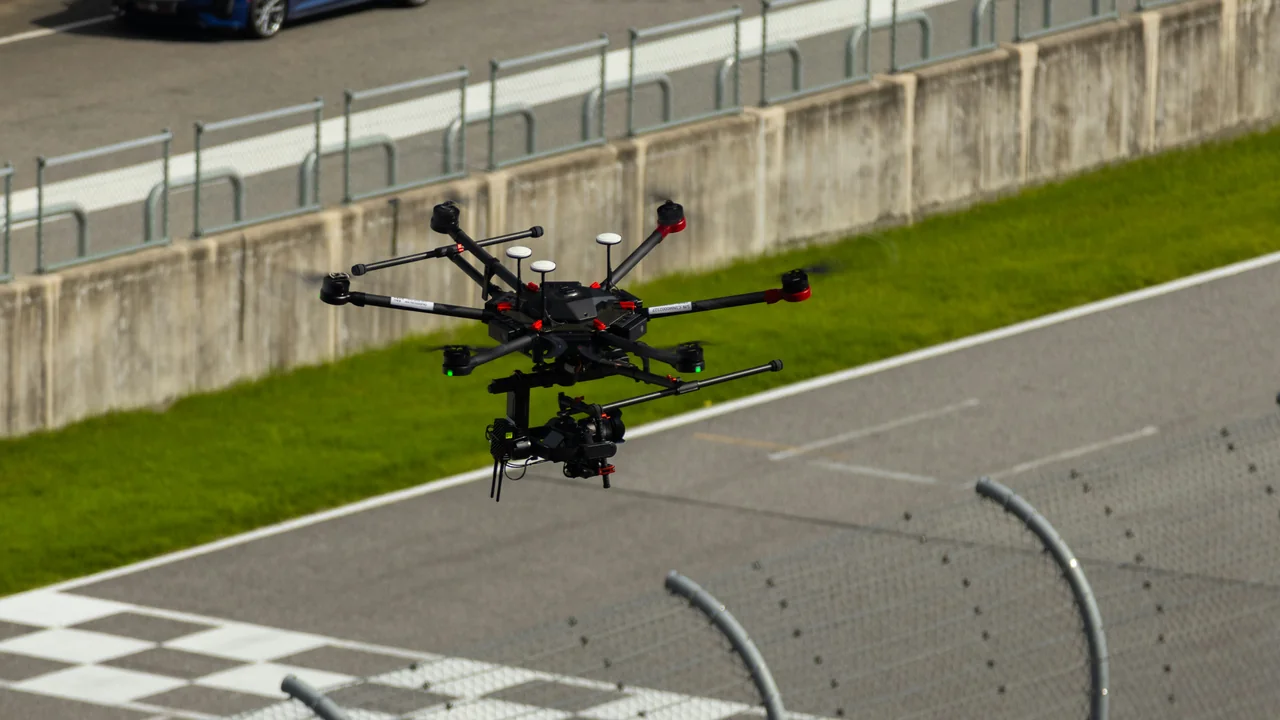
Adelaide is the state’s capital and its airspace is dominated by Adelaide Airport (YPAD), a controlled aerodrome with a 5.5 km radius no-fly zone. For most recreational flyers, this means central Adelaide, the CBD, and suburbs like North Adelaide and Unley are effectively off-limits without an airspace authorisation.
Flying Near Adelaide’s Parks and Beaches
While the city’s public parks (like the Adelaide Park Lands) are technically outside the airport zone, you still need to follow CASA’s 30-metre rule from people. Popular spots like Glenelg Beach or the River Torrens Linear Park are often crowded, making it difficult to fly legally on weekends. Early morning weekday flights offer the best chance of compliance.
Legal Areas Near Adelaide
- Outer suburbs like McLaren Vale (wine region, open paddocks)
- Belair National Park (requires DEW permit — see below)
- Coastal cliffs at Hallett Cove
Restricted Zones
- Adelaide CBD (within 5.5 km of YPAD)
- Adelaide Oval during events
- West Beach and airport approach paths
Flinders Ranges Drone Rules: Permit Process for National Parks
The Flinders Ranges is an iconic outback photography destination, but it’s also a national park managed by the SA Department for Environment and Water (DEW). You cannot fly a drone here without a specific permit, even for recreational purposes.
How to Get a DEW Permit for Flinders Ranges National Park
The permit process is straightforward but requires planning. Here’s the step-by-step:
Go to the SA Parks website and navigate to the ‘Commercial Filming and Photography’ or ‘Drone Use’ section. The permit is officially called a ‘Filming and Photography Permit’ and costs A$50–A$150 depending on duration and purpose.
You’ll need to provide drone details, flight times, and a risk assessment. DEW reviews applications on a case-by-case basis, and approval can take 2–4 weeks. No permit = no flight.
Your permit will specify exact locations (e.g., Wilpena Pound, Bunyeroo Gorge) and times. You cannot deviate. Fly only in designated areas and avoid disturbing wildlife, especially during breeding season (August–November).
Kangaroo Island Drone Rules: Wildlife Sensitivity and Permits
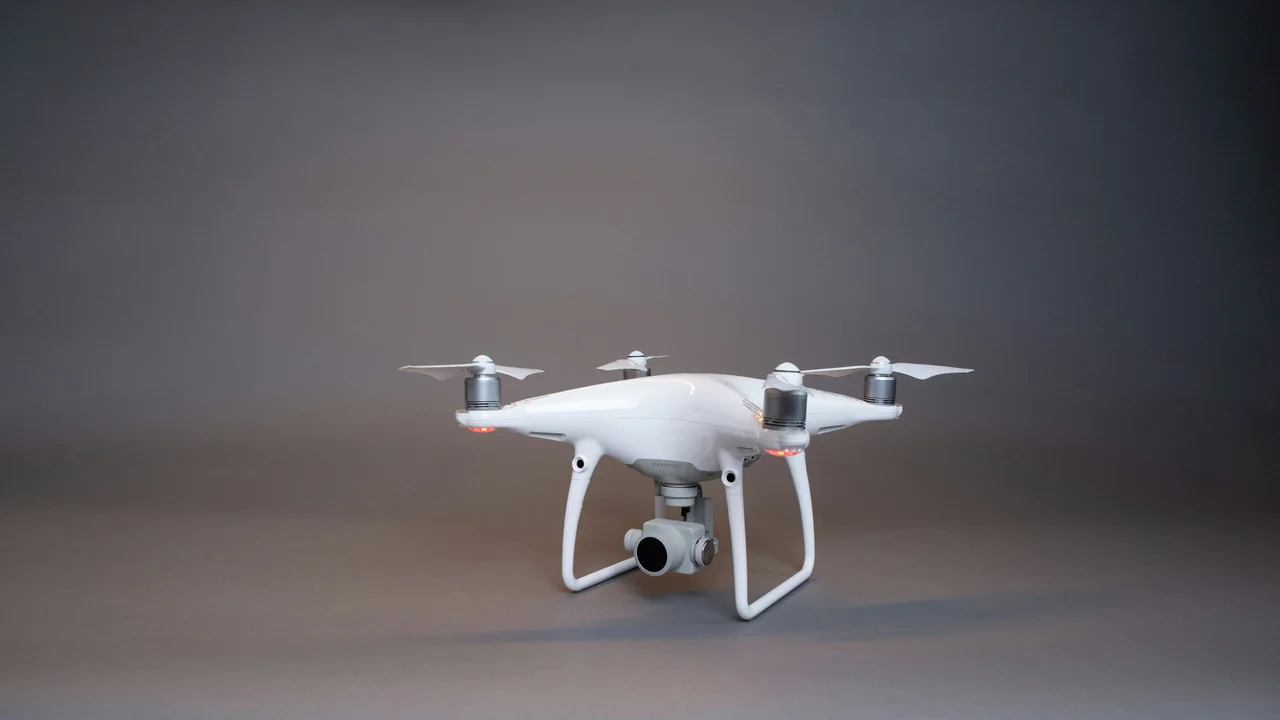
Kangaroo Island is a wildlife haven, home to endangered sea lions, little penguins, and koalas. DEW takes an extremely conservative approach to drone permits here, especially in Flinders Chase National Park.
Flinders Chase National Park Permit Requirements
Flinders Chase (home to Remarkable Rocks and Admirals Arch) requires a DEW permit for any drone operation. The permit is rarely granted for recreational use unless you can demonstrate a clear conservation or educational purpose. Commercial operators have a higher chance but must submit a detailed wildlife management plan.
Flying Near Wildlife: What You Must Know
Even outside national parks, Kangaroo Island’s wildlife is sensitive. Disturbing a sea lion rookery or a little penguin colony can result in fines under the SA National Parks and Wildlife Act. The general rule is to maintain at least 100 metres distance from any wildlife, and never fly directly over nesting birds or marine mammals.
Coorong National Park: Wetlands and Bird Nesting Sensitivity
The Coorong is a wetland of international importance under the Ramsar Convention. It’s a critical breeding ground for migratory birds, including the endangered Orange-bellied Parrot. Drone flights are heavily restricted here.
You need a DEW permit to fly in the Coorong National Park, and approval is unlikely during the peak bird breeding season (August–January). Even with a permit, you must stay at least 200 metres from any bird colony or nesting site. The best practice is to avoid the Coorong entirely for recreational drone use unless you have explicit written permission.
Barossa Valley Drone Laws: Agricultural and Open Spaces
The Barossa Valley is largely agricultural and private land, which means the rules are simpler: you need landowner permission before flying over any vineyard or farm. The region is not a national park, so no DEW permit is required for the airspace itself.
Flying Over Vineyards and Wineries
Most wineries are private property. If you want to capture aerial footage of a cellar door or vineyard, you must ask the owner or manager first. Many are happy to oblige, especially if you credit them or share the footage. However, flying over active harvest operations or near livestock (like sheep) can cause stress, so use common sense.
Mount Gambier Drone Rules: YMMG Airspace and Blue Lake
Mount Gambier is a regional city with a controlled aerodrome (YMMG). The 5.5 km restriction applies, covering the town centre and the famous Blue Lake. The Blue Lake itself is a popular drone photography spot, but it’s within the airport zone.
For legal flights, head south to the coastal cliffs at Port MacDonnell or east to the Piccaninnie Ponds Conservation Park (which requires a DEW permit). Always check your position relative to YMMG using CASA’s app or the No-Fly Zone Checker before taking off.
Outback SA Drone Laws: Remote Flying Considerations
Flying in the SA outback — places like the Oodnadatta Track, Coober Pedy, or the Simpson Desert — presents unique challenges. While the airspace is usually unrestricted (no controlled aerodromes), you still face practical and legal hurdles.
Landowner Permission on Pastoral Leases
Most outback SA is pastoral lease land (station property). You need the station manager’s permission to fly over their land. This is a legal requirement under SA trespass laws, not just drone rules. Many stations are happy to allow flights if you ask at the homestead.
Remote Area Safety
Outback flying means limited mobile reception and no emergency services nearby. Always carry a personal locator beacon (PLB) and ensure your drone’s battery can handle the flight time. Also, be aware of wildlife — kangaroos and emus can be startled by drones, so keep a safe distance.
DEW Permit Application Process: Step-by-Step Guide
Here’s a consolidated guide for obtaining a DEW permit for any SA national park or reserve:
Any drone flight in a SA national park, conservation park, or reserve requires a DEW Filming and Photography Permit. This includes Flinders Ranges, Flinders Chase, Coorong, Belair, and Cleland.
Applications are submitted via the SA Parks website. You’ll need to specify park name, dates, drone model, and flight plan. A risk assessment is mandatory for commercial operators.
DEW aims to process applications within 10 business days, but during peak season (spring/summer) it can take 3–4 weeks. Apply well in advance.
Recreational permits are A$50 for a single day, A$100 for a week. Commercial permits start at A$150. Payment is via credit card.
Print a copy or save it on your phone. Park rangers can ask to see it at any time. Non-compliance results in fines starting at A$315.
Summary: Flying Legally in South Australia
South Australia offers incredible drone photography opportunities, from the red gorges of the Flinders Ranges to the wildlife-rich coast of Kangaroo Island. The key is to plan ahead. Register your drone with CASA (if over 250g), check airspace using the No-Fly Zone Checker, and apply for DEW permits well in advance for any national park flights. Remember that wildlife sensitivity is taken seriously — always keep your distance, especially on Kangaroo Island and the Coorong. For commercial work, ensure you hold a valid RePL and operator accreditation. Use the Weight Checker to confirm if your drone needs registration. Fly smart, respect the rules, and you’ll capture stunning footage without legal headaches.
Frequently Asked Questions
Are drones allowed in Flinders Ranges National Park?
Drones are not permitted in Flinders Ranges National Park without a specific DEW Filming and Photography Permit. Recreational flights are generally denied unless you can demonstrate a conservation or educational purpose. Commercial operators have a higher chance of approval but must submit a detailed risk assessment. The permit costs between A$50 and A$150 depending on duration, and processing takes 2–4 weeks.
Can I fly a drone on Kangaroo Island?
You can fly a drone on Kangaroo Island outside of national parks, provided you follow CASA’s standard operating conditions. However, Flinders Chase National Park (home to Remarkable Rocks and Admirals Arch) requires a DEW permit, which is rarely granted for recreational use. The island’s wildlife is extremely sensitive, especially sea lions and little penguins. DEW has a blanket ban in some coastal areas during seabird nesting season (September to February).
What are the drone laws in Adelaide?
Adelaide’s drone laws are governed by CASA’s 5.5 km no-fly zone around Adelaide Airport (YPAD), which covers the CBD and inner suburbs. You cannot fly in this zone without an airspace authorisation. Outside the zone, you must follow standard rules: 120 metres max altitude, 30 metres from people, and daylight only. Parks like the Adelaide Park Lands are legal if you maintain distance from crowds. Always check the CASA ‘Can I Fly There?’ tool before flying.
Are drones allowed in the Barossa Valley?
Yes, drones are generally allowed in the Barossa Valley because it is not a national park. However, nearly all land is private property (vineyards, farms, wineries), so you need landowner permission before flying over any specific property. The region is also within 5.5 km of the Gawler Aerodrome (YGAW), so check airspace restrictions. For the best legal spots, head to public reserves or open paddocks away from active farming operations.
Can I fly a drone in SA National Parks?
Flying a drone in SA National Parks is prohibited without a DEW Filming and Photography Permit. This includes all parks managed by the Department for Environment and Water, such as Flinders Ranges, Flinders Chase, Coorong, Belair, and Cleland. Permits are issued on a case-by-case basis and are more readily granted for commercial or educational purposes. Recreational flyers are often denied, especially in ecologically sensitive areas. Fines for flying without a permit start at A$315.
Do I need CASA approval for commercial drone use in SA?
Yes, for any commercial drone operation in South Australia, you need a Remote Pilot Licence (RePL) from a CASA-approved training provider and an operator accreditation (ReOC) if you employ other pilots. The RePL is specific to the drone category (e.g., multirotor under 7 kg). You must also register the drone with CASA via myrpas (A$20 per year). Commercial flights in national parks require an additional DEW permit on top of CASA approval.
Last updated: June 25, 2026
- CASA (Civil Aviation Safety Authority) — drones.casa.gov.au
- SA Department for Environment and Water (DEW) — parks.sa.gov.au
- Airservices Australia — airservicesaustralia.com
- National Parks and Wildlife Act 1972 (SA)
Drone Allowed
DroneAllowed editor covering drone regulations, aviation law, and aerial photography across USA, UK, Canada & Australia.