
Arizona Drone Laws 2026: Grand Canyon, State Parks & Desert Rules
 12 min read
2,317 words
12 min read
2,317 words
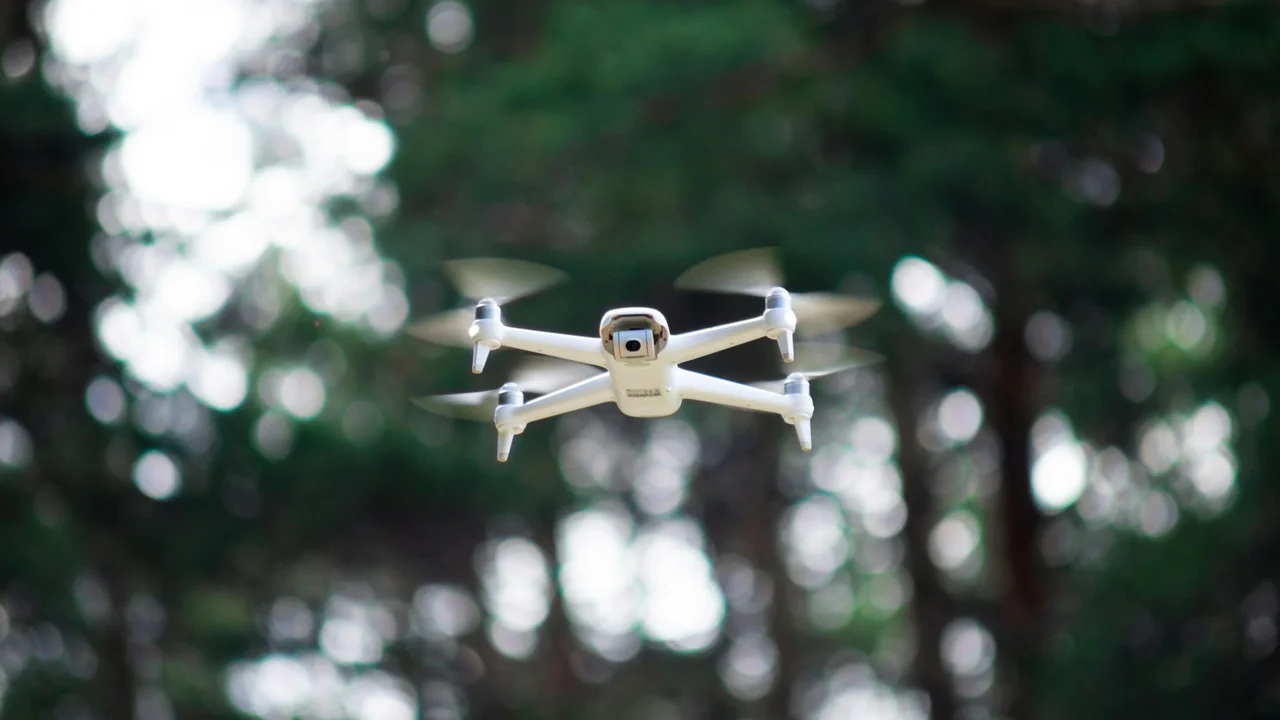
Planning a drone flight in Arizona in 2026? You likely have two main questions: can you fly at the Grand Canyon, and what are the specific Arizona drone laws for the rest of the state? The answer to the first question is immediate and absolute: no. Drones are completely banned in all National Park Service (NPS) units, and the Grand Canyon is the most strictly enforced airspace in the state. This guide covers every major location you need to know about—from the red rocks of Sedona to the slot canyons of Antelope Canyon and the busy skies above Phoenix—so you can fly legally and avoid fines.
Federal Baseline: The FAA Rules You Must Follow in Arizona
Before you look at any state or local rule, you must comply with the Federal Aviation Administration (FAA). These rules apply to all drone operations in Arizona, from Flagstaff to Tucson.
If your drone weighs more than 0.55 pounds (250 grams), you must register it on the FAA DroneZone website. This includes popular models like the DJI Mini 3 Pro, the Mini 4 Pro, and the Autel Nano series. You must also pass The Recreational UAS Safety Test (TRUST) and carry proof of completion. For commercial pilots, a Part 107 Remote Pilot Certificate is required. You must always fly below 400 feet AGL, keep your drone in visual line of sight, and avoid flying over people or moving vehicles unless you have a waiver. The FAA uses the LAANC system for airspace authorization, which you need if you want to fly in controlled airspace near airports.
Grand Canyon National Park: Complete Drone Ban
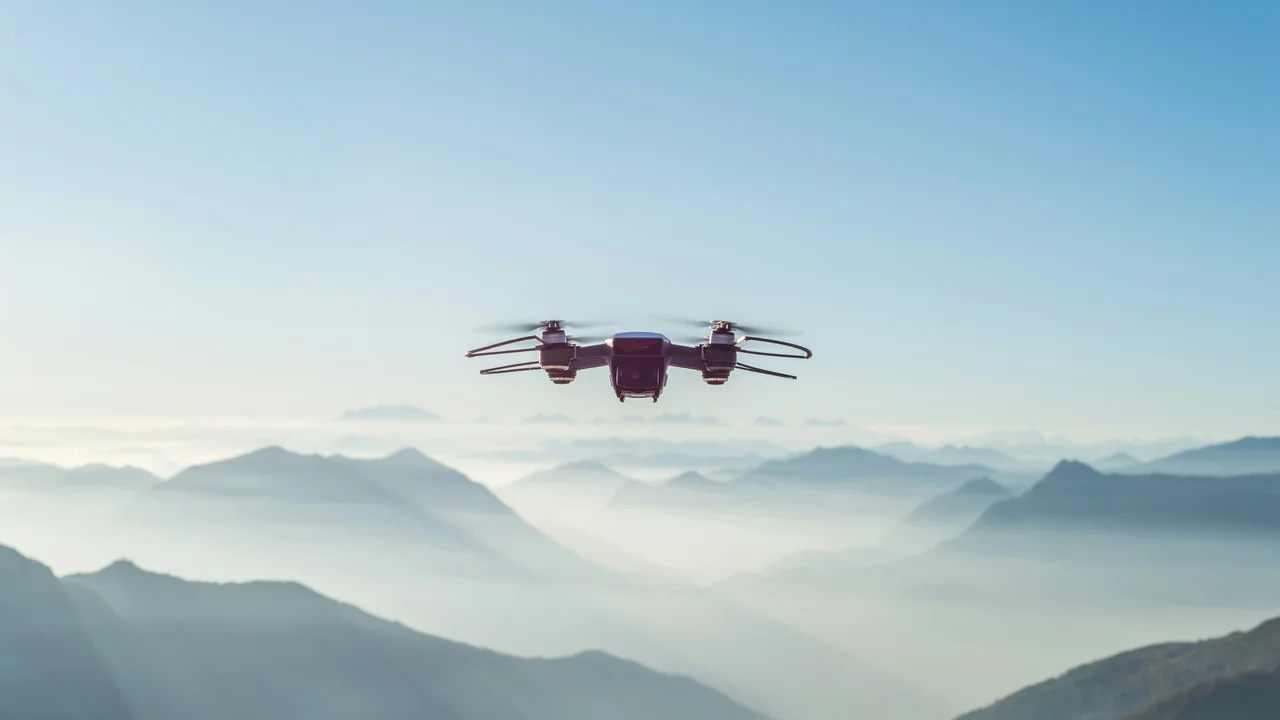
The Grand Canyon is the most popular drone destination in Arizona that you absolutely cannot fly in. The National Park Service banned all unmanned aircraft in 2014 under Policy Memorandum 14-05. This is a zero-exception rule. There is no permit process for recreational or commercial drone flights inside park boundaries.
The ban covers the entire park, including the South Rim, North Rim, and the inner canyon. The National Park Service actively patrols for drones, and rangers have issued citations to tourists who tried to launch from overlooks. If you want aerial footage of the canyon, you must fly from adjacent public lands outside the park boundary, such as Kaibab National Forest or BLM land near Tusayan. However, you cannot fly over the canyon itself because the airspace above the park is also restricted under the NPS rule.
What About Flying from Tusayan or Kaibab National Forest?
You can legally launch a drone from the Kaibab National Forest, which borders the South Rim. The forest is managed by the U.S. Forest Service, and drones are allowed unless a temporary flight restriction (TFR) is in place. However, you cannot fly your drone across the boundary into Grand Canyon National Park airspace. The NPS considers any flight over park land a violation, even if you launched from outside. Use a No-Fly Zone Checker to verify the exact park boundary before you launch.
Saguaro National Park and Petrified Forest National Park: Also Banned
Both Saguaro National Park near Tucson and Petrified Forest National Park near Holbrook fall under the same NPS drone ban. There are no exceptions for recreational or commercial use. If you want to capture the iconic saguaro cacti from the air, you must fly from adjacent Saguaro Wilderness Area or Coronado National Forest land. For Petrified Forest, the nearby Apache-Sitgreaves National Forests allow drone flights, but you must stay outside the park boundary.
Arizona State Parks: Permits Required for Drones
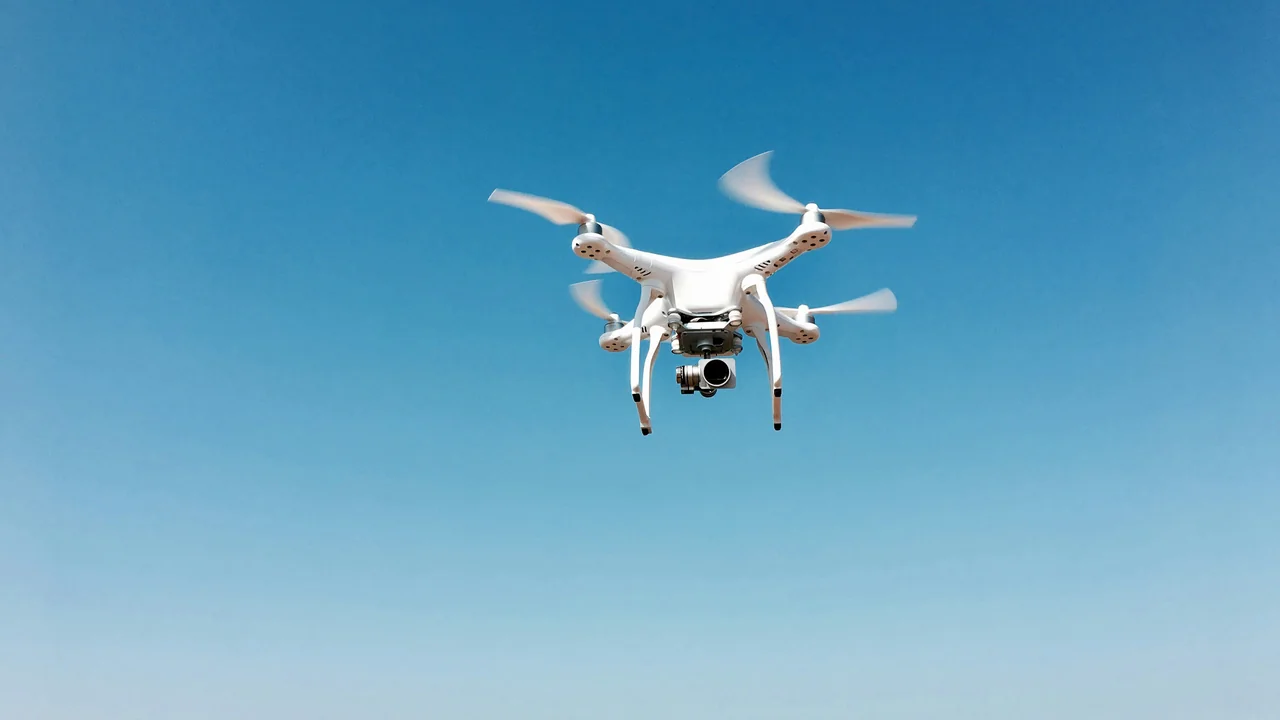
Arizona State Parks and Trails manages over 30 parks, including popular spots like Slide Rock State Park and Kartchner Caverns. The agency has a specific drone policy: drones are prohibited in all state parks unless you obtain a Special Use Permit. Permits are typically granted for commercial filming or scientific research, not for recreational flights. You must apply at least 30 days in advance and provide proof of insurance and a Part 107 certificate.
| State Park | Drone Policy | Permit Required? |
|---|---|---|
| Slide Rock State Park | Prohibited | Yes (Special Use) |
| Kartchner Caverns | Prohibited | Yes (Special Use) |
| Lost Dutchman State Park | Prohibited | Yes (Special Use) |
| Dead Horse Ranch State Park | Prohibited | Yes (Special Use) |
Sedona Drone Rules: City Ordinance and Red Rock State Park
Sedona is the second most searched drone location in Arizona, and the regulations are strict. The City of Sedona passed an ordinance in 2017 that prohibits drone takeoffs, landings, and operations on all city-owned property, including parks, trails, and open spaces. This includes popular spots like Cathedral Rock and Bell Rock trailheads. Additionally, Red Rock State Park is a state park, so drones are banned there without a permit.
You can fly from private property with the landowner’s permission, but you cannot launch from any public land within city limits. The Sedona Police Department has issued citations for drone flights in the past. If you want aerial views of the red rocks, you must fly from the Coconino National Forest, which surrounds Sedona. The forest allows drones, but you must stay 400 feet AGL and avoid flying over people or sensitive cultural sites.
Phoenix Airspace: Busy Class B and LAANC Authorization
Phoenix is home to Phoenix Sky Harbor International Airport (PHX), which is a Class B airspace. You cannot fly within 5 miles of the airport without LAANC authorization. The entire Phoenix metro area is covered by controlled airspace, and flying without authorization is a violation of FAA regulations. Use the FAA’s B4UFLY app or a No-Fly Zone Checker to see exactly where you can fly.
Check the Airspace Map
Use the FAA’s LAANC system or a third-party app to see if your flight location is in controlled airspace.
Request LAANC Authorization
Submit an authorization request through an approved UAS Service Supplier. Approval is usually instant for altitudes below 200 feet.
Fly in City Parks
Phoenix city parks like Encanto Park and Papago Park allow drones as long as you stay away from people and follow FAA rules.
Scottsdale (SDL) Airport Proximity
Scottsdale Airport (SDL) is a busy general aviation airport with Class D airspace. If you are flying in Scottsdale, you must be aware of the approach and departure paths. The city of Scottsdale has no specific drone ordinance, but you must follow FAA rules and avoid flying over people or private property without permission. The entire area around SDL requires LAANC authorization.
Lake Powell: NPS vs. BLM Jurisdiction
Lake Powell straddles the border between Utah and Arizona and is managed by both the National Park Service (Glen Canyon National Recreation Area) and the Bureau of Land Management (BLM). The NPS portion of Lake Powell, which includes the main marina and popular beaches, has a drone ban. However, the BLM-managed portions of the shoreline and the surrounding desert allow drone flights.
To fly at Lake Powell, you must be on BLM land. The BLM permits drone flights for recreational and commercial use, but you must follow FAA rules and avoid disturbing wildlife or other visitors. The NPS has rangers patrolling the lake, and they will issue citations if you launch from a NPS-managed beach. Always check the specific boundary before flying.
Antelope Canyon: Private Navajo Land
Antelope Canyon is located on the Navajo Nation, which is a sovereign tribal nation. The Navajo Nation has its own drone regulations. You cannot fly a drone on Navajo land without a permit from the Navajo Nation Parks and Recreation Department. The permit process is strict and requires proof of insurance and a detailed flight plan. Most tour operators do not allow drones on their tours because of liability concerns.
Monument Valley: Navajo Nation Permit Required
Monument Valley is also on the Navajo Nation. The same permit requirement applies. You must contact the Navajo Nation Parks and Recreation Department to apply for a commercial filming or drone permit. The process can take several weeks, and the fees are higher than standard state permits. Recreational drone flights are generally not allowed unless you have explicit permission from the tribe.
BLM Land in Arizona: Generally Open for Drone Flights
The Bureau of Land Management manages millions of acres in Arizona, and drones are allowed on most BLM land. This includes popular areas like the Sonoran Desert National Monument, the Gila Box Riparian National Conservation Area, and the desert around Lake Havasu. You must follow FAA rules and avoid flying over cultural sites, archaeological areas, or wildlife habitats. The BLM does not require a permit for recreational drone flights, but commercial operations may need a filming permit.
Pros of BLM Flying
- No permit needed for recreational flights
- Vast open spaces with minimal restrictions
- Great for desert landscapes and wildlife
Cons of BLM Flying
- No drone flights near cultural sites
- Must avoid livestock and wildlife
- No flying over designated wilderness areas
Commercial Filming Permits for State and Federal Land
If you are a commercial drone pilot, you need more than just a Part 107 certificate. For Arizona State Parks, you need a Special Use Permit. For National Forest land (Coconino, Kaibab, Apache-Sitgreaves), you need a Commercial Filming Permit from the U.S. Forest Service. The permit costs $100 for a 10-day shoot and requires proof of insurance. For BLM land, you need a BLM Filming Permit if your operation involves more than a small crew. The process takes 30 to 60 days, so plan ahead.
Frequently Asked Questions
Are drones allowed at the Grand Canyon?
No, drones are completely banned in Grand Canyon National Park. The National Park Service prohibits all unmanned aircraft under Policy Memorandum 14-05. There are no exceptions for recreational or commercial flights. Violators face fines up to $5,000 and possible jail time.
Can I fly a drone in Sedona, Arizona?
You cannot fly a drone on city-owned property in Sedona due to a 2017 city ordinance. Red Rock State Park also bans drones without a permit. You can fly from private property with permission or from the surrounding Coconino National Forest, as long as you follow FAA rules.
What are the drone rules in Phoenix?
Phoenix is in Class B airspace near Sky Harbor International Airport. You must obtain LAANC authorization before flying anywhere in the metro area. City parks like Encanto Park allow drones as long as you stay away from people and follow FAA altitude limits. Always check airspace maps before launching.
Is Antelope Canyon open to drone flying?
Antelope Canyon is on Navajo Nation land, and drones are not allowed without a permit from the Navajo Nation Parks and Recreation Department. Most tour operators prohibit drones on their tours. Flying without a permit is a violation of tribal law and can result in confiscation of your drone and fines.
Can I fly a drone at Lake Powell?
It depends on where you are. The NPS-managed portions of Lake Powell (Glen Canyon National Recreation Area) ban drones. The BLM-managed shoreline and desert areas allow drones. You must be on BLM land to fly legally. Always verify the boundary before launching, as NPS rangers patrol the area.
Do I need a permit for drones in Arizona State Parks?
Yes, you need a Special Use Permit for any drone flight in Arizona State Parks. Permits are typically granted only for commercial filming or scientific research. You must apply at least 30 days in advance and provide proof of insurance and a Part 107 certificate. Recreational flights are generally not approved.
Can I fly a drone in the Grand Canyon?
No. The Grand Canyon National Park has a strict ban on drone takeoff, landing, and operation from all park lands. This includes the South Rim, North Rim, and the inner canyon. Violators face fines up to $5,000.
Do I need a permit to fly in Sedona?
It depends on the specific location. You cannot fly from city parks or Red Rock State Park. You can fly over Coconino National Forest without a permit, as long as you follow FAA rules and launch from national forest land.
Is it legal to fly a drone on Navajo Nation land?
Generally, no. Drone flights on Navajo Nation land, including Antelope Canyon and Monument Valley, are prohibited without a special commercial filming permit. Recreational flights are not approved.
What is the maximum altitude for drones in Arizona?
The FAA limit is 400 feet above ground level (AGL) for all drone flights in uncontrolled airspace. In controlled airspace near airports, the altitude may be lower based on LAANC authorization.
Can I fly a drone at Lake Powell?
Only from BLM land outside the Glen Canyon National Recreation Area boundary. The NPS portion bans drones. Check the boundary map before flying.
Last updated: June 25, 2026
- Federal Aviation Administration (FAA) – faa.gov
- National Park Service – Policy Memorandum 14-05
- Arizona State Parks and Trails – azstateparks.com
- Navajo Nation Parks and Recreation – navajonationparks.org
- Bureau of Land Management Arizona – blm.gov/arizona
Drone Allowed
DroneAllowed editor covering drone regulations, aviation law, and aerial photography across USA, UK, Canada & Australia.