
Missouri Drone Laws 2026: Lake of the Ozarks, Gateway Arch & Rules
 14 min read
2,699 words
14 min read
2,699 words
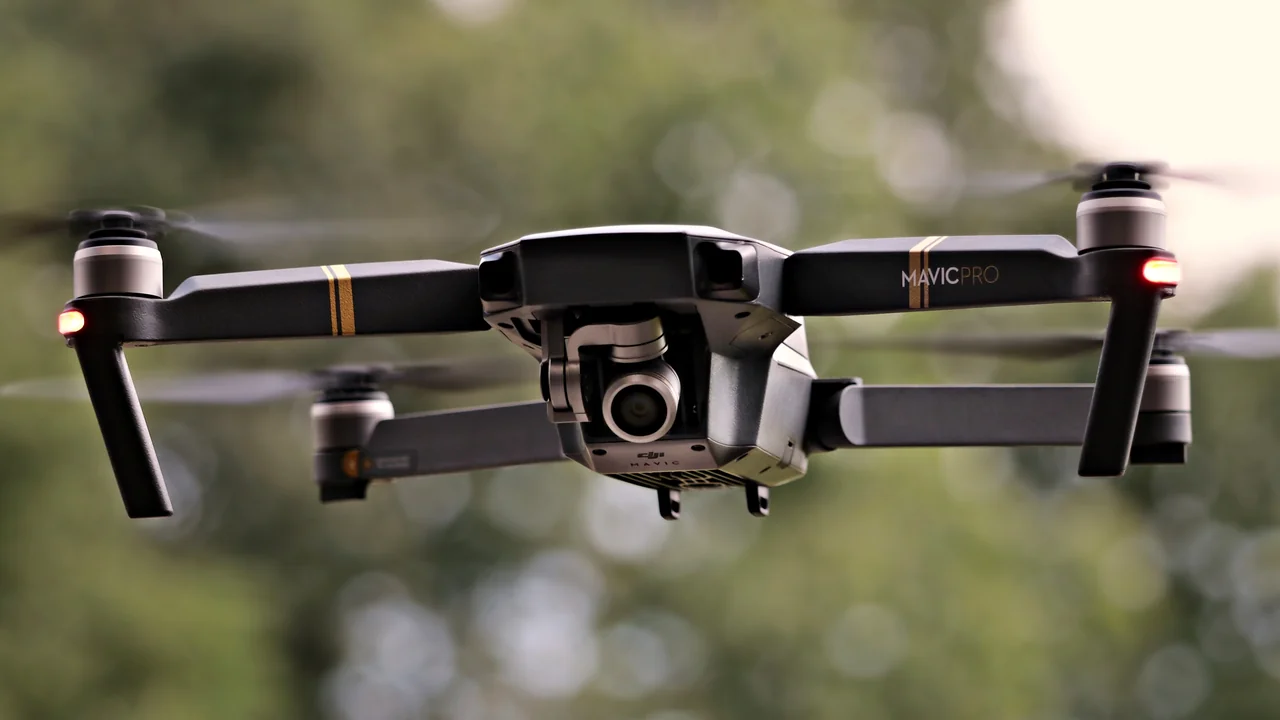
Federal FAA Drone Rules You Must Follow in Missouri
Before you consider any state-specific rules, you must comply with the FAA’s national drone regulations. These apply everywhere in Missouri, from downtown St. Louis to the remote Ozark forests.
If your drone weighs more than 0.55 pounds (250 grams), you must register it with the FAA through the FAA DroneZone (faadronezone.faa.gov) for a $5 fee that covers three years. This applies to nearly every consumer drone, including the DJI Mini 4 Pro if you add accessories that push it over the weight limit. Use our Weight Checker to confirm your drone’s status.
For recreational flyers, you must pass The Recreational UAS Safety Test (TRUST) and carry proof of completion. For commercial operations, you need a Part 107 Remote Pilot Certificate. The altitude limit is 400 feet above ground level (AGL), and you must always maintain visual line of sight with your drone. You cannot fly over people or moving vehicles without specific waivers.
LAANC and Controlled Airspace in Missouri
The FAA uses the LAANC (Low Altitude Authorization and Notification Capability) system to grant real-time airspace authorizations. Most of Missouri’s major cities have controlled airspace that requires LAANC approval before you can fly. You can check airspace restrictions using our No-Fly Zone Checker before heading out.
Missouri Drone Statute — RSMo 305.230

Missouri has a state drone law codified as Revised Statutes of Missouri (RSMo) Section 305.230. This law was enacted to address privacy concerns and restrict certain drone operations. It specifically prohibits using a drone to capture images of private property or individuals without consent if that person has a reasonable expectation of privacy.
The law makes it a class A misdemeanor to use a drone to photograph or record someone in a place where they would reasonably expect privacy, such as inside their home or in a backyard with a fence. What does this mean for your flight? You cannot fly low over residential backyards or peer into windows—even accidentally. Always maintain a safe distance from private residences and avoid hovering over fenced yards.
Gateway Arch National Park Drone Rules
The Gateway Arch is one of the most visited National Park Service (NPS) units in the United States, and drone flying is completely banned here. The NPS has a nationwide policy prohibiting the launching, landing, or operation of unmanned aircraft on all NPS-administered lands. The Gateway Arch National Park is no exception.
This ban covers the entire park, including the Arch grounds, the museum, and the surrounding green space. The park is the smallest national park in the country at just 91 acres, but it is entirely off-limits. If you try to launch from outside the park boundary, you still risk violating the ban if your drone enters the airspace above the park. The NPS and National Park Service rangers actively enforce this rule, and fines can reach up to $5,000.
Ozark National Scenic Riverways — No Drones
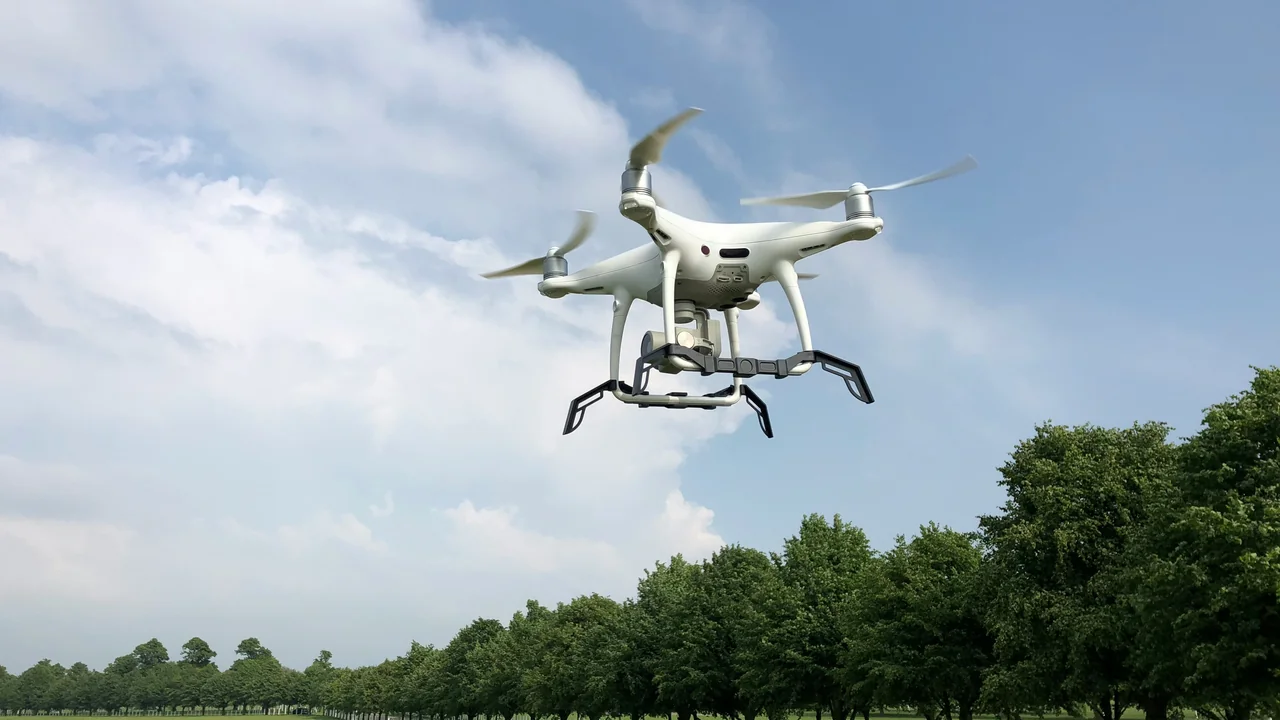
The Ozark National Scenic Riverways is a protected area managed by the National Park Service, covering over 80,000 acres along the Current and Jacks Fork rivers. As with all NPS units, drone operation is prohibited within the park boundaries. This bans flying over the rivers, the surrounding forests, and any developed areas like the Alley Spring or Round Spring visitor centers.
This is a popular destination for canoeing, kayaking, and fishing, but you cannot capture aerial footage of the rivers from a drone. The NPS enforces this ban strictly because drones disturb wildlife, disrupt the quiet natural experience, and can interfere with emergency response operations. If you plan to visit the Ozark National Scenic Riverways, leave your drone at home or fly only outside the park boundary on private land with permission.
Wilson’s Creek National Battlefield — Drone Ban
Wilson’s Creek National Battlefield near Springfield, Missouri, is another NPS site where drones are banned. This Civil War battlefield is a sacred historic site, and the NPS prohibits drones to preserve the solemn atmosphere and protect the landscape. The ban covers the entire battlefield, including the visitor center, the historic homes, and the driving tour route.
If you are a history enthusiast wanting aerial shots of the battlefield, you will be disappointed. The ban is absolute, and rangers patrol the area regularly. The nearest legal flying locations would be on private property outside the park boundary, but you must have landowner permission.
St. Louis Airspace — STL and SUS Airports
St. Louis has two major airports that create significant controlled airspace: Lambert-St. Louis International Airport (STL) and Spirit of St. Louis Airport (SUS). The Class B airspace around STL extends in a complex ring, and much of downtown St. Louis, including the Gateway Arch, falls within this controlled zone.
To fly a drone in St. Louis, you must use the LAANC system to request authorization. The process is quick—typically approved in seconds—but you need a solid flight plan. The airspace around the Arch is particularly sensitive because of its proximity to STL’s approach paths. Even with LAANC approval, you are still subject to the Gateway Arch National Park drone ban if your drone enters the park’s airspace.
Drone Laws St. Louis — Specific Guidance
For drone laws in St. Louis specifically, the city has no additional municipal drone ordinances beyond state and federal law. However, you must respect the privacy laws under RSMo 305.230. The downtown area, Forest Park, and the Missouri Botanical Garden are popular spots, but each has its own rules. Forest Park is not a state park—it is a city park—and St. Louis city parks generally allow drones unless posted otherwise. Always check for signs before launching.
Kansas City Airspace — MCI Airport
Kansas City International Airport (MCI) has Class B airspace that covers a large area north of the city. Downtown Kansas City, including the Power & Light District and the Country Club Plaza, falls within Class C airspace, which also requires LAANC authorization. The airspace is less restrictive than St. Louis, but you still need to request approval through LAANC for any flight within the controlled zones.
Kansas City’s parks, such as Loose Park and Swope Park, are city parks and generally allow drone flying unless there are special events or posted restrictions. The Kansas City Zoo and Union Station are private property, so you need permission from the property owner.
Missouri State Parks Drone Policy
The Missouri Department of Natural Resources (MDC) manages Missouri state parks, and the drone policy here is more permissive than NPS sites but still has important restrictions. As of 2026, drones are allowed in Missouri state parks for recreational use, but you must follow specific rules:
- You cannot launch or land from inside a state park without a special use permit.
- You must maintain 400 feet altitude and avoid disturbing wildlife or other visitors.
- You cannot fly over developed areas, campgrounds, or visitor centers.
- Commercial drone operations require a commercial use permit from the MDC.
This means you can fly over the park from outside the boundary, but you cannot use the park as your launch point. Many pilots launch from adjacent public roads or private land. The policy is designed to balance recreational flying with visitor safety and wildlife protection.
Elephant Rocks State Park — Drone Guidance
Elephant Rocks State Park near Graniteville is a popular destination with giant granite boulders. The MDC policy applies here: you cannot launch from inside the park, but you can fly over it if you launch from outside. The park is relatively small, so finding a legal launch point on the adjacent highway or private land is feasible. Be cautious of hikers and the unique rock formations—avoid low passes over people.
Lake of the Ozarks Drone Rules
The Lake of the Ozarks is one of the most popular recreation lakes in the Midwest, and drone flying here is common but comes with significant caveats. The lake itself is not a single entity—it is a large reservoir with a mix of public and private shoreline. The key issue is that most of the shoreline is private property, owned by homeowners, resorts, and marinas.
For Lake of the Ozarks drone operations, the best practice is to launch from a public boat ramp or a public access point. The Missouri Department of Conservation manages some public lands around the lake, and drones are generally allowed there as long as you follow the MDC rules. Avoid flying over private docks, backyards, or swimming areas. The privacy law under RSMo 305.230 applies strongly here—homeowners on the lake value their privacy, and complaints to local law enforcement are common.
Mark Twain National Forest Drone Policy
Mark Twain National Forest covers 1.5 million acres across southern Missouri, and it is one of the best places in the state for drone flying. The US Forest Service (USFS) generally allows drones on national forest land, but there are restrictions. You cannot fly in designated Wilderness Areas, which are marked on USFS maps. You also cannot disturb wildlife, including the endangered Indiana bat, or interfere with firefighting operations.
For most of the forest, including popular areas like the Bell Mountain Wilderness (note: Wilderness Area, so no drones), the Taum Sauk Mountain area, and the Elephant Rocks State Park adjacent land, you can fly freely as long as you follow FAA rules. The forest is vast, so you can find remote locations with minimal airspace restrictions. Always check for temporary flight restrictions (TFRs) due to wildfires or military training in the area.
Summary
Missouri drone laws in 2026 require you to navigate a layered system of federal, state, and local rules. The FAA baseline applies everywhere, with registration, TRUST or Part 107, and 400-foot altitude limits. The state’s privacy law (RSMo 305.230) adds a layer of caution around private property, especially at the Lake of the Ozarks. National Park Service sites like the Gateway Arch, Ozark National Scenic Riverways, and Wilson’s Creek National Battlefield are completely off-limits. Missouri state parks allow overflight but not launching from within. Mark Twain National Forest is the most drone-friendly public land in the state.
My actionable recommendation: Before any flight in Missouri, check airspace with our No-Fly Zone Checker. For the Gateway Arch, accept that you cannot fly—enjoy the view from the ground. At the Lake of the Ozarks, launch from public ramps and respect private property. In Mark Twain National Forest, you have the most freedom. Always carry proof of registration and TRUST or Part 107 certificate, and be prepared to explain Missouri’s privacy law if questioned by law enforcement.
Frequently Asked Questions
Are drones allowed at Gateway Arch?
No, drones are completely banned at the Gateway Arch National Park. The National Park Service prohibits all unmanned aircraft operations on NPS-administered lands, and the Gateway Arch is one of the most strictly enforced sites in the country. This ban covers the entire 91-acre park, including the Arch grounds, the museum, and the surrounding green space. Violators face fines up to $5,000, and rangers actively patrol the area.
Can I fly a drone at Lake of the Ozarks?
Yes, you can fly a drone at Lake of the Ozarks, but you must be careful about private property. The lake has mostly private shoreline, so you cannot fly low over homes, docks, or backyards without permission. The best practice is to launch from a public boat ramp or a Missouri Department of Conservation access point. You can fly over the water freely as long as you stay under 400 feet AGL and avoid flying over boats with people. Always respect Missouri’s privacy law (RSMo 305.230), which prohibits capturing images of people in private areas without consent.
What are the drone rules in St. Louis?
In St. Louis, you must comply with FAA controlled airspace rules due to Lambert-St. Louis International Airport (STL) and Spirit of St. Louis Airport (SUS). Most of downtown St. Louis falls within Class B or Class C airspace, requiring LAANC authorization before you can fly. The Gateway Arch National Park is completely off-limits. City parks like Forest Park generally allow drones unless posted otherwise, but you must avoid flying over people or private property. Missouri’s state privacy law also applies in St. Louis, so be cautious near residential areas.
Are drones banned in Missouri State Parks?
Drones are not banned in Missouri state parks, but they are restricted. The Missouri Department of Natural Resources allows recreational drone flights over state parks, but you cannot launch or land from inside the park without a special use permit. You must launch from outside the park boundary, such as from a public road or private land with permission. You also cannot fly over developed areas, campgrounds, or visitor centers. Commercial drone operations require a separate commercial use permit from the MDC.
Can I fly a drone in Mark Twain National Forest?
Yes, you can fly a drone in Mark Twain National Forest, as the US Forest Service generally allows drones on national forest land. However, you cannot fly in designated Wilderness Areas, which are marked on USFS maps and include popular spots like the Bell Mountain Wilderness. You must also avoid disturbing wildlife, including the endangered Indiana bat, and never interfere with firefighting operations. The forest covers 1.5 million acres, offering plenty of remote locations with minimal airspace restrictions.
What is Missouri’s drone law?
Missouri’s primary drone law is Revised Statutes of Missouri (RSMo) Section 305.230, which addresses privacy concerns. It makes it a class A misdemeanor to use a drone to capture images of individuals in places where they have a reasonable expectation of privacy, such as inside their home or in a fenced backyard. This law applies statewide and is enforced by local law enforcement. It does not create additional airspace restrictions but adds a layer of legal risk for pilots who fly too close to private property. The law does not require state-level registration or a state-specific drone license.
Last updated: June 25, 2026
- Federal Aviation Administration (FAA) — faa.gov/uas
- National Park Service — nps.gov
- Missouri Department of Natural Resources — mostateparks.com
- US Forest Service — fs.usda.gov
- Revised Statutes of Missouri — RSMo 305.230
Drone Allowed
DroneAllowed editor covering drone regulations, aviation law, and aerial photography across USA, UK, Canada & Australia.