
Georgia Drone Laws 2026: State Parks, Atlanta & Legal Flying Guide
 12 min read
2,342 words
12 min read
2,342 words
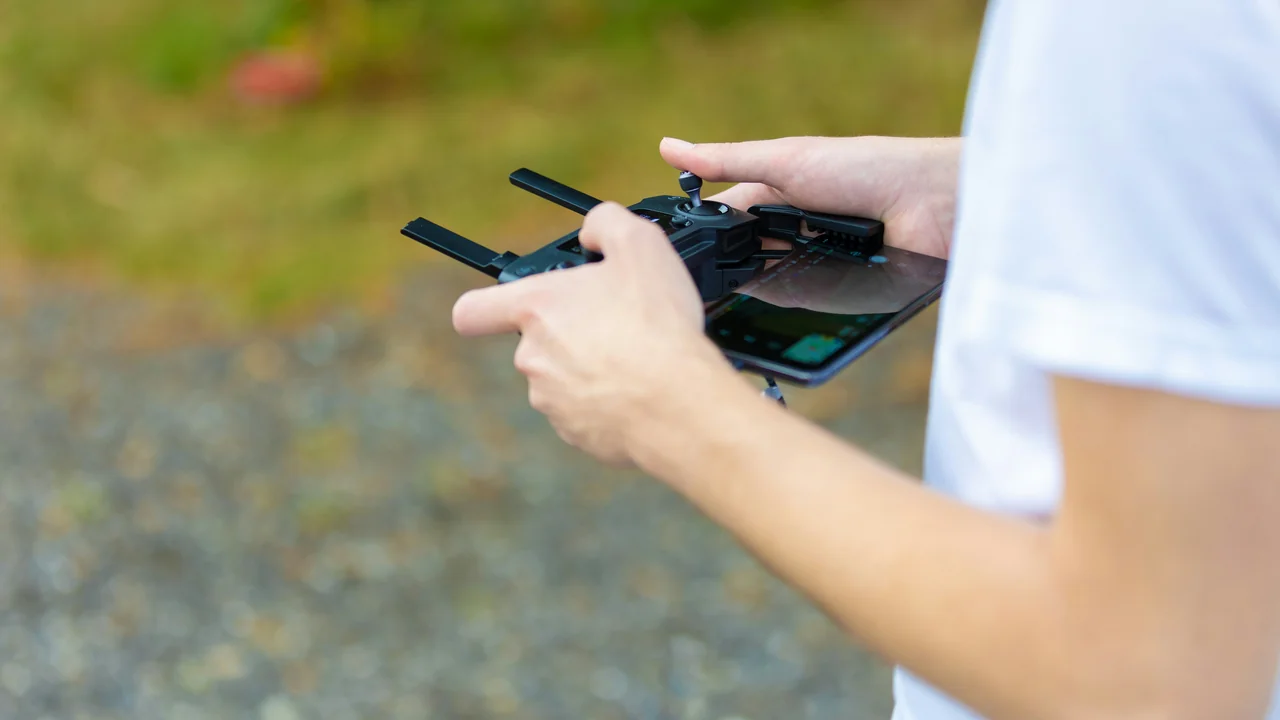
If you are a drone pilot living in or visiting Georgia, you are likely wondering exactly how the state’s specific rules interact with federal FAA regulations. Georgia drone laws in 2026 present a unique challenge because the state is home to the world’s busiest airport, several distinct state authorities, and a mix of national parks and forests. This guide will walk you through everything you need to know to fly legally in Georgia, from the massive Class B airspace around Atlanta to the permit requirements for state parks and the specific bans on islands like Cumberland. You will learn exactly where you can fly, what permits you need, and how to avoid common enforcement pitfalls.
What Are the Federal FAA Rules You Must Follow in Georgia?
Before diving into Georgia-specific rules, you must understand the baseline federal regulations. The FAA has sole authority over navigable airspace, meaning every drone flight in Georgia must comply with Part 107 (for commercial pilots) or the recreational exception (Section 44809).
Your drone must be registered with the FAA if it weighs more than 0.55 pounds (250 grams). Registration costs $5 and is valid for three years. You must mark your drone with the registration number before your first flight. The maximum altitude is 400 feet above ground level (AGL), and you must keep your drone within visual line of sight at all times.
The most critical federal rule for Georgia pilots is airspace authorization. You cannot fly in controlled airspace without prior approval from the FAA, typically obtained through the LAANC system. This is especially important in Georgia because of the Hartsfield-Jackson Atlanta International Airport (ATL) Class B airspace, which covers a massive area.
Drone Laws Atlanta: Navigating the World’s Busiest Airport Airspace
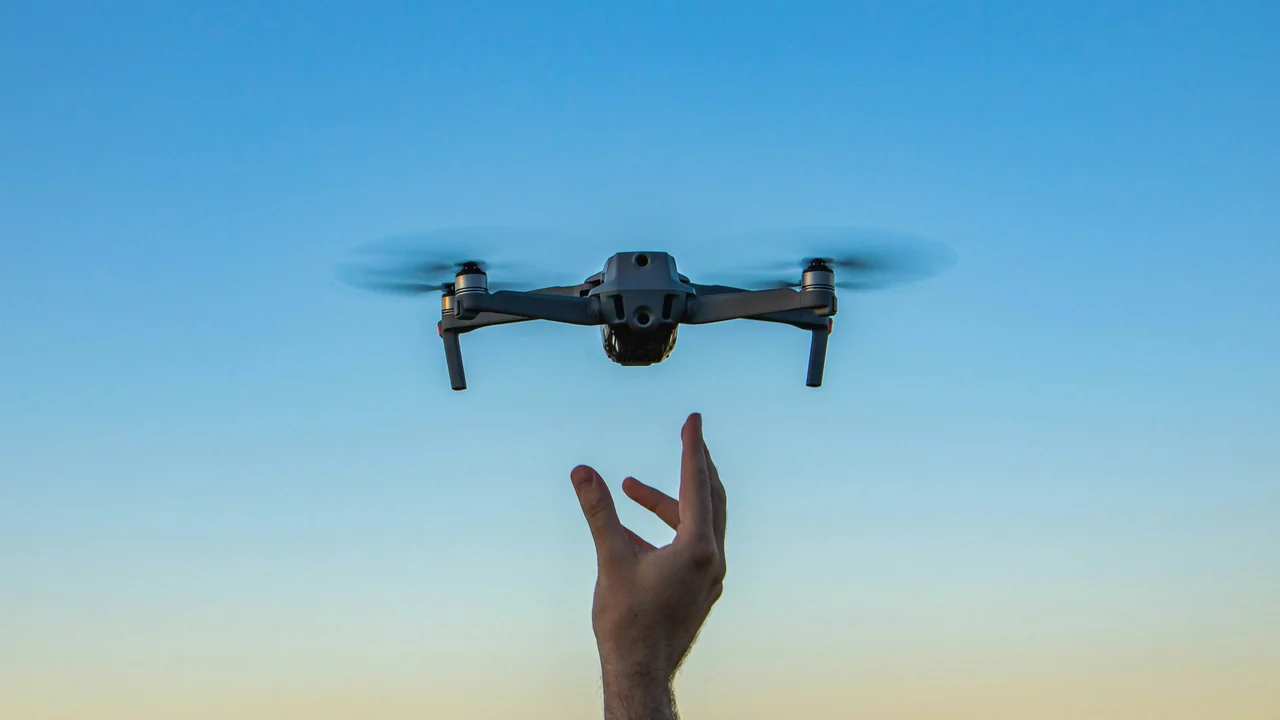
Flying a drone in Atlanta requires careful planning because Hartsfield-Jackson Atlanta International Airport (ATL) operates the busiest passenger airspace in the world. The Class B airspace around ATL extends in a series of concentric rings, reaching up to 10,000 feet and covering a radius of approximately 30 miles from the airport.
How Does Hartsfield-Jackson’s Class B Airspace Affect My Flight?
The Class B airspace around ATL is shaped like an inverted wedding cake. The inner ring, from the surface up to 7,000 feet, covers a 5-nautical-mile radius around the airport. This means you cannot launch a drone anywhere within this inner zone without explicit FAA authorization through LAANC. The outer rings extend further, and even at the edges of the city, you may be in controlled airspace.
For example, if you live in Midtown Atlanta, approximately 10 miles north of ATL, you are still within the inner ring of Class B airspace. You must use a LAANC-enabled app like Aloft or Kittyhawk to request authorization before every flight. Authorization is typically granted for altitudes under 200 feet in these outer rings, but you must wait for approval.
Can I Fly a Drone Near Atlanta’s Airport?
No. You cannot fly a drone within 5 nautical miles of Hartsfield-Jackson without prior authorization from the air traffic control tower. Even with LAANC authorization, you will be limited to very low altitudes, typically under 50 feet, in the immediate vicinity of the airport. The FAA considers any unauthorized flight near ATL a serious safety risk, and enforcement actions can include fines up to $27,500.
If you need to fly near ATL for commercial purposes, you must file a Part 107 waiver and coordinate directly with the airport’s operations office. This is a lengthy process and is rarely approved for recreational flights.
Can I Fly a Drone in Georgia State Parks?
Georgia State Parks have specific rules that differ from federal regulations. The Georgia Department of Natural Resources (DNR) manages state parks, and they require a permit for all drone operations. This includes both recreational and commercial flights.
To fly a drone in a Georgia State Park, you must apply for a Special Use Permit through the DNR. The application process takes several weeks, and you must provide proof of FAA registration, liability insurance (minimum $1 million), and a detailed flight plan. Permits are not guaranteed and are often denied for high-traffic parks like Stone Mountain or Tallulah Gorge.
What About Stone Mountain Park?
Stone Mountain Park is a unique case. While it is a state park, it is managed by the Stone Mountain Memorial Association, a state authority. The park has a strict no-drone policy. You cannot launch, land, or operate a drone anywhere within the park boundaries, including the parking lots and hiking trails. This ban is enforced by park security, and violators may have their drones confiscated.
Drone Rules Cumberland Island: Can You Fly Here?
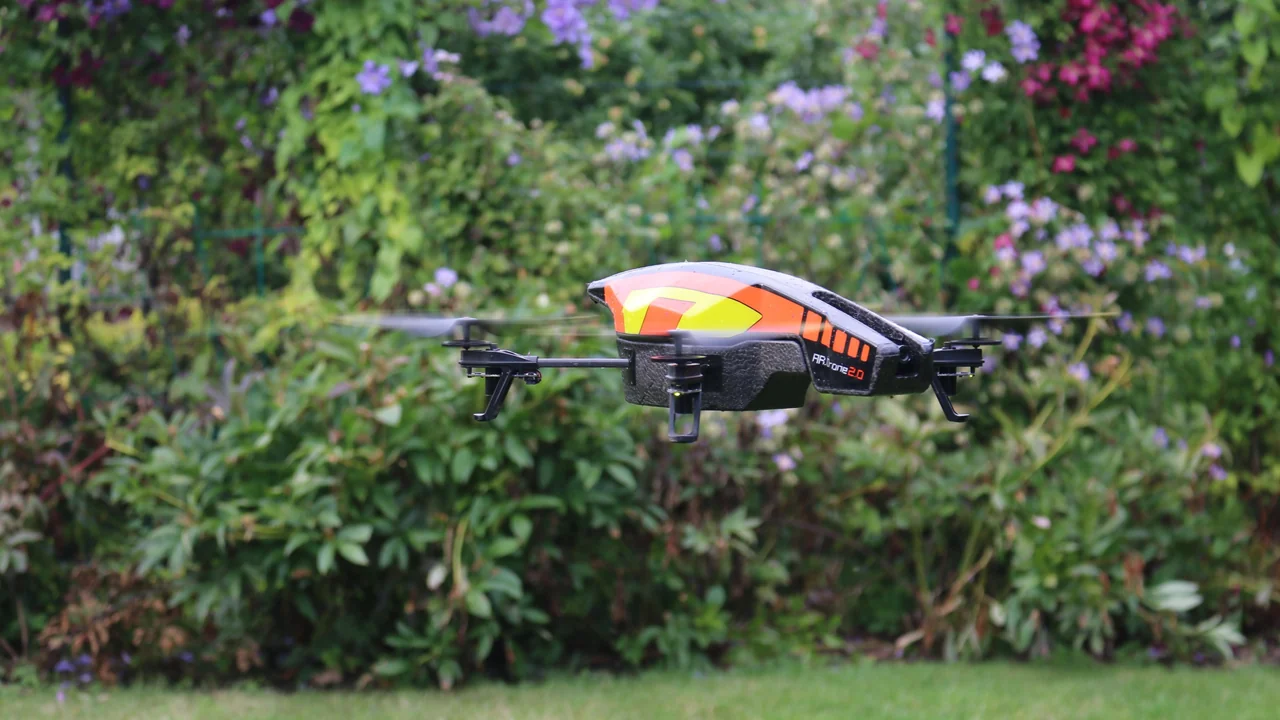
Cumberland Island National Seashore is managed by the National Park Service (NPS). The NPS has a nationwide ban on drone operations within all national parks, and Cumberland Island is no exception. You cannot fly a drone anywhere on the island, including the beaches, dunes, and historical sites.
The ban is strictly enforced by NPS rangers. If you are caught flying a drone on Cumberland Island, you face a federal citation with fines up to $5,000. The only exception is for authorized research or filming projects with a special NPS permit, which is rarely granted.
Can I Fly a Drone in the Chattahoochee-Oconee National Forests?
The Chattahoochee-Oconee National Forests, covering over 867,000 acres in northern Georgia, generally allow drone flights. The U.S. Forest Service (USFS) does not have a blanket ban on drones, but you must follow all FAA regulations and any local forest orders.
You can fly in most areas of the national forest, including hiking trails and campgrounds, as long as you stay below 400 feet and do not disturb wildlife or other visitors. However, there are specific restrictions in wilderness areas and near developed recreation sites like visitor centers and campgrounds. Always check the forest’s website for temporary flight restrictions before your trip.
Savannah Drone Laws: Historic District and Airport Proximity
Savannah presents a complex environment for drone pilots due to its historic district, proximity to Savannah/Hilton Head International Airport (SAV), and local ordinances. The city of Savannah has not passed a specific drone ordinance, but you must follow FAA rules and state laws.
What Are the Drone Laws in Savannah Georgia?
In Savannah, the primary concern is airspace. Savannah/Hilton Head International Airport (SAV) has a Class C airspace that extends 5 nautical miles from the airport. Most of downtown Savannah, including the historic district, falls within this controlled airspace. You must obtain LAANC authorization before flying anywhere in the city.
The historic district itself is a high-traffic area with narrow streets, horse-drawn carriages, and large crowds. While there is no specific city ban on drones in the historic district, flying over people or moving vehicles violates FAA regulations. You must maintain a safe distance from pedestrians and never fly directly over crowds.
Additionally, Savannah’s coastal location means you must be aware of military airspace near Hunter Army Airfield and the Savannah River. Always check for temporary flight restrictions (TFRs) before launching.
Jekyll Island Drone Rules: What Does the Jekyll Island Authority Say?
Jekyll Island is managed by the Jekyll Island Authority, a state agency that has its own set of rules for drone operations. The authority allows drone flights but requires a permit for all commercial operations and for any flights in sensitive areas like the historic district and the beach.
For recreational pilots, you can fly on Jekyll Island as long as you follow FAA rules and do not disturb wildlife or other visitors. However, the authority has designated no-fly zones around the Jekyll Island Club Resort, the Georgia Sea Turtle Center, and the beach during nesting season (May through October).
Okefenokee National Wildlife Refuge: What Are the Drone Rules?
The Okefenokee National Wildlife Refuge, managed by the U.S. Fish and Wildlife Service, has specific rules for drone operations. The refuge generally prohibits drone flights to protect wildlife and visitor experience. You cannot launch, land, or operate a drone within the refuge boundaries without a special use permit.
The permit process requires you to demonstrate that your flight will not disturb wildlife, especially the endangered red-cockaded woodpecker and the American alligator. Permits are rarely granted for recreational flights and are typically reserved for scientific research or educational purposes.
Do You Need a Commercial Filming Permit for Georgia State Properties?
Yes. If you plan to use a drone for commercial filming on any state-owned property in Georgia, including state parks, historic sites, and state-managed beaches, you must obtain a commercial filming permit from the Georgia Film Office and the specific managing agency.
The process involves submitting a detailed script, a list of equipment, proof of insurance (minimum $2 million liability), and a location fee. The fee varies depending on the property and the scope of the project. For example, filming at a state park may cost $100 per day, while filming at a state historic site may cost $250 per day.
Contact the Georgia Film Office
Submit your project proposal and request a location agreement.
Apply for a Special Use Permit
Contact the specific agency managing the property (DNR, Jekyll Island Authority, etc.).
Provide Proof of Insurance
You will need at least $2 million in general liability insurance.
Final Thoughts on Flying Legally in Georgia
Navigating Georgia drone laws in 2026 requires a systematic approach. Start by checking the FAA airspace using a tool like our No-Fly Zone Checker to see if you are in controlled airspace. If you are near Atlanta, expect to use LAANC for every flight. For state parks, apply for a permit weeks in advance. For national parks and refuges, assume drones are banned unless you have a special permit.
Always verify your drone’s weight using our Weight Checker to ensure you are properly registered. The most common mistake I see in Georgia is pilots launching from state parks without a permit or flying near ATL without authorization. Both can lead to significant fines. Plan ahead, respect the rules, and you will enjoy some of the most diverse flying locations in the Southeast.
Frequently Asked Questions
Are drones allowed in Georgia State Parks?
Drones are allowed in Georgia State Parks only if you obtain a Special Use Permit from the Georgia Department of Natural Resources. The permit requires proof of FAA registration, liability insurance of at least $1 million, and a detailed flight plan. Permits are not guaranteed and may take several weeks to process. Flying without a permit can result in a citation and fines up to $1,000.
Can I fly a drone near Atlanta’s airport?
You cannot fly a drone within 5 nautical miles of Hartsfield-Jackson Atlanta International Airport without prior FAA authorization through the LAANC system. Even with authorization, you will be limited to very low altitudes, typically under 50 feet, in the inner rings of the Class B airspace. Unauthorized flights near ATL are considered serious safety violations and can result in fines up to $27,500.
What are the drone laws in Savannah Georgia?
In Savannah, you must comply with FAA airspace rules due to Savannah/Hilton Head International Airport’s Class C airspace, which covers most of the city including the historic district. You need LAANC authorization for any flight in the city. There is no specific city ban on drones in the historic district, but you cannot fly over people or moving vehicles, which is challenging in crowded areas. Always check for military airspace near Hunter Army Airfield.
Are drones banned on Jekyll Island?
Drones are not banned on Jekyll Island, but the Jekyll Island Authority requires a permit for commercial operations and enforces no-fly zones around the Jekyll Island Club Resort, the Georgia Sea Turtle Center, and the beach during turtle nesting season from May through October. Recreational pilots can fly in designated areas as long as they follow FAA rules and do not disturb wildlife. Contact the authority’s office before your flight to confirm current restrictions.
Can I fly a drone in the Chattahoochee National Forest?
Yes, you can fly a drone in the Chattahoochee-Oconee National Forests as long as you follow all FAA regulations and any local forest orders. The U.S. Forest Service does not have a blanket ban on drones in this forest. However, you cannot fly in designated wilderness areas or near developed recreation sites like visitor centers and campgrounds. Always check the forest’s website for temporary flight restrictions before your trip.
Do I need to register my drone in Georgia?
Georgia does not have a state-level drone registration system, so you only need to register your drone with the FAA if it weighs more than 0.55 pounds (250 grams). The registration fee is $5 and is valid for three years. You must mark your drone with the FAA registration number before flying. Even if your drone weighs less than 0.55 pounds, you must still follow all FAA airspace and safety rules.
Last updated: June 25, 2026
- Federal Aviation Administration (faa.gov)
- Georgia Department of Natural Resources (gastateparks.org)
- Jekyll Island Authority (jekyllisland.com)
- National Park Service (nps.gov)
- U.S. Forest Service (fs.usda.gov)
Drone Allowed
DroneAllowed editor covering drone regulations, aviation law, and aerial photography across USA, UK, Canada & Australia.