
Ontario Drone Laws 2026: Transport Canada Rules & Where to Fly
 12 min read
2,390 words
12 min read
2,390 words
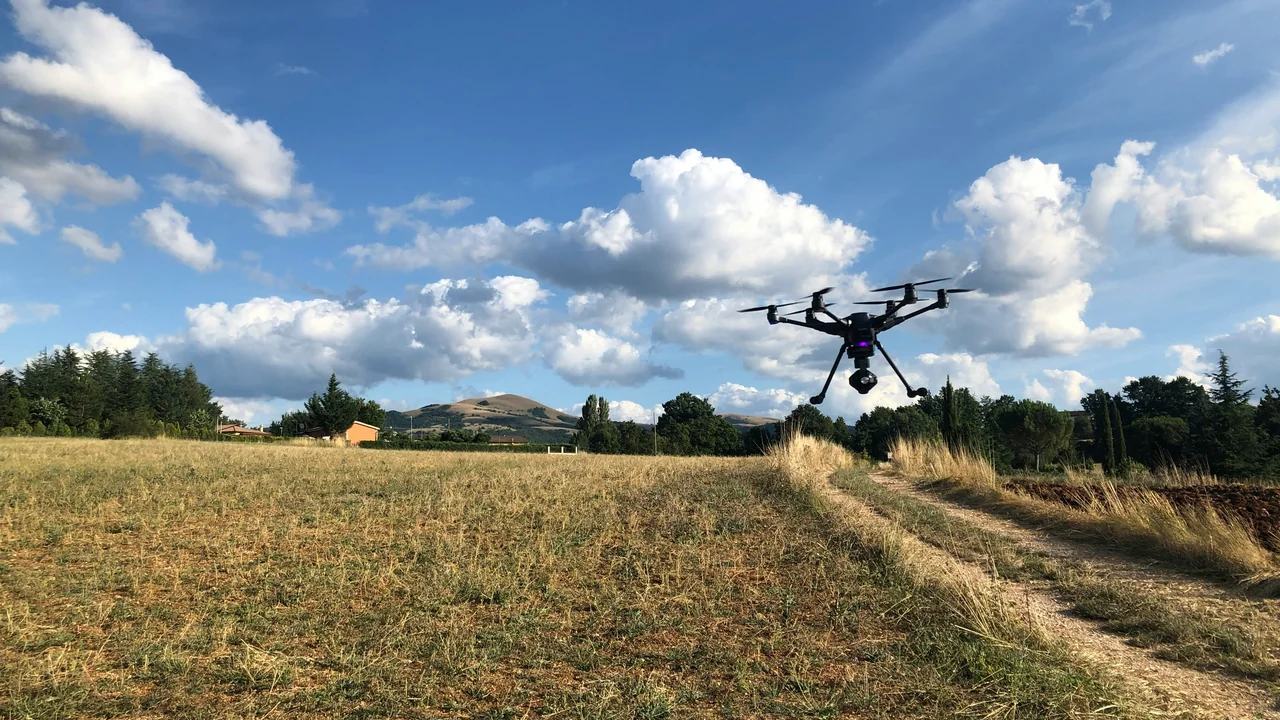
If you’re a drone pilot living in Ontario or planning to fly here, you need to understand the specific rules that apply across the province. Ontario drone laws are governed primarily by Transport Canada’s federal regulations, but local restrictions in places like Toronto, Ottawa, and Niagara Falls can significantly impact where and how you fly. This guide breaks down the 2026 rules for Ontario’s most popular flying locations, from cottage country to provincial parks, so you can plan your flights safely and legally.
What Are the Basic Transport Canada RPAS Rules for Ontario in 2026?
Transport Canada (TC) sets the federal framework for all Remotely Piloted Aircraft Systems (RPAS) in Canada, and Ontario pilots must follow these rules regardless of where they fly. The fundamental requirement is that any drone weighing between 250 grams and 25 kilograms must be registered with Transport Canada, and the pilot must hold a valid pilot certificate—either Basic or Advanced.
The Basic RPAS Pilot Certificate is free and obtained through Transport Canada’s online exam. It allows you to fly in uncontrolled airspace, away from bystanders, and not within 3 nautical miles of any aerodrome (airport or heliport). The Advanced RPAS Pilot Certificate, which requires a paid exam and a flight review, is necessary if you want to fly in controlled airspace or within 30 metres of people. For most Ontario recreational pilots flying in rural areas or cottage country, the Basic certificate is sufficient.
Key federal limits include a maximum altitude of 122 metres (400 feet) above ground level, a minimum distance of 30 metres from people (Basic) or 5 metres (Advanced), and a requirement to keep your drone in visual line-of-sight at all times. You must also avoid flying near emergency operations, forest fires, or within 9 kilometres of any natural disaster site.
Drone Laws in Ontario Provincial Parks: Can You Fly?
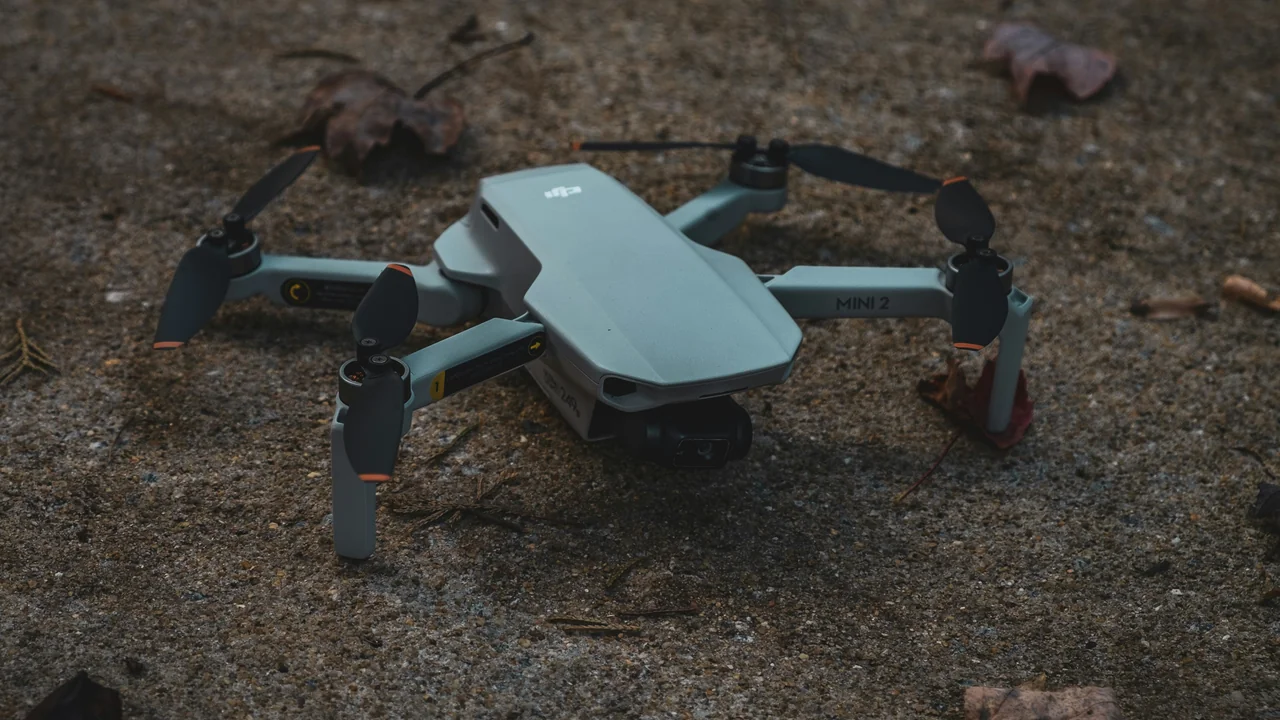
Ontario Provincial Parks, managed by Ontario Parks, have a clear policy on drones: they are generally prohibited without a valid permit. This applies to all provincial parks, including popular destinations like Algonquin Park, Killarney, and Sandbanks. The policy covers both take-off and landing within park boundaries, and enforcement has become stricter in recent years.
To fly a drone in an Ontario Provincial Park, you must apply for a research or special event permit. These permits are not issued for recreational flights and are typically reserved for scientific studies, film productions, or official park operations. The application process can take several weeks, and approval is not guaranteed. In practice, most recreational pilots should assume drones are banned in all provincial parks.
What does this mean for your flight? If you’re planning a trip to Algonquin Park or any other provincial park, leave your drone at home or fly outside the park boundaries. Many crown land areas adjacent to parks are open for drone flying, so you can still capture aerial footage of the landscape without entering the park itself.
Drone Rules Toronto: Navigating Complex Airspace
Toronto presents one of the most challenging drone environments in Ontario due to its multiple airports and dense urban airspace. The city is served by two major airports: Toronto Pearson International Airport (CYYZ) and Billy Bishop Toronto City Airport (CYTZ). Additionally, Buttonville Municipal Airport (CYKZ) and several heliports create overlapping restricted zones.
Billy Bishop Airport, located on the Toronto Islands, creates a particularly tricky situation for downtown pilots. The airport’s approach paths extend over the downtown core and the waterfront, meaning much of the Harbourfront, Toronto Islands, and the Leslie Street Spit fall within controlled airspace. Flying in these areas requires an Advanced RPAS Pilot Certificate and authorization from NAV CANADA through the DroneZone portal.
For recreational pilots with a Basic certificate, your flying options in Toronto are limited to uncontrolled airspace, which is primarily found in the northern parts of the city, such as Scarborough and North York. Even then, you must stay at least 3 nautical miles from any aerodrome. Use Transport Canada’s Drone Site Selection Tool to check specific locations before flying.
Where Can You Fly a Drone in Toronto?
Despite the restrictions, there are some areas where recreational drone flying is possible. Parks like Downsview Park (north of the city) and the Scarborough Bluffs area (outside the 3-nautical-mile zone) can be suitable if you maintain safe distances from people and property. Always check the NAV CANADA Drone Flight Planning tool before heading out, as airspace classifications can change.
For advanced pilots with authorization, the Toronto waterfront and downtown areas become accessible, but you’ll need to coordinate with air traffic control and follow strict altitude and route restrictions. This is not a casual endeavour—expect to spend time on paperwork and planning.
Drone Laws Ottawa: Parliament Hill and Airport Restrictions
Ottawa’s drone landscape is dominated by the Ottawa Macdonald-Cartier International Airport (CYOW) and the restricted airspace around Parliament Hill. The airport’s controlled airspace extends over much of the city, including downtown areas, making it essential to check your location carefully.
Parliament Hill itself is a no-fly zone. The area is designated as restricted airspace (CYR) due to security concerns, and flying a drone anywhere near the Parliament Buildings, the Supreme Court, or the National War Memorial is prohibited. Transport Canada and the Royal Canadian Mounted Police (RCMP) enforce this restriction strictly, and violations can lead to criminal charges under the Aeronautics Act.
For recreational pilots, the best flying areas in Ottawa are outside the 3-nautical-mile radius from CYOW and away from Parliament Hill. The Ottawa Greenbelt, managed by the National Capital Commission, has some pockets of uncontrolled airspace, but you must verify each location individually. The Rideau Canal and Ottawa River are also partially restricted due to their proximity to government buildings and airports.
Niagara Falls Drone Rules: Ontario Side vs. Niagara Parks Commission
Niagara Falls is a unique case in Ontario because it falls under two separate authorities. The Niagara Parks Commission (NPC) manages the land directly adjacent to the falls, while Ontario Parks manages the surrounding parkland. This dual jurisdiction creates confusion for many pilots.
The Niagara Parks Commission has a strict no-drone policy on all its properties, which includes the Niagara Parkway, Queen Victoria Park, and the areas immediately around the Horseshoe Falls and American Falls. This means you cannot take off or land a drone anywhere on NPC land. The Commission enforces this rule heavily due to safety concerns for the millions of annual visitors.
However, you may be able to fly from outside NPC land, such as from a private property or a public park not under NPC jurisdiction. The Town of Niagara-on-the-Lake and the City of Niagara Falls have their own bylaws that may restrict drone flights, so check local municipal rules as well. Even if you find a legal launch point, you must still comply with Transport Canada’s rules, including staying 30 metres from people and not flying over crowds.
For the iconic shot of the falls, consider using a helicopter tour instead—it’s safer, legal, and avoids potential fines of up to C$5,000 under the Niagara Parks Commission’s enforcement powers.
Drone Laws Ontario Cottage Country: Muskoka and Crown Land
Cottage country, including Muskoka, Haliburton, and the Kawarthas, offers some of the best drone flying opportunities in Ontario. Much of this area consists of crown land—public land managed by the province—where drone flying is generally permitted under Transport Canada rules.
When flying in cottage country, the main restrictions come from private property rights and airport proximity. You cannot fly over someone’s cottage or property without permission, as this constitutes trespass under Ontario’s common law. Additionally, many small lakes have floatplane bases or private airstrips, so always check for aerodromes within 3 nautical miles of your location.
Popular areas like Lake Muskoka, Lake Rosseau, and Lake Joseph have numerous private airstrips and helipads. Use Transport Canada’s Drone Site Selection Tool or the No-Fly Zone Checker to identify these restricted zones before flying. The good news is that crown land offers vast open spaces with minimal restrictions, making it ideal for scenic flights over forests, lakes, and rocky outcrops.
National Parks in Ontario: Banned for Drones
Parks Canada manages all national parks in Ontario, and the agency’s policy is clear: drones are banned in all national parks, national historic sites, and national marine conservation areas. This ban applies to take-off, landing, and operation within park boundaries.
Ontario’s national parks include:
- Bruce Peninsula National Park
- Georgian Bay Islands National Park
- Point Pelee National Park
- Thousand Islands National Park
- Pukaskwa National Park
- Rideau Canal National Historic Site
There are no exceptions for recreational pilots. Even if you launch your drone from outside the park boundary and fly over park land, you are violating Parks Canada’s regulations. Fines for drone violations in national parks can reach C$25,000, and repeat offenders may face criminal charges.
If you want to photograph these areas, consider using a telephoto lens from outside the park or hiking to viewpoints that don’t require drone access. Many national parks have designated photography zones where you can capture stunning images legally.
Ontario Greenbelt: Provincial Rules for Drones
The Ontario Greenbelt is a protected area of agricultural and natural land surrounding the Greater Toronto Area. While the Greenbelt is not a park, it is subject to provincial regulations that may affect drone flying.
Most Greenbelt land is privately owned farmland, and you need the landowner’s permission to take off or land a drone on their property. Additionally, some Greenbelt tracts are managed by conservation authorities like the Toronto and Region Conservation Authority (TRCA) or Credit Valley Conservation (CVC), which may have their own drone policies.
For public access points within the Greenbelt, such as hiking trails and conservation areas, check the specific authority’s rules. Many conservation authorities prohibit drones on their properties due to wildlife disturbance and visitor safety concerns. Always call ahead or check the authority’s website before flying.
Summary: Key Takeaways for Ontario Drone Pilots
Ontario offers diverse flying opportunities, but the rules vary significantly by location. The most important steps are to register your drone with Transport Canada, obtain the appropriate pilot certificate, and check airspace restrictions before every flight. Use the Registration Calculator to ensure your drone is properly registered, and always verify local bylaws in municipalities you plan to fly in.
For the best flying experience in Ontario, stick to crown land in cottage country, avoid provincial and national parks, and be extremely cautious in urban areas like Toronto and Ottawa. Remember that Niagara Falls is effectively off-limits due to the Niagara Parks Commission’s ban. By following these guidelines, you can enjoy safe and legal drone flights across Ontario.
Frequently Asked Questions
Are drones allowed in Ontario Provincial Parks?
No, drones are generally prohibited in Ontario Provincial Parks without a special permit. Ontario Parks does not issue permits for recreational drone flights, so you should assume drones are banned in all provincial parks including Algonquin, Killarney, and Sandbanks. Flying without a permit can result in fines up to C$1,000.
Can I fly a drone at Niagara Falls?
Flying a drone at Niagara Falls is extremely restricted. The Niagara Parks Commission bans drones on all its properties, which includes the areas directly around the falls. You cannot take off or land on NPC land. While it may be possible to fly from outside NPC jurisdiction, you must also comply with Transport Canada rules and local municipal bylaws. Most pilots find it impractical to fly legally near the falls.
What are the drone rules in Toronto?
Toronto has complex drone rules due to Pearson International Airport and Billy Bishop Airport. Most of the downtown core and waterfront fall within controlled airspace, requiring an Advanced RPAS Pilot Certificate and NAV CANADA authorization. Recreational pilots with a Basic certificate are limited to uncontrolled airspace in northern parts of the city, such as Scarborough and North York, and must stay 3 nautical miles from any aerodrome.
Are drones banned near Ottawa Parliament Hill?
Yes, the airspace around Parliament Hill is designated as restricted and drones are strictly prohibited. This includes the Parliament Buildings, Supreme Court, and National War Memorial. The RCMP and Transport Canada enforce this restriction, and violations can lead to charges under the Aeronautics Act. The restricted zone extends several blocks around the parliamentary precinct.
Can I fly a drone in Algonquin Park?
No, Algonquin Park is an Ontario Provincial Park and drones are prohibited without a permit. The park’s policy aligns with all provincial parks in Ontario, meaning recreational drone flights are not allowed. You can fly outside the park boundaries on crown land, but you must ensure you are at least 3 nautical miles from any aerodromes, including the small airstrips near the park.
Do I need a licence to fly a drone in Ontario?
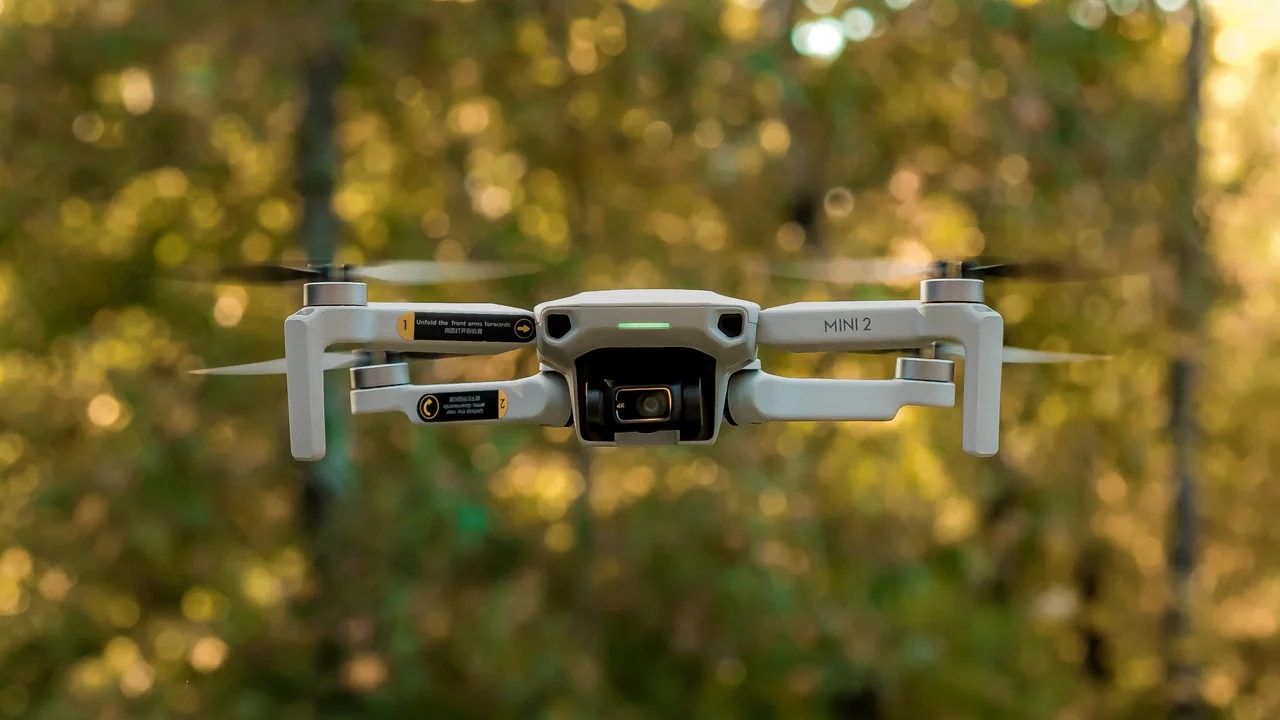
Yes, if your drone weighs 250 grams or more, you need a pilot certificate from Transport Canada. The Basic RPAS Pilot Certificate is free and obtained online, while the Advanced certificate requires a paid exam and flight review. You also need to register your drone with Transport Canada, which is also free. Drones under 250 grams, like the DJI Mini series, do not require registration or a certificate for recreational use.
Last updated: June 25, 2026
- Transport Canada RPAS Safety (tc.canada.ca/en/aviation/drone-safety)
- Ontario Parks Drone Policy (ontarioparks.ca)
- Niagara Parks Commission Drone Regulations (niagaraparks.com)
- NAV CANADA Drone Flight Planning (navcanada.ca)
Drone Allowed
DroneAllowed editor covering drone regulations, aviation law, and aerial photography across USA, UK, Canada & Australia.