
Florida Drone Laws 2026: What You Need to Know Before You Fly
 17 min read
3,267 words
17 min read
3,267 words
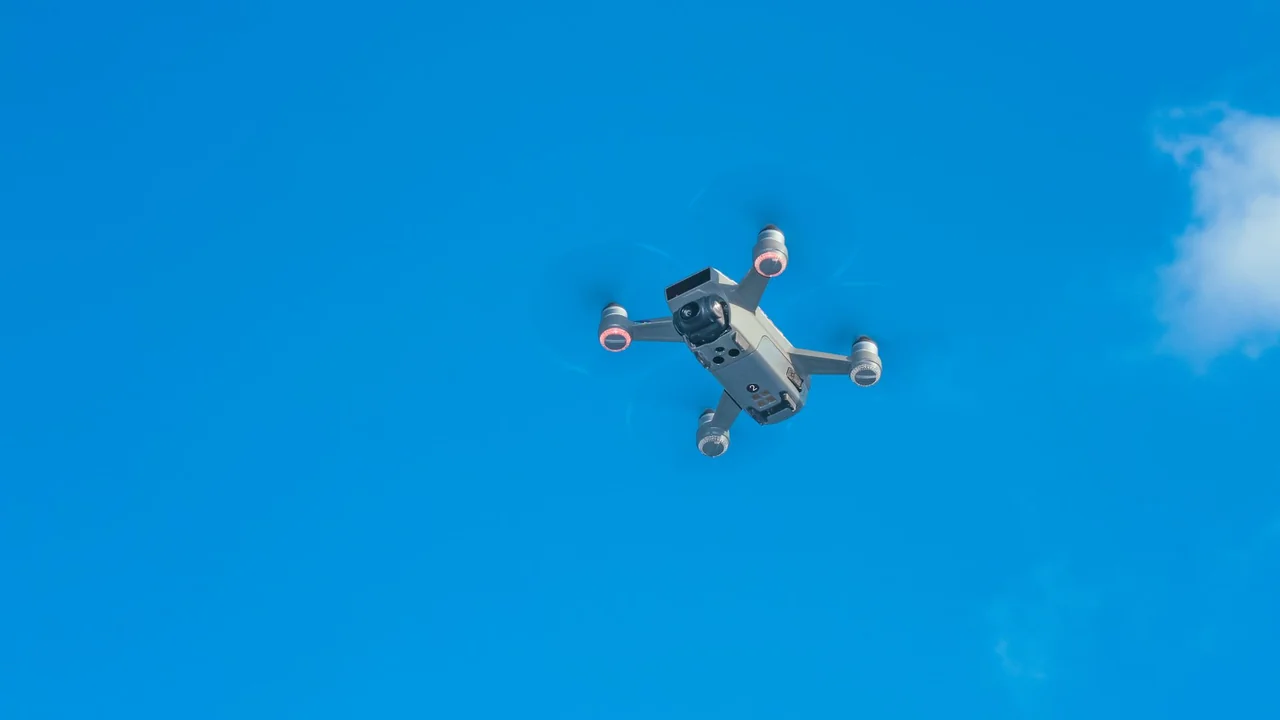
If you are planning to fly a drone in Florida in 2026, you must understand both federal FAA rules and the state’s own drone laws. Florida drone laws combine national airspace regulations with specific state statutes and hyper-local ordinances that can change from one beach to the next. In this guide, you will learn the exact registration requirements, where you can and cannot fly on beaches and in parks, how to get LAANC approval near major airports, and the penalties for flying illegally. Whether you own a DJI Mini 4 Pro or a heavier commercial drone, these rules apply to your flight.
Quick Rules Summary: Florida Drone Laws at a Glance
| Rule Category | Recreational Flyers | Commercial Flyers (Part 107) |
|---|---|---|
| FAA Registration | Required if drone > 0.55 lbs (250g) | Required for all drones |
| Altitude Limit | 400 feet AGL | 400 feet AGL |
| Visual Line of Sight | Required | Required |
| Florida Statute 330.41 | Applies to all drone operations | Applies to all drone operations |
| Beach Flying | Varies by county/city | Varies by county/city |
| State Parks | Generally prohibited | Permit required |
| National Parks | Prohibited | Prohibited |
Federal FAA Rules That Apply in Florida
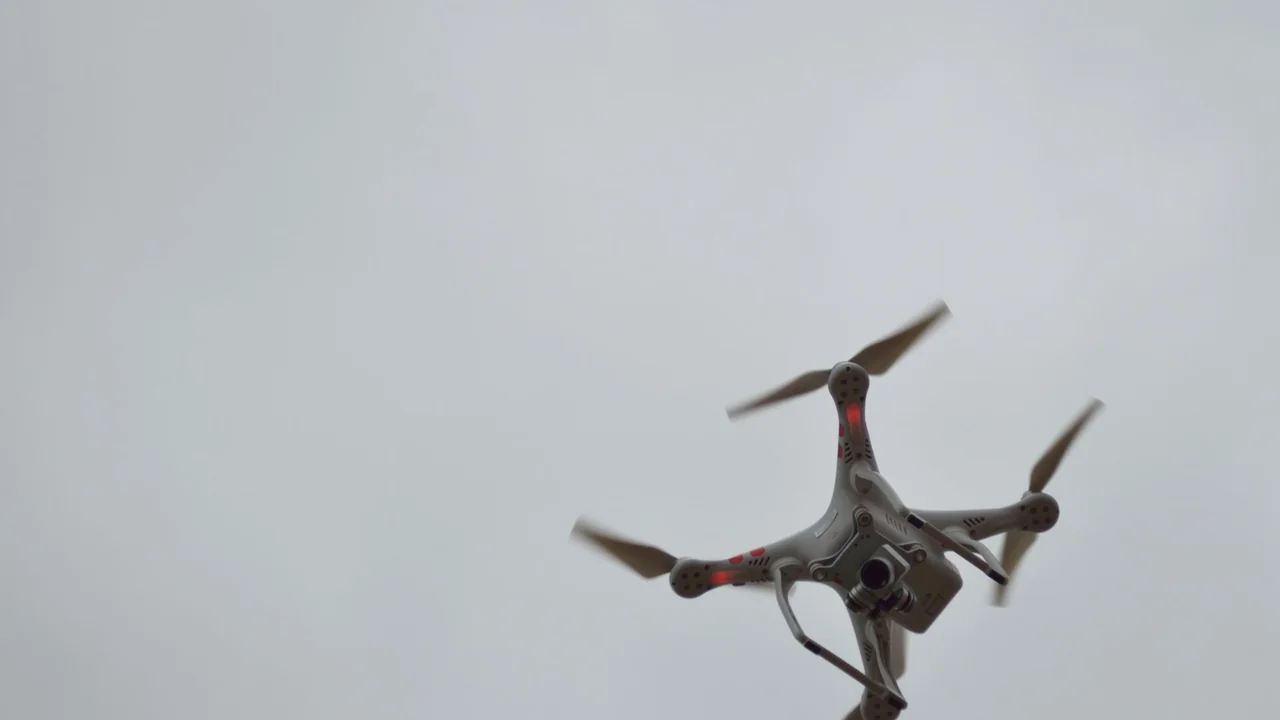
Before you launch your drone anywhere in Florida, you must comply with FAA regulations that govern all U.S. airspace. These rules are not optional — they are federal law, and violating them can result in fines of up to $27,500 for civil penalties and even criminal charges for reckless operations.
Part 107 Rules for Commercial Drone Operations
If you fly a drone for any commercial purpose — real estate photography, roof inspections, agricultural monitoring, or even paid aerial video — you need a Part 107 Remote Pilot Certificate from the FAA. The process involves passing a knowledge test at an FAA-approved testing center, which costs approximately $175. Once certified, you must renew your certificate every 24 months by completing an online recurrent training course.
Commercial drone pilots in Florida must also register every drone they operate with the FAA through the DroneZone website. The registration fee is $5 per drone and is valid for three years. You must display your registration number on the exterior of the drone.
Recreational Flyer Rules (Exception for Limited Recreational Operations)
If you fly strictly for fun — no payment or business benefit — you can operate under the FAA’s recreational exception. You must pass The Recreational UAS Safety Test (TRUST) and carry proof of passage. You still need to register your drone if it weighs more than 0.55 pounds (250 grams). The DJI Mini 4 Pro weighs 249 grams, which places it just under the registration threshold for recreational use — but only if you do not add any accessories that push it over 250 grams.
Florida-Specific State Laws: Statute 330.41
Florida’s own drone law, Florida Statute 330.41, adds restrictions that go beyond federal FAA rules. This law was updated in 2023 and remains in effect for 2026. It prohibits drone operations over critical infrastructure facilities — including power plants, water treatment facilities, and chemical storage sites — without prior written authorization. It also bans flying over correctional facilities and prisons.
Additionally, the statute prohibits using a drone to capture images of private property without the owner’s consent if the property owner has a reasonable expectation of privacy. This law has been used to prosecute cases of drone-based harassment and voyeurism. For drone pilots, this means you should avoid flying low over residential backyards or through neighborhoods where people are likely to be in private spaces like pools or patios.
Florida Drone Registration: FAA Requirements
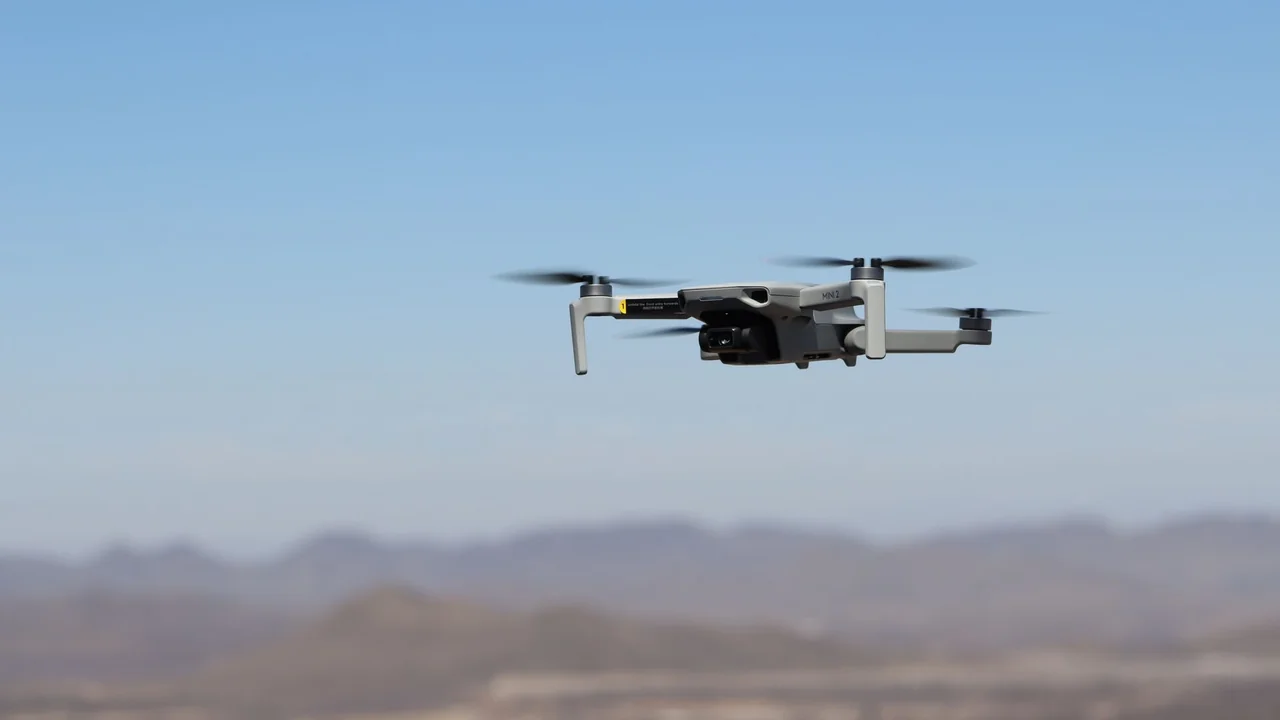
Registration is handled entirely through the FAA, not the state of Florida. You must register your drone through the FAA DroneZone website (faadronezone.faa.gov). The process takes about 10 minutes and requires your name, address, email, and payment of the $5 fee. Your registration certificate is valid for three years.
For recreational flyers, the registration threshold is 0.55 pounds (250 grams). If your drone weighs less than this — like the DJI Mini 4 Pro at 249 grams — you are not required to register for recreational use. However, if you add a propeller guard, a larger battery, or any other accessory that brings the weight above 250 grams, you must register.
For commercial pilots under Part 107, every drone must be registered regardless of weight. You can check your drone’s exact registration status using our Registration Calculator.
Can You Fly a Drone on Florida Beaches?
This is the most common question we receive from drone pilots visiting Florida. The short answer is: it depends entirely on which beach you are on. Florida drone laws for beaches are determined at the county and city level, and they vary dramatically from one stretch of sand to the next.
Florida Drone Laws Beaches: County-by-County Breakdown
Some Florida counties allow drone flying on beaches with few restrictions, while others have outright bans. Here are the most important examples:
| Beach Location | Drone Policy | Notes |
|---|---|---|
| Miami Beach | Prohibited | City ordinance bans drones on all city beaches and parks |
| Fort Lauderdale Beach | Prohibited | No drones allowed on beach or over ocean from shore |
| Clearwater Beach | Permitted with restrictions | Must stay 100 feet from people, no flying over crowds |
| Daytona Beach | Permitted | Allowed on beach, but not over vehicles or sunbathers |
| Pensacola Beach | Permitted | Allowed on beach, but not in Santa Rosa Island areas |
| Siesta Key Beach | Prohibited | Sarasota County bans drones on public beaches |
| Sanibel Island | Prohibited | City ordinance bans all drone operations |
Drone Laws Miami Florida: What You Need to Know
Miami has some of the strictest local drone ordinances in Florida. The City of Miami Beach passed Ordinance 2016-1, which bans drone operations on all city-owned property — including beaches, parks, and public spaces. This means you cannot launch, land, or fly a drone anywhere on Miami Beach from South Pointe Park to Surfside. Violations carry a fine of up to $500.
In the City of Miami proper (not the beach), drones are prohibited in all city parks and over public events. The Miami-Dade County Aviation Department also has jurisdiction over airspace near Miami International Airport (MIA), which covers a wide area. Always check your flight path using our No-Fly Zone Checker before flying in Miami-Dade County.
Are Drones Allowed in Florida State Parks?
The Florida Department of Environmental Protection (DEP), which manages Florida state parks, prohibits drone operations in all state parks unless you obtain a special use permit. This includes launching, landing, or flying over state park land. The permit process requires you to demonstrate that your flight serves a legitimate purpose — such as scientific research, search and rescue training, or approved commercial filming — and that it will not disturb park visitors or wildlife.
For recreational pilots, this means you cannot fly in any of Florida’s 175 state parks, including popular destinations like:
- John Pennekamp Coral Reef State Park (Key Largo)
- Bill Baggs Cape Florida State Park (Key Biscayne)
- Honeymoon Island State Park (Dunedin)
- St. Andrews State Park (Panama City Beach)
- Anastasia State Park (St. Augustine)
If you are caught flying a drone in a Florida state park without a permit, you can be cited for trespassing and fined up to $500. Park rangers have the authority to confiscate your drone and issue a citation.
Florida National Parks and Monuments: No Drones Allowed
National parks in Florida follow the National Park Service (NPS) policy that bans drones in all national park units. This is a federal regulation, not a state law, and it applies to recreational and commercial pilots alike. The ban covers launching, landing, and flying drones from within park boundaries.
The most significant affected areas for drone pilots include:
- Everglades National Park — Strictly no drones. This is the largest subtropical wilderness in the U.S., and drone flights disturb sensitive wildlife including alligators, manatees, and wading birds. Violations can result in fines up to $5,000 and up to six months in jail.
- Dry Tortugas National Park — No drones allowed. This remote park 70 miles west of Key West is a critical seabird nesting area.
- Biscayne National Park — No drones allowed. The park covers 172,000 acres of marine habitat.
- Big Cypress National Preserve — No drones allowed without a special research permit.
- Canaveral National Seashore — No drones allowed. This area is also near Kennedy Space Center, which has additional airspace restrictions.
Flying a Drone Near Airports in Florida
Florida has some of the busiest airports in the United States, and the airspace around them is heavily controlled. You cannot fly a drone within five miles of an airport without prior authorization from air traffic control. The FAA uses the LAANC (Low Altitude Authorization and Notification Capability) system to grant these authorizations automatically for most controlled airspace.
Major Airport Controlled Airspace: Miami (MIA), Orlando (MCO), Tampa (TPA)
Each of these major airports has a Class B airspace that extends from the surface up to 10,000 feet, covering a wide radius around the airport. The surface area (where LAANC authorization is required) typically extends 5 to 10 nautical miles from the airport. For example:
| Airport | Airspace Class | LAANC Available | Max Altitude Near Runway |
|---|---|---|---|
| Miami International (MIA) | Class B | Yes | 0 feet within 1.5 miles |
| Orlando International (MCO) | Class B | Yes | 0 feet within 1 mile |
| Tampa International (TPA) | Class B | Yes | 0 feet within 1.5 miles |
| Fort Lauderdale-Hollywood (FLL) | Class B | Yes | 0 feet within 1 mile |
| Jacksonville International (JAX) | Class C | Yes | 0 feet within 1.5 miles |
To get LAANC authorization, use an FAA-approved LAANC service provider app such as Aloft (formerly Kittyhawk), AirMap, or B4UFLY. You submit your flight plan and receive almost instant approval for altitudes up to 400 feet in most controlled airspace zones. If you are denied, you cannot fly — period.
Check AirspaceUse our No-Fly Zone Checker to see if your flight location is in controlled airspace.
Open LAANC AppLaunch Aloft, AirMap, or B4UFLY on your phone. Enter your flight details.
Submit Authorization RequestSelect your altitude and flight area. Submit for instant approval.
Receive Approval or DenialIf approved, you have a specific time window to fly. If denied, find another location.
Local City Ordinances Across Florida
Beyond state and federal rules, many Florida cities have passed their own drone ordinances. These local laws can be more restrictive than state law, and they are enforced by local police departments. Key examples include:
- Miami Beach — Complete ban on all city property including beaches and parks.
- Orlando — Drones prohibited in all city parks and over public events. The city also restricts drones near theme parks (Disney World, Universal Studios) — though these are on private property, so flying over them is already illegal under FAA rules.
- Jacksonville — Bans drones in all city parks and over city-owned property. The city also restricts drones near Naval Air Station Jacksonville.
- Tampa — Drones prohibited in city parks and over public gatherings. The city has also passed a nuisance ordinance that can be used against drones that disturb the peace.
- St. Augustine — Bans drones in the historic district and over the Castillo de San Marcos National Monument.
- Key West — Bans drones in all city parks and over public beaches.
Always check local ordinances before flying in any Florida city. A quick search for “[city name] drone ordinance” will usually bring up the relevant municipal code.
Commercial Drone License Florida: Getting Your Part 107
If you want to earn money with your drone in Florida, you need a Part 107 Remote Pilot Certificate. The process is straightforward:
- Be at least 16 years old.
- Pass a Transportation Security Administration (TSA) background check.
- Study for the Part 107 knowledge test — topics include airspace classification, weather, loading and performance, and emergency procedures.
- Schedule and pass the test at an FAA-approved testing center (such as PSI or CATS). The test costs $175 and has 60 questions. You need a score of 70% or higher.
- Complete FAA Form 8710-13 online through the FAA’s Integrated Airman Certification and Rating Application (IACRA) system.
- Receive your temporary certificate by email within 48 hours. Your permanent certificate arrives by mail in 6-8 weeks.
Once certified, you must renew every 24 months by completing the free online recurrent training on the FAA’s website. Commercial pilots in Florida also need to register each drone they operate with the FAA, regardless of weight.
Commercial (Part 107) Advantages
- Legal to earn money from drone flights
- Can fly in controlled airspace with LAANC
- Can fly at night (with anti-collision lights)
- Can fly over people (with Category 2 or 3 drones)
Commercial Requirements
- Must pass knowledge test ($175)
- Must renew certificate every 24 months
- Must register all drones regardless of weight
- Must follow operational limits (400 ft, VLOS)
Penalties for Flying Illegally in Florida
The consequences of violating drone laws in Florida can be severe. They come from three levels of authority:
| Violation Type | Federal Penalty | State Penalty | Local Penalty |
|---|---|---|---|
| Flying in restricted airspace | Up to $27,500 (civil) | N/A | N/A |
| Violating Florida Statute 330.41 | N/A | Up to $1,000 fine and 60 days jail | N/A |
| Flying in a state park without permit | N/A | Up to $500 fine | N/A |
| Flying on Miami Beach | N/A | N/A | Up to $500 fine |
| Disturbing wildlife with drone | Up to $15,000 (Endangered Species Act) | Up to $1,000 | N/A |
In addition to fines, law enforcement can confiscate your drone and impound it as evidence. Repeat offenders risk having their FAA registration revoked, which would prevent them from legally flying any drone in the United States.
Best Legal Spots to Fly a Drone in Florida
Despite the restrictions, Florida offers many excellent locations for legal drone flying. Here are some of the best spots where you can fly without worrying about local ordinances:
- Paynes Prairie Preserve State Park (Gainesville) — This state park allows drones with a special use permit. The prairie offers wide-open spaces and stunning wildlife views.
- Lake Okeechobee — The lake and its surrounding public lands have few restrictions. You can fly over the water and capture beautiful sunrise shots.
- Ocala National Forest — National forests generally allow drones as long as you follow FAA rules. Ocala has over 600 square miles of forest and lakes to explore.
- Florida Keys (outside national parks) — Many areas of the Keys allow drone flying, especially over open water. Avoid the national parks and wildlife refuges.
- Public farmland and rural areas — Central Florida’s agricultural regions offer wide-open spaces with minimal airspace restrictions.
- Private property with permission — If you have written permission from the landowner, you can fly on private property as long as you follow FAA rules and state privacy laws.
Summary: Florida Drone Laws in 2026
Florida drone laws in 2026 require you to navigate a layered system of federal, state, and local regulations. Start with FAA compliance — register your drone if needed, stay below 400 feet, keep your drone in visual line of sight, and get LAANC authorization near airports. Then check Florida Statute 330.41, which adds restrictions on flying near critical infrastructure and correctional facilities. Finally, research the specific rules for the beach, park, or city where you plan to fly.
For recreational pilots with sub-250g drones like the DJI Mini 4 Pro, the main hurdles are local beach ordinances and state park bans. For commercial pilots, the Part 107 certificate is non-negotiable, and every flight requires careful planning. Use our Weight Checker Tool to confirm your drone’s classification and our Registration Calculator to ensure you are compliant. When in doubt, choose a location with open airspace and no local restrictions — Florida has plenty of beautiful places to fly legally.
Frequently Asked Questions
Do I need to register my drone to fly in Florida?
Yes, if your drone weighs more than 0.55 pounds (250 grams). For recreational flyers, drones under this threshold — like the DJI Mini 4 Pro at 249 grams — do not require registration. However, if you add any accessories that push the weight above 250 grams, you must register through the FAA DroneZone website for a $5 fee valid for three years. Commercial pilots under Part 107 must register all drones regardless of weight.
Can I fly a drone on Miami Beach?
No. Miami Beach has a city ordinance that bans drones on all city-owned property, including beaches, parks, and public spaces. This ban is strictly enforced by Miami Beach police, and violations carry a fine of up to $500. The ban covers the entire stretch of Miami Beach from South Pointe Park to Surfside. You cannot launch, land, or fly a drone anywhere on the beach or over the ocean from the shore.
Are drones allowed in Everglades National Park?
No. Everglades National Park strictly prohibits drone operations under National Park Service policy. This includes launching, landing, or flying drones from within park boundaries. The ban protects sensitive wildlife including alligators, manatees, and wading birds. Violations can result in fines up to $5,000 and up to six months in federal prison. Park rangers actively patrol for illegal drone flights, especially in popular areas like the Anhinga Trail and Shark Valley.
What is the maximum altitude for drones in Florida?
The maximum altitude for drones in Florida is 400 feet above ground level (AGL), as set by FAA regulations. This limit applies to both recreational and commercial drone operations. The only exception is if you are flying within 400 feet of a structure — in that case, you can fly up to 400 feet above the structure’s top. However, you must always maintain visual line of sight with your drone, and you must not interfere with manned aircraft.
Do I need a Part 107 licence to fly commercially in Florida?
Yes. If you fly a drone for any commercial purpose in Florida — including real estate photography, paid inspections, agricultural monitoring, or any other business-related activity — you must hold a valid Part 107 Remote Pilot Certificate from the FAA. The process involves passing a knowledge test at an FAA-approved testing center, which costs $175. Your certificate must be renewed every 24 months through online recurrent training. Flying commercially without a Part 107 certificate can result in civil penalties of up to $27,500.
Can I fly over private property in Florida?
Yes, but with significant restrictions. FAA regulations allow drones to fly over private property as long as you stay within the 400-foot altitude limit and do not fly over people. However, Florida Statute 330.41 prohibits using a drone to capture images of private property without the owner’s consent if the property owner has a reasonable expectation of privacy. This means you cannot fly low over residential backyards, pools, or other private areas where people expect privacy. Violating this law can result in fines up to $1,000 and 60 days in jail.
Last updated: June 24, 2026
- Federal Aviation Administration (FAA) — faa.gov/uas
- Florida Statute 330.41 — Florida Legislature Official Site
- Florida Department of Environmental Protection — floridastateparks.org
- National Park Service — nps.gov/ever/index.htm
- City of Miami Beach Ordinance 2016-1
Drone Allowed
DroneAllowed editor covering drone regulations, aviation law, and aerial photography across USA, UK, Canada & Australia.