
Grand Canyon Drone Laws 2026: Why Drones Are Banned & Alternatives
 15 min read
2,976 words
15 min read
2,976 words
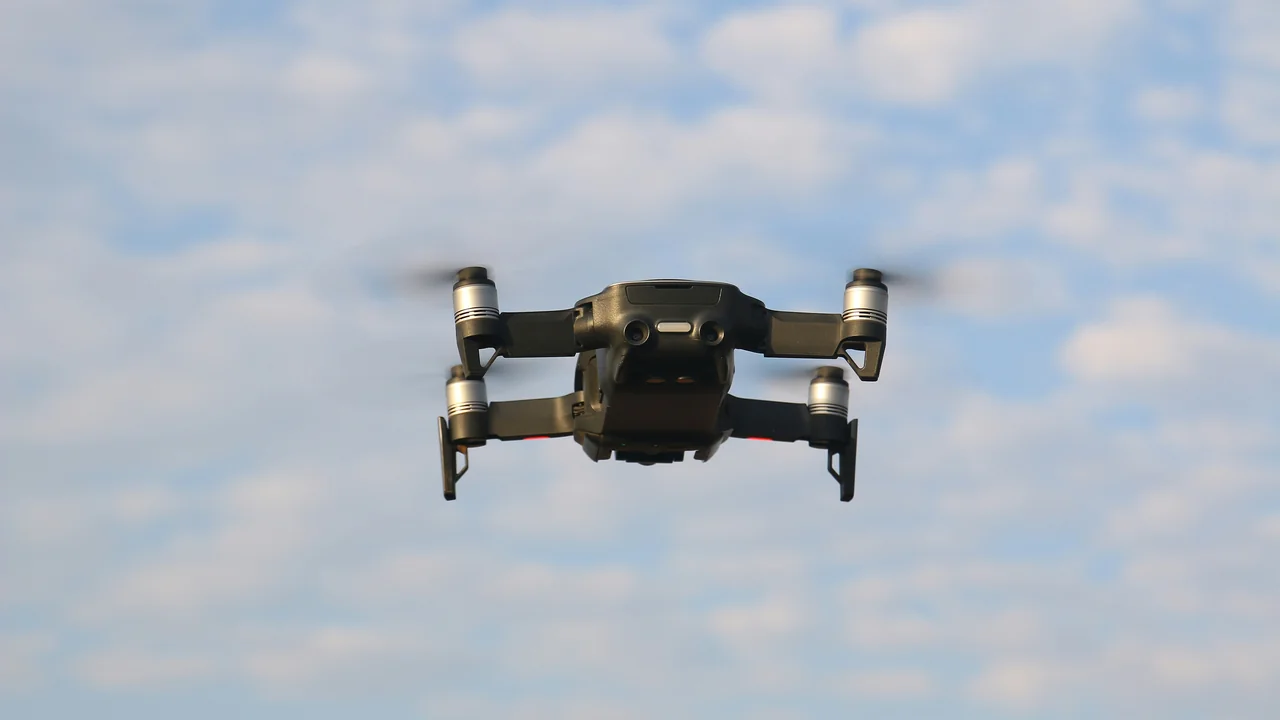
If you are planning a trip to the Grand Canyon and wondering whether you can bring your drone, the answer is a direct and unqualified no. The Grand Canyon drone ban is one of the strictest in the United States, and there are no loopholes for recreational flyers. This guide will explain exactly why drones are prohibited, what the specific Grand Canyon National Park drone rules are, and most importantly, what legal alternatives you have to capture stunning aerial and ground-level photography.
Can I Fly a Drone at the Grand Canyon?
No, you cannot fly a drone anywhere within Grand Canyon National Park. The ban is total and applies to all 1.2 million acres of the park, including the South Rim, North Rim, and the inner canyon. The regulation is enforced by the National Park Service (NPS) under 36 CFR 1.5, which prohibits the launching, landing, or operation of unmanned aircraft on NPS-administered lands. This includes drones of any size, from a DJI Mini 4 Pro (under 250g) to a heavy professional drone. There are no exceptions for recreational users, hobbyists, or tourists.
Why Is There a Grand Canyon Drone Ban?
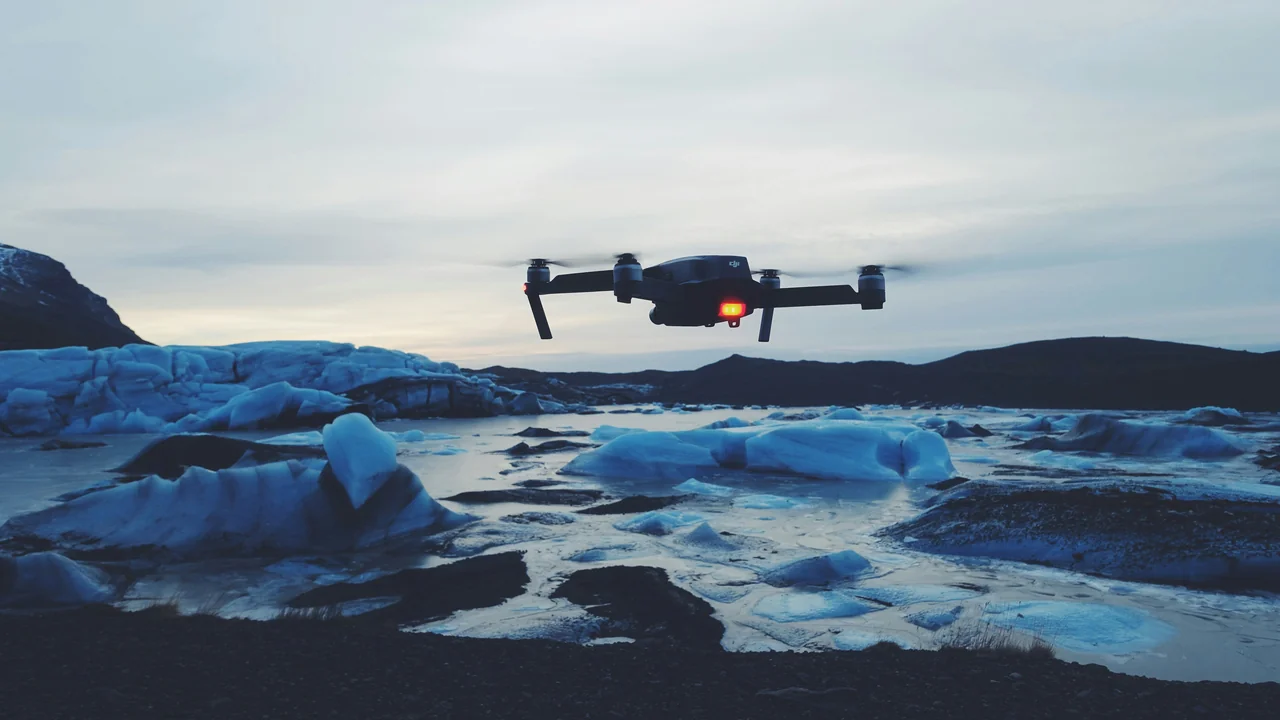
The ban exists for several critical reasons, all centered on visitor safety, wildlife protection, and preserving the natural soundscape. Drones create noise pollution that disrupts the quiet experience that makes the Grand Canyon unique. They can startle hikers on narrow trails, cause panic among mule trains, and disturb sensitive wildlife like California condors and bighorn sheep. The NPS also cites the risk of drones crashing into the canyon walls or into the Colorado River, which would create a difficult and dangerous recovery operation. Furthermore, drones can interfere with helicopter tours, which are a major part of the Grand Canyon experience.
What Is 36 CFR 1.5 and How Does It Apply?
The specific regulation that bans drones at the Grand Canyon is 36 CFR 1.5, which gives the NPS the authority to prohibit certain activities on park lands. Under this rule, the NPS has explicitly banned “unmanned aircraft” as a prohibited activity. This is not a local park decision—it is a federal regulation that applies to all 63 national parks in the United States. Violating 36 CFR 1.5 can result in a federal citation, fines up to $5,000, and even jail time in egregious cases.
Grand Canyon National Park Drone Rules: No Exceptions
The Grand Canyon National Park drone rules are straightforward: no drones, period. There are no designated “drone zones” within the park. Even if you see empty parking lots or remote trails, flying a drone there is illegal. The NPS uses rangers, surveillance, and visitor reports to enforce the ban. If you are caught, you will face a federal citation and your drone may be confiscated.
| Location | Drone Allowed? | Jurisdiction |
|---|---|---|
| Grand Canyon National Park (South Rim) | No | NPS (Federal) |
| Grand Canyon National Park (North Rim) | No | NPS (Federal) |
| Grand Canyon West (Skywalk) | No (Check Tribal Rules) | Hualapai Tribal Land |
| Havasupai (Havasu Falls) | No (Permit Required) | Havasupai Tribal Land |
| Nearby BLM Land | Yes (With FAA Compliance) | Bureau of Land Management |
Commercial Filming Permits: Do They Include Drones?
Some visitors wonder if a commercial filming permit allows drone use. The answer is almost always no. While the NPS does issue commercial filming permits for traditional camera equipment, these permits rarely include authorization to operate a drone. The NPS considers drone operation a separate, highly restricted activity. Even major film productions must apply for a special use permit, and approval is extremely rare. For the average tourist or content creator, a commercial permit will not allow drone flights.
Drone Rules Near the Grand Canyon: What About Tribal Land?
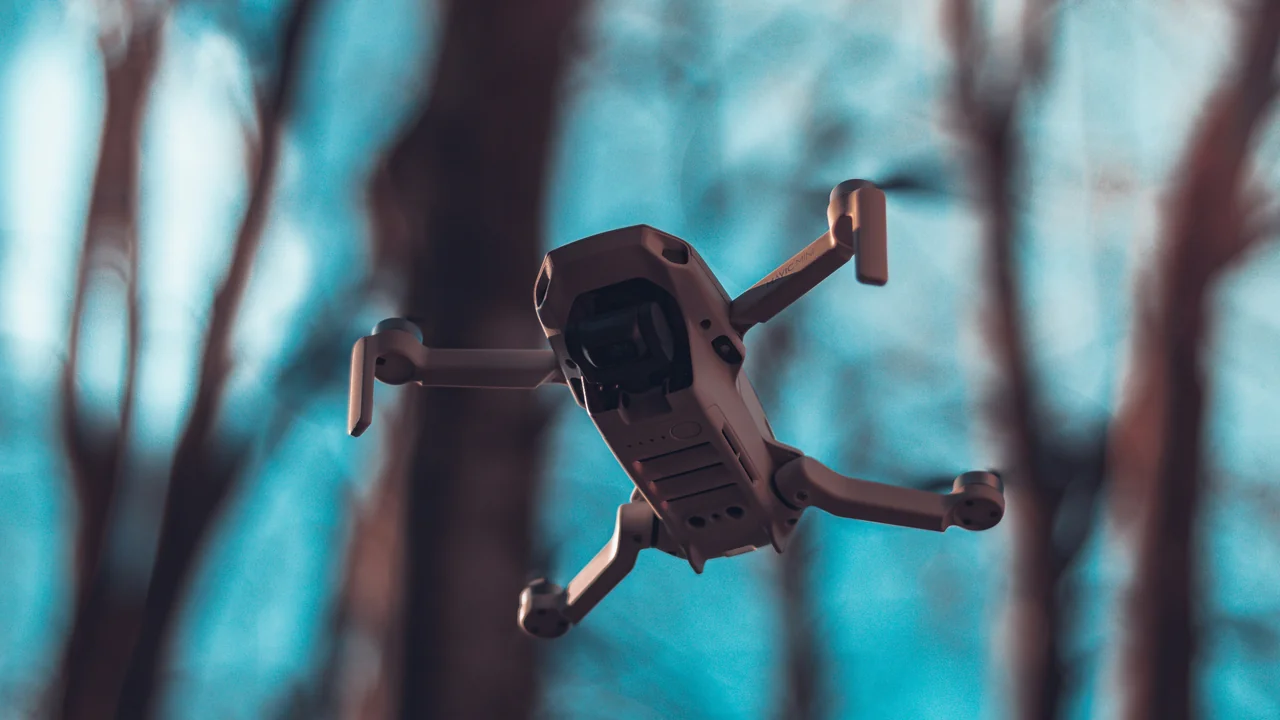
When discussing drone rules near the Grand Canyon, it is critical to understand that the park is surrounded by different jurisdictions, each with its own rules. The most notable areas are Grand Canyon West (operated by the Hualapai Tribe) and Havasupai (operated by the Havasupai Tribe).
Grand Canyon West (Skywalk) — Hualapai Tribal Land
Grand Canyon West, home to the famous Skywalk, is on Hualapai Tribal land, not NPS land. This means the NPS drone ban does not directly apply. However, the Hualapai Tribe has its own regulations. As of 2026, drones are generally not allowed at Grand Canyon West due to safety concerns around the Skywalk and helicopter tours. You must contact the Hualapai Tribe directly for the most current rules. Do not assume that because it is not NPS land, drones are permitted.
Havasupai (Havasu Falls) — Tribal Land
Havasupai, famous for its turquoise waterfalls, is also on tribal land. The Havasupai Tribe requires a permit for any photography or videography, including drone use. Even with a permit, drone flights are heavily restricted to protect the fragile ecosystem and the privacy of tribal members. Most visitors will not be able to fly a drone at Havasu Falls. Always check with the Havasupai Tribe before your trip.
Alternatives to Flying a Drone at the Grand Canyon
Since you cannot fly a drone inside the park, you need practical alternatives. The good news is that there are excellent ways to capture the Grand Canyon’s grandeur without breaking the law.
Nearby BLM Land Where Drones Are Allowed
The most practical alternative is to fly your drone on Bureau of Land Management (BLM) land adjacent to the national park. BLM land does not have a blanket drone ban. You can legally fly on BLM land as long as you follow all FAA regulations, including staying under 400 feet AGL, keeping your drone in visual line of sight, and not flying over people or moving vehicles. Popular BLM areas near the Grand Canyon include the Kaibab National Forest (which surrounds the park) and areas east of the park near the Little Colorado River. Use the No-Fly Zone Checker to confirm you are outside the park boundary.
Check the Park Boundary
Use a GPS app or the NPS map to confirm you are outside Grand Canyon National Park. Even being a few feet inside is a violation.
Verify BLM or Forest Service Land
Check the Kaibab National Forest or BLM land maps. These areas are drone-friendly but still require FAA compliance.
Fly Responsibly
Follow all FAA rules, avoid wildlife, and do not fly over hikers or vehicles. Keep your drone under 400 feet AGL.
Helicopter Tours for Aerial Footage
If you want true aerial footage of the Grand Canyon, the best legal option is to take a helicopter tour. Several operators offer flights over the canyon, and some allow you to bring a camera or GoPro. You can capture stunning video from the helicopter window without violating any law. This is the only way to get “drone-like” footage legally over the canyon itself.
Pros of Helicopter Tours
- 100% legal and safe
- No risk of fines or confiscation
- Professional pilots handle navigation
- Stunning views you cannot get from the rim
Cons of Helicopter Tours
- Expensive ($200–$500 per person)
- Limited to specific flight paths
- Cannot control altitude or position
- Requires advance booking
Panoramic Ground Photography at Key Viewpoints
Do not underestimate the power of ground photography. The Grand Canyon’s rim offers some of the most iconic viewpoints in the world. Locations like Mather Point, Yavapai Observation Station, and Desert View Watchtower provide breathtaking panoramic views. A wide-angle lens or a smartphone with a panorama mode can produce images that rival drone shots. The golden hour (sunrise and sunset) creates incredible lighting that makes even simple photos look professional.
North Rim vs South Rim: Same Rules, Both Banned
Whether you visit the South Rim (open year-round) or the North Rim (open mid-May to mid-October), the drone ban is identical. The North Rim is more remote and less crowded, which sometimes leads visitors to think they can fly unnoticed. This is a mistake. NPS rangers patrol both rims, and the penalties are the same. Do not fly at either rim.
What Is the Fine for Flying a Drone at the Grand Canyon?
Violating the Grand Canyon drone ban is a federal offense. The fine can range from $500 to $5,000 for a first offense, depending on the circumstances. In addition to the fine, your drone may be confiscated, and you could face a federal citation that appears on your record. In extreme cases where a drone causes a safety incident, criminal charges could be filed. The NPS takes this ban very seriously, and enforcement is active.
Can I Fly a Drone Near the Grand Canyon Outside the Park?
Yes, but you must be extremely careful about boundaries. The Grand Canyon National Park covers 1,217,403 acres, but surrounding areas include national forest land, tribal reservations, and state-owned parcels. Each jurisdiction has its own rules.
Kaibab National Forest borders the park on both the North and South Rims. The Forest Service generally allows drone flights under 400 feet, provided you follow FAA Part 107 rules and do not disturb wildlife or other visitors. However, temporary flight restrictions (TFRs) are common near firefighting operations or wildlife management zones.
Havasupai and Hualapai Tribal Lands completely prohibit drones without explicit written permission from tribal authorities. The Hualapai Tribe operates the Grand Canyon Skywalk, and drones are banned within 5 miles of that structure. Violating tribal drone laws can result in vehicle impoundment and fines up to $10,000.
What About Flying Over the Colorado River in the Canyon?
The Colorado River flows through Grand Canyon National Park for 277 miles. Even if you launch from a boat or a beach that is technically below the rim, you are still within park boundaries and subject to the same drone ban. There is no exemption for river-based launches.
Commercial river rafting companies are also prohibited from operating drones. If you join a multi-day rafting trip, leave your drone at home. Guides will not allow you to launch, and the NPS patrols the river corridor via helicopter and boat.
Can You Use a Drone for Research or Film Production?
The NPS issues Special Use Permits for drone operations in very limited circumstances. These are almost exclusively reserved for scientific research, search and rescue operations, or major film productions with a signed Memorandum of Understanding. The application process takes 6–12 months and requires proof of liability insurance up to $2 million.
For amateur filmmakers or hobbyists, the permit path is essentially closed. The NPS has denied over 95% of drone permit applications since 2020, citing resource protection and visitor experience concerns.
| Permit Type | Approval Rate | Typical Wait Time | Insurance Required |
|---|---|---|---|
| Scientific Research | ~40% | 6–8 months | $1 million |
| Film Production (Major Studio) | ~15% | 8–12 months | $2 million |
| Hobbyist / Amateur | <5% | 12+ months | $2 million |
What Happens If You Fly a Drone Over the Grand Canyon Skywalk?
The Grand Canyon Skywalk, located on Hualapai tribal land, has its own zero-tolerance drone policy. The structure is a glass-bottomed bridge suspended 4,000 feet above the canyon floor. Drones are banned within a 5-nautical-mile radius of the Skywalk due to safety concerns and visitor privacy.
If you launch a drone near the Skywalk, tribal security will confiscate the aircraft and you may be banned from the reservation. The Hualapai Tribe has its own drone enforcement team that patrols the area with radio frequency detectors.
Are There Any Legal Ways to Get Aerial Footage of the Grand Canyon?
Yes, but not by flying your own drone inside the park. Here are three legitimate alternatives:
- Hire a licensed aerial photography company that holds an NPS commercial film permit. Companies like Grand Canyon Helicopters and Papillon operate under strict NPS agreements and can capture footage from helicopter flights that stay within approved corridors.
- Purchase stock footage from professional archives. Sites like Pond5 and Shutterstock have extensive Grand Canyon drone footage shot legally from outside the park or from helicopters with proper permits.
- Fly from the Kaibab National Forest at least 1 mile from the park boundary. You can capture wide-angle shots that include the canyon rim without entering restricted airspace. The Forest Service allows recreational drone flights under 400 feet AGL.
Final Thoughts
The Grand Canyon drone ban is clear and non-negotiable. Do not bring your drone into the park expecting to fly it. Instead, plan your trip around legal alternatives: fly on nearby BLM land, take a helicopter tour, or capture stunning ground-level photos from the rim. Use our Weight Checker to confirm your drone’s registration requirements, and always check the No-Fly Zone Checker before any flight near the park. The Grand Canyon is one of the world’s greatest natural wonders—enjoy it responsibly and legally.
Frequently Asked Questions
Are drones allowed at the Grand Canyon?
No, drones are strictly prohibited at the Grand Canyon. This ban applies to all areas within Grand Canyon National Park, including the South Rim, North Rim, and the inner canyon. The prohibition is enforced under federal regulation 36 CFR 1.5, and there are no exceptions for recreational or hobbyist flyers.
Can I fly a drone at the South Rim?
No, you cannot fly a drone at the South Rim of the Grand Canyon. The South Rim is the most visited area of the park, and the NPS actively patrols for drone violations. Even if you see no rangers, flying a drone there is illegal and can result in a fine of up to $5,000 and confiscation of your equipment.
Is there anywhere near the Grand Canyon I can legally fly a drone?
Yes, you can legally fly a drone on nearby Bureau of Land Management (BLM) land and in the Kaibab National Forest, which surrounds the park. These areas do not have a blanket drone ban, but you must follow all FAA regulations, including the 400-foot altitude limit and visual line of sight requirements. Always verify you are outside the park boundary before flying.
Can I get a permit to fly a drone in Grand Canyon National Park?
In almost all cases, no. While the NPS issues commercial filming permits for traditional camera equipment, these permits rarely include authorization to operate a drone. The NPS considers drone operation a separate, highly restricted activity. Even major film productions must apply for a special use permit, and approval is extremely rare. Recreational users cannot obtain a permit to fly a drone.
Are drones allowed at Grand Canyon West on Hualapai land?
Grand Canyon West is on Hualapai Tribal land, not NPS land, so the federal drone ban does not directly apply. However, the Hualapai Tribe has its own regulations, and drones are generally not allowed due to safety concerns around the Skywalk and helicopter tours. You must contact the Hualapai Tribe directly for the most current rules and never assume that drone flights are permitted without explicit authorization.
What is the fine for flying a drone at the Grand Canyon?
The fine for flying a drone at the Grand Canyon can range from $500 to $5,000 for a first offense. In addition to the fine, your drone may be confiscated, and you could receive a federal citation. In cases where a drone causes a safety incident, such as interfering with a helicopter tour, criminal charges may be filed. The NPS actively enforces this ban.
Can I fly a drone at the Grand Canyon if I keep it under 400 feet?
No. The drone ban applies regardless of altitude. Flying at 50 feet or 399 feet is equally illegal inside park boundaries.
What is the fine for flying a drone at the Grand Canyon?
Fines start at $5,000 for a first offense and can reach $25,000 for repeat violations. Equipment confiscation is standard, and criminal charges are possible if the drone causes a safety incident.
Can I fly a drone over the Grand Canyon from a helicopter tour?
No. Helicopter tour companies are prohibited from allowing passengers to operate drones during flights. The FAA considers this a safety hazard, and tour operators who permit it risk losing their operating license.
Is the drone ban at the Grand Canyon permanent?
Yes. The NPS enacted the ban under 36 CFR 1.5 in 2014, and there are no current efforts to reverse it. The ban applies to all national parks, not just the Grand Canyon.
Can I fly a drone on the Navajo Nation near the Grand Canyon?
No. The Navajo Nation has its own drone prohibition on all tribal lands. You must obtain written permission from the Navajo Nation Department of Justice before any flight.
Last updated: June 25, 2026
- National Park Service (NPS) — 36 CFR 1.5 Unmanned Aircraft Prohibition
- Federal Aviation Administration (FAA) — Part 107 and Recreational Drone Rules
- Bureau of Land Management (BLM) — Drone Policy on Public Lands
- Hualapai Tribal Council — Drone Prohibition Resolution 2023-12
- Kaibab National Forest — Unmanned Aircraft Use Guidelines
Drone Allowed
DroneAllowed editor covering drone regulations, aviation law, and aerial photography across USA, UK, Canada & Australia.