
Texas Drone Laws 2026: What’s Legal, Where to Fly & FAA Rules
 12 min read
2,230 words
12 min read
2,230 words
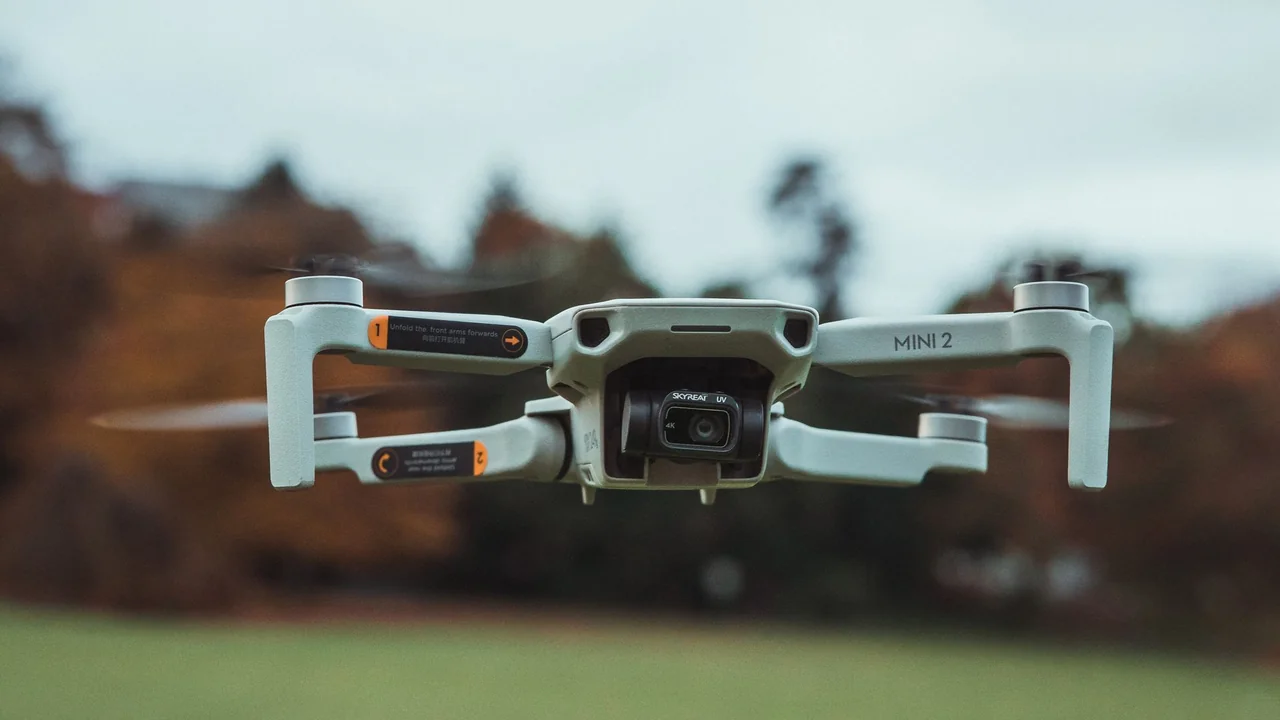
Before we dive into Texa Drone laws, you must comply with the Federal Aviation Administration (FAA) regulations. These are the foundation of all drone operations in the United States, and Texas does not override them.
Registration: Any drone weighing over 0.55 lbs (250g) must be registered with the FAA through the FAA DroneZone. The fee is $5 and covers three years. Even if your drone is under 250g, you must still follow all operational rules.
Remote Pilot Certificate (Part 107): If you fly for any commercial purpose—including agricultural spraying, real estate photography, or ranch surveying—you need a Part 107 Remote Pilot Certificate. Hobbyists flying strictly for fun under the Exception for Limited Recreational Operations must pass the TRUST test and carry proof.
Airspace and Altitude: You cannot fly above 400 feet above ground level (AGL) unless you are within 400 feet of a structure. Controlled airspace around airports requires LAANC authorization. You can check airspace restrictions using the No-Fly Zone Checker before every flight.
Texas Penal Code Section 423: The Drone Privacy Law That Changes Everything
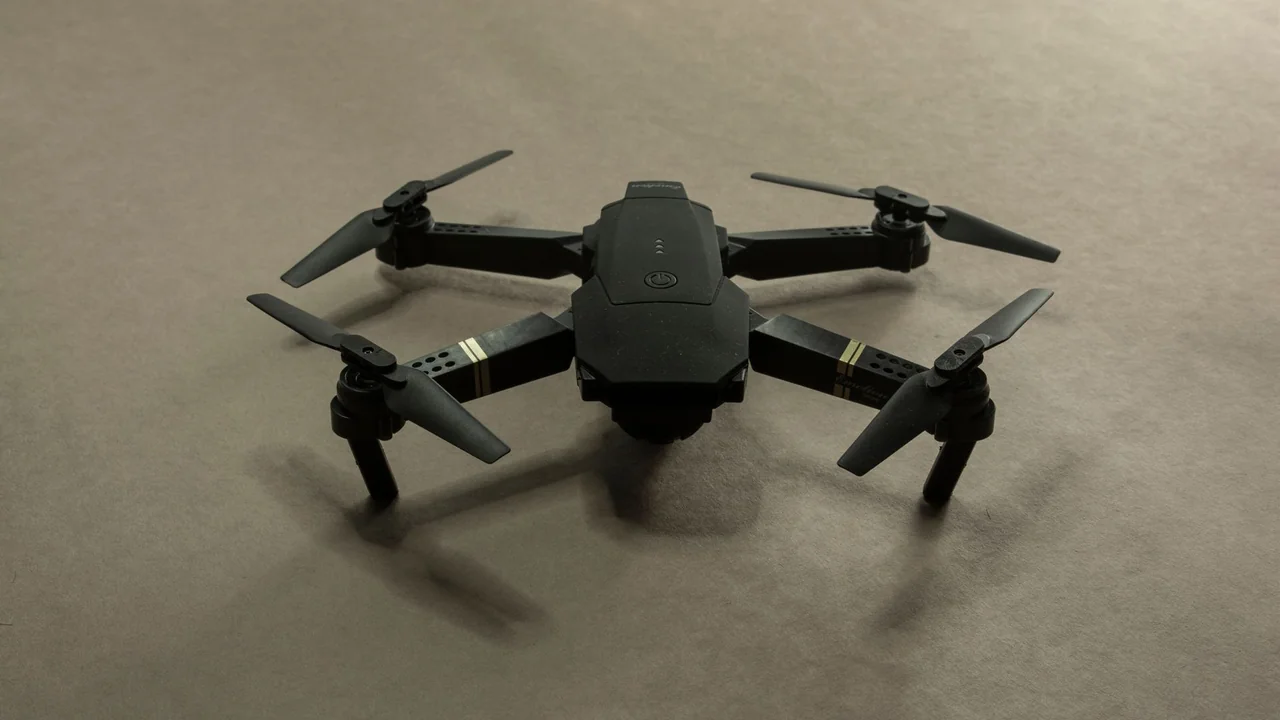
Texas Penal Code Section 423 is the single most important state law for drone pilots in Texas. It directly addresses privacy and critical infrastructure protection, and it applies to both recreational and commercial operators.
What Does Texas Penal Code 423 Prohibit?
Section 423.003 makes it a Class C misdemeanor to capture an image of a person or their private property with a drone if the person has a reasonable expectation of privacy. This applies to:
- Residential backyards, fenced areas, and interior rooms visible from above
- Private land where the owner has posted “No Drone” signs or otherwise indicated they do not consent
- Critical infrastructure facilities including oil refineries, chemical plants, electrical substations, and water treatment facilities
Violating this section can result in a fine of up to $500 for a first offense. Repeat violations can escalate to a Class B misdemeanor with higher penalties.
What Does This Mean for Your Flight?
If you are flying over rural ranchland in Texas, you must ensure you are not capturing images of occupied homes, livestock handling areas where people work, or any private structures. Agricultural drone pilots should establish written permission from the landowner before flying, especially if the operation involves video or photography.
Texas Government Code on Drone Use by State Agencies
Texas Government Code Chapter 423 also restricts how state and local government agencies can use drones. Law enforcement cannot use drones for surveillance without a warrant unless there is an immediate threat of terrorist attack or hot pursuit of a suspect. This is one of the strictest state-level restrictions on government drone use in the country.
For private pilots, this law does not directly apply, but it reflects Texas’s strong stance on privacy. If you are flying near a police operation or emergency scene, expect heightened scrutiny. Do not fly over active law enforcement or fire response areas without explicit authorization.
Drone Laws in Major Texas Cities: Houston, Austin, and San Antonio
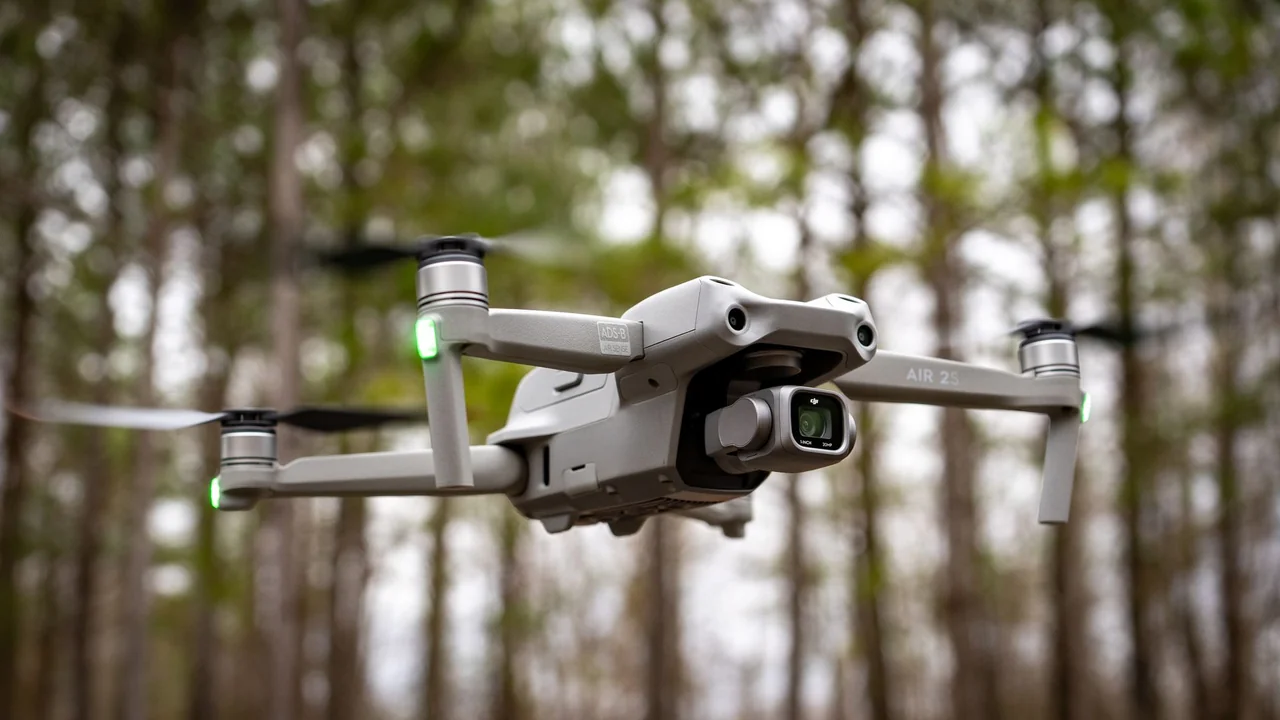
Texas cities cannot create their own airspace restrictions, but they can regulate takeoff and landing on city-owned property. Here is what you need to know for the three largest metro areas.
Drone Laws Houston
Houston is home to George Bush Intercontinental Airport (IAH) and William P. Hobby Airport (HOU). Most of the city lies within controlled airspace requiring LAANC authorization. The Houston Parks and Recreation Department prohibits drone takeoff and landing in all city parks unless you have a special event permit. This includes popular spots like Hermann Park and Buffalo Bayou Park. Flying over the Houston Ship Channel is also risky due to the critical infrastructure restrictions in Texas Penal Code 423.
Drone Laws Austin
Austin-Bergstrom International Airport (AUS) creates a Class C airspace ring around the city. Downtown Austin and the area around Lady Bird Lake are in controlled airspace. The City of Austin Parks and Recreation Department requires a permit for drone use in city parks, including Zilker Park and the Barton Creek Greenbelt. The Texas Capitol grounds are state property, and drone flights are prohibited there without a permit from the Texas Facilities Commission.
San Antonio Airspace and Fort Sam Houston
San Antonio International Airport (SAT) has controlled airspace, but the bigger concern is Fort Sam Houston, a major military installation. A large portion of northeast San Antonio falls within restricted airspace (R-6203) that is often active. You must check NOTAMs before flying in this area. The San Antonio River Walk and the Alamo are in controlled airspace and require LAANC authorization. The Alamo is also a UNESCO World Heritage site, and drone flights are prohibited on the grounds.
Pros of Flying in Texas Cities
- LAANC authorization is fast and free through apps like B4UFLY
- Many suburban parks outside city limits are unrestricted
- Open farmland is accessible within 30 minutes of most cities
Cons of Flying in Texas Cities
- City park permit processes are slow and inconsistent
- Critical infrastructure zones are dense near industrial areas
- Military restricted airspace near San Antonio limits options
Flying Drones in Texas National Parks and State Parks
National parks in Texas follow federal rules: drones are banned from takeoff, landing, and operation on all National Park Service (NPS) land. This includes Big Bend National Park and Guadalupe Mountains National Park.
Drone Rules Big Bend National Park
Big Bend National Park is one of the most remote and visually stunning parks in the country, but drones are strictly prohibited. The NPS ban applies to all units, including the Rio Grande Wild and Scenic River within the park boundary. Do not attempt to launch from just outside the park boundary and fly in—rangers patrol and can issue fines up to $5,000.
Guadalupe Mountains National Park
The same ban applies here. Guadalupe Mountains is a smaller park but has active enforcement. If you want to fly in the area, look for Bureau of Land Management (BLM) land nearby, such as the Guadalupe Mountains BLM area, where drones are generally allowed.
Texas State Parks
Texas state parks are managed by the Texas Parks and Wildlife Department (TPWD). Unlike national parks, drones are generally allowed in state parks, but each park superintendent can impose restrictions. Common rules include:
- No drone flights over developed areas, campgrounds, or visitor centers
- No flights that disturb wildlife or other visitors
- You must maintain visual line of sight at all times
Some popular state parks like Enchanted Rock and Pedernales Falls have specific drone bans posted at the entrance. Always check the TPWD website for the specific park before you go.
Agricultural and Ranch Drone Operations in Texas
Texas is the largest state for agricultural drone use in the United States. Spraying crops, monitoring livestock, and surveying rangeland are common commercial operations. The FAA treats agricultural drone flights as commercial operations, so you need a Part 107 certificate and, if you are spraying, an additional exemption from the FAA or EPA for chemical application.
Flying Drone Ranch Texas: Key Rules
When operating on a ranch you own or have permission to use, Texas Penal Code 423 still applies. You cannot fly over a neighbor’s occupied home or livestock handling facility without their consent. For large ranches spanning thousands of acres, use GPS geofencing to avoid flying over neighbor’s homes. Also, be aware of the Texas Occupations Code regarding pesticide application—you may need a commercial applicator license from the Texas Department of Agriculture if you are spraying for hire.
Border Area Restrictions Near Mexico
Flying drones near the Texas-Mexico border requires extra caution. The U.S. Customs and Border Protection (CBP) has a Temporary Flight Restriction (TFR) that often extends several miles north of the border, especially in areas with active operations. This TFR is not permanent, but it is frequently active in the Rio Grande Valley, around El Paso, and near Laredo. Always check NOTAMs and the B4UFLY app before flying within 10 miles of the border. Violating a CBP TFR can result in your drone being confiscated and federal charges.
Commercial Filming Permits for State Land
If you are shooting commercial video or photography on Texas state land—including state parks, highway rights-of-way, or public university campuses—you may need a permit from the Texas Film Commission or the specific agency managing the land. For state parks, contact the park superintendent at least two weeks in advance. For highway rights-of-way, you need a permit from the Texas Department of Transportation (TxDOT). Failure to obtain a permit can result in trespassing charges and seizure of your footage.
Final Thoughts
Texas drone laws in 2026 strike a balance between the wide-open skies pilots love and the privacy rights that Texans hold dear. The key takeaway is this: follow FAA rules for registration, airspace, and altitude; respect Texas Penal Code 423 by not capturing images of people or critical infrastructure without consent; and always check local park and city rules before launching. For agricultural and ranch operations, get written landowner permission and verify pesticide licensing requirements. Before your next flight, use the No-Fly Zone Checker to confirm airspace status, and if you are pursuing a Part 107 certificate, the FAA Part 107 Guide will help you pass the test. Fly smart, respect the rules, and Texas will remain one of the best states in the country to fly a drone.
Frequently Asked Questions
Are drones legal in Texas?
Yes, drones are legal in Texas, but you must follow both federal FAA regulations and state laws. The FAA governs airspace and registration, while Texas Penal Code Section 423 restricts capturing images of people on private property and flying over critical infrastructure. You can fly in most places as long as you respect privacy, stay under 400 feet, and avoid restricted airspace.
Can I fly a drone on private property in Texas?
You can fly over private property in Texas as long as you are in navigable airspace (above the treeline and structures), but you cannot capture images of people or their homes if they have a reasonable expectation of privacy. Texas Penal Code 423 makes it illegal to photograph a person’s backyard or interior rooms without consent. Always get landowner permission before launching from private property.
What is the Texas drone privacy law?
The Texas drone privacy law is Texas Penal Code Section 423. It prohibits capturing images of individuals or private property where there is a reasonable expectation of privacy. It also bans flying a camera-equipped drone over critical infrastructure facilities like oil refineries and power plants. Violations are a Class C misdemeanor for a first offense, with fines up to $500.
Are drones allowed in Big Bend National Park?
No, drones are not allowed in Big Bend National Park. The National Park Service bans the takeoff, landing, and operation of drones in all national parks, including Big Bend. This applies to the entire park boundary and the Rio Grande Wild and Scenic River within it. Fines can reach up to $5,000 for violations.
Do I need a permit to fly a drone in Texas State Parks?
Generally, no permit is required for recreational drone flights in Texas state parks, but each park superintendent can impose restrictions. Some parks like Enchanted Rock and Pedernales Falls have specific drone bans. For commercial filming in state parks, you must contact the park superintendent at least two weeks in advance and may need a permit from the Texas Film Commission.
Can I fly a drone in Houston or Austin?
Yes, but with restrictions. Both Houston and Austin are in controlled airspace near major airports (IAH, HOU, and AUS), so you need LAANC authorization to fly. City parks in both cities require permits for takeoff and landing. In Houston, city parks prohibit drone operations without a special event permit. In Austin, you must obtain a permit from the Parks and Recreation Department for flights in city parks.
Last updated: June 25, 2026
- Federal Aviation Administration (faa.gov)
- Texas Penal Code Chapter 423
- Texas Government Code Chapter 423
- Texas Parks and Wildlife Department (tpwd.texas.gov)
- National Park Service (nps.gov)
Drone Allowed
DroneAllowed editor covering drone regulations, aviation law, and aerial photography across USA, UK, Canada & Australia.