
Can You Fly a Drone Over a Prison? Laws, Penalties & What Happens
 13 min read
2,456 words
13 min read
2,456 words
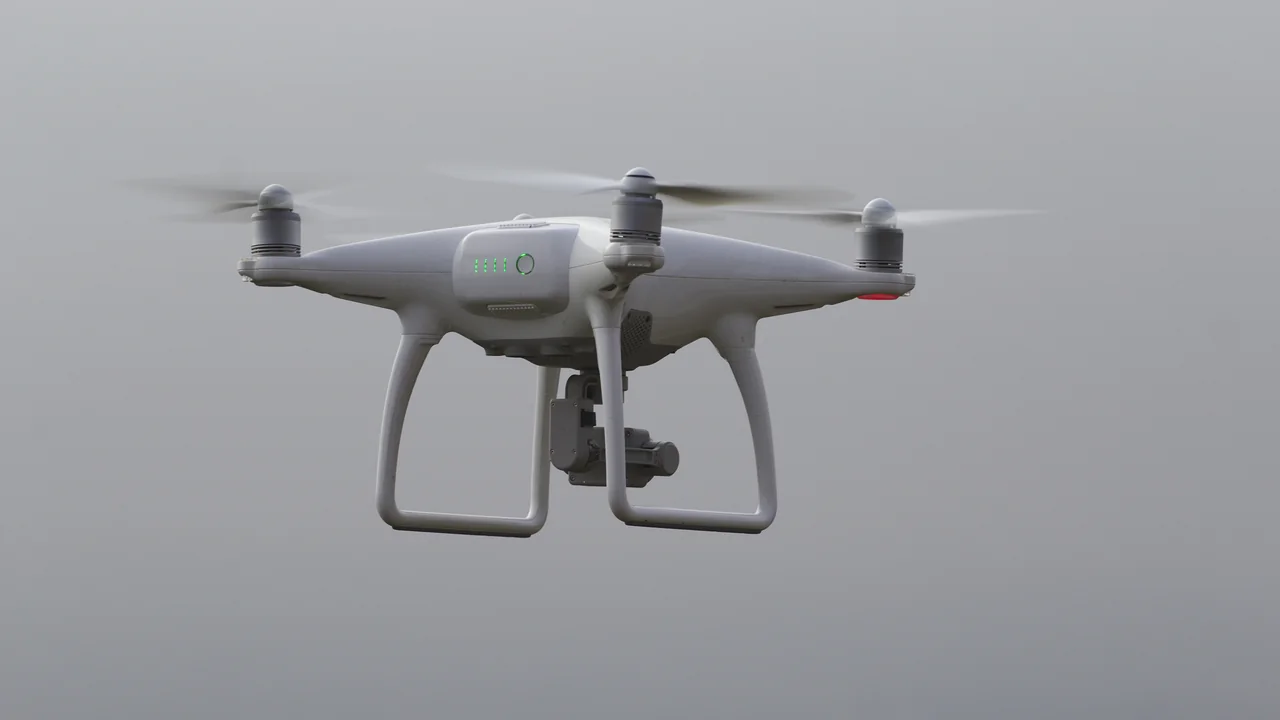
If you’ve ever looked at a map of drone no-fly zones and spotted a prison or jail nearby, you’ve likely wondered: can you fly a drone over a prison without getting into trouble? The short answer is no, but the full picture involves federal restrictions, state criminal laws, and a growing national conversation about contraband smuggling via drone. In this guide, you will learn exactly which laws apply to flying a drone over a correctional facility, what penalties you face for an intentional or accidental overflight, and how the Bureau of Prisons, state legislatures, and international aviation authorities treat prison airspace. Whether you are a recreational pilot checking your flight path or a researcher studying drone-related crime, this article covers the legal and practical realities you need to know.
Is It Illegal to Fly a Drone Over a Prison?
Yes, flying a drone over a prison is illegal under multiple layers of law in most jurisdictions. The question “is it illegal to fly drone over jail” does not have a single nationwide answer in the United States because the legality depends on whether the facility is federal, state, or county-run, and which state you are in. However, the practical answer for every pilot is the same: treat every prison, jail, and correctional facility as a strict no-fly zone.
The Federal Aviation Administration (FAA) has designated many federal correctional institutions as restricted airspace under Part 73 or through special Notices to Air Missions (NOTAMs). Flying into these areas without authorization violates federal aviation regulations and can result in FAA enforcement action, including civil penalties of up to $32,666 per violation. Beyond the FAA, the Bureau of Prisons (BOP) works with the Department of Justice to prosecute individuals who operate drones over federal prisons under criminal statutes.
FAA Prison No-Fly Zone: Federal Correctional Facilities
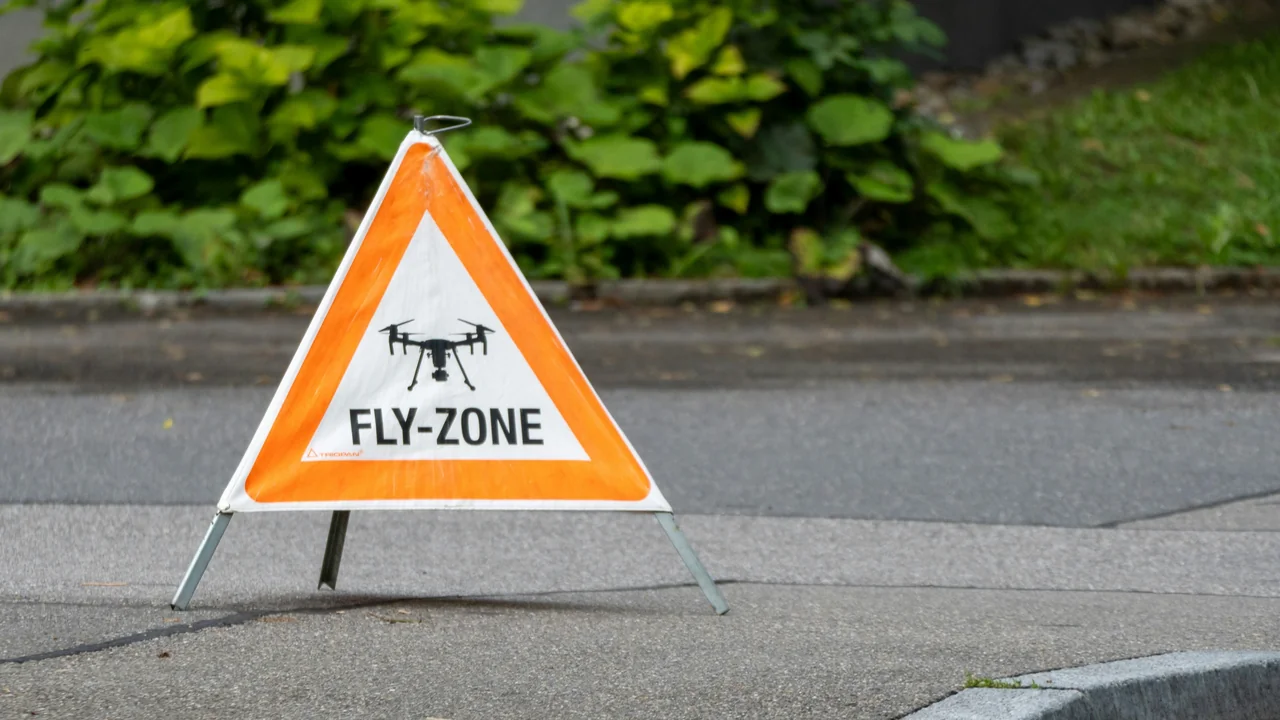
The FAA has designated many federal prisons as no-fly zones under Part 73 of the Federal Aviation Regulations. These are typically listed as “Restricted Areas” or “Prohibited Areas” on aeronautical charts. For example, the United States Penitentiary at Leavenworth, Kansas, and the Federal Correctional Institution at Lompoc, California, both have active restricted airspace designations that prohibit drone operations without prior FAA authorization.
Even if a specific federal prison does not appear on a published restricted area map, the FAA can issue temporary flight restrictions (TFRs) around correctional facilities when needed. The Bureau of Prisons has also requested that the FAA establish permanent no-fly zones around all federal correctional institutions. As of 2026, the FAA has granted these requests for the majority of high-security federal prisons.
Drone Over Prison Law: Federal Criminal Charges
If you fly a drone over a federal prison with the intent to deliver contraband — or even if you do so recklessly — you can face federal criminal charges under 18 USC 1791, which prohibits providing or attempting to provide prohibited objects to inmates. “Prohibited objects” include drugs, weapons, cell phones, and any item that threatens the security of the facility. A conviction under this statute carries up to 20 years in federal prison, depending on the nature of the contraband.
Additionally, if the drone itself is used to photograph or record the prison interior, you may face charges under 18 USC 795, which prohibits photographing defense installations and sensitive government facilities. Federal prosecutors have successfully used these statutes in tandem with FAA civil penalties to secure convictions against drone operators caught overflying federal prisons.
State Prisons: California Explicitly Bans Drone Overflight
State laws vary widely, but California provides the clearest example of a state that has explicitly criminalized drone overflight of correctional facilities. Under California Penal Code Section 632.2, it is a misdemeanor to operate a drone over any state prison, county jail, or juvenile detention facility without prior written permission. A first offense can result in up to six months in county jail and a fine of up to $1,000. Subsequent offenses carry increased penalties.
Other states with similar statutes include Florida, Texas, New York, and Illinois. Florida Statute 944.611 makes it a third-degree felony to operate a drone over a state correctional institution. Texas Government Code Section 411.065 prohibits drone flights over correctional facilities and allows law enforcement to seize the drone as evidence. New York Correction Law Section 137-b creates a specific crime of “unlawful operation of a drone over a correctional facility.”
County Jails: Varies by State and Local Ordinance
County jails present a more complex regulatory landscape. While some states have laws that explicitly cover county detention facilities, others leave regulation to local ordinances. For example, Maricopa County, Arizona, has a county ordinance that prohibits drone flights over any county detention facility. In contrast, some rural counties have no specific drone ordinance, but general trespassing and harassment laws may still apply.
If you are unsure about the rules for a specific county jail, contact the county sheriff’s office or the facility’s administrative office directly. Many sheriff’s departments now post drone restriction notices at facility entrances and on their websites.
Prison Drone Drop: The Contraband Crisis
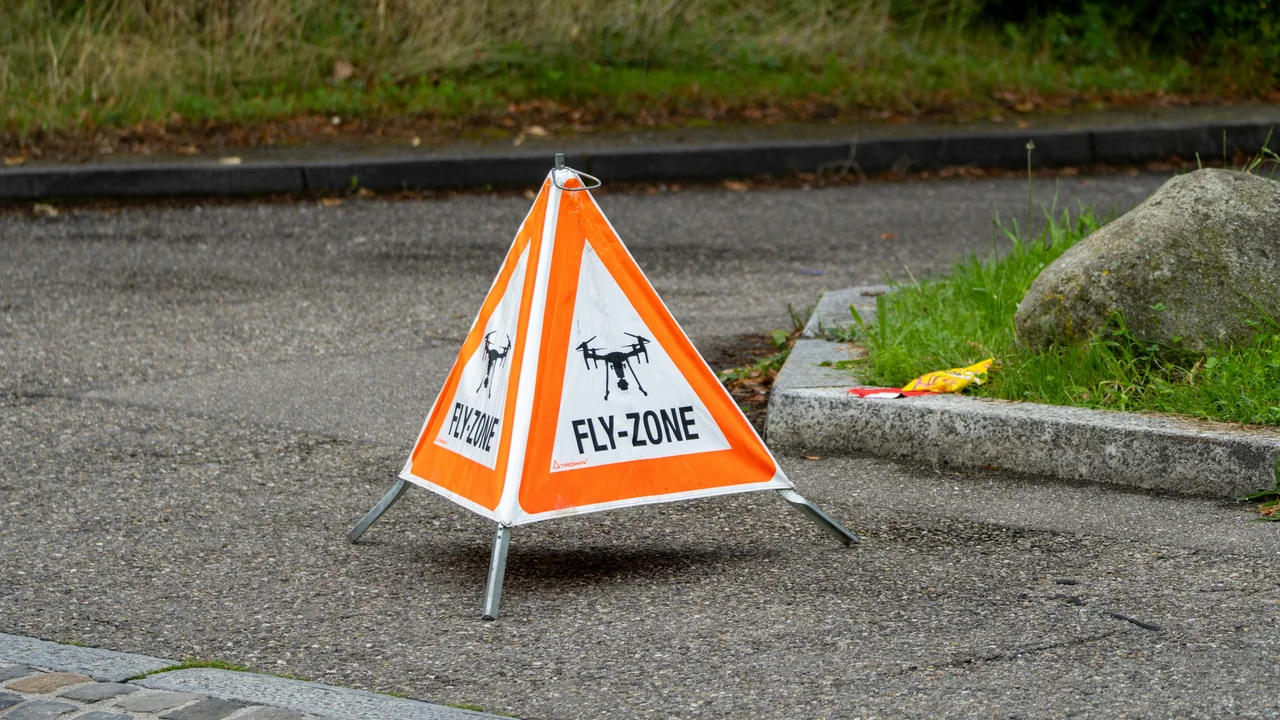
The phrase “prison drone drop” has become a major news topic as correctional authorities across the United States and around the world report a sharp increase in contraband deliveries via unmanned aircraft. Drones are used to drop packages containing cell phones, drugs, weapons, and even tools for escape directly into prison yards. The Federal Bureau of Prisons reported over 1,200 drone-related incidents at federal facilities between 2020 and 2025.
This crisis has driven many states to pass criminal drone-over-prison statutes as a direct response. Before 2018, fewer than 10 states had specific laws addressing drone flights over correctional facilities. Today, more than 30 states have enacted such laws, with penalties ranging from misdemeanor charges to felonies punishable by years in prison.
Drone Near Correctional Facility: Accidental vs. Deliberate Overflight
Intent matters significantly when it comes to prosecution for flying a drone near a correctional facility. If you accidentally fly your drone over a prison while navigating nearby airspace, you are less likely to face criminal charges than someone who deliberately flies over the facility to drop contraband. However, “accidental” does not mean “immune from consequences.”
The FAA can still issue a civil penalty for any unauthorized entry into restricted airspace, regardless of intent. State prosecutors may also charge you with reckless endangerment or criminal trespass if the overflight causes a security response, such as locking down the facility or deploying counter-drone systems. In some states, simply flying over the airspace — even without intent to commit a crime — is a strict liability offense.
Penalties for Flying a Drone Over a Prison
The penalties for flying a drone over a prison can be severe and compound across multiple jurisdictions. Here is a breakdown of what you may face:
| Type of Penalty | Federal | State | FAA |
|---|---|---|---|
| Criminal charges | Up to 20 years for contraband delivery (18 USC 1791) | Misdemeanor to felony depending on state | N/A (civil penalties only) |
| Fine | Up to $250,000 per offense | Up to $10,000 per offense | Up to $32,666 per violation |
| Drone seizure | Yes, federal agents may seize the drone | Yes, state law enforcement may seize the drone | Yes, FAA may order forfeiture |
| Incarceration | Up to 20 years | Up to 5 years (varies by state) | N/A |
International Perspective: UK and Australia
UK — HM Prison Service: No-Fly Zones Around All Prisons
In the United Kingdom, the HM Prison Service has designated all prisons as no-fly zones for drones. The Crown Prosecution Service (CPS) actively prosecutes individuals caught flying drones over or near prisons under the Prison Act 1952 and the Air Navigation Order 2016. In 2024, a man was sentenced to 14 months in prison for flying a drone over HMP Hewell in Worcestershire to deliver drugs and phones.
The UK Civil Aviation Authority (CAA) has also issued guidance that flying a drone within 150 meters of a prison is likely to be considered reckless and may result in prosecution. The CAA works closely with the National Police Chiefs’ Council to enforce these restrictions.
Australia — CASA: Correctional Facilities Are Sensitive Areas
Australia’s Civil Aviation Safety Authority (CASA) classifies correctional facilities as “sensitive areas” under the Civil Aviation Safety Regulations. Flying a drone over or near a prison without a specific exemption is prohibited. State and territory laws in Queensland, New South Wales, and Victoria have also enacted specific criminal offenses for drone flights over correctional facilities. Penalties in Australia include fines of up to AUD 13,750 and possible imprisonment.
Summary: Treat All Prisons and Jails as No-Fly Zones
The practical rule for every drone pilot is simple: treat all prisons, jails, and correctional facilities as strict no-fly zones, regardless of whether a specific FAA designation or state law is posted on a map. The combination of federal restricted airspace, state criminal statutes, and the growing contraband crisis means that any drone flight over a correctional facility carries significant legal risk. If you are planning a flight near a facility, use a No-Fly Zone Checker to verify airspace restrictions before you launch. When in doubt, choose a different location — the potential penalties far outweigh any benefit of flying in that airspace.
Frequently Asked Questions
Is it illegal to fly a drone over a prison?
Yes, it is illegal to fly a drone over a prison in most circumstances. Federal prisons are often designated as restricted airspace by the FAA, and flying into these areas without authorization violates federal aviation regulations. Additionally, over 30 states have enacted specific criminal laws that prohibit drone flights over correctional facilities, with penalties ranging from fines to felony charges. Even if a specific prison does not have a published no-fly zone, state laws or local ordinances may still apply.
What happens if you fly a drone over a jail?
If you fly a drone over a jail, you may face FAA civil penalties of up to $32,666 per violation, state criminal charges, and seizure of your drone. The specific consequences depend on whether the jail is federal, state, or county-run, and whether you had intent to deliver contraband. Accidental overflight may result in a warning or civil fine, while deliberate overflight with contraband can lead to federal charges carrying up to 20 years in prison.
Are prisons FAA no-fly zones?
Many federal prisons are designated as restricted airspace by the FAA under Part 73, and others have standing NOTAMs that prohibit drone flights. State and county prisons are not automatically FAA no-fly zones, but they are covered by state laws that independently criminalize drone overflight. The FAA has been expanding the number of correctional facilities with active airspace restrictions in response to the contraband drone crisis.
Can you get arrested for flying a drone near a prison?
Yes, you can be arrested for flying a drone near a prison. Law enforcement officers can detain you if they suspect you are violating state drone laws or federal statutes. If the drone is carrying contraband or if you refuse to land when instructed, arrest is highly likely. Even without contraband, flying within the restricted airspace of a federal prison can result in arrest and federal charges.
What are the drone laws for correctional facilities?
Drone laws for correctional facilities vary by jurisdiction but generally prohibit any drone flight over or within a certain distance of the facility. Federal law restricts flights over designated no-fly zones and criminalizes contraband delivery. State laws in over 30 states make drone overflight a misdemeanor or felony. Local ordinances may add additional restrictions for county jails. The common thread across all jurisdictions is that correctional facilities are treated as sensitive, restricted airspace.
How do drones deliver contraband to prisons?
Drones deliver contraband to prisons by flying over the perimeter fence and dropping packages into exercise yards, recreation areas, or near windows. Operators often use drones with payload release mechanisms that can drop items weighing up to several pounds. The most commonly delivered items are cell phones, drugs, and weapons. Correctional authorities have reported that drones are increasingly used because they are harder to detect than traditional smuggling methods like thrown packages or corrupt staff.
Can I fly my drone near a prison if I’m not dropping anything?
No. Even without contraband, overflight alone may violate state laws (like California’s PC 632.2) and FAA regulations if the prison is in restricted airspace. The act of flying over is the violation, not just dropping items.
Are all prisons marked on drone maps?
No. While many federal facilities appear on FAA sectional charts, state prisons and local jails often don’t. Always cross-reference with corrections department websites and satellite imagery before flying.
What should I do if I see a drone over a prison?
Do not confront the operator. Report it to the prison administration or local law enforcement immediately. Note the drone’s color, size, flight pattern, and any visible payload. Your report could prevent contraband from entering the facility.
Does the FAA have a specific no-fly zone for prisons?
The FAA designates some federal prisons as Part 73 restricted areas, but not all. State prisons are not typically in FAA restricted airspace, but state laws may still prohibit overflight. Always check both FAA airspace and state laws.
Can I get a waiver to fly over a prison for commercial work?
Technically possible but extremely difficult. You’d need FAA authorization (often via a waiver or COA), permission from the facility, and coordination with local law enforcement. Most requests are denied for security reasons.
Last updated: July 04, 2026
- Federal Aviation Administration (FAA) — Part 73 Restricted Areas
- 18 USC 1791 — Prohibited Objects in Federal Prisons
- California Penal Code Section 632.2
- Florida Statute 944.611
- UK Crown Prosecution Service — Drone Offences Guidance
- Australia Civil Aviation Safety Authority (CASA) — Sensitive Areas
Drone Allowed
DroneAllowed editor covering drone regulations, aviation law, and aerial photography across USA, UK, Canada & Australia.