
Best Travel Drones 2026: Compact, Legal & Great Camera Quality
 14 min read
2,723 words
14 min read
2,723 words
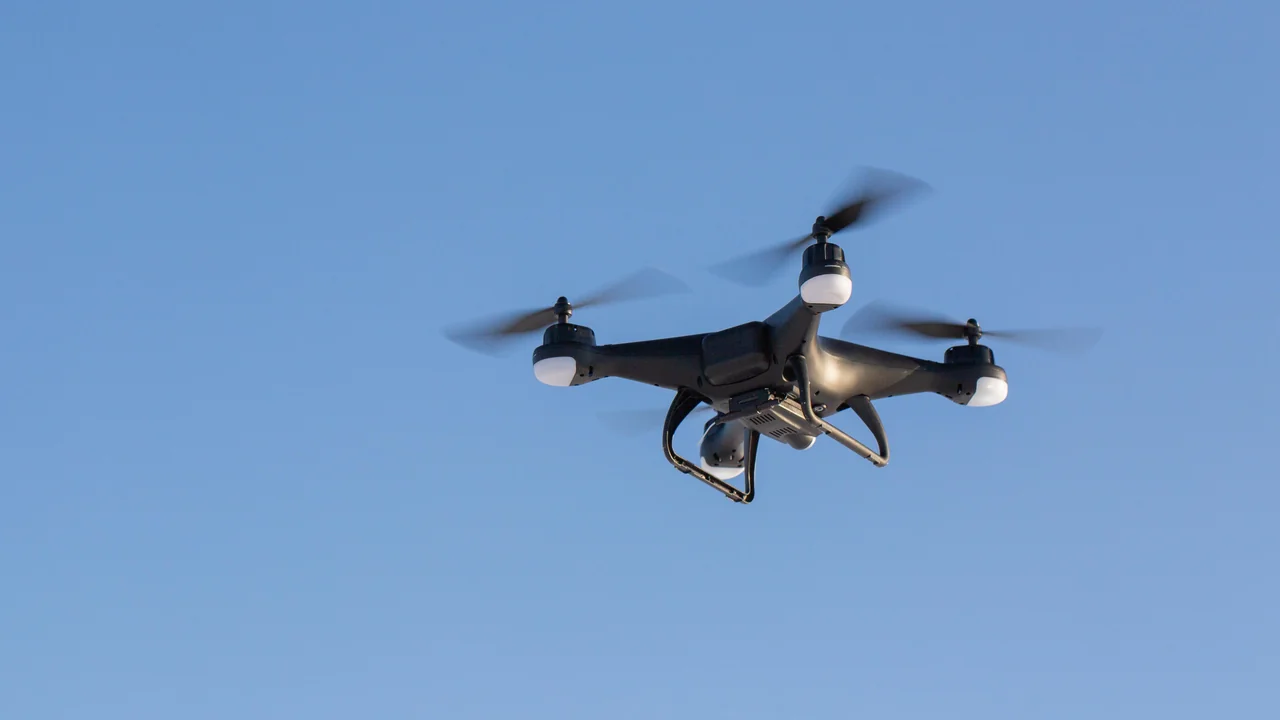
Planning your next trip and wondering which drone you can actually pack without getting tangled in airport security or foreign drone laws? You have come to the right place. In this guide to the best travel drones 2026, I will break down the top compact models, explain exactly how sub-250g weight saves you from registration hassles in multiple countries, and walk you through airline battery rules that most travelers miss. By the end, you will know which drone fits your camera needs and your itinerary.
Why Travel Drone Choice Matters Legally: Weight, Camera, and Country Rules
The single most important decision you make when buying a travel drone is weight. In the United States, the FAA requires registration for any drone weighing over 0.55 lbs (250g). That includes the battery and propellers. In the United Kingdom, the CAA has a similar threshold: drones under 250g fall into the A1 subcategory, which allows flight over uninjured people and has simpler registration requirements. Canada and Australia both use 250g as the dividing line for the most relaxed flying rules.
A heavier drone means you must register with the local aviation authority, often pay a fee, and pass a knowledge test in some countries. For a traveler visiting four countries in two weeks, that is a logistical nightmare. A sub-250g drone like the DJI Mini 4 Pro sidesteps nearly all of that. You still must follow local no-fly zones and altitude limits, but you avoid the registration layer entirely in the US, UK, Canada, and Australia.
Top Picks: Best Travel Drone 2026 for Camera Quality and Portability
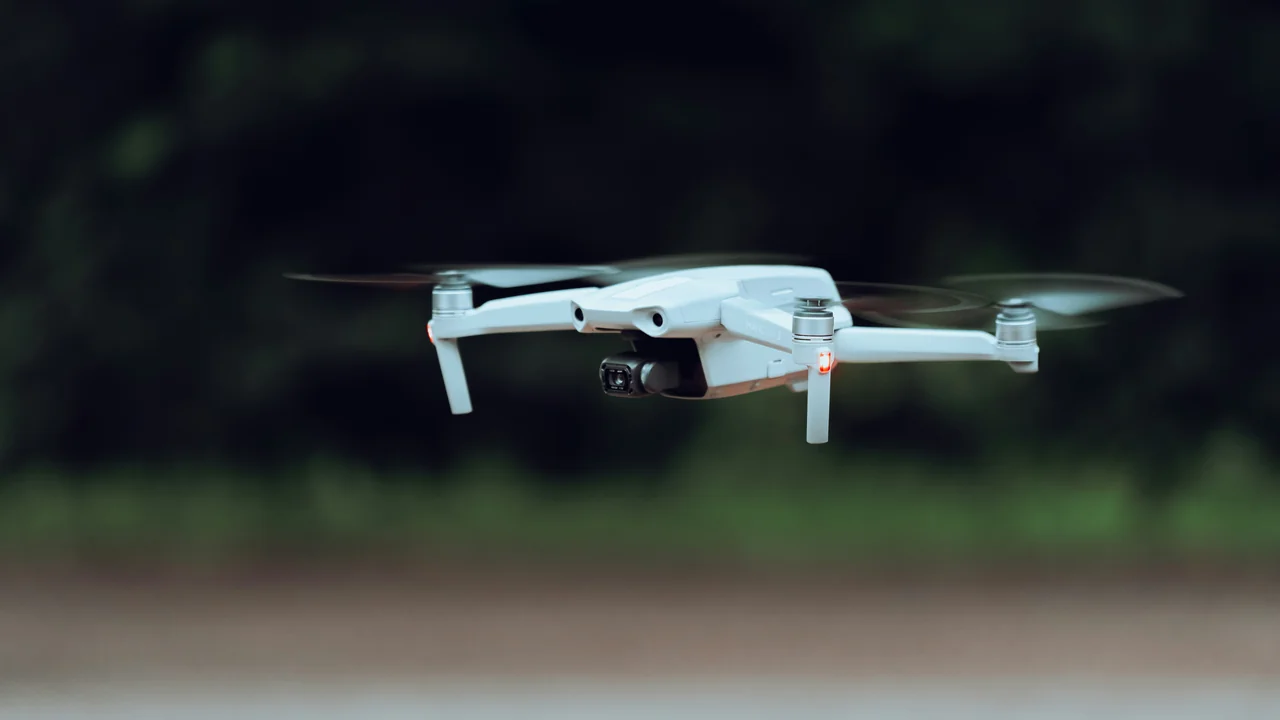
DJI Mini 4 Pro: Best Overall Travel Drone 2026
The DJI Mini 4 Pro remains the benchmark for a best travel drone 2026. It weighs 249 grams with the standard battery, keeping it under the critical 250g threshold. The camera is a 48MP sensor with 4K/100fps video and 10-bit D-Log M color. That is professional-grade image quality in a package smaller than a smartphone. Omnidirectional obstacle sensing gives you confidence flying in tight urban spaces or near trees on a hiking trail. The O4 video transmission system reaches 12 miles (20 km), which is overkill for most trips but means you never lose signal in a park or beach setting.
DJI Mini 3: Best Value Compact Drone for Travel
The DJI Mini 3 is the budget-friendly alternative that still delivers excellent 4K video and a 1/1.3-inch sensor. It also weighs 249 grams. You lose the omnidirectional obstacle avoidance and the O4 transmission, but you gain a longer flight time of 38 minutes versus the Mini 4 Pro’s 34 minutes. For travelers who prioritize battery life over advanced safety features, this is the best lightweight drone for travel under $500.
Autel Evo Nano+: Best Alternative for Privacy-Conscious Travelers
Autel’s Evo Nano+ matches the DJI Mini 4 Pro in weight (249g) and camera quality (4K, 50MP). It uses a Sony IMX586 sensor with an f/1.9 aperture. The key differentiator is that Autel does not require internet connectivity for activation or flight logging, which matters for travelers who want to avoid any data transmission concerns. The obstacle avoidance is only downward and forward, not omnidirectional, so you must be more careful in complex environments.
| Drone | Weight | Camera | Flight Time | Obstacle Avoidance | Price (USD) |
|---|---|---|---|---|---|
| DJI Mini 4 Pro | 249g | 48MP, 4K/100fps | 34 min | Omnidirectional | $1,099 |
| DJI Mini 3 | 249g | 12MP, 4K/30fps | 38 min | Downward only | $479 |
| Autel Evo Nano+ | 249g | 50MP, 4K/30fps | 28 min | Downward + Forward | $799 |
Sub-250g Advantages for International Travel Across US, UK, Canada, Australia
Flying a drone under 250g unlocks the simplest legal path in all four countries. Here is what that means in practice:
- United States (FAA): No registration required for recreational use. You must still pass the TRUST test (free, online, takes 15 minutes). No license needed.
- United Kingdom (CAA): Sub-250g drones in the A1 category do not require operator registration. You must register as a flyer (free) and label your drone with your operator ID. No certificate of competence needed.
- Canada (Transport Canada): Drones under 250g have no registration or pilot certification requirements. You must follow basic rules: stay below 400ft AGL, keep visual line of sight, avoid airports and emergency scenes.
- Australia (CASA): Sub-250g drones do not require registration or an operator accreditation. You must follow the standard rules: fly below 400ft, stay 30m from people, avoid controlled airspace.
If you buy a drone that weighs 250g or more, you must complete separate registration processes in each country before flying. That means creating accounts on the FAA DroneZone, the CAA website, Transport Canada’s portal, and CASA’s system. For a two-week trip, that is not practical.
Airline Carry-On Rules: LiPo Battery Restrictions You Must Know
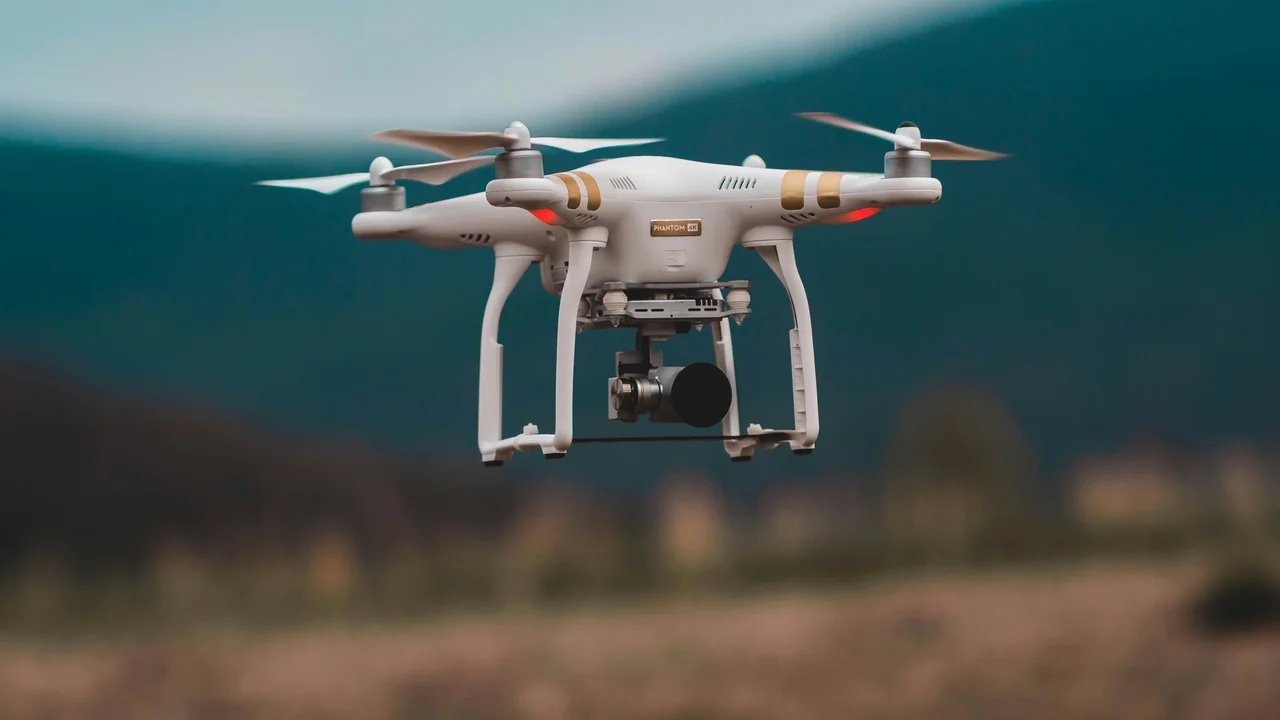
Airlines follow International Air Transport Association (IATA) rules for lithium batteries. Your drone battery is a lithium-ion (LiPo) battery, and the rules are strict. Here are the hard limits:
| Battery Capacity | Allowed in Carry-On | Allowed in Checked Baggage |
|---|---|---|
| Under 100Wh | Yes (up to 2 spare batteries) | No (spare batteries) |
| 100Wh – 160Wh | Yes (airline approval required) | No |
| Over 160Wh | No | No |
The DJI Mini 4 Pro standard battery is 18Wh. The Plus battery is 26Wh. Both are well under 100Wh. You can carry up to two spare batteries in your carry-on. The drone itself with a battery installed is also allowed in carry-on. Never put spare batteries in checked luggage — the risk of thermal runaway in the cargo hold is why they are banned.
TSA Rules for Drone Batteries
The Transportation Security Administration (TSA) follows the same IATA guidelines. When you go through security screening in the US, you must remove the drone batteries from your bag and place them in a separate bin, just like you do with a laptop. The drone itself can stay in your bag if it has no battery installed. If the battery is installed, the entire drone must come out.
TSA officers are increasingly familiar with drones. In 2025, I flew through Newark, Los Angeles, and Denver with a Mini 4 Pro and two spare batteries. At each checkpoint, the officer asked “Is that a drone?” and then “Are the batteries loose?” When I confirmed yes, they waved me through after the X-ray. Keep your batteries in a LiPo-safe bag to prevent terminal shorting — that is a best practice regardless of airport rules.
DJI Mini 4 Pro Legal Status in the UK, US, Canada, and Australia
Here is the summary table you came for. This shows exactly where the DJI Mini 4 Pro stands in each country as of 2026:
| Country | Registration Required? | License Required? | Max Altitude | Key Restriction |
|---|---|---|---|---|
| United States | No (recreational) | No (TRUST test only) | 400ft AGL | No flight over people unless under 250g and with caution |
| United Kingdom | No (operator ID required) | No | 400ft AGL | Must stay 50m from uninvolved people |
| Canada | No | No | 400ft AGL | Must stay 30m from people, 5.6km from airports |
| Australia | No | No | 400ft AGL | Must stay 30m from people, no flight over crowds |
This table confirms that the Mini 4 Pro is the safest legal bet for a multi-country trip. You still need to check local no-fly zones using apps like DJI Fly or AirMap, but you avoid the registration and licensing steps entirely.
Case and Bag Recommendations for Travel Drones
A good travel case protects your drone during baggage handling and keeps your accessories organized. For a compact drone for travel, you want something that fits in a daypack but still offers hard-shell protection. Here are three options I have tested:
- DJI Mini 4 Pro Fly More Combo Bag: Included with the Fly More Combo, this soft-sided case fits the drone, three batteries, the remote controller, and a charger. It is not waterproof but fits easily in a carry-on suitcase.
- PGYTECH Hard Shell Case: A hardshell case with custom-cut foam. It fits the drone with the Plus battery installed, plus all accessories. It is carry-on sized and has a waterproof seal.
- Peak Design Travel Duffel 35L: Not a drone-specific bag, but the internal dividers let you create a custom compartment for the drone and batteries. It is my go-to for trips where I also carry camera gear.
Whichever bag you choose, keep your batteries in a LiPo-safe bag inside the main compartment. That prevents metal objects from shorting the terminals during transit.
Insurance for Travel Drone Use Internationally
Drone insurance is not mandatory in the US, UK, Canada, or Australia for sub-250g drones flown recreationally. However, it is strongly recommended. If you crash into a person or property abroad, you are personally liable for damages. Medical costs in the US can exceed $100,000 for a serious injury. In the UK, you could face a fine from the CAA plus civil damages.
Two types of insurance matter for travel:
- Liability insurance: Covers damage you cause to people or property. In the UK, the CAA recommends at least £1 million in coverage. In Australia, CASA recommends at least AUD $10 million. Many US-based policies like those from SkyWatch.AI cover international flights up to 30 days per year.
- Hull insurance: Covers damage or loss of your drone. This is useful if you crash into water or lose the drone in a remote area. DJI Care Refresh includes hull coverage but only for the first year.
Before you travel, call your insurance provider and confirm that your policy covers the countries you are visiting. Some policies exclude China, Russia, or countries with active conflict zones.
DJI Care Refresh for Travel
DJI Care Refresh is a warranty extension that covers accidental damage, including water damage, crashes, and flyaways. For a travel drone, it is almost essential. Here is why: if you crash your Mini 4 Pro on day two of a ten-day trip, standard warranty does not cover it. With Care Refresh, you pay a small replacement fee (typically $89 for the Mini 4 Pro) and DJI ships a replacement drone to your hotel or home address.
The catch is shipping time. If you are in a remote area, it may take three to five days for the replacement to arrive. I recommend buying Care Refresh before your trip and then carrying a backup drone if your itinerary is tight. The DJI Mini 3 is cheap enough that you can buy one as a spare and leave it in your luggage.
What to Research Before Flying Abroad
Before you take off in a new country, do this checklist:
- Check the local drone authority: FAA for US, CAA for UK, Transport Canada for Canada, CASA for Australia. Each has a website with current rules.
- Download the local airspace app: AirMap, DJI Fly, or the local authority’s app. In the UK, the CAA’s Drone Assist app shows all no-fly zones including prisons, military bases, and national parks.
- Research national park rules: Many countries ban drones in national parks. In the US, the National Park Service bans drones entirely. In Australia, each state has different rules — Queensland allows drones in some parks with a permit, while Tasmania bans them in all wilderness areas.
- Check weather conditions: The DJI Mini 4 Pro has a maximum wind resistance of 10.7 m/s (Level 5). If you are flying in coastal areas with strong winds, you may need a heavier drone like the Autel Evo Lite+.
- Know the local privacy laws: In the UK, you must not fly over private property at low altitude without permission. In Japan, flying over temples or shrines is prohibited. In the UAE, all drone flights require a permit from the General Civil Aviation Authority.
Use our Weight Checker tool to verify your drone’s exact weight with the battery you plan to use. That one extra gram from a Plus battery can push you over 250g and change your legal requirements in every country.
Final Thoughts
The best travel drone 2026 for most international travelers is the DJI Mini 4 Pro. It delivers professional camera quality, stays under 250g, and avoids registration in the US, UK, Canada, and Australia. Pair it with two spare batteries in a LiPo-safe bag, a hard-shell case, and a liability insurance policy that covers your destination countries. Before you fly, check the local drone authority’s website and download the airspace app for that country. With this preparation, you can focus on capturing stunning aerial footage instead of worrying about legal trouble.
If you are on a tighter budget, the DJI Mini 3 gives you the same legal advantages with slightly less camera performance. For privacy-conscious travelers, the Autel Evo Nano+ is a solid alternative. Whichever you choose, remember that the weight you pack matters more than the camera specs when you cross borders.
Frequently Asked Questions
What is the best travel drone?
The DJI Mini 4 Pro is the best travel drone in 2026. It weighs 249 grams, stays under the critical 250g threshold for simplified regulations, and offers a 48MP camera with 4K/100fps video. Its omnidirectional obstacle avoidance and 34-minute flight time make it practical for most travel scenarios. For budget-conscious travelers, the DJI Mini 3 is a strong alternative at half the price.
Can I take a DJI Mini 4 Pro on a plane?
Yes, you can take a DJI Mini 4 Pro on a plane as carry-on luggage. The drone itself and its batteries must be in your carry-on bag, never in checked baggage. The standard battery is 18Wh, well under the 100Wh limit for unrestricted carry-on. You can bring up to two spare batteries. At TSA security, you must remove the batteries and place them in a separate bin for screening.
What are the airline rules for drone batteries?
Airline rules for drone batteries follow IATA guidelines. Batteries under 100Wh are allowed in carry-on luggage without approval, with a maximum of two spare batteries. Batteries between 100Wh and 160Wh require airline approval. Batteries over 160Wh are banned entirely. All spare batteries must have terminals protected from short circuits, typically using a LiPo-safe bag or tape over the contacts.
Is DJI Mini 4 Pro legal in Australia, UK, and USA?
Yes, the DJI Mini 4 Pro is legal in Australia, the UK, and the USA for recreational use without registration. In the USA, you must pass the free TRUST test. In the UK, you must register as a flyer and label your drone with your operator ID. In Australia, no registration is needed. All three countries require you to fly below 400ft AGL and maintain visual line of sight.
What drones are allowed as carry-on luggage?
Any drone with batteries under 100Wh is allowed as carry-on luggage. This includes all DJI Mini series drones (Mini 2, Mini 3, Mini 4 Pro), Autel Evo Nano series, and most compact consumer drones. You must carry the drone and all batteries in your carry-on bag. The drone itself can have a battery installed, but spare batteries must be individually protected from short circuits.
Do I need special insurance to fly a drone abroad?
Special drone insurance is not legally required in the US, UK, Canada, or Australia for sub-250g drones flown recreationally. However, liability insurance is strongly recommended to cover damages to people or property. Many US-based policies like SkyWatch.AI offer international coverage for up to 30 days per year. Hull insurance that covers drone damage or loss is also worth considering for expensive models like the DJI Mini 4 Pro.
Last updated: June 25, 2026
- Federal Aviation Administration (FAA) — faa.gov
- Civil Aviation Authority (CAA UK) — caa.co.uk
- Transport Canada — tc.canada.ca
- Civil Aviation Safety Authority (CASA Australia) — casa.gov.au
- International Air Transport Association (IATA) — iata.org
Drone Allowed
DroneAllowed editor covering drone regulations, aviation law, and aerial photography across USA, UK, Canada & Australia.