
Autel Evo Nano Plus: Laws, Registration & How It Compares to DJI Mini
 14 min read
2,608 words
14 min read
2,608 words

If you are shopping for a sub-250g drone and considering the Autel Evo Nano+ as an alternative to the DJI Mini 4 Pro, you are likely wondering about the Autel Evo Nano Plus laws in the USA. The good news is that the legal framework for both drones is nearly identical because they share the same critical weight of 249 grams. In this guide, I will walk you through FAA registration requirements, Part 107 rules, Remote ID compliance, and the one major difference that sets Autel apart from DJI: geofencing. By the end, you will know exactly what the law requires for your Nano+ and whether it is the right choice for your flying style.
Autel Evo Nano Plus Weight: Why 249g Matters Under FAA Rules
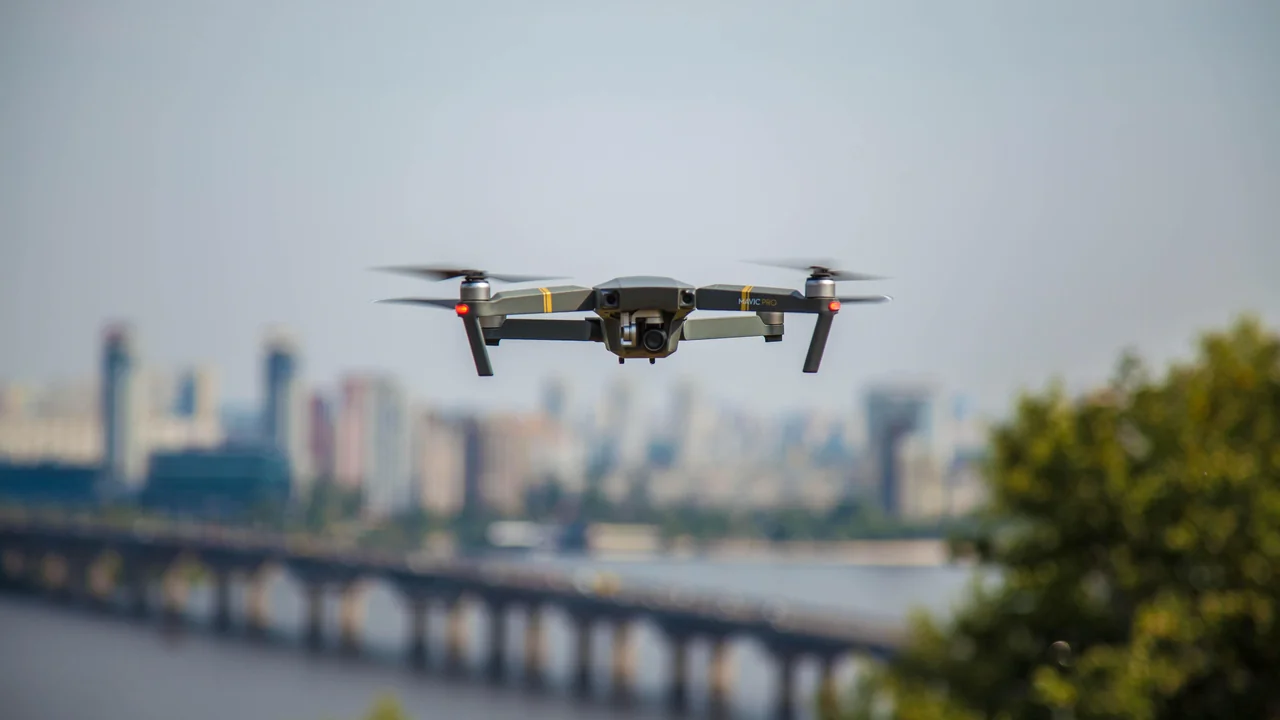
The Autel Evo Nano Plus weight is exactly 249 grams (8.78 ounces), placing it right at the FAA’s 0.55 lb (250g) threshold. This is the same weight as the DJI Mini 4 Pro and all other “Mini” series drones. Under FAA regulations, any drone that weighs less than 250 grams is exempt from the standard registration requirement if flown strictly for recreational purposes under the Exception for Limited Recreational Operations (ELRO).
What does this mean for your flight? If you fly the Nano+ purely for fun, you do not need to register it with the FAA or pay the $5 fee. However, the moment you use the drone for any commercial purpose—even a single paid photo shoot—you must register it and obtain a Part 107 Remote Pilot Certificate. The weight exemption only applies to recreational registration, not to commercial rules.
Autel Evo Nano Plus FAA Registration: Do You Need It?
The question of Autel Evo Nano Plus FAA registration depends entirely on how you intend to fly. Below is a clear breakdown of the two scenarios.
| Use Case | Registration Required? | License Required? |
|---|---|---|
| Recreational (hobby, fun) | No (under 250g) | No (but must pass TRUST test) |
| Commercial (paid work, business) | Yes ($5, FAA DroneZone) | Yes (Part 107 Remote Pilot Certificate) |
| Government / Public Safety | Yes (COA required) | Yes (Part 107 or equivalent) |
For recreational flyers, the FAA does not require registration for the Nano+. However, you still must take The Recreational UAS Safety Test (TRUST) and carry proof of completion. For commercial pilots, registration is mandatory via the FAA DroneZone website. The fee is $5 and covers three years. You will also need to pass the Part 107 knowledge test at an FAA-approved testing center.
Autel Evo Nano Plus vs DJI Mini 4 Pro: Which Is More Legal-Friendly?
When comparing Autel Evo Nano Plus vs DJI Mini 4 Pro from a legal perspective, both drones are treated identically under FAA rules. Both weigh 249g, both qualify for the recreational registration exemption, and both require Part 107 for commercial use. The real difference lies in how each company handles geofencing and Remote ID compliance.
Geofencing: The Key Legal Distinction
Autel’s geofencing system is significantly less restrictive than DJI’s Fly Safe system. DJI maintains a global geofencing database that automatically restricts flights near airports, stadiums, and other sensitive areas. Autel, by contrast, uses a “soft” geofencing approach. Their drones will display a warning if you enter controlled airspace but will not physically prevent you from taking off or flying. This is a double-edged sword.
Autel Pros
- Less restrictive geofencing — you can fly in controlled airspace with LAANC authorization
- No forced firmware updates that change geofencing zones
- More freedom for experienced pilots
Autel Cons
- No safety net — you are fully responsible for avoiding restricted zones
- New pilots may accidentally enter prohibited airspace
- Less community support for geofencing issues
For commercial operators, Autel’s approach can be an advantage because you can fly in controlled airspace after obtaining LAANC authorization without fighting a geofence. However, you must be diligent about checking airspace maps before every flight. DJI’s aggressive geofencing can be frustrating when you have a valid LAANC approval but the drone still refuses to take off.
Remote ID Compliance: Does Autel Evo Nano Plus Have It?
Yes, the Autel Evo Nano Plus is Remote ID compliant out of the box. The drone broadcasts its location, altitude, speed, and serial number to any Remote ID receiver within range. This is the same requirement that applies to the DJI Mini 4 Pro. Both drones meet the FAA’s September 2023 Remote ID mandate.
For recreational flyers, this means you do not need to purchase a separate Remote ID module. The built-in system is always active when the drone is powered on. For commercial operators, Remote ID provides an additional layer of accountability that can help when working under Part 107 waivers or in controlled airspace.
One practical difference: Autel’s Remote ID implementation is slightly less polished than DJI’s. Some users report occasional signal dropouts or difficulty pairing with third-party Remote ID receivers. DJI’s system is more mature and widely tested. However, both systems meet the minimum FAA requirements.
Where Can You Fly the Autel Evo Nano Plus?
You can fly the Autel Evo Nano Plus in the same places as any other FAA-compliant drone. The rules are the same regardless of brand. Here is a quick reference:
- National parks: No drone flights allowed unless you have a special permit from the National Park Service
- State parks: Varies by state — check local regulations before flying
- Class B, C, D, E controlled airspace: Requires LAANC authorization (free via apps like Aloft or Kittyhawk)
- Class G uncontrolled airspace: No authorization needed, but still follow altitude and VLOS rules
- Over people: Only if your drone weighs under 250g and you follow Category 1 rules
- Over moving vehicles: Prohibited unless you have a Part 107 waiver
The Nano+ weight of 249g puts it in Category 1 for operations over people, meaning you can fly over crowds without a waiver as long as the drone does not contain any exposed rotating parts that could cause injury. This is a significant advantage for commercial real estate or event photography.
Camera Comparison: How It Affects Commercial Use Decisions
The Autel Evo Nano Plus features a 50MP camera with a 1/1.28-inch sensor, while the DJI Mini 4 Pro has a 48MP camera with a 1/1.3-inch sensor. Both can shoot 4K video at 60fps and support HDR. However, Autel’s camera has a slight edge in low-light performance due to the larger individual pixels. DJI’s camera offers better dynamic range and more advanced subject tracking.
For commercial operators, the camera quality matters because it determines what jobs you can accept. The Nano+ is excellent for real estate photography, aerial inspections, and landscape work. The Mini 4 Pro is better for tracking moving subjects like cars or athletes. Both are capable of producing professional-grade results, but the software ecosystem around DJI is more mature with more third-party tools and support.
One practical consideration: Autel’s SkyLink video transmission system has a range of up to 12.4 miles (20 km), which is comparable to DJI’s O4 system. However, Autel’s app interface is less intuitive and has fewer features. If you are used to DJI’s polished user experience, the Autel app may feel clunky.
Autel’s Lack of Global Geofencing Network vs DJI Fly Safe
This is the single biggest difference between the two brands and a major factor in your purchasing decision. DJI maintains a global geofencing database that is updated regularly through firmware updates. Their system automatically blocks flights in restricted zones, including airports, military bases, and prisons. Autel does not have a comparable network. Their geofencing is limited to a basic warning system that relies on the drone’s GPS and internal map data.
What does this mean for your flight? If you travel internationally, DJI’s geofencing will automatically adjust to local restrictions in most countries. Autel’s system may not recognize foreign restricted zones, which could put you at risk of violating local laws. For US-based pilots, this difference is less pronounced because the FAA’s airspace system is well-documented and LAANC covers most controlled areas.
However, Autel’s approach gives you more freedom to fly in areas where DJI’s geofencing is overly restrictive. I have heard from multiple pilots who switched to Autel specifically because DJI’s geofencing prevented them from flying in locations where they had valid LAANC authorization. If you are an experienced pilot who understands airspace rules and always checks maps before flying, Autel’s soft geofencing can be an advantage.
Final Thoughts: Which Drone Should You Choose?
If you are a recreational pilot who wants the simplest possible experience, the DJI Mini 4 Pro is the safer choice. Its aggressive geofencing acts as a safety net for new pilots. If you are a commercial operator or experienced hobbyist who wants maximum flexibility, the Autel Evo Nano Plus offers less restrictive geofencing and a camera that competes well with DJI’s offering.
Both drones are legally identical under FAA rules. Both weigh 249g, both are Remote ID compliant, and both require Part 107 for commercial work. The decision comes down to your tolerance for geofencing restrictions and your preference for software ecosystem. Use our Weight Checker tool to confirm your registration status before your first flight.
Frequently Asked Questions
Do I need to register an Autel Evo Nano Plus in the USA?
No, you do not need to register the Autel Evo Nano Plus with the FAA if you fly it recreationally. The drone weighs 249 grams, which is under the 250-gram threshold that triggers the registration requirement. However, if you use the drone for any commercial purpose, you must register it via the FAA DroneZone website and obtain a Part 107 Remote Pilot Certificate. Even recreational flyers must pass the TRUST test and carry proof of completion.
Autel Evo Nano Plus vs DJI Mini 4 Pro — which is more legal-friendly?
Both drones are equally legal-friendly under FAA rules because they share the same 249-gram weight and Remote ID compliance. The main difference is geofencing. DJI uses a restrictive global geofencing system that can prevent flights even with valid LAANC authorization. Autel uses a soft warning system that allows you to fly after confirming airspace clearance. For pilots who understand airspace rules, Autel is more flexible. For beginners, DJI’s geofencing provides a safety net that can prevent accidental violations.
Does Autel drone have Remote ID?
Yes, the Autel Evo Nano Plus is fully Remote ID compliant. It broadcasts the drone’s location, altitude, speed, and serial number to any Remote ID receiver within range. This meets the FAA’s September 2023 mandate. The system is built into the drone and activates automatically when powered on. You do not need to purchase a separate Remote ID module for recreational or commercial use. Some users report occasional signal dropouts compared to DJI’s system, but both meet FAA requirements.
Can I fly Autel Evo Nano Plus in national parks?
No, you cannot fly the Autel Evo Nano Plus in any US national park without a special permit from the National Park Service. This rule applies to all drones regardless of weight, brand, or registration status. The ban covers takeoff, landing, and operation within park boundaries. Violations can result in fines up to $5,000 and confiscation of your drone. State parks have their own rules that vary by location, so always check local regulations before flying.
Does Autel have geofencing like DJI?
Autel uses a soft geofencing system that is much less restrictive than DJI’s Fly Safe network. Autel drones display a warning when you enter controlled airspace but do not physically prevent takeoff or flight. DJI’s system uses a global database that can block flights entirely in restricted zones. Autel’s approach gives pilots more freedom but requires greater personal responsibility. You must always verify airspace status using the FAA B4UFLY app or LAANC before flying in controlled areas.
What is the weight of Autel Evo Nano Plus?
The Autel Evo Nano Plus weighs exactly 249 grams (8.78 ounces), which is just under the FAA’s 250-gram registration threshold. This weight includes the battery, propellers, and camera. The drone is identical in weight to the DJI Mini 4 Pro and all other Mini series drones. This sub-250g classification means recreational pilots do not need to register the drone, but commercial operators still must register and obtain a Part 107 certificate.
Is the Autel Evo Nano Plus legal to fly in the US without a license?
Yes, if you fly recreationally. You do not need a license or FAA registration because the drone weighs under 250g. However, you must follow all FAA recreational rules, including flying below 400 feet and keeping the drone in sight.
Does the Autel Evo Nano Plus require Remote ID?
No, but it has built-in Standard Remote ID. The FAA requires Remote ID for all drones flown after September 16, 2023, but the Autel Evo Nano Plus meets this requirement automatically. You do not need to install any additional module.
Can I fly the Autel Evo Nano Plus for commercial work?
Yes, but you need a Part 107 certificate from the FAA. The drone itself does not require registration for recreational use, but commercial operators must register it and pass the Part 107 knowledge test.
Where can I find Autel Evo Nano Plus firmware updates for Remote ID?
Download the Autel Sky app from the official Autel Robotics website or your device’s app store. The app handles firmware updates, including Remote ID compliance patches. Keep the app updated to ensure legal operation.
Is the Autel Evo Nano Plus better than the DJI Mini 4 Pro for privacy?
Both drones have similar privacy profiles. Autel has no mandatory geofencing, which some pilots view as less intrusive. However, privacy laws depend on how you use the drone, not the manufacturer. Always respect local privacy rules and avoid recording people without consent.
What are the penalties for flying the Autel Evo Nano Plus without Remote ID?
The FAA can impose civil penalties up to $27,500 per violation. Since the Autel Evo Nano Plus has built-in Remote ID, this is unlikely unless you disable the feature. Always keep Remote ID enabled.
Can I fly the Autel Evo Nano Plus in Canada?
Yes, but Canadian rules differ. The drone weighs under 250g, so it qualifies as a micro drone under Transport Canada regulations. You do not need to register it, but you must follow all local laws, including avoiding restricted airspace and flying below 400 feet.
Last updated: June 25, 2026
- Federal Aviation Administration (FAA) — faa.gov
- FAA DroneZone — faadronezone.faa.gov
- FAA Part 107 Regulations — 14 CFR Part 107
- FAA Remote ID Rule — 14 CFR Part 89
Drone Allowed
DroneAllowed editor covering drone regulations, aviation law, and aerial photography across USA, UK, Canada & Australia.