
Can You Fly a Drone at Six Flags or Amusement Parks? 2026 Rules
 11 min read
2,082 words
11 min read
2,082 words
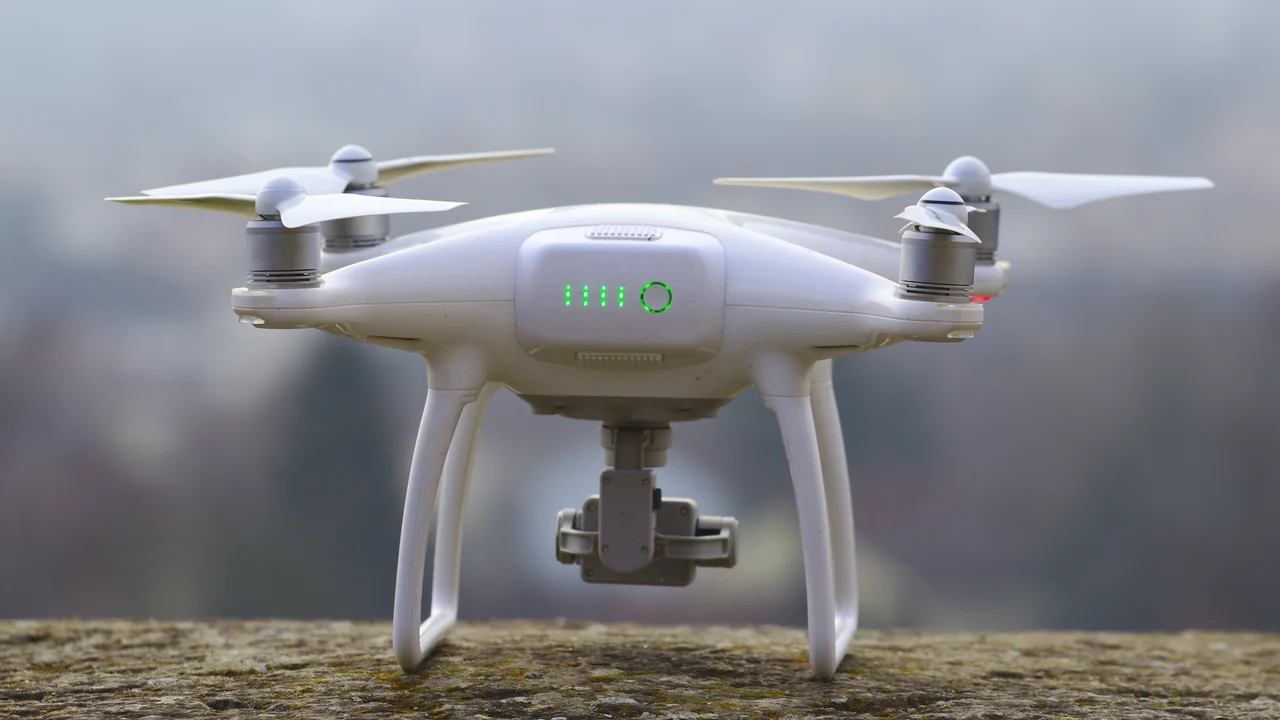
If you are planning a trip to Six Flags or any major amusement park and wondering whether you can bring your drone for aerial shots, the short answer is almost certainly no. As of 2026, the legal landscape for flying a drone at Six Flags and other theme parks has fundamentally changed. The new Safer Skies Act, embedded in the 2026 National Defense Authorization Act (NDAA), has explicitly added amusement parks to the list of venues where law enforcement and park security have the authority to detect, track, and disable unauthorized drones. In this guide, you will learn exactly why these drone amusement park rules have tightened, what the new counter-drone authority means for your flight plans, and how to avoid a serious legal incident.
What Is the Safer Skies Act and How Does It Affect Drone Theme Park Rules?
The Safer Skies Act, passed as part of the NDAA 2026, represents the most significant expansion of counter-drone authority since the 2018 FAA Reauthorization Act. The core change for drone pilots is that amusement parks are now officially designated as “fixed-site facilities” where trained security personnel can legally intercept and disable drones operating in their airspace. This directly answers the question: can you fly a drone at Six Flags? Under this new law, the answer is a firm no, and the consequences for doing so have escalated dramatically.
Which Parks Are Covered Under the Safer Skies Act Amusement Park Provisions?
The legislation covers a broad range of fixed-site amusement parks. This includes all Six Flags properties (Six Flags Magic Mountain, Six Flags Great Adventure, Six Flags Over Texas, etc.), Cedar Fair parks (Cedar Point, Kings Island, Knott’s Berry Farm), SeaWorld parks, Hersheypark, Busch Gardens, and other major fixed-location theme parks. The International Association of Amusement Parks and Attractions (IAAPA) actively lobbied for this change, arguing that the previous legal framework left parks vulnerable to drone-related security threats.
| Park Chain | Covered by Safer Skies Act? | FAA Permanent No-Fly Zone? |
|---|---|---|
| Six Flags (all locations) | Yes | No (separate rulemaking pending) |
| Cedar Point | Yes | No |
| Disney World / Disneyland | Yes (plus pre-existing) | Yes (permanent NFZ since prior rulings) |
| Universal Studios (Orlando & Hollywood) | Yes | No (but counter-drone active) |
| SeaWorld / Busch Gardens | Yes | No |
What Does Counter-Drone Authority at Amusement Parks Mean for My Flight?
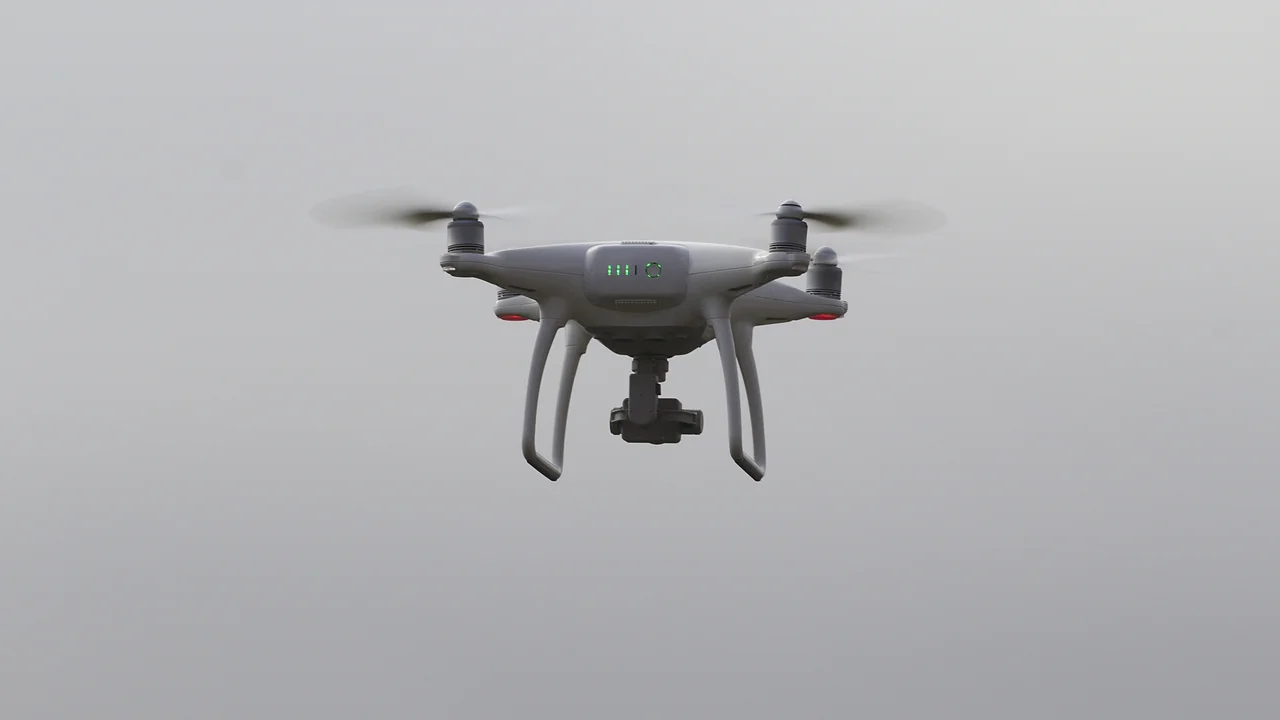
Counter-drone authority means that trained personnel at these parks can use electronic systems to detect your drone’s radio frequency signals, track its location, and ultimately disable it through jamming, spoofing, or physical interception. This is not a hypothetical threat. Since the law took effect in early 2026, multiple incidents at Six Flags parks have been reported where unauthorized drones were brought down by park security. The legal consequences can include federal charges under the Aircraft Sabotage Act if your drone interferes with park operations or emergency response.
How Does This Differ From Previous Drone Theme Park Rules?
Before 2026, the primary restriction on flying a drone at an amusement park was the general FAA rule against flying over people without a waiver, plus individual park policies posted at entrances. The Safer Skies Act changes this by giving parks the legal right to actively intervene. Previously, if you flew a drone near Six Flags, park security could only ask you to leave or call local police. Now, they can electronically bring your drone down before you even get near the crowds. This is a major shift in drone amusement park rules.
Are Disney World and Disneyland Different From Six Flags Under the Law?
Yes, there is a critical distinction. Disney World and Disneyland already had permanent FAA no-fly zones established through the FAA’s Special Flight Rules Area (SFRA) process years before the Safer Skies Act. These parks are designated as National Defense Airspace due to their classification as sensitive security locations. The Safer Skies Act adds an additional layer of counter-drone authority on top of this existing prohibition. For Six Flags, Cedar Point, and most other parks, the Safer Skies Act is the primary legal mechanism creating a de facto no-fly zone — there is no separate FAA SFRA in place yet.
Can You Fly a Drone at Universal Studios?
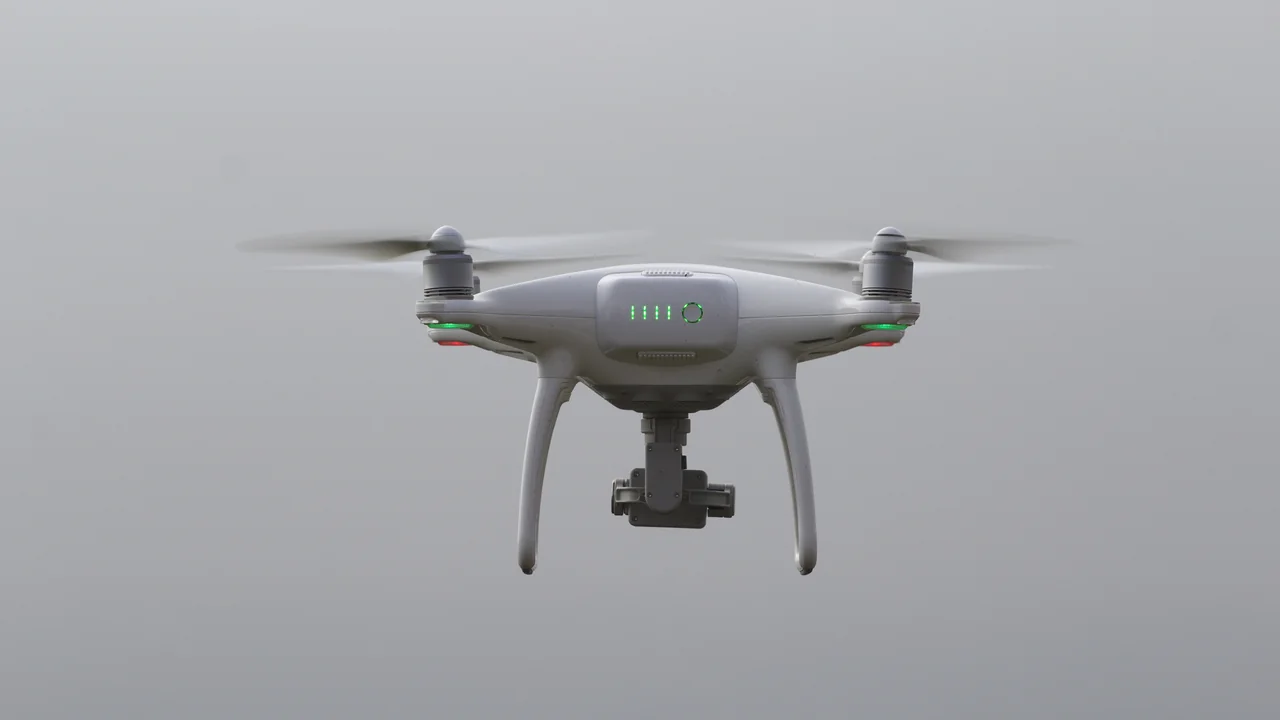
Universal Studios in both Orlando and Hollywood are covered by the Safer Skies Act. Like Six Flags, they do not yet have a permanent FAA no-fly zone, but the counter-drone authority is now active. Universal Studios has been particularly proactive in implementing detection systems. If you attempt to fly a drone near Universal Studios, you can expect immediate detection and likely interception. The park’s official policy explicitly prohibits drones on property and in the surrounding parking areas.
What About Drone Laws at Amusement Parks in the UK and Australia?
While the Safer Skies Act is a US law, drone pilots in other countries should also be cautious. In the UK, parks like Alton Towers and Thorpe Park do not have specific no-fly zones, but the Civil Aviation Authority (CAA) rule requiring you to stay at least 50 meters from uninvolved people applies strictly near queue lines and crowded areas. Flying over a packed queue at Alton Towers would violate this rule. In Australia, parks like Dreamworld and Movie World fall under CASA regulations, which prohibit flying over people and require you to maintain visual line of sight. In practice, these parks are effectively no-fly zones due to crowd density.
US Parks (Post-Safer Skies)
- Counter-drone authority active
- Possible federal charges
- Detection systems deployed
UK & Australia Parks
- No specific counter-drone law yet
- CAA/CASA general rules apply
- 50m from people rule is key
Practical Advice: How to Avoid Issues With a Drone at an Amusement Park
Given the new legal reality, the safest approach is to leave your drone at home or in your hotel room when visiting any major amusement park. If you absolutely must fly for professional or commercial purposes, you need to contact the park’s security department in advance, provide your FAA Part 107 certificate, and obtain written permission. Even then, most parks will deny your request due to security concerns and the new legal authority. For recreational pilots, there is no realistic path to fly legally at a park covered by the Safer Skies Act.
Visit the official website of the specific park you plan to attend. Most parks now have explicit drone prohibitions listed under their safety or prohibited items pages.
Before your trip, use a reliable No-Fly Zone Checker to see if the park has any FAA-designated airspace restrictions. This is especially important for Disney parks which have permanent SFRAs.
If you want aerial footage of a theme park, look for public parks or open spaces at a safe distance (at least 2 miles) where you are not within the park’s counter-drone detection range. Never fly directly over park property.
Final Thoughts on Flying Drones at Amusement Parks in 2026
The 2026 Safer Skies Act has effectively ended the era of casual drone flying at Six Flags, Cedar Point, Universal Studios, and other major amusement parks. The legal risk is now substantial, and the technology to detect and disable drones is actively deployed. If you are a drone pilot, the most prudent course is to treat all major amusement parks as drone no-fly zones, regardless of whether the FAA has issued a permanent airspace designation. For commercial operators, seeking advance permission is the only legal path, and even that is unlikely to be granted. Before your next park visit, check the specific park’s drone policy and use a No-Fly Zone Checker to confirm airspace status. Your safest bet is to enjoy the park from the ground and leave the aerial photography for another location.
Frequently Asked Questions
Can you fly a drone at Six Flags?
No, you cannot fly a drone at any Six Flags park. The 2026 Safer Skies Act grants Six Flags security personnel the authority to detect, track, and disable unauthorized drones operating in or near the park. Flying a drone at Six Flags now carries the risk of having your drone disabled and facing federal penalties, including fines of up to $30,000 or more. The park’s official policy also prohibits drones on all property.
Are amusement parks drone no-fly zones?
Most major amusement parks are effectively drone no-fly zones as of 2026. The Safer Skies Act has designated these facilities as venues where counter-drone authority is active, meaning park security can legally intercept your drone. While not all parks have permanent FAA no-fly zones, the practical effect is the same: flying a drone over or near a crowded amusement park is prohibited and will result in enforcement action. Always check specific park policies before flying.
What is the Safer Skies Act drone rule for theme parks?
The Safer Skies Act, embedded in the NDAA 2026, explicitly adds amusement parks to the list of fixed-site facilities where trained personnel can use counter-drone systems to detect, track, and disable unauthorized drones. This law covers all major theme park chains including Six Flags, Cedar Fair, SeaWorld, Hersheypark, and Busch Gardens. The rule allows park security to take immediate action against any drone operating in the park’s vicinity, without needing prior FAA approval for each incident.
Can I fly a drone at Cedar Point?
No, you cannot fly a drone at Cedar Point. As a Cedar Fair park, Cedar Point is covered by the Safer Skies Act, which gives park security counter-drone authority. The park has implemented detection systems, and unauthorized drone flights are actively monitored. Cedar Point’s official policy prohibits drones on park property, and flying from outside the park boundaries within detection range still carries legal risk. Leave your drone at home when visiting Cedar Point.
Are drones banned at Universal Studios?
Yes, drones are effectively banned at both Universal Studios Orlando and Universal Studios Hollywood. While these parks do not have permanent FAA no-fly zones like Disney, the Safer Skies Act grants them counter-drone authority. Universal Studios has been proactive in deploying detection systems, and their official policy explicitly prohibits drones. Attempting to fly a drone near Universal Studios will likely result in detection and interception by park security.
What happened to drone laws at amusement parks in 2026?
The major change in 2026 was the inclusion of amusement parks in the Safer Skies Act, which was passed as part of the NDAA. This law granted counter-drone authority to security personnel at fixed-site amusement parks, a power previously reserved for stadiums, critical infrastructure, and government facilities. The IAAPA lobbied heavily for this change. Additionally, FAA Section 2209 rulemaking is underway, which may result in permanent airspace designations for major parks in the near future.
Last updated: July 04, 2026
- National Defense Authorization Act 2026, Safer Skies Act provisions
- Federal Aviation Administration (faa.gov) — Section 2209 rulemaking notices
- International Association of Amusement Parks and Attractions (IAAPA) — legislative advocacy records
- Civil Aviation Safety Authority (casa.gov.au) — recreational drone rules
- UK Civil Aviation Authority (caa.co.uk) — drone code and restricted airspace
Drone Allowed
DroneAllowed editor covering drone regulations, aviation law, and aerial photography across USA, UK, Canada & Australia.