CASA RePL Guide 2026: How to Get Your Remote Pilot Licence in Australia
 13 min read
2,466 words
13 min read
2,466 words
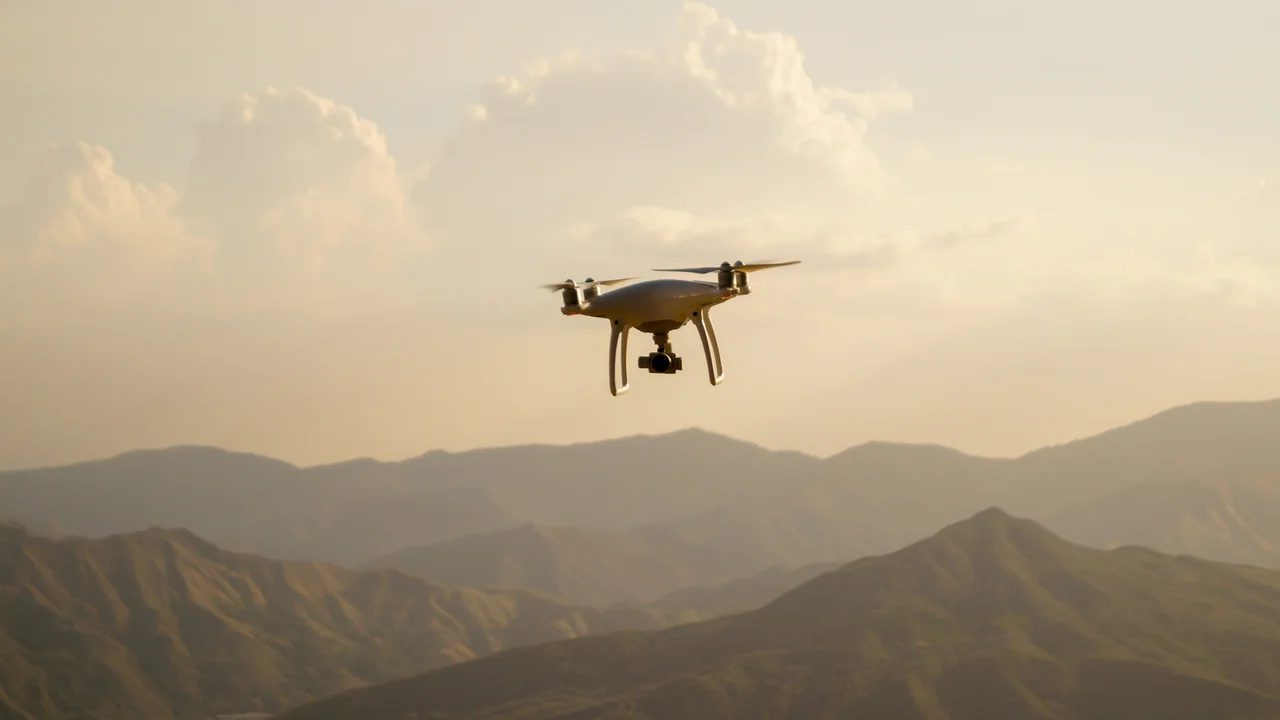
If you’re looking to turn your drone flying into a paying gig in Australia, the CASA RePL Australia credential is your ticket. The Remote Pilot Licence (RePL) is the individual certification you need to operate a drone commercially under a Remote Operator’s Certificate (REOC). This guide walks you through exactly how to get your RePL in 2026, what it costs, and what you can do once you have it. You’ll learn about the training, the exams, and the job market so you can make an informed decision about investing in your commercial drone career.
What Is the CASA RePL (Remote Pilot Licence)?
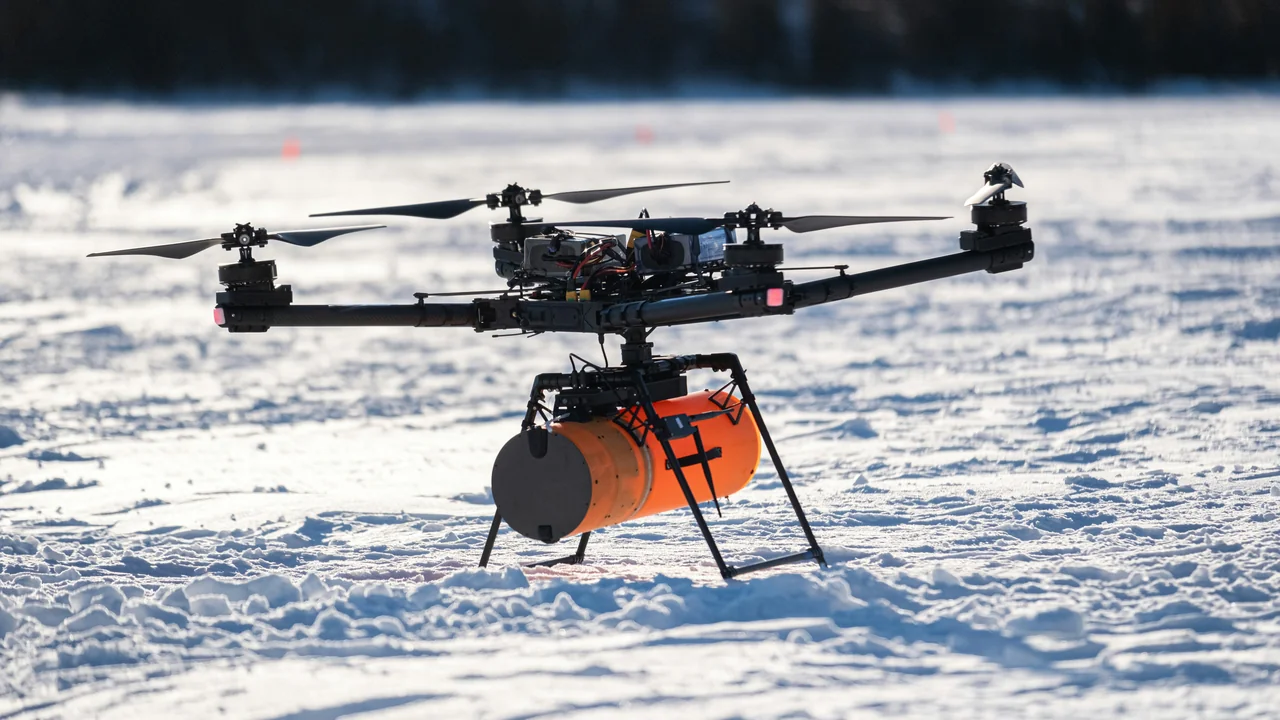
The Remote Pilot Licence, commonly called the RePL, is CASA’s commercial drone licence for individuals. It’s not a piece of paper you can just apply for — you must complete an approved training course through a CASA-approved training organisation. The RePL qualifies you to fly a specific category of remotely piloted aircraft (RPA) under the operational control of a REOC holder.
Think of it this way: the RePL is your personal licence to fly, while the REOC is the company’s operating certificate that allows commercial drone operations to happen legally. You need both to conduct commercial flights in Australia.
What Does the RePL Allow You to Do?
With a valid RePL, you can operate as a remote pilot for a REOC holder. This means you can:
- Fly drones for commercial purposes (surveying, photography, inspection, agriculture, etc.)
- Operate within the standard operating conditions set by CASA
- Apply for operational authorisations (like flying near people or over crowds) through your REOC holder
- Work as a contractor or employee for a licensed drone operator
Without a RePL, you’re limited to flying under the standard operating conditions for recreational or commercial purposes using the standard accreditation (which has stricter limitations).
Who Needs a CASA Remote Pilot Licence Australia?
Not everyone flying a drone in Australia needs a RePL. Here’s a breakdown of who must get one:
| Scenario | RePL Required? |
|---|---|
| Flying recreationally with a drone under 250g | No |
| Flying recreationally with a drone over 250g | No (but registration and accreditation required) |
| Flying commercially for a REOC holder | Yes |
| Flying commercially as a sole trader with your own REOC | Yes (you need both RePL and REOC) |
| Flying for a government agency under their REOC | Yes |
| Flying under standard operating conditions for commercial purposes (standard accreditation only) | No (but limited to sub-2kg drones and strict rules) |
What About the REOC Australia?
The Remote Operator’s Certificate (REOC) is the company-level certification. A REOC holder is authorised to conduct commercial drone operations. As an individual pilot, you don’t hold the REOC yourself — you operate under someone else’s. If you want to start your own drone business, you need both a RePL (as the pilot) and a REOC (as the operator).
Many new pilots start by working as a contractor for an established REOC holder. This lets you gain experience and build a portfolio before investing in your own REOC, which costs significantly more (typically A$5,000–A$15,000 for the application and ongoing compliance costs).
How to Get RePL CASA: Step-by-Step Process
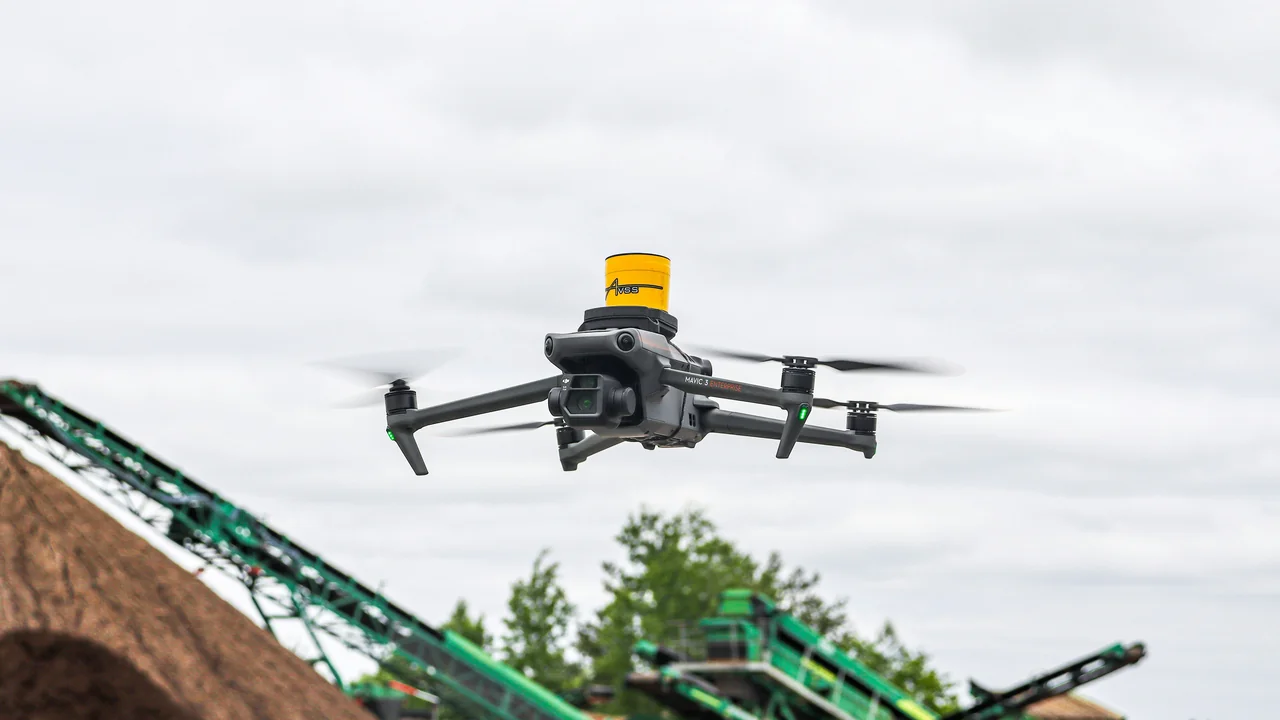
Getting your RePL involves several clear steps. Here’s the process you’ll follow in 2026:
Choose a CASA-Approved Training Provider
Only CASA-approved training organisations can deliver RePL courses. Search the CASA website for approved providers in your state. Look for providers with good reviews, modern equipment, and flexible scheduling.
Complete the Theory Component
The theory covers air law, navigation, meteorology, human factors, and operational procedures. Most providers offer online pre-study materials before the practical component.
Pass the CASA Theory Exam
You’ll sit a CASA-administered exam through the provider’s system. The exam tests your understanding of the regulations and operational knowledge. You need a minimum 70% to pass.
Complete the Practical Flight Training
This is the hands-on part. You’ll fly a drone under supervision, demonstrating take-off, landing, manoeuvring, emergency procedures, and mission planning. Typically 2–5 days of practical training.
Pass the Practical Assessment
A CASA-approved assessor evaluates your flying skills. You must demonstrate competency in all required areas. Once you pass, the provider issues your RePL.
How Much Does the CASA RePL Course Cost?
The cost of getting your RePL varies depending on the training provider, location, and whether you need additional endorsements. Here’s a realistic breakdown for 2026:
| Cost Component | Typical Price (AUD) |
|---|---|
| RePL course (theory + practical) | $1,500 – $3,500 |
| CASA theory exam fee | Included in course cost (typically) |
| Drone registration (if not provided) | $20/year per drone |
| Additional endorsements (e.g., night flying, BVLOS) | $500 – $1,500 each |
| Travel and accommodation (if interstate) | $500 – $1,500 |
When comparing providers, don’t just look at the price. Check what’s included: some providers include drone hire, others expect you to bring your own. Ask about the instructor-to-student ratio — smaller classes mean more flight time. Also check if the course includes the CASA exam fee or if that’s extra.
Is the RePL Worth the Investment?
For most commercial drone pilots, yes. The cost is a one-off investment (with biennial renewal requirements) that opens up the commercial market. Without a RePL, you’re limited to sub-2kg drones under standard operating conditions, which severely restricts the jobs you can take. Many employers won’t even consider you without the RePL because it proves you’ve had proper training.
How Long Does the RePL Course Take?
The duration varies by provider and your availability. Here’s what to expect:
- Pre-study (online): 10–20 hours of self-paced theory work before attending the practical component
- Practical training: 2–5 full days of hands-on flying and assessment
- Total timeline: Most students complete the entire process within 1–4 weeks from enrolment to certification
Some providers offer intensive 3-day courses where you do theory review and practical training back-to-back. Others spread it over several weekends to accommodate working professionals. Choose the format that fits your schedule, but don’t sacrifice quality for speed — a rushed course might leave gaps in your knowledge.
Medical Requirements for the RePL
This is one of the most surprising aspects for people coming from manned aviation: there is no aviation medical required for the RePL. You don’t need a Class 1 or Class 2 medical certificate like you would for a pilot’s licence for a plane or helicopter.
However, you do need to be medically fit to safely operate a drone. This means:
- You must not have a medical condition that could cause sudden incapacitation (e.g., uncontrolled epilepsy, severe cardiac conditions)
- You must be able to see the drone and maintain visual line of sight (corrective lenses are fine)
- You must be able to operate the controls effectively
If you have a significant medical condition, CASA may require a medical assessment on a case-by-case basis. But for the vast majority of people, no formal medical examination is needed.
What Does the RePL Allow You to Do Commercially?
Once you hold a RePL and operate under a REOC, you can take on a wide range of commercial work. Here’s what becomes possible:
With RePL + REOC
- Fly drones over 2kg commercially
- Apply for operational authorisations (near people, over crowds, BVLOS, night flying)
- Work for any REOC holder in Australia
- Start your own drone business (with your own REOC)
- Take on high-value contracts like infrastructure inspection, mining surveys, and film production
Without RePL (Standard Accreditation Only)
- Limited to sub-2kg drones
- Must operate under standard operating conditions
- Cannot fly near people or over crowds
- Limited job opportunities — most employers require RePL
- Cannot apply for operational authorisations
Getting Work After Your RePL: Job Market for RPAS Pilots
The Australian drone industry is growing rapidly. According to CASA’s data, the number of commercial drone operators has increased significantly year on year. Here’s what the job market looks like for RePL holders in 2026:
- Agriculture: Crop spraying, livestock monitoring, paddock mapping — high demand in regional areas
- Infrastructure inspection: Power lines, bridges, wind turbines, solar farms — well-paid specialised work
- Surveying and mapping: Construction sites, mining operations, environmental surveys
- Film and photography: Real estate, events, commercial productions
- Emergency services: Search and rescue, bushfire monitoring, disaster assessment
Entry-level RePL holders typically start as contractors earning A$50–A$100 per hour, depending on the role and location. Experienced pilots with additional endorsements (night flying, BVLOS) can earn significantly more.
Final Thoughts
Getting your CASA RePL Australia is the smartest investment you can make if you’re serious about commercial drone flying in Australia. It’s not just a piece of paper — it’s the credential that unlocks real commercial opportunities. Without it, you’re limited to small drones and basic operations. With it, you can work across agriculture, infrastructure, surveying, and film.
Start by researching CASA-approved training providers in your area. Compare costs, read reviews, and ask about class sizes and flight time. Once you have your RePL, consider using our Registration Calculator to understand the ongoing costs of running your drone business, including registration and insurance. The investment pays for itself quickly once you start landing commercial contracts.
Frequently Asked Questions
Do I need a CASA RePL to fly commercially in Australia?
Yes, if you want to fly commercially under a Remote Operator’s Certificate (REOC), you need a RePL. The only exception is if you’re flying a sub-2kg drone under standard operating conditions using the standard accreditation, but this severely limits the work you can do. Most employers and clients require the RePL because it demonstrates proper training and compliance with CASA regulations.
How much does the CASA RePL course cost?
The typical cost for a RePL course in Australia ranges from A$1,500 to A$3,500. This includes the theory component, practical flight training, and the CASA theory exam. Additional costs may include travel and accommodation if you attend a course interstate, and extra endorsements like night flying or BVLOS which can add A$500–A$1,500 each. Always check what’s included in the course fee before enrolling.
How long does the RePL course take?
Most students complete the RePL course within 1 to 4 weeks from enrolment to certification. The pre-study theory component takes about 10–20 hours of self-paced work. The practical training component runs for 2 to 5 full days, depending on the provider and whether you need additional endorsements. Some providers offer intensive 3-day courses that combine theory review and practical training.
Do I need a medical to get a RePL in Australia?
No, there is no mandatory aviation medical examination required for the RePL. Unlike manned aircraft pilots, drone pilots do not need a Class 1 or Class 2 medical certificate. However, you must be medically fit to safely operate a drone. If you have a condition that could cause sudden incapacitation, CASA may require a medical assessment on a case-by-case basis.
What is the difference between RePL and REOC?
The RePL (Remote Pilot Licence) is the individual pilot’s licence that allows you to fly a drone commercially. The REOC (Remote Operator’s Certificate) is the company’s operating certificate that authorises commercial drone operations. You typically need both to operate commercially — the RePL for the pilot and the REOC for the operator. If you work as a contractor, you operate under someone else’s REOC. If you start your own business, you need both.
Can I fly commercially in Australia with just standard accreditation?
Yes, you can fly commercially with just the standard accreditation, but only under strict limitations. You are restricted to drones under 2kg, must operate under standard operating conditions, and cannot apply for operational authorisations like flying near people or at night. Most commercial work requires a RePL and REOC, so the standard accreditation is only suitable for very limited commercial operations.
Can I fly my DJI Mini 4 Pro commercially without a RePL?
No. Even though the DJI Mini 4 Pro weighs under 250g, CASA requires a RePL for any commercial operation involving a drone. The sub-250g exemption only applies to recreational flying. For paid work, you must hold a RePL and operate under an REOC.
How long does it take to get my RePL after passing the course?
After you pass both the theory exam and the flight assessment, your training provider submits your results to CASA. CASA typically processes applications within 10 to 14 business days. You will receive a digital certificate via email, and a physical card may arrive in 2 to 3 weeks.
Can I upgrade my RePL to fly heavier drones later?
Yes. The RePL is category-specific. If you initially train on a sub-2kg drone, you can later add an endorsement for heavier categories (e.g., 2kg to 25kg or 25kg to 150kg) by completing additional theory and a flight assessment on the larger drone. This typically costs $500 to $1,000 per endorsement.
Do I need a RePL for agricultural spraying drones?
Yes, and you also need a specific endorsement for agricultural operations. This includes additional training on chemical handling, drift management, and emergency procedures. The course for the ag endorsement adds 1 to 2 days to your RePL training and costs an extra $500 to $1,000.
What happens if I get caught flying without a RePL?
Flying commercially without a RePL and REOC is a serious offence under the Civil Aviation Safety Regulations. CASA can issue fines of up to $13,320 for individuals and $66,600 for corporations. In extreme cases, they can pursue criminal prosecution. Repeat offenders may face confiscation of equipment and a ban from flying.
Last updated: June 25, 2026
- CASA (Civil Aviation Safety Authority) – casa.gov.au
- Part 101 of the Civil Aviation Safety Regulations (CASR)
- Airservices Australia – airservicesaustralia.com
Drone Allowed
DroneAllowed editor covering drone regulations, aviation law, and aerial photography across USA, UK, Canada & Australia.