
Transport Canada Drone Registration 2026: Step-by-Step Guide
 14 min read
2,634 words
14 min read
2,634 words
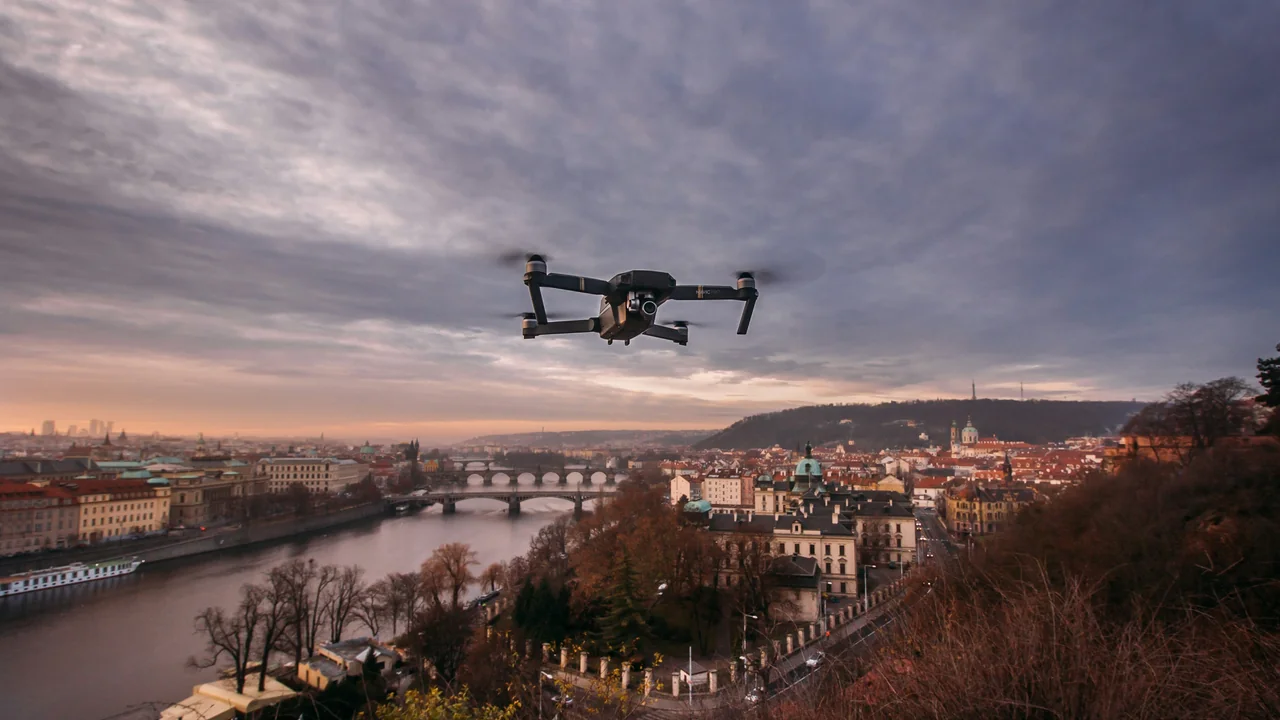
If you own a drone in Canada that weighs 250 grams or more, you are legally required to register it with Transport Canada before your first flight. This Transport Canada drone registration process is a straightforward online procedure that takes about 15 minutes and costs just $5 CAD per aircraft. In this guide, you will learn exactly how to register your drone, how to mark it correctly, and what pilot certificates you may also need to fly legally in 2026.
What Is Transport Canada RPAS Registration and Why Do You Need It?
Transport Canada’s Remotely Piloted Aircraft System (RPAS) registration is the foundational legal requirement for operating a drone in Canada. It links your identity to your drone, allowing authorities to identify the operator if the aircraft is involved in an incident or flies where it should not. This system applies to all drones between 250 grams and 25 kilograms flown for any purpose — recreational, commercial, or otherwise.
Registration is managed through the My Transport Canada online portal, which serves as your central account for all drone-related permits and certificates. Once registered, you receive a unique registration number that must be displayed on your drone.
Who Must Register? The 250g to 25kg Class Explained
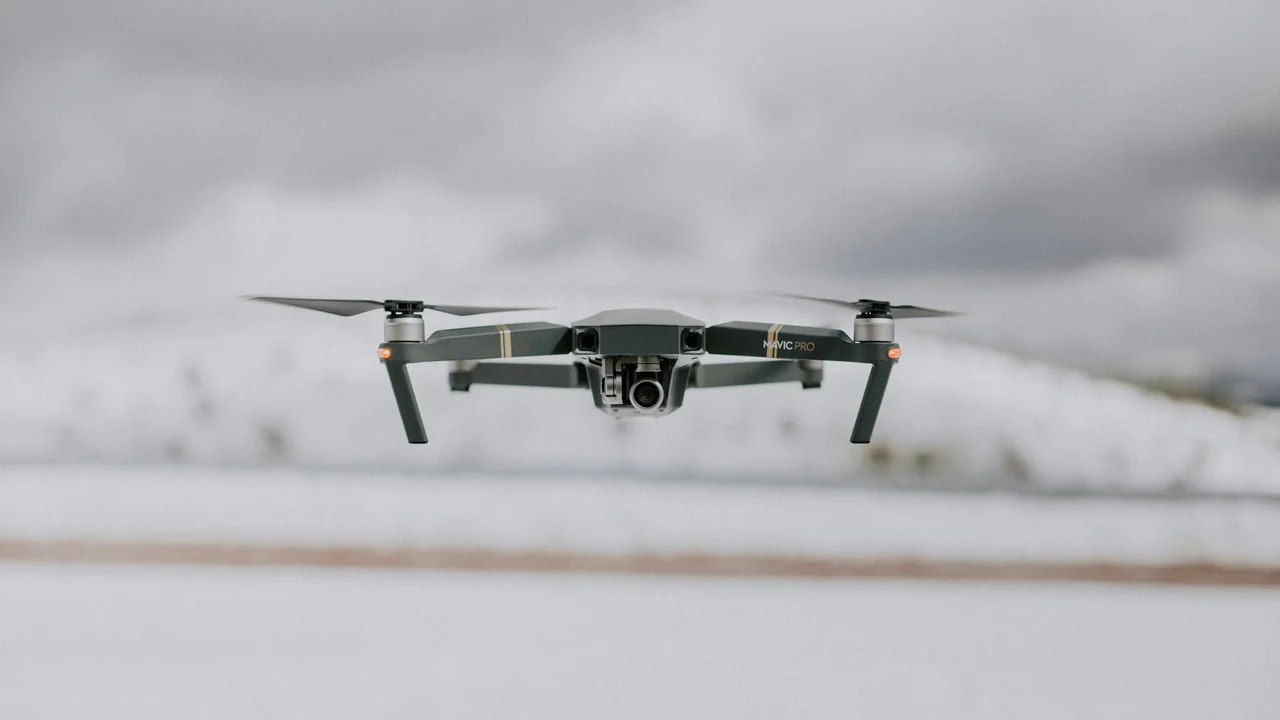
Transport Canada divides drones into weight categories, and registration is mandatory for all aircraft weighing between 250 grams (0.55 pounds) and 25 kilograms (55 pounds). This covers the vast majority of consumer drones, including popular models like the DJI Mini 4 Pro (which weighs just under 250g) and the DJI Air 3 (which weighs over 250g).
Drones Over 250 Grams (Mandatory Registration)
If your drone weighs 250 grams or more at takeoff, including the battery and any payload (such as a camera or gimbal), you must register it with Transport Canada. This applies regardless of whether you fly for fun or for work. The registration process is the same for both categories.
Drones Under 250 Grams (Exempt from Registration)
Drones weighing under 250 grams, such as the DJI Mini 4 Pro or the original DJI Mini, are exempt from registration. However, this does not mean you can fly anywhere without rules. You must still follow all other Transport Canada regulations, including:
- Flying below 122 metres (400 feet) above ground level
- Keeping your drone within visual line of sight at all times
- Not flying near airports, heliports, or military airfields without permission
- Respecting privacy and avoiding crowds
How to Register Your Drone in Canada: Step-by-Step Process
Registering your drone with Transport Canada is a completely online process. Follow these steps carefully to ensure your registration goes through without delays.
Create a My Transport Canada Account
Go to tc.canada.ca and click “My Transport Canada” to create your account. You will need a valid email address and a Canadian address. If you are a tourist, you cannot register a drone in Canada — you must use your home country’s registration and follow Canadian rules.
Log In and Select “Register a Drone”
Once logged in, navigate to the drone services section. Click “Register a Drone” and read the instructions carefully. You will be asked to confirm your drone’s weight and intended use.
Enter Your Drone’s Details
You will need your drone’s make, model, and serial number. Have these ready before you start. The system will ask you to confirm the maximum takeoff weight (MTOW) — be honest, as this affects your operating rules.
Pay the $5 CAD Registration Fee
The registration fee is $5 CAD per drone, payable by credit card or debit card. This fee covers the entire three-year registration period. There are no annual renewal fees.
Receive Your Registration Number
After payment, you will immediately receive a unique registration number (e.g., C-123456). This number must be displayed on your drone. Print or write it clearly.
Drone Registration Fee Canada: What Does $5 CAD Get You?
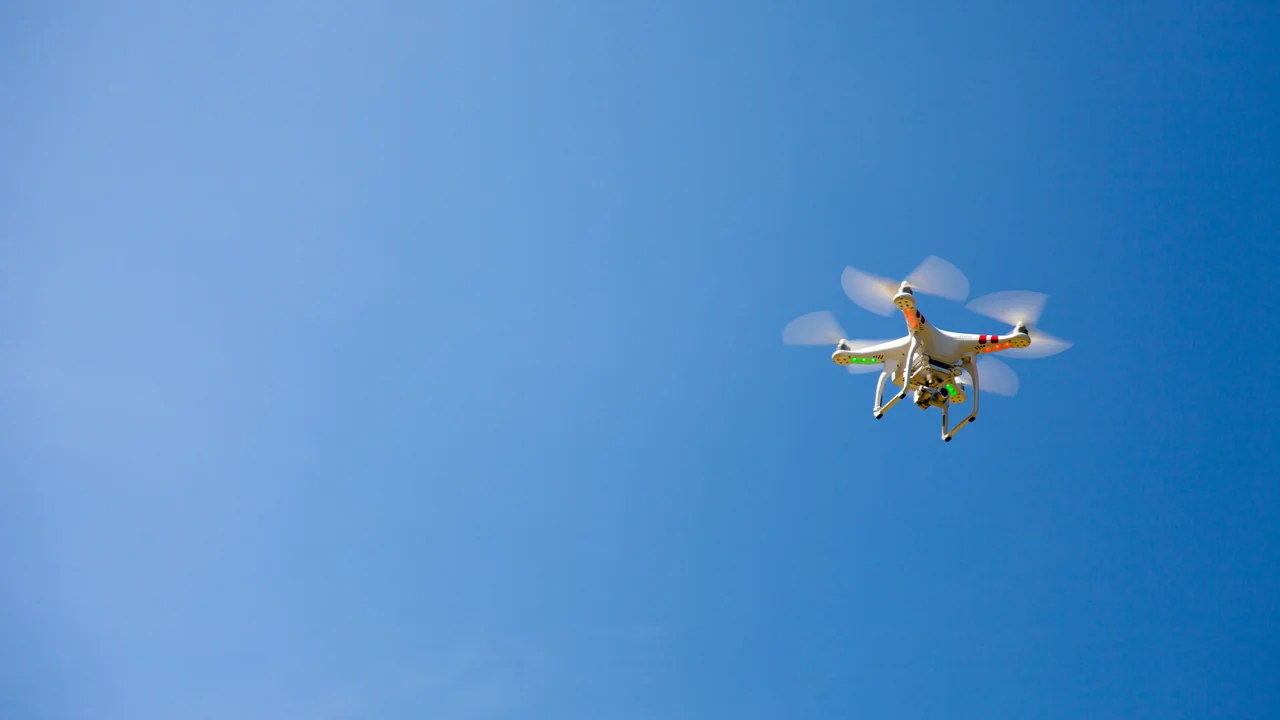
The drone registration fee Canada charges is a flat $5 CAD per aircraft, regardless of weight or purpose. This is one of the most affordable drone registration fees in the world. For comparison, the FAA in the United States charges $5 USD for three years, while the UK CAA charges £9 for one year. Canada’s fee structure is designed to be accessible while still covering administrative costs.
The $5 fee covers a three-year registration period. After three years, you must renew through the same My Transport Canada portal. There is no penalty for renewing early, but you cannot renew more than 30 days before expiry.
How to Mark Your Drone: Transport Canada Marking Requirements
After registration, you must physically mark your drone with your registration number. This is a legal requirement — flying without the number displayed can result in fines. The marking must be:
- Permanent or affixed in a way that cannot be easily removed
- Visible without the use of tools (you should not have to open a battery compartment to see it)
- At least 5 mm (0.2 inches) in height for drones under 25 kg
Common methods include using a permanent marker on the body or arm of the drone, applying a sticker with the number, or using a label maker. Ensure the number is legible and does not rub off over time. If you own multiple drones, each one needs its own registration number.
Basic vs Advanced RPAS Certificate: What’s the Difference?
Registration and pilot certification are two separate requirements in Canada. Even after you register your drone, you may still need a Basic RPAS Certificate or an Advanced RPAS Certificate depending on where and how you fly.
| Certificate | Cost | When Required | Testing |
|---|---|---|---|
| Basic RPAS Certificate | Free | Flying in controlled airspace or within 30 metres of people or buildings | Online exam (free, open book) |
| Advanced RPAS Certificate | $25 CAD | Flying in controlled airspace and within 30 metres of people or buildings | Online exam ($10) + in-person flight review ($15) |
When Do You Need the Basic RPAS Certificate?
The Basic RPAS Certificate is required if you fly your drone in controlled airspace (near airports or heliports) or if you fly within 30 metres of people or buildings. It is a free online exam that takes about 30 minutes to complete. You can take it at home with no proctoring. Once passed, the certificate is valid indefinitely.
When Do You Need the Advanced RPAS Certificate?
The Advanced RPAS Certificate is necessary if you plan to fly in controlled airspace and within 30 metres of people or buildings simultaneously. This is common for commercial operators who need to fly near crowds or infrastructure. The exam costs $10 CAD and the in-person flight review costs $15 CAD, both payable through My Transport Canada.
What to Carry When Flying Your Drone in Canada
Transport Canada requires that you carry certain documents whenever you operate your drone. Failure to produce these on request can result in penalties. Here is what you need:
- Your drone registration certificate (digital or printed) — shows your registration number
- Your RPAS pilot certificate (Basic or Advanced) — proof you passed the exam
- A valid government-issued photo ID
- Your drone’s flight logs (recommended but not mandatory for recreational flights)
You can keep these documents on your phone as PDFs or screenshots. Transport Canada enforcement officers may ask to see them at any time. If you are flying commercially, you should also carry proof of liability insurance, though it is not legally required for recreational flights.
Flying in National Parks and Other Restricted Areas
Parks Canada has a blanket ban on drone flights in all national parks, national historic sites, and national marine conservation areas unless you obtain a specific permit. This ban applies even if your drone is registered and you hold a valid RPAS certificate. Violating this ban can result in fines of up to $25,000 CAD.
Provincial parks have their own rules. For example, Ontario Parks allows drones only with a permit, while British Columbia parks generally prohibit them. Always check the local park authority’s website before flying.
Summary
Transport Canada drone registration is a simple, affordable process that every drone owner weighing 250 grams or more must complete. Start by creating a My Transport Canada account, pay the $5 CAD fee, and mark your drone with the registration number. Then, consider whether you need a Basic or Advanced RPAS Certificate based on where you plan to fly. Remember that even if your drone is under 250g, you still must follow altitude, airspace, and privacy rules. For a quick check on your registration status or to calculate fees for multiple drones, use our Registration Calculator.
Frequently Asked Questions
How much does drone registration cost in Canada?
Drone registration in Canada costs a flat $5 CAD per aircraft for a three-year period. This fee covers all drones weighing between 250 grams and 25 kilograms, regardless of whether they are used for recreational or commercial purposes. There are no additional annual fees or hidden charges.
Do I need to register a drone under 250g in Canada?
No, drones weighing under 250 grams at takeoff are exempt from Transport Canada registration. However, you must still follow all other drone regulations, including the 122-metre altitude limit, visual line of sight requirements, and restrictions on flying near airports. You may also need a Basic RPAS Certificate if you fly in controlled airspace or near people.
How do I get an RPAS certificate in Canada?
To get a Basic RPAS Certificate, you must pass a free online exam available through the My Transport Canada portal. The exam is open book and takes about 30 minutes. For the Advanced RPAS Certificate, you must pass a paid online exam ($10 CAD) and complete an in-person flight review ($15 CAD) with a Transport Canada-designated flight reviewer.
Can tourists fly drones in Canada with foreign registration?
Yes, tourists can fly drones in Canada using their foreign registration, provided they follow all Canadian drone rules. You must have a valid registration from your home country and carry proof of it while flying. However, you still need a Canadian RPAS certificate if you plan to fly in controlled airspace or near people, as foreign certificates are not automatically recognized.
How long is Transport Canada drone registration valid?
Transport Canada drone registration is valid for three years from the date of issue. After three years, you must renew it through the My Transport Canada portal. There is no grace period for renewal, so set a reminder to renew before the expiry date to avoid flying with an expired registration.
What happens if I fly an unregistered drone in Canada?
Flying an unregistered drone in Canada is a violation of the Canadian Aviation Regulations (CARs). Individuals face fines of up to $5,000 CAD, while corporations can be fined up to $25,000 CAD. Transport Canada actively enforces these rules, and repeat offenders may face additional penalties including seizure of the drone.
Do I need to register a drone under 250 grams in Canada?
No, drones weighing less than 250 grams (0.55 lbs) are exempt from registration and pilot certification requirements. However, you must still follow all other Canadian drone laws, including the 400-foot altitude limit and no-fly zones around airports.
Can I register a drone for someone else in Canada?
No, the person who registers the drone must be the legal owner or operator. You cannot register a drone on behalf of a minor or another adult. Each pilot must hold their own RPAS certificate and register their own aircraft.
How long does it take to get a Transport Canada drone registration number?
Once you submit your application and pay the $5 CAD fee, your registration number is issued immediately. You can download and print the certificate right away from the portal.
Do I need a separate registration for each drone I own?
Yes. Each drone requires its own unique registration number and $5 CAD fee. You cannot use one registration for multiple aircraft, even if they are identical models.
What happens if I lose my drone registration certificate?
You can log into the Transport Canada RPAS Registration Portal and re-download your certificate at any time. Save a digital copy on your phone or print a backup to avoid this issue.
Renewing Your Drone Registration: When and How
Your Transport Canada drone registration is valid for a period tied to your RPAS certificate, not a fixed calendar year. For Basic and Advanced Operations pilots, the registration lasts as long as your Pilot Certificate – Basic or Advanced Operations is valid, which is typically five years. However, you must renew your registration if you sell, transfer, or permanently retire your drone. If you change your contact information (address, email, or phone number), you must update your registration within 7 days through the Transport Canada RPAS Registration Portal.
Flying Near Airports and Other No-Fly Zones
Canadian drone laws strictly prohibit flying within 5.6 km (3 nautical miles) of any airport, heliport, or water aerodrome without special permission from Transport Canada via a Special Flight Operations Certificate (SFOC). This applies to all drones, regardless of weight. You also cannot fly near military bases, prisons, or forest fire zones. For basic operations, you must stay at least 30 meters horizontally from vehicles, vessels, and people not involved in your flight. Advanced operations require a distance of 5 meters from bystanders or a signed waiver.
Insurance Requirements for Drone Pilots in Canada
Transport Canada requires all drone pilots flying under Basic or Advanced Operations to carry a minimum of $100,000 CAD in liability insurance. This is not optional. Your policy must cover damages to third parties, including injury or property damage. Many Canadian insurance providers, such as Aviva or specialized drone insurers like SkyWatch, offer policies starting at around $200–$400 CAD annually for recreational pilots. Commercial operators often pay higher premiums, especially if flying over crowds or in restricted airspace. Always keep a digital or physical copy of your insurance certificate with your drone registration and pilot certificate during flight.
Registering your drone with Transport Canada is a straightforward, mandatory step for any RPAS weighing between 250 grams and 25 kilograms. The $5 CAD fee is a one-time cost per drone, and the process takes under 30 minutes online. You must clearly mark your drone with your registration number, carry your registration and pilot certificate at all times, and comply with airspace restrictions. Failure to register can result in fines of up to $5,000 CAD. For recreational flyers, the basic certificate is sufficient; for commercial work, you need the advanced certificate. Always check the NRC Drone Site Selection Tool before each flight to avoid restricted zones. For more details on flying safely in Canada, read our guide on Canada Drone Laws.
Last updated: June 25, 2026
- Transport Canada — Drone Safety (tc.canada.ca/en/aviation/drone-safety)
- Canadian Aviation Regulations (CARs) — Part IX
- Parks Canada — Drone Use Policy
Drone Allowed
DroneAllowed editor covering drone regulations, aviation law, and aerial photography across USA, UK, Canada & Australia.