CASA Drone Registration Australia 2026: Complete Guide
 11 min read
2,134 words
11 min read
2,134 words
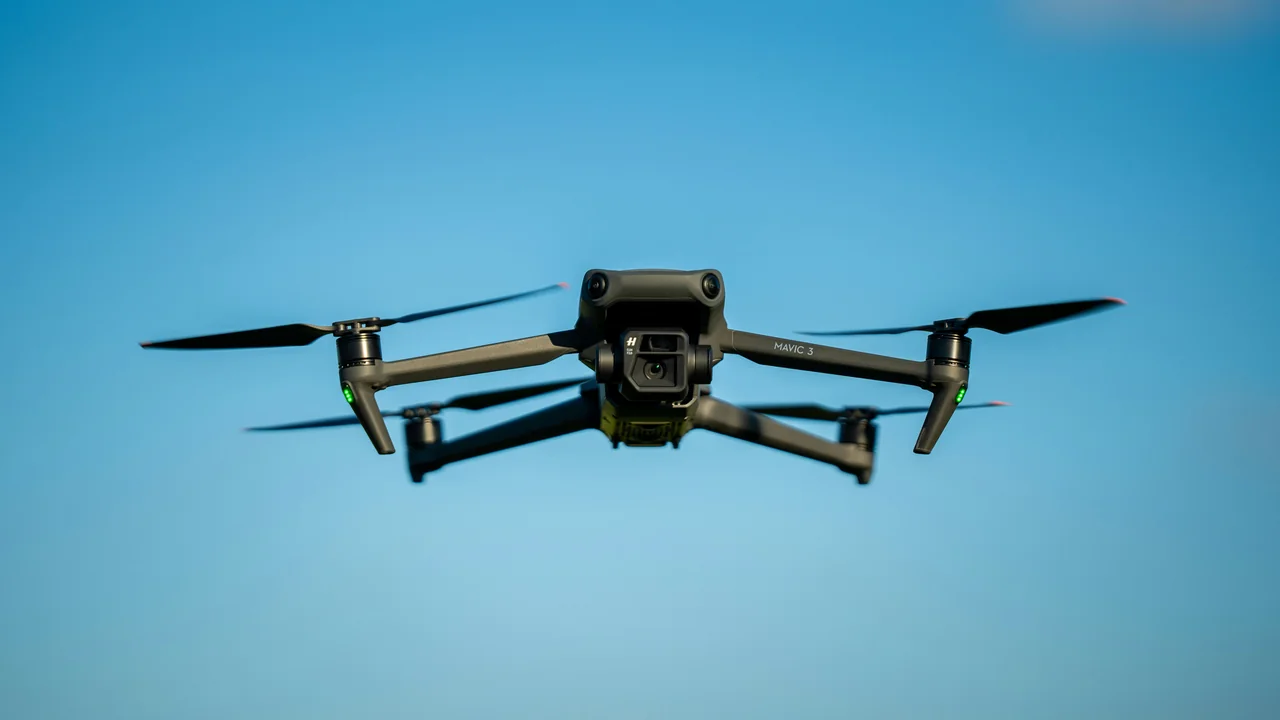
If you own a drone in Australia and it weighs 250 grams or more, you need to complete CASA drone registration Australia. The Civil Aviation Safety Authority (CASA) overhauled the rules in 2024, and these changes are now the standard you must follow. This guide walks you through exactly how to register your drone, what accreditation you need, and how the new system affects recreational and commercial pilots alike. By the end, you will know the step-by-step process to get your drone legal through the myCASA portal, understand the fees, and grasp the key differences between the old excluded RPA category and the new standard RPA operator accreditation.
How to Register a Drone with CASA in Australia: The Complete Process
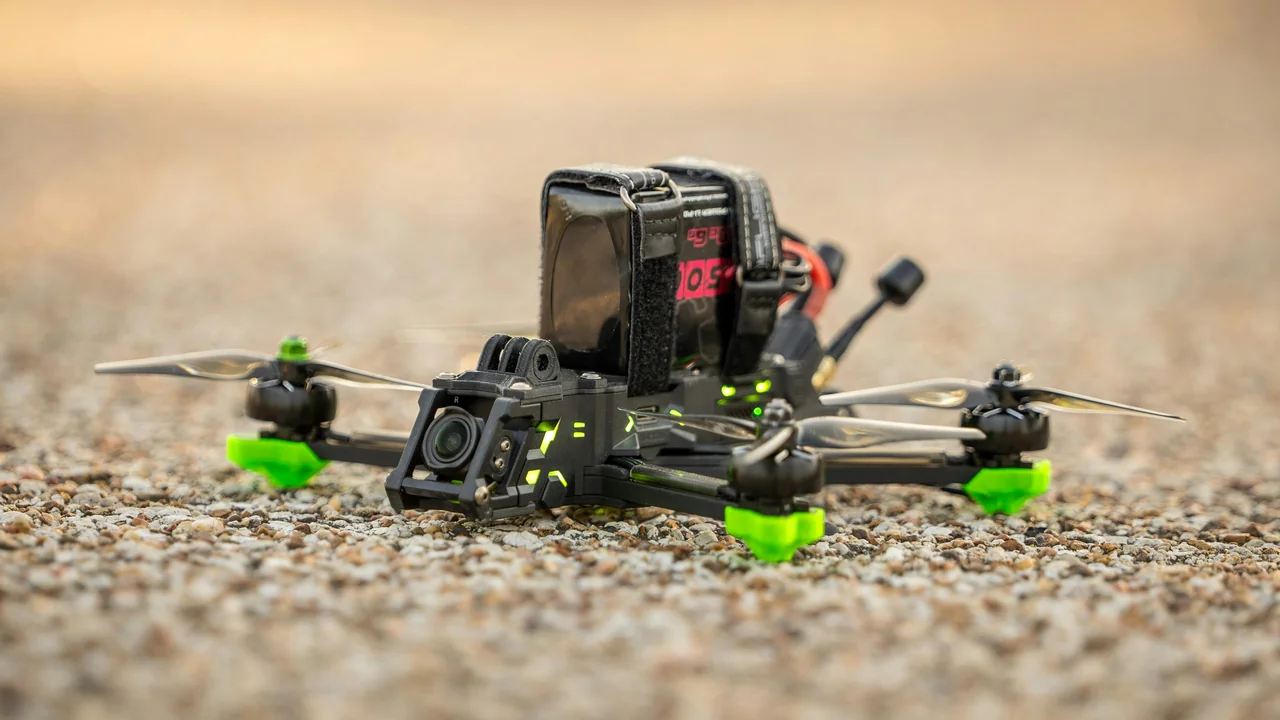
The registration process for drones in Australia is now fully digital through the myCASA portal. Whether you fly for fun or for work, the first step is creating a myCASA account. From there, the system guides you through either the accreditation path (for recreational and some commercial flights) or the full certification path (for complex commercial operations). Let us break it down step by step.
Step 1: Create Your myCASA Account
Head to myrpas.casa.gov.au and click “Create Account.” You will need your email address, a strong password, and personal details including your address and date of birth. This account is your central hub for all drone-related admin — registration, accreditation, and renewals. Once you verify your email, you can log in and start the process.
Step 2: Complete the Standard RPA Operator Accreditation Theory Test
This is the biggest change from the old rules. Previously, hobbyists flying sub-2kg drones were in the “excluded RPA” category and needed no accreditation. That category is gone. Now, anyone flying a drone between 250g and 25kg for non-commercial purposes must hold the standard RPA operator accreditation. This involves passing a free online theory test on the myCASA portal. The test covers airspace rules, safety procedures, and standard operating conditions. You can retake it as many times as needed at no cost.
Step 3: Register Your Drone
Once accredited, you can register each drone individually. The drone registration fee Australia charges is A$20 per drone per year. You will need the drone’s serial number, make, model, and weight. For drones under 250g, like the DJI Mini series, registration is not required, but you must still follow the basic safety rules — including staying under 120 metres and keeping visual line of sight.
Step 4: Display Registration Marks
After registration, CASA issues a unique registration mark (like a number plate for your drone). You must display this mark on the drone’s exterior in a visible and legible way. You can use a sticker, engraving, or permanent marker — just ensure it is clear. Flying without the mark visible is a breach of the regulations.
CASA Drone Registration Step by Step: What Changed in 2024
The 2024 regulatory overhaul was significant, and many pilots are still catching up. The old system had three tiers: excluded RPA (sub-2kg hobbyist), commercial (requiring RePL and REOC), and a middle ground for micro RPAs. The new system simplifies this into two main paths: the standard RPA operator accreditation for most non-commercial flying, and the full REOC/RePL pathway for commercial operators. The key change is that the excluded category no longer exists — if your drone is 250g or heavier, you must register it and hold accreditation, even if you only fly for fun.
Standard RPA Operator Accreditation: Who Needs It
The standard RPA operator accreditation replaces the old excluded category. It applies to anyone flying a drone between 250g and 25kg for non-commercial purposes. That includes recreational flyers, hobbyists, and even some commercial operations that are low-risk (like taking photos for your own real estate business without charging). The accreditation is obtained by passing the online theory test on myCASA. There is no practical flight test required.
Drone Registration for Commercial Operators: REOC and RePL
If you fly drones for business purposes — charging clients for aerial photography, surveying, inspection, or any other commercial service — you need more than just the standard accreditation. Commercial operations require two key certifications: the Remote Pilot Licence (RePL) and the Remote Operator’s Certificate (REOC).
Remote Pilot Licence (RePL)
The RePL is the individual licence that proves you can fly a drone safely and competently. You obtain it by completing a theory and practical training course through a CASA-approved training provider. Courses cost between A$1,000 and A$3,000 depending on the complexity and the drone type. The RePL is valid for 12 months and must be renewed.
Remote Operator’s Certificate (REOC)
The REOC is the business-level certification. If you operate a drone business, your company needs a REOC. This involves submitting an operations manual to CASA, demonstrating safety procedures, and paying an application fee (around A$1,500 for initial application). The REOC covers all the drones and pilots operating under your business name. Without a REOC, you cannot legally accept payment for drone services.
| Certification | Who Needs It | Cost | Validity |
|---|---|---|---|
| Standard RPA Operator Accreditation | Recreational & non-commercial pilots (250g–25kg) | Free (test) + A$20/yr per drone | 3 years (accreditation), 1 year (registration) |
| Remote Pilot Licence (RePL) | Commercial pilots | A$1,000–A$3,000 (training) | 12 months |
| Remote Operator’s Certificate (REOC) | Drone businesses | A$1,500+ (application) | 12 months |
Sub-250g Excluded Drones: What Are the Rules?
If your drone weighs under 250 grams, you are exempt from registration and accreditation. However, you are not exempt from the basic safety rules. CASA’s standard operating conditions still apply: you must fly below 120 metres, keep your drone within visual line of sight, stay away from airports and emergency situations, and not fly over people without their consent. The DJI Mini 4 Pro, for example, is under 250g and does not need registration — but you still cannot fly it through a national park or near a bushfire.
Overseas Visitors and Tourists: CASA Rules Apply to Everyone
If you are visiting Australia from overseas, CASA’s rules apply to you too. You must register your drone if it weighs 250g or more, and you need the standard RPA operator accreditation before flying. The process is the same: create a myCASA account, pass the online theory test, and register your drone. The fee is still A$20 per drone per year. Tourists often assume their home country rules apply, but Australian aviation law is clear — anyone flying in Australian airspace must comply with CASA regulations.
How Long Does Accreditation Last and How to Renew
Your standard RPA operator accreditation is valid for three years. After that, you must retake the theory test on myCASA to renew it. The drone registration itself is annual — you pay A$20 per drone each year. CASA sends renewal reminders via email, but it is your responsibility to keep your registration current. Flying with an expired registration is a breach and can result in fines of up to A$1,100.
Final Thoughts on CASA Drone Registration Australia
The 2024 rule changes streamlined Australian drone regulation, but they also introduced new requirements that catch many pilots off guard. The key takeaway is simple: if your drone weighs 250g or more, you need to register it through the myCASA portal and hold the standard RPA operator accreditation. The process is straightforward — create an account, pass the free online test, pay A$20 per drone per year, and display your registration mark. For commercial operators, the RePL and REOC pathways remain essential. Use the Registration Calculator to estimate your total costs and ensure you are compliant before your next flight. Stay safe, fly legally, and enjoy the skies.
Frequently Asked Questions
Do I need to register my drone in Australia?
Yes, if your drone weighs 250 grams or more, you must register it with CASA through the myCASA portal. This applies to both recreational and commercial operators. The only exception is drones under 250g, which do not require registration but must still follow basic safety rules.
How do I get CASA accreditation for my drone?
You obtain the standard RPA operator accreditation by creating a myCASA account and passing the free online theory test. The test covers airspace rules, safety procedures, and standard operating conditions. Once you pass, you can register your drone and pay the annual A$20 fee.
What changed in Australian drone laws in 2024?
The biggest change was the removal of the “excluded RPA” category for sub-2kg recreational drones. Now, all drones from 250g to 25kg require registration and the standard RPA operator accreditation. The myCASA portal became the single point for all drone administration, and the online theory test replaced the previous paper-based system.
Can a tourist fly a drone in Australia?
Yes, but tourists must follow the same CASA rules as residents. If your drone weighs 250g or more, you must create a myCASA account, pass the online theory test, and register your drone. The A$20 annual fee applies. Tourists cannot assume their home country rules apply in Australia.
How much does CASA drone registration cost?
The drone registration fee is A$20 per drone per year. The standard RPA operator accreditation test is free. For commercial operators, the RePL training costs between A$1,000 and A$3,000, and the REOC application fee is approximately A$1,500. There are no hidden charges.
What is a REOC and do I need one?
A Remote Operator’s Certificate (REOC) is required for any business that provides commercial drone services. It certifies your company’s safety procedures and operational protocols. If you charge clients for drone work — such as photography, surveying, or inspection — you need a REOC. Recreational flyers do not need one.
What happens if I fly without registering my drone in Australia?
Flying an unregistered drone in Australia is a serious offense. CASA can issue fines of up to $13,750 AUD for individuals and $55,000 AUD for corporations. Your drone may also be confiscated. Always register before your first flight.
Can I register multiple drones under one account?
Yes. The myCASA portal allows you to register multiple drones under a single operator account. Each drone requires its own $40 fee and displays the same registration number. You must affix a separate label to each aircraft.
Do I need to register a drone I bought as a gift?
If you are the operator flying the drone, you must register it under your name. The person who receives the drone as a gift must complete their own registration before flying. Registration is tied to the operator, not the owner.
Is the CASA accreditation quiz available in languages other than English?
Currently, the quiz is only available in English. CASA recommends using a translator if English is not your first language. The quiz covers basic safety rules and airspace restrictions.
How do I update my address on the myCASA portal?
Log into your myCASA account, navigate to your profile settings, and update your address. You must keep your contact information current. CASA uses this address for renewal reminders and official correspondence.
Can I fly a registered drone near national parks in Australia?
National parks in Australia have their own drone restrictions. You generally cannot take off or land a drone inside a national park without a permit. Check with the specific park authority before flying. CASA registration alone does not grant access to restricted areas.
What is the penalty for flying over 120 meters in Australia?
Exceeding the 120-meter altitude limit can result in fines and potential loss of your accreditation. CASA enforces altitude limits strictly, especially near airports and populated areas. Use your drone’s built-in altitude limiter to stay compliant.
Last updated: June 25, 2026
- Civil Aviation Safety Authority (CASA) — casa.gov.au
- myCASA Portal — myrpas.casa.gov.au
- CASA Part 101 (Unmanned Aircraft and Rockets) Regulations
Drone Allowed
DroneAllowed editor covering drone regulations, aviation law, and aerial photography across USA, UK, Canada & Australia.