
Western Australia Drone Laws 2026: Perth, Kimberley & CASA Rules
 12 min read
2,271 words
12 min read
2,271 words
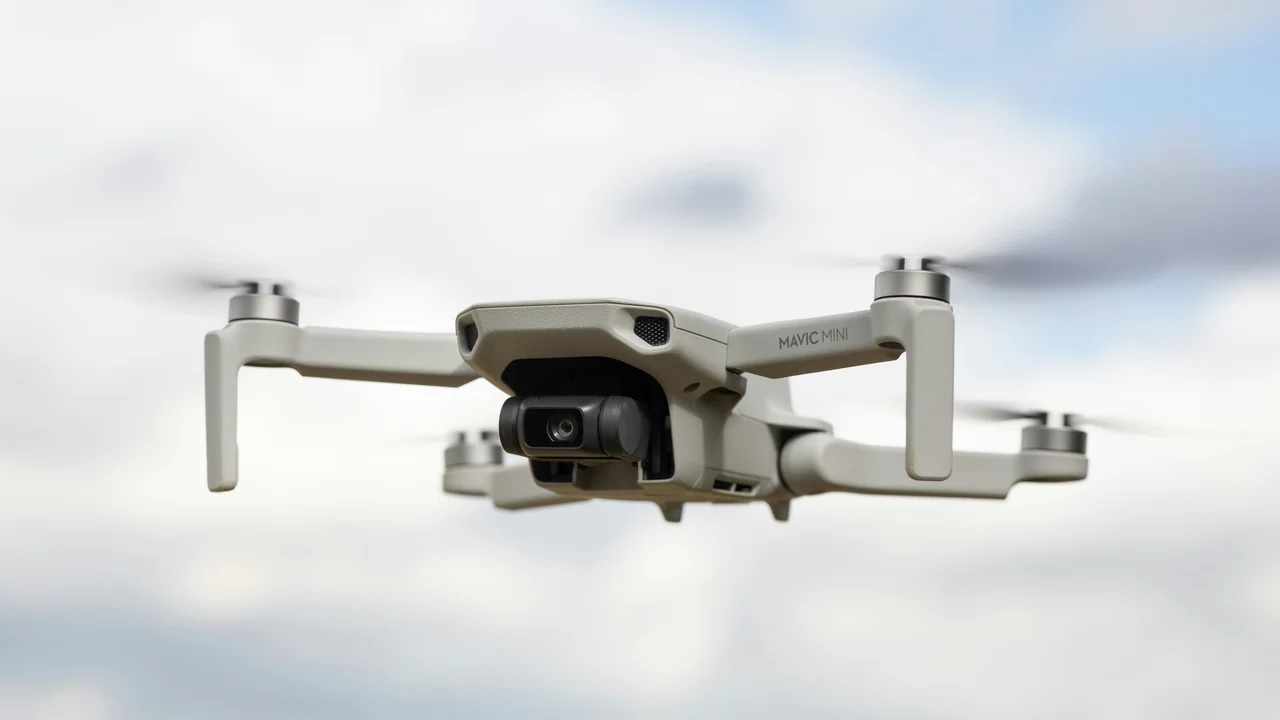
Flying a drone in Western Australia in 2026 means navigating two layers of rules: the federal CASA regulations that apply across Australia, and the specific, often stricter, policies set by the WA Department of Biodiversity, Conservation and Attractions (DBCA) for its national parks and reserves. Whether you are a resident in Perth planning a flight over Kings Park, or an adventure tourist heading to the remote gorges of Karijini, understanding the Western Australia drone laws is essential to avoid fines and keep your flying legal. This guide covers everything from the CASA baseline to the DBCA permit process, with specific advice for the Kimberley, Shark Bay, and the Pilbara, including practical tips for flying in extreme heat and remote locations.
What Are the CASA Baseline Drone Rules for Western Australia in 2026?
The Civil Aviation Safety Authority (CASA) sets the federal drone laws that apply to all of Australia, including Western Australia. These rules are the starting point for every flight. If you are flying for fun (recreationally) or for work (commercially), you must follow the standard operating conditions unless you have a specific approval or licence.
Registration and Licensing Requirements
Any drone weighing 250 grams or more must be registered with CASA via the Registration Calculator to determine your exact category. The fee is A$20 per year. You will receive an RPA (Remotely Piloted Aircraft) operator accreditation number, which must be displayed on your drone. For commercial operations, you need a Remote Pilot Licence (RePL) from an approved training provider. Recreational flyers need to pass the CASA online quiz for an operator accreditation.
| Requirement | Recreational Flyer | Commercial Flyer |
|---|---|---|
| Drone weight threshold | 250g+ | 250g+ |
| Registration | A$20/year via myrpas.casa.gov.au | A$20/year via myrpas.casa.gov.au |
| Licence | Online accreditation (free) | RePL from approved training provider |
| Altitude limit | 120 metres AGL | 120 metres AGL (unless exempted) |
Standard Operating Conditions in Western Australia
Under CASA’s Part 101 rules, you must always fly within visual line of sight (VLOS), keep your drone below 120 metres above ground level (AGL), and stay at least 30 metres away from people, vehicles, and buildings not involved in your flight. You cannot fly over a populated area, near emergency operations, or in a way that creates a hazard to other aircraft. These rules apply everywhere in WA, from the Swan River in Perth to the Gibb River Road in the Kimberley.
Drone Laws Perth: Navigating YPPH Class C Airspace
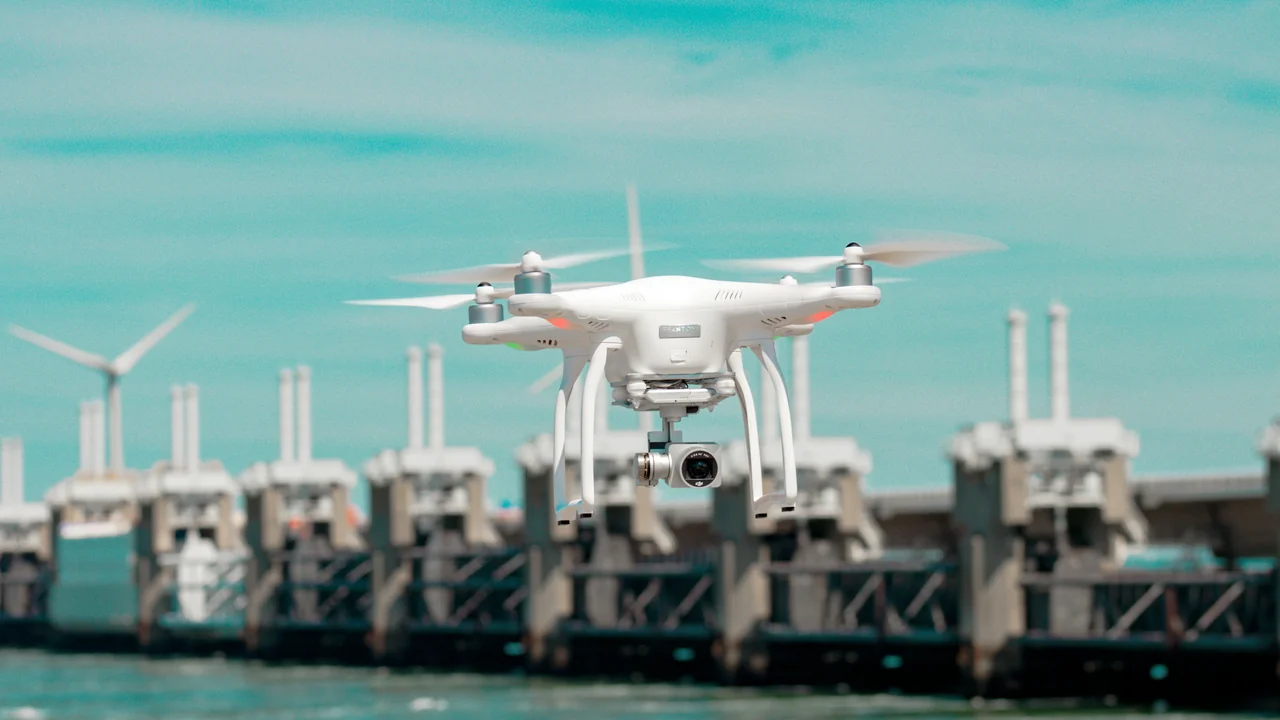
Perth’s airspace is controlled by the YPPH (Perth Airport) control zone, classified as Class C. This means you cannot fly a drone within the controlled airspace without prior approval from Airservices Australia. The No-Fly Zone Checker is essential before any flight in the Perth metropolitan area. The restricted zone extends roughly 10 nautical miles from the airport, covering most of the inner city, including Kings Park and Elizabeth Quay.
Where Can You Fly a Drone in Perth?
Outside the Class C zone, many suburban parks and beaches are open for drone flying, provided you follow CASA’s rules. Popular spots include the beaches of Cottesloe and Scarborough (avoiding crowded areas), the Swan River foreshore in East Fremantle, and the hills around John Forrest National Park. Always check for local council by-laws, as some parks may have specific bans. The City of Perth, for example, prohibits drone take-off and landing from its parks without a permit.
Western Australia National Parks Drones: The DBCA Permit System
This is the most critical section for anyone planning to fly in WA’s iconic natural areas. The Department of Biodiversity, Conservation and Attractions (DBCA) manages all national parks, marine parks, and nature reserves in Western Australia. DBCA’s policy is clear: recreational drone flying is prohibited in all national parks and nature reserves unless you have a specific permit. Commercial filming and photography also require a permit. The fines for flying without a permit can exceed A$1,000.
How to Get a DBCA Drone Permit
Determine which DBCA-managed area you plan to fly in. Each park may have different conditions.
Visit the DBCA website and complete the ‘Application to Fly a Drone’ form. You will need your CASA accreditation number and a detailed flight plan.
Permits cost between A$50 and A$150 depending on the park and duration. Commercial permits are more expensive and require public liability insurance.
Processing takes 2–4 weeks. Do not fly until you have written approval from DBCA.
Drone Rules Karijini: Flying in the Pilbara Gorges
Karijini National Park is one of WA’s most spectacular destinations, with its red gorges, waterfalls, and swimming holes. Under DBCA rules, recreational drone flying is banned in Karijini without a permit. The park is a Class A reserve, meaning the highest level of protection. If you want to fly, you must apply for a DBCA permit, and you will need to demonstrate that your flight will not disturb visitors or wildlife. In practice, permits for Karijini are rarely granted for recreational purposes. Commercial filming permits are possible but require a detailed environmental management plan.
Kimberley Drone Rules: Remote Flying in the Bungle Bungles
The Kimberley region, including Purnululu National Park (home of the Bungle Bungles), Lake Argyle, and the Mitchell Plateau, is a bucket-list destination for drone pilots. However, the same DBCA rules apply. Purnululu National Park prohibits all drone flying without a DBCA permit. The park’s remote location and fragile environment mean rangers are vigilant. Flying over the Bungle Bungles without permission can result in on-the-spot fines. Outside national parks, such as along the Gibb River Road or near El Questro Wilderness Park, you may fly on private property with the landowner’s permission, provided you follow CASA rules.
Broome Drone Rules: Coastal Flying and Pearling Operations
Broome is a popular tourist hub with its famous Cable Beach and pearling industry. Drone flying is generally allowed on Cable Beach outside of the main swimming and sunbathing areas, as long as you keep 30 metres away from people. However, be aware of the nearby Broome International Airport (YBRM), which has a control zone. The airport’s flight path covers parts of the beach. Use the No-Fly Zone Checker to confirm you are outside the restricted area. Additionally, Broome’s pearling lease areas are private property; do not fly over pearl farms without permission.
Drone Rules at Shark Bay and Cape Range National Park
Shark Bay, a UNESCO World Heritage Area, has strict rules to protect its dugongs, turtles, and stromatolites. DBCA prohibits recreational drone flying in the Shark Bay Marine Park and the surrounding national parks, including Francois Peron National Park. The same applies to Cape Range National Park, which borders Ningaloo Reef. Flying a drone over the reef or the park without a DBCA permit is illegal. The whale shark and manta ray aggregation sites are particularly sensitive; drones can stress these animals, leading to fines under both DBCA and the EPBC Act.
Ningaloo Reef and Drone Flying
While you cannot fly in Cape Range National Park, you may be able to fly from Exmouth town or the beaches outside the park boundary, provided you stay clear of the marine park. The Exmouth Gulf is largely open airspace, but you must maintain 30 metres from any boats or people. For commercial operators, a permit from the Department of Primary Industries and Regional Development (DPIRD) may also be required if you plan to film marine life.
Margaret River Drone Laws: Coastal and Wine Region Flying
The Margaret River region is a popular tourist destination with coastal cliffs, forests, and wineries. Most of the area is outside controlled airspace, making it relatively accessible for drone pilots. The Leeuwin-Naturaliste National Park, which covers much of the coastline, is managed by DBCA and prohibits recreational drone flying without a permit. However, the beaches and public reserves outside the park, such as Prevelly Beach and Gnarabup Beach, are generally open for flying. Always check for local shire by-laws, as some council reserves may have specific drone bans.
Remote Flying in WA: Battery, Comms, and Heat Considerations
Western Australia’s size and climate present unique challenges for drone pilots. In the Kimberley and Pilbara, summer temperatures often exceed 45°C, which can cause drone batteries to overheat and lose capacity. Lithium polymer batteries can swell or fail in extreme heat. Always store batteries in a cool, insulated bag and avoid flying during the hottest part of the day. Communication is another issue: most of WA’s outback has no mobile phone signal, so you cannot use apps like ‘Can I Fly There?’ in real time. Download offline maps and check airspace restrictions before you leave. Carry a satellite phone or personal locator beacon (PLB) for emergencies.
Pros of Flying in Remote WA
- Stunning, unique landscapes
- Few people to disturb
- Open airspace with minimal restrictions
Cons of Flying in Remote WA
- Extreme heat damages batteries
- No phone signal for apps
- Limited emergency services
Commercial Filming Permits for WA National Parks
If you are a professional photographer or filmmaker, you can apply for a commercial filming permit from DBCA. This is a separate, more expensive application than a recreational permit. You will need to provide a detailed risk assessment, public liability insurance (minimum A$20 million), and a plan for minimising environmental impact. The fee starts at A$150 per day and can go up to A$1,500 for a multi-day shoot. Processing times are 4–6 weeks. Do not assume that having a RePL (commercial licence) exempts you from DBCA rules — it does not. You still need the park permit.
Summary: Your Action Plan for Flying in Western Australia
To fly legally in Western Australia in 2026, start by registering your drone with CASA if it weighs 250g or more. Use the No-Fly Zone Checker before every flight, especially around Perth and Broome airports. For national parks, marine parks, and nature reserves, you must obtain a DBCA permit — and expect that many parks, especially Karijini and Purnululu, will refuse recreational applications. In remote areas, plan for extreme heat, no phone signal, and limited emergency services. Always respect the environment and wildlife; WA’s unique ecosystems are fragile and protected by strict laws. Fly safe, fly legal, and you will capture some of the most spectacular drone footage Australia has to offer.
Frequently Asked Questions
Are drones allowed in Karijini National Park?
Recreational drone flying is prohibited in Karijini National Park without a permit from DBCA. The park is a Class A reserve with high conservation value, and permits are rarely granted for recreational use. Commercial filming permits are possible but require a detailed application, public liability insurance, and a minimum processing time of 4 weeks.
Can I fly a drone in the Kimberley?
You can fly a drone in the Kimberley outside of national parks and protected areas, provided you follow CASA’s standard operating conditions. However, Purnululu National Park (Bungle Bungles) and other DBCA-managed reserves require a permit. On private property like cattle stations, you need the landowner’s permission. Always carry physical copies of your registration and permits, as mobile reception is unreliable.
What are the drone laws in Perth?
Perth’s airspace is controlled by YPPH Class C airspace, which restricts drone flying within approximately 10 nautical miles of the airport. You can fly in suburban parks and beaches outside this zone, but always check the No-Fly Zone Checker first. The City of Perth also bans drone take-off and landing from its parks without a permit. CASA’s standard rules of 120 metres altitude and 30 metres from people apply everywhere.
Are drones banned at Ningaloo Reef?
Drones are not explicitly banned at Ningaloo Reef, but they are prohibited in Cape Range National Park, which borders the reef, without a DBCA permit. Flying over the marine park itself may disturb protected species like whale sharks and turtles, which can lead to fines under the EPBC Act. You can fly from Exmouth town beaches outside the park boundary, keeping 30 metres from people and boats.
Can I fly a drone at Shark Bay?
Recreational drone flying is prohibited in the Shark Bay Marine Park and the surrounding DBCA-managed national parks, including Francois Peron National Park, without a permit. Shark Bay is a UNESCO World Heritage Area with sensitive ecosystems. Permits are possible for commercial filming but require a detailed environmental management plan. Flying without permission can result in fines exceeding A$1,000.
What permits do I need for drones in WA National Parks?
You need a DBCA (Department of Biodiversity, Conservation and Attractions) permit to fly a drone in any WA national park, nature reserve, or marine park. The application is submitted online and requires your CASA accreditation number, a flight plan, and a fee of A$50 to A$150 for recreational use. Commercial permits cost more and require public liability insurance. Processing takes 2–4 weeks, and permits are not guaranteed.
Last updated: June 25, 2026
- CASA (Civil Aviation Safety Authority) – Part 101 Rules
- DBCA (Department of Biodiversity, Conservation and Attractions) – Drone Policy
- Airservices Australia – Airspace Restrictions
Drone Allowed
DroneAllowed editor covering drone regulations, aviation law, and aerial photography across USA, UK, Canada & Australia.