
Drone Fishing Laws 2026: Is Drone Fishing Legal in the US, UK & Australia?
 14 min read
2,684 words
14 min read
2,684 words
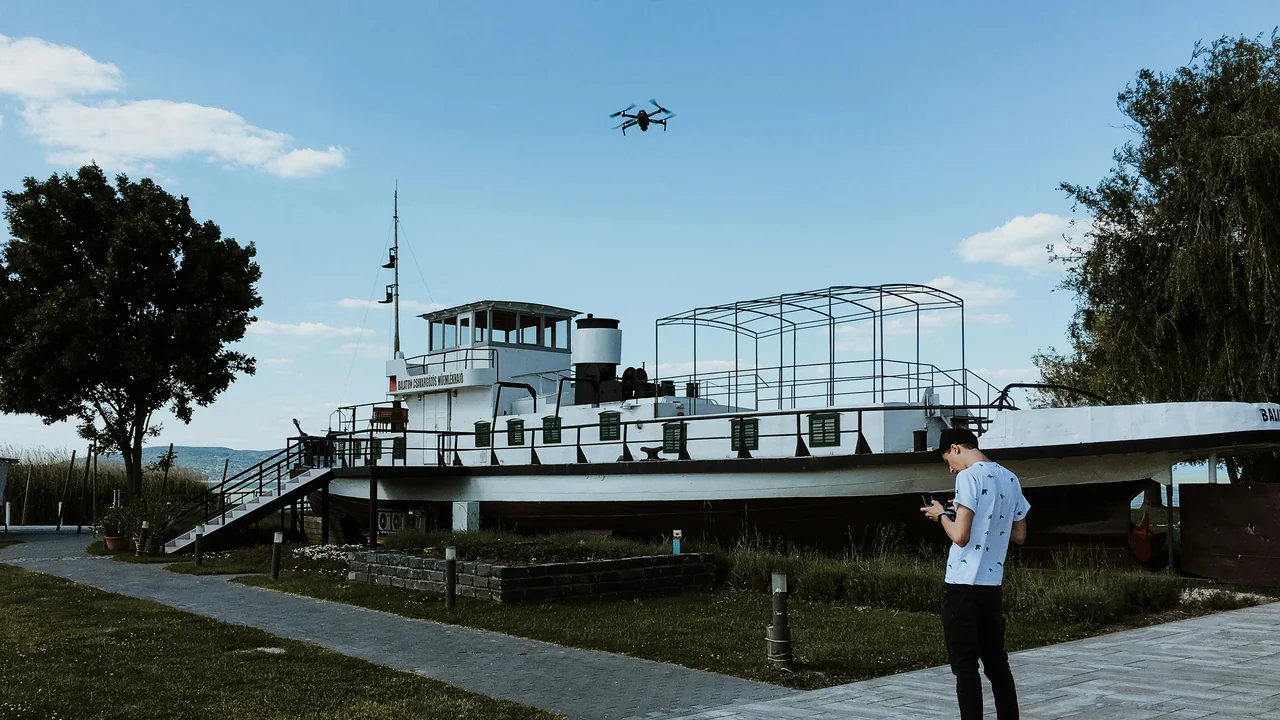
Are you wondering whether you can use your drone to cast a fishing line further out to sea or drop bait into a remote lake? You are not alone. Drone fishing is one of the fastest-growing niches in the drone community, but the legal landscape surrounding drone fishing regulations remains a confusing patchwork of aviation rules, fishing laws, and wildlife protections. In this guide, we break down exactly what is legal in the United States, the United Kingdom, and Australia, so you know where you stand before you launch your rig.
What Are the Core Drone Fishing Regulations in the USA?
In the United States, drone fishing operates in a grey zone between Federal Aviation Administration (FAA) rules and state-level fishing regulations. The FAA does not have a specific “drone fishing” rule, but its general operating requirements apply directly to any flight where you attach a fishing line, bait, or hook to your aircraft.
FAA Part 107 and Payload Delivery Rules
If you are flying for any purpose that is not purely recreational — including fishing to catch fish for consumption or sport — you likely need a Part 107 Remote Pilot Certificate. The FAA considers dropping bait or a hook as a “payload delivery” operation. Under Part 107.15, you cannot operate a drone in a careless or reckless manner, and you must not allow the drone to drop objects that could harm people or property on the ground or water.
Visual Line of Sight (VLOS) and Water Operations
The FAA requires that you maintain visual line of sight with your drone at all times. Over open water, this becomes challenging. If your drone is 500 feet offshore and you are squinting to see it, you are likely breaking VLOS rules. Many drone fishers use FPV goggles, but the FAA still requires a visual observer who can see the drone with unaided eyes.
State Fishing Laws and Drone Fishing USA
Individual states have begun addressing drone fishing specifically. Most state fish and game agencies classify a drone as a “fishing device” or “assistive device.” In many states, using a drone to deploy bait is legal as long as you hold a valid fishing license and follow species-specific regulations. However, some states have introduced restrictions.
| State | Drone Fishing Status | Key Restriction |
|---|---|---|
| California | Restricted in some areas | Coastal state parks ban drone launches; inland waters may require special permit |
| Hawaii | Controversial | Some shorelines prohibit drone fishing due to cultural and wildlife concerns |
| Florida | Generally legal | Must follow standard fishing license rules; no specific drone ban |
| Texas | Generally legal | No state-level prohibition, but local ordinances may apply |
Is Drone Fishing Legal in the UK?
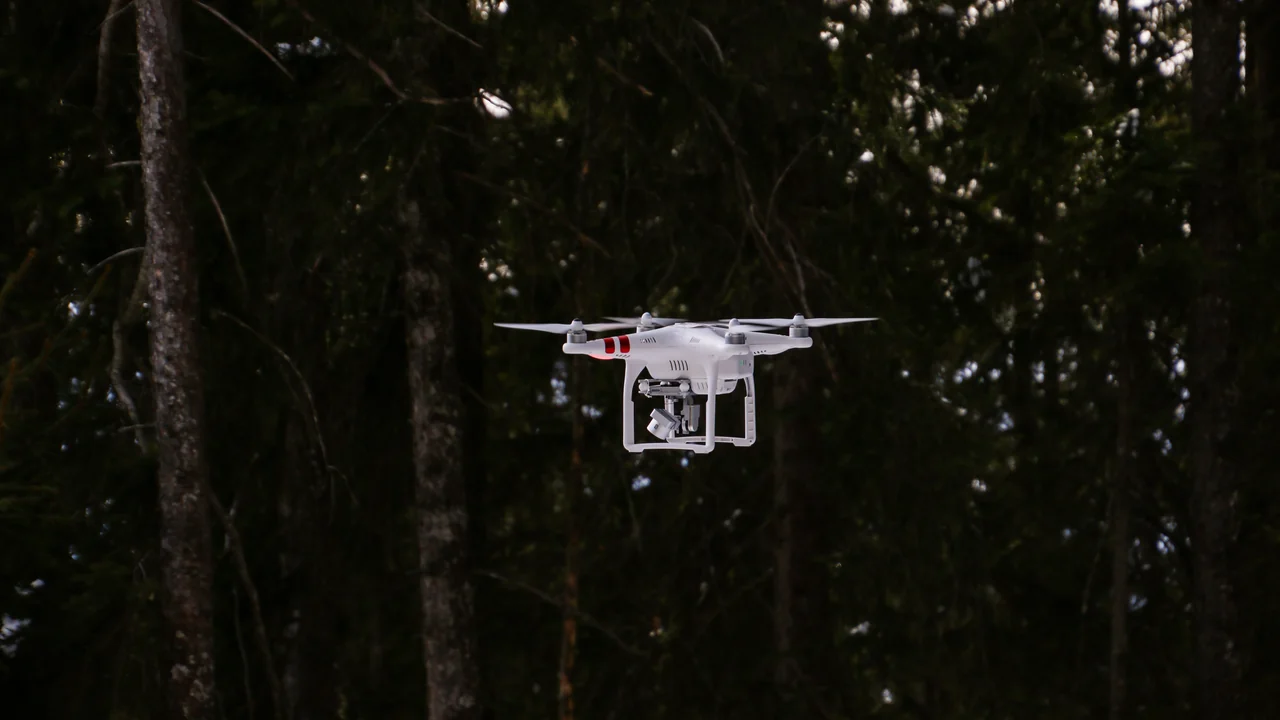
The UK presents a more complex picture because two separate authorities regulate different aspects: the Civil Aviation Authority (CAA) controls the air, and the Environment Agency (EA) controls fishing activities. Drone fishing UK law is not explicitly codified, but existing rules apply.
CAA Rules on Dropping Payloads
The CAA requires that any operation where a drone drops an object must be conducted safely. For commercial operations, you need operational authorisation that specifically covers payload release. For recreational flyers, the CAA’s Drone Code states that you must not endanger anyone. Dropping a baited hook into a river where anglers are present could be considered endangering others.
Environment Agency: Stillwater vs Tidal Waters
The Environment Agency manages fishing in England. It has not issued a specific ban on drone fishing, but the rules differ by water type. In stillwaters (lakes, reservoirs, ponds), you need a valid fishing licence, and the method of bait deployment must not contravene the “rod and line” definition under the Salmon and Freshwater Fisheries Act 1975. Some fisheries argue that a drone is not a “rod” and therefore drone fishing is not permitted under their club rules.
In tidal waters (the sea and estuaries), the EA has less jurisdiction, and drone fishing is more widely accepted. However, you must still follow local byelaws. For example, some harbour authorities restrict drone flights over navigable channels.
Scotland: NatureScot Guidance on Fish Disturbance
In Scotland, NatureScot (formerly Scottish Natural Heritage) has published guidance on drone use near wildlife. Flying a drone low over a river where salmon are spawning could constitute disturbance under the Wildlife and Countryside Act 1981. Drone fishers should maintain at least 50 metres distance from any visible fish or bird life.
What Are the Drone Fishing Australia Rules?
Australia is one of the most active drone fishing markets globally, particularly for targeting pelagic species like tuna and mackerel from the beach. The Civil Aviation Safety Authority (CASA) regulates all drone operations, and its rules have direct implications for drone fishing Australia.
CASA: Dropping Items from Recreational Drones
CASA’s Part 101 rules for recreational drones do not explicitly prohibit dropping items. However, the general safety rule under section 101.055 states that you must not operate a drone in a way that creates a hazard to another person, property, or aircraft. Dropping a heavy bait and hook from height could be considered hazardous. CASA recommends that you never drop anything from a drone unless you have confirmed the area below is clear of people and vessels.
Great Barrier Reef Marine Park Authority (GBRMPA)
If you are drone fishing along the Queensland coast, the GBRMPA rules apply within the Marine Park. Dropping bait or a hook into the water is generally allowed if you hold a valid fishing permit, but you must not disturb coral or marine life. The GBRMPA has expressed concern about drones buzzing over turtle nesting sites and seabird colonies. Fines for wildlife disturbance can exceed AUD $10,000.
New Zealand: A Useful Comparison
New Zealand is often cited as a drone fishing hotspot, and its rules are more permissive. The Civil Aviation Authority of New Zealand allows recreational drone fishers to drop bait as long as they maintain VLOS and do not endanger anyone. Many New Zealand drone fishers use purpose-built rigs that release the line when the drone reaches a preset distance. This model has influenced Australian drone fishing communities, but the legal frameworks remain different.
Pros of Drone Fishing
- Reach deeper water from shore
- Target species that rarely come close to shore
- Reduce need for boats
- Precise bait placement
Cons of Drone Fishing
- Legal grey areas in many jurisdictions
- Risk of losing expensive drone
- Potential wildlife disturbance
- VLOS challenges over water
Wildlife Disturbance: A Legal Risk Across All Countries
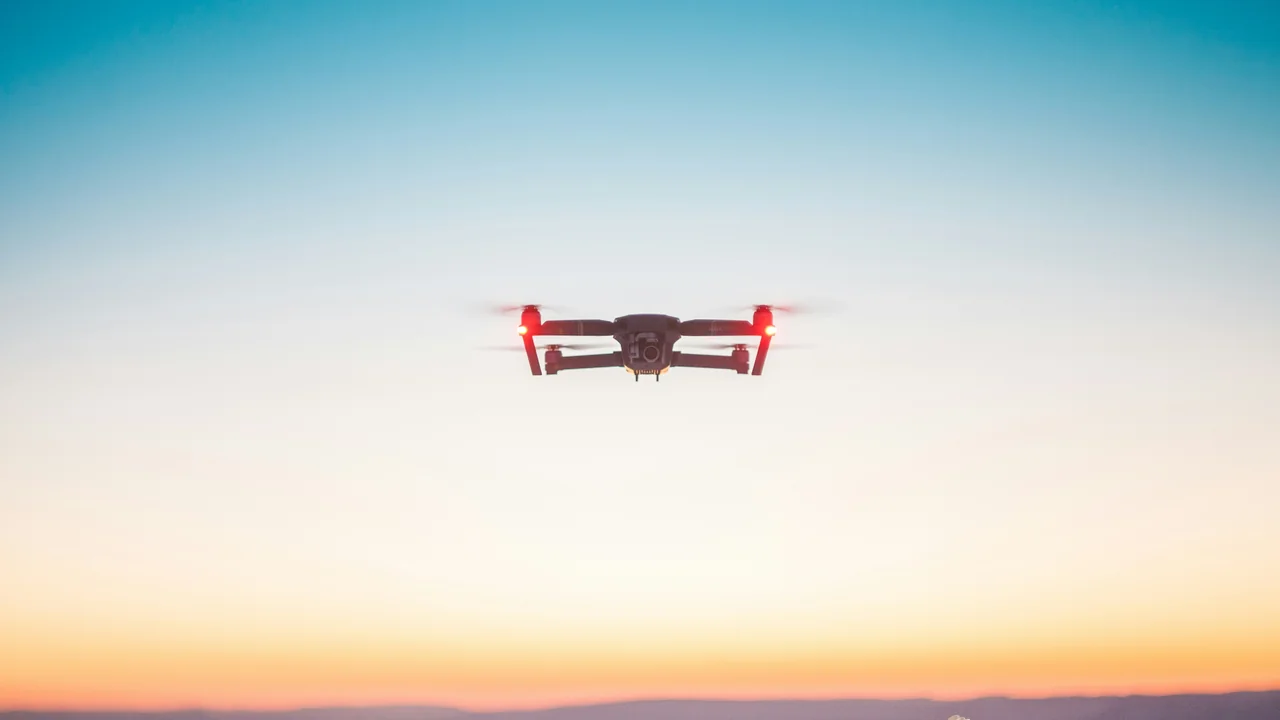
One of the most overlooked aspects of drone fishing regulations is the risk of disturbing protected species. In the USA, the Migratory Bird Treaty Act protects seabirds. In the UK, the Wildlife and Countryside Act 1981 protects all wild birds. In Australia, the Environment Protection and Biodiversity Conservation Act 1999 protects marine species. If your drone flies low over a colony of nesting terns or a pod of dolphins, you could face prosecution even if your drone fishing operation itself is legal.
Practical advice: never fly lower than 30 metres (100 feet) over water unless you are directly above your drop zone. Keep a safe distance from any visible wildlife. If birds start diving at your drone, abort the flight immediately.
Fishing Club Rules vs Legal Rules
Even where drone fishing is legal under national or state law, individual fishing clubs and private waters can impose stricter rules. Many angling clubs in the UK explicitly ban drones in their club rules. In the USA, private lakes and reservoirs often prohibit drone use entirely. Always check with the landowner or club secretary before launching. Ignorance of club rules is not a defence if you are asked to leave or banned.
Confirm your drone registration and licence status with the FAA, CAA, or CASA. Ensure you comply with VLOS and altitude limits.
Look up your state or territory’s specific drone fishing regulations. Contact the fish and game agency if unsure.
Contact the landowner, harbour authority, or fishing club for specific restrictions. Get written permission if needed.
Scan the area for nesting birds, marine mammals, and spawning fish. Maintain a safe altitude and abort if wildlife appears stressed.
Summary
Drone fishing is a legitimate and growing activity, but it sits at the intersection of aviation law and fishing regulations, creating grey areas that you must navigate carefully. In the USA, you likely need a Part 107 certificate for anything beyond pure recreation, and you must keep the drone within VLOS at all times. In the UK, the CAA does not ban bait dropping outright, but the Environment Agency’s rules on fishing methods and club restrictions create practical barriers. In Australia, CASA’s general safety rules apply, and the GBRMPA adds extra scrutiny for coastal operations.
Your best approach is to start conservatively: use a lightweight drone, fly over empty water, keep altitude above 30 metres, and always check local rules before each session. The drone fishing community is passionate and growing, and with responsible flying, you can enjoy this innovative technique while staying on the right side of the law.
Frequently Asked Questions
Is drone fishing legal in the USA?
Drone fishing is legal in the USA in most states, but it operates in a legal grey zone under FAA rules. You must comply with Part 107 if flying commercially or for anything beyond pure recreation. The FAA prohibits dropping objects that could harm people or property, so you must ensure the drop zone is clear. State laws vary, with California and Hawaii imposing additional restrictions in certain areas.
Can you use a drone to cast a fishing line in the UK?
Yes, you can use a drone to cast a fishing line in the UK, but you must follow CAA rules and Environment Agency fishing regulations. The CAA requires that you do not endanger anyone, so dropping a baited hook into a crowded area is not allowed. The Environment Agency has not banned drone fishing, but some stillwater fisheries and angling clubs prohibit it in their rules. Always check with the water owner before flying.
Is drone fishing allowed in Australia?
Drone fishing is allowed in Australia under CASA’s recreational drone rules, provided you do not create a hazard to people or property. Dropping bait from a drone is not explicitly banned, but you must maintain VLOS and stay below 400 feet. In the Great Barrier Reef Marine Park, additional restrictions apply to protect coral and marine life. Always check local council and state park rules before flying.
Do you need a Part 107 licence to fish with a drone?
In the USA, you need a Part 107 Remote Pilot Certificate if you are flying the drone for any purpose beyond pure recreation. If you are fishing to catch fish for consumption or sport, the FAA typically considers this a commercial operation, requiring Part 107. Recreational flyers can still use a drone for fishing if they follow all recreational rules, but the line between recreation and commerce is not clearly defined. It is safer to obtain your Part 107 certificate if you plan to fish regularly with a drone.
Can you drop fishing bait from a drone?
Yes, you can drop fishing bait from a drone in most jurisdictions, but you must do so safely. The FAA, CAA, and CASA all prohibit dropping objects that could create a hazard to people or property. This means you must confirm the area below is clear of swimmers, boats, and wildlife before releasing the bait. Using a quick-release mechanism that allows precise placement is recommended to minimise risk.
What are the rules for drone fishing off the coast?
Drone fishing off the coast is generally legal in all three countries, but you must follow several rules. You must maintain VLOS with your drone, which becomes difficult over open water. You must not disturb marine wildlife, including seabirds, dolphins, and turtles. In Australia, the GBRMPA imposes strict rules within the Marine Park, including a ban on flying over turtle nesting sites. In the UK, harbour authorities may restrict drone flights near ports and shipping lanes. Always check local maritime regulations before launching from the coast.
Can I use a drone to drop bait in any body of water?
No. Even if the water is publicly accessible, the airspace above it may be restricted. Check for nearby airports, military zones, or wildlife sanctuaries. In the USA, you cannot fly over national park waters. In the UK, the CAA restricts flights over congested areas. Always verify airspace classification before launching.
Do I need a fishing license if I’m using a drone?
Yes, in almost all cases. A drone is a tool for fishing, not a substitute for a fishing license. You must hold the same state or regional fishing license required for traditional angling. The drone does not exempt you from fish-and-game regulations.
Can I fly a drone at night for fishing?
In the USA, Part 107 allows night flights only if your drone has anti-collision lights visible for 3 statute miles. In the UK, night flights are permitted under the Open Category if the drone weighs under 250g and has lights. In Australia, CASA requires a night waiver for any drone over 250g. Always check local night-flying rules before heading out after dark.
What happens if my drone crashes into a boat or person?
You are legally liable for any damage or injury caused by your drone. In the USA, the FAA can fine you up to $27,500 for reckless operation. In the UK, you could face prosecution under the Air Navigation Order. Liability insurance is strongly recommended—many clubs and charters require it.
Are there special rules for drone fishing in national parks?
Yes. In the USA, the National Park Service bans drone launches, landings, and flights from all park lands. In the UK, the National Trust restricts drones on its properties, though not all are outright bans. In Australia, drones are banned in most national parks without a permit. Never assume a park allows drone flight—always check the specific park’s website.
Can I use a drone to spot fish from a boat I’m on?
Yes, but you must maintain visual line of sight with the drone at all times. You cannot fly the drone beyond your ability to see it without binoculars. In the USA, this means you cannot use the drone’s camera feed as your primary navigation tool—you must look at the drone itself.
What is the maximum weight for a drone used in fishing?
There is no specific weight limit for drone fishing, but heavier drones (over 250g) require registration in the USA, UK, and Australia. Most anglers use drones in the 500g to 2kg range to carry bait and small lures. For heavy payloads like a fishing rod drop, you may need a custom-built drone over 25kg, which falls under separate experimental rules in all three countries.
Last updated: July 04, 2026
- Federal Aviation Administration (FAA) – faa.gov
- Civil Aviation Authority (CAA) – caa.co.uk
- Civil Aviation Safety Authority (CASA) – casa.gov.au
- Environment Agency (UK) – gov.uk/government/organisations/environment-agency
- Great Barrier Reef Marine Park Authority (GBRMPA) – gbrmpa.gov.au
Drone Allowed
DroneAllowed editor covering drone regulations, aviation law, and aerial photography across USA, UK, Canada & Australia.