
Fenway Park Drone Laws 2026: MLB Rules, Boston Airspace & No-Fly Zone
 14 min read
2,783 words
If you are a drone pilot looking to capture aerial footage of Fenway Park, home of the Boston Red Sox, you are facing one of the most complex airspace challenges in Major League Baseball. Understanding Fenway Park drone laws in 2026 requires navigating a dual-layer of federal restrictions: a temporary flight restriction (TFR) that activates during every Red Sox home game and the permanent Class B airspace of Boston Logan International Airport (BOS). This guide will break down exactly where you can and cannot fly, how to secure legal authorization, and what iconic shots like the Green Monster mean for your flight plan.
What Are the Fenway Park Drone No-Fly Zone Rules for 2026?
Fenway Park is subject to two distinct no-fly zone restrictions that operate simultaneously. The first is a permanent airspace constraint: the stadium sits inside the outer ring of Boston Logan’s Class B airspace. The second is a recurring, event-based restriction: a 3-nautical-mile (3.45 statute miles) Temporary Flight Restriction (TFR) that activates one hour before each Red Sox home game and remains in effect until one hour after the game ends.
With 162 regular-season home games plus potential postseason play, the TFR is active for roughly 7 to 8 hours per game day. This means Fenway is effectively a no-fly zone for recreational and commercial drones for over 1,200 hours each summer. The TFR applies to all aircraft, including drones under 0.55 pounds (250 grams), and is enforced by the FAA, Secret Service, and local law enforcement.
Flying a Drone Near Fenway Park: What You Need to Know
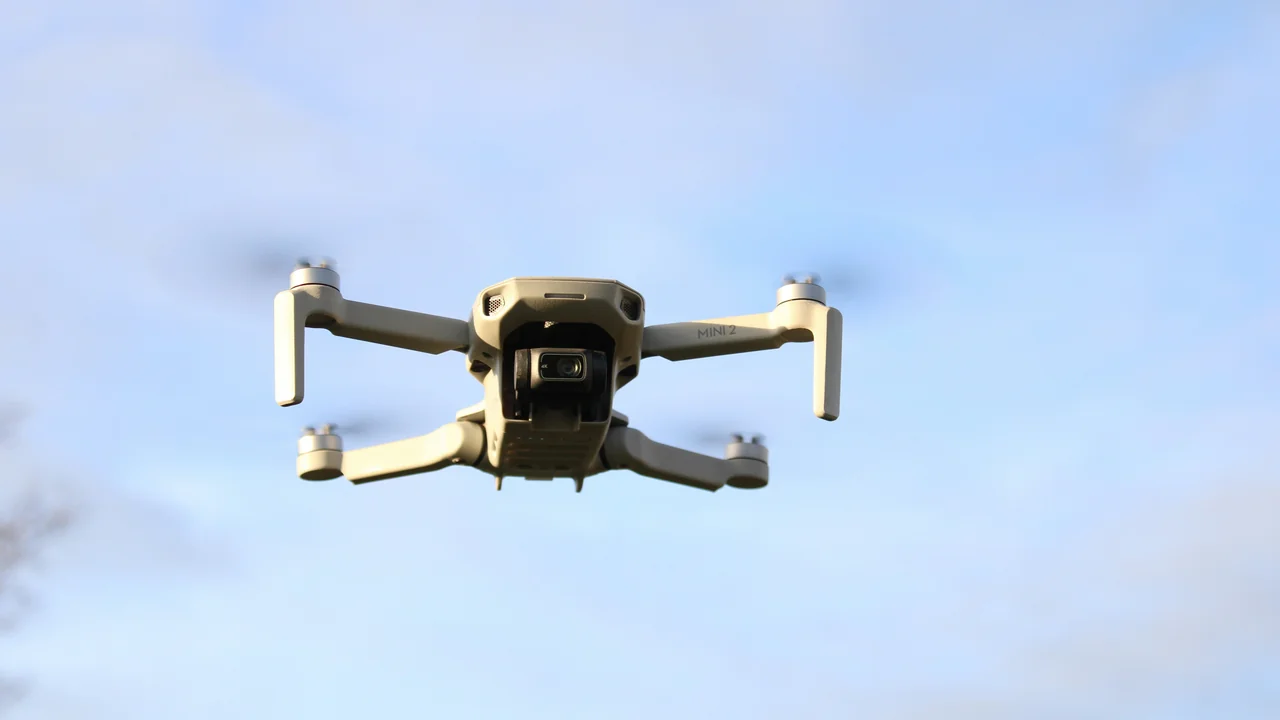
Flying a drone near Fenway Park is legally possible only during specific windows and with proper authorization. The key factor is timing: you cannot fly during any Red Sox home game or within one hour before or after the game. However, on non-game days, early mornings, or late nights when no event is scheduled, the TFR is inactive.
Can You Fly a Drone at Fenway Park on Non-Game Days?
Yes, but only if you obtain LAANC (Low Altitude Authorization and Notification Capability) approval for Boston Logan’s Class B airspace. Fenway Park sits in a grid that typically allows altitudes between 0 and 50 feet AGL through LAANC. This means you can legally launch from public property outside the stadium—such as the Fenway Victory Gardens or along Brookline Avenue—and fly over the stadium at low altitudes, provided you stay clear of people, vehicles, and structures.
Boston Red Sox Drone Rules: The TFR and Game Day Restrictions
The Boston Red Sox drone rules are governed by the FAA’s Stadium TFR policy, codified in 14 CFR § 91.145. This rule prohibits drone operations within a 3-nautical-mile radius of any major league stadium from one hour before the scheduled game time until one hour after the game ends. For Fenway Park, which hosts 81 regular-season home games, this means the TFR is active for roughly 25% of the year.
| Restriction Type | Radius | Active Period | Altitude Limit |
|---|---|---|---|
| Game Day TFR | 3 NM (3.45 miles) | 1 hour before to 1 hour after game | Surface to 3,000 feet AGL |
| Class B Airspace | 5 NM inner ring / 10 NM outer shelf | 24/7/365 | Varies by grid (typically 0–50 ft at Fenway) |
Is Fenway Park Inside Logan Airport Airspace?
Yes, Fenway Park is located within the outer shelf of Boston Logan International Airport’s Class B airspace. Logan’s Class B airspace is one of the most complex in New England, covering downtown Boston, Cambridge, and much of the inner harbor. Fenway sits approximately 3.5 nautical miles southwest of Logan’s main runways, placing it in the 10-nautical-mile outer ring.
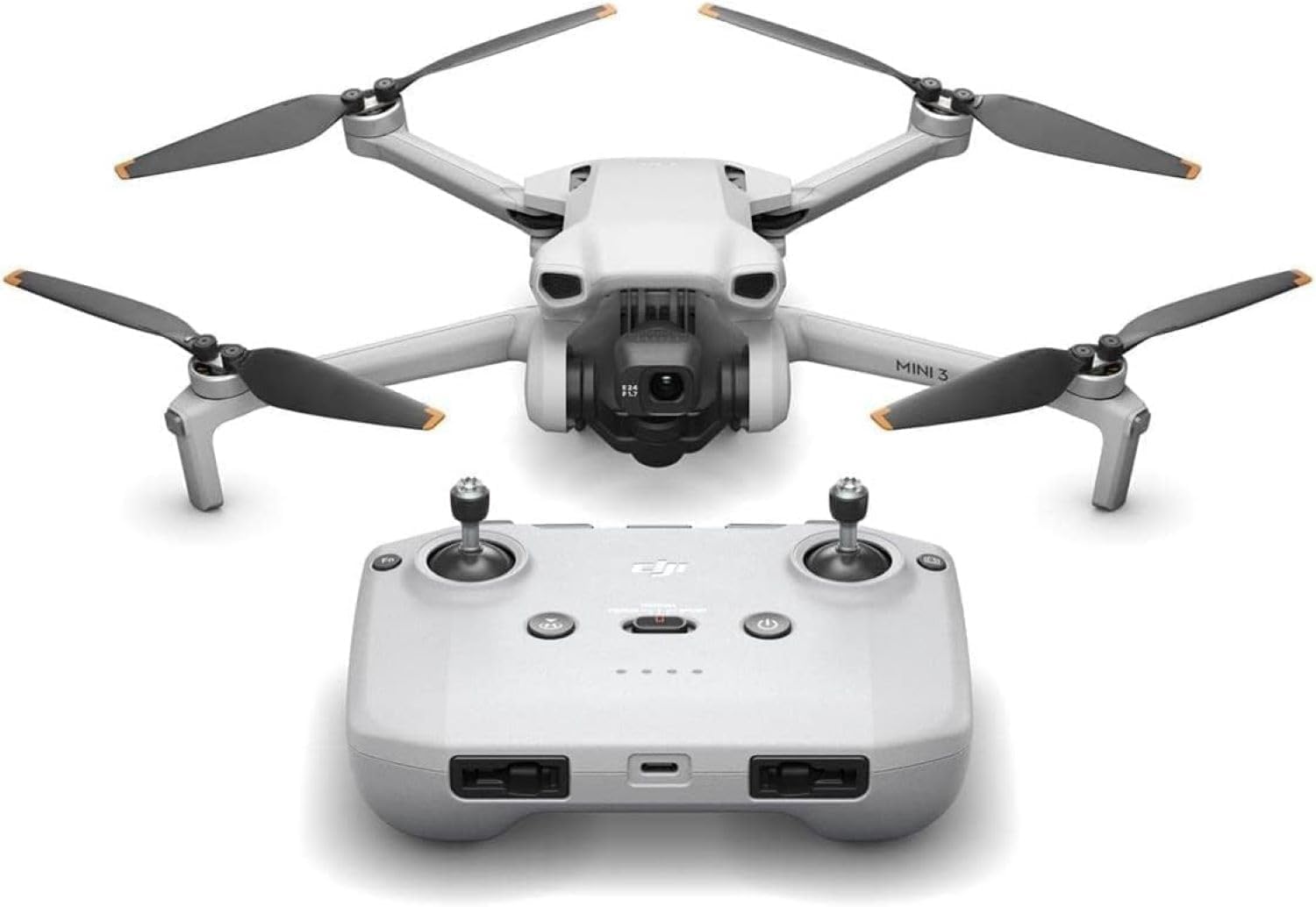
DJI Mini 3
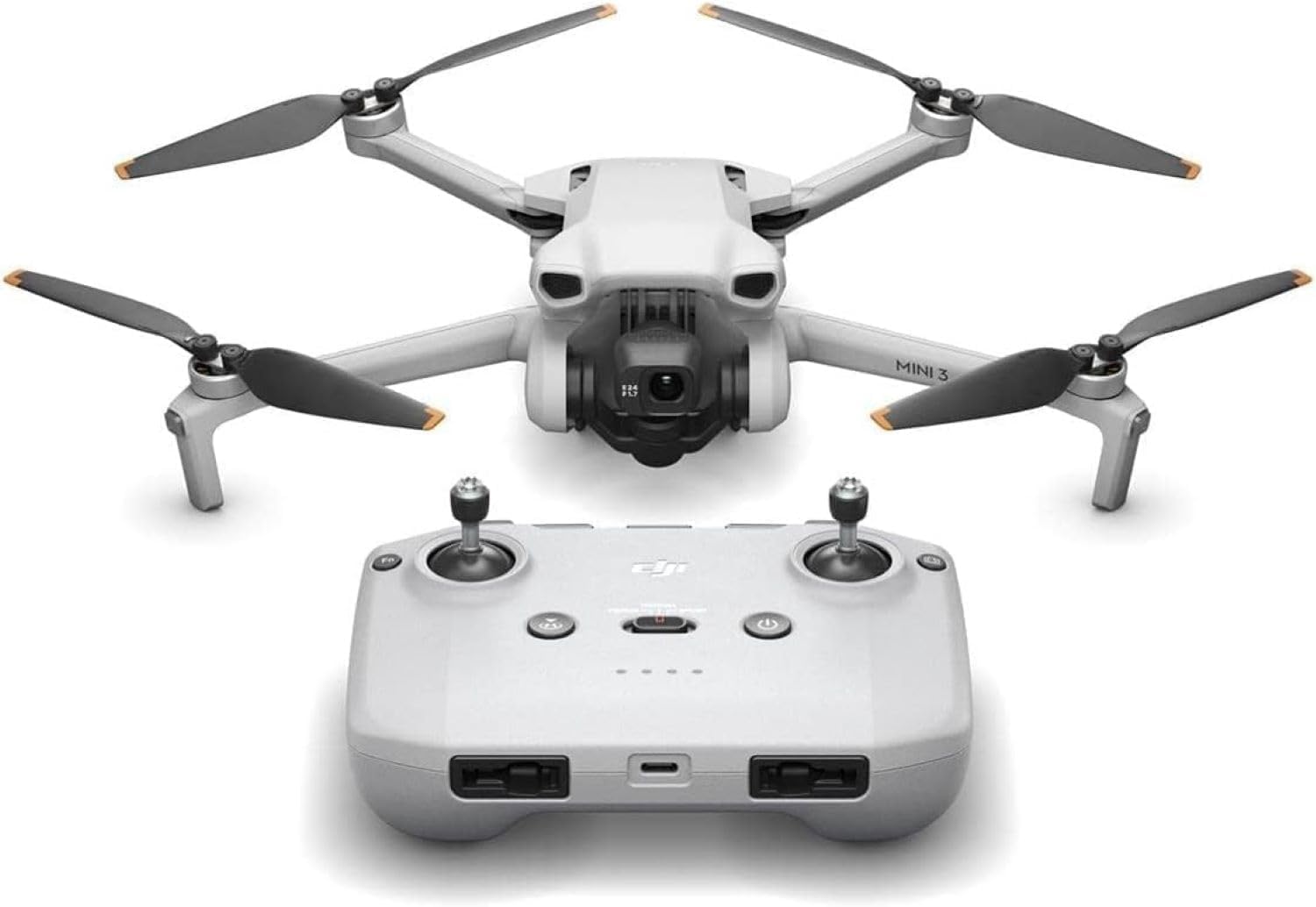
DJI Mini 3, 3-Axis Mechanical Gimbal Mini Camera Drone | 4K HDR Video, 38-Min Flight Time, up to 32800ft (10km) Video Transmission, True Vertical Shooting, GPS Auto Return
Check Price on AmazonDJI Mini 3 Fly More Combo
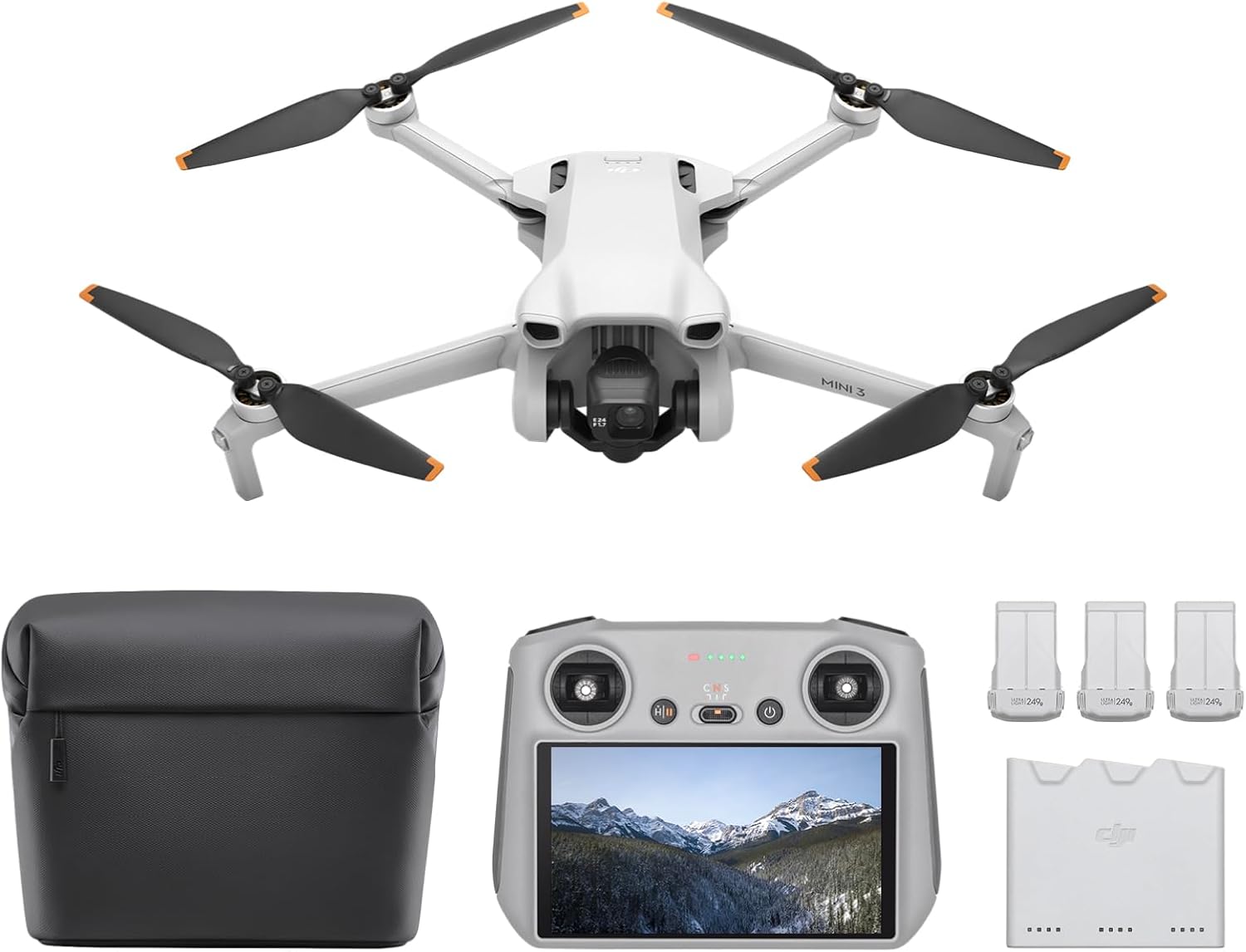
DJI Mini 3 Fly More Combo With DJI RC, 3 Batteries | Lightweight Camera Drone With 4K HDR Video, 114-Min Flight Time, Vertical Shooting, 32800ft (10km) Video Transmission
Check Price on AmazonDJI Mini 3 With DJI RC
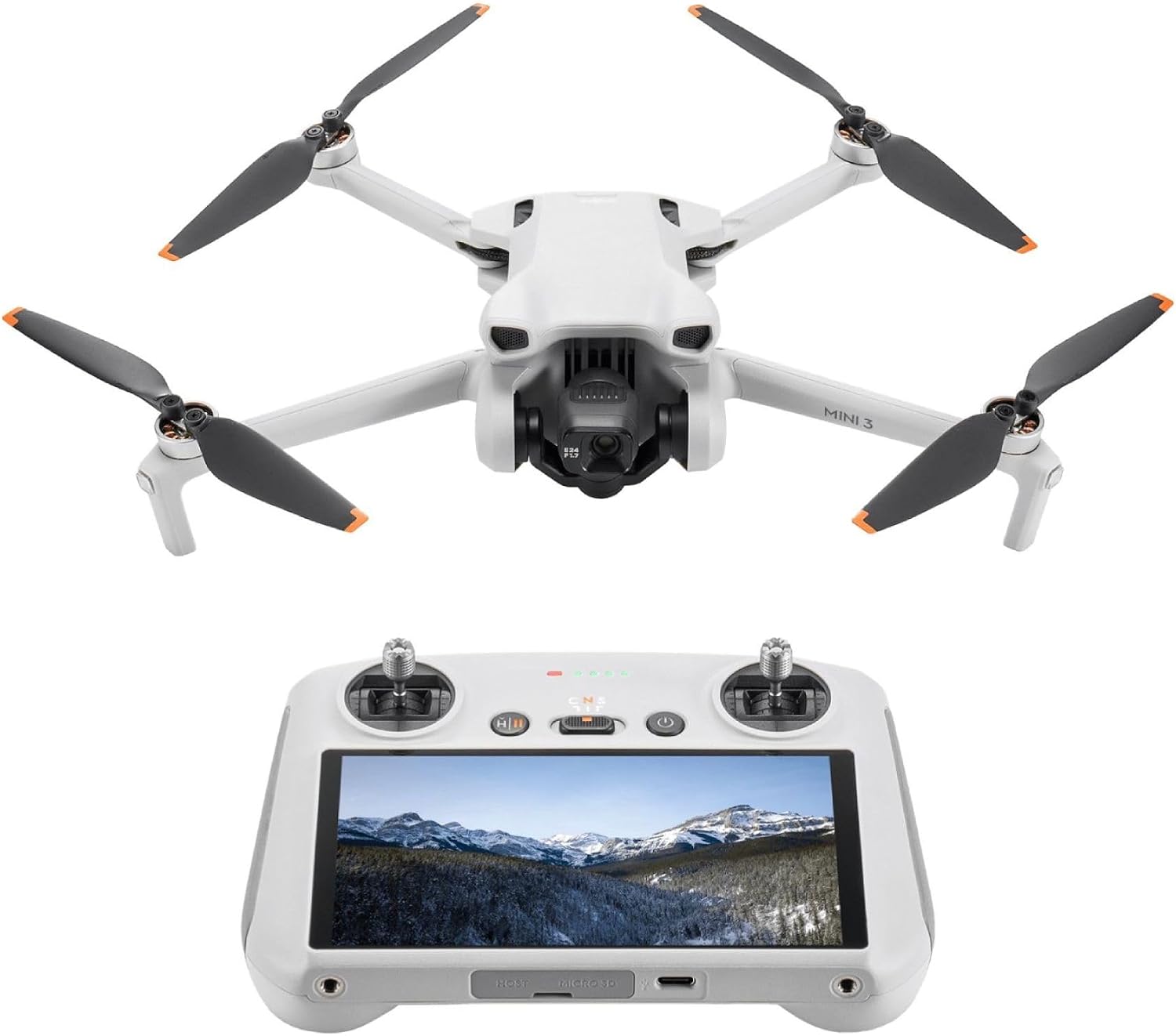
DJI Mini 3 With DJI RC, 3-Axis Mechanical Gimbal Mini Camera Drone | 4K HDR Video, 38-Min Flight Time, up to 32800ft (10km) Video Transmission, Vertical Shooting, GPS Auto Return
Check Price on AmazonThis means you cannot fly a drone at Fenway Park without LAANC authorization from the FAA, even on non-game days. The LAANC system allows real-time approval for flights up to 400 feet AGL, but at Fenway, the available altitudes are typically capped at 50 feet AGL due to the proximity to Logan’s approach and departure paths.
How to Get LAANC Authorization Near Fenway Park Boston
Getting LAANC authorization near Fenway Park Boston is a straightforward process, but it requires planning. You must use an FAA-approved LAANC service provider, such as Aloft (formerly Kittyhawk), AirMap, or DJI Fly. Here is the step-by-step process:
Carrying Hard Case for DJI Avata 360 Drone
Carrying Hard Case for DJI Avata 360 Drone - Portable Travel Bag for Goggles N3/RC Motion 3 Controller
Check Price on AmazonHard Case for Antigravity A1 Drone
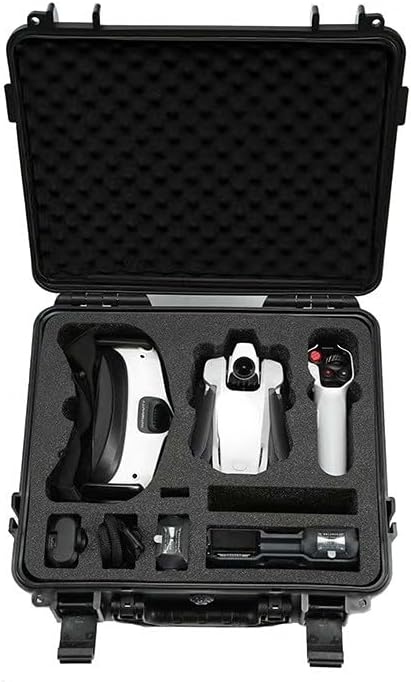
Hard Case for Antigravity A1 Drone, Waterproof Protective Carry Case, Anti-Fall Storage Bag Fit for Drone, Batteries, Goggles, Accessories & RC Gear [Only Protect Shell]
Check Price on AmazonVerify there is no Red Sox home game scheduled within the next 3 hours. The TFR activates 1 hour before first pitch and lasts until 1 hour after the final out. Use the MLB schedule or the FAA’s B4UFLY app to confirm.
Launch Aloft, AirMap, or your preferred app. Draw your flight zone around Fenway Park. The system will show you the maximum allowable altitude—typically 0–50 feet AGL for this grid.
Select your altitude (50 feet or less) and submit the request. Approval is usually instant for altitudes within the grid’s limits. If you request a higher altitude, the system may reject it or route it for manual review.
Once approved, launch from a safe, public location—avoid Fenway’s parking lots and the densely packed residential streets. Keep the drone within visual line of sight and avoid flying over people or moving vehicles.
The Green Monster Aerial: Is It Worth the Risk?
The Green Monster—Fenway Park’s iconic 37-foot left-field wall—is one of the most sought-after aerial shots in baseball. Many drone pilots dream of capturing that angle, especially during a sunset game. However, the reality is that you cannot legally capture that shot during a game due to the TFR. On non-game days, you can fly over the stadium at 50 feet AGL, but the Green Monster is only 37 feet tall, meaning you will be flying just above the wall. This is technically legal with LAANC approval, but it requires precision flying and adherence to all safety rules.
Other Boston Venues: TD Garden and Harvard Stadium
Boston’s airspace challenges extend beyond Fenway Park. TD Garden, home of the Celtics and Bruins, sits downtown approximately 1.5 nautical miles from Logan’s runways. It sits inside the inner ring of Class B airspace, where LAANC altitudes are often capped at 0 feet—meaning no drone flights are authorized at all. Harvard Stadium in Cambridge, across the Charles River, is under Hanscom Field’s Class D airspace and requires separate authorization from that tower.
Pros of Flying at Fenway (Non-Game)
- Iconic aerial angles of the Green Monster
- LAANC available up to 50 feet AGL
- Quiet residential streets for launch sites
Cons of Flying at Fenway
- Game-day TFR active 81+ days per year
- Very low LAANC altitude limits
- Dense population limits flight options
Summary: Final Thoughts on Flying a Drone at Fenway Park
Flying a drone at Fenway Park is possible, but only under strict conditions. You need LAANC authorization for Boston Logan’s Class B airspace on non-game days, and you must never fly during a Red Sox home game due to the active TFR. The iconic Green Monster aerial is achievable at low altitudes on off-days, but the window is narrow and the airspace is tightly controlled. Always check the MLB schedule, use the B4UFLY app, and respect the dual restrictions. If you want to capture Fenway from the air, plan your flight for a weekday morning when no game is scheduled and keep your altitude below 50 feet.
Frequently Asked Questions
Can you fly a drone near Fenway Park?
Yes, you can fly a drone near Fenway Park on non-game days, but you must obtain LAANC authorization for Boston Logan’s Class B airspace. The maximum altitude available is typically 50 feet AGL. You cannot fly during any Red Sox home game, including one hour before and one hour after the game, due to an active TFR.
Is Fenway Park a drone no-fly zone?
Fenway Park is not a permanent no-fly zone, but it becomes one during every Red Sox home game due to a 3-nautical-mile TFR. Outside of game hours, the area is controlled airspace requiring LAANC authorization. The stadium is also inside Logan’s Class B airspace, which adds an additional layer of restriction.
What is the TFR for Red Sox games at Fenway?
The TFR for Red Sox games at Fenway Park is a 3-nautical-mile radius that activates one hour before the scheduled game time and remains in effect until one hour after the game ends. It covers all aircraft, including drones of any weight, from the surface up to 3,000 feet AGL. The TFR applies to all 81 regular-season home games plus any postseason games.
Can I get LAANC authorization near Fenway Park Boston?
Yes, LAANC authorization is available near Fenway Park Boston on non-game days. The FAA’s LAANC system covers the Class B airspace grid that includes Fenway. Altitudes are typically capped at 50 feet AGL. You can apply through any FAA-approved LAANC provider, and approval is usually instant if you stay within the grid’s altitude limits.
Is Fenway Park inside Logan Airport airspace?
Yes, Fenway Park is located inside Boston Logan International Airport’s Class B airspace. It sits approximately 3.5 nautical miles southwest of Logan’s runways, placing it in the outer shelf of the Class B area. This means all drone flights require LAANC authorization, even when no TFR is active.
How do I legally photograph Fenway Park with a drone?
To legally photograph Fenway Park with a drone, you must fly on a non-game day, obtain LAANC authorization for altitudes up to 50 feet AGL, and launch from a public location outside the stadium. The best time is early morning on a weekday when no game is scheduled. Always keep the drone within visual line of sight and avoid flying over people or vehicles.
Can I fly a toy drone at Fenway Park?
No. The FAA defines any unmanned aircraft system as a drone, regardless of size or purpose. Toy drones are subject to the same TFR restrictions. Even a $20 toy drone can trigger a security response if flown near the stadium during a game.
Is Fenway Park a no-drone zone on non-game days?
Not automatically, but you still need LAANC authorization due to Boston Logan Class B airspace. On non-game days, the TFR is not active, but the underlying airspace restrictions remain. You can fly with proper authorization and avoid crowds.
Can I fly my drone over the Green Monster from a distance?
No. The TFR covers a 3-nautical-mile radius. Even if you are far away, your drone cannot enter that radius during a game. The FAA uses radar and remote ID to enforce this boundary.
What are the penalties for flying a drone at Fenway Park?
Civil fines up to $30,000 per violation. Criminal penalties can reach $100,000 and up to one year in prison. Repeat offenders face higher fines and potential jail time.
Do I need Part 107 to fly near Fenway Park?
For recreational flights on non-game days, Part 107 is not required if you pass the TRUST test and follow the Recreational UAS Safety Test rules. However, for commercial flights or any flight within the TFR, Part 107 is mandatory.
What Are the Fines for Flying a Drone at Fenway Park?
Violating a TFR is a federal offense. The FAA can impose civil penalties of up to $30,000 per violation. If you cause a safety incident, such as a game delay or interference with a helicopter, criminal charges may apply, including fines up to $100,000 and imprisonment for up to one year. In 2024, the FAA issued over $1.2 million in fines for TFR violations nationwide, with stadium incidents accounting for roughly 15% of cases. For Fenway Park specifically, Boston Police and FAA enforcement have increased patrols during game days since 2023.
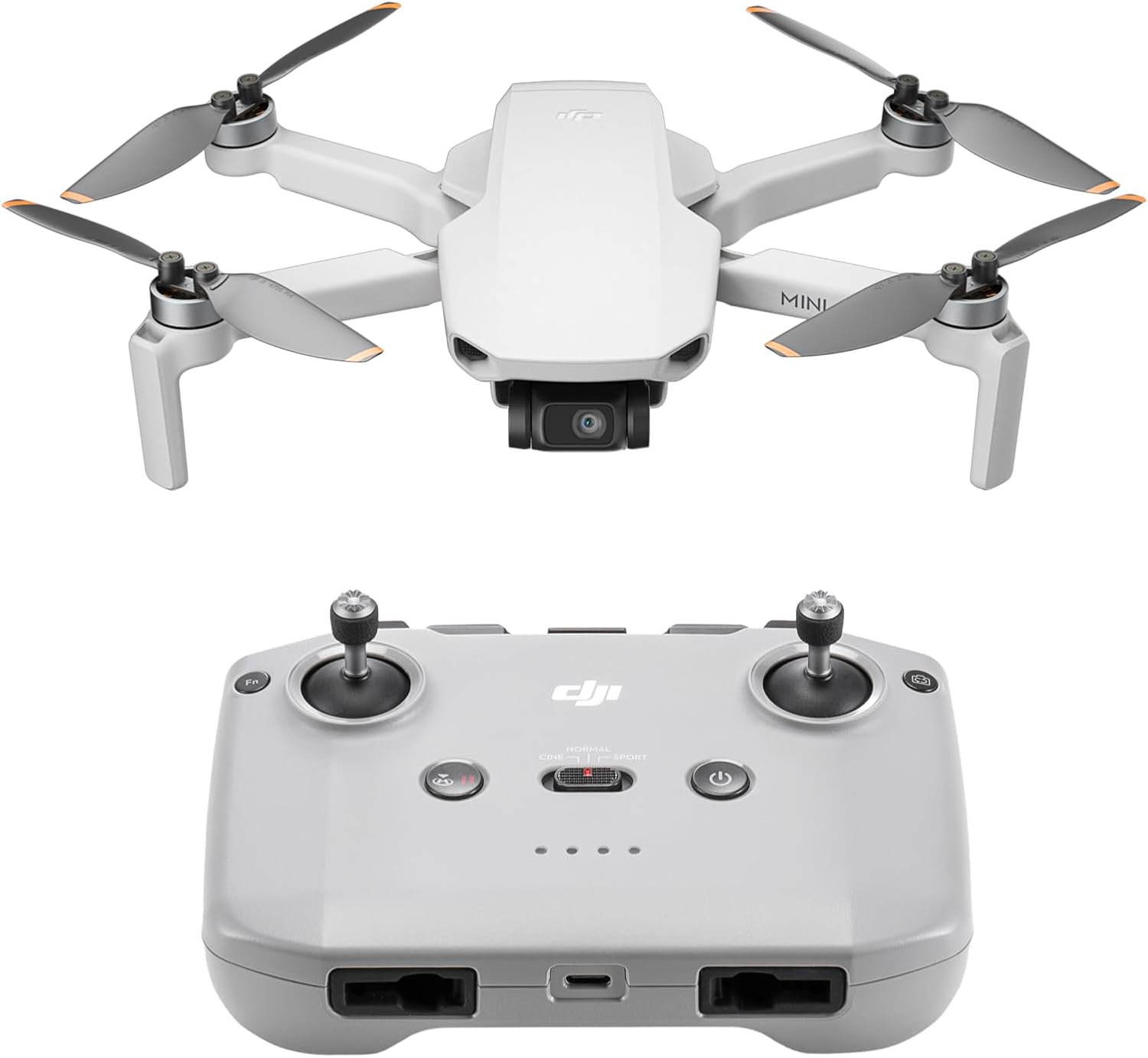
Can You Fly a DJI Mini 4 Pro at Fenway Park?
The DJI Mini 4 Pro weighs under 250 grams, so it does not require FAA registration for recreational use. However, this does not exempt it from TFRs or airspace restrictions. The Mini 4 Pro still must comply with the same no-fly zone rules as any other drone. Its small size does not make it invisible to radar or enforcement. In fact, the FAA’s remote ID rule applies to all drones—including sub-250-gram models—if flown for commercial purposes. For recreational flights, the Mini 4 Pro is exempt from remote ID, but the TFR still applies.
What About Filming from a Public Sidewalk Outside the Stadium?
Flying from a public sidewalk outside Fenway Park is still subject to the TFR. The no-fly zone extends in a 3-nautical-mile radius from the stadium. If you are standing on Landsdowne Street, you are inside that zone. LAANC authorization is required for any flight within the TFR, even if the drone never physically enters the stadium airspace. Additionally, Boston city ordinances prohibit drone takeoff and landing from public parks and sidewalks without a permit. The Boston Parks and Recreation Department requires a special events permit for any drone operation on city property.
Are There Any Exceptions for Media or News Coverage?
Yes, but only with FAA approval. News organizations can apply for a waiver under 14 CFR § 91.145. This requires submitting a detailed flight plan, proof of pilot certification (Part 107), and coordination with Boston Logan Tower. The waiver process takes at least 30 days. In practice, only major networks like ESPN or NESN have received such waivers for Fenway Park during game days. Independent journalists and content creators should not expect approval without a proven safety record and established relationship with the FAA.
What Happens If You Accidentally Fly Into the TFR?
If you notice your drone has entered the TFR, immediately land the drone and contact the FAA’s Flight Standards District Office (FSDO) in Boston at (781) 238-7100. Do not continue flying. The FAA may issue a warning letter for a first-time, inadvertent violation if you self-report within 24 hours. However, if the flight is detected by radar or reported by law enforcement, expect a formal investigation. In 2025, the FAA processed 47 drone-related TFR violations at major sports venues, with an average fine of $4,200.
How to Check Fenway Park TFR Status in Real Time
Use the FAA’s B4UFLY app or the FAA TFR map at tfr.faa.gov. Both tools show active TFRs in your area. For Fenway Park, the TFR is typically activated one hour before the first pitch and deactivated one hour after the final out. On non-game days, check for special events like concerts or college games. The Red Sox schedule is available at mlb.com/redsox/schedule. Always verify the TFR status before each flight, even if you have flown at the same location before.
Visit MLB.com or the Red Sox schedule page to confirm game times and special events.
Launch the FAA B4UFLY app and enter your location near Fenway Park.
Look for the red TFR zone. If active, do not fly. If inactive, proceed with LAANC authorization.
Last updated: July 04, 2026
- Federal Aviation Administration (faa.gov) — 14 CFR § 91.145 Stadium TFRs
- Federal Aviation Administration — LAANC Airspace Authorization System
- Boston Logan International Airport — Class B Airspace Charts
- Boston Parks and Recreation Department — Drone Permit Requirements
- MLB.com — Boston Red Sox Schedule
Drone Allowed
DroneAllowed editor covering drone regulations, aviation law, and aerial photography across USA, UK, Canada & Australia.