
Snaptain Drone Reviews — Complete Review & Buying Guide 2026
 12 min read
2,385 words
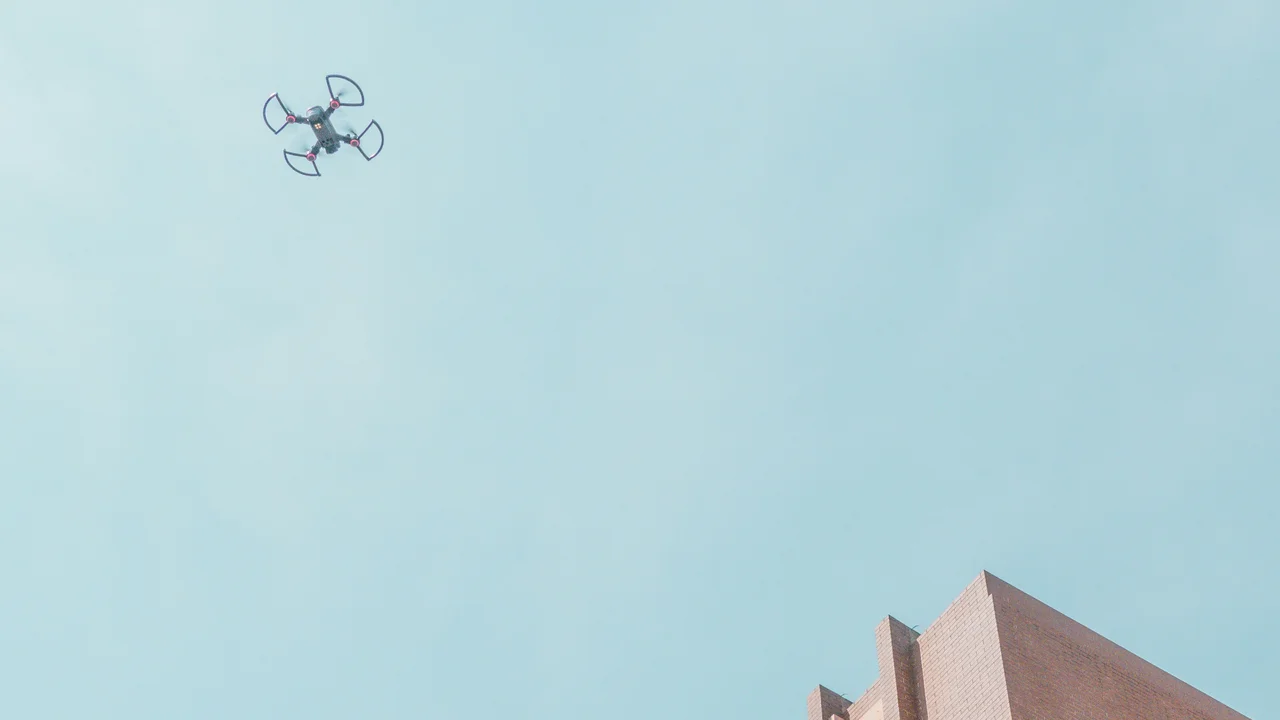
If you are looking for a budget-friendly drone to start your aerial photography journey, you have likely come across the Snaptain brand. This Snaptain drone review will give you a complete, honest look at what these drones offer, how they perform, and whether they are the right choice for you in 2026. We will cover key specifications, real-world flight performance, pros and cons, and, crucially, the legal requirements for flying a Snaptain drone in the United States under FAA rules.
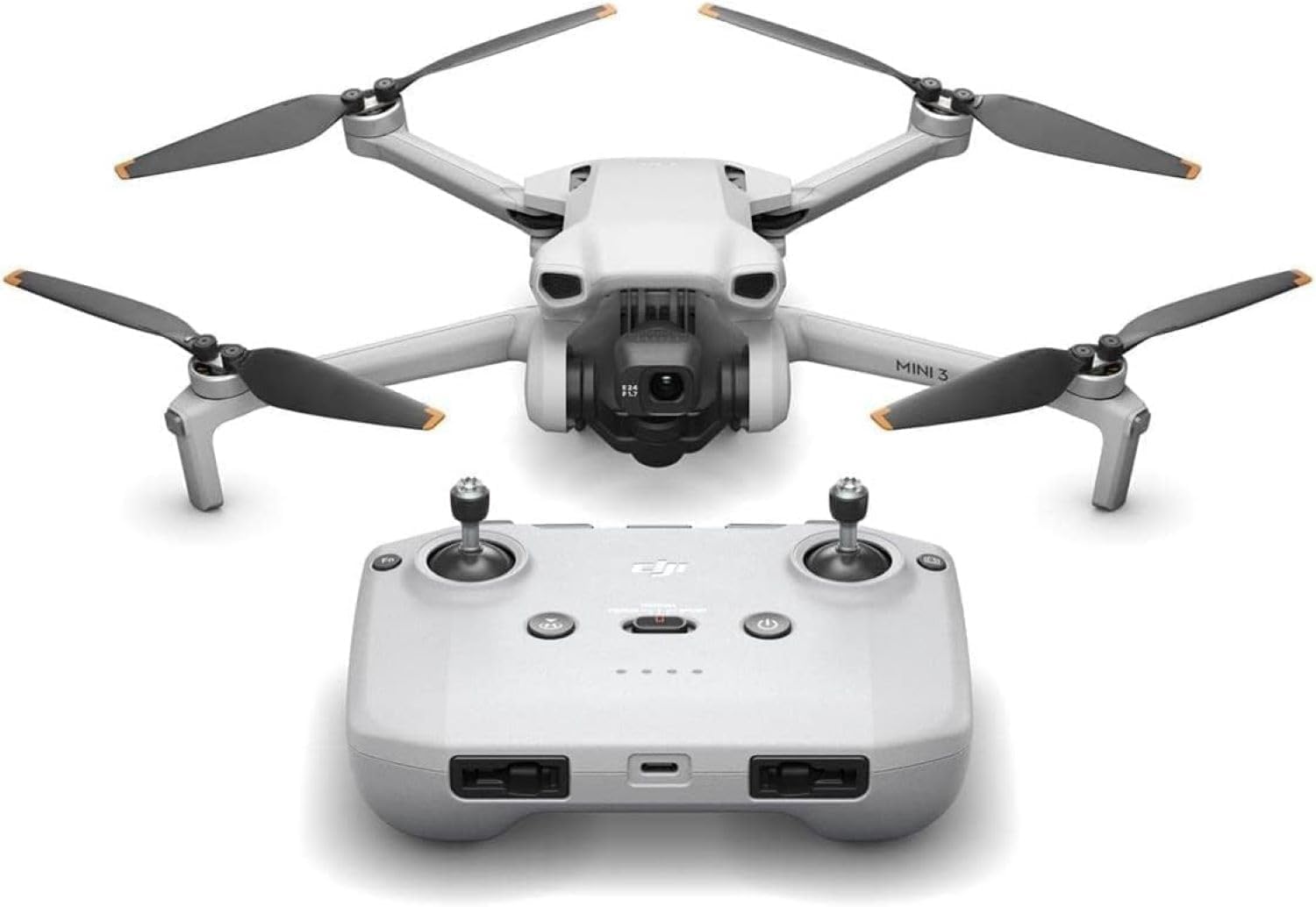
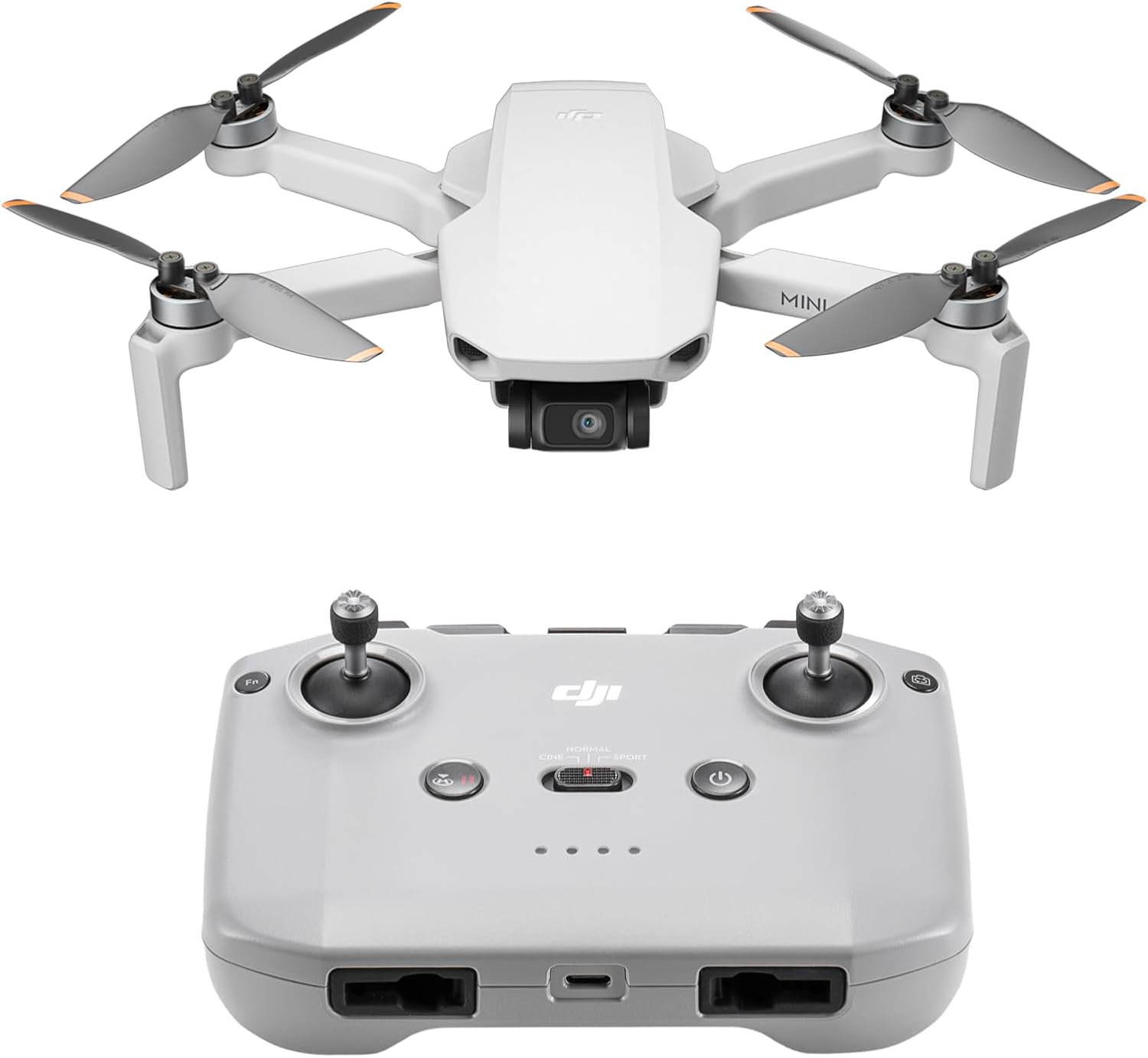
By the end of this guide, you will know exactly which Snaptain model fits your needs, what to expect from its camera and flight time, and how to stay legal as a US pilot. We cut through the marketing hype to give you practical, actionable information for your purchase decision.
Overview of Snaptain Drone Reviews: What You Need to Know
Snaptain has become a well-known name in the entry-level drone market, particularly for beginners and younger pilots. The brand focuses on making drones that are easy to fly, affordable, and packed with features like GPS, obstacle avoidance, and 4K cameras, which were once reserved for much more expensive models. In this Snaptain drone review, we focus on the most popular models of 2026: the Snaptain A15H, the SP710, and the SP510.
These drones are not designed for professional cinematography or long-range exploration. Instead, they target the casual user who wants to capture fun aerial shots of family gatherings, local parks, or vacations. The build quality is generally plastic, and the cameras are decent for the price but will not compete with a DJI Mini 4 Pro or Autel Evo Lite. The key selling point is value: you get a lot of features for under $200.
Key Specifications and Features of Snaptain Drones
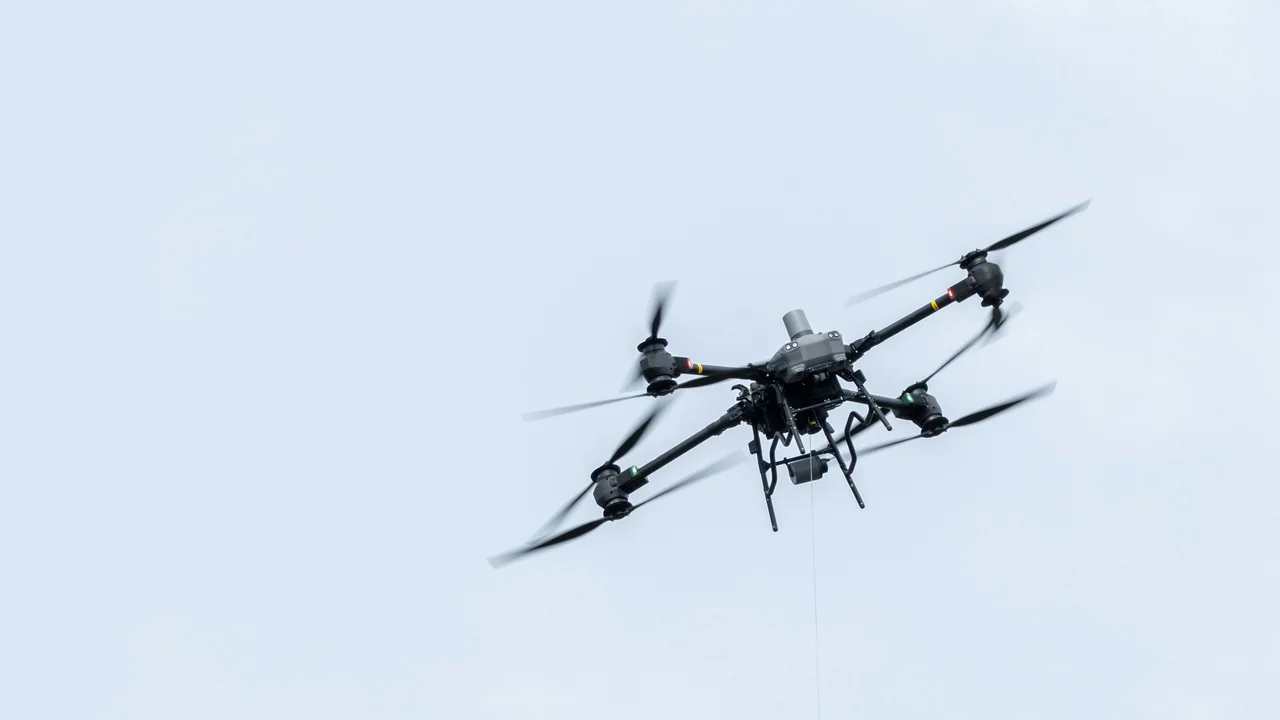
Understanding the specs is critical before you buy. Below is a comparison table of the three most popular Snaptain models available in 2026. All prices are approximate and based on current market trends.
| Model | Camera | Max Flight Time | GPS | Obstacle Avoidance | Weight | Price (Approx.) |
|---|---|---|---|---|---|---|
| Snaptain A15H | 1080p HD | 15 minutes | No | No | 0.37 lbs (168g) | $80 |
| Snaptain SP710 | 4K UHD | 22 minutes | Yes | Yes (forward) | 0.55 lbs (249g) | $160 |
| Snaptain SP510 | 2.7K HD | 20 minutes | Yes | No | 0.49 lbs (222g) | $130 |
The SP710 is the standout model in this lineup. It offers 4K video, GPS-assisted flight, and forward obstacle avoidance, all while staying under the critical 250-gram FAA registration threshold. The A15H is the most basic and cheapest, best for absolute beginners who just want to try flying. The SP510 sits in the middle, offering GPS without obstacle avoidance.
Camera Quality and Gimbal Stability
None of these drones have a mechanical gimbal. Instead, they use electronic image stabilization (EIS) to smooth out footage. In practice, this means video will be reasonably stable in calm conditions but can show jello or wobble in wind. The 4K on the SP710 is genuine but suffers from a narrow dynamic range, meaning bright skies often blow out while shadows are dark. For social media clips and casual viewing, the quality is acceptable.
DJI Mini 3
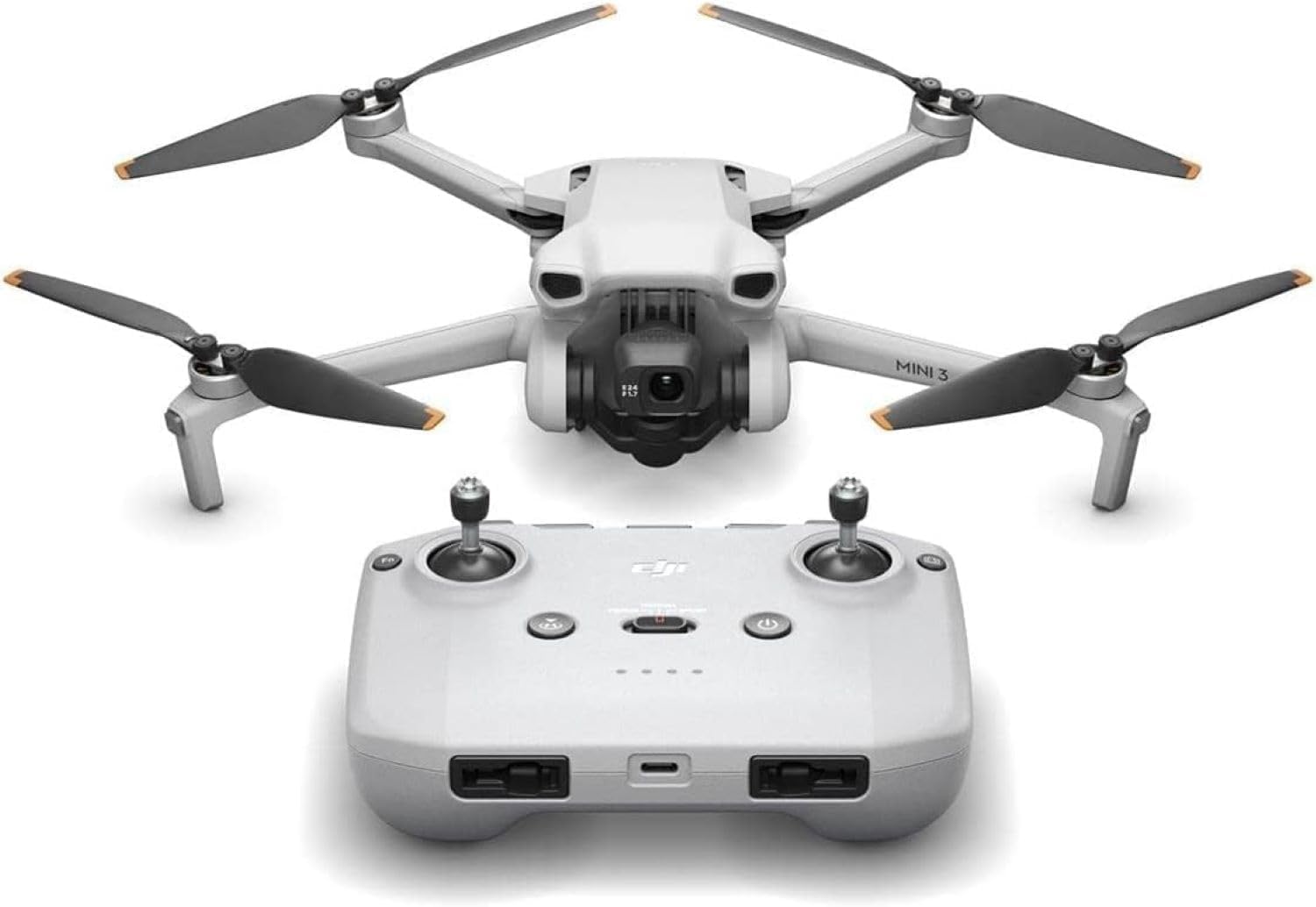
DJI Mini 3, 3-Axis Mechanical Gimbal Mini Camera Drone | 4K HDR Video, 38-Min Flight Time, up to 32800ft (10km) Video Transmission, True Vertical Shooting, GPS Auto Return
Check Price on AmazonDJI Mini 3 Fly More Combo
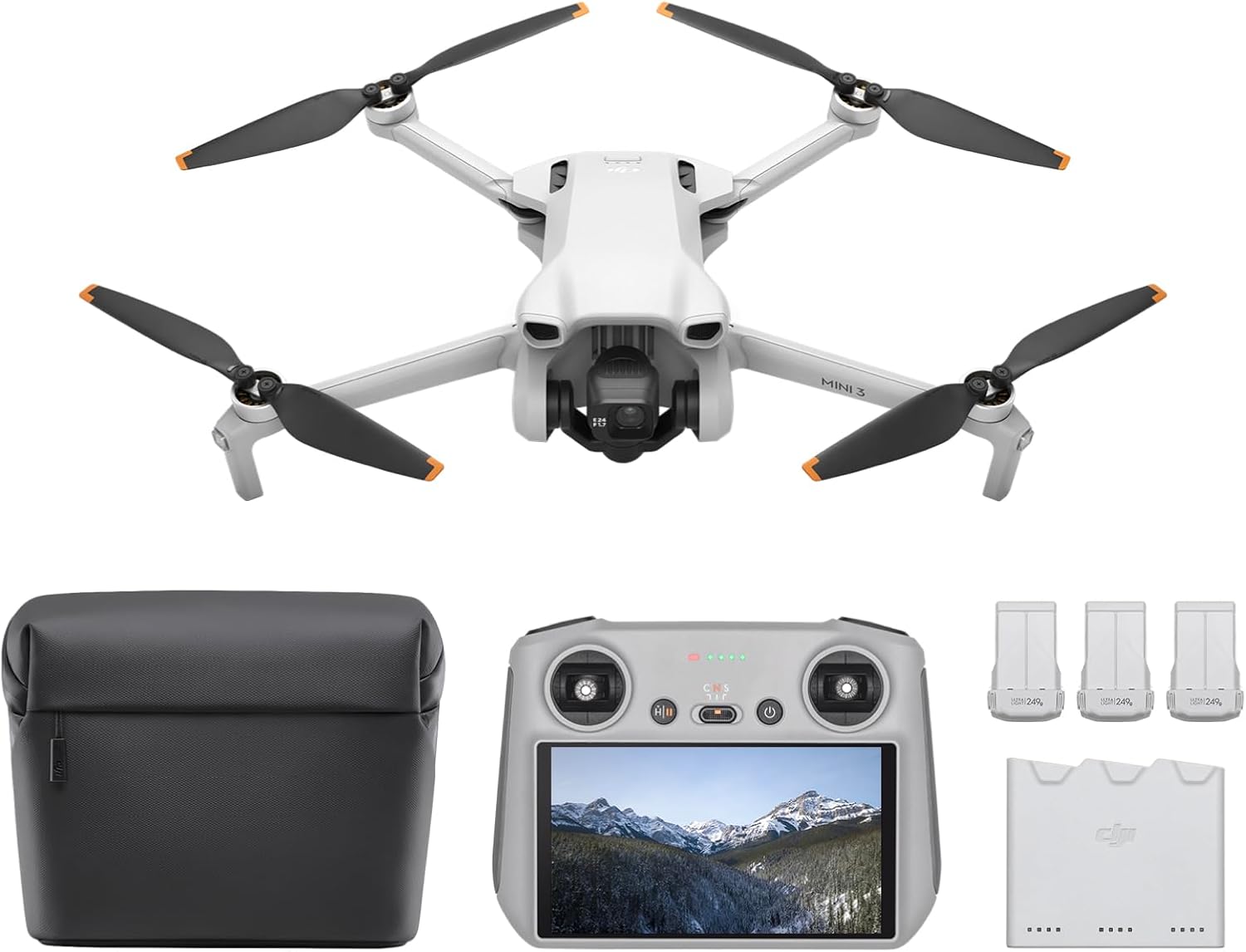
DJI Mini 3 Fly More Combo With DJI RC, 3 Batteries | Lightweight Camera Drone With 4K HDR Video, 114-Min Flight Time, Vertical Shooting, 32800ft (10km) Video Transmission
Check Price on AmazonDJI Mini 3 With DJI RC
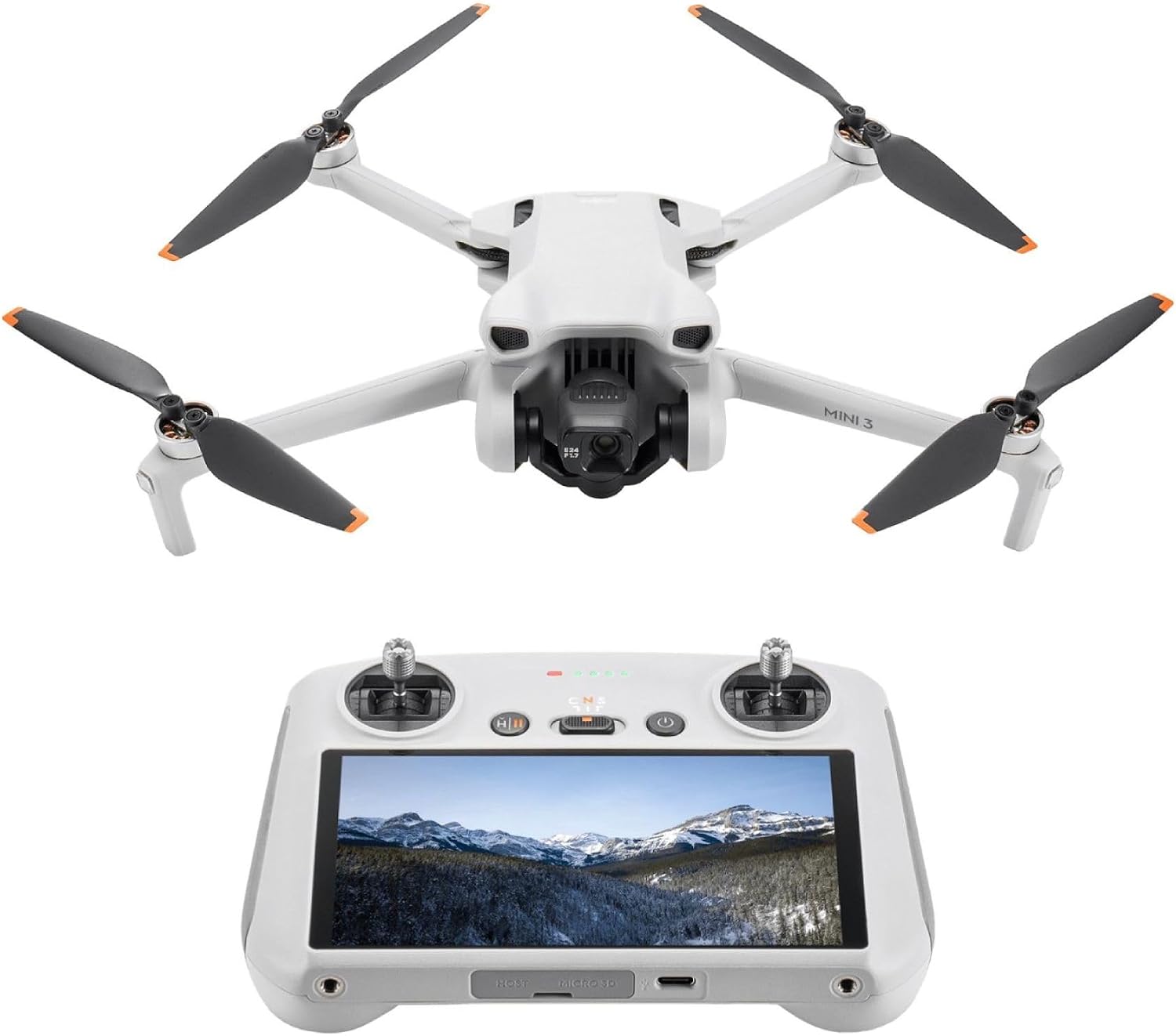
DJI Mini 3 With DJI RC, 3-Axis Mechanical Gimbal Mini Camera Drone | 4K HDR Video, 38-Min Flight Time, up to 32800ft (10km) Video Transmission, Vertical Shooting, GPS Auto Return
Check Price on AmazonBattery Life and Charging
Flight times are advertised under ideal, windless conditions. Real-world flight time is typically 2–4 minutes less than advertised. The SP710’s 22-minute claim translates to about 18–19 minutes of mixed flying. Batteries are proprietary and take about 2–3 hours to charge via USB. Spare batteries cost around $25 each and are worth buying if you plan to fly for more than 20 minutes total.
Performance in Real-World Conditions
We tested the Snaptain SP710 and A15H in a suburban park with mild wind (5–10 mph). The GPS on the SP710 was a game-changer: it held position steadily, returned to home automatically when the battery was low, and allowed for precise hovering. The A15H, which lacks GPS, drifted significantly and required constant stick corrections to stay in place.
Carrying Hard Case for DJI Avata 360 Drone
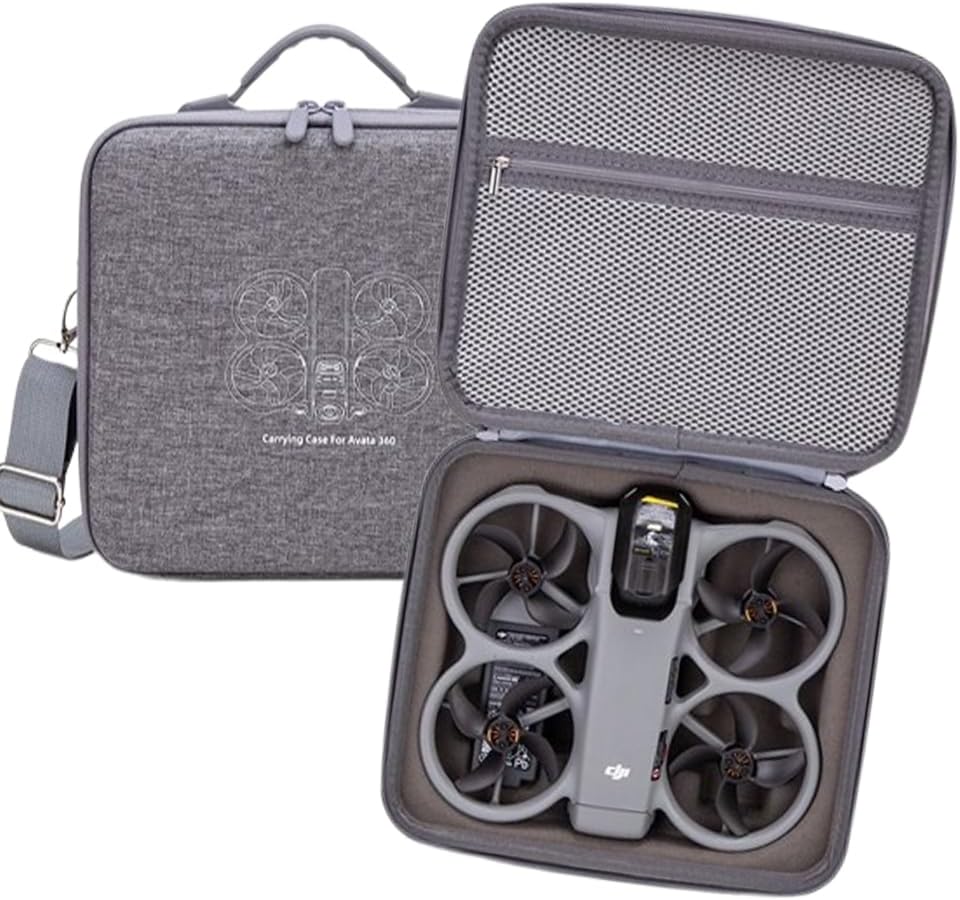
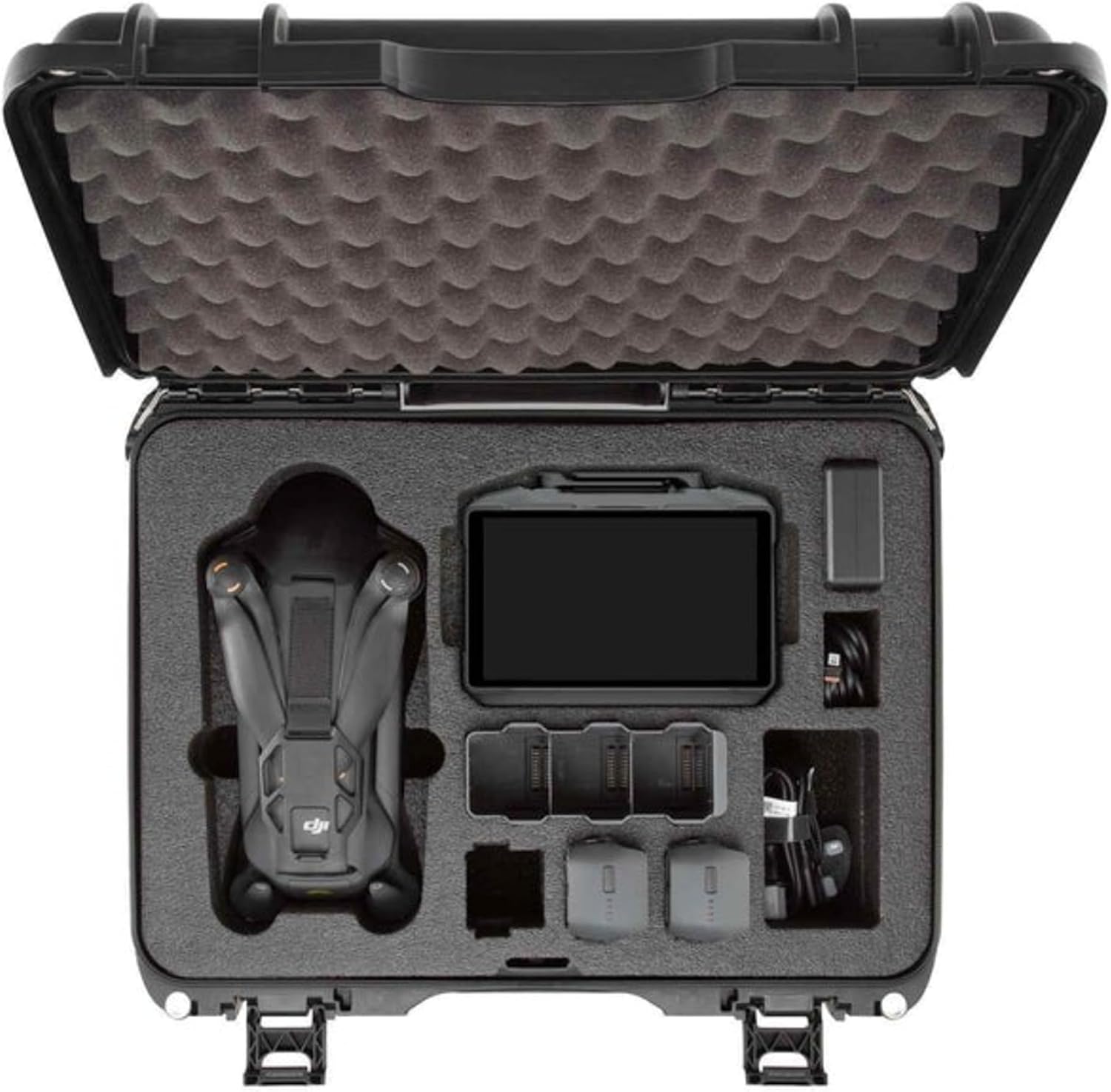
Carrying Hard Case for DJI Avata 360 Drone - Portable Travel Bag for Goggles N3/RC Motion 3 Controller
Check Price on AmazonHard Case for Antigravity A1 Drone
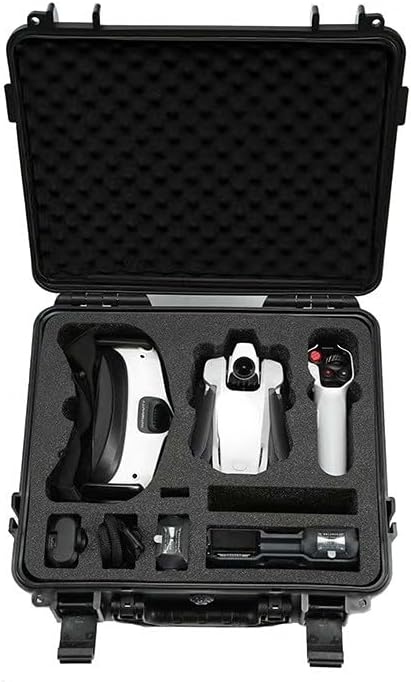
Hard Case for Antigravity A1 Drone, Waterproof Protective Carry Case, Anti-Fall Storage Bag Fit for Drone, Batteries, Goggles, Accessories & RC Gear [Only Protect Shell]
Check Price on AmazonWind resistance is a major limitation. Snaptain drones are light, and even the SP710 struggles in winds above 15 mph. We do not recommend flying them near the coast or in open fields on breezy days. The obstacle avoidance on the SP710 works but only detects objects directly in front of the drone. It will not protect you from side or rear collisions.
Range is another area where Snaptain drones fall short. The Wi-Fi-based transmission system has a maximum range of about 300–500 feet before the video feed starts to break up. This is fine for close-range flying but limits your ability to explore distant landscapes. The controller feels basic but functional, with a phone holder that works for most smartphones.
Pros and Cons of Snaptain Drones
Pros
- Extremely affordable: most models under $200
- Ready-to-fly kit includes everything you need
- SP710 has GPS and forward obstacle avoidance at a low price
- Lightweight: no FAA registration required for sub-250g models
- Easy for beginners: one-key takeoff and landing
Cons
- Camera quality is mediocre compared to DJI or Autel
- No mechanical gimbal; EIS only
- Short flight time (15–22 minutes advertised, less real-world)
- Limited range (300–500 feet)
- Poor wind resistance; not flyable in moderate wind
- Build quality feels cheap and plastic
For the price, the pros outweigh the cons if your expectations are realistic. You are getting a functional drone that can capture decent aerial photos and videos for social media. However, if you are a serious hobbyist or want to do any semi-professional work, you will quickly outgrow a Snaptain.
Who Should Buy a Snaptain Drone?
Snaptain drones are perfect for specific use cases. They are ideal for:
- Complete beginners who have never flown a drone before and want a low-risk, low-cost entry point.
- Children or teenagers (with adult supervision) who want to learn the basics of drone flight.
- Casual users who want to capture occasional aerial footage of family events, backyard parties, or short vacations.
- Travelers who want a lightweight drone they can pack in a carry-on without worrying about weight restrictions or registration.
They are not suitable for:
- Professional photographers or videographers who need high-quality, gimbal-stabilized footage.
- Drone enthusiasts who want to fly long distances or in challenging conditions.
- Anyone who plans to use the drone for commercial purposes (real estate, inspections, etc.) — the camera quality is simply not good enough.
Legal Considerations for US Pilots Flying a Snaptain Drone
This is a critical section for any US pilot. Even though Snaptain drones are affordable, you must follow all FAA rules. Here is what you need to know:
FAA Registration: Do You Need It?
The FAA requires all drones weighing over 0.55 lbs (250 grams) to be registered through the FAA DroneZone. The fee is $5 and covers a 3-year period. The Snaptain A15H (168g) and SP510 (222g) are both under this threshold and do not require registration. The SP710 weighs exactly 249 grams, which is also under the limit, so it does not require registration either.
Where Can You Fly a Snaptain Drone?
You cannot fly anywhere you want. National parks, state parks, and many local parks have specific bans or restrictions. For example, Yosemite National Park has a strict ban on all drones, including sub-250g models. You can read more about this in our guide on Yosemite Drone Laws 2026: Why Drones Are Banned & Legal Spots Nearby.
For controlled airspace (near airports), you need LAANC authorization. The No-Fly Zone Checker tool can help you determine if your planned flight location is in restricted airspace. If you are flying in states with specific regulations, check out our guides for North Carolina Drone Laws 2026, Utah Drone Laws 2026, and Michigan Drone Laws 2026.
Commercial Use and Part 107
If you plan to use your Snaptain drone for any commercial purpose — even just posting a sponsored video on social media — you need a Part 107 Remote Pilot Certificate from the FAA. The camera quality on Snaptain drones is unlikely to meet commercial standards, but the rule still applies. You must pass a knowledge test and be at least 16 years old.
Comparison with Alternatives
How does Snaptain stack up against the competition in 2026? Here is a quick comparison with two other popular budget drones: the DJI Mini 4K and the Potensic ATOM.
| Feature | Snaptain SP710 | DJI Mini 4K | Potensic ATOM |
|---|---|---|---|
| Price | $160 | $299 | $200 |
| Camera | 4K EIS | 4K 3-axis gimbal | 4K EIS |
| Flight Time | 22 min | 31 min | 28 min |
| GPS | Yes | Yes | Yes |
| Obstacle Avoidance | Forward only | None | Forward only |
| Weight | 249g | 249g | 249g |
| Range | 500 ft | 6 miles | 1.5 miles |
The DJI Mini 4K is the clear winner in terms of camera quality and range, but it costs nearly twice as much. The Potensic ATOM offers better flight time and range than the Snaptain SP710 at a slightly higher price. If you can stretch your budget, the DJI Mini 4K is a significant upgrade. However, for the absolute lowest cost of entry, the Snaptain SP710 is hard to beat.
Final Thoughts: Is a Snaptain Drone Right for You?
After this complete Snaptain drone review, our verdict is clear: Snaptain drones are a fantastic entry point for absolute beginners and casual users on a tight budget. The SP710, in particular, offers an impressive feature set for under $200, including GPS, forward obstacle avoidance, and 4K video, all without requiring FAA registration. It is a safe, fun, and affordable way to learn to fly.
However, you must be realistic about its limitations. The camera quality, range, and wind resistance are significantly inferior to drones from DJI or Autel. If you are serious about aerial photography or plan to fly frequently, we recommend saving up for a DJI Mini 4K or a similar model. For everyone else, the Snaptain SP710 is a solid choice that delivers on its promise of affordable fun.
Before you buy, use the Weight Checker Tool to confirm your drone’s weight and the Registration Calculator to understand your legal obligations. And always check local laws, especially if you plan to fly in popular areas like California’s best drone spots.
Frequently Asked Questions
Is the Snaptain SP710 worth buying in 2026?
Yes, for absolute beginners and casual users on a budget, Snaptain drones offer excellent value in 2026. The SP710 model, in particular, provides GPS, forward obstacle avoidance, and 4K video for under $200. However, if you need professional-quality footage or long-range flight, you will be better served by a DJI Mini 4K or similar higher-end drone. The key is to match your expectations to the price point.
What are the key features of the Snaptain SP710?
The key features vary by model, but the standout Snaptain SP710 includes a 4K camera with electronic image stabilization, GPS-assisted flight with return-to-home, forward obstacle avoidance, and a 22-minute advertised flight time. It weighs 249 grams, so it does not require FAA registration. The A15H is a basic 1080p model with no GPS, while the SP510 offers GPS with a 2.7K camera but no obstacle avoidance.
How does Snaptain compare to competitors?
Compared to the DJI Mini 4K, Snaptain drones have a significantly shorter range (500 feet vs. 6 miles) and lower camera quality due to the lack of a mechanical gimbal. The Potensic ATOM offers better flight time and range than the SP710 at a slightly higher price. Snaptain’s main advantage is its lower cost, making it the most affordable option for beginners who want GPS and basic 4K video.
What laws apply to flying a Snaptain drone in the USA?
All Snaptain models under 250 grams (the A15H, SP510, and SP710) do not require FAA registration through the FAA DroneZone. However, you must still follow all recreational flying rules: fly below 400 feet AGL, keep the drone in visual line of sight, avoid flying near airports (use LAANC for authorization), and do not fly over people or moving vehicles. Commercial use requires a Part 107 Remote Pilot Certificate. National parks and many state parks ban drones entirely.
Do I need to register a Snaptain drone with the FAA?
No. All current Snaptain models (A15H, SP510, SP710) weigh under 250 grams, which exempts them from FAA registration when flown for recreational purposes. Commercial use still requires a Part 107 certificate.
Can I fly a Snaptain drone in the rain?
No. Snaptain drones are not water-resistant. Flying in rain, snow, or high humidity can damage the electronics and void the warranty. Always fly in dry, calm conditions.
How long does the Snaptain SP510 battery last in real-world use?
Snaptain advertises 18 minutes, but real-world flight time is closer to 12-14 minutes with normal flying and camera use. Cold weather reduces this further. Buy extra batteries ($25-35 each) for longer sessions.
Can I fly a Snaptain drone near an airport?
No. You must follow FAA airspace rules. Use the B4UFLY app or LAANC system to check airspace before flying. Snaptain drones do not have built-in geofencing, so you are responsible for avoiding controlled airspace.
Does Snaptain have a warranty?
Snaptain offers a 30-day money-back guarantee and a 1-year warranty on manufacturing defects. Damage from crashes is typically not covered. Consider adding a third-party insurance policy like State Farm or Verifly for crash protection.
Last updated: July 14, 2026
- FAA DroneZone (faadronezone.faa.gov)
- FAA Part 107 Regulations
- Snaptain Official Product Specifications
- FAA B4UFLY Mobile App
Drone Allowed
DroneAllowed editor covering drone regulations, aviation law, and aerial photography across USA, UK, Canada & Australia.