DJI Flip Review 2026: The Most Beginner-Friendly Selfie Drone?
 14 min read
2,637 words
DJI Flip Review 2026: The Most Beginner-Friendly Selfie Drone?
The DJI Flip is a 2026 selfie drone that weighs just 249 grams, making it exempt from FAA registration in the US. This DJI Flip review covers everything you need to know about this palm-sized drone, including its camera, obstacle avoidance, and how it compares to the DJI Neo and DJI Mini 3. If you are a beginner or solo traveler looking for an easy-to-fly vlogging drone with safety features, this guide will help you decide if the Flip is worth buying.
DJI Flip Design: Palmtop Portability and Fixed Prop Guards
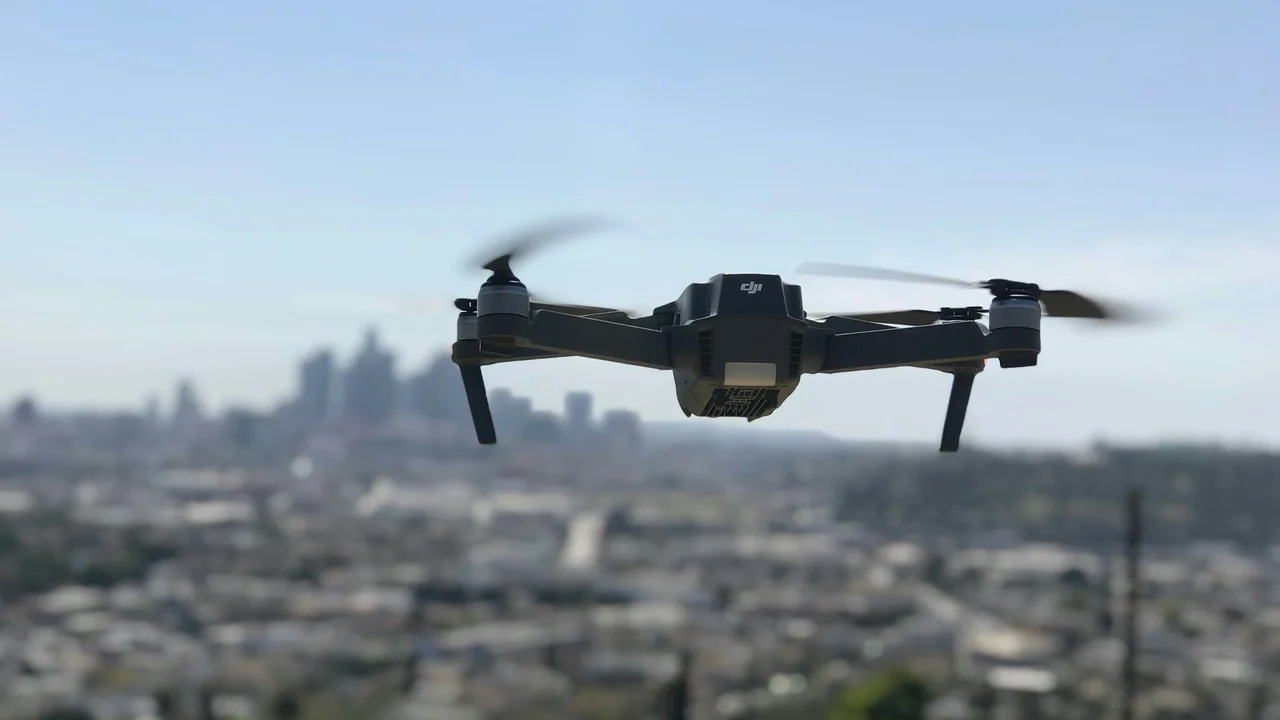
The DJI Flip is built around a unique palmtop design. Its folding arms and fixed, partial prop guards make it incredibly compact. When folded, it fits easily into a jacket pocket or small bag, perfect for travel.
The fixed prop guards are a key design choice. Unlike the DJI Neo, which has fully enclosed guards, the Flip’s guards are partial. This reduces weight and drag while still providing basic blade protection during takeoff and landing. The drone’s 249-gram weight keeps it in the FAA’s sub-250g Category 1, meaning no registration or license is needed for recreational flights in the US.
DJI Flip Camera: 4K/30fps for Social Media Content
The DJI Flip features a 1/2-inch CMOS sensor capable of recording 4K video at 30 frames per second. It also shoots 12-megapixel photos. The wide-angle lens provides a 117-degree field of view, which is great for capturing selfies and vlogs with background scenery.
While the 1/2-inch sensor is smaller than the 1/1.3-inch sensor found in the DJI Mini 3, it still delivers good dynamic range and color for social media. The Flip supports HDR video, which helps balance highlights and shadows in bright conditions. For a beginner-focused selfie drone, the camera quality is more than adequate for TikTok, Instagram Reels, and YouTube Shorts.
DJI Flip Obstacle Avoidance: The Key Difference
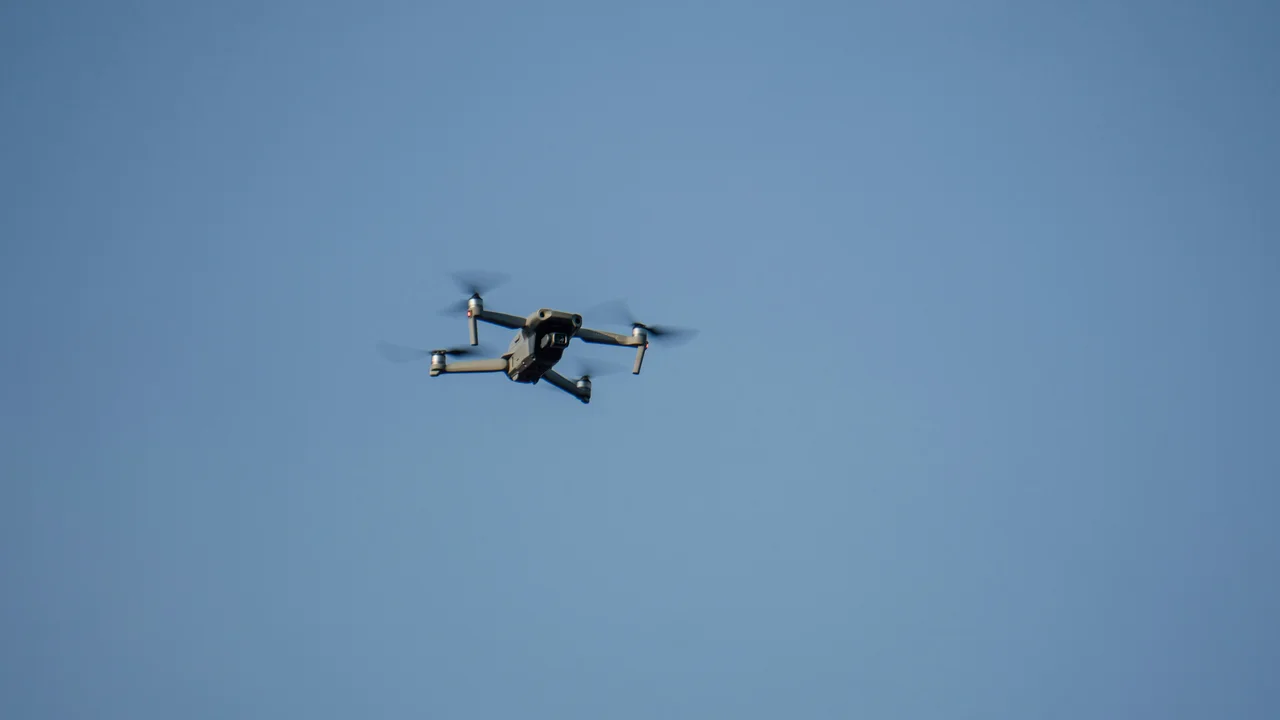
The DJI Flip has forward and downward obstacle avoidance sensors. This is the single most important feature that sets it apart from the DJI Neo. The Neo has no obstacle avoidance at all, meaning it can easily crash into trees, walls, or people.
The Flip’s forward-facing binocular vision system detects obstacles in its flight path and automatically stops or slows the drone. The downward sensor helps with landing and maintaining position. This safety net makes the Flip much more beginner-friendly than the Neo, as it reduces the risk of accidental crashes during automated shots or manual flight.
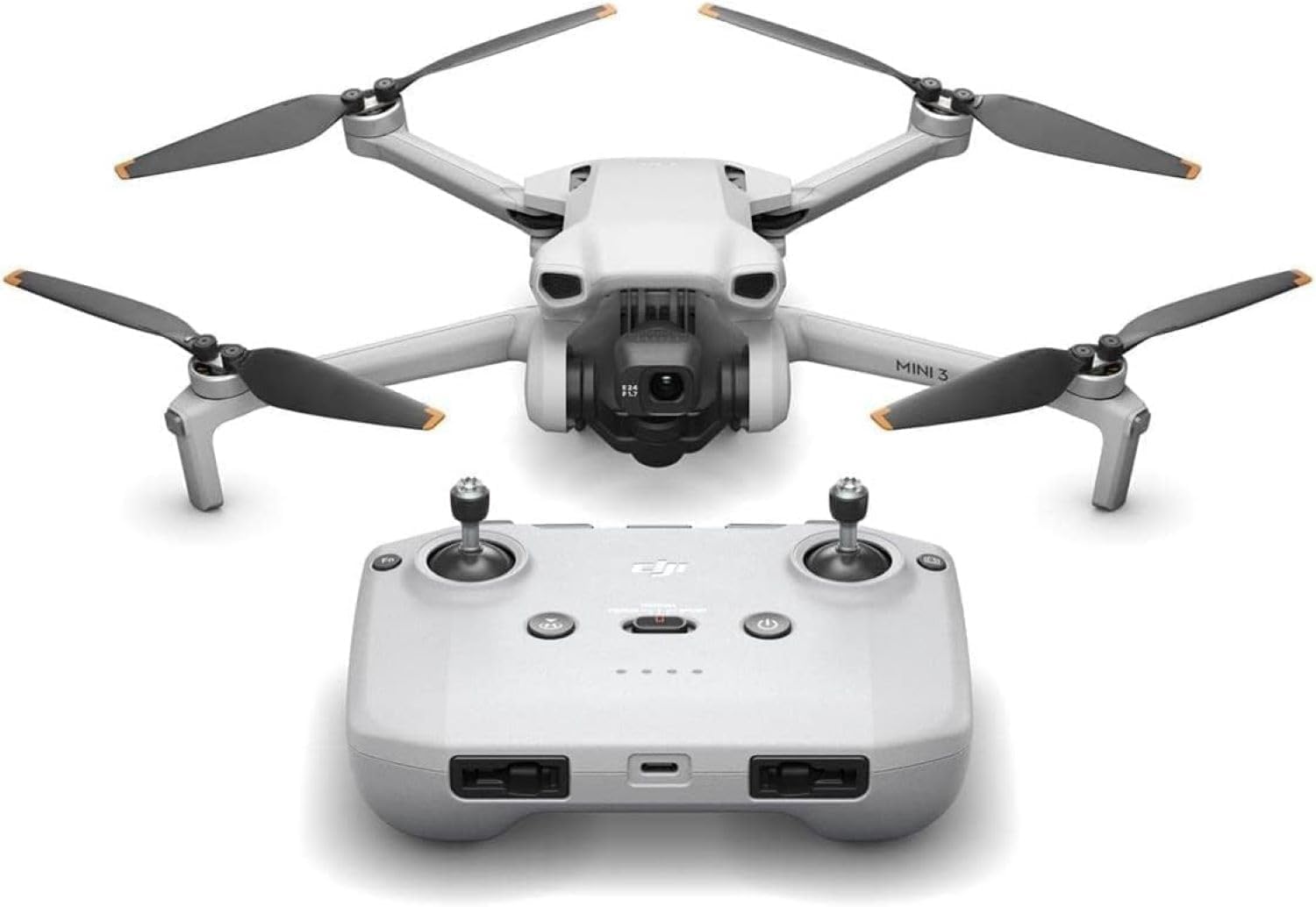
DJI Mini 3
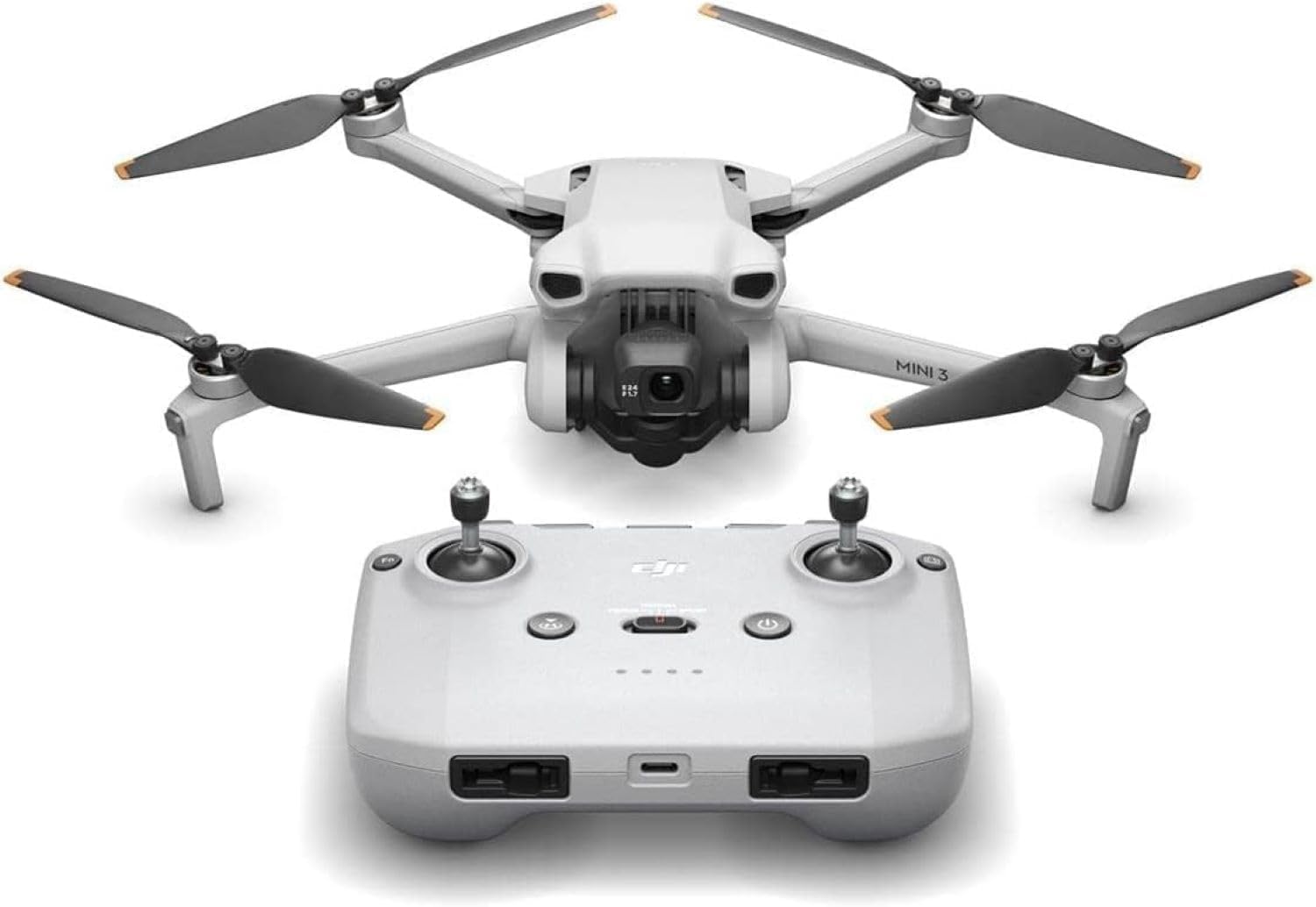
DJI Mini 3, 3-Axis Mechanical Gimbal Mini Camera Drone | 4K HDR Video, 38-Min Flight Time, up to 32800ft (10km) Video Transmission, True Vertical Shooting, GPS Auto Return
Check Price on AmazonDJI Mini 3 Fly More Combo
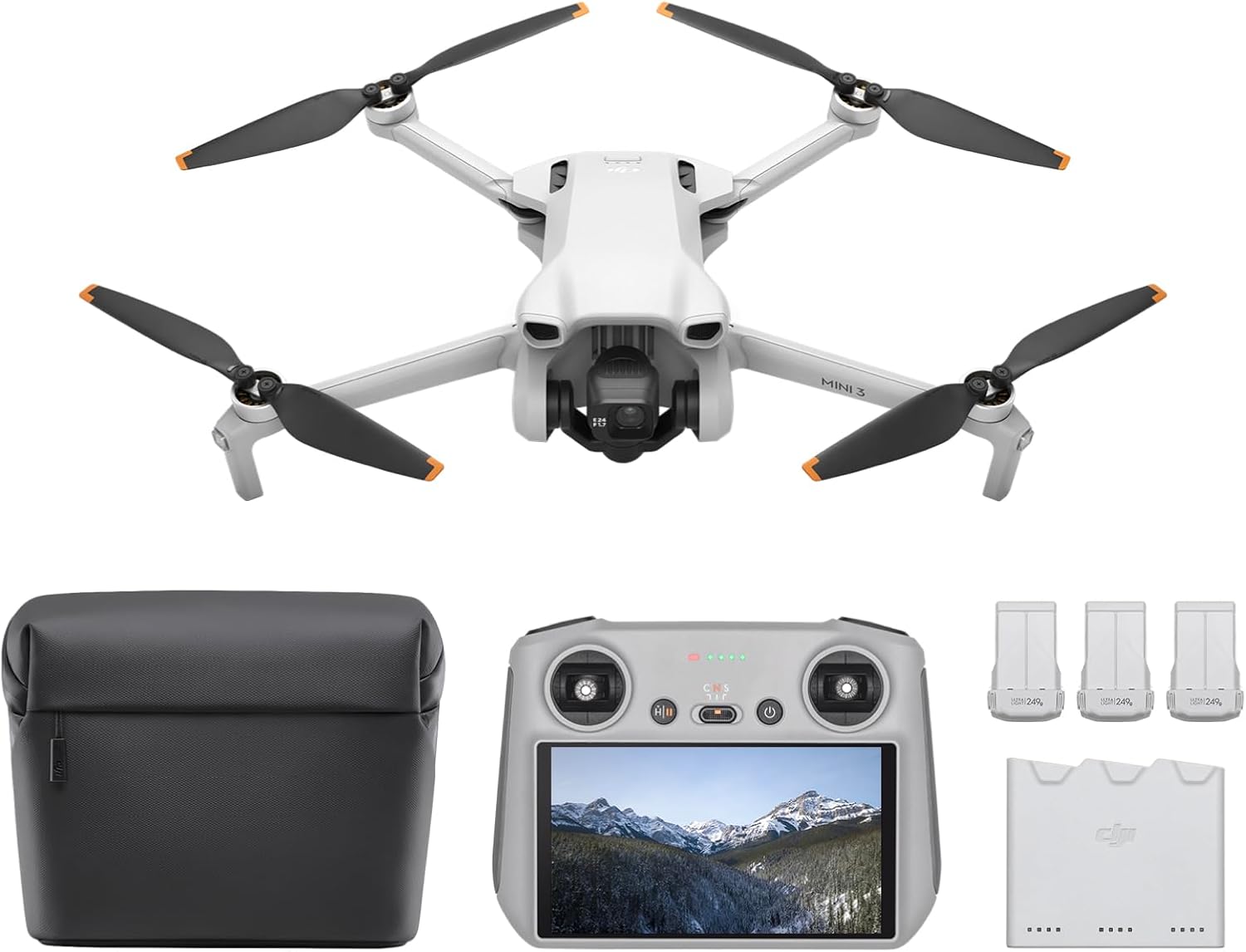
DJI Mini 3 Fly More Combo With DJI RC, 3 Batteries | Lightweight Camera Drone With 4K HDR Video, 114-Min Flight Time, Vertical Shooting, 32800ft (10km) Video Transmission
Check Price on AmazonDJI Mini 3 With DJI RC
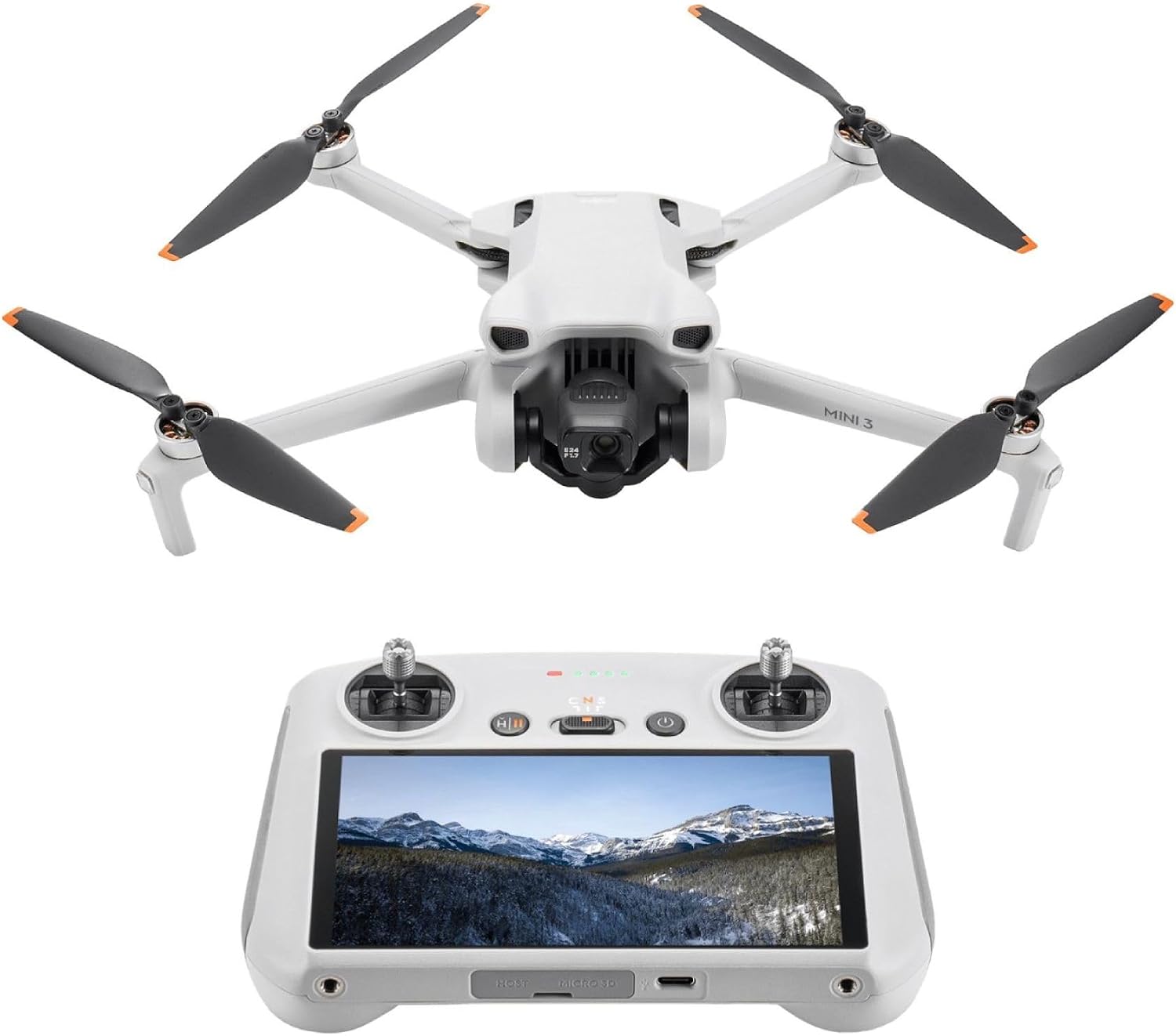
DJI Mini 3 With DJI RC, 3-Axis Mechanical Gimbal Mini Camera Drone | 4K HDR Video, 38-Min Flight Time, up to 32800ft (10km) Video Transmission, Vertical Shooting, GPS Auto Return
Check Price on AmazonDJI Flip vs DJI Neo: Which Selfie Drone Is Better?
The DJI Flip and DJI Neo are both palm-sized selfie drones, but they target different user needs. The table below breaks down the key differences.
| Feature | DJI Flip | DJI Neo |
|---|---|---|
| Weight | 249g (sub-250g) | 135g (sub-250g) |
| Obstacle Avoidance | Forward & Downward | None |
| Camera | 1/2″ sensor, 4K/30fps | 1/2″ sensor, 4K/30fps |
| Controller | Included RC-N3 (or phone-only) | Phone-only (optional controller) |
| Prop Guards | Fixed, partial | Full, enclosed |
| Best For | Beginners wanting safety nets | Ultra-budget, indoor flying |
If you want a drone you can fly with confidence near obstacles, the Flip is the better choice. The Neo is cheaper and lighter, but its lack of obstacle avoidance makes it riskier for beginners. The Flip also comes with the RC-N3 mini controller in the box, giving you more precise control than a phone-only setup.
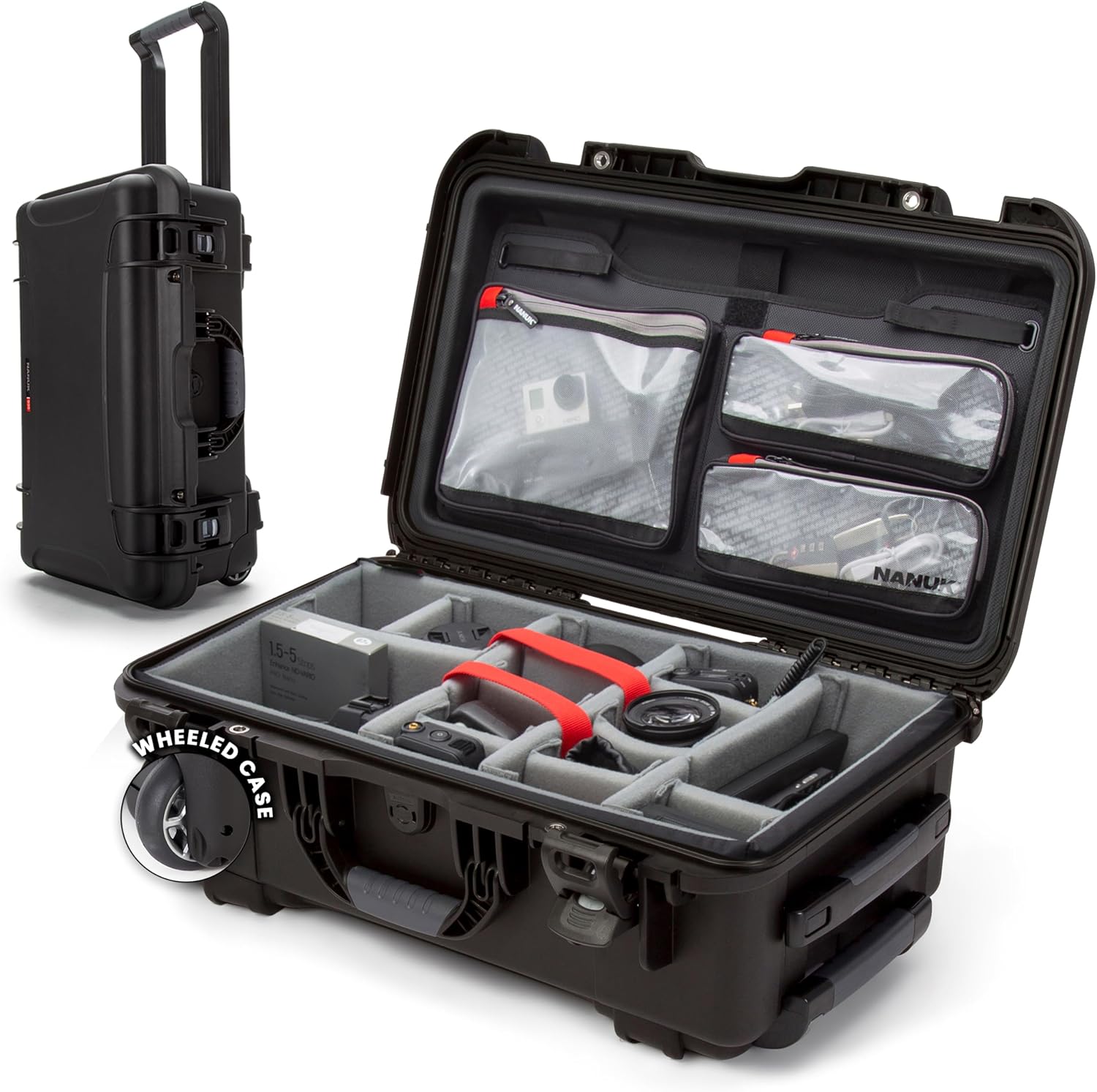
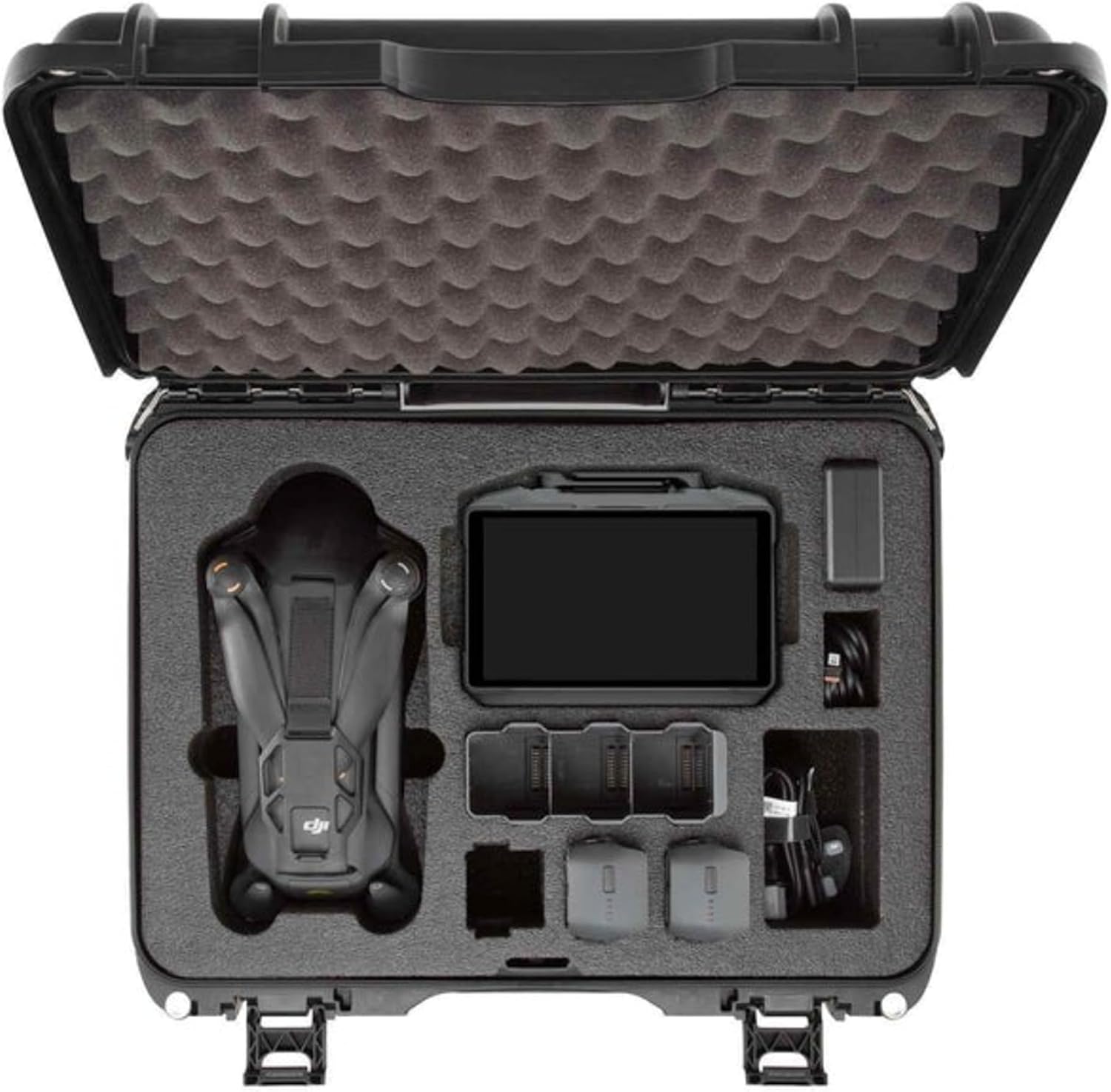
Carrying Hard Case for DJI Avata 360 Drone
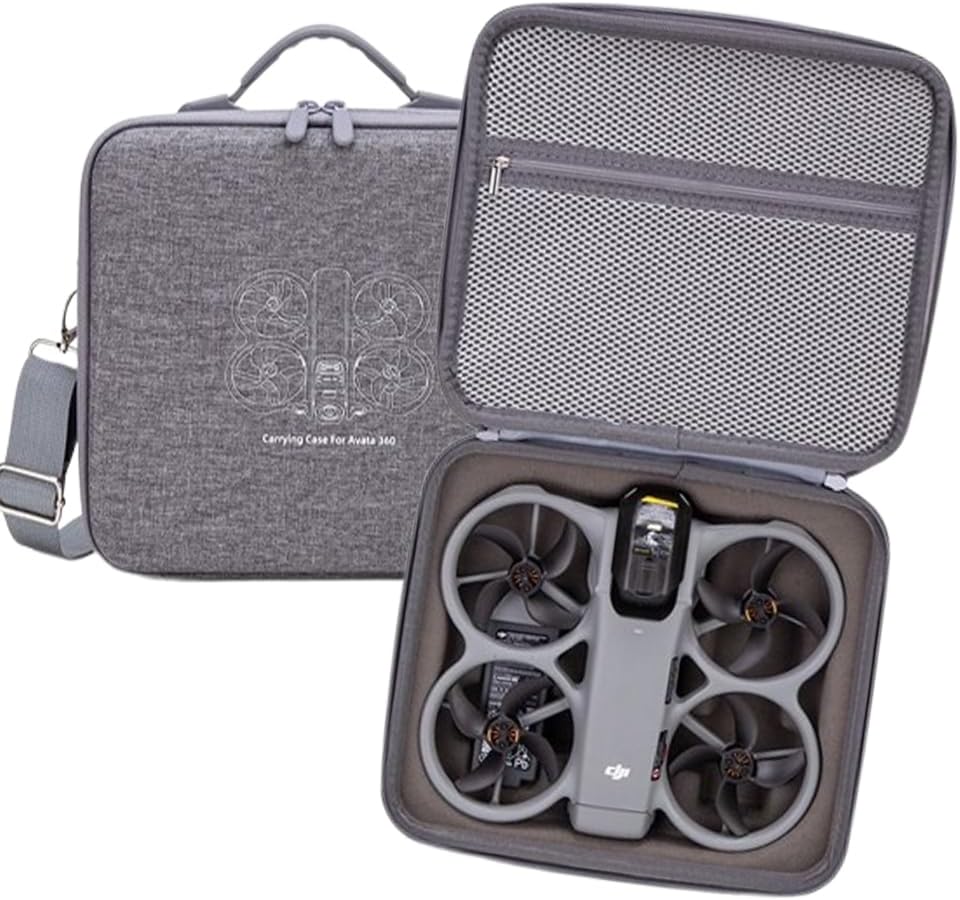
Carrying Hard Case for DJI Avata 360 Drone - Portable Travel Bag for Goggles N3/RC Motion 3 Controller
Check Price on AmazonHard Case for Antigravity A1 Drone
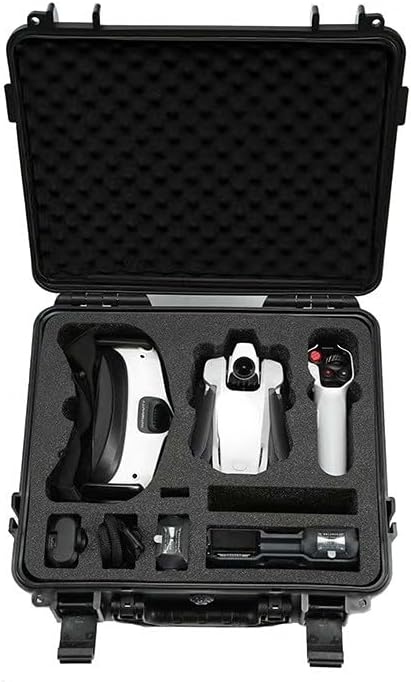
Hard Case for Antigravity A1 Drone, Waterproof Protective Carry Case, Anti-Fall Storage Bag Fit for Drone, Batteries, Goggles, Accessories & RC Gear [Only Protect Shell]
Check Price on AmazonDJI Flip vs DJI Mini 3: Size vs Sensor
The DJI Mini 3 has a larger 1/1.3-inch sensor and a 180-degree rotating gimbal, which allows for true vertical shooting. The Flip’s sensor is smaller, and its gimbal is fixed forward. However, the Flip is more compact and has built-in prop guards.
For pure image quality and creative flexibility, the Mini 3 wins. But for portability and ease of use right out of the box, the Flip is more appealing to complete beginners. The Flip’s automated QuickShots and tracking features are also easier to set up than the Mini 3’s more manual flight modes.
DJI Flip vs DJI Avata 2: Completely Different Drones
The DJI Avata 2 is an FPV (first-person view) drone designed for cinematic, high-speed flying with goggles and a motion controller. The DJI Flip is a selfie drone designed for slow, stable shots with a standard remote controller. They are not competitors.
If you want to fly fast through tight spaces and wear goggles, get the Avata 2. If you want to take simple selfies and vlogs without crashing, get the Flip. The Flip’s obstacle avoidance and 249g weight make it far more beginner-friendly and regulation-compliant.
DJI Flip QuickShots and Automated Tracking
The DJI Flip comes with DJI’s QuickShot modes, including Dronie, Rocket, Circle, and Helix. These automated flight paths capture cinematic shots with a single tap. The drone also supports ActiveTrack 4.0, which locks onto a subject and follows it while avoiding obstacles.
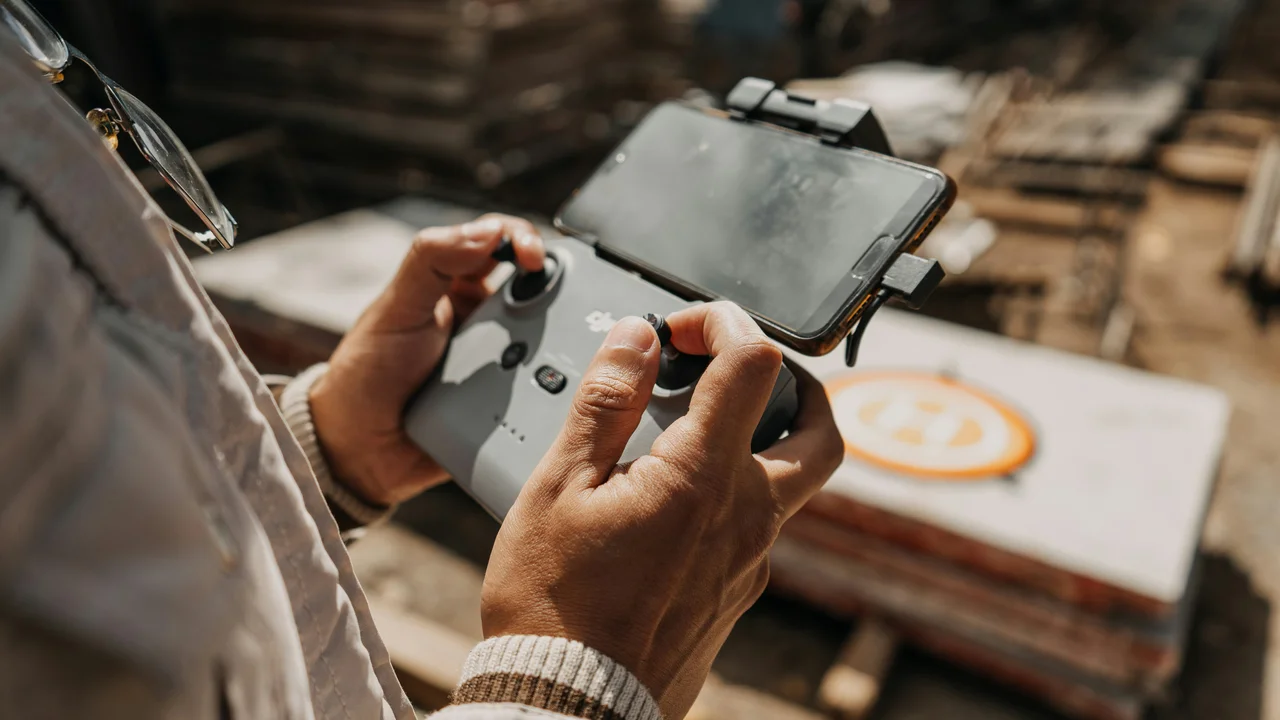
These features are ideal for solo travelers and vloggers. You can set the Flip on your palm, launch it, and have it film you walking through a scenic location without needing a second person. The obstacle avoidance ensures the drone stays safe during these automated movements.
Hold the Flip flat in your open hand and press the power button twice.
Tap a mode like “Dronie” on the DJI Fly app.
The drone takes off, performs the shot, and returns to your hand.
DJI Flip 2026: O4 Transmission and Controller
The DJI Flip uses the DJI O4 video transmission system. This provides a stable 1080p video feed to your phone or the included RC-N3 controller. The range is rated at up to 10 kilometers (6.2 miles) in open, unobstructed areas, though real-world range is often less.
The RC-N3 controller has a built-in display for telemetry data and uses your smartphone as the main screen. You can also fly the Flip using only your phone, but the controller offers much better range, control, and comfort. The Flip supports return-to-home (RTH) functionality, which automatically brings the drone back to its launch point if the signal is lost or the battery is low.
Is DJI Flip Worth Buying for Beginners?
For beginners who want a safe, portable selfie drone, the DJI Flip is an excellent choice. Its obstacle avoidance, sub-250g weight, and included controller make it a complete package. The camera is good enough for social media, and the automated modes make it easy to get great shots without any flying experience.
If you are a budget-conscious buyer who can accept the risk of no obstacle avoidance, the DJI Neo is cheaper. But if you value safety and peace of mind, the Flip’s forward obstacle avoidance justifies its higher price. The Flip is also easier to fly in the US because its sub-250g weight means no FAA registration is needed for recreational use.
Summary: DJI Flip — The Beginner’s Selfie Drone with a Safety Net
The DJI Flip fills a clear gap in the market. It combines the palm-sized portability of the Neo with the obstacle avoidance of the Mini 3. The result is a drone that is both easy to carry and safe to fly, making it ideal for beginners and solo travelers.
If you want a selfie drone for vlogging, travel, or social media, the DJI Flip is a strong recommendation. Its 249g weight keeps regulations simple, and its forward obstacle avoidance reduces the risk of crashes. For the best experience, pair it with the included RC-N3 controller and practice in an open field before using it in tighter spaces.
Frequently Asked Questions
Is DJI Flip worth buying?
Yes, the DJI Flip is worth buying for beginners and solo travelers who want a safe, portable selfie drone. Its forward obstacle avoidance is a major advantage over the cheaper DJI Neo, reducing the risk of crashes. The 249g weight also means no FAA registration is required for recreational flights in the US, simplifying the flying experience.
DJI Flip vs DJI Neo which is better?
The DJI Flip is better for beginners who want obstacle avoidance and a physical controller. The DJI Neo is better for ultra-budget buyers who mainly fly indoors or in open spaces. The Flip’s forward sensors prevent crashes, while the Neo relies on the pilot’s skill. If safety is a priority, choose the Flip.
Does DJI Flip have obstacle avoidance?
Yes, the DJI Flip has forward and downward obstacle avoidance sensors. The forward system detects obstacles in the flight path and stops or slows the drone. This is a significant upgrade over the DJI Neo, which has no obstacle avoidance at all. The system works best in good lighting conditions.
What sensor does DJI Flip have?
The DJI Flip has a 1/2-inch CMOS sensor. It records 4K video at 30fps and takes 12-megapixel photos. The sensor is smaller than the 1/1.3-inch sensor in the DJI Mini 3, but it still delivers good quality for social media content. The wide 117-degree field of view is ideal for selfies and vlogs.
Is DJI Flip good for travel?
Yes, the DJI Flip is excellent for travel due to its 249g weight and compact folding design. It fits easily into a jacket pocket or small bag. The sub-250g weight means it qualifies as FAA Category 1, so no registration is needed for recreational flights in the US. Its obstacle avoidance also makes it safer to fly in unfamiliar environments.
What is the DJI Flip weight?
The DJI Flip weighs 249 grams at takeoff. This puts it just under the FAA’s 250-gram threshold for mandatory registration. In the US, recreational pilots do not need to register a sub-250g drone on the FAA DroneZone. In the UK, it qualifies for Open A1 category, which has the most relaxed rules.
Do I need to register the DJI Flip with the FAA?
No, if you fly recreationally in the US. The DJI Flip weighs 249g, which is under the 250g threshold. Commercial pilots flying under Part 107 must register any drone regardless of weight.
Can the DJI Flip fly in light rain?
No, the DJI Flip is not water-resistant. Avoid flying in rain, snow, or high humidity. Moisture can damage the electronics and void the warranty.
Does the DJI Flip have a microSD card slot?
Yes, it has a microSD card slot that supports cards up to 256GB. The drone records 4K/30fps footage to the card. No internal storage is included.
How far can the DJI Flip fly from the controller?
With O4 transmission, the DJI Flip can fly up to 10km (6.2 miles) in unobstructed conditions. In real-world use with buildings or trees, expect 2-4km. Always keep the drone within visual line of sight per FAA regulations.
Is the DJI Flip compatible with DJI Goggles?
No, the DJI Flip does not support DJI Goggles or motion controllers. It is designed for smartphone and RC controller use only. For FPV flying, consider the DJI Avata 2.
DJI Flip vs DJI Mini 4 Pro: Sensor Size vs Portability
The DJI Flip and DJI Mini 4 Pro occupy different niches in the sub-250g market. The Mini 4 Pro has a 1/1.3-inch sensor and offers omnidirectional obstacle sensing, while the Flip uses a 1/1.3-inch sensor with forward and downward obstacle avoidance. The Mini 4 Pro has a longer flight time of 34 minutes versus the Flip’s 31 minutes. For social media content creation, the Flip’s QuickShots and automated tracking are more intuitive, while the Mini 4 Pro offers manual camera controls for professional work. The Flip’s palmtop design makes it more portable, but the Mini 4 Pro’s folding arms are still compact. If you prioritize automated tracking and ease of use, the Flip is better. If you need manual control and omnidirectional sensing, the Mini 4 Pro wins.
DJI Flip Battery Life and Charging: 31 Minutes of Real-World Use
The DJI Flip uses a 3110mAh intelligent flight battery that delivers up to 31 minutes of flight time in ideal conditions. In real-world use with wind and camera operation, expect 20-25 minutes per battery. The battery charges via USB-C in about 60 minutes with a 30W charger. The Fly More Combo includes three batteries and a charging hub that charges them sequentially. The battery status is displayed via LEDs on the battery itself and in the DJI Fly app. Always carry spare batteries for extended shoots, as 31 minutes passes quickly when capturing multiple QuickShots.
DJI Flip Noise Level: How Loud Is It in Practice?
The DJI Flip uses small 3-blade propellers that produce a noise level of approximately 72dB at close range. This is quieter than the DJI Avata 2’s 78dB but louder than the DJI Mini 3’s 68dB. In practice, the noise is a low hum that is noticeable but not disruptive in outdoor settings. For social media shoots in parks or quiet neighborhoods, the Flip is acceptable. For indoor use, the sound echoes and may be distracting. The prop guards add some turbulence noise, but the fixed design prevents the high-pitched whine of folding propellers. If you need absolute silence, consider the DJI Mini 3 with its quieter propellers.
DJI Flip 2026 Price: Is It Worth $439?
The DJI Flip Standard Combo costs $439 USD, which includes the drone, one battery, a controller, and a USB-C cable. The Fly More Combo costs $639 USD and adds two extra batteries, a charging hub, a carrying bag, and spare propellers. Compared to the DJI Mini 3 at $459, the Flip offers better obstacle avoidance and QuickShots for $20 less. The DJI Neo costs $199 but lacks a gimbal and has only 18 minutes of flight time. For beginners, the Flip offers the best value because it includes obstacle avoidance and a gimbal at a sub-250g weight. The price is competitive for a drone that simplifies social media content creation.
| Model | Price | Weight | Obstacle Avoidance | Flight Time |
|---|---|---|---|---|
| DJI Flip | $439 | 249g | Forward & Downward | 31 min |
| DJI Neo | $199 | 135g | None | 18 min |
| DJI Mini 3 | $459 | 249g | None | 38 min |
| DJI Avata 2 | $999 | 377g | Forward & Downward | 23 min |
The DJI Flip is the best sub-250g drone for social media beginners in 2026. Its 249g weight eliminates FAA registration, while the 4K/30fps gimbal camera ensures smooth footage. The forward and downward obstacle avoidance is the key differentiator, preventing crashes that other sub-250g drones cannot avoid. The QuickShots and automated tracking make complex shots accessible without manual piloting. The 31-minute flight time and $439 price point offer excellent value. The Flip is not for professional cinematographers—the Mini 4 Pro offers better manual controls and omnidirectional sensing. But for vloggers, travelers, and hobbyists who want safe, automated content creation, the DJI Flip is the clear winner. Buy the Fly More Combo for extra batteries, and always update firmware before first flight to ensure optimal obstacle avoidance performance.
Last updated: July 14, 2026
- FAA DroneZone (faadronezone.faa.gov)
- DJI Official Product Page for DJI Flip
- FAA Part 107 Regulations
- CAA UK Drone Code for Open A1 Category
Drone Allowed
DroneAllowed editor covering drone regulations, aviation law, and aerial photography across USA, UK, Canada & Australia.