
Drone Privacy Laws 2026: What Can You Legally Film with a Drone?
 14 min read
2,716 words
Drone Privacy Laws 2026: What Can You Legally Film with a Drone?
If you fly a drone in the USA, you need to know that drone privacy laws in 2026 are a state-level patchwork, not a single federal rule. The FAA governs where you can fly (airspace), but what you film while you’re up there is regulated by state and local laws. This guide breaks down the legal limits of drone photography so you can fly with confidence and avoid trespassing, harassment, or voyeurism charges.
No Federal US Drone Privacy Law Exists — Why This Matters
There is no single federal statute that explicitly regulates drone photography or privacy. The FAA’s authority ends at airspace safety — altitude limits, no-fly zones, and registration. When you launch a drone, the FAA cares about where you fly, not what you record.
This gap means every state, and even some cities, can write their own rules. As a pilot, you must comply with the laws of the state you’re flying over, not just the state where you registered your drone.
For example, a flight over a backyard in Texas is treated differently than the same flight in Vermont. Ignorance of state law is not a defense if a complaint is filed.
State Drone Privacy Laws — The Patchwork of State-Level Legislation
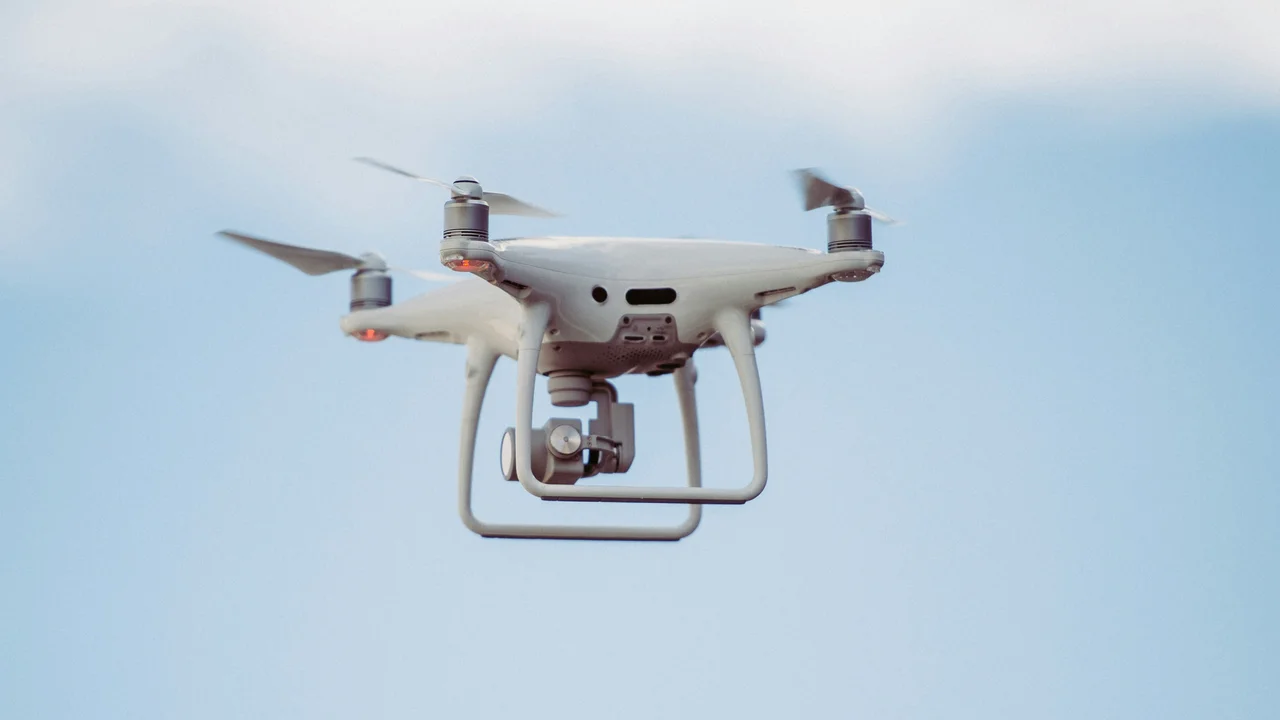
As of 2026, over 40 states have introduced or passed laws addressing drone surveillance, harassment, or trespassing. These regulations vary widely, but most share common themes: they prohibit using a drone to record people in places where they have a “reasonable expectation of privacy.”
The table below summarizes the most notable state drone privacy laws every pilot should know.
| State | Key Statute | What It Prohibits | Penalty |
|---|---|---|---|
| Texas | Texas Penal Code 423 | Surveillance of private property without consent; recording people in private spaces | Class C misdemeanor (up to $500 fine) |
| Florida | Florida Statute 934.50 | Surveillance of private property without written consent; recording people in changing rooms or restrooms | Second-degree misdemeanor (up to 60 days jail, $500 fine) |
| California | AB 856, SB 807 | Drone harassment; entering airspace over private property below 350 feet to capture images | Misdemeanor (up to 6 months jail, $1,000 fine) |
| North Carolina | N.C. Gen. Stat. § 14-401.22 | Using a drone to capture images of private property without consent; peeping drone law | Class 1 misdemeanor (up to 120 days jail) |
| Tennessee | Tenn. Code Ann. § 39-13-903 | Surveillance of private property; recording people without consent in private spaces | Class C misdemeanor (up to 30 days jail, $50 fine) |
| Indiana | Ind. Code § 35-33-5-9 | Using a drone to conduct surveillance of private property without a warrant | Class A infraction ($1,000 fine) |
Texas Penal Code 423 — One of the Strictest State Drone Privacy Laws
Texas Penal Code 423 is widely considered one of the most restrictive state drone privacy laws. It prohibits using a drone to capture images of private property — including houses, yards, and buildings — without the owner’s consent. It also bans recording people in areas where they have a reasonable expectation of privacy, such as inside a home or a fenced backyard.
DJI Mini 3
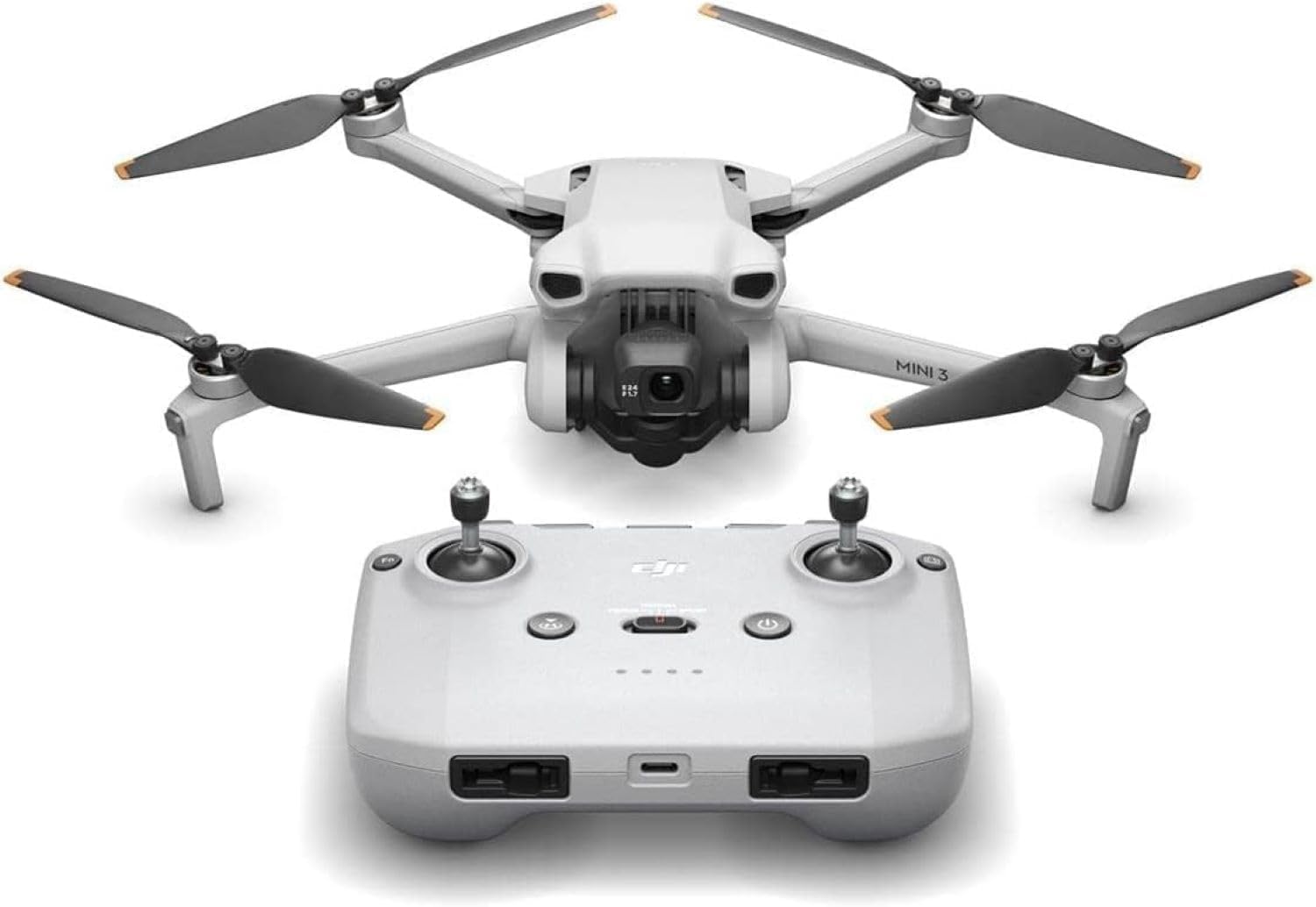
DJI Mini 3, 3-Axis Mechanical Gimbal Mini Camera Drone | 4K HDR Video, 38-Min Flight Time, up to 32800ft (10km) Video Transmission, True Vertical Shooting, GPS Auto Return
Check Price on AmazonDJI Mini 3 Fly More Combo
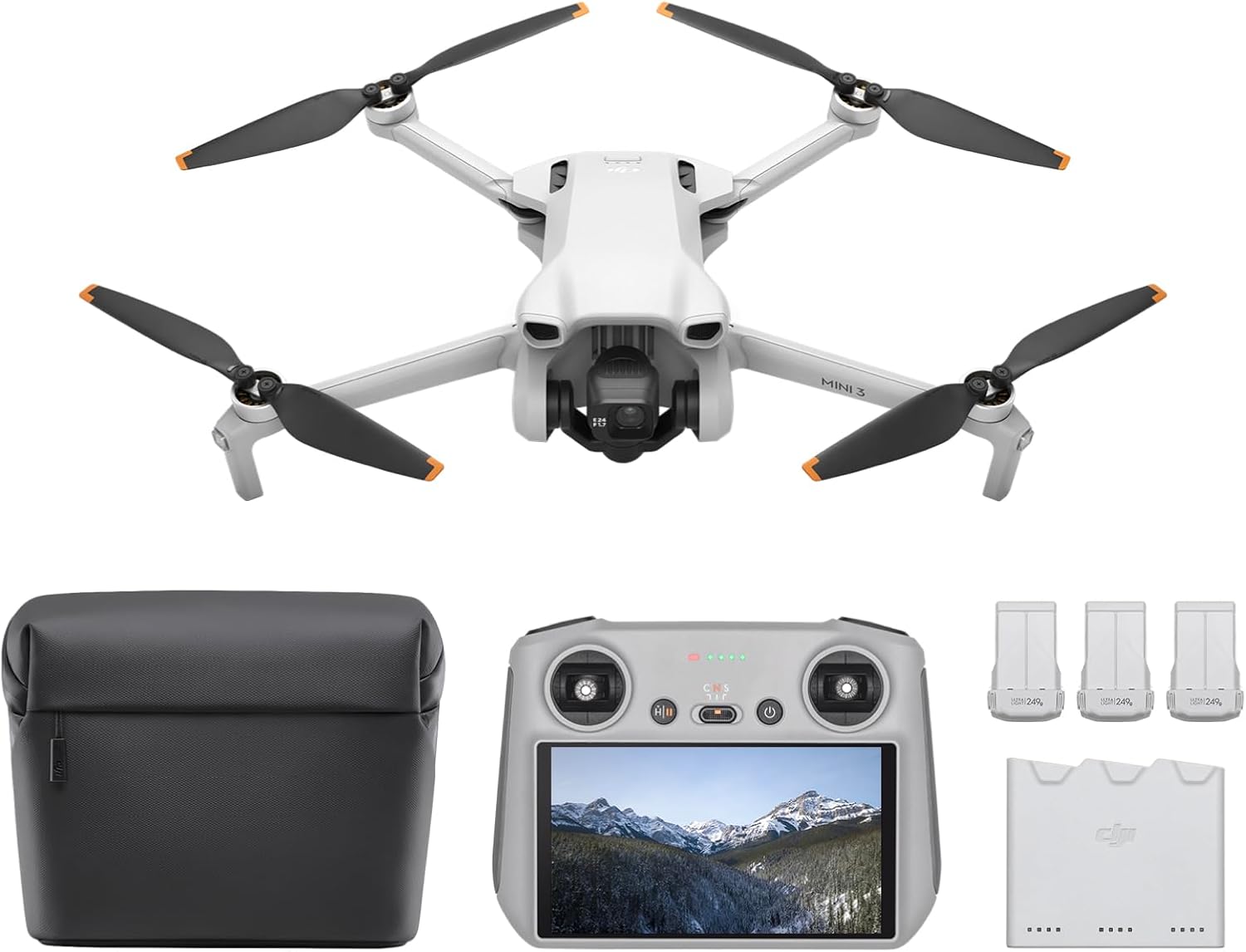
DJI Mini 3 Fly More Combo With DJI RC, 3 Batteries | Lightweight Camera Drone With 4K HDR Video, 114-Min Flight Time, Vertical Shooting, 32800ft (10km) Video Transmission
Check Price on AmazonDJI Mini 3 With DJI RC
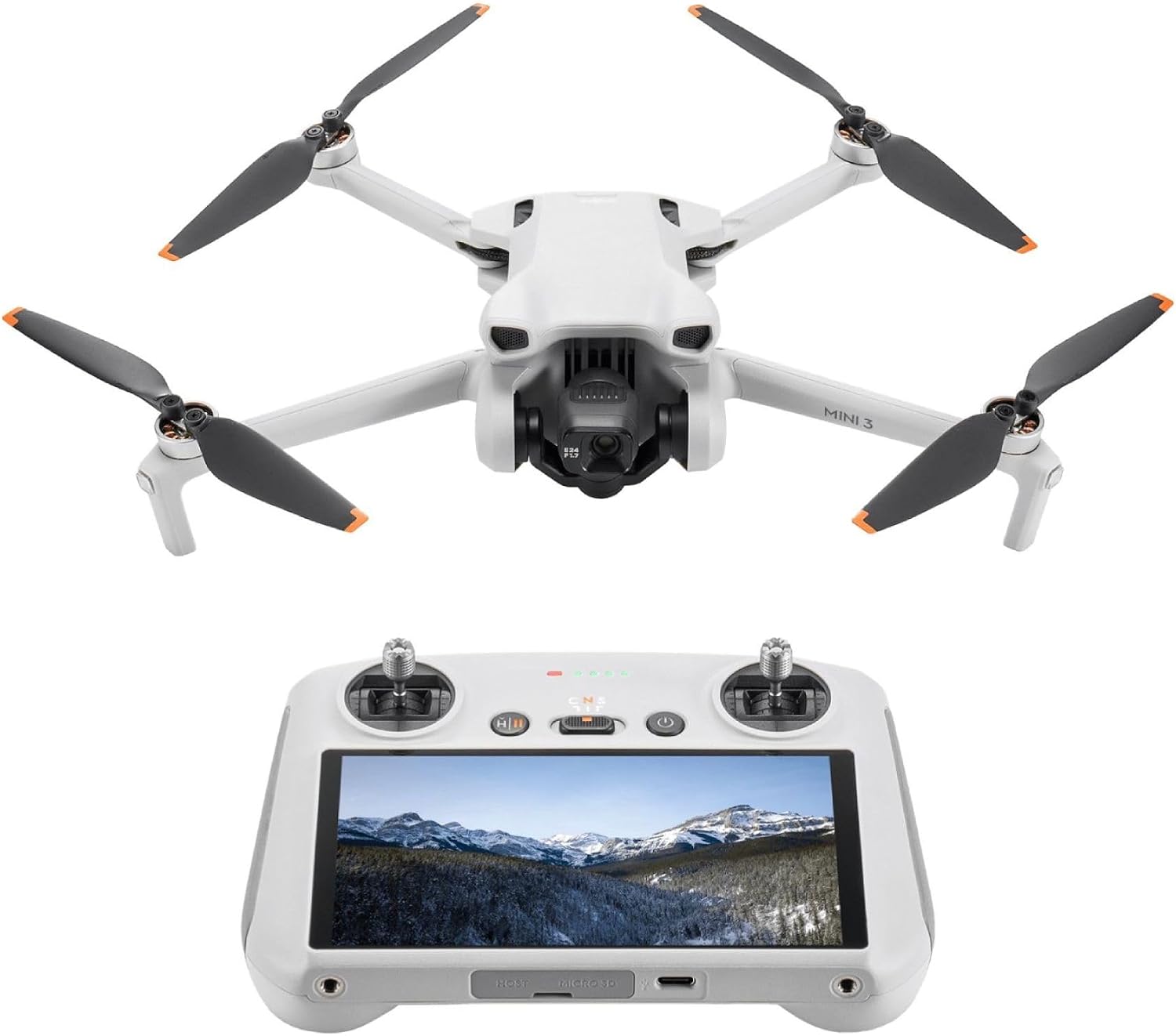
DJI Mini 3 With DJI RC, 3-Axis Mechanical Gimbal Mini Camera Drone | 4K HDR Video, 38-Min Flight Time, up to 32800ft (10km) Video Transmission, Vertical Shooting, GPS Auto Return
Check Price on AmazonImportantly, the law applies even if you are flying in legal airspace (below 400 feet, outside restricted zones). The act of pointing your camera at private property is the violation, not your flight path.
First-time violations are a Class C misdemeanor, punishable by a fine of up to $500. Repeat offenses can escalate to Class B misdemeanors with higher penalties.
Carrying Hard Case for DJI Avata 360 Drone
Carrying Hard Case for DJI Avata 360 Drone - Portable Travel Bag for Goggles N3/RC Motion 3 Controller
Check Price on AmazonHard Case for Antigravity A1 Drone
Hard Case for Antigravity A1 Drone, Waterproof Protective Carry Case, Anti-Fall Storage Bag Fit for Drone, Batteries, Goggles, Accessories & RC Gear [Only Protect Shell]
Check Price on AmazonTexas Drone Privacy Law Exceptions
The law includes exceptions for law enforcement, utility inspections, and academic research. Recreational pilots do not qualify for these exceptions. If you are flying for fun and your camera captures someone’s private property without consent, you can be cited.
Florida Statute 934.50 — Restrictions on Drone Surveillance
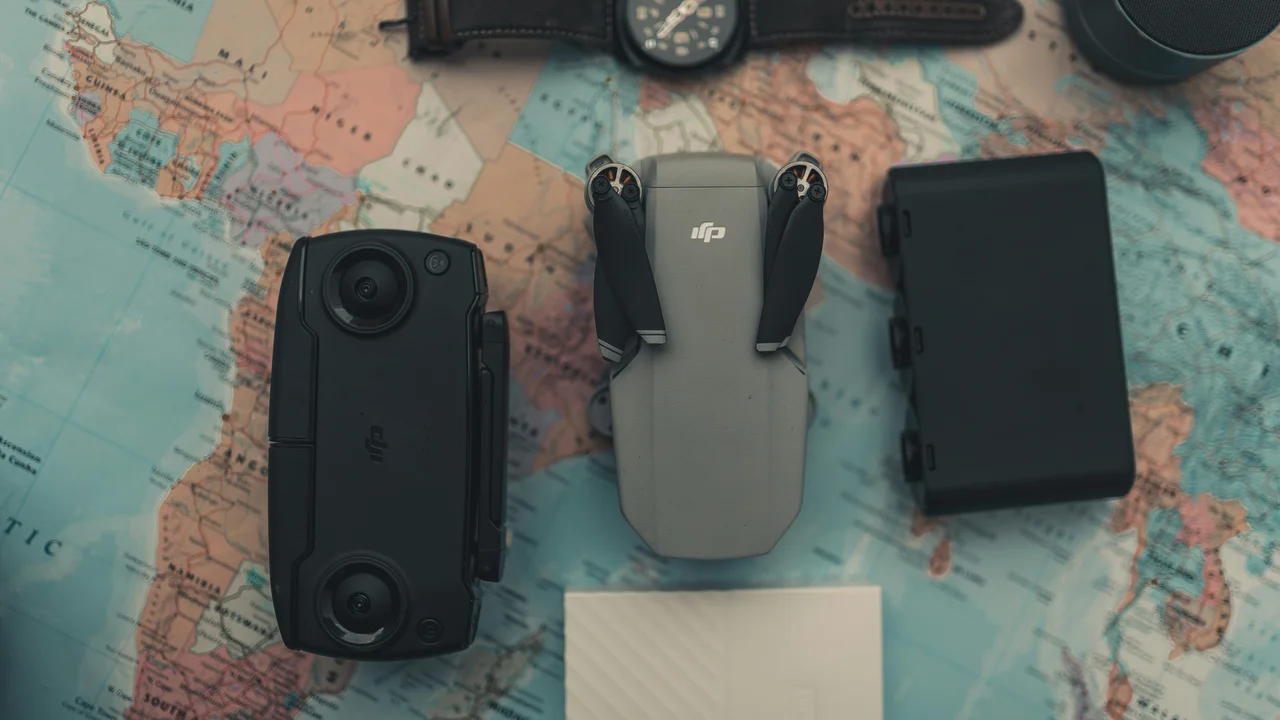
Florida Statute 934.50 is another strict state law. It prohibits using a drone to conduct surveillance of a person or their private property without written consent. The law explicitly bans recording people in changing rooms, restrooms, or other intimate spaces.
Unlike Texas, Florida requires written consent — verbal permission is not sufficient. This matters for real estate photographers and commercial operators who film residential properties.
Penalties include a second-degree misdemeanor, which can carry up to 60 days in jail and a $500 fine. If the recording is shared publicly, the penalty can increase.
California Law: AB 856 (Drone Harassment) and SB 807
California has two key laws that affect drone privacy. AB 856, signed in 2015, makes it a crime to use a drone to harass someone. Harassment includes following, recording, or photographing a person in a manner that would cause a reasonable person to fear for their safety.
SB 807, passed in 2016, specifically prohibits flying a drone below 350 feet over private property to capture images. This is unique — most states don’t specify an altitude. In California, if you fly low over someone’s house and your camera is recording, you are violating the law.
Violations are misdemeanors with penalties of up to six months in jail and a $1,000 fine. Civil lawsuits for invasion of privacy are also common in California.
North Carolina, Tennessee, Indiana — State-Specific Laws
North Carolina’s drone privacy law (N.C. Gen. Stat. § 14-401.22) is a “peeping drone” statute. It specifically bans using a drone to peep into windows, yards, or other private areas. This law is often used in voyeurism cases. Read our full North Carolina Drone Laws 2026: Smoky Mountains, Coast & Rules guide for details.
Tennessee’s law (Tenn. Code Ann. § 39-13-903) prohibits surveillance of private property. The law is less strict than Texas or Florida, but still makes it a crime to record people in private spaces without consent.
Indiana’s law (Ind. Code § 35-33-5-9) focuses on law enforcement use, but it also restricts private citizens from using drones to conduct surveillance of private property without a warrant. This means you cannot fly over someone’s house to gather evidence or monitor activity.
Local City and County Ordinances
State laws are not the only rules you must follow. Many cities and counties have passed their own drone privacy ordinances. For example, Los Angeles, Chicago, and Miami have local laws that restrict drone use over residential areas or near parks.
These ordinances can be more restrictive than state law. A city may ban drone flights over all residential neighborhoods, regardless of altitude. Violations are typically civil infractions with fines of $100 to $1,000.
Always check local ordinances before flying in a new area. Use the No-Fly Zone Checker to identify local restrictions.
The 400ft Rule and How Airspace Law Interacts with Privacy
The FAA’s 400-foot altitude limit is an airspace rule, not a privacy rule. You are legally allowed to fly at 400 feet over private property under FAA regulations. However, state privacy laws may prohibit what you do with your camera while you’re there.
For example, flying at 400 feet over a backyard in Texas is not a violation of FAA rules. But if your camera is recording the people in that yard, you are violating Texas Penal Code 423. The FAA and state law operate on separate planes — you must comply with both.
Flying over Private Property — Legal under FAA Rules but State Law May Differ
The FAA has repeatedly stated that drone pilots have a right to fly in navigable airspace, which includes the airspace above private property. However, the FAA does not grant you the right to record or photograph what is below.
State laws like those in Texas, Florida, and California effectively create a “privacy bubble” around private property. Even if your drone is legally in the air, your camera cannot capture images of people in private spaces without consent.
If you are flying over residential areas, treat every fenced backyard as a private space. Do not point your camera at windows, pools, or patios where people might be present.
Filming People in Public vs Private Spaces
In public spaces like parks, sidewalks, and beaches, you generally have a legal right to film people with your drone. The First Amendment protects photography in public places. However, this right is not absolute.
If you follow someone with your drone or hover over them, you may be creating a harassment situation. California’s AB 856 specifically addresses this — if your behavior would cause a reasonable person to fear for their safety, you can be charged with harassment.
In private spaces — inside a home, a fenced yard, a changing room — the expectation of privacy is high. Filming people in these spaces without consent is illegal in most states.
Backyard Filming — The Reasonable Expectation of Privacy Principle
The “reasonable expectation of privacy” is the legal standard used by courts to determine when drone filming crosses the line. If a person is in a place where they would reasonably expect not to be observed — inside their home, in a fenced backyard, in a bathroom — recording them with a drone is likely illegal.
This principle applies even if your drone is in legal airspace. A court will ask: was the person in a private space, and did they have a reasonable belief that they were not being watched? If yes, you may be liable for invasion of privacy.
For recreational pilots, the safest approach is to never fly over fenced backyards or point your camera at windows. Stick to open fields, parks, and public spaces.
Commercial Use of Drone Footage — Releases and Model Rights
If you use drone footage for commercial purposes — real estate, weddings, film — you need model releases for any identifiable people in the footage. This is a standard practice in photography and videography, and drone footage is no exception.
Without a release, you cannot legally sell or publish footage that includes recognizable individuals. This applies even if the footage was legally obtained. A person’s likeness is their property, and using it without permission can lead to civil lawsuits.
For real estate photography, you generally do not need releases for the property itself. But if the homeowner’s neighbor is visible in the shot, you need their permission.
Real Estate Photography and Privacy
Real estate drone photography is one of the most common commercial uses of drones. The rules are straightforward: you may film the property you are hired to photograph, but you cannot film neighboring properties without consent.
If your drone’s camera captures a neighbor’s backyard, pool, or windows, you are at risk of violating state privacy laws. In Texas and Florida, this can lead to fines. In California, flying below 350 feet over a neighbor’s property is a direct violation of SB 807.
To stay safe, position your drone so that the camera points only at the subject property. Use zoom lenses or crop footage in post-production to exclude neighboring homes.
When Drone Footage Becomes Voyeurism
Voyeurism drone laws exist in most states. These laws specifically prohibit using a drone to record people in intimate settings — changing rooms, bathrooms, bedrooms, or any space where nudity or private activity is expected.
Federal law also applies in some cases. The Video Voyeurism Prevention Act of 2004 prohibits recording people without consent in private spaces. While this law was written before drones became common, courts have applied it to drone cases.
If you are caught using a drone for voyeurism, you face serious penalties: jail time, fines, and registration as a sex offender in some states. This is not a gray area — it is a crime.
Best Practices to Avoid Privacy Complaints
Follow these guidelines to stay on the right side of drone privacy laws:
- Never fly over fenced backyards or private residential property without permission.
- Keep your camera pointed away from windows, pools, and patios.
- Do not hover over people — keep moving and maintain distance.
- Obtain written consent before filming private property in Texas, Florida, or California.
- Use model releases for commercial footage that includes identifiable people.
- Check state and local laws before flying in a new area.
- Use the No-Fly Zone Checker to identify restricted airspace and local ordinances.
- If a neighbor asks you to stop filming, comply immediately — even if you believe you are in the right.
Summary
Drone privacy laws in 2026 are a state-level patchwork. The FAA controls airspace, but what you film is governed by state and local laws. Texas, Florida, and California have the strictest rules, but nearly every state has some form of drone privacy legislation.
As a recreational pilot, your safest approach is to treat every private space — backyards, windows, pools — as off-limits for your camera. Fly in public areas, keep your distance from people, and never record anyone in a place where they would expect privacy.
If you are flying commercially, always obtain model releases and property permissions. Real estate photographers should be especially careful in states like Texas and Florida where filming neighboring properties without consent is illegal.
Frequently Asked Questions
Is it legal to fly a drone over someone’s private property in the USA?
Under FAA rules, yes — you can fly over private property as long as you stay below 400 feet and avoid restricted airspace. However, state privacy laws may prohibit what you film while you are there. In Texas, Florida, and California, filming private property without consent is illegal, even if your drone is in legal airspace. Always check the state law of the location you are flying over.
Can my neighbour call the police if I fly over their yard?
Yes, your neighbor can call the police, and in some states, the police can cite you. If you are filming their yard, windows, or pool, you may be violating state drone privacy laws like Texas Penal Code 423 or Florida Statute 934.50. Even if you are not filming, flying low over someone’s property can be considered harassment in some jurisdictions. It is best to avoid flying over residential yards entirely.
Can I film people with my drone in public?
In public spaces like parks, sidewalks, and beaches, you generally have a First Amendment right to film people. However, you cannot harass or follow individuals. California’s AB 856 makes drone harassment a crime if your behavior causes a reasonable person to fear for their safety. If you are filming for commercial use, you need model releases from identifiable people.
What states have drone privacy laws?
Over 40 states have some form of drone privacy legislation as of 2026. The strictest laws are in Texas (Penal Code 423), Florida (Statute 934.50), and California (AB 856 and SB 807). Other notable states include North Carolina (peeping drone law), Tennessee, Indiana, and Michigan. You can find detailed guides for each state on droneallowed.com, including our Michigan Drone Laws 2026 page.
Is it legal to record someone with a drone without consent?
It depends on the location. In public spaces, you generally do not need consent to record someone. In private spaces — inside a home, a fenced backyard, a changing room — recording without consent is illegal in all 50 states. State laws like Texas Penal Code 423 and Florida Statute 934.50 explicitly prohibit recording people in private spaces without permission. If you are recording for commercial use, you always need a model release.
Can I post drone footage of houses on social media?
You can post footage of houses if the footage was legally obtained and does not include identifiable people without their consent. However, if the footage shows a neighbor’s backyard, windows, or pool, you may be violating state privacy laws. In Texas and Florida, posting such footage could lead to fines. If the footage includes people, you need their permission before posting.
Last updated: July 14, 2026
- FAA DroneZone (faadronezone.faa.gov)
- Texas Penal Code 423
- Florida Statute 934.50
- California AB 856 and SB 807
- National Conference of State Legislatures (NCSL) — Drone Privacy Legislation Database
Drone Allowed
DroneAllowed editor covering drone regulations, aviation law, and aerial photography across USA, UK, Canada & Australia.