
DJI Neo Review 2026: The Ultra-Affordable Selfie Drone Worth Buying?
 13 min read
2,495 words
13 min read
2,495 words
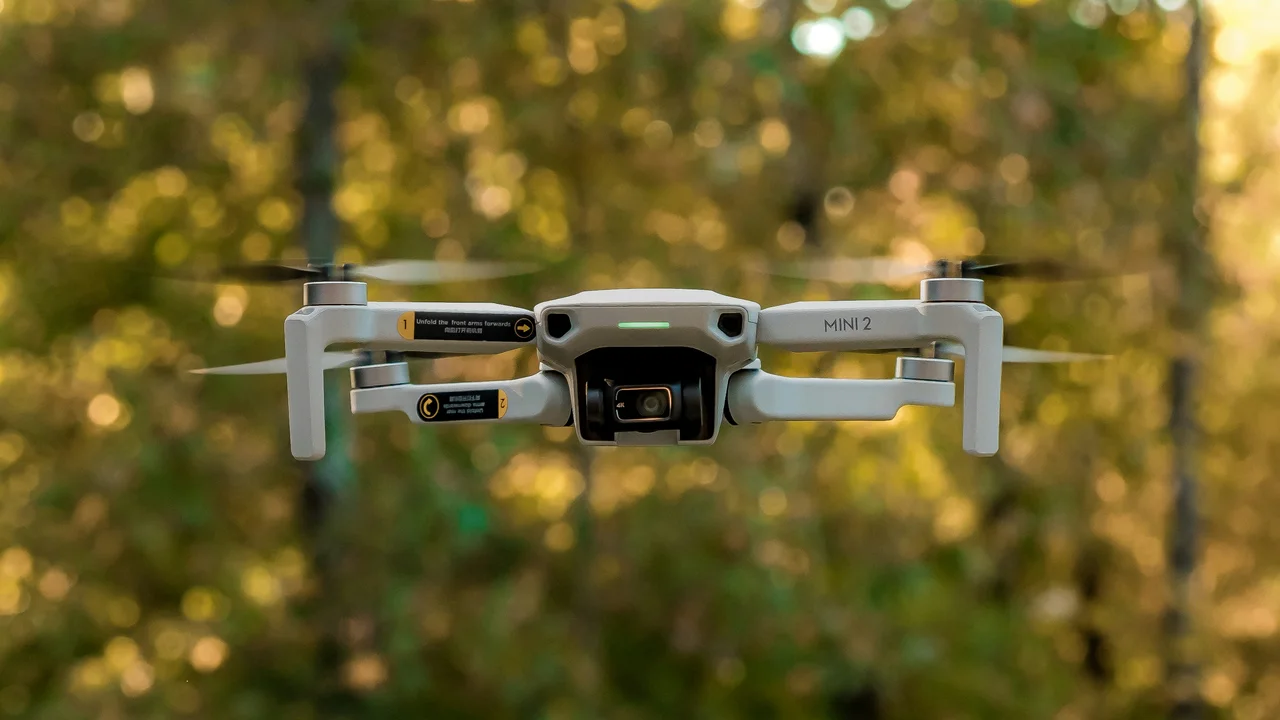
If you are looking for the most affordable, beginner-friendly selfie drone in 2026, the DJI Neo is your answer. This ultralight 135g palm-sized drone is designed for casual social media content, not professional aerial work. In this DJI Neo review, we break down the camera quality, flight features, and exactly who should buy this $219 drone — and who should skip it.
You will learn how the DJI Neo compares to the DJI Mini 3, whether its 4K camera is good enough for vlogging, and what the FAA rules are for this sub-250g drone in the United States. By the end, you will know if the DJI Neo 2026 is the right drone for your travel, selfie, or first-time flying needs.
DJI Neo Design: Ultralight 135g Palm Drone with Fixed Propeller Guards
The DJI Neo weighs just 135 grams (4.76 ounces). That is lighter than a standard smartphone. Because it is under 250 grams, you do not need to register it with the FAA for recreational use in the United States — though registration is still required if you fly commercially under Part 107.
The Neo is not a folding drone. It uses a fixed-frame design with integrated propeller guards. This makes it safer to catch by hand and fly indoors around people. The guards are not removable, which adds durability but limits portability compared to folding drones like the Mini 3.
Is the DJI Neo the Lightest DJI Drone?
Yes. At 135 grams, the DJI Neo is the lightest drone DJI has ever made. The DJI Mini 3 weighs 249 grams, and the Mini 4 Pro is 249 grams. The Neo shaves off more than 100 grams by using a smaller battery, fixed arms, and a simpler camera gimbal. This weight makes it one of the most portable drones you can buy.
DJI Neo Camera Quality: 12MP, 4K/30fps, 1/2″ Sensor
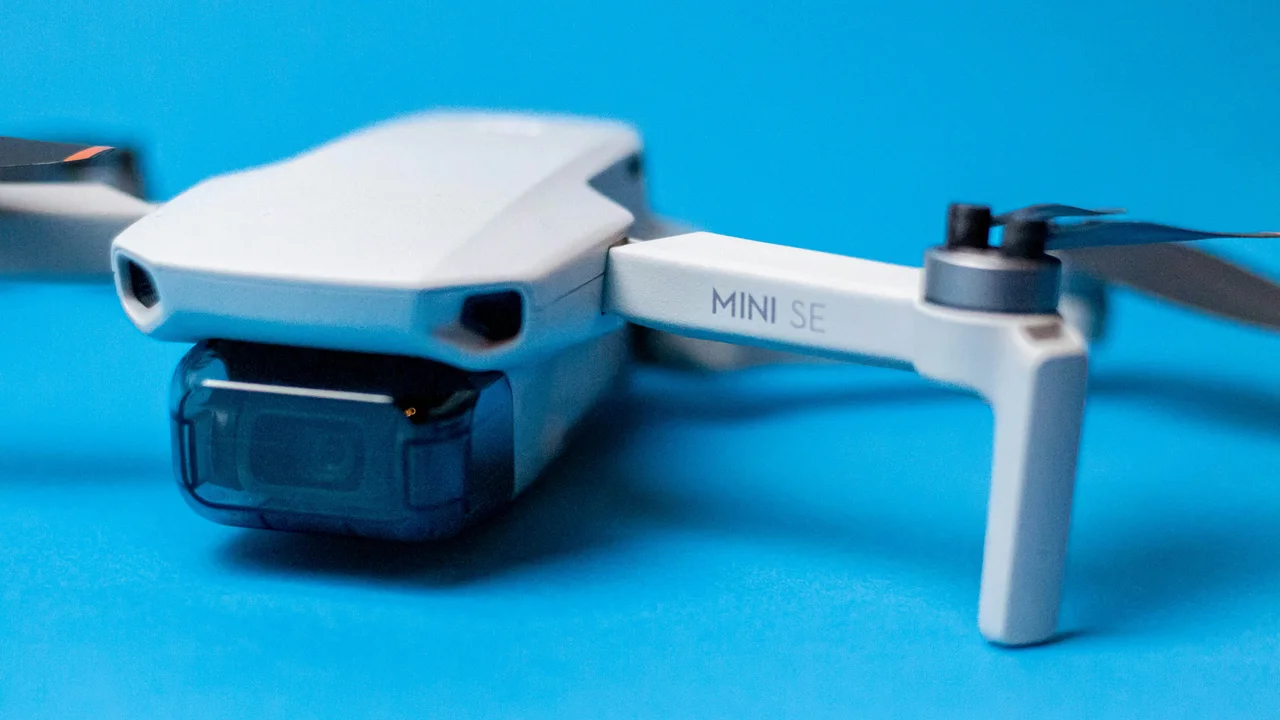
The DJI Neo uses a 1/2-inch CMOS sensor with a fixed f/2.8 aperture. It captures 12-megapixel still photos and 4K video at up to 30 frames per second. The camera is mounted on a single-axis gimbal (tilt only), not a full three-axis gimbal like the Mini series. This means you lose roll and yaw stabilization, so footage can look shakier during aggressive turns.
In good daylight, the Neo produces bright, colorful footage suitable for Instagram Reels, TikTok, and YouTube Shorts. In low light — sunset, indoor dim rooms, or cloudy days — the small sensor and f/2.8 aperture struggle significantly. Expect visible noise and reduced dynamic range.
DJI Neo Camera Pros
- 4K/30fps video for sharp social media clips
- 12MP stills are fine for web use
- Good dynamic range in bright sunlight
DJI Neo Camera Cons
- No 4K/60fps option
- Small 1/2″ sensor limits low-light performance
- Single-axis gimbal means less stabilization
DJI Neo QuickShots: 6 Automated Flight Modes for Social Media
The DJI Neo comes with six QuickShots: Rocket, Dronie, Circle, Boomerang, Asteroid, and Helix. These are pre-programmed flight paths that automatically record a video clip. You launch them from the DJI Fly app on your phone or by using gesture control (hand signals) without a controller.
These modes are designed for solo creators. You can place the Neo on your palm, use a hand gesture to launch it, and it will fly backward, circle, or ascend while filming you. The drone returns to your hand after the shot ends. This is the core appeal of the Neo — no controller, no planning, just instant aerial selfies.
How Gesture Control Works on the DJI Neo
To use gesture control, place the Neo on your open palm. It will recognize your hand and take off. Then use a simple hand signal — like raising your hand or making a frame with your fingers — to trigger a QuickShot. The drone films the preset maneuver and lands back in your hand. This works reliably in good lighting but can fail in direct sunlight or if your hand is too far away.
DJI Neo vs DJI Mini 3: Which Should You Buy in 2026?
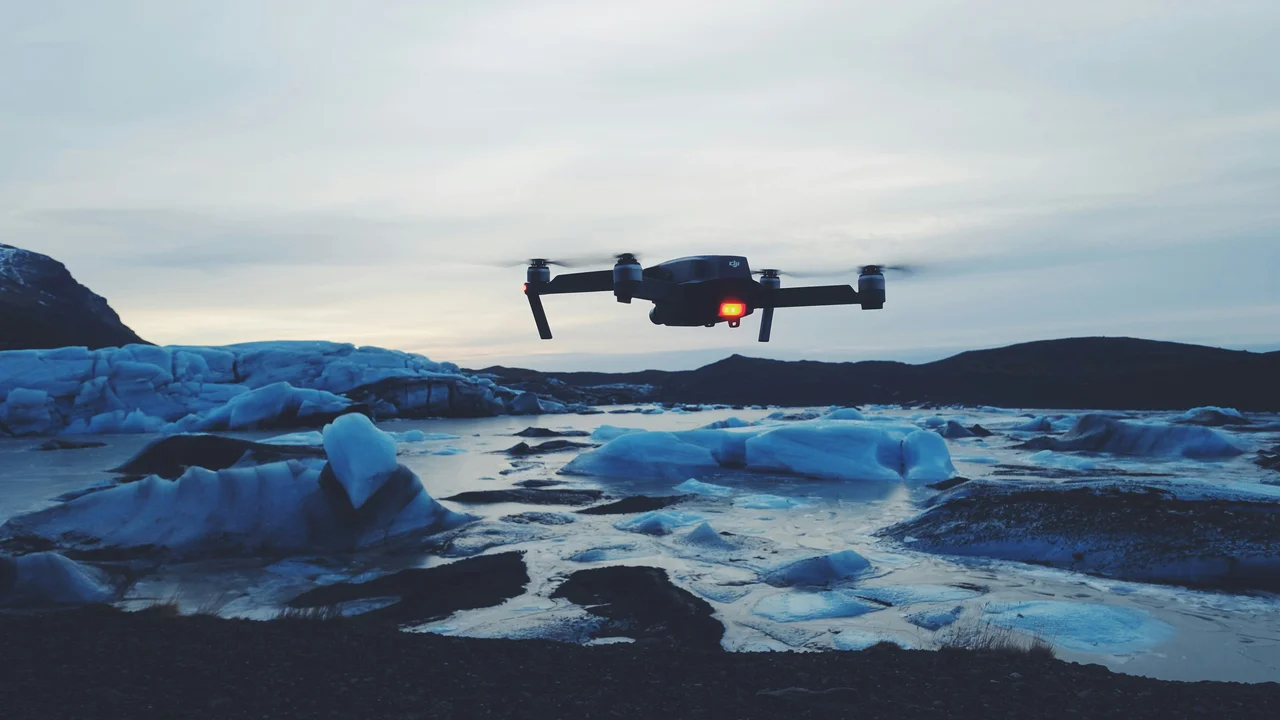
The DJI Neo and DJI Mini 3 both sit under 250 grams, but they serve completely different users. The Mini 3 is a folding drone with a 1/1.3-inch sensor, 4K/60fps video, a three-axis gimbal, and a separate stills camera lens. It costs $419 (with the standard remote) — about double the Neo’s $219 price.
| Feature | DJI Neo | DJI Mini 3 |
|---|---|---|
| Weight | 135g | 249g |
| Camera sensor | 1/2″ (12MP) | 1/1.3″ (12MP) |
| Max video | 4K/30fps | 4K/60fps |
| Gimbal | Single-axis (tilt only) | Three-axis |
| Obstacle avoidance | None | None |
| Controller required | No (gesture only) | Yes |
| Folding design | No (fixed frame) | Yes |
| Price (standard) | $219 | $419 |
If you want a drone for serious travel photography, vlogging with high-quality footage, or any paid work, get the Mini 3. If you want a cheap, ultra-portable selfie drone for casual social media clips and do not care about image quality, get the Neo.
DJI Neo vs DJI Flip: What’s the Difference?
The DJI Flip is a newer model (released early 2026) that sits above the Neo in DJI’s lineup. It has forward-facing obstacle avoidance sensors, a three-axis gimbal, and a 1/1.3-inch sensor — similar to the Mini 3 but in a fixed-frame design. The Flip costs $349.
The Neo has no obstacle avoidance. This is a critical difference. If you plan to fly indoors or in tight spaces, the Flip is safer. The Neo is better for wide-open outdoor selfies where you can see the drone at all times.
Is the DJI Neo Worth Buying? Who Should Buy It
The DJI Neo is worth buying if you are a solo traveler, casual vlogger, or first-time drone buyer who wants an easy way to get aerial selfies without learning to fly. The gesture control and no-controller operation make it the most accessible drone DJI has ever made.
It is not worth buying if you need professional-quality video, want to shoot in low light, or need obstacle avoidance. The camera is entry-level, and the lack of a full gimbal means footage can look shaky. For the same money, you could buy a used Mini 2 with better image quality — but you lose the gesture control and hand-launch convenience.
DJI Neo Price and Where to Buy in 2026
The DJI Neo standard package costs $219 (£219 in the UK). This includes the drone, one battery, a USB-C charging cable, and a set of spare propellers. The Fly More Combo costs $299 and adds the RC-N3 controller, a second battery, a charging hub, and a carrying case.
You can buy the Neo directly from DJI’s website, Amazon, or authorized retailers like Best Buy and B&H Photo. As of mid-2026, stock is widely available, and prices have stabilized after the initial launch hype.
Flying the DJI Neo Under FAA Rules in the United States
Because the DJI Neo weighs 135 grams, it is exempt from FAA registration for recreational flying. You do not need to pay the $5 registration fee or label your drone with an FAA number. However, all other FAA rules still apply:
- Fly below 400 feet AGL at all times
- Keep the drone within visual line of sight (VLOS)
- Do not fly over people or moving vehicles
- Respect airspace restrictions — check LAANC for controlled zones
- Do not fly in national parks (like Yosemite — see Yosemite Drone Laws 2026: Why Drones Are Banned & Legal Spots Nearby)
If you plan to fly the Neo commercially (for paid social media content, real estate, or any business use), you need a Part 107 Remote Pilot Certificate. Registration is also required for commercial operations regardless of weight.
DJI Neo Battery Life and Flight Time
The DJI Neo uses a 1,435 mAh Li-ion battery, giving it a maximum flight time of 18 minutes in ideal conditions. In real-world use — with wind, QuickShots, and gesture control — expect 12 to 15 minutes per battery. The Fly More Combo includes two batteries, giving you about 30 minutes of total flight time.
Charging a single battery takes about 60 minutes via USB-C. The charging hub in the Fly More Combo charges all three batteries sequentially, which takes about 3 hours for a full set.
Final Thoughts: DJI Neo Review 2026
The DJI Neo is the best ultra-budget selfie drone you can buy in 2026. It is not a replacement for the Mini 3 or any serious camera drone. But for $219, you get a drone that fits in your pocket, launches from your palm, and captures 4K selfies with zero piloting skill. If your goal is social media content from your travels, the Neo delivers.
If you want better image quality, obstacle avoidance, or a folding design, spend more on the Mini 3 or DJI Flip. But for the price, the Neo is a remarkable entry point into drone flying — especially for beginners who just want to try it without a big investment.
Frequently Asked Questions
Is the DJI Neo worth buying?
Yes, the DJI Neo is worth buying for casual users who want an affordable, easy-to-use selfie drone. At $219, it offers gesture control, 4K video, and a sub-250g weight that avoids FAA registration for recreational flyers. However, it is not suitable for professional work, low-light shooting, or high-wind conditions due to its small sensor and single-axis gimbal.
DJI Neo vs DJI Mini 3 which is better?
The DJI Mini 3 is better for image quality, stabilization, and versatility, with a larger 1/1.3-inch sensor, three-axis gimbal, and 4K/60fps video. It costs $419, double the Neo’s $219 price. The Neo is better for absolute beginners and solo travelers who want gesture-controlled selfies without a controller. Choose the Mini 3 for serious photography or vlogging; choose the Neo for casual social media clips.
What is the DJI Neo camera sensor?
The DJI Neo uses a 1/2-inch CMOS sensor with a fixed f/2.8 aperture. It captures 12-megapixel still photos and 4K video at 30 frames per second. This is a smaller sensor than the Mini 3’s 1/1.3-inch sensor, which means the Neo struggles in low light and cannot shoot RAW photos. The single-axis gimbal also provides less stabilization than the Mini 3’s three-axis gimbal.
Can you fly DJI Neo without a controller?
Yes, you can fly the DJI Neo without a controller using gesture control and the DJI Fly app on your smartphone. The drone launches from your palm, performs preset QuickShots (Rocket, Dronie, Circle, etc.), and lands back in your hand. For manual flight or DJI O3 video transmission, you need the optional RC-N3 controller, which comes in the Fly More Combo ($299).
Is DJI Neo good for beginners?
Yes, the DJI Neo is excellent for beginners because it requires no piloting skill for basic operation. The gesture control and automated QuickShots let you capture aerial selfies without learning to fly. It also weighs 135 grams, so it does not require FAA registration for recreational use. However, beginners should be aware that the Neo has no obstacle avoidance, so it can crash into trees or walls if not flown in open spaces.
Does DJI Neo have obstacle avoidance?
No, the DJI Neo does not have any obstacle avoidance sensors. Unlike the DJI Flip, which has forward-facing sensors, the Neo relies entirely on the pilot to avoid collisions. This makes it risky to fly indoors or in tight spaces. Always fly the Neo in open areas with a clear view of the drone, especially when using gesture control or QuickShots.
Does DJI Neo need FAA registration?
No. The DJI Neo weighs 135 grams with propeller guards, which is under the FAA’s 250-gram threshold for registration. You can fly it recreationally in the US without registering with the FAA.
Does DJI Neo have GPS?
No. The DJI Neo does not have a GPS module. It relies on a downward-facing camera for positioning, so it cannot hold a precise position outdoors or return to home automatically.
What is the DJI Neo price in 2026?
The DJI Neo base model costs $299. The Fly More Combo with two extra batteries, a charging hub, and a shoulder bag costs $399. The Motion Controller Combo costs $349.
How long does the DJI Neo battery last?
The DJI Neo flies for up to 18 minutes per battery in ideal conditions. Real-world flight time is typically 12-15 minutes when using QuickShots or flying in wind.
Can DJI Neo fly indoors?
Yes, but with caution. The Neo can fly indoors using the palm control mode, but it lacks obstacle avoidance. Only fly in open rooms with no furniture or people nearby, and keep your hands ready to catch it.
Is DJI Neo better than DJI Flip?
No. The DJI Flip is better in every technical aspect: it has forward obstacle avoidance, a 48MP camera, 4K/60fps video, longer flight time, and GPS. The Neo is only better for absolute beginners who want palm takeoff and the lowest possible price.
Does DJI Neo come with a controller?
The base model does not include a controller. It uses smartphone control via the DJI Fly app. The Motion Controller Combo and Fly More Combo include the RC Motion 3 or RC-N3 controller.
Can DJI Neo fly in wind?
Poorly. The Neo’s lightweight design and small motors make it struggle in winds above 10-12 mph. It will drift significantly and cannot hold position without GPS. Fly only in calm conditions.
What is the DJI Neo camera quality?
The DJI Neo has a 12MP 1/2-inch sensor that records 4K/30fps video. The image quality is good for social media but noticeably softer than the DJI Flip or Mini 3. It lacks 10-bit color and has no HDR video mode.
Last updated: July 14, 2026
Drone Allowed
DroneAllowed editor covering drone regulations, aviation law, and aerial photography across USA, UK, Canada & Australia.