
New Zealand Drone Laws 2026: Complete Guide for Drone Pilots
 12 min read
2,367 words
12 min read
2,367 words
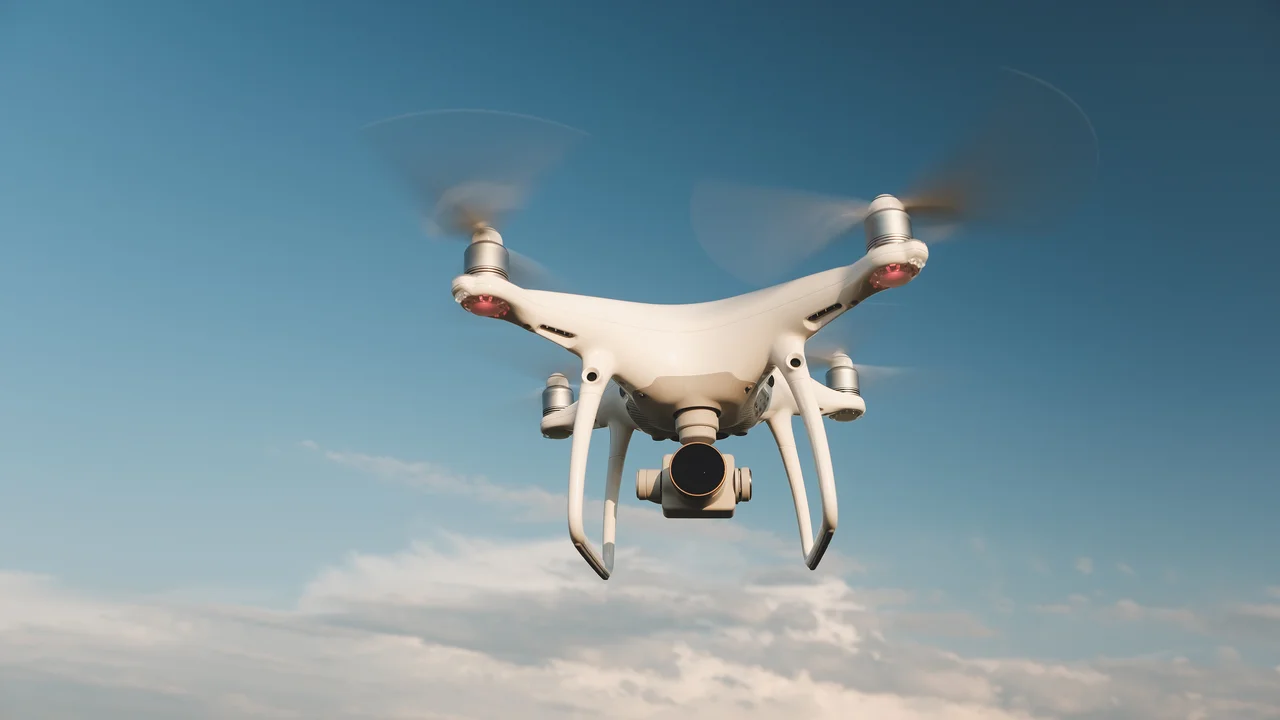
New Zealand drone laws require all drone pilots to follow the Civil Aviation Rules set by the Civil Aviation Authority of New Zealand (CAA NZ). If you’re flying any drone over 250 grams, you must get a Part 101 certification and follow strict operational rules. This guide covers registration, no-fly zones, penalties, and where you can legally fly in New Zealand in 2026, so you can stay compliant and avoid fines up to $50,000 NZD.
Whether you’re a tourist flying a DJI Mini 4 Pro or a local pilot with a heavy drone, the rules are clear. You’ll learn exactly what you need to do before takeoff, from certification to airspace restrictions. Let’s break it down step by step.
What Are the Core Rules for New Zealand Drone Laws?
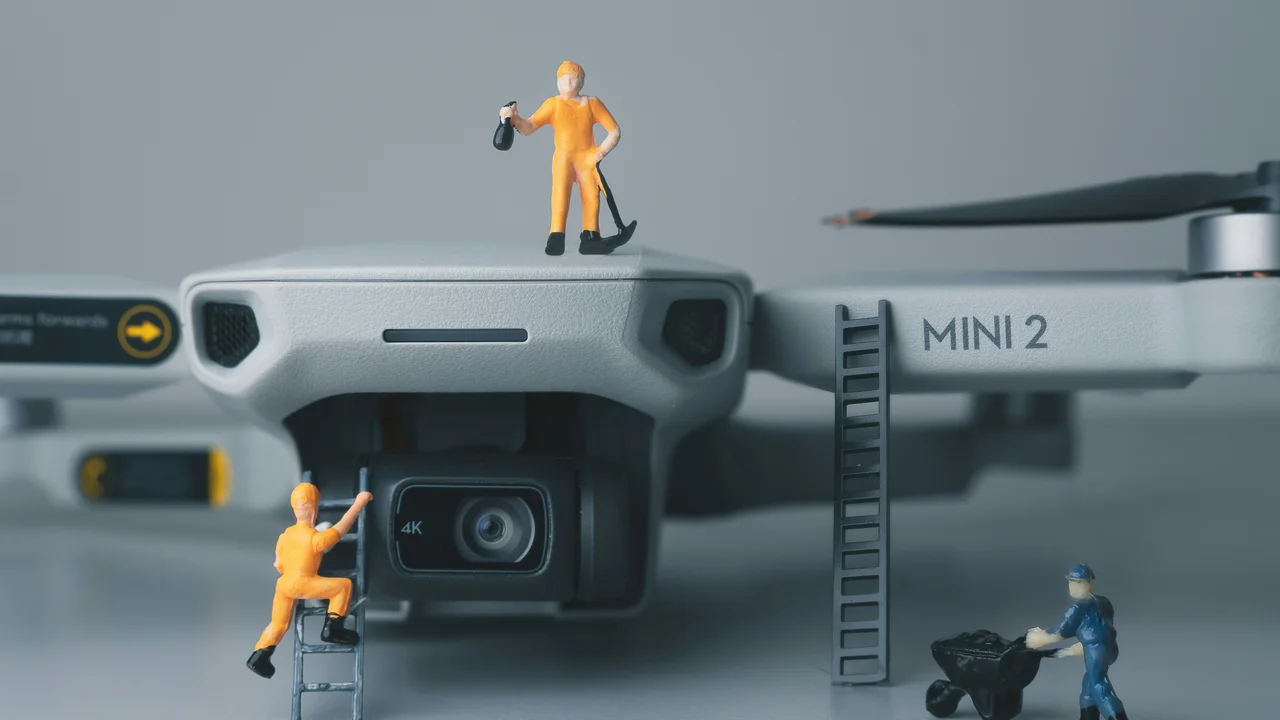
The backbone of drone regulations in New Zealand is Part 101 of the Civil Aviation Rules. These rules apply to all drones under 25 kilograms flown for recreational or commercial purposes. You must always fly within visual line of sight, below 400 feet (120 meters) above ground level, and never over people or property without consent.
Daylight flying only is permitted, and you must give way to all manned aircraft. If your drone weighs 250 grams or more, you need a Part 101 certification from the CAA NZ. For drones under 250 grams, like the DJI Neo, you still need to follow the same operational rules but don’t require certification.
Regulatory Authority and Framework for New Zealand Drone Laws
The Civil Aviation Authority of New Zealand (CAA NZ) is the sole regulator for drone rules in New Zealand. They operate under the Civil Aviation Act 1990 and the Civil Aviation Rules Part 101 for drones under 25 kilograms. For heavier drones, Part 102 rules apply, requiring a more complex approval process.
All drone pilots must comply with these rules regardless of nationality. Tourists and visitors must follow the same laws as residents. The CAA NZ also works with Airshare, a digital platform that provides airspace maps and flight planning tools for drone pilots.
Registration and Certification Requirements for New Zealand Drone Laws
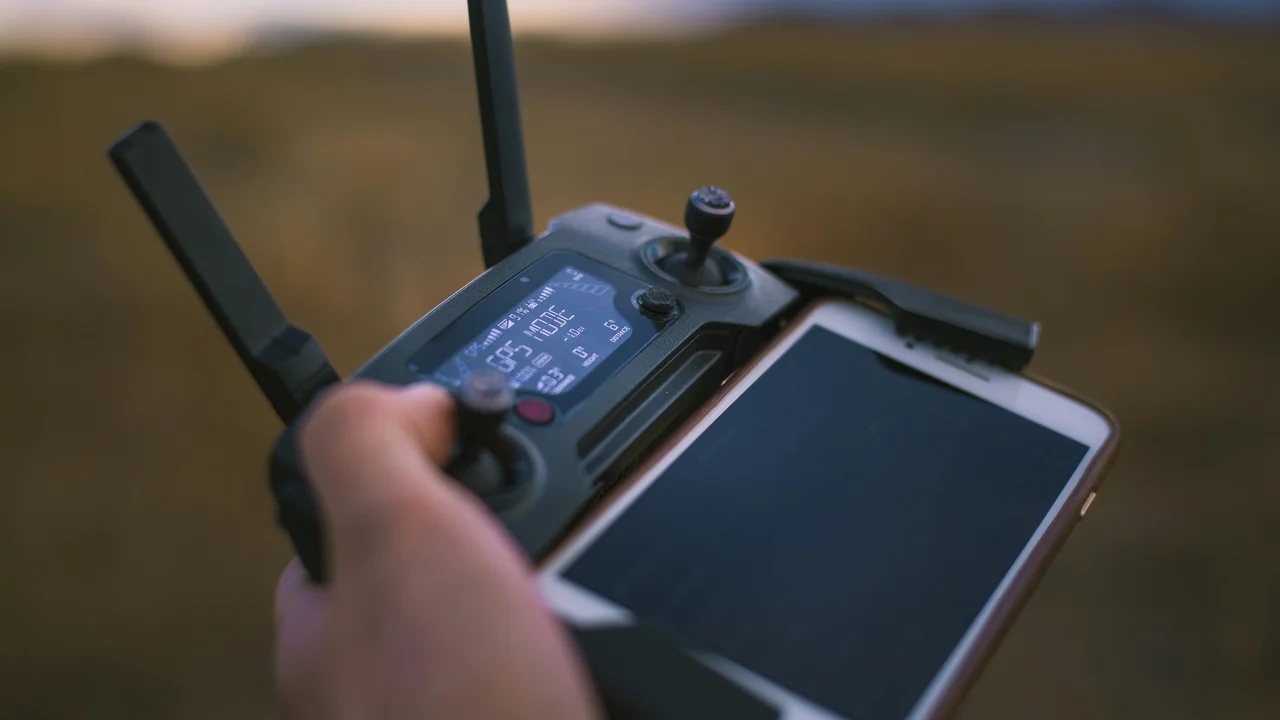
For drone regulations in New Zealand, registration is not a separate process. Instead, you need a Part 101 certification if your drone weighs 250 grams or more. This certification is a free online course and test provided by the CAA NZ. Once you pass, you receive a certificate valid for two years.
You must carry this certificate when flying and present it to authorities upon request. For drones under 250 grams, like the DJI Neo Review 2026: The Ultra-Affordable Selfie Drone Worth Buying?, no certification is required, but you must still follow all operational rules.
To get certified, follow these steps:
Create an Airshare Account
Go to the Airshare website and register for a free account. This is required for the online course.
Complete the Online Course
Take the free Part 101 course, which covers safety, rules, and no-fly zones. It takes about 30 minutes.
Pass the Test
Answer 20 multiple-choice questions. You need 80% to pass. Retake it as many times as needed.
Download Your Certificate
Once passed, save your digital certificate. Carry it on your phone or print it when flying.
If your drone weighs over 25 kilograms, you need a Part 102 approval from the CAA NZ. This involves a detailed application, risk assessment, and potentially an operational manual. Most recreational pilots will never need this.
No-Fly Zones and Restricted Areas Under New Zealand Drone Laws
Drone laws in New Zealand strictly prohibit flying in certain areas. The most critical no-fly zones include all airports and aerodromes (within 4 kilometers), military bases, prisons, and areas with temporary flight restrictions (like fire zones or VIP movements). Flying near airports without permission can result in immediate fines and prosecution.
National parks and conservation areas are also restricted. The Department of Conservation (DOC) requires a permit for drone flights in any national park or reserve. This includes popular spots like Fiordland, Tongariro, and Aoraki/Mount Cook. Violating these rules can lead to fines up to $50,000 NZD under the Conservation Act.
Other restricted areas include private property without owner consent, events with over 1,000 people (like concerts or sports matches), and areas near emergency response operations. The CAA NZ also designates temporary no-fly zones for natural disasters or security events. Check Airshare or the official CAA NZ website before every flight.
Where You Can Legally Fly Under New Zealand Drone Laws
You can legally fly in most public spaces in New Zealand as long as you follow Part 101 rules. Parks, beaches, rural areas, and open farmland are generally allowed, provided you stay 400 feet (120 meters) below, avoid people and property, and don’t enter restricted zones. Always get landowner permission for private property.
For urban areas, be cautious. Flying over roads, sidewalks, or residential neighborhoods is risky because you must avoid people and vehicles. The CAA NZ recommends flying in open spaces like regional parks or designated drone flying fields. Many local councils have their own bylaws, so check with the local authority before flying in city parks.
If you’re a tourist, popular spots like Queenstown, Milford Sound, and Rotorua are often restricted due to helicopter traffic or conservation status. Use the Weight Checker Tool to confirm your drone’s weight class, and the Registration Calculator to check if certification is needed.
| Location Type | Allowed? | Conditions |
|---|---|---|
| Public parks (local council) | Yes, with restrictions | Check council bylaws; avoid people |
| Beaches | Yes | Stay 400 ft (120 m) max; avoid swimmers |
| National parks | No | DOC permit required; rarely granted |
| Rural farmland | Yes | Get landowner permission |
| Urban areas | With caution | Must avoid all people and property |
Penalties for Violating New Zealand Drone Laws
Drone regulations in New Zealand carry significant penalties for non-compliance. The CAA NZ can issue infringement fines starting at $500 NZD for minor violations, such as flying too high or without certification. For serious breaches—like flying near an airport, over a crowd, or in restricted airspace—fines can reach $50,000 NZD under the Civil Aviation Act.
Criminal prosecution is possible for reckless operations. In 2025, a drone pilot was sentenced to 6 months in prison for interfering with a rescue helicopter. The CAA NZ also has the power to confiscate your drone and equipment. Repeat offenders face higher fines and potential bans from flying.
Common Violations
- Flying above 400 ft (120 m)
- Flying within 4 km of an airport
- No Part 101 certification (over 250g)
- Flying over people or property
- Night flying without permission
Potential Penalties
- $500 NZD fine (minor)
- $5,000 NZD fine (moderate)
- $50,000 NZD fine (serious)
- Criminal charges
- Drone confiscation
For tourists, ignorance of the law is not a defense. The CAA NZ actively monitors popular tourist destinations, and local police can issue fines on the spot. Always check the latest regulations before flying.
New Zealand Drone Laws Under 250g: Do They Apply?
If your drone weighs under 250 grams, such as the DJI Neo or DJI Mini 4 Pro, you are exempt from the Part 101 certification requirement. However, all other operational rules still apply. You must still fly below 400 feet, avoid airports, stay away from people and property, and follow no-fly zones.
This is similar to Canada Drone Laws Under 250g: Do You Need to Register Your Drone?, where sub-250g drones have lighter registration rules but full operational compliance. For New Zealand, the key difference is that no registration or certification is needed, but you still face the same penalties for breaking the rules.
For a complete list of sub-250g drones, check out Drone With Camera Reviews — Complete Review & Buying Guide 2026. These drones are popular for travel because they simplify compliance, but you must still be responsible.
Flying FPV Drones Under New Zealand Drone Laws
First-person view (FPV) drones, like the DJI Avata 2 Review 2026: Best FPV Drone for Beginners?, are legal in New Zealand but have additional requirements. You must have a visual observer (a second person) who maintains unaided line of sight with the drone at all times. This is mandatory even if you have a spotter in your goggles.
The visual observer must be in direct communication with you and able to warn of hazards. FPV flights still must stay below 400 feet and avoid all no-fly zones. The CAA NZ treats FPV as a normal drone operation, so all Part 101 rules apply. If your FPV drone weighs over 250 grams, you need Part 101 certification.
Summary: Key Takeaways for New Zealand Drone Laws
New Zealand drone laws are straightforward but strictly enforced. If your drone weighs 250 grams or more, get your free Part 101 certification from the CAA NZ. Always fly below 400 feet, during daylight, and within visual line of sight. Avoid airports, national parks, and crowds. Penalties range from $500 to $50,000 NZD, and ignorance is no excuse.
For the safest experience, use the Airshare app for real-time airspace updates, and check local council bylaws before flying in urban areas. If you’re a tourist, consider a sub-250g drone to skip certification, but still follow all rules. Stay informed, fly responsibly, and enjoy New Zealand’s stunning landscapes from above.
Frequently Asked Questions
What are the rules for New Zealand drone laws?
New Zealand drone laws require all drones over 250 grams to have a Part 101 certification from the Civil Aviation Authority of New Zealand. You must fly below 400 feet (120 meters), within visual line of sight, during daylight, and never over people or property without consent. No-fly zones include all airports (within 4 km), national parks, military bases, and prisons. Penalties for violations start at $500 NZD and can reach $50,000 NZD.
Do I need to register my drone for New Zealand drone laws?
No, New Zealand does not have a separate registration process for drones. Instead, if your drone weighs 250 grams or more, you need a free Part 101 certification from the CAA NZ. This involves completing an online course and test, which takes about 30 minutes. The certification is valid for two years and must be carried when flying. For drones under 250 grams, no certification or registration is required.
Are there restricted areas relevant to New Zealand drone laws?
Yes, New Zealand drone laws strictly prohibit flying in several areas. These include all airports and aerodromes (within 4 kilometers), military bases, prisons, national parks (without a DOC permit), and areas with temporary flight restrictions like fire zones or VIP events. Flying over crowds of more than 1,000 people is also banned. Always check the Airshare map before flying to identify current restricted zones.
What are the penalties for breaking rules related to New Zealand drone laws?
Penalties for violating New Zealand drone laws range from $500 NZD for minor infractions to $50,000 NZD for serious breaches, such as flying near an airport or over a crowd. The CAA NZ can also confiscate your drone, and criminal prosecution is possible for reckless operations. In 2025, a pilot received a 6-month prison sentence for interfering with a rescue helicopter. Repeat offenders face higher fines and potential flying bans.
Do I need a license to fly a drone in New Zealand?
No, you do not need a pilot’s license. However, if your drone weighs over 250g, you must register it with the CAA NZ through Airshare and pass a free online theory test to get your 7-digit Part 101 certificate number.
Can I fly a DJI Mini 4 Pro in New Zealand?
Yes. The DJI Mini 4 Pro weighs under 250g, so it is exempt from registration and the theory test. However, you must still follow all other Part 101 rules: fly below 400 feet, stay 4km from airports, and avoid flying over people or property without consent.
What happens if I fly my drone near an airport in New Zealand?
Flying within 4km of an aerodrome without prior permission is illegal. Penalties start at $1,000 NZD and can escalate to $50,000 NZD if your drone causes an incident with a manned aircraft. You may also face criminal prosecution.
Can I fly a drone in a New Zealand national park?
No. The Department of Conservation (DOC) bans drone flights over all public conservation land, including national parks, scenic reserves, and marine reserves. This applies to all drones, regardless of weight. You must apply for a special permit if you need to fly for research or film production.
Do I need insurance to fly a drone in New Zealand?
Insurance is not legally required for recreational drone flying in New Zealand. However, the CAA NZ strongly recommends it. If you fly commercially, you must hold public liability insurance of at least $1 million NZD.
Can I fly a drone at night in New Zealand?
Yes, but only if your drone is equipped with lights that make it visible from at least 3km away. You must also maintain visual line of sight at all times. Recreational pilots flying under 250g can fly at night without additional approval, but all other pilots must apply for a CAA NZ exemption.
Last updated: July 14, 2026
Drone Allowed
DroneAllowed editor covering drone regulations, aviation law, and aerial photography across USA, UK, Canada & Australia.