
Iowa Drone Laws 2026: State Parks, Effigy Mounds & Rules
 23 min read
4,480 words
23 min read
4,480 words
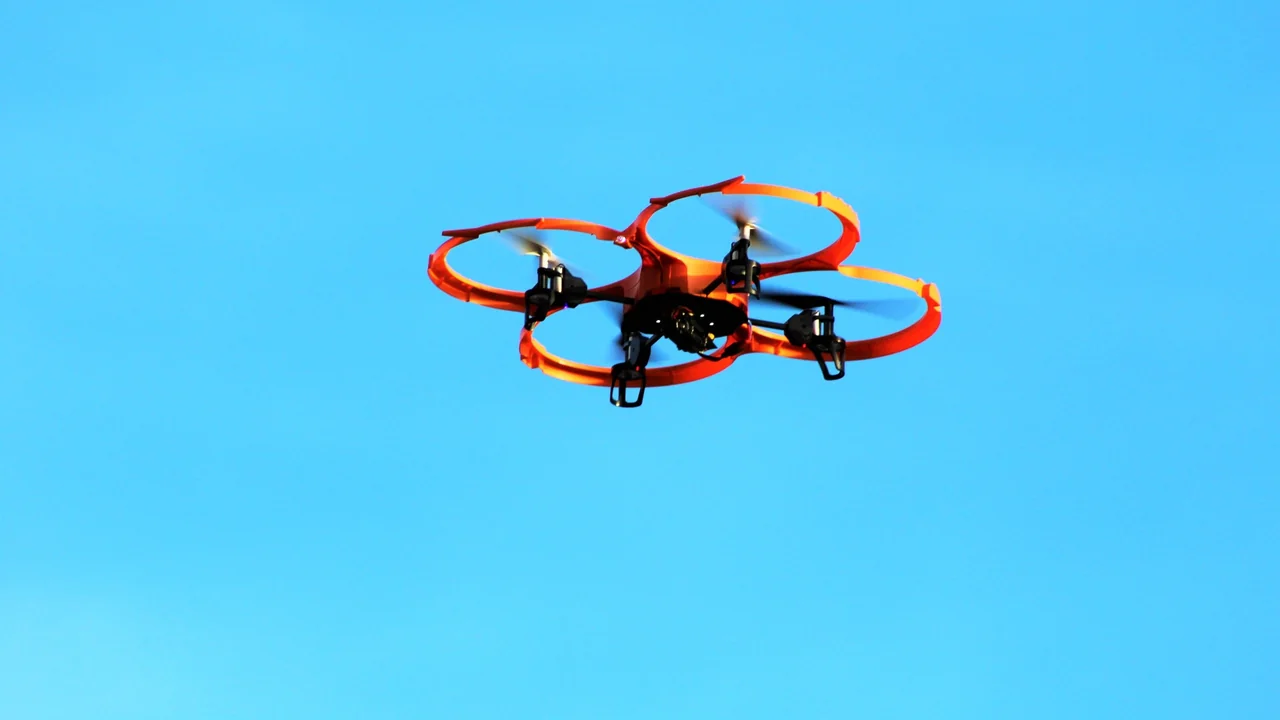
If you are flying a drone in Iowa in 2026, you need to navigate a mix of federal FAA rules, a state privacy law, and specific restrictions on public lands. Whether you are a hobbyist flying near the Loess Hills, a farmer using drones for precision agriculture, or a photographer hoping to capture Effigy Mounds, the rules vary dramatically depending on exactly where you fly. This guide covers the Iowa drone laws you must follow in 2026, including the state’s privacy statute, bans in national monuments, and the open flying areas you can use without a permit.
Federal FAA Baseline: Rules That Apply to Every Iowa Pilot
Before looking at Iowa-specific rules, you must comply with the Federal Aviation Administration (FAA) regulations. These apply to every drone flight in the United States, regardless of state law. The key requirements include registration for drones over 0.55 pounds (250 grams), a 400-foot altitude limit above ground level (AGL), and never flying near manned aircraft or over people without permission.
If you fly for commercial purposes — including agricultural drone operations — you need a Part 107 Remote Pilot Certificate from the FAA. Recreational flyers must pass The Recreational UAS Safety Test (TRUST) and carry proof of completion. Use our Weight Checker to confirm if your drone requires registration.
Iowa State Drone Law: Iowa Code 321.492B
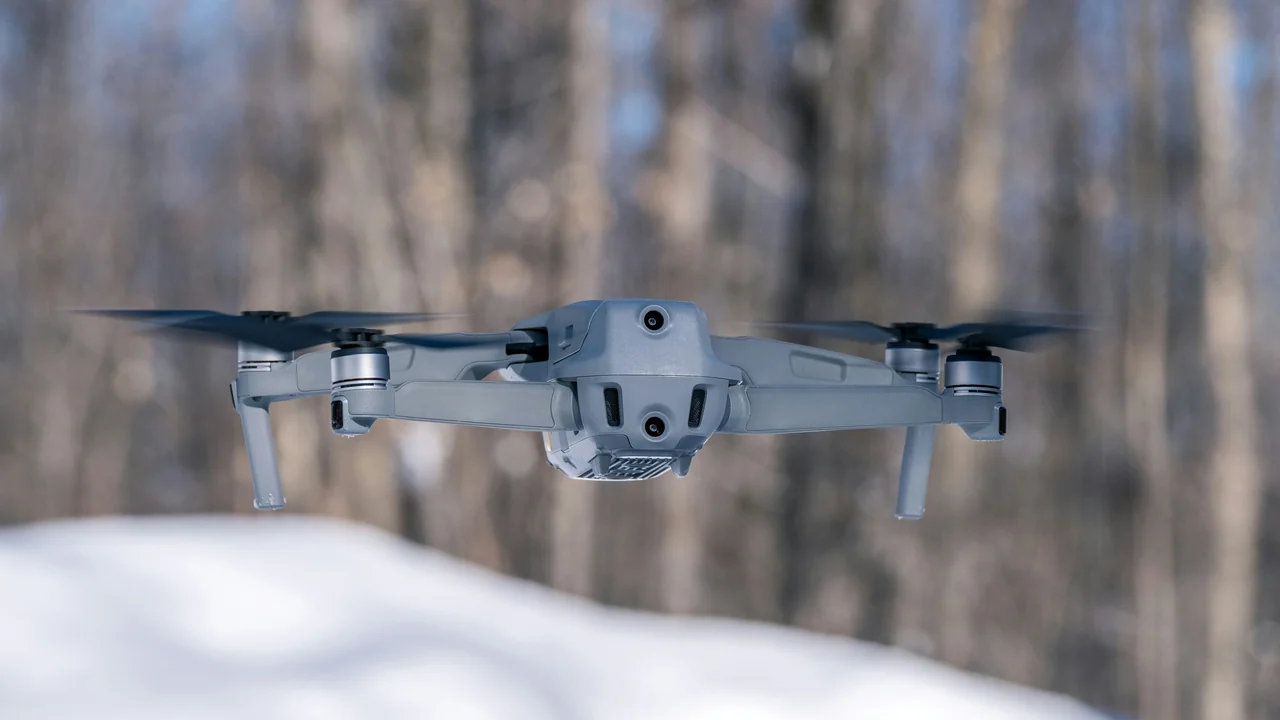
Iowa Code 321.492B is the primary state law regulating drones in Iowa. Enacted in 2016 and effective since July 1, 2016, this law creates a civil cause of action for privacy violations involving drones. It does not create criminal penalties but allows individuals to sue drone operators for trespass or invasion of privacy.
What Does Iowa Code 321.492B Actually Prohibit?
The law prohibits using a drone to intentionally photograph, record, or observe an individual in a place where they have a reasonable expectation of privacy. This includes private property, backyards, bathrooms, locker rooms, and inside homes. The law does not restrict flying over public spaces or open fields, which is critical for agricultural drone use.
Effigy Mounds Drone Rules: National Monument Ban
Effigy Mounds National Monument, located in Allamakee County along the Mississippi River, is a culturally and historically significant site containing ancient Native American burial mounds shaped like animals. The National Park Service (NPS) has banned drone operations at all NPS units nationwide since 2014, and Effigy Mounds is no exception.
Are Drones Allowed at Effigy Mounds in 2026?
No. Launching, landing, or operating a drone from within the boundaries of Effigy Mounds National Monument is prohibited under 36 CFR § 2.17(a)(3). This includes the main visitor center area, the hiking trails leading to the mounds, and the surrounding forest. Violators face fines up to $5,000 and potential confiscation of equipment.
Iowa State Parks Drone Rules: DNR Policy
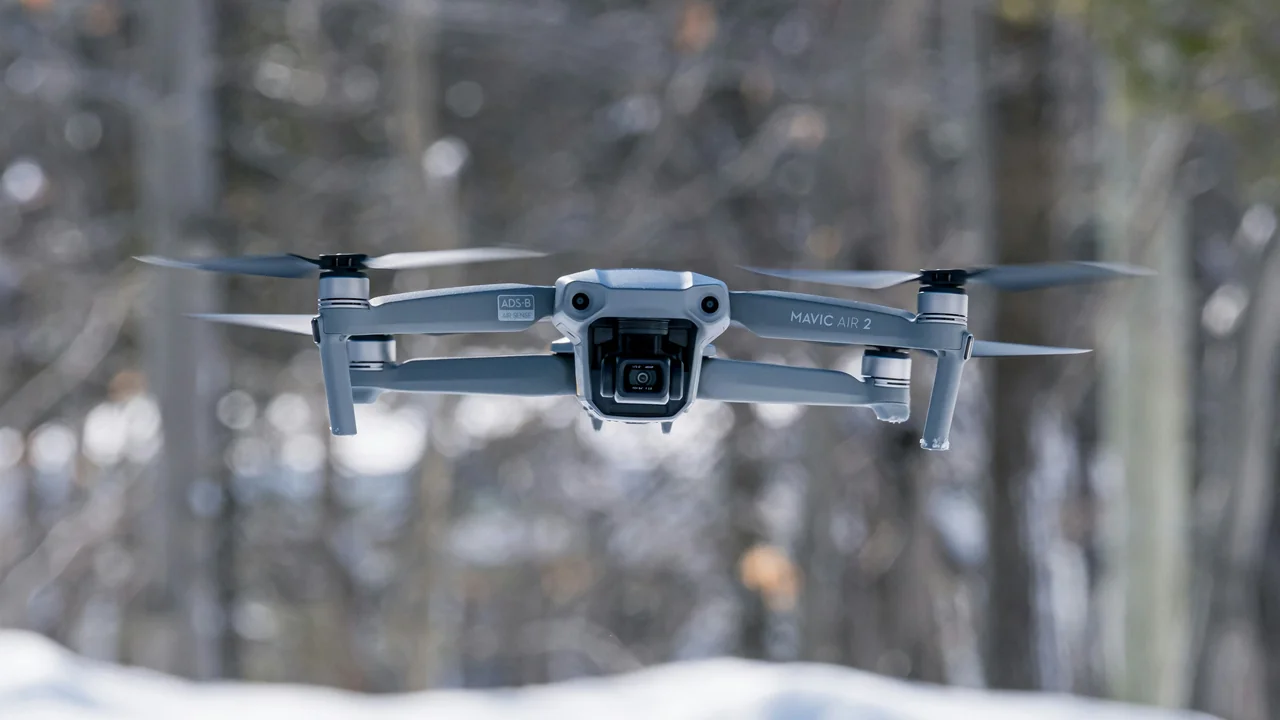
The Iowa Department of Natural Resources (DNR) manages the state park system. Unlike the NPS ban, Iowa state parks do not have a blanket prohibition on drones. However, specific rules apply, and they vary by park.
Can You Fly a Drone in Iowa State Parks?
Yes, but with restrictions. The DNR policy states that drone operation is allowed in most state parks as long as you follow FAA rules and do not disturb wildlife, interfere with other visitors, or fly over developed areas like campgrounds, beaches, and picnic shelters. Some parks may have additional local restrictions posted at the entrance.
Drone Laws Des Moines: DSM Airspace and City Ordinances
Des Moines, the state capital, is the most complex airspace for drone pilots in Iowa. The Des Moines International Airport (DSM) has a Class C airspace that extends in a 5-mile radius from the airport. This means you cannot fly a drone within this zone without LAANC (Low Altitude Authorization and Notification Capability) approval from the FAA.
What Are the Drone Rules in Des Moines?
You must obtain LAANC authorization before flying within 5 miles of DSM. The controlled airspace covers downtown Des Moines, including the Iowa State Capitol building, the East Village, and Gray’s Lake Park. Outside the controlled zone, the city of Des Moines does not have a specific drone ordinance, but you must still follow FAA rules and avoid flying over people or moving vehicles.
Use our No-Fly Zone Checker to see exactly where you can fly in Des Moines before heading out.
Cedar Rapids (CID) and Sioux City (SUX) Airspace
Two other major airports in Iowa have controlled airspace that affects drone operations.
| Airport | Class | Radius | LAANC Required? |
|---|---|---|---|
| Des Moines (DSM) | Class C | 5 miles | Yes |
| Cedar Rapids (CID) | Class C | 5 miles | Yes |
| Sioux City (SUX) | Class C | 5 miles | Yes |
Cedar Rapids (CID) has a Class C airspace covering downtown Cedar Rapids, the University of Iowa campus in Iowa City (which has its own heliport restrictions), and the surrounding suburbs. Sioux City (SUX) covers the downtown area and parts of South Sioux City, Nebraska. Both require LAANC authorization for flights within the 5-mile radius.
Iowa Great Lakes: Popular Recreation Area
The Iowa Great Lakes region, centered on Spirit Lake, West Okoboji Lake, and East Okoboji Lake, is a major summer recreation destination. This area is largely outside controlled airspace, making it popular for drone pilots. However, you must respect private property rights and avoid flying over crowded beaches, marinas, and boat launches.
Flying at the Iowa Great Lakes in 2026
You can fly over the lakes themselves as long as you stay below 400 feet AGL and maintain visual line of sight. The DNR manages several parks in the area, including Gull Point State Park and Emerson Bay State Recreation Area, where drone rules apply. Avoid flying near the Iowa Great Lakes Sanitary District’s water treatment facilities, which may have no-drone signage.
Maquoketa Caves State Park: Unique Drone Considerations
Maquoketa Caves State Park, near the town of Maquoketa in Jackson County, is one of Iowa’s most popular parks for hiking and cave exploration. The park has steep cliffs, narrow trails, and sensitive cave ecosystems.
Drone Rules at Maquoketa Caves
Drones are technically allowed at Maquoketa Caves under DNR policy, but the park’s terrain makes flying dangerous. The cliffs and trees create blind spots, and the caves themselves are off-limits for drone flights. The DNR has posted signs at the main trailhead reminding pilots to keep drones away from cave entrances to protect bat populations and prevent interference with hikers.
Pros of Flying at Maquoketa Caves
- Stunning aerial views of the canyon
- Low air traffic
- Open fields near the parking area
Cons of Flying at Maquoketa Caves
- Narrow trails with limited landing zones
- Risk of losing signal behind cliffs
- Potential fines for disturbing wildlife
Loess Hills: Scenic Area Largely Open on State Land
The Loess Hills, stretching along the western edge of Iowa from Sioux City to Council Bluffs, are a unique geological formation. Much of this area is state-owned land managed by the DNR as part of the Loess Hills State Forest and several state preserves.
Drone Flying in the Loess Hills
Drone flights are generally allowed on state forest land in the Loess Hills. The area has minimal air traffic and excellent visibility, making it ideal for scenic cinematography. However, the DNR prohibits drone flights over designated “State Preserves” within the Loess Hills, such as the Broken Kettle Grasslands Preserve. Check the DNR website for a map of these restricted zones before flying.
Agricultural Drone Operations in Iowa: Commercial Applications
Iowa is the leading corn and soybean producer in the United States, and agricultural drone use has exploded in recent years. Farmers use drones for crop scouting, precision spraying, irrigation monitoring, and livestock management. The FAA and Iowa state law both support these operations, but specific rules apply.
Do You Need a Part 107 License for Agricultural Drone Work?
Yes. Any commercial drone operation, including agricultural applications, requires a Part 107 Remote Pilot Certificate. This includes flying over your own farm to assess crop health if you intend to use the data for business decisions. Recreational exemptions do not cover commercial use.
Study for and pass the aeronautical knowledge test at an approved testing center.
All agricultural drones must be registered with the FAA, regardless of weight, when used commercially.
If you plan to spray chemicals from a drone, you need a Section 333 exemption and an NPDES permit from the Iowa DNR.
Iowa Code 321.492B does not restrict agricultural drone flights over fields, but you must avoid flying over farmhouses, barns, or other structures where people have a reasonable expectation of privacy. Most agricultural operators fly at altitudes of 50–150 feet, which is well within FAA limits.
Summary: Your Actionable Iowa Drone Law Checklist for 2026
To fly legally in Iowa in 2026, follow these steps: Register your drone with the FAA if it weighs over 0.55 pounds (250g) or if you fly commercially. Obtain LAANC authorization before flying within 5 miles of DSM, CID, or SUX. Avoid all National Park Service sites like Effigy Mounds. Respect Iowa Code 321.492B by never recording people in private areas. And for agricultural work, ensure you have a Part 107 certificate and any necessary state permits for chemical spraying.
The Loess Hills and most Iowa state parks remain excellent options for recreational flying. Use our No-Fly Zone Checker before every flight to confirm you are in legal airspace.
Frequently Asked Questions
Are drones legal in Iowa?
Yes, drones are legal in Iowa, but you must follow FAA regulations and Iowa Code 321.492B. The state law creates a civil cause of action for privacy violations, meaning you can be sued for recording people in private areas. There is no statewide ban on drone flights, but specific locations like Effigy Mounds National Monument have their own restrictions.
Can I fly a drone in Iowa State Parks?
Yes, drones are allowed in most Iowa State Parks managed by the DNR, but you must follow FAA rules and avoid disturbing wildlife or interfering with other visitors. Some parks like Maquoketa Caves have additional restrictions posted at trailheads. Always call the park office before flying to confirm local rules.
What are the drone rules in Des Moines?
In Des Moines, you must obtain LAANC authorization before flying within 5 miles of the Des Moines International Airport (DSM). This covers downtown and popular areas like Gray’s Lake Park. Outside the controlled zone, no city ordinance bans drones, but you must follow FAA rules and avoid flying over people or moving vehicles.
Are drones allowed at Effigy Mounds?
No, drones are strictly prohibited at Effigy Mounds National Monument under National Park Service regulations. This includes launching from inside the monument or flying over it from outside the boundary. Violators face fines up to $5,000 and possible equipment confiscation. There are no exceptions for hobbyists or commercial operators.
What is Iowa’s drone privacy law?
Iowa Code 321.492B is the state’s drone privacy law. It prohibits using a drone to intentionally photograph, record, or observe individuals in places where they have a reasonable expectation of privacy, such as inside homes, backyards, or locker rooms. The law allows individuals to sue drone operators for damages, but it does not create criminal penalties.
Can I fly a drone for agricultural purposes in Iowa?
Yes, agricultural drone operations are legal and common in Iowa. You need a Part 107 Remote Pilot Certificate for any commercial use, including crop scouting and precision spraying. If you plan to apply chemicals from a drone, you also need a Section 333 exemption from the FAA and an NPDES permit from the Iowa DNR. Iowa Code 321.492B does not restrict flights over fields, but avoid flying near farmhouses or livestock buildings.
Law Enforcement and Emergency Response Drones: Special Rules
Iowa law enforcement agencies, fire departments, and search-and-rescue teams increasingly use drones for public safety operations. If you are a private pilot, you must yield right-of-way to any public safety drone operating with emergency lights or radio communication. The FAA requires all drones to give way to manned aircraft, and this extends to law enforcement drones actively responding to incidents.
Iowa Code 321.492B specifically prohibits flying over correctional facilities, including state prisons and county jails. The Iowa Department of Corrections enforces a zero-tolerance policy: any drone flight within 500 feet of a facility perimeter is illegal, regardless of FAA registration. Violations can result in criminal trespassing charges under Iowa Code 716.7 and potential federal interference charges under 18 U.S.C. § 32 if the drone disrupts operations.
For private pilots, the key takeaway is simple: stay clear of correctional facilities, avoid emergency scenes, and always yield to law enforcement aircraft. If a police drone is operating in your area, land your drone immediately and wait for the operation to conclude.
Drone Insurance Requirements in Iowa: What You Need
Iowa does not mandate drone insurance for recreational or commercial operations at the state level. However, the FAA strongly recommends liability insurance for all drone flights, and many commercial clients in Iowa will require proof of coverage before you fly over their property. The Iowa Department of Transportation does not enforce insurance requirements, but your personal auto or homeowner’s policy typically excludes drone-related claims.
For commercial Part 107 pilots operating in Iowa, consider a policy that covers at least $1 million in liability. Agricultural operators flying over crops or livestock should verify that their policy includes chemical application coverage if they use spraying drones. The Iowa Great Lakes region sees frequent drone use for real estate photography; local agents often require pilots to carry $2 million in liability coverage before flying over waterfront properties.
Recreational pilots flying under the FAA’s Exception for Recreational Flyers do not need insurance, but if you crash into a vehicle or cause injury, you could face personal liability. The Academy of Model Aeronautics (AMA) membership includes $2.5 million in liability coverage for members flying at AMA-sanctioned fields in Iowa, but this does not cover flights at local parks or private property.
Drone Laws Cedar Rapids (CID) and Sioux City (SUX): Detailed Airspace
Cedar Rapids Eastern Iowa Airport (CID) sits within Class C airspace, with a surface area extending five nautical miles and an outer ring from 1,200 to 4,000 feet AGL. The inner ring requires FAA authorization for any drone flight within five nautical miles of the airport. The outer ring requires authorization only above 1,200 feet AGL, but most recreational flights stay below 400 feet, so the outer ring rarely creates issues for sub-250g drones. The CID airspace map shows a small exclusion zone over the airport property itself; you cannot fly within the airport boundary without prior permission from the CID Air Traffic Control Tower.
Sioux City Gateway Airport (SUX) also operates Class C airspace, but with a smaller surface area of four nautical miles. The outer ring extends from 1,200 to 4,000 feet AGL for eight nautical miles. The key difference from CID is that SUX airspace overlaps with the Loess Hills National Scenic Byway in some areas. If you fly near the Loess Hills, check for SUX airspace restrictions before launching. The FAA’s B4UFLY app shows a yellow advisory zone for much of the Loess Hills region due to SUX’s airspace.
| Airport | Class | Surface Radius | Authorization Required |
|---|---|---|---|
| Cedar Rapids (CID) | C | 5 NM | Yes, within 5 NM |
| Sioux City (SUX) | C | 4 NM | Yes, within 4 NM |
| Des Moines (DSM) | C | 5 NM | Yes, within 5 NM |
| Dubuque (DBQ) | D | 3 NM | Yes, within 3 NM |
For both CID and SUX, the FAA’s LAANC system provides automated authorization for Part 107 pilots. Recreational pilots must use the Aloft app or the FAA’s DroneZone portal to request airspace authorization. Processing times vary from instant (LAANC) to 90 days (manual DroneZone requests), so plan ahead if you intend to fly near either airport.
Drone Laws Davenport and Quad Cities: Interstate Considerations
The Quad Cities region, spanning Davenport and Bettendorf in Iowa alongside Moline and Rock Island in Illinois, presents unique challenges for drone pilots. The Mississippi River serves as the state boundary, and flying across it means you are operating in two states simultaneously. The FAA regulates airspace uniformly, but state laws differ: Illinois requires drone registration with the Illinois Department of Transportation for commercial flights, while Iowa does not. If you fly from Davenport to Moline, you must comply with Illinois law once your drone crosses the river.
The Quad City International Airport (MLI) in Moline, Illinois, has Class C airspace that extends into Iowa territory. The surface area covers a five-nautical-mile radius from the airport, which includes parts of Davenport and Bettendorf. LAANC authorization is required for any flight within this zone, regardless of which state you launch from. The Mississippi River itself is federal land managed by the U.S. Army Corps of Engineers; you can fly over the river without special permission, but you cannot land on Corps property without a permit.
Local ordinances in Davenport and Bettendorf do not specifically address drones, but both cities have noise ordinances that could apply if your drone creates excessive noise near residential areas. For real estate photography along the riverfront, maintain a minimum altitude of 100 feet AGL to avoid noise complaints. The Davenport Police Department has issued warnings for low-altitude flights over the Centennial Bridge; avoid flying directly over any bridge structure.
Drone Laws Iowa City and University of Iowa: Campus Restrictions
Iowa City, home to the University of Iowa, has specific drone restrictions on university property. The University of Iowa prohibits drone operations on all campus grounds, including the Pentacrest, Kinnick Stadium, and the Iowa River corridor. This ban applies to both recreational and commercial flights unless you obtain explicit written permission from the university’s Office of Risk Management. The ban covers all university-owned land, including parking lots, athletic fields, and research facilities.
The Iowa City Municipal Airport (IOW) has Class D airspace, which requires two-way radio communication with the tower before entering. For drone pilots, this means you cannot fly within the three-nautical-mile surface area without FAA authorization. The airport is located just south of downtown Iowa City, so flights over the downtown area require careful planning. The FAA’s airspace map shows a blue ring around IOW; use LAANC to request authorization for flights within this zone.
For pilots flying near the Iowa River corridor, note that the river runs through both campus and public parks. The City of Iowa City does not ban drones in public parks, but the university’s ban extends to the riverbanks on campus property. The best launch point for Iowa River footage is the Terry Trueblood Recreation Area, which is city property and open to drone flights under standard FAA rules. Avoid flying over the Old Capitol Building or the Iowa Memorial Union, as these are university property.
Drone Laws Ames and Iowa State University: Agricultural Research Zones
Ames, home to Iowa State University (ISU), has similar campus restrictions to Iowa City. ISU prohibits drone operations on all university property without prior authorization from the Environmental Health and Safety office. The ban includes the central campus, the Iowa State Center, and all research farms. This is particularly important for agricultural drone pilots, as ISU operates multiple research farms around Ames where drones are strictly prohibited without a research agreement.
The Ames Municipal Airport (AMW) has Class D airspace with a three-nautical-mile surface area. The airport is located just east of downtown Ames, so flights over the city center require LAANC authorization. The airspace also covers the ISU campus, creating a double restriction: you need both FAA authorization for the airspace and university permission for the land. Most drone pilots flying near Ames should launch from public parks outside the airspace zone, such as Ada Hayden Heritage Park or Moore Memorial Park.
For agricultural drone operations near Ames, the ISU research farms are off-limits, but surrounding private farmland is open with landowner permission. The Boone County area west of Ames offers open farmland with minimal airspace restrictions. The closest major airport is the Boone Municipal Airport, which has uncontrolled airspace, making it ideal for agricultural flights. Always verify landowner permission before flying over any farmland; Iowa Code 321.492B does not override private property rights.
Winter Drone Flying in Iowa: Cold Weather Considerations
Iowa winters bring sub-zero temperatures, snow, and ice that can affect drone performance. The FAA does not have specific winter flying rules, but cold weather impacts battery life, propellers, and sensors. Lithium-polymer batteries lose up to 50% of their capacity in temperatures below 20°F (-6°C). Always pre-warm batteries to room temperature before flight and keep spare batteries in an insulated pocket or warmer.
Snow-covered ground creates visual challenges for drone pilots. The white surface can confuse optical sensors and downward-facing cameras, causing drones to drift or lose altitude. The FAA recommends maintaining visual line of sight at all times, but white drones against snow-covered backgrounds are difficult to see. Use high-visibility drone skins or strobe lights to maintain visual contact. The Iowa Great Lakes region sees heavy lake-effect snow; avoid flying during active snowfall as moisture can freeze on propellers and cause imbalance.
For commercial pilots, winter agricultural flights are rare in Iowa, but real estate photography of snow-covered properties can be profitable. The reflective snow can cause overexposure in photos; use manual camera settings with a lower ISO and faster shutter speed. Always land your drone immediately if you see ice forming on the propellers or if the battery temperature drops below 15°C (59°F). The DJI Mini 4 Pro has a maximum operating temperature of 0°C (32°F), but flight time drops significantly below 14°F (-10°C).
Follow this checklist before every flight in Iowa to stay compliant with federal, state, and local rules:
- Register your drone with the FAA if it weighs over 250 grams ($5 fee, valid 3 years)
- Mark your drone with your FAA registration number on the exterior
- Pass the TRUST test (recreational) or hold a current Part 107 certificate (commercial)
- Check Iowa Code 321.492B — do not fly over correctional facilities or critical infrastructure
- Verify state park rules — most Iowa state parks prohibit drone launches and landings
- Check national monument rules — Effigy Mounds and Herbert Hoover NHS prohibit drones
- Use LAANC or DroneZone for airspace authorization near any airport (CID, DSM, SUX, IOW, AMW)
- Obtain landowner permission before flying over private property
- Carry liability insurance if flying commercially or over populated areas
- Respect no-drone zones: correctional facilities, emergency scenes, university campuses
- Follow winter flying precautions: pre-warm batteries, use strobe lights, avoid snow
- Keep your drone within visual line of sight and below 400 feet AGL at all times
For the most current information, check the FAA’s B4UFLY app before every flight and consult the Iowa Department of Transportation’s drone page for any state-level updates. If you are flying near the Iowa Great Lakes or Loess Hills, contact the local DNR office for specific area restrictions.
Do I need to register my drone in Iowa?
Iowa does not have a state-level drone registration system. You only need FAA registration if your drone weighs more than 250 grams (0.55 pounds). The fee is $5 and covers all drones you own for three years. Mark your FAA registration number on the drone exterior before flying.
Can I fly a drone in Iowa state parks?
Iowa state parks prohibit drone launches, landings, and takeoffs from park property. You can fly a drone over a state park if you launch from outside the park boundary and maintain visual line of sight. However, many parks have sensitive wildlife areas where the DNR may enforce additional restrictions. Always check with the specific park office before flying.
Is it legal to fly a drone over private property in Iowa?
Yes, the FAA controls airspace, so you can legally fly over private property as long as you stay below 400 feet AGL and follow all other FAA rules. However, Iowa Code 321.492B prohibits low-altitude flights that harass people or livestock. Always obtain landowner permission before landing or flying below 100 feet over occupied structures.
What are the penalties for violating Iowa drone laws?
Violating Iowa Code 321.492B can result in a simple misdemeanor charge, punishable by a fine of up to $625 and up to 30 days in jail. Federal violations, such as flying without FAA registration or in restricted airspace, can carry civil penalties of up to $27,500 per violation. Flying over correctional facilities or emergency scenes may result in additional criminal charges.
Can I fly a drone at night in Iowa?
Yes, but with restrictions. Recreational pilots flying under the Exception for Recreational Flyers must use anti-collision strobe lights visible for at least three statute miles. Commercial Part 107 pilots must complete the FAA’s night flying training course and use anti-collision lighting. Both recreational and commercial pilots must maintain visual line of sight at all times, which is more challenging at night.
Do I need a permit to fly a drone commercially in Iowa?
You need an FAA Part 107 Remote Pilot Certificate to fly commercially in Iowa. Iowa does not require a separate state business license for drone operations, but you may need a general business license from the city where you operate. For agricultural spraying, you also need a Section 333 exemption from the FAA and an NPDES permit from the Iowa DNR.
Last updated: June 25, 2026
- Federal Aviation Administration (faa.gov)
- Iowa Code 321.492B — Unmanned Aerial Vehicle Use
- National Park Service — 36 CFR § 2.17
- Iowa Department of Natural Resources — State Park Drone Policy
Drone Allowed
DroneAllowed editor covering drone regulations, aviation law, and aerial photography across USA, UK, Canada & Australia.