
West Virginia Drone Laws 2026: New River Gorge, Blackwater Falls & Rules
 18 min read
3,579 words
18 min read
3,579 words
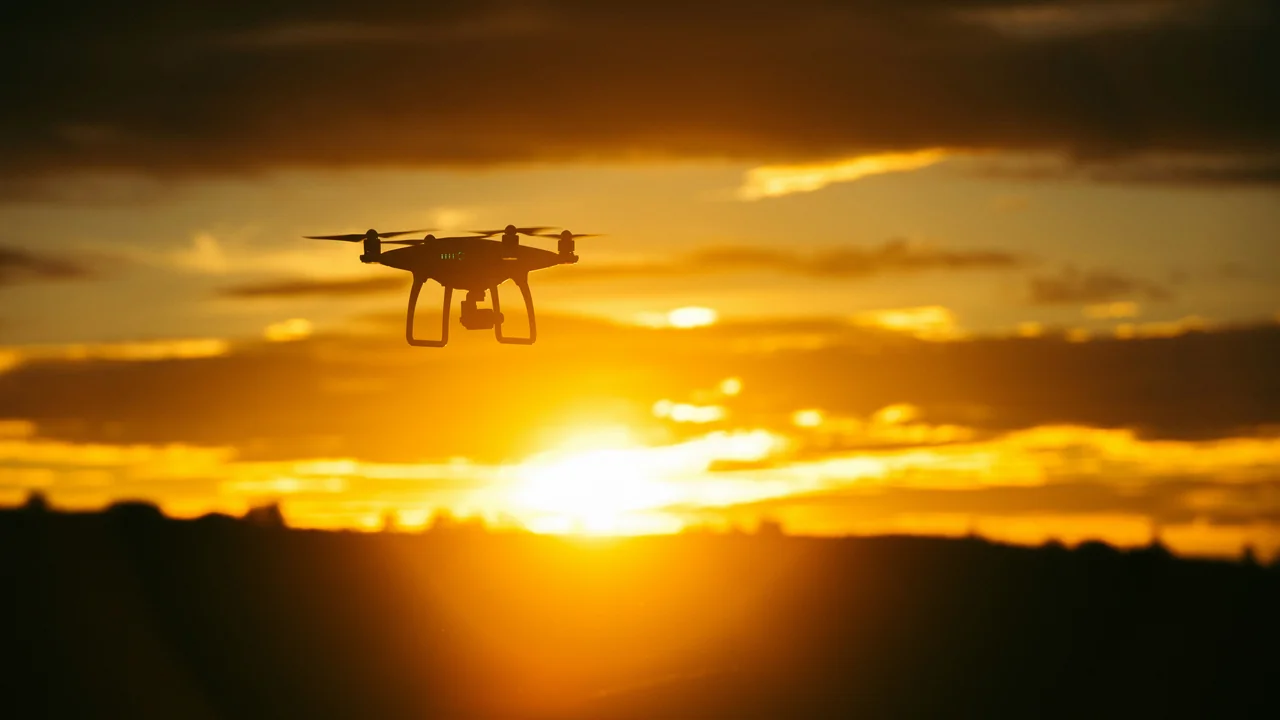
Flying a drone in West Virginia in 2026 means navigating a patchwork of federal, state, and local rules, with special attention required for the state’s crown jewel: New River Gorge National Park and Preserve. Whether you’re a local pilot in Charleston or a tourist planning to capture the iconic New River Gorge Bridge, you need to understand that the FAA sets the baseline, but land managers like the National Park Service (NPS) and West Virginia State Parks impose their own restrictions. This guide breaks down exactly where you can fly, where you cannot, and how to avoid a costly fine, covering everything from Blackwater Falls drone rules to flying near Morgantown’s airport.
What Are the FAA Baseline Drone Rules for West Virginia in 2026?
Before you consider any specific location in West Virginia, you must comply with the Federal Aviation Administration’s (FAA) national regulations. These rules apply to every flight, whether you are flying recreationally or commercially under Part 107. The FAA’s authority is paramount; state and local laws cannot override these airspace rules, but they can restrict where you take off and land from the ground.
The core FAA requirements include: registering your drone with the FAA DroneZone if it weighs over 0.55 lbs (250g), passing The Recreational UAS Safety Test (TRUST) for hobby flyers, keeping your drone within visual line of sight (VLOS), and never flying near manned aircraft. For commercial operations, you need a Part 107 Remote Pilot Certificate. All flights must stay below 400 feet AGL and cannot be conducted over people or moving vehicles without a waiver. These are non-negotiable starting points for every West Virginia drone flight.
Are Drones Allowed at New River Gorge National Park and Preserve?
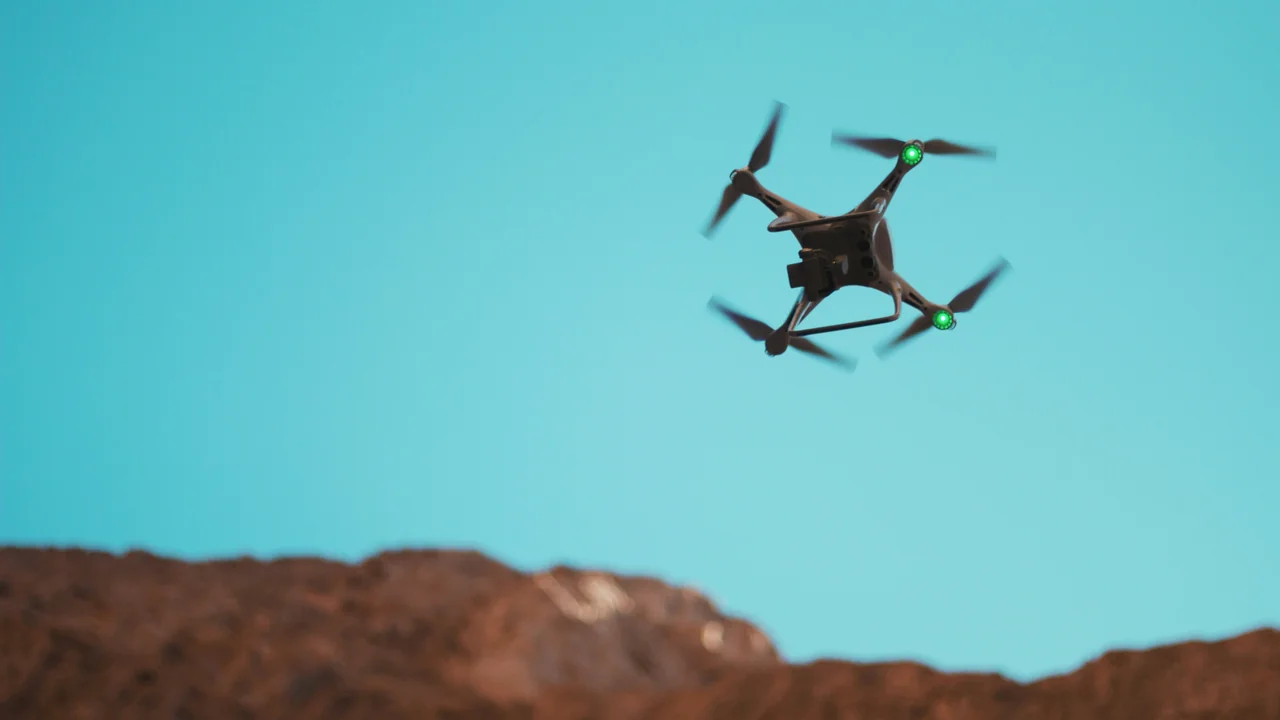
This is the most critical question for any drone pilot visiting West Virginia. New River Gorge National Park and Preserve was designated in 2020, and many visitors mistakenly believe its newer status means fewer restrictions. That is incorrect. The NPS policy, codified in 36 CFR § 2.17, prohibits the launching, landing, or operation of unmanned aircraft on all lands and waters administered by the National Park Service within the park boundary.
Understanding the National Park vs. Preserve Boundary
The distinction between the “National Park” and the “National Preserve” sections is underreported and crucial. The NPS manages both units, but the Preserve allows activities like hunting and fishing that are banned in the Park. However, the drone prohibition applies to both. The ban covers the entire 72,808 acres of the National Park and the adjacent Preserve lands. You cannot fly from any NPS-administered land, including parking lots, overlooks, or trailheads.
Your only legal option to capture aerial footage of the gorge is to fly from adjacent lands that are not NPS-administered. The Monongahela National Forest, which borders the park to the north and east, is your best bet, as the US Forest Service generally allows drone flights unless otherwise posted.
Drone Laws in Charleston, WV: Flying Near CRW Airport
Charleston, the state capital, presents a classic urban drone environment. The primary concern is Yeager Airport (CRW), which sits on a hilltop just east of downtown. CRW has a Class C airspace that extends from the surface to 4,000 feet MSL, with a 5-mile radius inner ring. This means any drone flight within this zone requires prior authorization through the FAA’s LAANC system.
In downtown Charleston, near the State Capitol Complex, you are likely within the controlled airspace ring. You must obtain a LAANC approval before flying. The process is straightforward via apps like Aloft or Kittyhawk, but you cannot assume you can fly just because you are not near the runway. The entire inner ring is restricted. Outside the Class C shelf, such as in the rural areas of Kanawha County, you are in Class G airspace and do not need authorization, but you must still follow all other FAA rules.
Can You Fly a Drone at Blackwater Falls State Park?
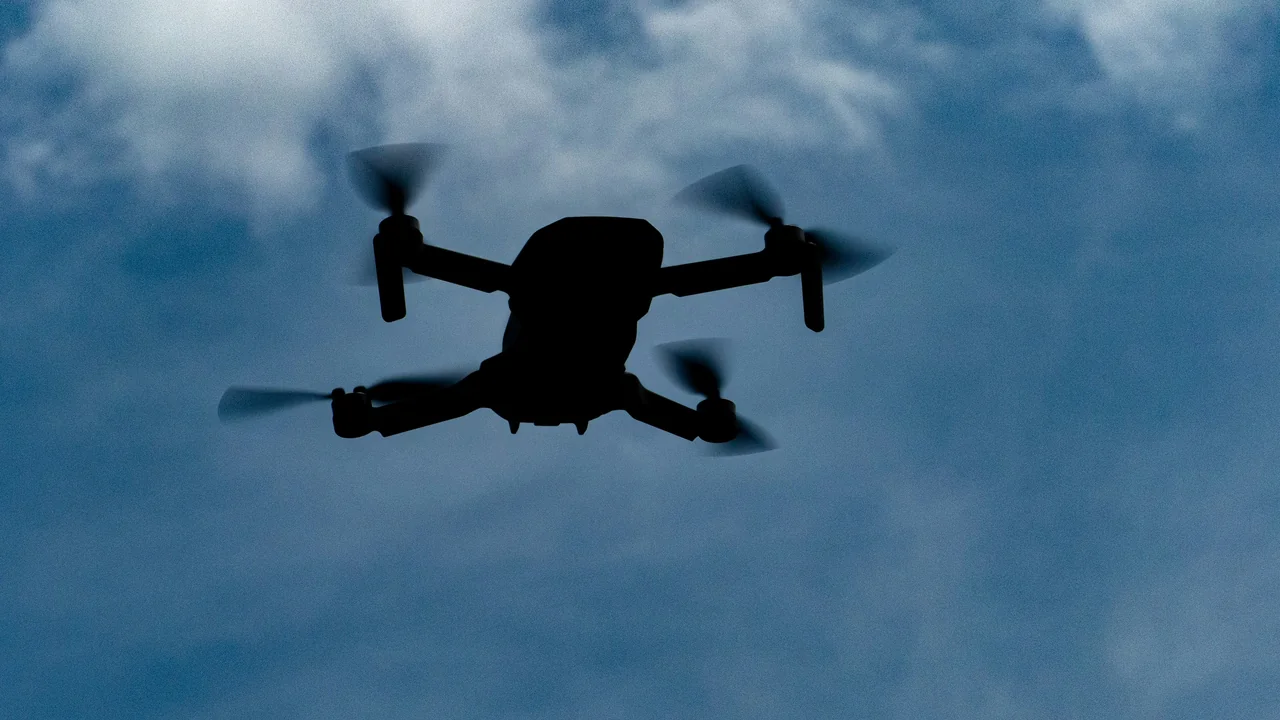
Blackwater Falls State Park is one of West Virginia’s most photographed locations, and drone pilots frequently ask about its rules. The answer is nuanced. West Virginia State Parks are managed by the West Virginia Division of Natural Resources (WVDNR) under the Department of Commerce. The official policy requires a special use permit for any drone operation within a state park.
Pros of Flying at Blackwater Falls
- Stunning aerial views of the 62-foot waterfall
- Permits are available for commercial and recreational use
- Park staff are generally helpful if you follow the process
Cons of Flying at Blackwater Falls
- Permit application requires advance notice (often 2–4 weeks)
- Flying over visitors or congested areas is banned
- Noise complaints can lead to permit revocation
To fly legally at Blackwater Falls, you must contact the park’s administrative office and submit a drone use request. The permit typically includes restrictions on flight times (avoiding peak visitor hours), altitude limits, and a requirement to stay away from wildlife and other visitors. Without a permit, flying is prohibited, and you risk a citation for trespassing or violating state park regulations. The same permit requirement applies to other popular state parks like Babcock, Watoga, and Coopers Rock.
What Are the Drone Rules for Monongahela National Forest?
Monongahela National Forest is the largest expanse of public land in West Virginia and a primary alternative for drone pilots who cannot fly in the national park. The US Forest Service (USFS) generally permits drone flights on National Forest System lands, provided you follow FAA rules and do not disturb wildlife or other visitors. This includes areas like Spruce Knob, the highest point in West Virginia at 4,863 feet.
Flying at Spruce Knob: What You Need to Know
Spruce Knob is within the Monongahela National Forest and is generally open to drone flights. However, there are specific considerations. The observation tower area can be crowded, and flying over the tower or the adjacent parking lot is discouraged. You must keep your drone below 400 feet AGL, which is easy given the elevation. The real issue is weather; high winds and sudden fog are common at this elevation. Always check conditions before launching.
There are no designated drone launch sites within the forest. You can launch from any non-wilderness area. Crucially, you cannot fly in designated Wilderness Areas within the forest, such as the Dolly Sods Wilderness or the Otter Creek Wilderness. These areas are managed under the Wilderness Act, which prohibits motorized equipment, including drones. Violating this can result in a federal citation and a fine of up to $5,000.
Drone Laws Near Morgantown and WVU
Morgantown, home to West Virginia University (WVU), has its own unique airspace challenges. The Morgantown Municipal Airport (MGW) has Class D airspace that extends from the surface to 3,000 feet MSL. This airspace covers most of the city and the WVU campus. Any drone flight within this zone requires LAANC authorization.
Flying near WVU’s football stadium (Milan Puskar Stadium) or the downtown campus is particularly tricky. Large sporting events trigger Temporary Flight Restrictions (TFRs) that ban all drone flights within a 3-nautical-mile radius from one hour before to one hour after the event. You should always check for active TFRs on the FAA’s B4UFLY app before flying in Morgantown. The university itself has a policy prohibiting drone operations on university property without prior written authorization from the Office of Environmental Health and Safety.
Drone Rules at Harpers Ferry National Historical Park
Harpers Ferry National Historical Park, located at the confluence of the Potomac and Shenandoah rivers, is another NPS-managed site in West Virginia. As with New River Gorge, the drone ban is absolute within the park boundary. The park is compact and heavily visited, making enforcement strict. You cannot launch from any NPS parking lot, trail, or historical building.
Your only option for capturing aerial views of Harpers Ferry is to fly from adjacent lands outside the park boundary. The C&O Canal National Historical Park, which runs along the Maryland side of the Potomac, is also NPS-managed and banned. The Appalachian Trail passes through the area, but the NPS manages that corridor as well. Your best bet is private property or the town of Harpers Ferry itself, which is not NPS land, but you must obey all town ordinances and FAA rules regarding flying over people.
West Virginia State Parks: The Permit Process Explained
As mentioned with Blackwater Falls, all West Virginia State Parks require a permit for drone use. The policy applies to both recreational and commercial pilots. The permit process is managed by the West Virginia Division of Natural Resources (WVDNR). You must submit a written request detailing the date, time, location, and purpose of your flight.
- Contact the specific park office at least 30 days in advance.
- Provide proof of FAA registration and Part 107 certificate (if commercial).
- Agree to liability insurance requirements (often $1 million for commercial ops).
- Accept restrictions on flight times (typically before 10 AM or after 4 PM).
- Do not fly over park facilities, campgrounds, or visitor centers.
If you fly without a permit, you are subject to a citation for trespassing under West Virginia Code § 61-3B-1. Fines can range from $100 to $500, and you may be banned from the park. It is not worth the risk when the permit process, while bureaucratic, is achievable.
Summary: Your Actionable West Virginia Drone Flight Plan
Navigating West Virginia drone regulations in 2026 requires a clear strategy. First, always comply with federal FAA rules: register your drone, pass TRUST or hold a Part 107, and stay below 400 feet. Second, identify the land manager of your target location. If it is NPS land (New River Gorge, Harpers Ferry), you cannot fly—period. If it is a West Virginia State Park, you need a permit. If it is Monongahela National Forest, you are generally clear, but avoid Wilderness Areas. For urban areas like Charleston or Morgantown, use the No-Fly Zone Checker to verify LAANC requirements before you launch. The best legal alternative for stunning aerial footage of the New River Gorge is to fly from the Monongahela National Forest or from private property with the owner’s permission. Plan ahead, respect the rules, and you can capture West Virginia’s beauty without legal trouble.
Frequently Asked Questions
Are drones allowed in New River Gorge National Park?
No, drones are prohibited in New River Gorge National Park and Preserve. The National Park Service bans the launching, landing, and operation of unmanned aircraft on all NPS-administered lands within the park boundary. This includes both the National Park and the adjacent Preserve sections. Violating this rule can result in a federal citation with fines up to $5,000.
Can I fly a drone at Blackwater Falls?
Yes, but only with a special use permit from the West Virginia Division of Natural Resources. You must contact the park office in advance, submit a written request, and agree to restrictions on flight times and locations. Flying without a permit is considered trespassing and can result in a citation. The permit process typically takes 2–4 weeks to process.
What are the drone rules in Charleston WV?
In Charleston, the primary rule is that you must obtain LAANC authorization before flying within the Class C airspace of Yeager Airport (CRW). The controlled airspace covers most of downtown and the State Capitol area. Outside the CRW airspace ring, you are in Class G airspace and do not need authorization, but you must still follow all FAA rules including the 400-foot altitude limit.
Is New River Gorge new enough that drone rules are different?
No, the drone rules are not different despite the park’s newer designation in 2020. New River Gorge is a full National Park and Preserve managed by the NPS, and the agency’s longstanding ban on drones applies immediately. The newer status does not create any exemptions or pilot programs. The only distinction is that the Preserve sections allow hunting, but they do not allow drones.
Are drones legal in West Virginia State Parks?
Drones are not automatically legal in West Virginia State Parks. You must obtain a special use permit from the West Virginia Division of Natural Resources. The permit requires advance notice, proof of FAA registration, and agreement to operational restrictions. Without a permit, flying is prohibited and you can be cited for trespassing under state law.
Can I fly a drone in Monongahela National Forest?
Generally, yes, drones are allowed in Monongahela National Forest as long as you follow FAA rules and USFS regulations. However, you cannot fly in designated Wilderness Areas like Dolly Sods or Otter Creek, as motorized equipment is banned there. You must also avoid disturbing wildlife and other visitors. Spruce Knob, the highest point in West Virginia, is open for drone flights from non-wilderness areas.
Do I need a license to fly a drone in West Virginia?
You do not need a pilot’s license, but you must pass the FAA TRUST test for recreational flying or obtain a Part 107 certificate for commercial operations. Registration with the FAA is required for drones over 0.55 pounds.
Can I fly a drone at Seneca Rocks?
Seneca Rocks is located within the Monongahela National Forest. Drones are allowed in non-wilderness areas, but you must avoid the climbing routes and nesting peregrine falcons. No permit is needed for recreational flights, but commercial pilots need a Forest Service permit.
Are drones allowed at Snowshoe Mountain Resort?
Snowshoe Mountain is private property. Drones are prohibited on all resort property, including ski slopes, trails, and parking areas. You may fly from adjacent national forest land, but you cannot launch from resort grounds.
What is the maximum altitude for drones in West Virginia?
The FAA limits all drone flights to 400 feet above ground level (AGL). In West Virginia state parks, the WVDNR further restricts altitudes to 100 feet AGL to reduce noise and disturbance.
Can I fly a drone over the Greenbrier River?
Yes, the Greenbrier River is public waterway. You can fly over it as long as you stay under 400 feet AGL, avoid bridges and dams, and do not disturb boaters or anglers. Check for nearby state park boundaries before launching.
What Are the Penalties for Violating Drone Laws in West Virginia?
Breaking drone rules in West Virginia can cost you more than just a warning. The Federal Aviation Administration (FAA) treats drone violations as serious safety issues. If you fly without registration, the FAA can fine you up to $27,500 for civil penalties. Operating in restricted airspace, like near airports or over stadiums, can lead to fines up to $250,000 and even criminal charges.
State-level penalties add another layer. Flying a drone in a West Virginia state park without a permit can result in a misdemeanor charge, fines up to $500, and confiscation of your equipment. At New River Gorge National Park, violating the ban on aircraft—including drones—can bring federal fines up to $5,000 per incident. The National Park Service also pursues trespassing charges if you launch from park land.
Can You Fly a Drone in West Virginia Wildlife Management Areas?
West Virginia has over 1.2 million acres of Wildlife Management Areas (WMAs) managed by the WVDNR. Drone flights are generally prohibited in WMAs during hunting seasons to avoid disturbing hunters and wildlife. Outside of hunting seasons, drone use is restricted to non-motorized access areas only. You cannot launch from a vehicle or road within a WMA.
The WVDNR specifically bans drones from WMAs designated as “refuges” or “sanctuaries,” where wildlife protection is the priority. For WMAs open to limited drone use, you must follow all FAA Part 107 rules and keep your drone within visual line of sight. Always contact the WVDNR district office for the specific WMA you plan to visit, as rules vary by location and season.
How to Get a Drone Permit for West Virginia State Parks
The West Virginia Division of Natural Resources (WVDNR) requires a special use permit for all drone flights in state parks. Here is the step-by-step process to secure one:
Call or email the specific state park you want to fly at. Explain your purpose—recreational, commercial, or educational—and ask about current availability.
Write a formal letter or email detailing your flight plan, drone model, flight times, and safety measures. Include your FAA Part 107 certificate if commercial.
The WVDNR reviews each request on a case-by-case basis. Approval can take 7 to 14 business days. Plan ahead.
Permits typically cost $50 to $100 for a single day. Commercial operators may pay higher fees for multi-day projects. No refunds are issued for denied requests.
Once approved, you must carry the permit during flight, avoid all park visitors, stay below 100 feet AGL, and never fly over buildings or infrastructure.
Permits are rarely granted for peak summer weekends or major holidays. Weekday flights in off-season months (November through March) have the highest approval rates.
Drone Laws in West Virginia for Recreational vs. Commercial Pilots
West Virginia enforces the same FAA baseline for both recreational and commercial pilots, but the state permit process differs. Recreational flyers must pass The Recreational UAS Safety Test (TRUST) and carry proof of completion. Commercial pilots need a valid FAA Part 107 Remote Pilot Certificate. Both groups must register their drones with the FAA if the drone weighs over 0.55 pounds.
For state park permits, commercial pilots face stricter scrutiny. The WVDNR often requires proof of insurance and a detailed safety plan. Recreational pilots may get faster approvals for simple flights, but they cannot sell footage or conduct paid work. Flying near Morgantown or Charleston as a commercial pilot also requires airspace authorization from the FAA if you are within 5 miles of an airport.
| Requirement | Recreational Pilot | Commercial Pilot |
|---|---|---|
| FAA Registration | Required (over 0.55 lbs) | Required |
| Knowledge Test | TRUST (free online) | Part 107 (in-person) |
| State Park Permit | Case-by-case approval | Case-by-case + insurance |
| Airspace Authorization | LAANC or DroneZone | LAANC or DroneZone |
| Night Flying | Allowed with anti-collision lights | Allowed with Part 107 waiver |
Can You Fly a Drone Over Private Property in West Virginia?
West Virginia is a state with strong property rights traditions. The FAA controls airspace, but landowners have rights to the immediate airspace above their land. Flying a drone over someone’s private property at low altitude—under 100 feet—can be considered trespassing if you are capturing images or hovering. The West Virginia Supreme Court has not ruled specifically on drone trespassing, but lower courts have sided with landowners in nuisance cases.
You can legally fly over private property at FAA-legal altitudes (under 400 feet AGL) as long as you do not harass people, invade privacy, or cause damage. If a landowner asks you to leave, you must comply immediately. Flying low over livestock or farm operations can also lead to animal disturbance complaints and potential civil liability.
Final Thoughts on Flying Drones in West Virginia
West Virginia offers some of the most scenic drone flying in the Appalachian region, but the rules are strict and location-specific. You must always follow FAA Part 107 or recreational rules, register your drone, and respect airspace restrictions. The biggest challenge is navigating state park and national forest rules, which require permits or outright bans. Before you fly, check the specific rules for your destination—whether it is Blackwater Falls, the Monongahela National Forest, or a local park in Charleston.
Plan your flights during weekdays and off-peak seasons to increase permit approval chances. Always carry your FAA registration, TRUST certificate or Part 107 license, and any state park permit. For the latest updates, visit the FAA UAS website and the West Virginia State Parks website. With proper preparation, you can capture stunning aerial footage of the Mountain State legally and safely.
Last updated: June 25, 2026
- Federal Aviation Administration (FAA) – Part 107 & Recreational Drone Rules
- National Park Service (NPS) – 36 CFR § 2.17 (Aircraft and Air Delivery)
- West Virginia Division of Natural Resources (WVDNR) – State Park Drone Permit Policy
- US Forest Service – Monongahela National Forest Drone Guidelines
Drone Allowed
DroneAllowed editor covering drone regulations, aviation law, and aerial photography across USA, UK, Canada & Australia.