Lofoten Islands Drone Laws 2026: Complete Guide for Pilots
 12 min read
2,280 words
✈️ Flying your drone on this trip? See my gear list
View gear on AmazonAs an Amazon Associate I earn from qualifying purchases.
Understanding Lofoten Islands Drone Laws: Who Regulates Drone Flights?
Norway’s drone regulations apply across all territory including the Lofoten archipelago, and they are enforced by the Norwegian Civil Aviation Authority (Luftfartstilsynet). Since Norway is part of the European Economic Area, the country adopted the EU’s harmonised drone framework (Regulation 2019/947) in 2021, which means Lofoten Islands drone laws align closely with EASA standards. This framework divides drone operations into three categories — Open, Specific, and Certified — based on risk and drone weight. For most tourists and recreational pilots flying a sub-250g drone, the Open category applies, but you still need to follow distance rules, altitude caps, and no-fly zone restrictions specific to Lofoten’s protected landscapes. This guide covers every requirement you need to fly legally in 2026, with concrete numbers and official sources so you can plan your trip with confidence.
LENTION 3.3FT Long Cable USB C Hub
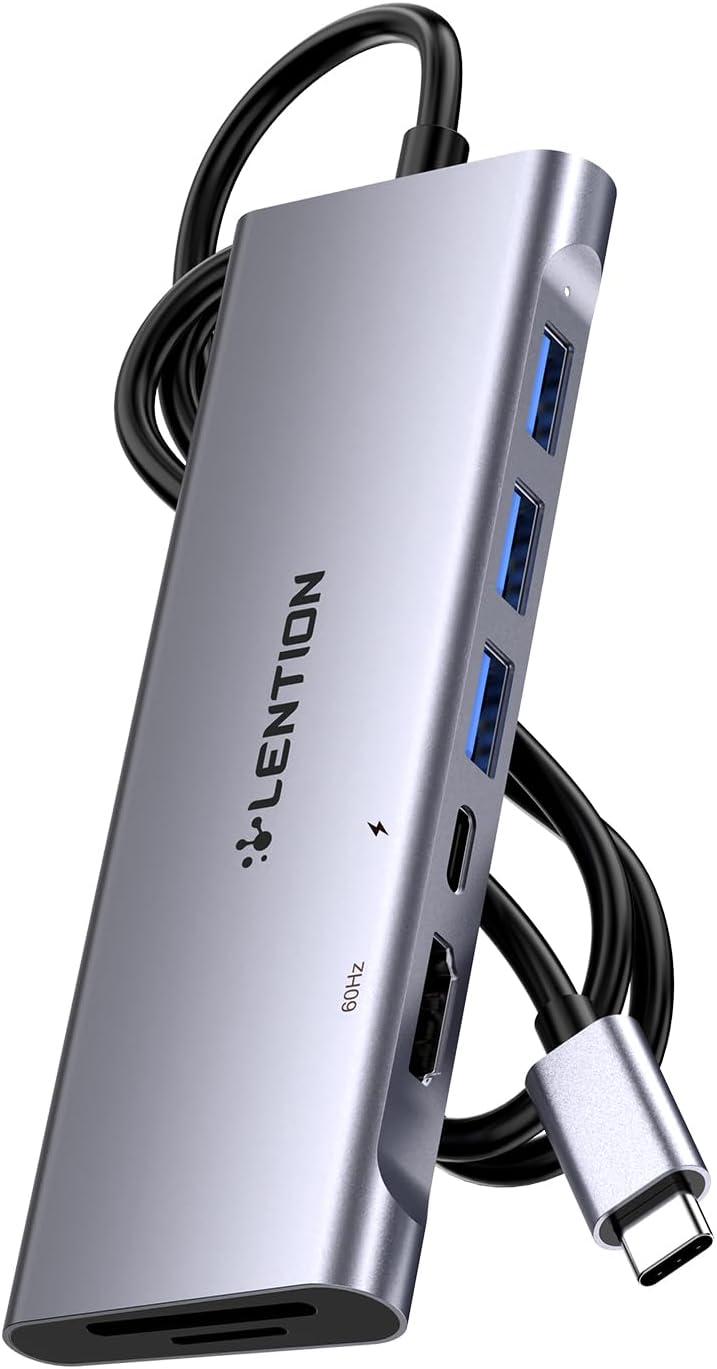
LENTION 3.3FT Long Cable USB C Hub, 4K HDMI, 100W PD, USB 3.0, Card Reader 3A & LED Indicator Stable Driver Adapter, for macOS, iOS/iPadOS, Windows & ChromeOS (C36p-1M, Space Gray)
Check Price on Amazon17-in-1 USB C Hub 65W Powered Adapter, 10Gbps, Dual PD 45W
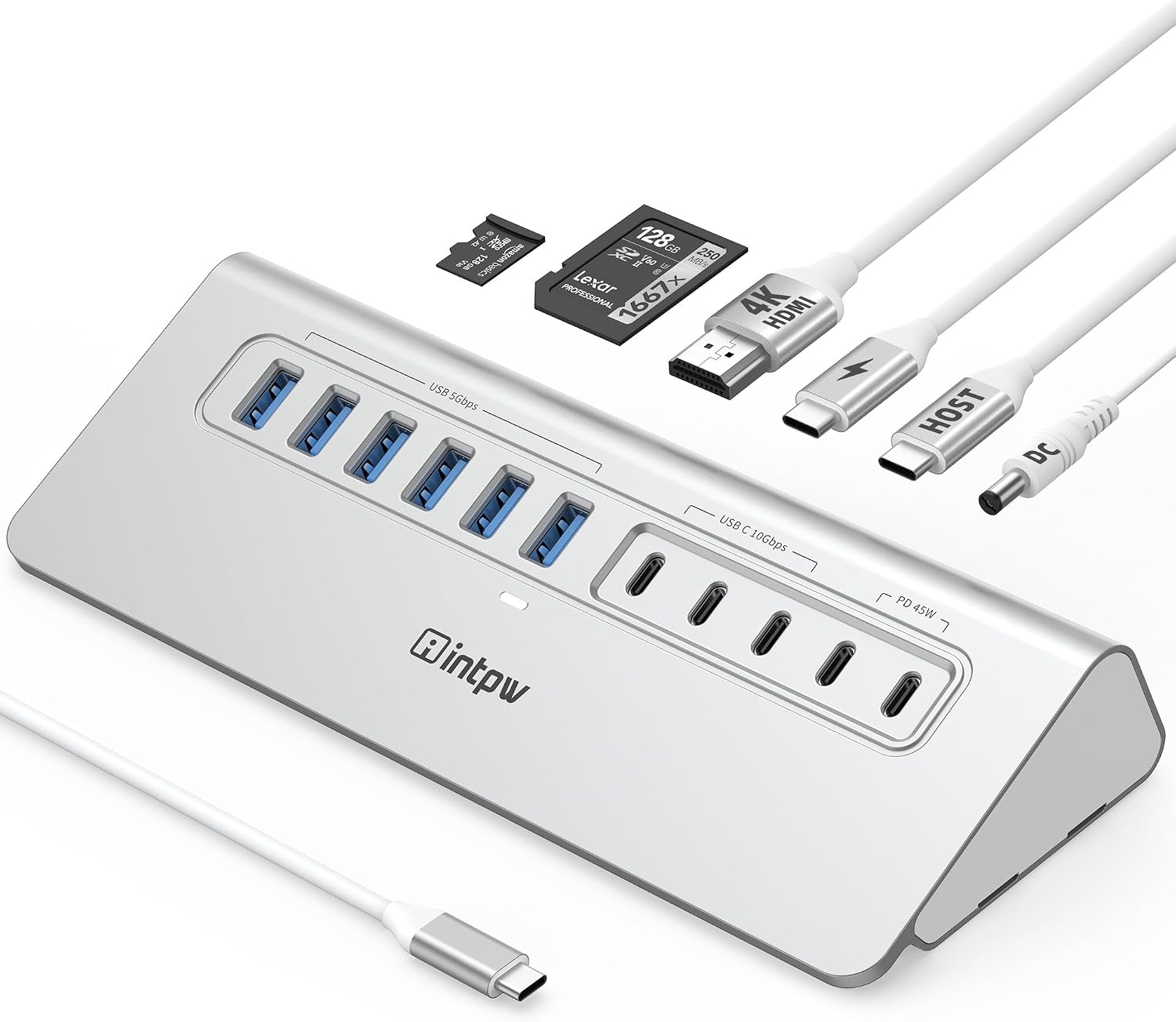
17-in-1 USB C Hub 4K@60Hz, 65W Powered Adapter, 10Gbps, Dual PD 45W PD 100W Charging, 3×USB-C 3.2+6×USB-A 3.0, SD/TF 105MB/s, 3.3ft Cable, Aluminum Desktop USB Hub for MacBook Pro/Air/Mac Mini
Check Price on AmazonLENTION USB-C Hub, HDMI, 100W PD, 2 USB-C, 2 USB 3.0, Card Reader
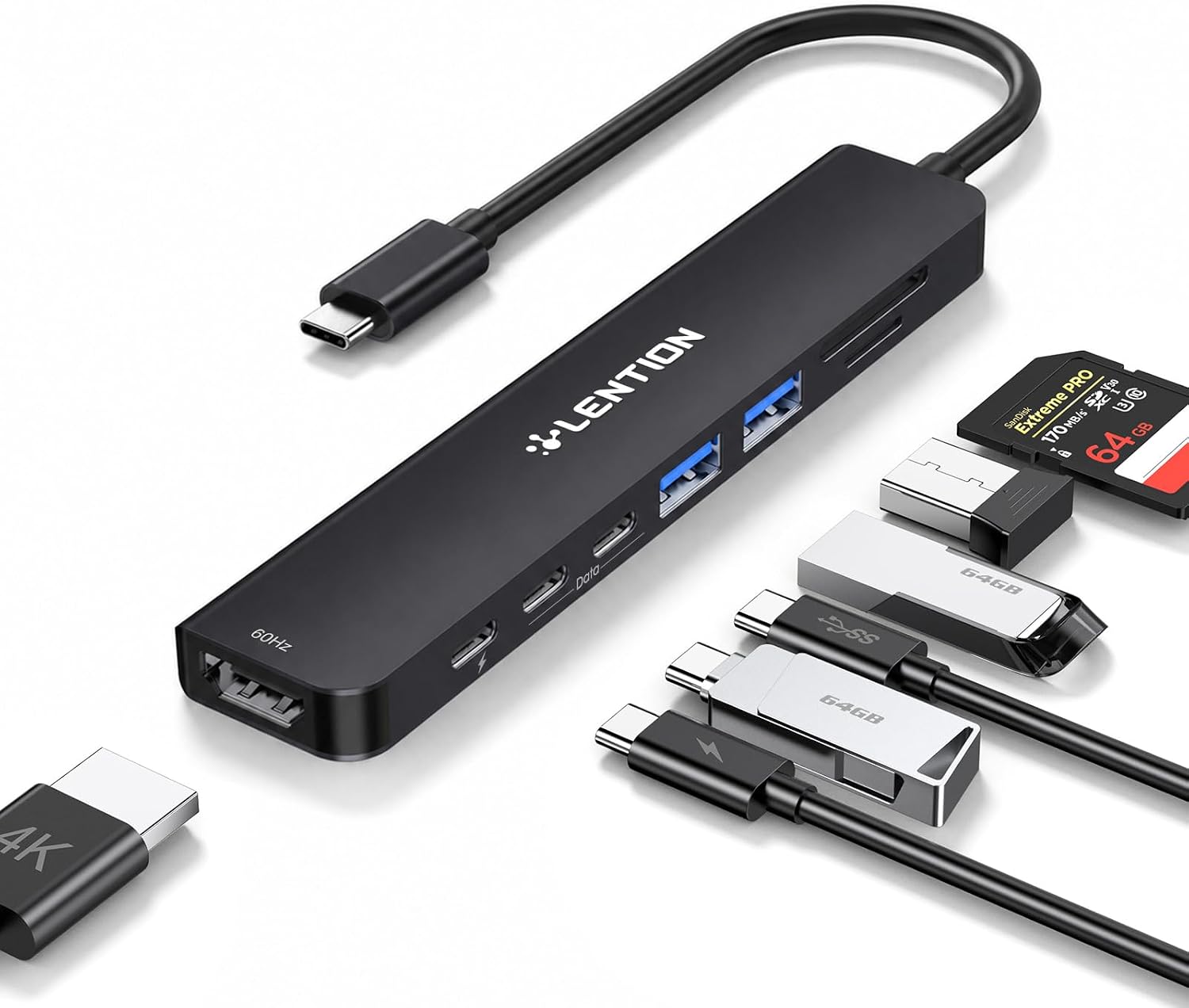
LENTION USB-C Hub, 4K@60Hz HDMI, 100W PD, 2 USB-C, 2 USB 3.0, Card Reader 2A & 2C Work Simultaneously, Stable Driver 3.0 Certified, for macOS, iOS/iPadOS, Windows & ChromeOS (CE19, Black)
Check Price on AmazonDo You Need to Register Your Drone in Lofoten Islands?
Yes, most drone pilots must register with the Norwegian Civil Aviation Authority before flying in Lofoten. The registration system is called Flydrone and covers all operators whose drones weigh 250g or more — or any drone with a camera, regardless of weight, if used for anything beyond pure recreational flying.
3 FT Power Strip
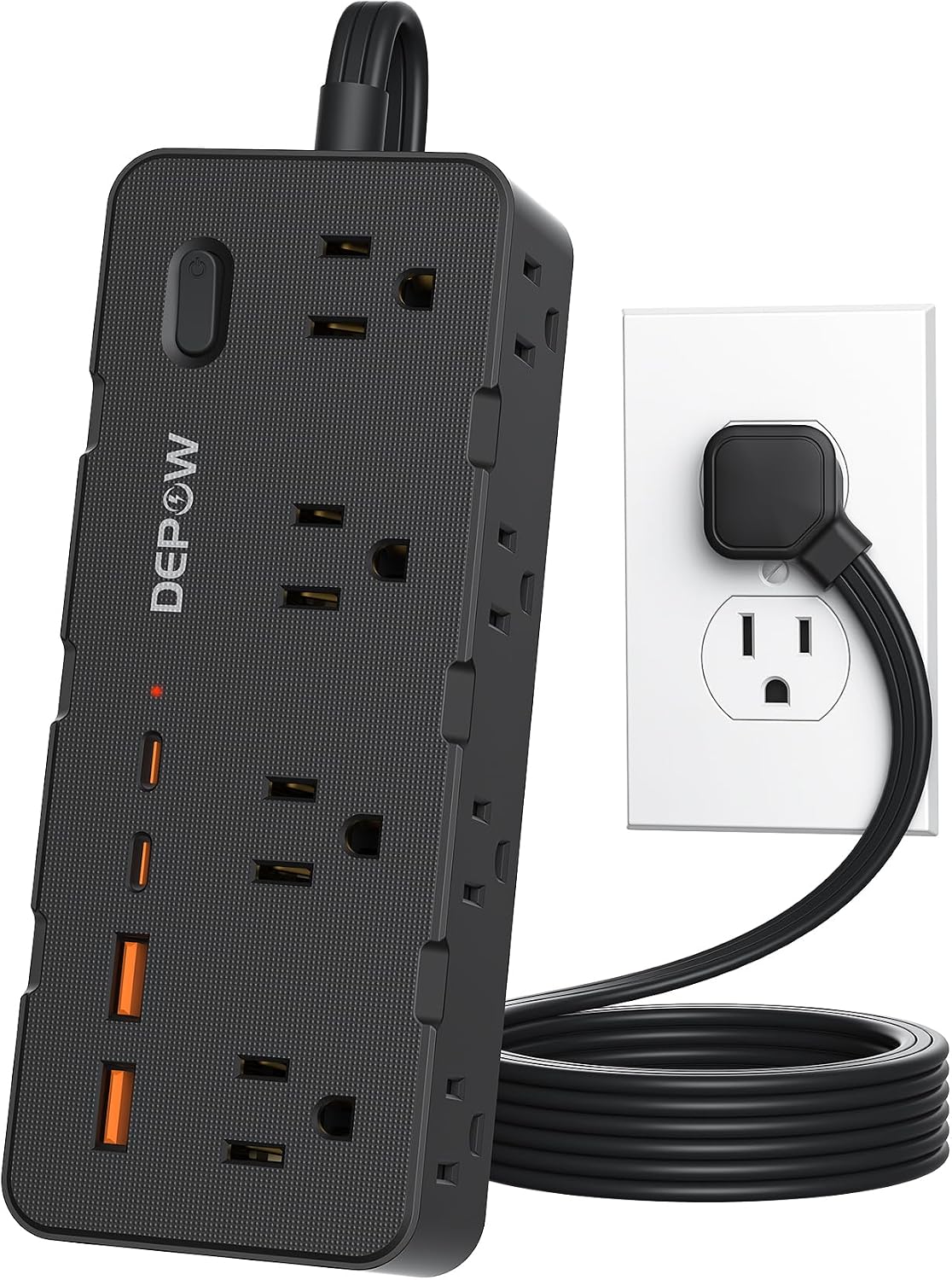
3 FT Power Strip, Extension Cord with 8 AC Outlets + 4 USB (2 USB-C), Black Flat Plug, Compact 3FT Flat Cord Keeps Desktop Neat. 1700J Surge Protection, 1625W, Great for Home Office, Dorm, Nightstand
Check Price on AmazonHICOBER USB C SD Card Reader
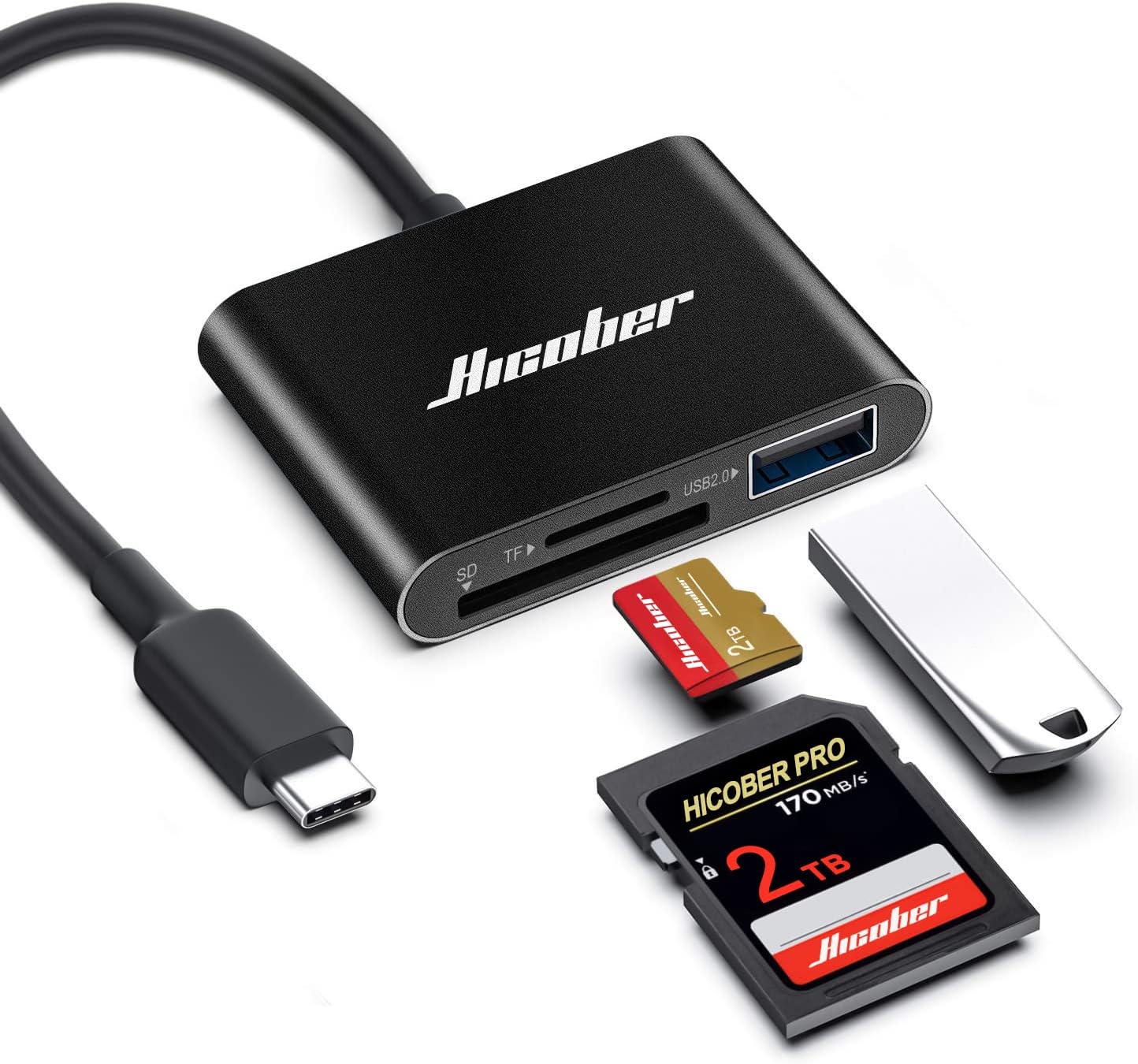
HICOBER USB C SD Card Reader, 3-in-1 for Laptop, Phone, Tablet, Black Durable aluminum body helps dissipate heat quickly for stable performance; reads SD, TF and USB drives up to 2TB via USB-C
Check Price on Amazon64GB Micro SD Card with SD Card Reader
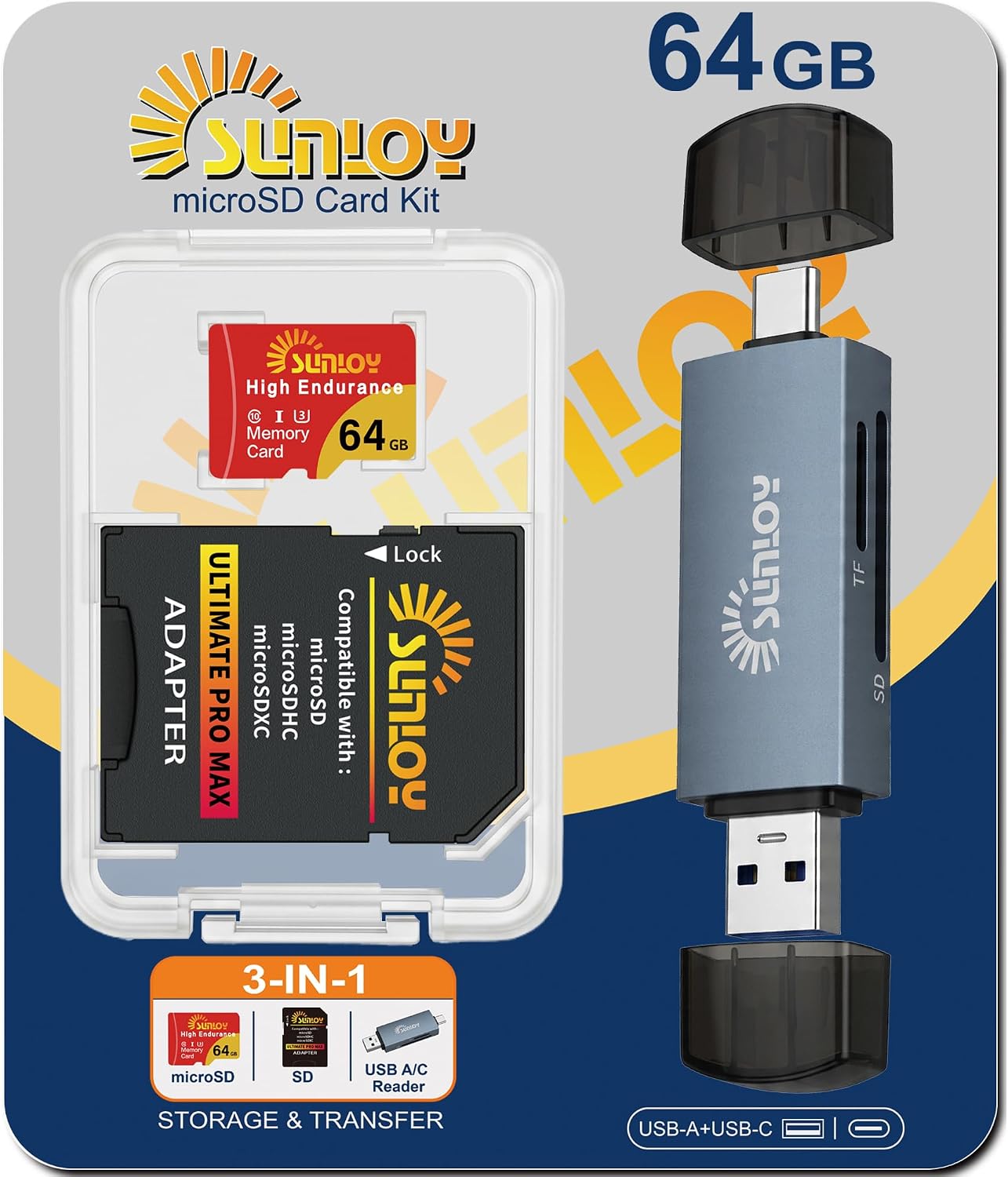
64GB Micro SD Card with SD Card Reader USB3.0 A/C Dual Slots & SD Adapter UHS-I, C10, U3, V30, A1, 4K UHD, USB 3.0 Memory Card Reader for iPhone 17/16/15, MacBook, iPad, Laptop, PC, Drone, Game Console
Check Price on AmazonVisit the Norwegian CAA’s portal at flydrone.no — you’ll need a Norwegian digital ID (BankID) if you’re a resident, or use the EU-wide operator registration as a visitor.
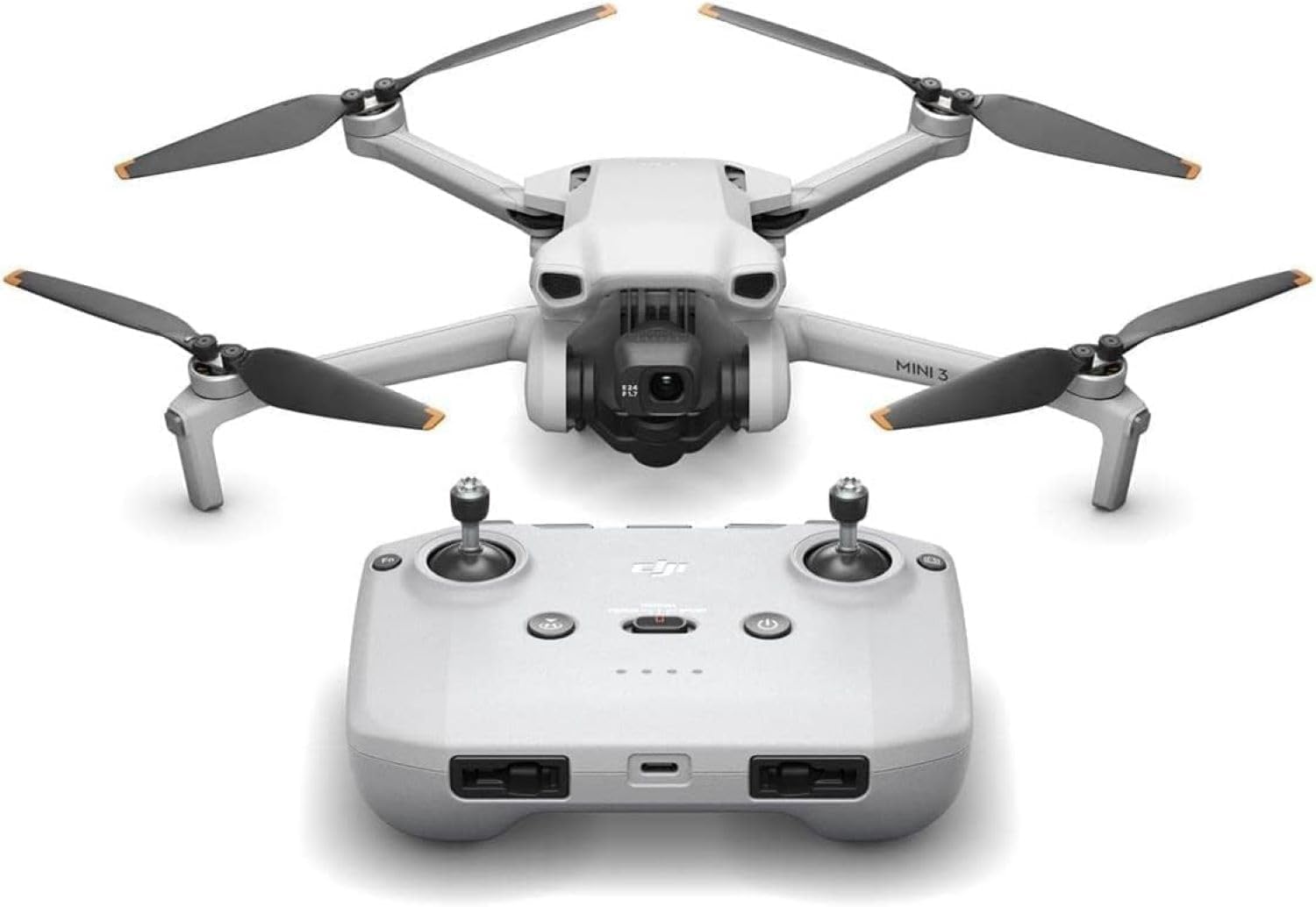
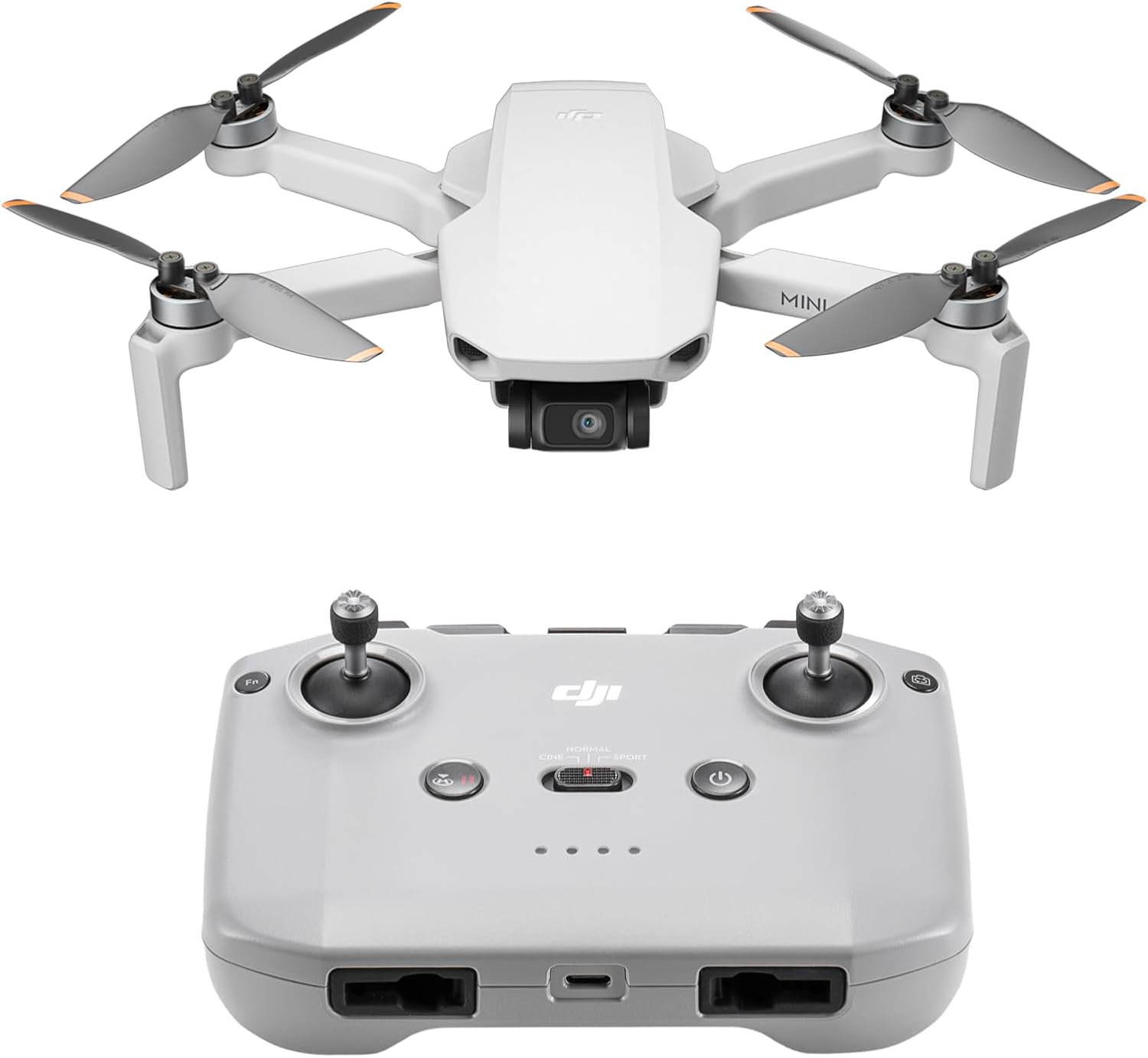
Enter your personal details and drone specifications. You’ll receive a unique operator number that must be displayed on your drone.
DJI Mini 3
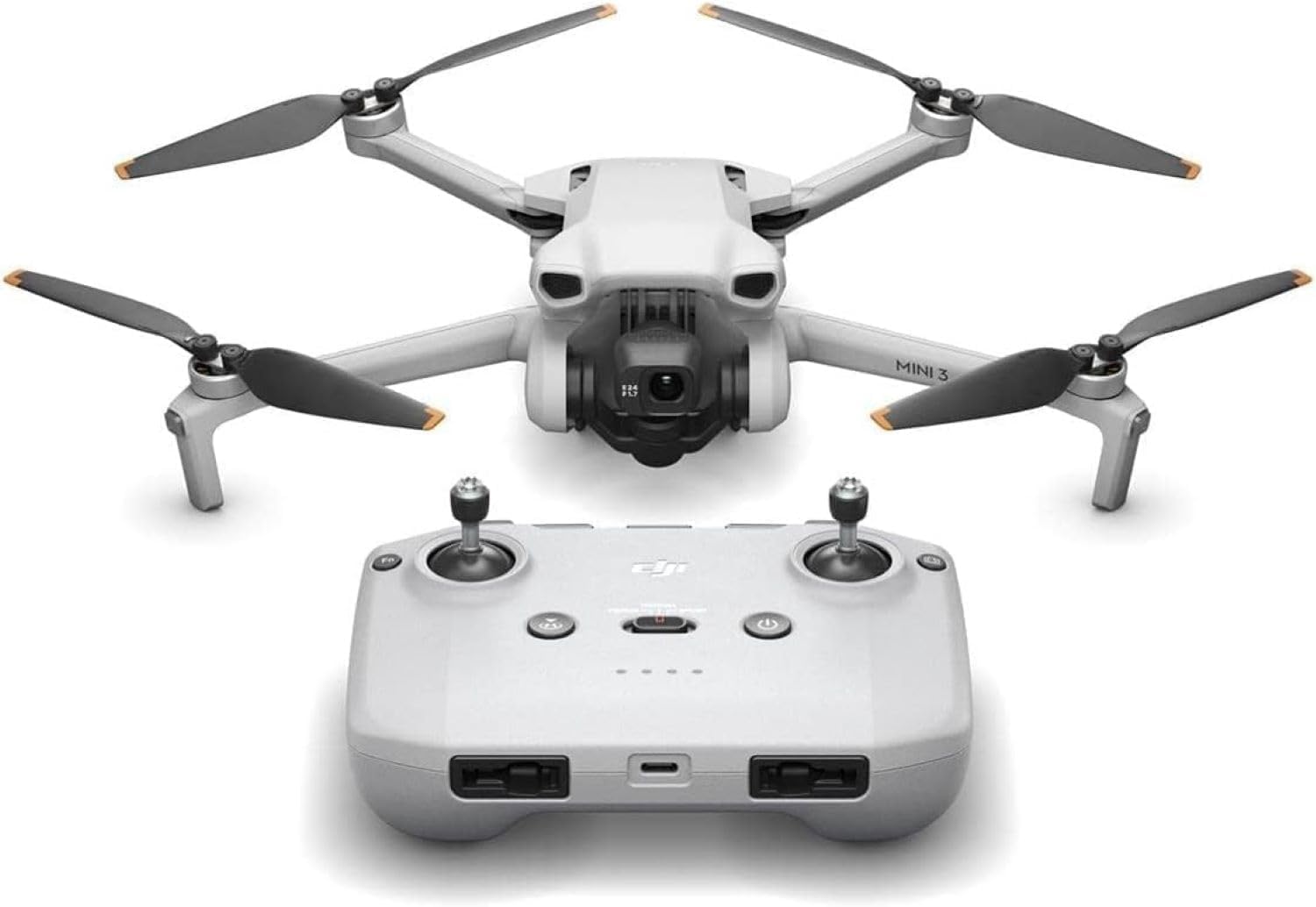
DJI Mini 3, 3-Axis Mechanical Gimbal Mini Camera Drone | 4K HDR Video, 38-Min Flight Time, up to 32800ft (10km) Video Transmission, True Vertical Shooting, GPS Auto Return
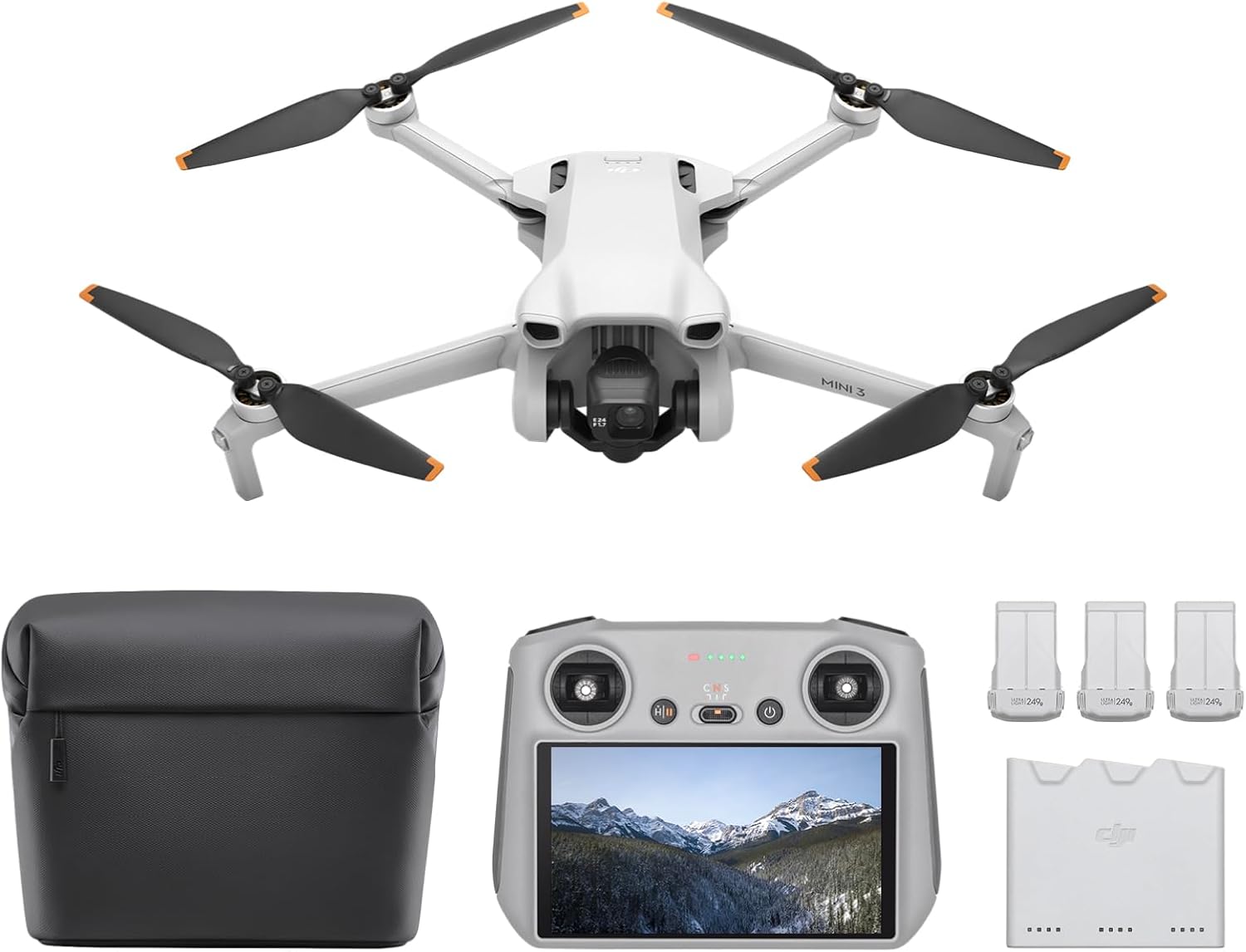
Check Price on AmazonDJI Mini 3 Fly More Combo
✈️ Flying your drone on this trip? See my drone e-book list
View gear on AmazonAs an Amazon Associate I earn from qualifying purchases.
DJI Mini 3 Fly More Combo With DJI RC, 3 Batteries | Lightweight Camera Drone With 4K HDR Video, 114-Min Flight Time, Vertical Shooting, 32800ft (10km) Video Transmission
Check Price on AmazonDJI Mini 3 With DJI RC
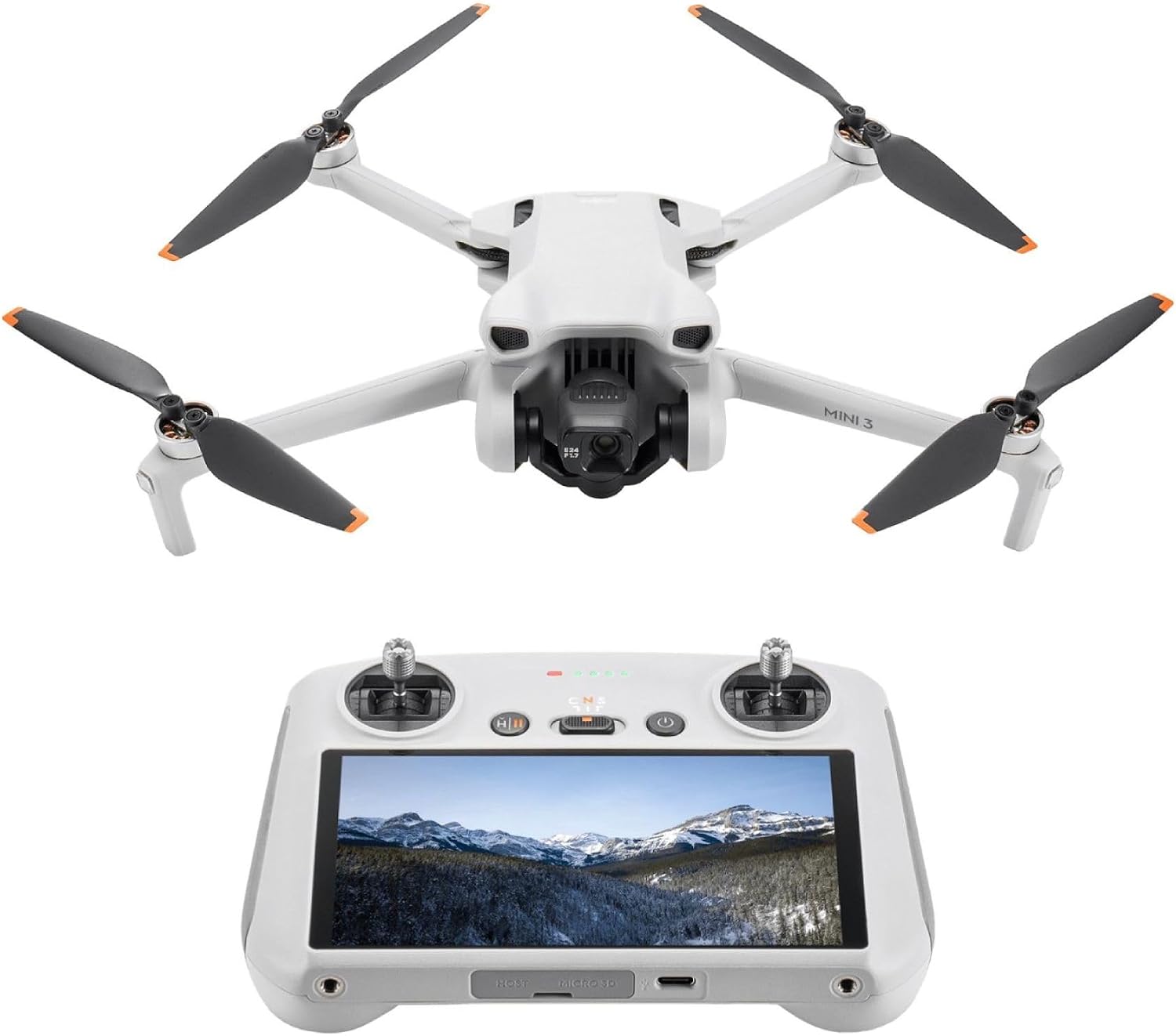
DJI Mini 3 With DJI RC, 3-Axis Mechanical Gimbal Mini Camera Drone | 4K HDR Video, 38-Min Flight Time, up to 32800ft (10km) Video Transmission, Vertical Shooting, GPS Auto Return
Check Price on AmazonThe current fee is NOK 185 per year. Payment can be made via credit card or Norwegian bank transfer.
Affix your operator number to the drone in a visible, permanent location before your first flight in Lofoten.
Carrying Hard Case for DJI Avata 360 Drone
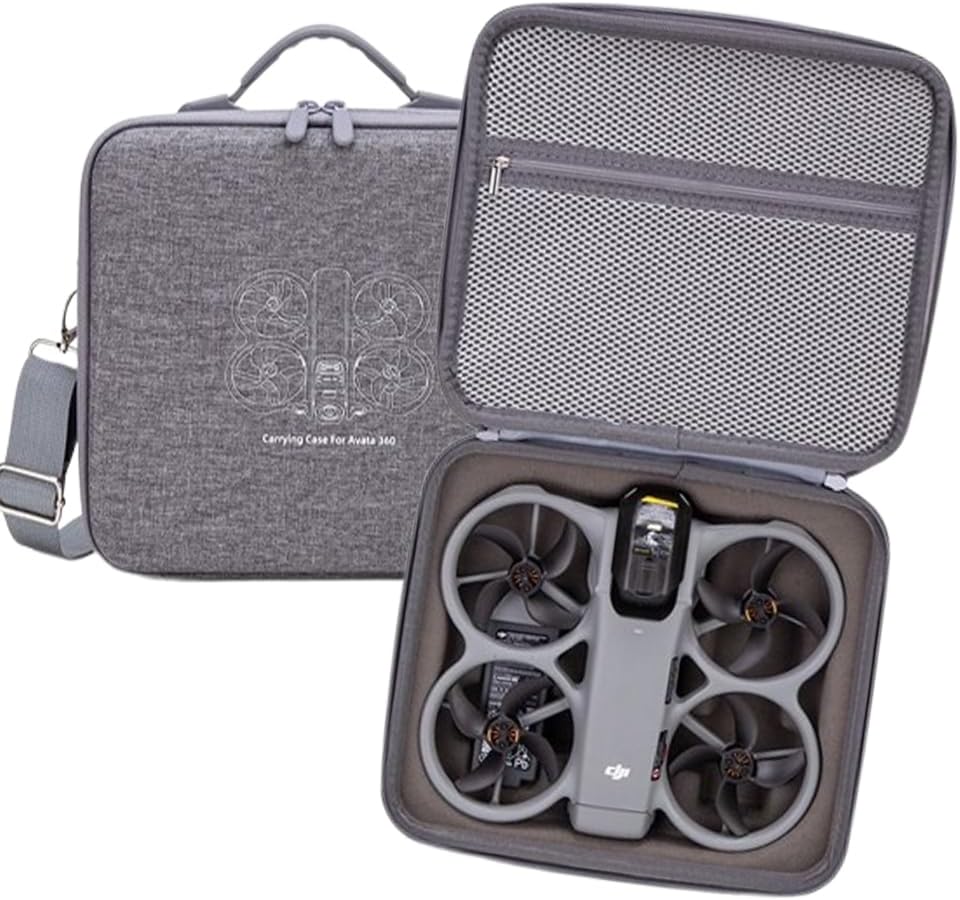
Carrying Hard Case for DJI Avata 360 Drone - Portable Travel Bag for Goggles N3/RC Motion 3 Controller
Check Price on AmazonHard Case for Antigravity A1 Drone
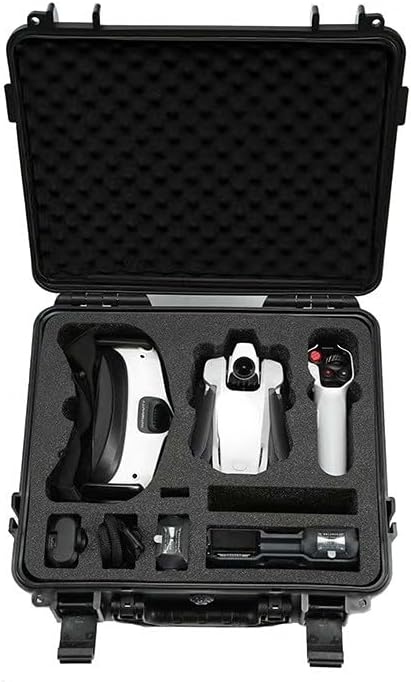
Hard Case for Antigravity A1 Drone, Waterproof Protective Carry Case, Anti-Fall Storage Bag Fit for Drone, Batteries, Goggles, Accessories & RC Gear [Only Protect Shell]
Check Price on AmazonDrone Categories and Weight Limits in Lofoten Islands
The Norwegian CAA uses the EU drone classification system. Drones are assigned a class label (C0, C1, C2, C3, C4) based on weight and capabilities. Most consumer drones sold after 2024 carry a class label, but older drones fall into the “open category” with specific rules.
| Class | Max Weight | Key Rules in Lofoten |
|---|---|---|
| C0 | Under 250g | No registration needed (no camera in practice); fly over uninhabited areas; max 120m altitude |
| C1 | Under 900g | Registration required; keep 50m from people; max 120m altitude; third-party insurance needed |
| C2 | Under 4kg | Registration required; keep 30m from people (5m in low-speed mode); max 120m altitude |
| C3 | Under 25kg | Registration required; keep 150m from residential and commercial areas; Restricted zone flights rare in Lofoten |
No-Fly Zones and Restricted Areas in Lofoten Islands
Lofoten’s dramatic landscape includes national parks, nature reserves, and bird sanctuaries that are strictly off-limits to drones. The Norwegian CAA and the Norwegian Environment Agency jointly enforce these restrictions. Flying a drone in a no-fly zone can result in immediate confiscation of your equipment and a fine of up to NOK 50,000.
National Parks and Protected Landscapes
The entire Lofoten archipelago has several protected areas where drone flight is prohibited year-round:
- Rago National Park (borders Lofoten region)
- Ånderdalen National Park
- Møysalen National Park
- All nature reserves — including Borgværet, Hovsflesa, and Kjerringøy — are drone-free zones
- Bird sanctuaries between 1 April and 31 July (nesting season)
Airports and Helipads
Lofoten has two civilian airports — Leknes Airport (LKN) and Svolvær Airport (SVJ) — plus several smaller helipads serving offshore operations. A 5-kilometre no-fly radius applies around all aerodromes. If you see a runway or helipad on a map, assume 5 km unless the CAA chart shows a smaller restricted zone.
Where You Can Legally Fly in Lofoten Islands
Despite the restrictions, large areas of Lofoten remain open for drone flight. The key is choosing locations that are outside national parks, nature reserves, airport buffer zones, and areas with dense human population.
| Location Type | Legal to Fly? | Notes |
|---|---|---|
| Open coastline (non-reserve) | Yes | Keep 150m from other people; respect nesting birds |
| Fjord waters (non-protected) | Yes | Do not disturb wildlife; check for seasonal bird bans |
| Mountain plateaus above treeline | Yes | Avoid reindeer herds in summer months |
| Villages and towns (Svolvær, Leknes, Reine) | Restricted | Stay 150m away from buildings and crowds; max altitude 50m recommended near people |
| National parks and reserves | No | Zero tolerance enforcement |
| Within 5 km of an airport | No | Unless specifically authorised |
Best Legal Launch Spots
- Kvalvika Beach (access via hiking trail; no reserve)
- Flakstad Beach (open coastline, wide views)
- Henningsvær waterfront (maintain 150m distance)
- Mount Tjeldbergtinden (above tree line, open airspace)
Avoid These Areas
- Both national parks in Lofoten
- All bird sanctuaries Apr–Jul
- Within 5 km of Leknes Airport
- Crowded fishing villages during peak hours
Rules for Tourists Flying Drones in Lofoten Islands
If you are a tourist visiting from outside Norway or the EU, you must still comply with Norwegian drone laws. There is no special exemption for visitors. The Norwegian CAA requires all operators to register, and tourists can use the EU-wide operator registration system if their home country is part of EASA. For travellers from the UK, USA, Canada, Australia, or New Zealand, you must register directly via Flydrone as a “foreign operator”.
Tourists often ask whether they can fly a drone they bought abroad without local registration. The answer is no: the drone itself does not need to be re-registered, but you as the operator must be registered. Each pilot needs their own operator number, even if you are part of a group. The registration is valid for one year and covers all drones you own.
For drone pilots coming from Canada, our guide on Canada Drone Laws Under 250g compares the sub-250g rules with Norway’s approach. If you are used to Canada’s exemption for drones under 250g, note that Norway’s rules are stricter: any drone with a camera requires registration unless it is flown purely for recreation with no recording.
What Are the Penalties for Drone Law Violations in Lofoten Islands?
The Norwegian CAA and local police take drone violations seriously, especially in environmentally sensitive areas like Lofoten. Penalties apply to both recreational and commercial pilots.
| Violation | Fine (NOK) | Additional Consequences |
|---|---|---|
| Flying without operator registration | 5,000 – 20,000 | Confiscation of drone until registration is proven |
| Flying in a national park or reserve | 10,000 – 50,000 | Confiscation of drone + possible criminal charges under Nature Diversity Act |
| Flying within 5 km of an airport | 15,000 – 50,000 | Mandatory police report; CAA may revoke future registration |
| Disturbing wildlife (especially nesting birds) | 10,000 – 40,000 | Environmental agency can pursue additional civil damages |
| Flying above 120m (400ft) in Open category | 5,000 – 15,000 | Warning for first offence; fines escalate with repeat violations |
Tips for Flying Legally in Lofoten Islands
Follow these practical tips to ensure a safe and legal drone experience in Lofoten.
Visit luftfartstilsynet.no/dronekart or download their app. The map shows all restricted zones, including temporary bans due to emergency operations or military activity. You can also use our No-Fly Zone Checker as a preliminary check before departure.
Lofoten is a critical breeding ground for seabirds. If birds start flocking, diving, or calling loudly near your drone, land immediately. You are responsible for avoiding disturbance, even outside official reserve boundaries.
Have your operator number visible on the drone and carry a digital or printed copy of your registration certificate. Third-party liability insurance with at least EUR 1.5 million (NOK 15 million) coverage is required for all drones over 250g.
Lofoten has rapidly changing weather. Strong coastal winds and fog are common. Fly early in the morning or late in the evening when crowds are smaller and light is best — but always prioritise safety over footage.
Registration through Flydrone can take up to 14 days for non-EU applicants. Start the process at least three weeks before your trip. Use our Registration Calculator to work out your fees and eligibility.
For pilots coming from New Zealand, our guide on New Zealand Drone Laws 2026 provides a useful comparison — New Zealand’s rules for flying near national parks are stricter than Norway’s in some aspects, but Norway’s altitude caps are lower. Understanding both helps you adapt quickly.
Final Thoughts
Lofoten Islands offer some of the most breathtaking drone footage in Europe, but the regulatory landscape demands respect and preparation. The core requirements are simple: register as an operator (NOK 185/year), keep your drone below 120m, stay at least 150m away from people and buildings, and avoid all national parks, nature reserves, and airport buffer zones. Tourist pilots face the same rules as residents — there is no holiday exemption. Start the registration process at least three weeks before your trip, cross-check the official CAA drone map each day, and always land if birds show signs of distress. With these precautions, you can capture the dramatic coastline, jagged peaks, and charming fishing villages without violating Lofoten’s drone laws. For pilots using the DJI Air 3 or similar mid-weight drones, review our DJI Air 3 Drone Laws guide for model-specific advice that applies in Norway too.
Frequently Asked Questions
Do I need to register my drone in Lofoten Islands?
Yes, most pilots must register with the Norwegian Civil Aviation Authority via the Flydrone portal. Registration is mandatory for all drones weighing 250g or more, and for any drone with a camera used for purposes beyond pure recreation (which includes virtually all modern consumer drones). The fee is NOK 185 per year and covers you as an operator for all drones you own. You will receive a unique operator number that must be displayed on your drone. Registration is valid for three years before you need to renew, but the fee is annual. Non-EU visitors should apply at least 14 days in advance as processing takes longer.
Can tourists fly drones in Lofoten Islands?
Yes, tourists can fly drones in Lofoten, but they must follow the exact same rules as Norwegian residents. There is no special tourist exemption. You need to register as a foreign operator on the Flydrone portal and pay the NOK 185 fee. You must also carry third-party liability insurance with at least EUR 1.5 million coverage. Tourist pilots are not allowed to fly in national parks, nature reserves, within 5 km of airports, or closer than 150 metres to people and buildings. The Norwegian CAA enforces these rules actively, and fines apply equally to visitors. Plan your registration well before your trip.
What are the no-fly zones in Lofoten Islands?
Lofoten has several types of no-fly zones. National parks (Ånderdalen, Møysalen, Rago) prohibit all drone flight. All nature reserves — including Borgværet, Hovsflesa, and Kjerringøy — are off-limits year-round. Bird sanctuaries are banned between 1 April and 31 July during nesting season. A 5-kilometre no-fly radius applies around Leknes Airport and Svolvær Airport, as well as smaller helipads. Finally, you must keep at least 150 metres from buildings, people, and crowds — which effectively restricts flight over most villages and towns. Always consult the official Norwegian CAA drone map (luftfartstilsynet.no/dronekart) before launching.
What are the penalties for illegal drone flight in Lofoten Islands?
Penalties for illegal drone flight in Lofoten range from NOK 5,000 to NOK 50,000 depending on the severity of the violation. Flying without operator registration typically results in a fine of NOK 5,000 to NOK 20,000 plus drone confiscation. Flying in a national park or nature reserve carries a fine of up to NOK 50,000, immediate drone confiscation, and potential criminal charges under Norway’s Nature Diversity Act. Disturbing wildlife — particularly nesting seabirds — can lead to fines up to NOK 40,000 plus civil damages. In serious cases, the CAA may ban the pilot from operating in Norway for several months. Repeat violations escalate fines and increase the risk of prosecution.
Last updated: July 25, 2026
- Norwegian Civil Aviation Authority (Luftfartstilsynet) — luftfartstilsynet.no
- EU Drone Regulation 2019/947 and 2019/945 (as adopted by Norway)
- Norwegian Environment Agency — miljodirektoratet.no
- Norge i Bilder land-use and protected area maps
- Flydrone operator registration portal — flydrone.no
NANUK 935 Pro Photo Kit Camera Case
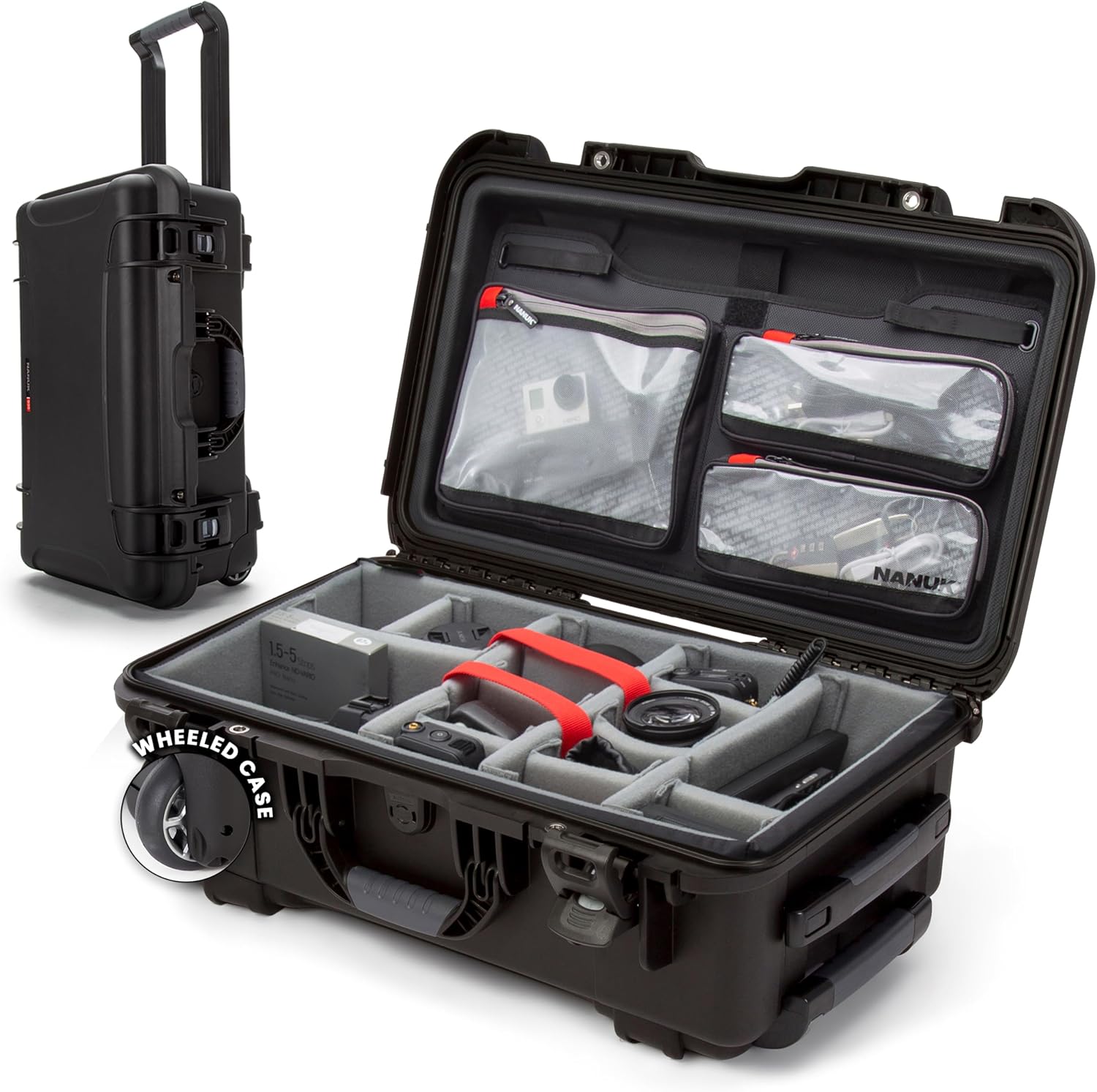
NANUK 935 Pro Photo Kit Camera Case, Waterproof Wheeled Hard Case, Carry-On, Black
Check Price on AmazonNANUK 925 DJI Mavic 4 Pro Creator Combo
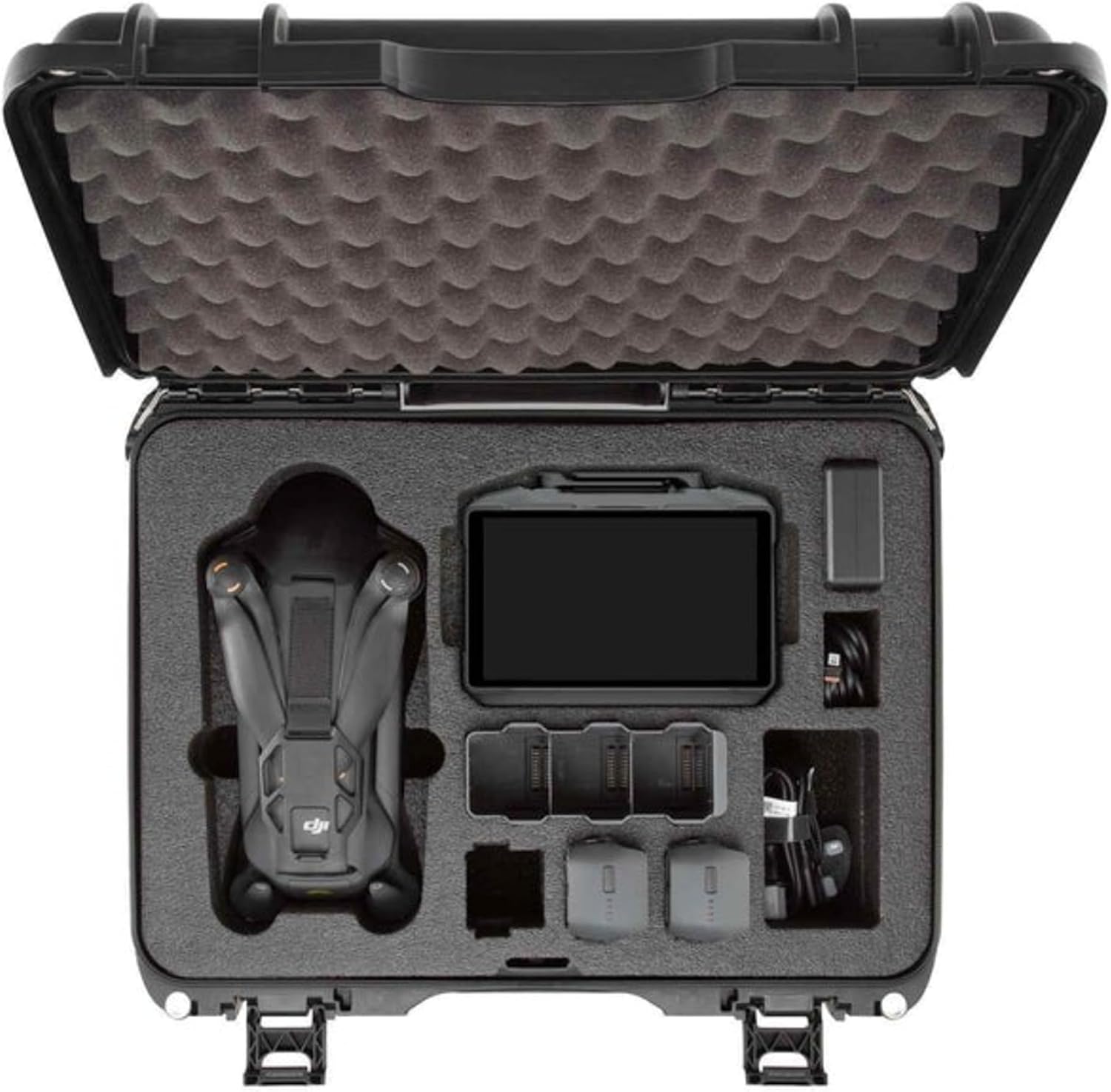
NANUK 925 DJI Mavic 4 Pro Creator Combo - Waterproof Hard Case with Drone Foam Insert, Crushproof, Portable Travel Case, Made in Canada (18.7” x 14.8”x 7”) - Black
Check Price on Amazon Drone Allowed
DroneAllowed editor covering drone regulations, aviation law, and aerial photography across USA, UK, Canada & Australia.