
DJI Air 3 Drone Laws: Registration & Where You Can Fly in 2026
 12 min read
2,383 words
12 min read
2,383 words
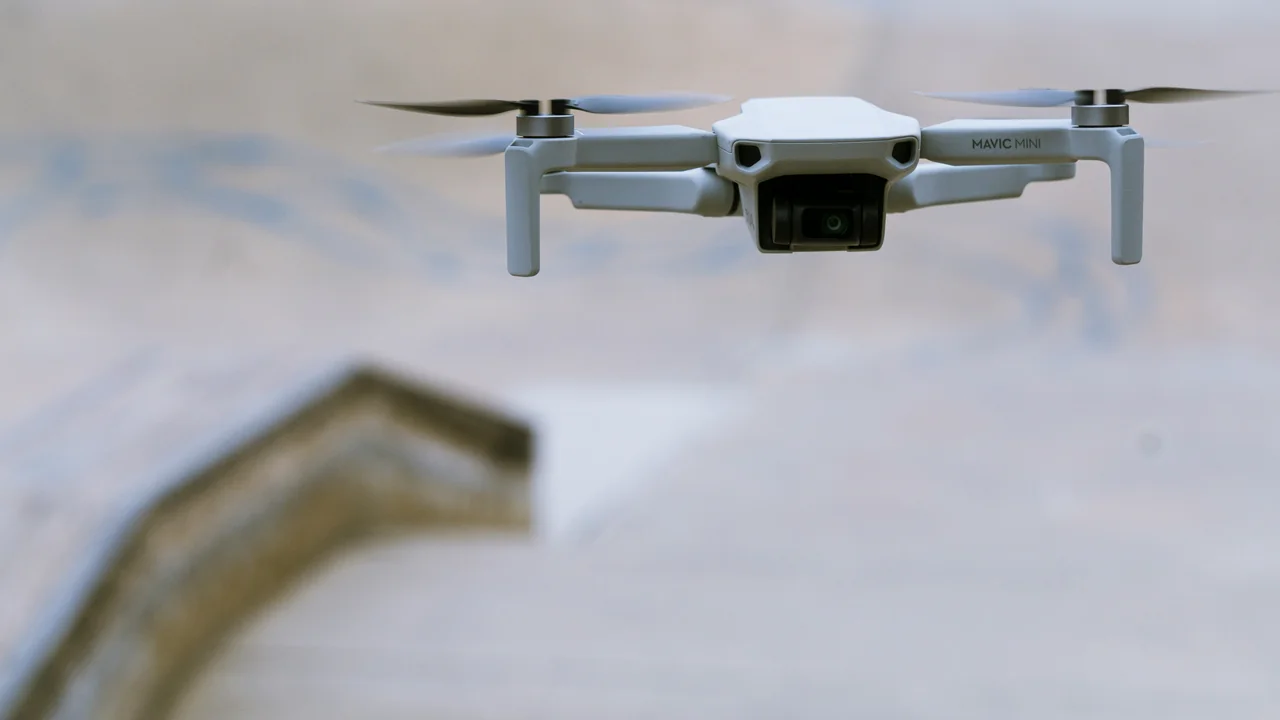
If you are considering buying a DJI Air 3 Drone Laws or have just unboxed one, you are likely wondering what drone laws apply to this specific model in 2026. The DJI Air 3 drone laws in the USA are straightforward but present a critical shift from lighter drones like the Mini series. Because the Air 3 weighs 720 grams (1.59 pounds), it exceeds the FAA’s 250-gram threshold, meaning you must register it with the FAA before your first flight, regardless of whether you fly for fun or for work. In this guide, you will learn exactly what registration, testing, and licensing requirements apply to the DJI Air 3, where you can and cannot fly, and how the legal obligations compare to the popular DJI Mini 4 Pro.
DJI Air 3 Drone Laws Weight Class and FAA Registration Requirements
The single most important legal fact about the DJI Air 3 is its takeoff weight. The standard DJI Air 3 with the RC-N2 controller weighs 720 grams (1.59 pounds). This places it firmly in the category of drones that require FAA registration. Under FAA Part 48, any drone weighing more than 0.55 pounds (250 grams) must be registered with the FAA DroneZone before it is flown outdoors. The registration fee is $5 and covers a three-year period. You will receive a unique registration number that must be displayed on the exterior of the drone.
If you purchased the DJI Air 3 Fly More Combo, which includes additional batteries and a charging hub, the drone body itself remains at 720 grams. The registration requirement does not change based on accessories. Use our Weight Checker tool to verify if any modifications or payloads push your drone over additional weight thresholds.
| Drone Model | Weight (Standard) | FAA Registration Required? |
|---|---|---|
| DJI Air 3 | 720g (1.59 lbs) | Yes — mandatory for all flights |
| DJI Mini 4 Pro | 249g (0.55 lbs) | No for recreational; Yes for commercial |
| DJI Mavic 3 Pro | 958g (2.11 lbs) | Yes — mandatory for all flights |
Do I Need Part 107 for DJI Air 3?
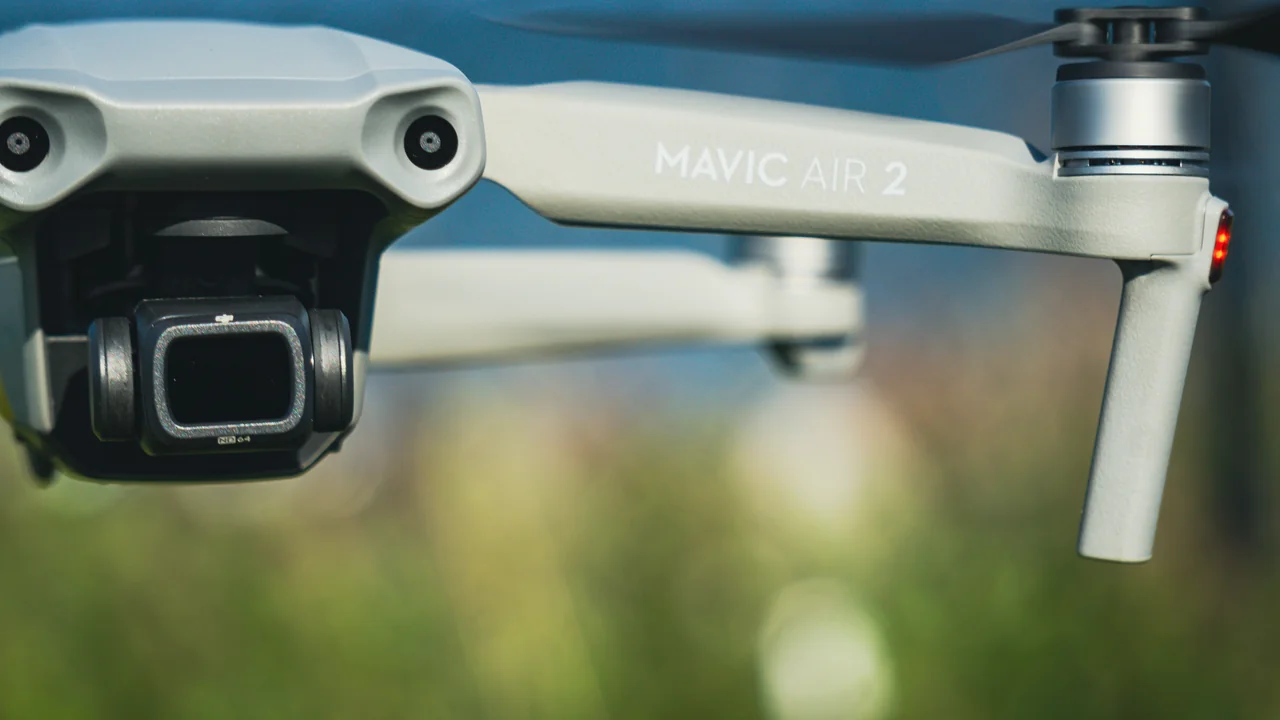
The answer depends entirely on your purpose for flying. The FAA Part 107 Remote Pilot Certificate is required for any non-recreational operation. This includes any flight where you receive compensation, or where the flight furthers a business interest. If you are flying the DJI Air 3 purely for personal enjoyment, you do not need a Part 107 certificate. However, you must still pass The Recreational UAS Safety Test (TRUST) and carry proof of completion while flying.
Part 107 for Commercial Use with DJI Air 3 Drone Laws
If you plan to use the DJI Air 3 for any commercial activity — real estate photography, roof inspections, agricultural monitoring, or content creation for a brand — you must hold a current Part 107 Remote Pilot Certificate. The process involves passing a 60-question knowledge test at an FAA-approved testing center, costing approximately $175. Once certified, you are authorized to fly in controlled airspace with LAANC approval, fly at night with proper lighting, and operate over people under certain conditions (Category 2 or 3 operations). The DJI Air 3’s weight of 720 grams means it cannot qualify for Category 1 operations (under 250g), so additional operational restrictions apply when flying over people.
TRUST Test Requirements for Recreational DJI Air 3 Pilots
Even if you are flying only for recreation, the FAA mandates that all recreational drone pilots pass The Recreational UAS Safety Test (TRUST). This is a free, online test administered by FAA-approved organizations. The test covers basic airspace rules, safety procedures, and emergency protocols. It takes approximately 30 minutes to complete, and you receive a certificate immediately upon passing. You must carry this certificate with you whenever you fly the DJI Air 3, either physically or digitally on your phone.
Register your DJI Air 3 on FAA DroneZone
Pay the $5 fee and receive your registration number. Write it on the drone body.
Complete the TRUST test online
Find an FAA-approved provider. Pass the test and download your certificate.
Check airspace before each flight
Use the FAA B4UFLY app or LAANC system to verify you are not in restricted airspace.
DJI Air 3 vs Mini 4 Pro Laws: A Critical Comparison
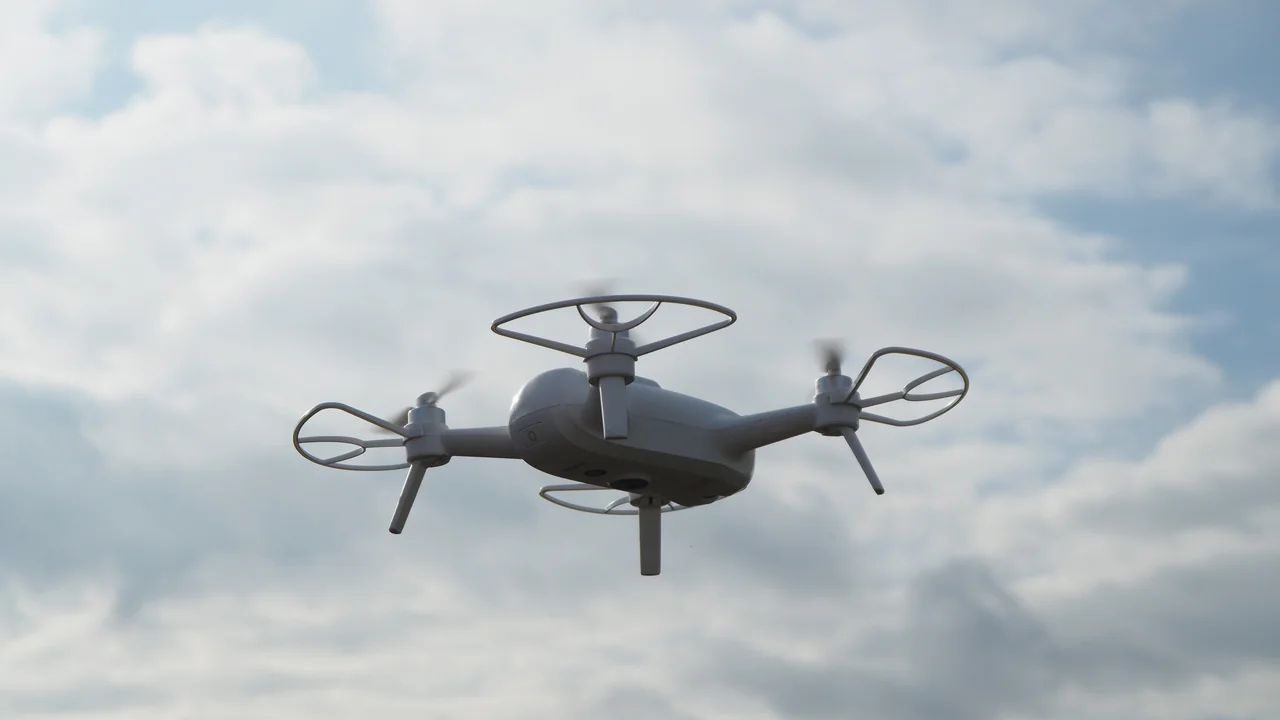
Many buyers upgrade from the DJI Mini 4 Pro to the DJI Air 3 expecting a similar legal experience. This assumption is incorrect and can lead to unintentional violations. The Mini 4 Pro weighs exactly 249 grams, which is under the FAA’s 250-gram registration threshold. For recreational use, the Mini 4 Pro does not require FAA registration. The DJI Air 3, at 720 grams, requires registration for every single flight. This difference significantly impacts how you prepare for each flight.
DJI Air 3 Pros
- Dual-camera system (wide + 3x telephoto)
- Larger sensor for better low-light performance
- O4 video transmission (stronger signal)
DJI Air 3 Cons (Legal)
- Must register with FAA for all flights
- Cannot fly over people under Category 1
- Requires Part 107 for any commercial use
The Mini 4 Pro’s sub-250g weight gives it distinct advantages: no registration for recreational flying, ability to operate under Category 1 for overflight of people, and simpler compliance in many national parks where drones under 250g are sometimes permitted (though still banned in most). The DJI Air 3 offers superior image quality and dual cameras, but the legal overhead is higher.
Where You CAN Fly the DJI Air 3
The DJI Air 3 can be flown in any location that is not restricted by FAA airspace rules or local ordinances. Generally, you can fly in Class G airspace (uncontrolled) without any additional authorization. This includes many rural areas, farmland, and open fields. You can also fly in Class B, C, D, and E controlled airspace if you obtain LAANC (Low Altitude Authorization and Notification Capability) approval. LAANC is an automated system that provides near-instant authorization for flights up to 400 feet in many controlled zones. The DJI Fly app integrates LAANC approval directly, making the process seamless.
Where You CANNOT Fly the DJI Air 3
There are several locations where flying the DJI Air 3 is strictly prohibited. National Parks are off-limits. The National Park Service (NPS) bans all drone operations, including takeoff and landing, within park boundaries. This rule applies regardless of drone weight. You cannot fly the DJI Air 3 in any of the 63 national parks, national monuments, or national recreation areas managed by the NPS. Additionally, you cannot fly in controlled airspace without LAANC approval, near airports without authorization, over stadiums with ongoing sporting events, or over military bases and other sensitive infrastructure.
DJI Air 3 Remote ID Compliance
As of September 16, 2023, all drones that require FAA registration must broadcast Remote ID information. The DJI Air 3 comes with built-in Remote ID compliance. This means the drone automatically broadcasts its location, altitude, speed, and the operator’s location to any nearby receivers. You do not need to purchase an external Remote ID module. The DJI Fly app displays a Remote ID status indicator, and you should verify it is active before each flight. Failure to broadcast Remote ID can result in FAA enforcement action.
DJI Fly Safe Geofencing on Air 3
DJI includes a geofencing system called DJI Fly Safe in the Air 3 firmware. This system uses pre-loaded data to create virtual boundaries around airports, restricted zones, and other sensitive areas. If you attempt to fly into a restricted zone, the drone will either warn you or prevent takeoff entirely. For controlled airspace with LAANC authorization, you can unlock these zones through the DJI Fly app after receiving FAA approval. The geofencing system is not a substitute for understanding airspace rules, but it provides an additional safety layer.
Part 107 Implications for Content Creators Using DJI Air 3
If you are a YouTuber, social media influencer, or freelance videographer using the DJI Air 3 to create content for monetized channels or paid clients, you are operating commercially under FAA definitions. This means you must hold a Part 107 certificate. Even if you are not directly paid for a flight, if the footage is used to promote a business or generate revenue, the FAA considers it commercial. For example, filming a real estate listing for a realtor requires Part 107. Filming a travel vlog for your own monetized YouTube channel also requires Part 107. The DJI Air 3’s weight and capabilities make it an excellent tool for professional content, but the legal requirements must be met.
| Activity | License Required | Notes |
|---|---|---|
| Flying over your backyard for fun | TRUST only | Registration still required |
| Filming a wedding for a client | Part 107 | Compensation involved |
| Posting drone footage on Instagram | TRUST only | If no monetization or business tie |
| Creating a sponsored brand video | Part 107 | Business relationship exists |
| Inspecting a roof for a homeowner | Part 107 | Service for compensation |
Summary
The DJI Air 3 is a powerful dual-camera drone that requires clear legal compliance before your first flight. Because it weighs 720 grams, FAA registration is mandatory for every flight, recreational or commercial. Recreational pilots must pass the free TRUST test and fly within visual line of sight at or below 400 feet. Commercial operators, including content creators and real estate photographers, must hold a valid Part 107 Remote Pilot Certificate. The drone supports LAANC for controlled airspace access and comes with built-in Remote ID. Always check airspace using the B4UFLY app before flying, and remember that national parks and many state parks prohibit drone operations entirely. If you are upgrading from a Mini 4 Pro, be prepared for the additional registration step. For a quick check on your drone’s weight and registration obligations, use our Weight Checker tool.
Frequently Asked Questions
Do I need to register a DJI Air 3 in the USA?
Yes, you must register the DJI Air 3 with the FAA before any outdoor flight. The drone weighs 720 grams, which exceeds the 250-gram registration threshold. Registration is done through the FAA DroneZone website and costs $5 for a three-year period. You must display the registration number on the exterior of the drone.
Does DJI Air 3 require a Part 107 license?
A Part 107 license is required if you use the DJI Air 3 for any commercial purpose, such as real estate photography, roof inspections, or creating content for a monetized channel. For purely recreational flying, you only need to pass the TRUST test. However, you must still register the drone with the FAA regardless of your flight purpose.
What is the weight of DJI Air 3 and does it need registration?
The standard DJI Air 3 weighs 720 grams (1.59 pounds). Because this is above the FAA’s 250-gram (0.55-pound) threshold, the drone requires FAA registration for all outdoor flights. There are no exemptions for recreational use. The registration fee is $5 and covers three years.
Can I fly DJI Air 3 in a national park?
No, you cannot fly the DJI Air 3 in any U.S. national park. The National Park Service bans all drone operations, including takeoff and landing, within park boundaries. This rule applies regardless of drone weight or registration status. Violating this ban can result in fines up to $5,000 and potential confiscation of your drone.
DJI Air 3 vs Mini 4 Pro: which has fewer legal restrictions?
The DJI Mini 4 Pro has fewer legal restrictions for recreational pilots because it weighs 249 grams, which is under the FAA registration threshold. The Mini 4 Pro does not require FAA registration for recreational use and can operate under Category 1 for overflight of people. The DJI Air 3 requires registration for all flights and cannot operate under Category 1 due to its weight. For commercial use, both drones require a Part 107 license.
Can I use DJI Air 3 for real estate photography commercially?
Yes, you can use the DJI Air 3 for commercial real estate photography, but you must hold a current Part 107 Remote Pilot Certificate. The drone’s dual-camera system with wide and 3x telephoto lenses makes it excellent for capturing property interiors and exteriors. You must also register the drone with the FAA and comply with all operational rules, including Remote ID broadcasting and airspace authorization.
Does the DJI Air 3 require FAA registration?
Yes. The DJI Air 3 weighs approximately 720g, which is above the 250g threshold. You must register it with the FAA under Part 48 for recreational use or Part 107 for commercial use. Registration costs $5 and is valid for three years.
Do I need Part 107 to fly the DJI Air 3?
Only if you fly for commercial purposes. If you fly strictly for fun, you need the TRUST certificate and FAA registration. Any flight that furthers a business — including real estate photography, inspections, or paid content — requires a Part 107 Remote Pilot Certificate.
Does the DJI Air 3 have Remote ID?
Yes. The DJI Air 3 has built-in Remote ID broadcasting that complies with FAA requirements. It automatically transmits your drone’s location, altitude, speed, and controller position. No external module is needed.
Can I fly a DJI Air 3 in a no-fly zone?
DJI’s geofencing system will prevent takeoff in restricted zones like airports and military bases. For controlled airspace with LAANC authorization, you can unlock the zone through the DJI Fly app after receiving FAA approval. Always verify airspace status before flight.
Can I fly the DJI Air 3 internationally?
Yes, but you must follow local drone laws. Most countries require registration for drones over 250g. Check the local civil aviation authority’s website before travel. Some countries have additional restrictions on camera drones or require temporary permits.
Is insurance required for the DJI Air 3?
No, insurance is not required by the FAA for recreational or commercial flights in the U.S. However, it is highly recommended. Liability insurance protects against damage or injury claims, and many commercial clients require it as a contract condition.
Last updated: June 25, 2026
- Federal Aviation Administration (FAA) — faa.gov
- FAA Part 48 — Registration and Marking of Small Unmanned Aircraft
- FAA Part 107 — Small Unmanned Aircraft Systems
- National Park Service — Drone Policy
Drone Allowed
DroneAllowed editor covering drone regulations, aviation law, and aerial photography across USA, UK, Canada & Australia.