
Canada Drone Laws Under 250g: Do You Need to Register Your Drone?
 13 min read
2,470 words
13 min read
2,470 words
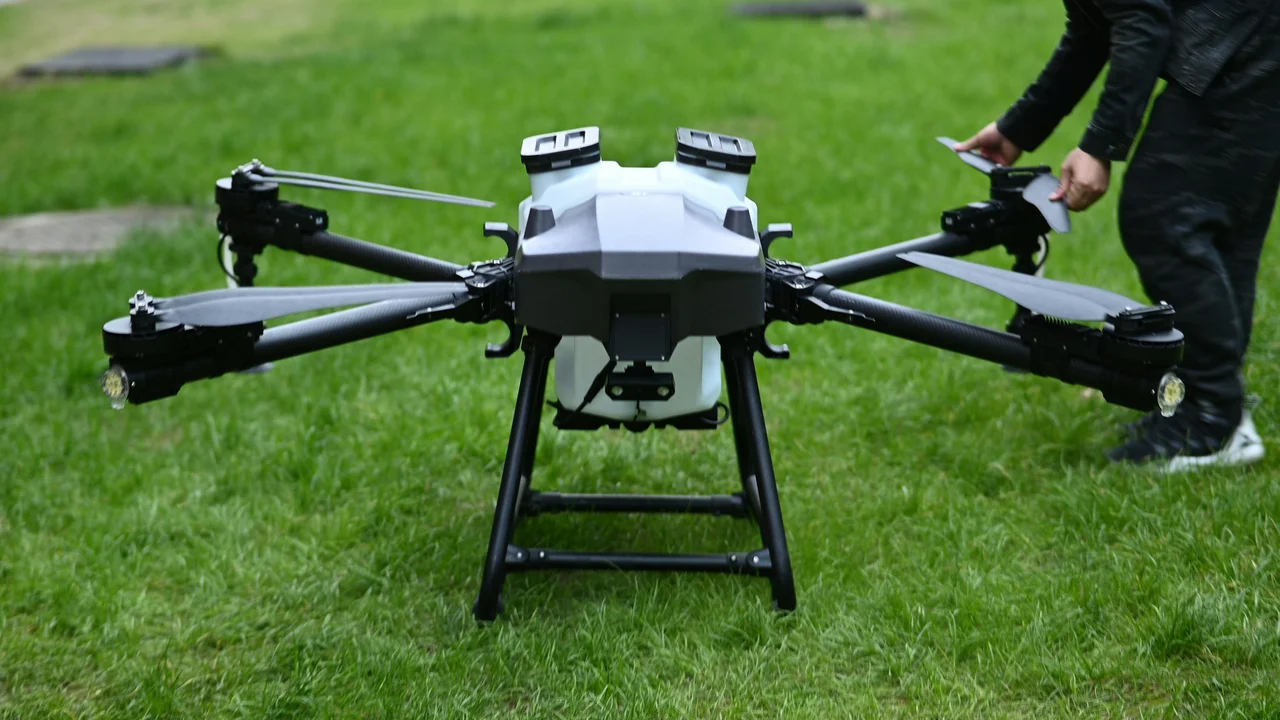
If you own a DJI Mini 4 Pro, DJI Mini 3, or any drone weighing under 250 grams, you are not required to register it with Transport Canada. That is the one concrete simplification in Canada drone laws under 250g. However, everything else — the pilot certificate, altitude limits, no-fly zones, and national park bans — still applies to your sub-250g drone. This guide gives you the exact yes/no answers you need to fly legally in Canada, with no fluff or generic advice.
What Changes Below 250g Under Canadian Drone Laws?
Transport Canada’s rules for drones are set out in the Canadian Aviation Regulations (CARS) Part IX. The 250-gram threshold is the most important weight cut-off in the entire regulatory framework. Here is exactly what changes when your drone is under 250 grams — and what stays the same.
Registration Exemption for Sub-250g Drones
Under CARS Part IX, drones that weigh 250 grams or less at take-off — including all payloads like prop guards or filters — are exempt from the requirement to register with Transport Canada. This means you do not need a registration number on your drone, and you do not need to carry proof of registration while flying.
This exemption applies to the DJI Mini 4 Pro (249g), DJI Mini 3 Pro (249g), and DJI Mini 3 (249g). It also applies to other sub-250g models like the HoverAir X1 or any custom-built drone under the weight limit. However, if you add any accessory that pushes the total take-off weight above 250 grams, the exemption disappears and you must register immediately.
RPAS Certificate Requirement Still Stands
This is the most common point of confusion in Canada drone laws under 250g. Even though registration is not required, the operator must still hold a valid RPAS Pilot Certificate — either Basic or Advanced — to fly a sub-250g drone. Transport Canada makes no distinction based on weight for the pilot certificate requirement. If you are flying a drone for any purpose other than direct, unaided human flight, you need the certificate.
Do You Need to Register a DJI Mini 4 Pro in Canada?
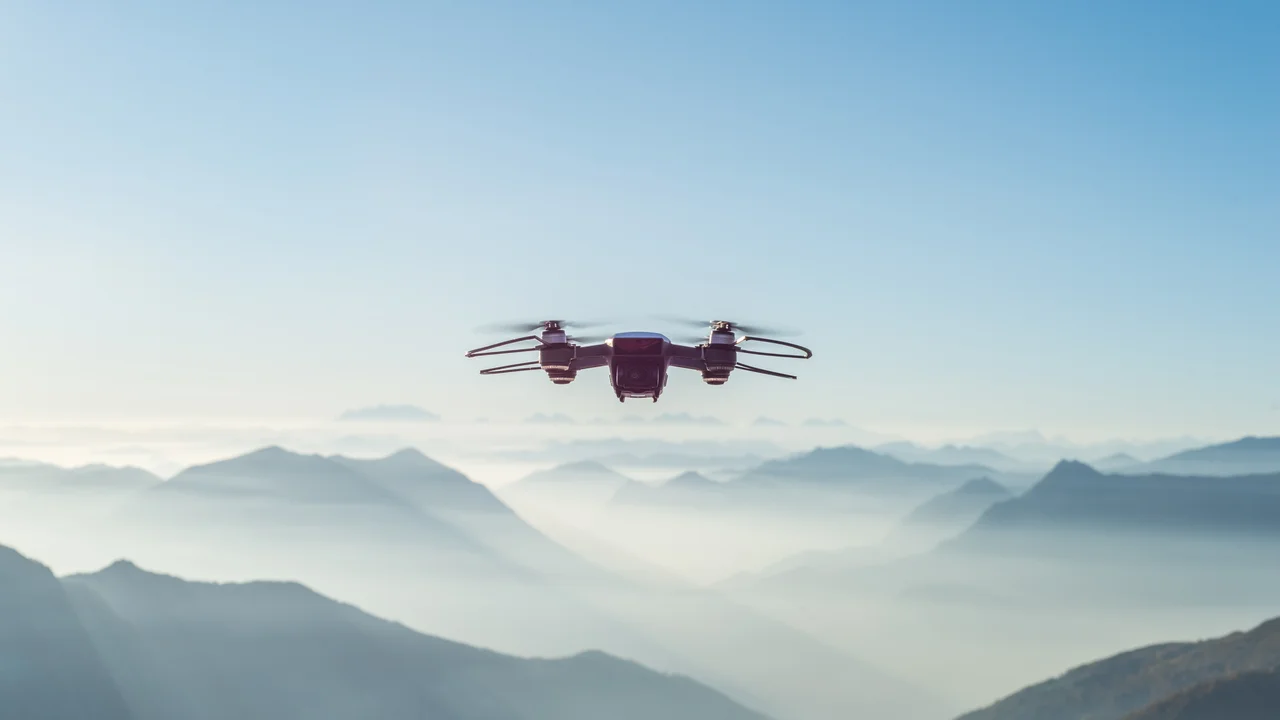
The direct answer is no. The DJI Mini 4 Pro has a take-off weight of 249 grams, which places it squarely under the 250-gram threshold. Transport Canada does not require registration for this model. However, the operator still needs a Basic RPAS Pilot Certificate and must follow all standard operating conditions.
Many pilots assume that because the DJI Mini 4 Pro is so small, it is exempt from all rules. This is incorrect. The drone itself avoids registration, but you — the pilot — must still be certified. The craft’s weight does not exempt you from Transport Canada’s pilot licensing requirements.
Do You Need a Basic RPAS Certificate for a Sub-250g Drone?
Yes. Under Transport Canada’s rules, any drone weighing between 250 grams and 25 kilograms that is flown for non-recreational purposes — or any drone flown recreationally over 250 grams — requires a pilot certificate. But the key detail is that sub-250g drones flown for any purpose still require the operator to hold a Basic RPAS Pilot Certificate.
The Basic RPAS certificate is free, available online through Transport Canada’s portal, and consists of a 30-question multiple-choice exam. You must score at least 80% to pass. Once you pass, the certificate is valid indefinitely, though Transport Canada recommends periodic review of the rules.
Go to tc.canada.ca and register for a profile. You will need a valid email address.
Study the free study guide, then take the 30-question exam. You have 60 minutes.
Once you pass, download and print your certificate. Carry it when you fly.
Standard Operating Conditions That Still Apply to Sub-250g Drones
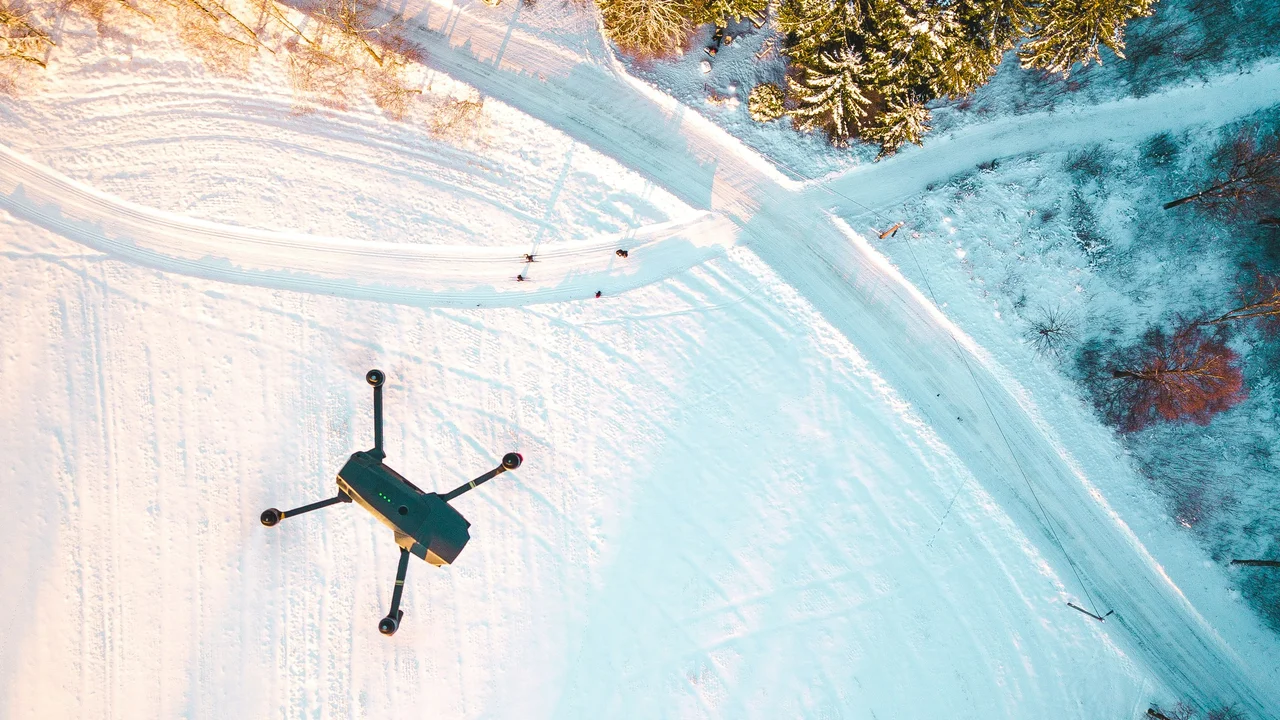
Canada drone laws under 250g retain nearly all the same operating conditions as heavier drones. Here is a breakdown of what still applies.
| Rule | Applies to Sub-250g? | Details |
|---|---|---|
| Maximum altitude | Yes | 122 metres (400 feet) AGL |
| Fly within visual line-of-sight | Yes | You must see the drone at all times |
| Stay 30 metres from bystanders | Yes | 30m horizontal distance minimum |
| Stay 9 metres from people for Advanced ops | Yes | If flying Advanced, 9m applies |
| No flying over people | Yes | Not allowed unless you have Advanced certificate |
| No flying near airports | Yes | 3 nautical mile (5.6 km) restriction |
| No flying in national parks | Yes | Parks Canada ban applies to all drones |
| No flying in controlled airspace without clearance | Yes | Requires NAV CANADA authorization |
| Registration required | No | Only exemption for sub-250g |
Flying Near People with a Sub-250g Drone
The 30-metre rule still applies. You must keep your sub-250g drone at least 30 metres horizontally away from any person who is not part of your flying operation. If you hold an Advanced RPAS certificate, you can reduce this to 9 metres, but you still cannot fly directly over people unless you are operating under a Special Flight Operations Certificate (SFOC).
Many pilots think a lightweight drone is inherently safe around people, but Transport Canada’s rules do not make that distinction. The 30-metre buffer is based on the operator’s certification level, not the drone’s weight. Always maintain the required distance regardless of how small your drone is.
Flying Near Airports and Heliports
Sub-250g drones are not exempt from the 3 nautical mile (5.6 km) restriction around certified airports and heliports. You cannot fly within this zone without prior authorization from NAV CANADA. This applies to all drones, regardless of weight. If you live near an airport, you must use the DroneZone portal to request permission before each flight.
Parks Canada Ban: Still Applies to Sub-250g Drones
Parks Canada bans all recreational and commercial drone use in national parks, national historic sites, and national marine conservation areas. This includes Banff, Jasper, Yosemite’s Canadian equivalent parks, and all other Parks Canada sites. The ban applies to every drone, regardless of weight. Even a sub-250g drone is prohibited.
Violating this ban can result in fines of up to C$25,000. The only exception is if you obtain a special permit from Parks Canada, which is rarely granted for recreational use. If you plan to visit a national park, leave your drone at home or check the specific park’s regulations first.
Provincial Parks: Rules Vary by Province
Unlike the federal Parks Canada ban, provincial park rules vary significantly across Canada. Some provinces, such as British Columbia and Alberta, ban drones in all provincial parks. Others, like Ontario, allow drones in certain provincial parks with restrictions. You must check the specific provincial park authority before flying.
For example, BC Parks bans all drones in provincial parks. Alberta Parks also bans drones. Ontario Parks allows drones in some parks but prohibits them in others, and requires you to stay 100 metres away from campgrounds and facilities. Always verify the rules for the specific park you plan to visit.
Remote ID Requirements for Sub-250g Drones in Canada
Transport Canada has not yet mandated Remote ID for sub-250g drones. However, the DJI Mini 4 Pro and DJI Mini 3 Pro both come with built-in Remote ID capabilities (DJI’s AeroScope system). While not legally required for sub-250g drones in Canada at this time, having Remote ID active can help demonstrate compliance if questioned by authorities.
The United States Federal Aviation Administration (FAA) requires Remote ID for all drones, including sub-250g models flown outdoors. Canada has not followed this path yet, but Transport Canada is monitoring international developments. It is possible that Remote ID requirements will be extended to all drones in future regulatory updates.
Canada vs USA vs UK vs Australia: Sub-250g Rules Compared
Understanding how Canada drone laws under 250g compare to other major countries helps clarify what is unique about the Canadian approach.
| Country | Registration Required? | Pilot Certificate Required? | Altitude Limit | Airport Restriction |
|---|---|---|---|---|
| Canada | No | Yes (Basic RPAS) | 122m (400ft) | 3nm (5.6km) |
| USA (FAA) | No (under 250g) | No (recreational only) | 122m (400ft) | 5 miles (8km) |
| UK (CAA) | Yes (Operator ID) | Yes (Flyer ID) | 122m (400ft) | 5km from airports |
| Australia (CASA) | No | No (if under 250g, recreational) | 122m (400ft) | 5.5km from airports |
Canada is unique in requiring a pilot certificate for all sub-250g drone operators, even for recreational flying. In the USA and Australia, sub-250g recreational drones require neither registration nor a pilot certificate. The UK requires an Operator ID and Flyer ID for all drones, including sub-250g. Canada’s approach is closer to the UK’s in requiring certification, but without the registration requirement.
Common Myths About Sub-250g Drones in Canada Debunked
Several persistent myths circulate about Canada drone laws under 250g. Here are the most common ones corrected.
- Myth: Sub-250g drones are completely exempt from all Canadian drone laws. Fact: Only registration is exempt. All other rules apply, including the pilot certificate requirement.
- Myth: You can fly a DJI Mini 4 Pro anywhere because it is under 250g. Fact: National parks, airport zones, and controlled airspace restrictions still apply.
- Myth: The Basic RPAS certificate is only needed for drones over 250g. Fact: The certificate is required for all drones flown for any purpose, regardless of weight.
- Myth: Sub-250g drones can fly over people because they are safe. Fact: Flying over people is prohibited unless you hold an Advanced certificate and meet specific conditions.
- Myth: You do not need to follow altitude limits with a small drone. Fact: The 122-metre altitude limit applies to all drones, including sub-250g models.
What Actually Gets Easier Under 250g in Canada?
Let us be honest: the practical difference between flying a 249g drone and a 251g drone in Canada is small. The only thing that gets easier is that you skip the registration step. You still need the Basic RPAS certificate, you still must follow all operating conditions, and you still face the same no-fly zones.
The real benefit of a sub-250g drone in Canada is portability and the ability to fly in places where heavier drones face additional restrictions — but not in national parks or near airports. If you are hoping to fly without any paperwork, a sub-250g drone in Canada still requires the Basic RPAS certificate. That is the key takeaway.
For a complete overview of all Canadian drone rules, including advanced operations and commercial flying, see our full guide to Canada drone laws.
Final Thoughts: Flying a Sub-250g Drone in Canada
If you fly a DJI Mini 4 Pro, DJI Mini 3 Pro, or any sub-250g drone in Canada, remember this: you skip registration, but you still need a Basic RPAS Pilot Certificate. The certificate is free, takes about 30 minutes to earn, and is legally required. Without it, you risk fines of up to C$5,000.
Always check the DroneZone portal for airspace restrictions before you fly, and never assume a small drone can go anywhere. National parks, airport zones, and provincial parks all have their own rules. Fly responsibly, stay under 122 metres, and keep 30 metres from people. The rules are there for safety, and they apply to every drone — no matter how small.
Frequently Asked Questions
Do I need to register my DJI Mini 4 Pro in Canada?
No, you do not need to register a DJI Mini 4 Pro in Canada. The drone weighs 249 grams, which is under Transport Canada’s 250-gram registration threshold. However, you still need a Basic RPAS Pilot Certificate to fly it legally. The certificate is free and available online through Transport Canada. Registration exemption does not mean exemption from all rules.
Do I need a Transport Canada certificate to fly a sub-250g drone?
Yes, you need a Basic RPAS Pilot Certificate to fly any sub-250g drone in Canada. Transport Canada requires all drone operators to hold a valid certificate regardless of the drone’s weight. The only exception is for drones flown exclusively indoors. The Basic certificate is free, involves a 30-question online exam, and must be carried when you fly.
Can I fly a DJI Mini 4 Pro in Canadian national parks?
No, you cannot fly a DJI Mini 4 Pro in Canadian national parks. Parks Canada bans all drones, including sub-250g models, in national parks, national historic sites, and national marine conservation areas. This includes Banff, Jasper, and all other Parks Canada sites. Violating this ban can result in fines up to C$25,000. The only exception is with a special permit, which is rarely granted for recreational use.
What are the rules for drones under 250g in Canada?
Drones under 250g in Canada are exempt from registration, but all other Transport Canada rules apply. You need a Basic RPAS Pilot Certificate. You must fly below 122 metres (400 feet) AGL, keep the drone within visual line-of-sight, stay at least 30 metres away from people, and avoid flying near airports without NAV CANADA authorization. National parks and many provincial parks also ban sub-250g drones.
Is the DJI Mini 4 Pro exempt from drone laws in Canada?
No, the DJI Mini 4 Pro is not exempt from Canadian drone laws. It is only exempt from the registration requirement because it weighs under 250 grams. All other regulations still apply, including the need for a Basic RPAS Pilot Certificate, altitude limits, no-fly zones, and the Parks Canada ban. Flying without the certificate is illegal and can result in significant fines.
Do I need a Basic RPAS certificate for my mini drone in Canada?
Yes, you need a Basic RPAS Pilot Certificate to fly any mini drone in Canada, including the DJI Mini 4 Pro and DJI Mini 3 Pro. Transport Canada requires all drone operators to hold this certificate regardless of the drone’s weight. The certificate is free, takes about 30 minutes to complete online, and is valid indefinitely once you pass the exam with a score of 80% or higher.
Last updated: July 14, 2026
- Transport Canada — Drone Safety
- Canadian Aviation Regulations (CARS) Part IX
- Parks Canada — Use of Drones in National Parks
- NAV CANADA — DroneZone Portal
Drone Allowed
DroneAllowed editor covering drone regulations, aviation law, and aerial photography across USA, UK, Canada & Australia.