
Maine Drone Laws 2026: Acadia Area, Coast & State Park Rules
 12 min read
2,287 words
12 min read
2,287 words
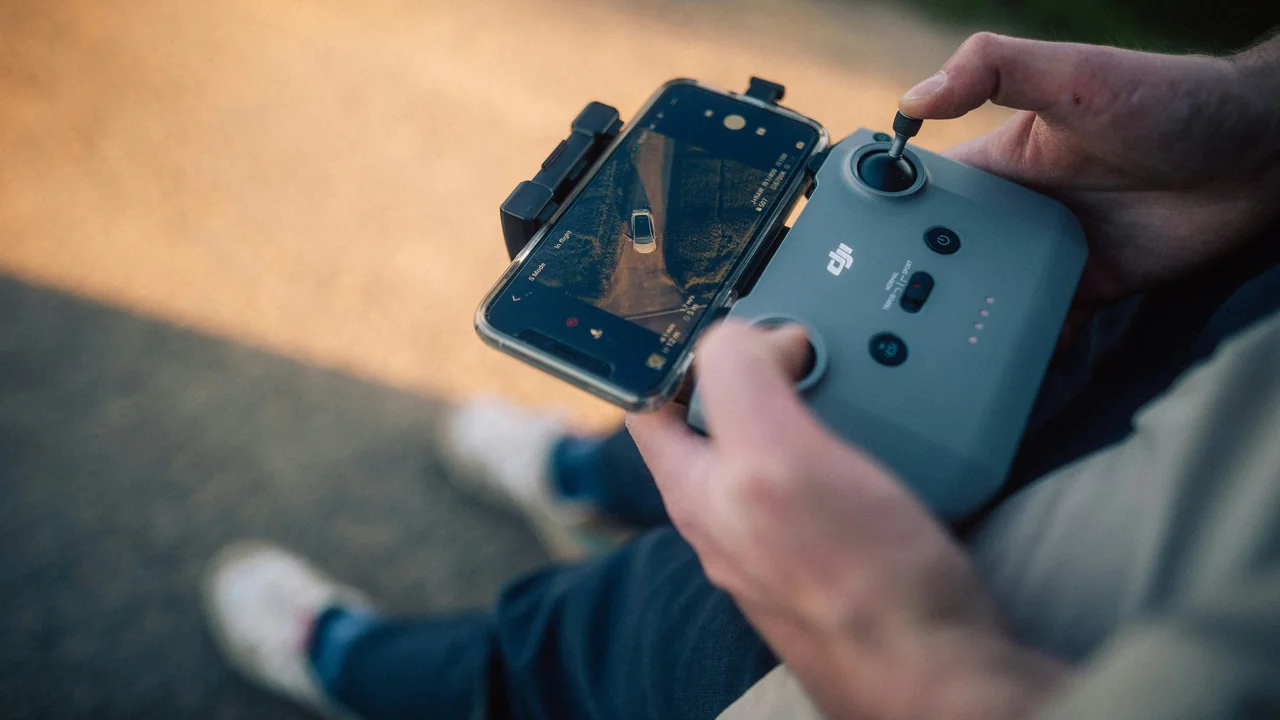
Planning a drone flight in Maine this year? Whether you’re aiming to capture the rugged coastline from above or scout the dense forests of the North Woods, understanding Maine drone laws is essential before you launch. Maine is a top summer destination for pilots, offering a mix of open coastal airspace and heavily restricted state parks. This guide breaks down exactly where you can fly in 2026, covering the FAA’s federal rules, Maine’s unique state statute, and the specific bans at Acadia National Park and Baxter State Park. You’ll learn how to navigate Portland’s controlled airspace, what to expect along the stunning coast, and the precise rules for every major park and landmark.
What Are the Federal FAA Drone Rules You Must Follow in Maine?
Before you look at any state-specific rules, you must comply with the Federal Aviation Administration (FAA) regulations. These apply to every drone flight in Maine, regardless of whether you are flying for fun or for work. The FAA sets the baseline that state laws cannot override, but they can add additional restrictions.
FAA Registration and Remote ID Requirements
If your drone weighs more than 0.55 pounds (250 grams), you must register it with the FAA through the FAA DroneZone website. The registration fee is $5 and is valid for three years. This includes popular models like the DJI Mini 3 Pro or the Autel Nano+, which are under the weight threshold and do not require registration for recreational use. However, all drones operating in controlled airspace or under Part 107 must broadcast Remote ID as of September 2023. Always check your drone’s firmware to ensure Remote ID is active.
Part 107 vs. Recreational Flying
If you are flying for any commercial purpose—selling photos, real estate inspections, or even YouTube monetization—you need a Part 107 Remote Pilot Certificate. Recreational flyers must pass the TRUST (The Recreational UAS Safety Test) and follow the FAA’s safety guidelines. Both categories must yield to manned aircraft, fly below 400 feet AGL, and keep the drone in visual line of sight.
What Does Maine’s State Drone Statute (Title 6 Chapter 37) Say?
Maine’s primary drone law is codified in Title 6, Chapter 37. This statute focuses on privacy and property rights rather than flight operations. It makes it illegal to use a drone to intentionally surveil or photograph someone in a place where they have a reasonable expectation of privacy, such as inside a home or in a fenced backyard. Violations can result in civil penalties. Importantly, this law does not restrict airspace—that remains under FAA control—but it does restrict where you can point your camera.
Are Drones Banned in Acadia National Park in 2026?
Yes, drones are strictly prohibited in Acadia National Park. The National Park Service (NPS) has a nationwide ban on launching, landing, or operating unmanned aircraft on all NPS lands. This includes all of Acadia’s 47,000 acres, including the summit of Cadillac Mountain, Jordan Pond, and the Park Loop Road. The ban is enforced by park rangers, and fines can reach up to $5,000.
Can You Fly a Drone Near Acadia National Park?
You can fly from outside the park boundary, but you must be on land where you have permission. The town of Bar Harbor, which borders the park, is open for drone flying as long as you follow local ordinances and FAA rules. However, if your drone drifts over park airspace, you are violating federal law. The safest approach is to fly from the Bar Harbor waterfront or from private property well outside the park boundary, keeping your drone below 400 feet and within visual line of sight.
What Are the Drone Rules for Baxter State Park?
Baxter State Park is unique in Maine because it was privately donated by former Governor Percival Baxter with strict “forever wild” covenants. The park has its own governance authority and is extremely strict about drone use. Drones are effectively banned. The park’s official policy explicitly prohibits the “operation of unmanned aerial vehicles (drones)” anywhere within the park’s boundaries. This includes the trailheads, campgrounds, and all backcountry areas, including the summit of Mount Katahdin. There are no exceptions for recreational or commercial use.
Are Drones Allowed in Other Maine State Parks?
Maine’s Bureau of Parks and Lands (BPL) manages over 40 state parks and historic sites. The policy for drones is clear: drones are prohibited in all Maine State Parks unless you have a special use permit. This includes popular parks like Quoddy Head State Park (the easternmost point of the U.S.), Popham Beach State Park, and Camden Hills State Park. The permit process is rarely granted for recreational purposes and typically requires proof of insurance and a specific project plan for commercial work.
| Park Name | Drone Status | Notes |
|---|---|---|
| Acadia National Park | Banned | Federal NPS ban; fines up to $5,000 |
| Baxter State Park | Banned | Park-specific rule; no exceptions |
| Maine State Parks (BPL) | Banned | Permit required; rarely granted |
| White Mountain National Forest (Maine section) | Allowed with restrictions | USFS land; no launch from designated wilderness areas |
What About the Maine Coast? Can You Fly a Drone There?
The Maine coast is largely open for drone flying on public land, provided you are not in a state park or national park. The coastline offers spectacular photography opportunities, from the rocky cliffs of Schoodic Point to the lighthouses at Portland Head Light and Bass Harbor Head. However, you must respect private property. Most of the coast is privately owned, so you need permission to launch from a beach or a private dock. Public beaches like Old Orchard Beach or Wells Beach are open, but you must avoid flying over people and follow FAA altitude limits.
Flying a Drone in Bar Harbor and the Gateway to Acadia
Bar Harbor is a popular launch point for drone pilots. The town itself is not a park, so you can fly over the harbor, the town pier, and the surrounding waters. However, be extremely careful about airspace boundaries. Acadia National Park starts just outside the town, and a simple drift eastward could put you in restricted airspace. Always use a No-Fly Zone Checker before each flight to confirm your location relative to park boundaries.
Drone Laws in Portland Maine: Airspace and Local Rules
Portland is the largest city in Maine and home to Portland International Jetport (PWM). The airspace around PWM is controlled Class C airspace. You need FAA authorization through the LAANC system before flying within a 5-mile radius of the airport. The downtown waterfront and the Old Port district are popular drone spots, but you must check for Temporary Flight Restrictions (TFRs) and avoid flying over large crowds or emergency response scenes. Portland also has a city ordinance that prohibits drones from flying over public parks without a permit, so places like Deering Oaks Park or the Eastern Promenade are off-limits for takeoff and landing.
Use an app like Aloft or AirMap to request authorization for flights within 5 miles of PWM or BGR airports. Approval is often instant for altitudes under 200 feet.
Use a Weight Checker to confirm if your drone requires FAA registration. Models under 250g like the DJI Mini 4 Pro do not need registration for recreational use.
Check the BPL map for state park boundaries along the coast. Even remote-looking islands are often part of a state park and are off-limits for drone launches.
Flying a Drone Near Bangor (BGR) and Other Airports
Bangor International Airport (BGR) is another major airspace constraint in Maine. It has Class D airspace that requires LAANC authorization. The city of Bangor itself does not have a specific drone ordinance, but you must follow FAA rules. The same applies to smaller airports like Augusta State Airport (AUG) and Knox County Regional Airport (RKD) near Rockland. Always check the airspace map before flying in any populated area.
Drone Rules for White Mountain National Forest (Maine Section)
A small portion of the White Mountain National Forest extends into western Maine, near the town of Gilead. The U.S. Forest Service (USFS) allows drone use on most of its land, but with restrictions. You cannot launch or land from designated Wilderness Areas or from areas closed to motorized use. The forest also prohibits drones from harassing wildlife or disturbing other visitors. This is a great option for scenic flights over the mountains, but you must stay out of the wilderness zones.
What Are the Penalties for Violating Maine Drone Laws?
Violating Maine’s drone laws can lead to significant consequences. Flying in a state park or Baxter State Park can result in a civil violation with fines up to $500, plus potential trespassing charges. Flying in Acadia National Park can lead to federal fines up to $5,000. Additionally, if you violate the privacy statute under Title 6, you could face a civil lawsuit. Always err on the side of caution and obtain permission before flying over private property.
Final Thoughts: Flying a Drone in Maine in 2026
Maine offers incredible drone flying opportunities, especially along its open coastline and in rural areas. The key is to know exactly where the boundaries are. You can safely fly in towns like Bar Harbor, Portland (with LAANC approval), and along public beaches, but you must avoid all state and national parks. Baxter State Park and Acadia National Park are strictly off-limits. Always check the latest airspace restrictions using a reliable tool and verify your drone’s weight. With careful planning, you can capture stunning aerial footage of Maine’s natural beauty without running afoul of the law.
Frequently Asked Questions
Are drones allowed at Baxter State Park?
No, drones are strictly prohibited at Baxter State Park. The park has its own governance and a “forever wild” covenant that bans all unmanned aerial vehicles. There are no exceptions for recreational or commercial use, and park staff actively enforce this rule. Launching a drone anywhere within the park boundaries can result in confiscation and trespassing charges.
Can I fly a drone on the Maine coast?
Yes, you can fly a drone on the Maine coast as long as you are not inside a state park or national park. Public beaches like Old Orchard Beach and Wells Beach are open for drone use, but you must respect private property boundaries. The Maine coast offers spectacular open coastline photography opportunities, especially around lighthouses and rocky shores, provided you launch from public land with permission.
What are the drone laws in Portland Maine?
In Portland, you must comply with FAA airspace rules for Portland International Jetport (PWM), which is Class C airspace requiring LAANC authorization. The city also has a local ordinance that prohibits drones from taking off or landing in public parks without a permit. You can fly over the waterfront and the Old Port district, but avoid flying over large crowds or emergency scenes. Always check for TFRs before flying.
Are drones legal in Maine State Parks?
Drones are not legal in Maine State Parks without a special use permit from the Bureau of Parks and Lands. This includes popular parks like Quoddy Head State Park and Camden Hills State Park. The permit process is rarely approved for recreational use and typically requires proof of insurance and a specific project plan. Violating this rule can result in fines and removal from the park.
Can I fly a drone near Acadia National Park?
You can fly a drone near Acadia National Park from outside the park boundary, such as from the town of Bar Harbor. However, you cannot launch from inside the park, and your drone must never enter park airspace. The park’s boundaries are clearly marked, and drifting over park land violates federal NPS rules. Flying from the Bar Harbor waterfront is a popular option, but keep your drone within visual line of sight and below 400 feet.
What is Maine’s drone law?
Maine’s primary drone law is Title 6, Chapter 37, which focuses on privacy. It makes it illegal to use a drone to intentionally surveil or photograph someone in a place where they have a reasonable expectation of privacy. This law does not regulate airspace, which remains under FAA control, but it does restrict camera use. Violations can lead to civil penalties, and you can be sued for invasion of privacy.
Last updated: June 25, 2026
- Federal Aviation Administration (faa.gov)
- Maine Bureau of Parks and Lands (maine.gov/dacf/park)
- Baxter State Park Authority (baxterstatepark.org)
- National Park Service (nps.gov)
- U.S. Forest Service (fs.usda.gov)
Drone Allowed
DroneAllowed editor covering drone regulations, aviation law, and aerial photography across USA, UK, Canada & Australia.