
North Dakota Drone Laws 2026: Theodore Roosevelt NP & Rules
 12 min read
2,252 words
12 min read
2,252 words
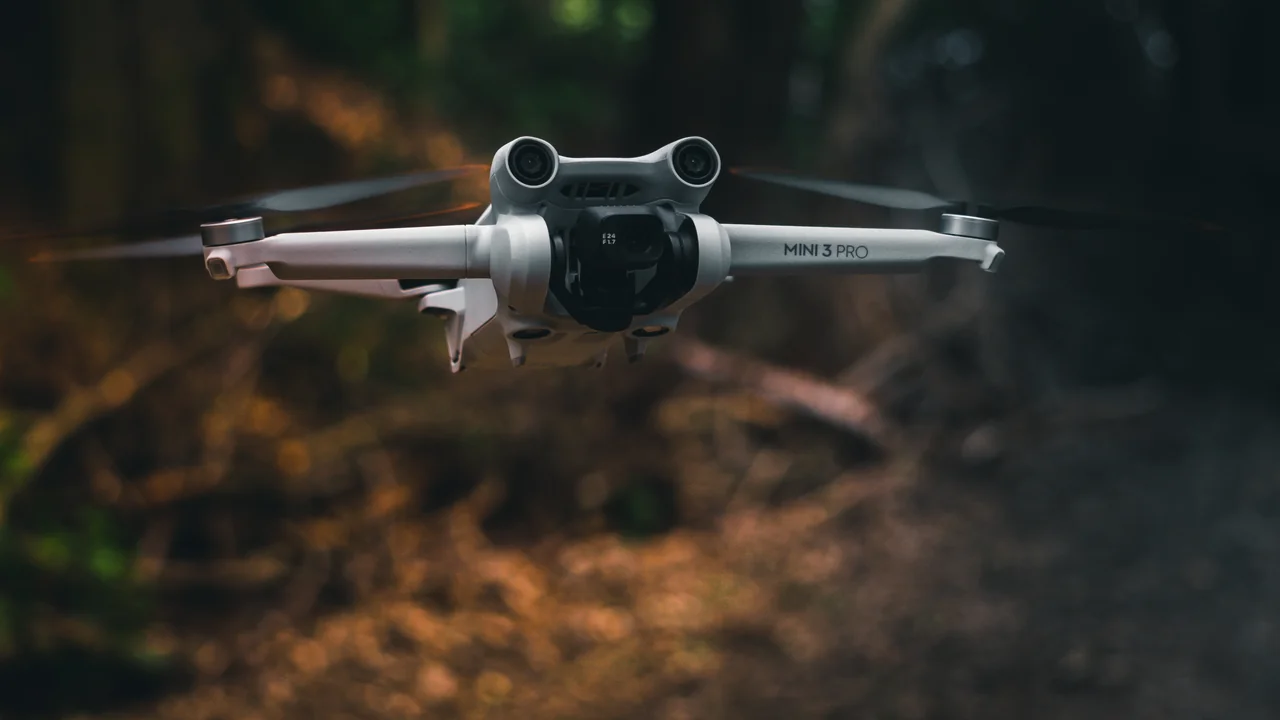
If you are planning to fly a drone in North Dakota in 2026, you need to navigate a patchwork of federal FAA rules, National Park Service bans, state park policies, and military airspace restrictions. This guide covers the specific North Dakota drone laws you need to know, from the Badlands to the Red River Valley. You will learn exactly where you can launch, what permits you need, and how to avoid no-fly zones around Theodore Roosevelt National Park, Fargo, Bismarck, and Minot Air Force Base.
What Are the Baseline Federal Drone Laws for North Dakota in 2026?
Before looking at state-specific rules, every drone pilot in North Dakota must comply with the Federal Aviation Administration (FAA) regulations. These are the foundation of all North Dakota drone laws.
FAA Registration: When and How to Register
If your drone weighs more than 0.55 pounds (250 grams), you must register it with the FAA through the FAA DroneZone. The fee is $5 and covers a 3-year registration period. This applies to nearly all consumer drones, including the DJI Mini series if you add any accessories that push it over the weight limit. Use our Weight Checker to confirm if your model requires registration.
Part 107 vs. Recreational Flying
For commercial operations—meaning you fly for any business purpose, even if it’s just selling a photo—you must hold a Part 107 Remote Pilot Certificate. Recreational flyers must pass The Recreational UAS Safety Test (TRUST) and carry proof of passage. Both categories must follow the core operating rules: stay below 400 feet above ground level (AGL), keep the drone in visual line of sight, and never fly over moving vehicles or people.
LAANC and Controlled Airspace
North Dakota has several controlled airspace zones around airports. To fly in these areas, you must obtain an airspace authorization through the FAA’s LAANC system (Low Altitude Authorization and Notification Capability). Apps like Aloft or Air Control can request this instantly. Always check the airspace before flying—use our No-Fly Zone Checker to identify restricted areas.
Drone Rules at Theodore Roosevelt National Park: A Complete Ban
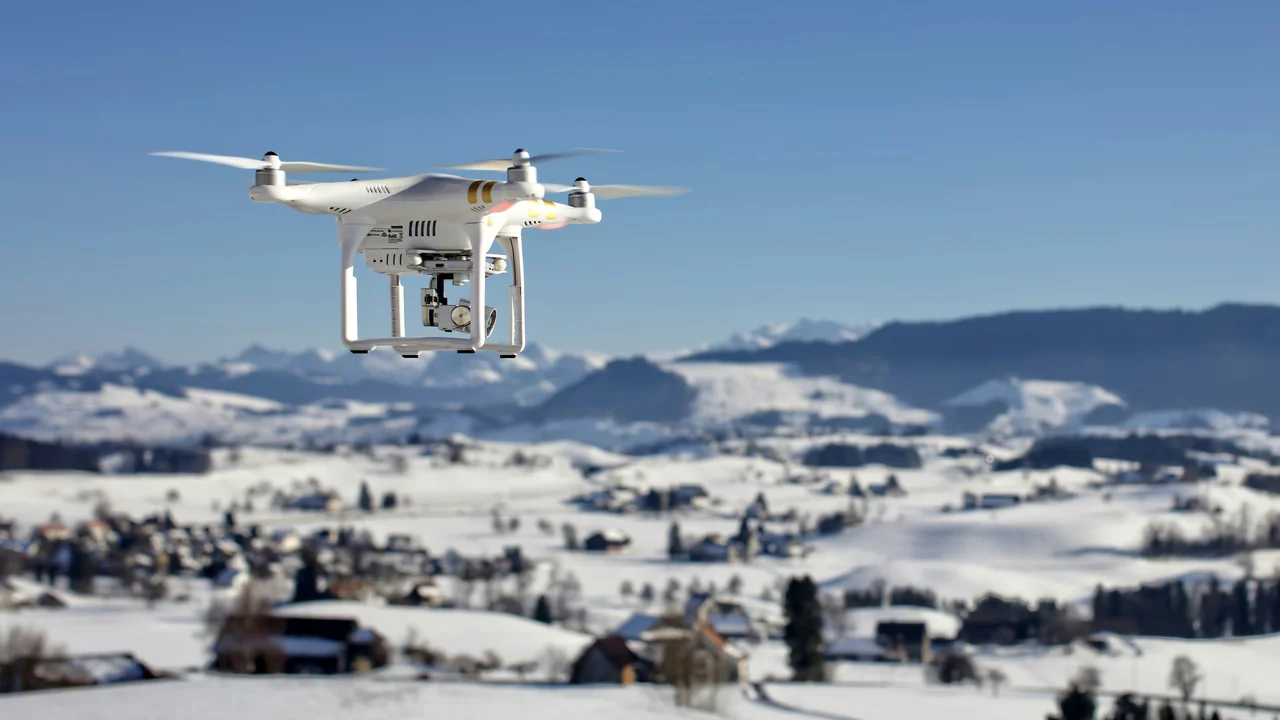
Theodore Roosevelt National Park, located in the Badlands of western North Dakota, is one of the most visually striking landscapes in the country. However, the National Park Service (NPS) strictly prohibits drone launch, landing, and operation within park boundaries. This ban covers both the North Unit near Watford City and the South Unit near Medora.
Can I Fly Near the Badlands Outside the Park?
Yes, but only in specific areas. The Little Missouri National Grassland, managed by the U.S. Forest Service (USFS), surrounds much of Theodore Roosevelt National Park. On USFS land, drone flying is generally permitted as long as you follow FAA regulations and do not disturb wildlife or other visitors. This is your best option for capturing Badlands-style landscapes legally.
Knife River Indian Villages National Historic Site: Also Banned
Another NPS site in North Dakota, the Knife River Indian Villages National Historic Site near Stanton, falls under the same federal drone ban as all national park units. No drones are allowed here. This site preserves the history of the Northern Plains Indians, and the NPS prohibits any aircraft operation to protect the cultural landscape.
Drone Laws in Fargo: Navigating FAR Airspace
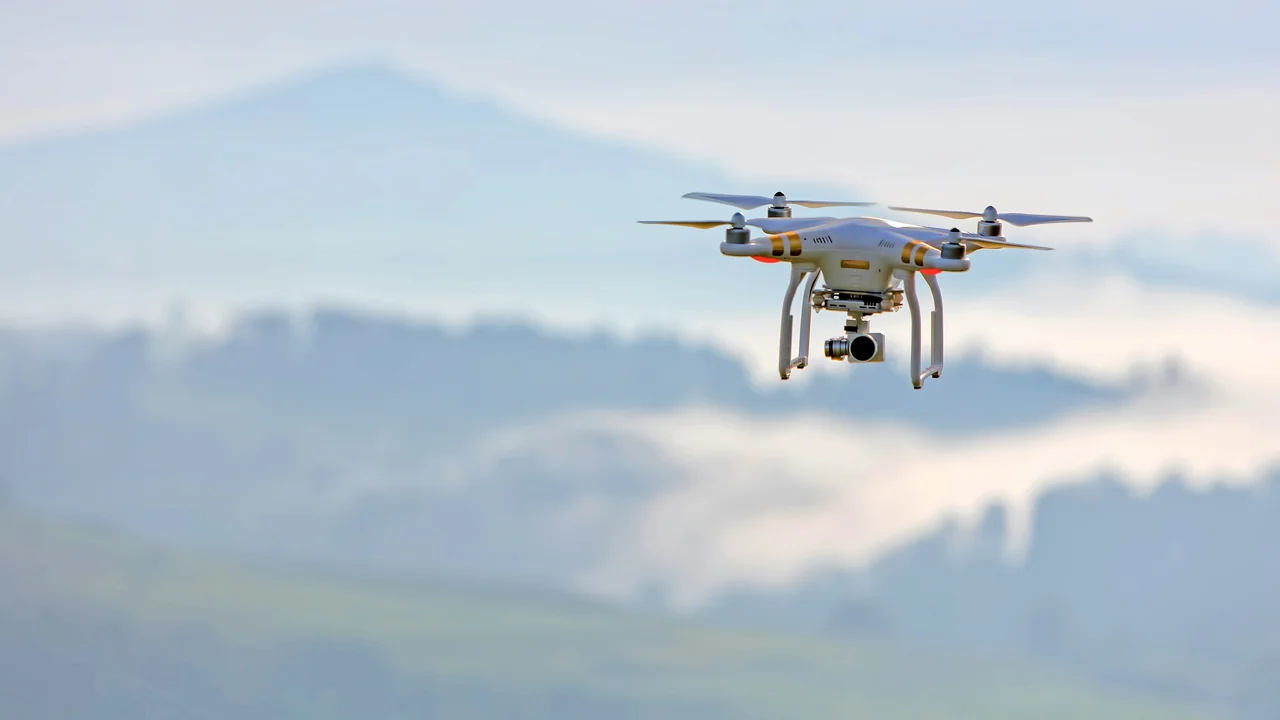
Fargo, the largest city in North Dakota, sits under the airspace of Hector International Airport (FAR). This is a Class C controlled airspace, which means you need LAANC authorization to fly within the inner ring (typically 5 nautical miles). The downtown area and the North Dakota State University campus are both within this zone.
Fargo Flying Tips
- Use LAANC apps for instant authorization
- Fly near the Red River (outside the 5-mile ring)
- Check for temporary flight restrictions (TFRs) during events
Fargo No-Fly Zones
- Hector International Airport approach paths
- Downtown airspace near the airport
- Above crowds or stadiums
Where Can I Fly in Fargo Without Authorization?
The western and southern edges of Fargo, beyond the Class C airspace ring, do not require LAANC authorization. Parks like Lindenwood Park or the area along the Red River south of the airport are generally open for recreational flying, provided you stay under 400 feet and away from people.
Bismarck Airspace: BIS and the State Capitol
Bismarck is home to Bismarck Municipal Airport (BIS), a Class D controlled airspace. The same LAANC rules apply here. The area around the North Dakota State Capitol grounds is within this zone. While the state capitol building itself is not a designated no-fly zone, the airspace restrictions from the airport make flying there difficult without authorization.
Grand Forks and the University of North Dakota’s Drone Program
Grand Forks International Airport (GFK) is a Class D airspace, but the real story here is the University of North Dakota (UND). UND is one of the top drone research universities in the United States, with a dedicated UAS (Unmanned Aircraft Systems) program. The Grand Forks area is a hub for drone innovation, including the Grand Sky technology park, which hosts large-scale military and commercial drone testing.
For the average pilot, this means the airspace around Grand Forks can have additional temporary flight restrictions (TFRs) related to research activities. Always check NOTAMs (Notices to Air Missions) before flying near Grand Forks. The Northern Plains UAS Test Site also operates in this region, so expect active airspace management.
Minot Air Force Base: A Strict No-Fly Zone
Minot Air Force Base (MIB) is a major strategic military installation housing B-52 bombers and Minuteman III intercontinental ballistic missiles. The airspace around Minot AFB is heavily restricted. There is a permanent restricted area (R-5801) that extends from the surface upward. Civilian drone flight within this area is strictly prohibited. Even outside the restricted zone, the FAA often issues TFRs for military exercises.
North Dakota State Parks: What Does NDPR Policy Say?
The North Dakota Parks and Recreation Department (NDPR) manages the state’s parks, including popular spots like Fort Abraham Lincoln State Park and Lake Sakakawea State Park. Unlike the NPS, NDPR does not have a blanket ban on drones. However, each park superintendent can impose restrictions. Generally, drones are allowed in state parks as long as you follow these rules:
- Do not disturb wildlife or other visitors
- Do not fly over crowds or campgrounds
- Do not launch or land from park buildings
- Respect any posted signage prohibiting drones
Always call the specific park office before flying. Some parks, especially those near wildlife refuges or sensitive areas, may have local restrictions.
Little Missouri National Grassland: Open Skies for Drone Pilots
As mentioned, the Little Missouri National Grassland is a prime location for drone flying near the Badlands. The USFS generally permits recreational drone use on National Grasslands, provided you follow FAA rules and leave no trace. This is a vast area with minimal airspace restrictions, making it one of the best places in North Dakota for aerial photography of the rugged terrain.
North Dakota Oil Fields: Restricted Airspace Near Infrastructure
The Bakken oil fields in western North Dakota have a dense network of well pads, pipelines, and processing facilities. While there is no specific state law banning drones over oil fields, the FAA considers energy infrastructure as sensitive sites. Many oil companies have their own no-drone policies, and flying over active well pads could violate FAA rules if you are within controlled airspace near airstrips used by the industry.
Additionally, the oil fields often have temporary flight restrictions (TFRs) for firefighting or emergency operations. Always check for active TFRs in the Bakken region before flying. The airspace near Williston (XWA) and Dickinson (DIK) is also controlled, requiring LAANC authorization.
Final Thoughts: Flying Legally in North Dakota in 2026
North Dakota drone laws in 2026 require you to respect three distinct layers of regulation: federal FAA rules, National Park Service bans, and local airspace restrictions. The most common mistake pilots make is flying near Theodore Roosevelt National Park without realizing the ban extends to the entire park boundary. Your best alternative is the Little Missouri National Grassland, which offers the same stunning Badlands views without the legal risk.
Before every flight, run our No-Fly Zone Checker to verify airspace status. If you are flying a drone near the 0.55-pound threshold, confirm your registration status with the Weight Checker. North Dakota has incredible drone photography potential, but only if you fly within the law.
Frequently Asked Questions
Are drones allowed in Theodore Roosevelt National Park?
No, drones are strictly prohibited in Theodore Roosevelt National Park. The National Park Service enforces a complete ban on the launch, landing, and operation of unmanned aircraft within all park boundaries, including both the North and South Units. Violators face fines starting at $500 and possible federal charges.
Can I fly a drone near the North Dakota Badlands?
Yes, but only outside Theodore Roosevelt National Park. The Little Missouri National Grassland, managed by the U.S. Forest Service, surrounds the park and allows drone flight as long as you follow FAA regulations. Launch from USFS land and avoid flying over the park boundary to stay legal.
What are the drone rules in Fargo?
Fargo is under Class C airspace from Hector International Airport (FAR). You need LAANC authorization to fly within the inner 5-mile ring. Outside that ring, such as near the Red River south of the airport, you can fly recreationally without authorization as long as you stay under 400 feet and avoid people.
Is Minot Air Force Base a no-fly zone?
Yes, the airspace around Minot Air Force Base is heavily restricted. There is a permanent restricted area (R-5801) that prohibits civilian drone flight from the surface upward. Additionally, the FAA frequently issues temporary flight restrictions for military exercises. Always check SUA maps before flying near Minot.
Are drones legal in North Dakota State Parks?
Generally, yes, but with restrictions. The North Dakota Parks and Recreation Department does not have a blanket ban, but each park superintendent can impose local rules. You must not disturb wildlife, fly over crowds, or launch from park buildings. Always call the specific park office before flying.
What is the drone law in North Dakota?
North Dakota follows federal FAA regulations as the baseline, with additional restrictions from the National Park Service and local airspace rules. You must register drones over 0.55 pounds, obtain LAANC authorization in controlled airspace, and respect all no-fly zones around military bases and national parks. There are no state-specific drone laws beyond these federal and local rules.
Can I fly a drone in North Dakota without registering it?
No, if your drone weighs more than 0.55 pounds (250 grams), you must register it with the FAA before flying. This applies to all drones used for recreational or commercial purposes. The registration fee is $5 and is valid for three years.
Are there any state parks in North Dakota where drones are allowed?
Yes, many North Dakota state parks allow drone flights as long as you follow all FAA regulations. However, you must contact the specific park office before flying, as some parks may have additional restrictions based on wildlife, events, or visitor safety.
What is the penalty for flying a drone in Theodore Roosevelt National Park?
Flying a drone in any national park, including Theodore Roosevelt National Park, can result in fines up to $5,000 and potential confiscation of your equipment. The National Park Service actively patrols for unauthorized drone use.
Do I need a license to fly a drone in North Dakota for fun?
No, you do not need a license for recreational flying. However, you must pass the FAA’s TRUST test and carry proof of completion when flying. For commercial operations, a Part 107 Remote Pilot Certificate is required.
Can I fly my drone near the oil fields in western North Dakota?
Yes, but with significant restrictions. You cannot fly over active drilling sites, pipelines, or storage facilities without explicit permission from the operator. These areas are often patrolled by security and may have temporary flight restrictions (TFRs) in place.
Last updated: June 25, 2026
- Federal Aviation Administration (faa.gov)
- National Park Service (nps.gov) — Theodore Roosevelt National Park
- U.S. Forest Service (fs.usda.gov) — Little Missouri National Grassland
- North Dakota Parks and Recreation Department (parkrec.nd.gov)
- FAA Special Use Airspace Maps
Drone Allowed
DroneAllowed editor covering drone regulations, aviation law, and aerial photography across USA, UK, Canada & Australia.