
Zion National Park Drone Laws 2026: Ban Details & Nearby Options
 11 min read
2,130 words
11 min read
2,130 words
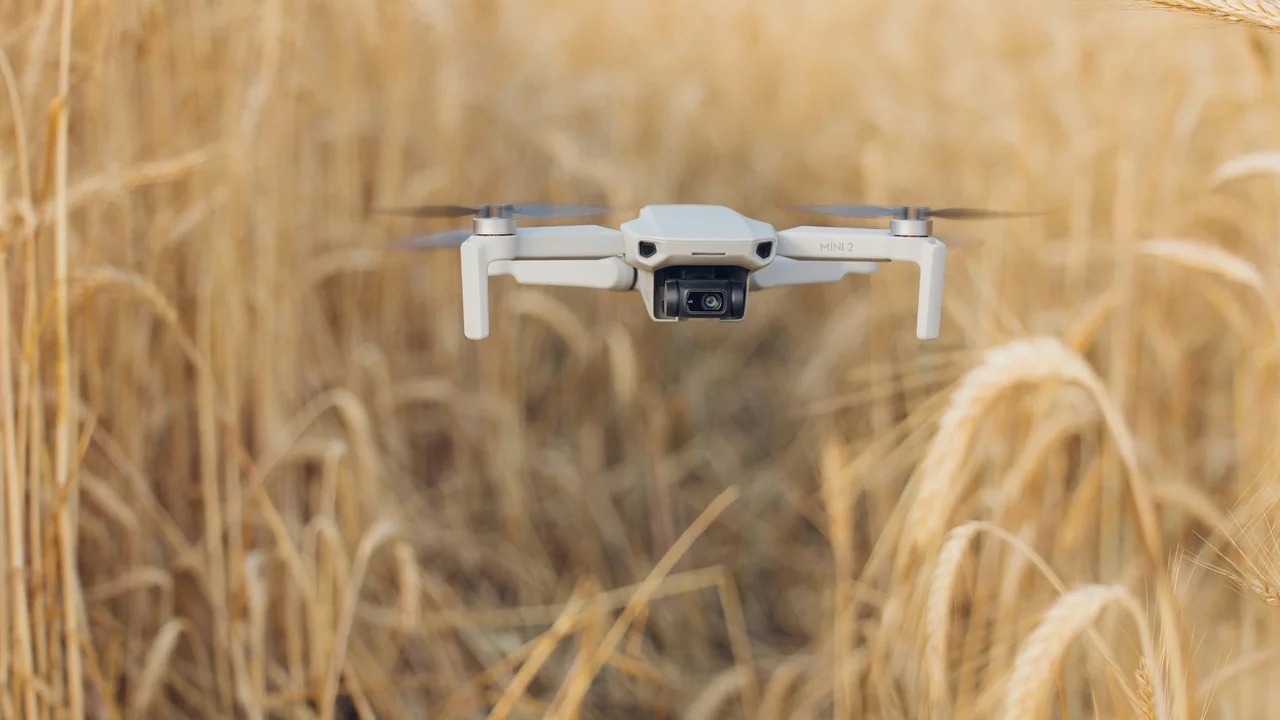
You are standing at the entrance of Zion National Park, camera bag in hand, drone case slung over your shoulder, and you are about to discover that the red rock masterpiece above you is a strict no-fly zone. The Zion National Park drone laws for 2026 are crystal clear: drones are completely banned inside the park boundaries, and this includes every iconic trail from Angels Landing to The Narrows. In this guide, you will learn exactly why the ban exists, where you absolutely cannot fly, and—most importantly—where you can legally launch your drone within a short drive of Zion Canyon to capture those breathtaking sandstone vistas without risking a federal fine.
Why Are Drones Not Allowed in Zion National Park?
The National Park Service (NPS) enacted a nationwide ban on drone operations in 2014 under Policy Memorandum 14-05, and Zion National Park enforces this restriction strictly. The ban applies to all unmanned aircraft systems (UAS), including recreational drones, commercial drones, and even sub-250-gram models like the DJI Mini 4 Pro. The NPS cites three primary reasons: visitor safety, protection of natural soundscapes, and preservation of wildlife. In Zion specifically, the narrow canyon walls create a natural amphitheater where drone noise echoes for miles, disturbing both hikers and bighorn sheep. What does this mean for your flight? If you attempt to launch a drone anywhere within Zion’s 229 square miles—including the visitor center parking lot, the Zion Lodge grounds, or the Watchman Campground—you are violating federal law and subject to citation.
Can I Fly a Drone at Angels Landing or The Narrows?
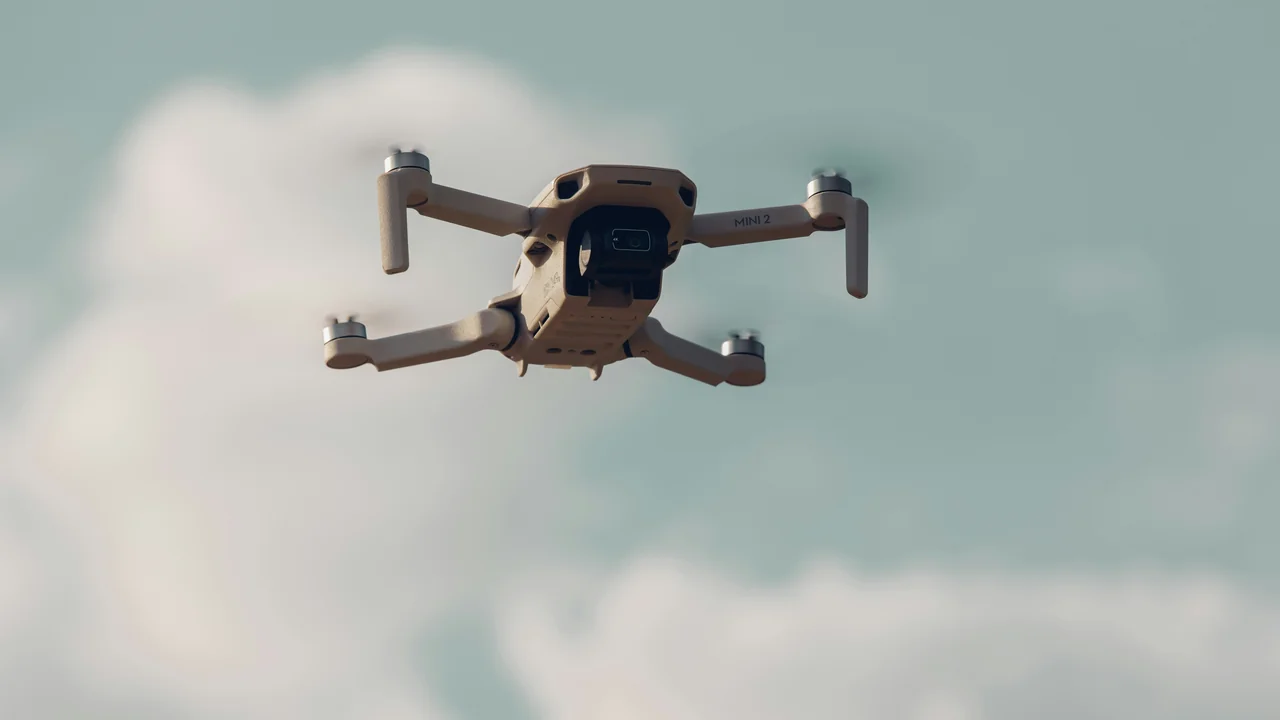
No. Angels Landing, The Narrows, Emerald Pools, Observation Point, and every other named trail within Zion National Park are off-limits to drones. The ban is absolute and does not distinguish between crowded trails and remote backcountry areas. Even if you hike six miles into the backcountry and see no one, launching a drone remains illegal. The NPS considers any drone operation inside park boundaries a violation of 36 CFR § 1.5, which carries penalties up to $5,000 per incident. For photographers hoping to capture the iconic switchbacks of Angels Landing from above, the only legal option is to hike to the summit and use a handheld camera—the view from the top is worth the effort.
Drone Laws Near Zion: Where Can You Fly Legally?
While Zion National Park itself is a no-fly zone, the surrounding public lands in southwestern Utah offer some of the most spectacular drone photography opportunities in the American Southwest. The key is understanding which agencies manage the land and what their drone policies are.
Bureau of Land Management (BLM) Land Near Zion
The BLM manages vast tracts of red rock desert surrounding Zion, and the agency generally permits drone operations on public lands as long as you follow FAA regulations. You do not need a permit for recreational drone flights on BLM land, though commercial operators need a Part 107 certificate. The BLM land begins immediately outside the park boundary—in some areas, you can stand just feet from the park entrance and legally launch your drone. Prime BLM areas near Zion include the Red Cliffs National Conservation Area (though check for seasonal closures) and the land along Highway 9 between Springdale and Mount Carmel Junction.
Dixie National Forest: Open Skies for Drone Pilots
The Dixie National Forest surrounds much of Zion’s northern and eastern boundaries and generally allows drone operations. The U.S. Forest Service does not have a blanket drone ban like the NPS, though they may impose temporary flight restrictions during fire seasons or wildlife management periods. The Pine Valley Ranger District, located about 30 miles northwest of Zion, offers high-elevation ponderosa pine forests and meadows where drones are welcome. Always check the forest’s website for Temporary Flight Restrictions (TFRs) before heading out.
Sand Hollow State Park: A Drone-Friendly Reservoir
Sand Hollow State Park, located about 45 miles west of Zion near Hurricane, Utah, permits drone operations under Utah State Parks policy. The state park allows drones as long as you do not disturb other visitors or wildlife. The red sandstone cliffs surrounding the reservoir create dramatic reflections in the water, making this a popular spot for aerial photography. You must yield to all manned aircraft and keep your drone within visual line of sight. Launch from the designated beach areas, not from the marina or campgrounds.
Coral Pink Sand Dunes State Park: Drone Rules Apply
Coral Pink Sand Dunes State Park, about 25 miles south of Zion near Kanab, follows Utah State Parks policy for drones. The park allows drone operations but requires you to stay at least 100 feet away from other visitors and avoid flying over the dune buggy and ATV areas. The shifting pink sand creates surreal patterns from the air, and the park’s remote location means less air traffic. However, note that the park charges an entry fee ($15 per vehicle as of 2026), and you must register your drone with the park office if you plan to fly—this is a state-level requirement unique to Utah State Parks.
| Location | Distance from Zion | Drone Policy | Best For |
|---|---|---|---|
| Zion National Park | 0 miles | Complete ban | N/A |
| BLM Land (Gooseberry Mesa) | 15 miles east | Allowed (FAA rules apply) | Park backdrop shots |
| Dixie National Forest | 30 miles north | Allowed (check TFRs) | Forest and canyon views |
| Sand Hollow State Park | 45 miles west | Allowed (state rules) | Reservoir and cliffs |
| Coral Pink Sand Dunes | 25 miles south | Allowed (register at office) | Sand dune patterns |
| St. George, UT | 50 miles west | City ordinance applies | Urban and desert mixes |
Springdale, Utah: Can You Fly a Drone in the Gateway Town?
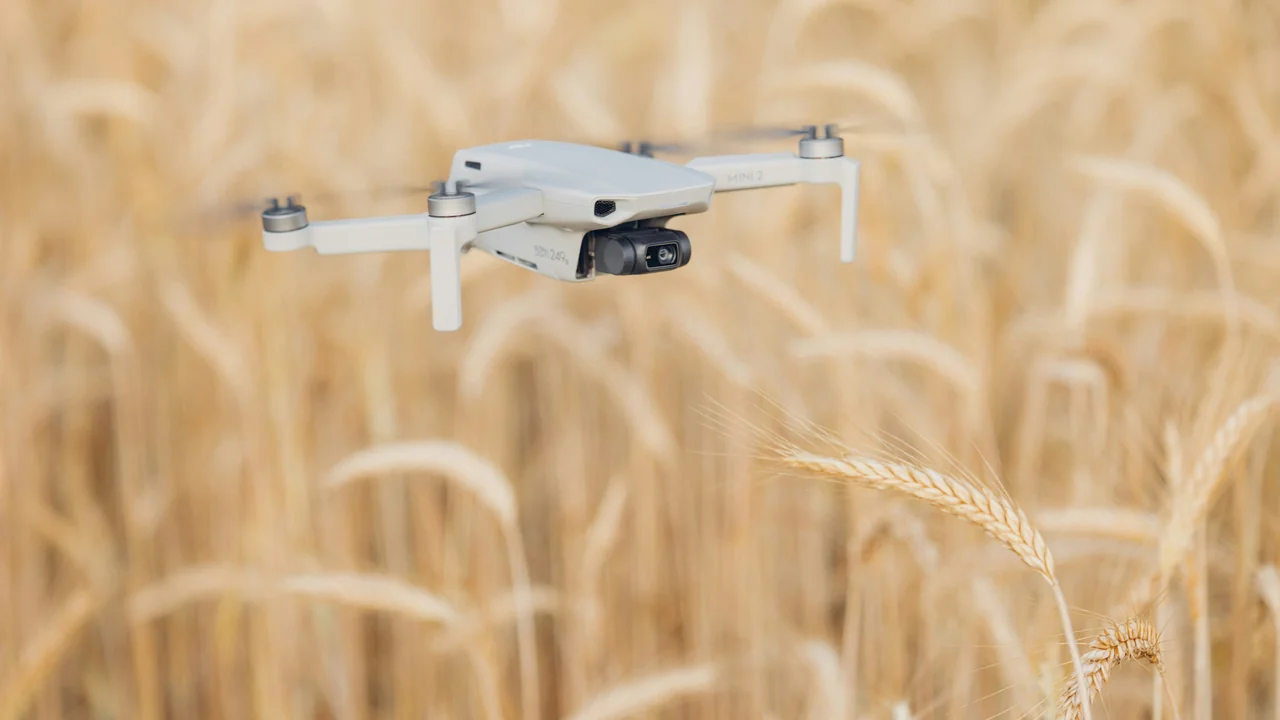
Springdale, the town immediately adjacent to Zion’s south entrance, is not part of the national park, but it has its own drone regulations. The town of Springdale has not passed a specific drone ordinance as of 2026, meaning you are subject to FAA regulations only. However, you must be careful: the town sits directly beneath the Zion airspace, and the park’s no-fly zone begins at the park boundary. If you launch from a Springdale hotel parking lot and your drone drifts 100 feet south, you have illegally entered Zion airspace. The FAA considers airspace violations a separate offense from NPS land violations. For safe flying in Springdale, keep your drone over the town itself and avoid the Virgin River corridor that borders the park.
St. George and Kanab: Urban Drone Flying in Southern Utah
St. George, the largest city in the region (about 50 miles west of Zion), has a municipal drone ordinance that prohibits takeoff and landing from city parks without a permit. You can fly on private property with the landowner’s permission and over undeveloped BLM parcels within the city limits. The St. George Municipal Airport (SGU) has Class D airspace, so use the No-Fly Zone Checker before flying anywhere near the airport approach paths. Kanab, about 30 miles east of Zion, is a better base for drone pilots. The town is surrounded by BLM land and the Grand Staircase-Escalante National Monument, where drones are generally permitted on BLM-managed sections. Kanab also has less air traffic than St. George, making it easier to find safe launch zones.
What Are the Penalties for Violating the Zion Drone Ban?
Flying a drone in Zion National Park carries serious consequences. The NPS can issue a citation under 36 CFR § 1.5, with fines starting at $500 and escalating to $5,000 for repeat offenses. In addition, the FAA can pursue separate enforcement actions for reckless operation under 14 CFR § 107.23, which can result in civil penalties up to $27,500 per violation. The NPS also has the authority to confiscate your drone and equipment as evidence. In 2024, a drone operator was cited at Zion for attempting to film the Emerald Pools from above—the fine was $1,200 plus court costs. The NPS rangers patrol popular viewpoints and trails, and visitors frequently report drone activity to park staff.
Summary: How to Fly Legally Near Zion National Park
Zion National Park is off-limits to drones, and that is not changing in 2026 or anytime soon. Your best strategy is to base yourself in Kanab or Hurricane, Utah, and scout BLM land or Dixie National Forest for launch sites. The Gooseberry Mesa area offers the closest legal viewpoint of the Zion backcountry, while Sand Hollow State Park provides stunning reservoir and red rock compositions. Before any flight, check the FAA’s B4UFLY app for airspace restrictions and use the No-Fly Zone Checker to confirm your launch point is clear of temporary flight restrictions. The red rock country surrounding Zion is vast and largely open to drone pilots—you just need to know where the lines are drawn.
Frequently Asked Questions
Are drones allowed in Zion National Park?
No, drones are strictly prohibited in Zion National Park. The National Park Service has banned all unmanned aircraft systems since 2014, and this applies to every trail, viewpoint, and backcountry area within the park boundaries. The ban covers drones of all weights, including sub-250-gram models like the DJI Mini series. Violating this ban can result in fines up to $5,000 and confiscation of your equipment.
Where can I fly a drone near Zion?
The best legal drone flying options near Zion include Bureau of Land Management land (especially Gooseberry Mesa), Dixie National Forest, Sand Hollow State Park, and Coral Pink Sand Dunes State Park. Each location has specific rules: BLM land requires you to follow standard FAA regulations, while Utah State Parks may require registration at the park office. Always verify that your chosen launch point is outside the Zion National Park boundary.
Can I fly a drone in Springdale Utah?
Springdale does not have a specific municipal drone ordinance as of 2026, so FAA regulations apply. However, you must be extremely careful because the town borders Zion National Park. If your drone drifts into park airspace, you face federal penalties. Launch from private property with permission and keep your flight confined to the town area, well north of the park boundary markers along the Virgin River.
Are drones legal on BLM land near Zion National Park?
Yes, the Bureau of Land Management generally permits drone operations on its lands near Zion, provided you follow all FAA regulations. You do not need a permit for recreational flights on BLM land. The Red Cliffs National Conservation Area and the land along Highway 9 are prime BLM zones. Commercial drone operators must hold a valid Part 107 Remote Pilot Certificate.
What is the fine for flying a drone in Zion?
The National Park Service can issue fines starting at $500 for a first offense, escalating to $5,000 for repeat violations under 36 CFR § 1.5. The FAA can also pursue separate penalties for reckless operation, which can reach $27,500 per violation. In addition to fines, the NPS may confiscate your drone and any recording equipment used during the violation.
Can I fly a drone at Angels Landing?
No, you cannot fly a drone at Angels Landing or any other trail within Zion National Park. The NPS ban applies to all areas of the park, regardless of how remote or crowded a trail may be. Even if you reach the summit of Angels Landing after the permit-based hike, launching a drone there is illegal. The only way to capture the view is with a handheld camera from the chain section.
Last updated: June 25, 2026
- National Park Service – Zion National Park
- National Park Service Policy Memorandum 14-05 (Unmanned Aircraft)
- 36 CFR § 1.5 (Closures and Public Use Limits)
- FAA Part 107 (Small Unmanned Aircraft Systems)
- Utah State Parks Drone Policy (2026)
- Bureau of Land Management Utah Drone Guidelines
Drone Allowed
DroneAllowed editor covering drone regulations, aviation law, and aerial photography across USA, UK, Canada & Australia.