
Drone Laws In Washington State 2026: Complete Guide for Drone Pilots
 12 min read
2,400 words
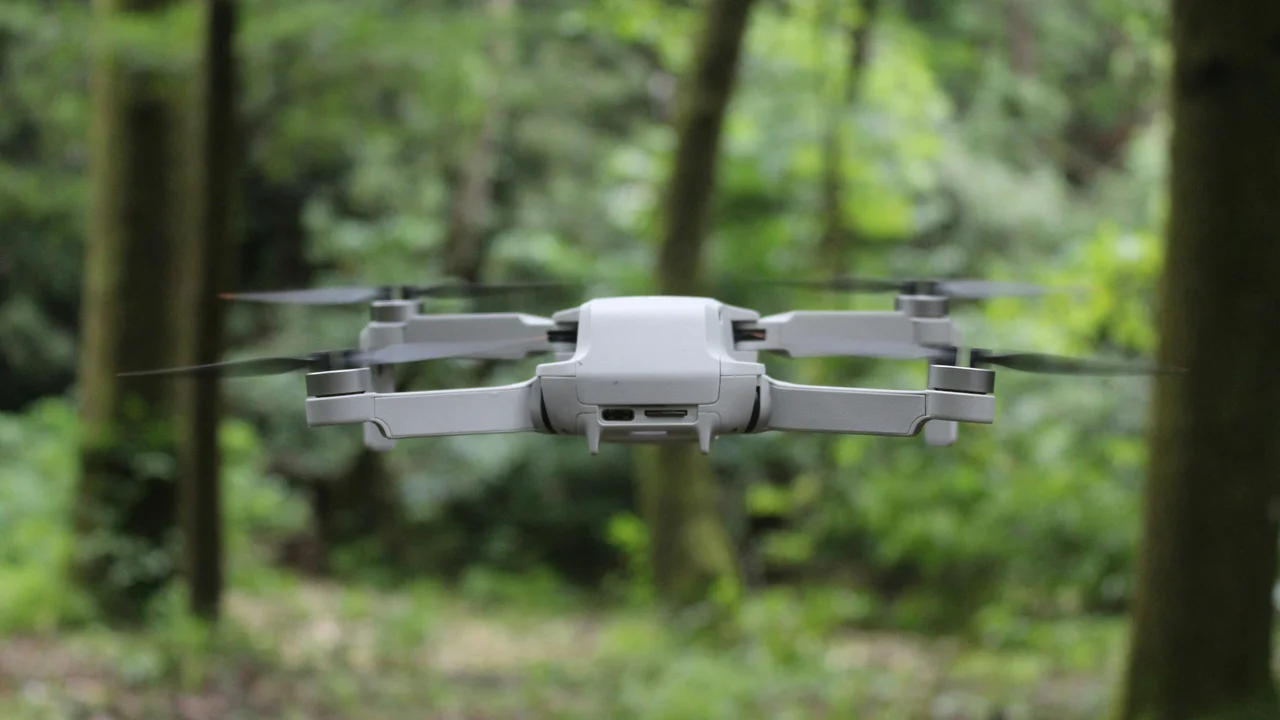
Are You Flying Legally in Washington State? The Direct Answer
If you are flying a drone in Washington State, you must follow the Federal Aviation Administration (FAA) rules, just like in every other state. There is no specific Washington State drone law that replaces the FAA’s authority. The core rules are: register any drone over 0.55 lbs ($5 fee, 3-year validity), fly at or below 400 feet AGL, keep your drone in visual line of sight, and never fly near airports without LAANC authorization. This guide breaks down exactly what you need to know to fly legally in the Evergreen State in 2026, covering state-specific restrictions, no-fly zones, and penalties.
LENTION 3.3FT Long Cable USB C Hub
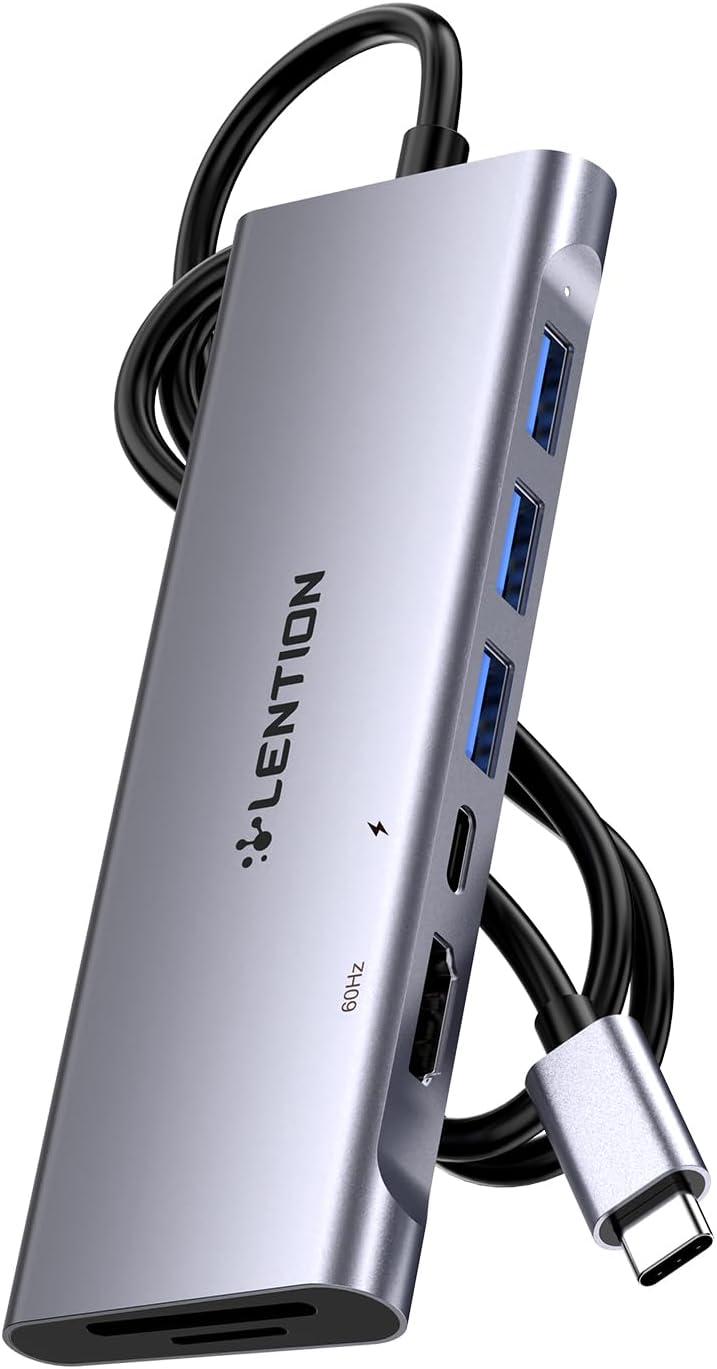
LENTION 3.3FT Long Cable USB C Hub, 4K HDMI, 100W PD, USB 3.0, Card Reader 3A & LED Indicator Stable Driver Adapter, for macOS, iOS/iPadOS, Windows & ChromeOS (C36p-1M, Space Gray)
Check Price on Amazon17-in-1 USB C Hub 65W Powered Adapter, 10Gbps, Dual PD 45W
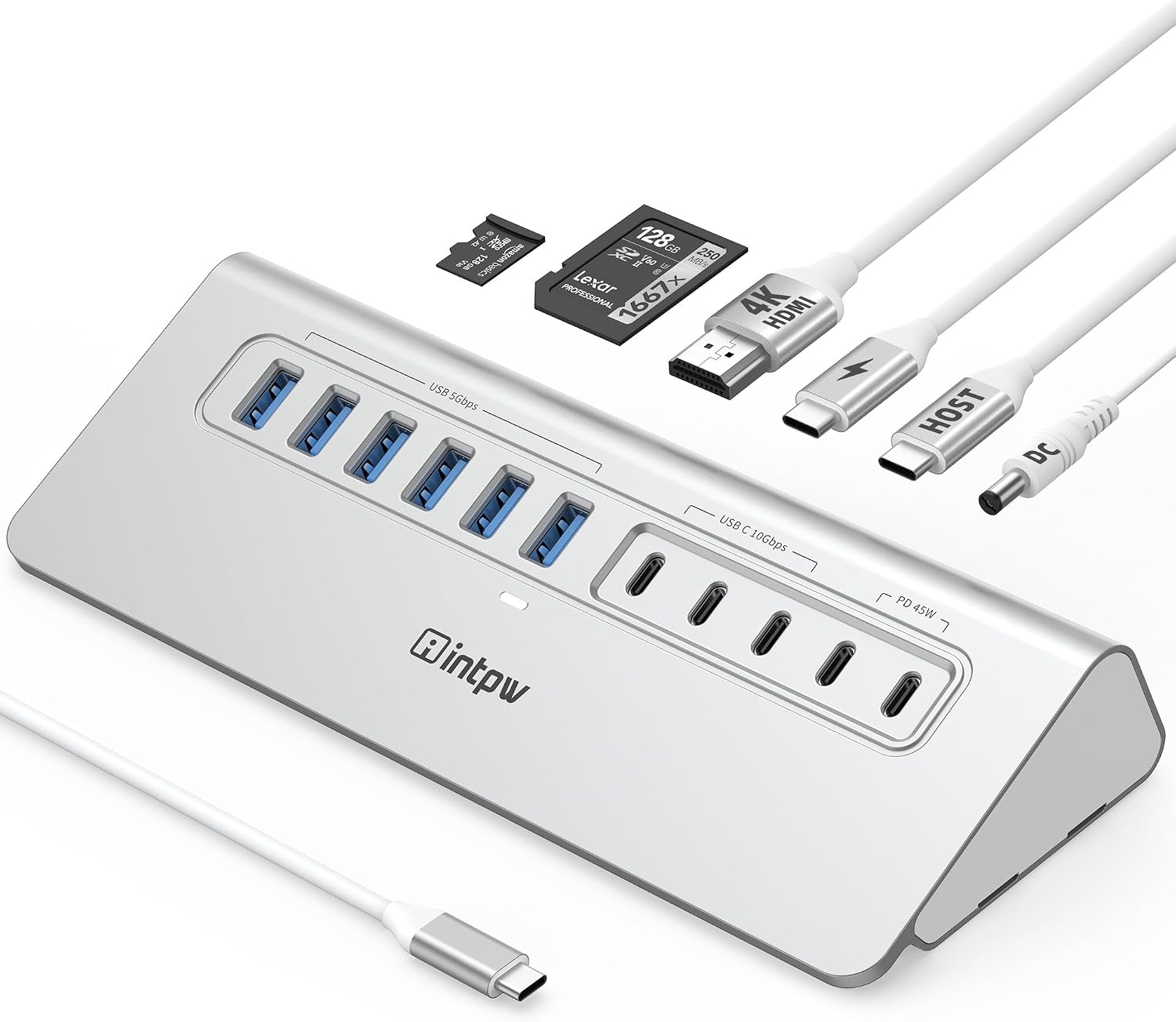
17-in-1 USB C Hub 4K@60Hz, 65W Powered Adapter, 10Gbps, Dual PD 45W PD 100W Charging, 3×USB-C 3.2+6×USB-A 3.0, SD/TF 105MB/s, 3.3ft Cable, Aluminum Desktop USB Hub for MacBook Pro/Air/Mac Mini
Check Price on AmazonLENTION USB-C Hub, HDMI, 100W PD, 2 USB-C, 2 USB 3.0, Card Reader
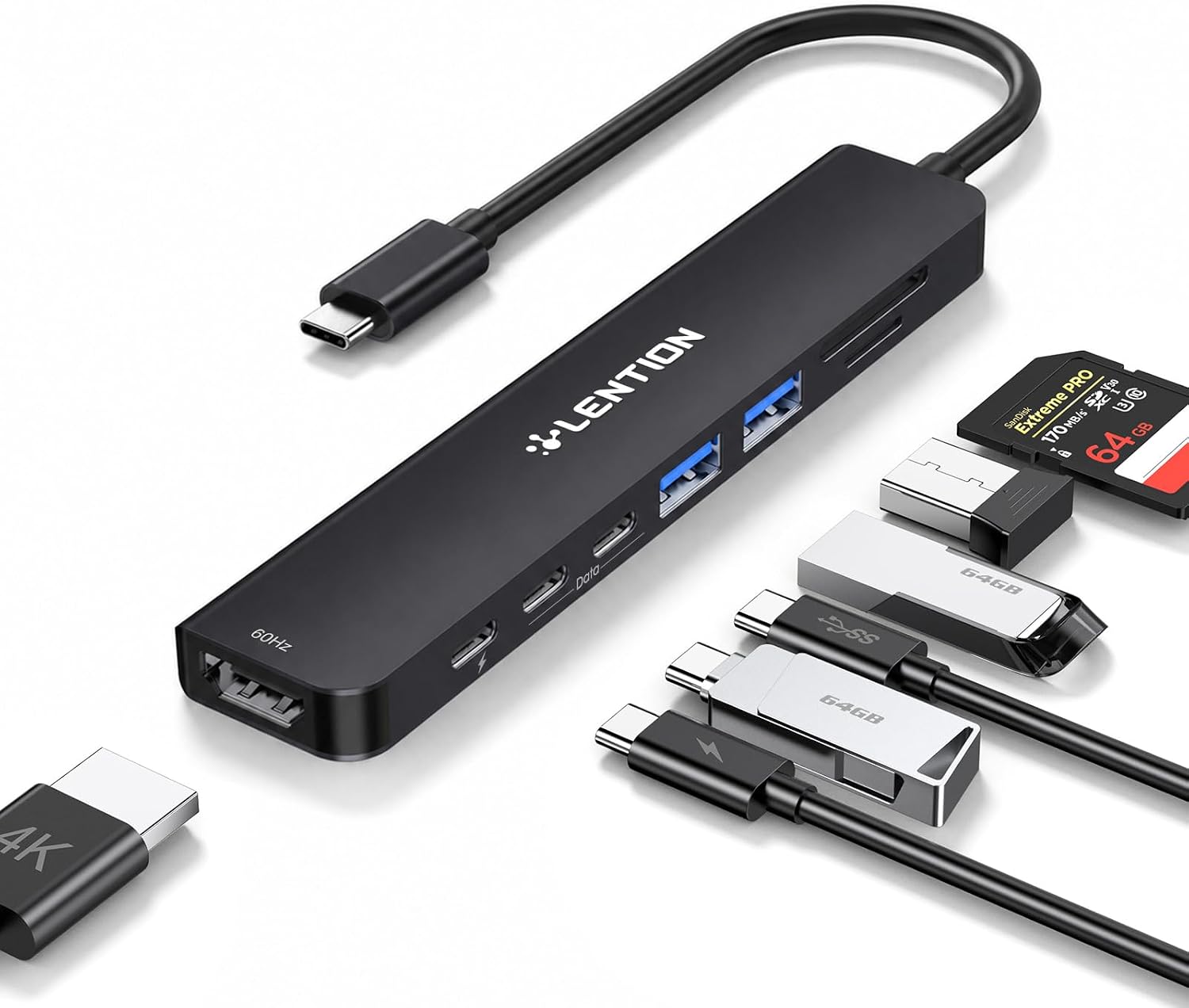
LENTION USB-C Hub, 4K@60Hz HDMI, 100W PD, 2 USB-C, 2 USB 3.0, Card Reader 2A & 2C Work Simultaneously, Stable Driver 3.0 Certified, for macOS, iOS/iPadOS, Windows & ChromeOS (CE19, Black)
Check Price on AmazonWho Regulates Drone Laws in Washington State?
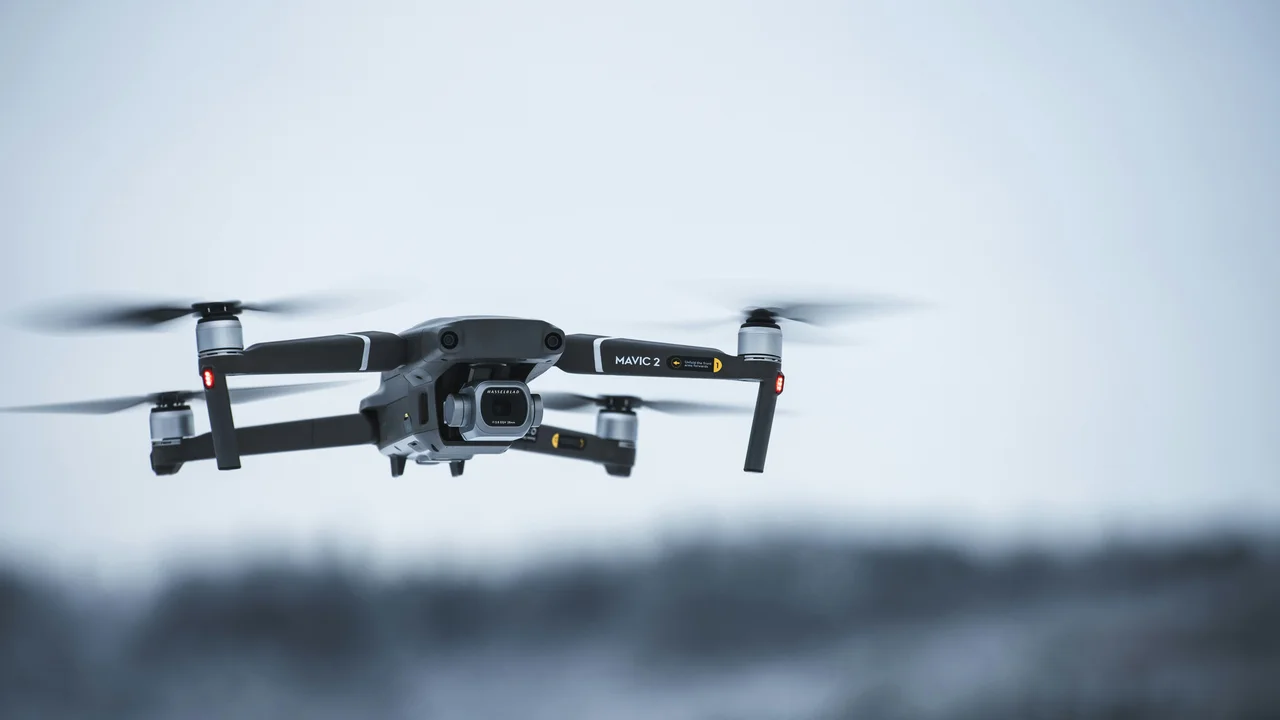
The Federal Aviation Administration (FAA) is the primary authority for all airspace in the United States, including Washington State. The FAA’s Part 107 rules govern commercial drone operations, and the “Exception for Limited Recreational Operations” (formerly Section 44809) covers recreational flying. The Washington State Legislature has passed some state-specific laws, but these cannot conflict with federal airspace regulations. Local cities and counties, such as Seattle, Spokane, and Tacoma, also have ordinances regarding drone use on public property.
3 FT Power Strip
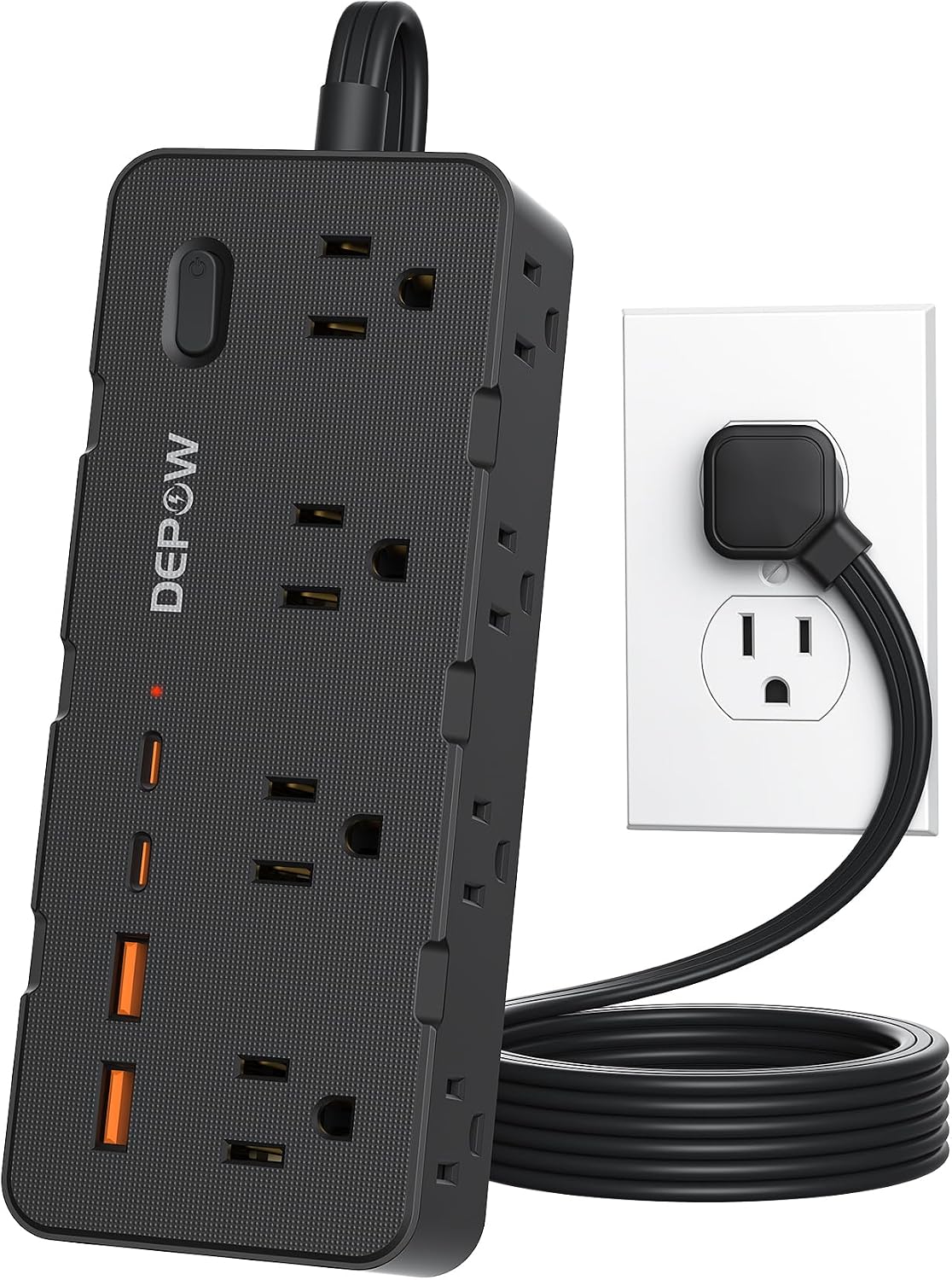
3 FT Power Strip, Extension Cord with 8 AC Outlets + 4 USB (2 USB-C), Black Flat Plug, Compact 3FT Flat Cord Keeps Desktop Neat. 1700J Surge Protection, 1625W, Great for Home Office, Dorm, Nightstand
Check Price on AmazonHICOBER USB C SD Card Reader
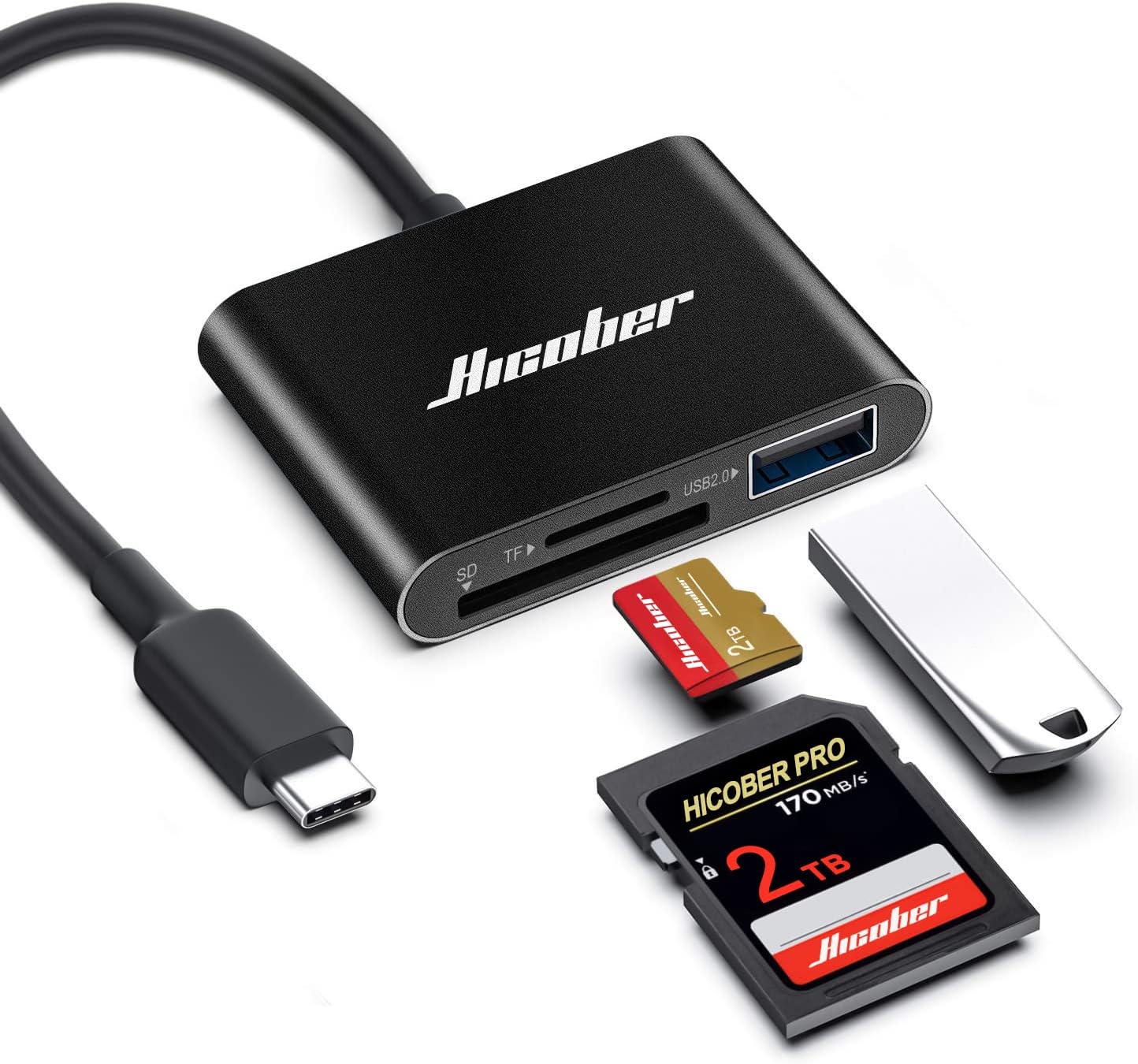
HICOBER USB C SD Card Reader, 3-in-1 for Laptop, Phone, Tablet, Black Durable aluminum body helps dissipate heat quickly for stable performance; reads SD, TF and USB drives up to 2TB via USB-C
Check Price on Amazon64GB Micro SD Card with SD Card Reader
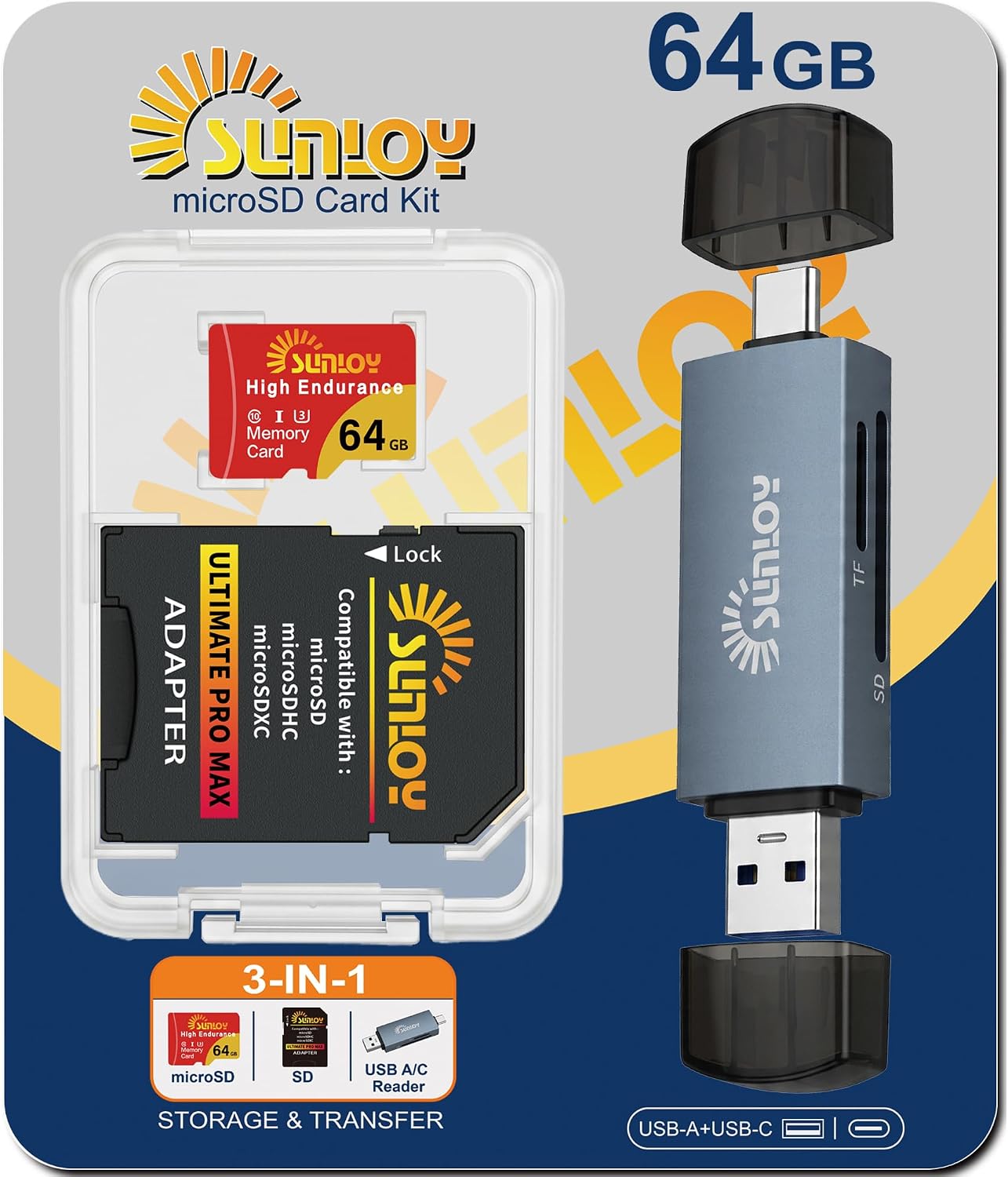
64GB Micro SD Card with SD Card Reader USB3.0 A/C Dual Slots & SD Adapter UHS-I, C10, U3, V30, A1, 4K UHD, USB 3.0 Memory Card Reader for iPhone 17/16/15, MacBook, iPad, Laptop, PC, Drone, Game Console
Check Price on AmazonWashington State-Specific Drone Laws (RCW 63.60)
Washington State has a specific law, Revised Code of Washington (RCW) 63.60, that addresses drones. This law primarily deals with privacy and trespassing. It prohibits using a drone to intentionally photograph or record someone in a place where they have a reasonable expectation of privacy, such as inside a home or a backyard. Violating this law is a gross misdemeanor. This is in addition to federal rules, not a replacement.
Do You Need to Register Your Drone in Washington State?
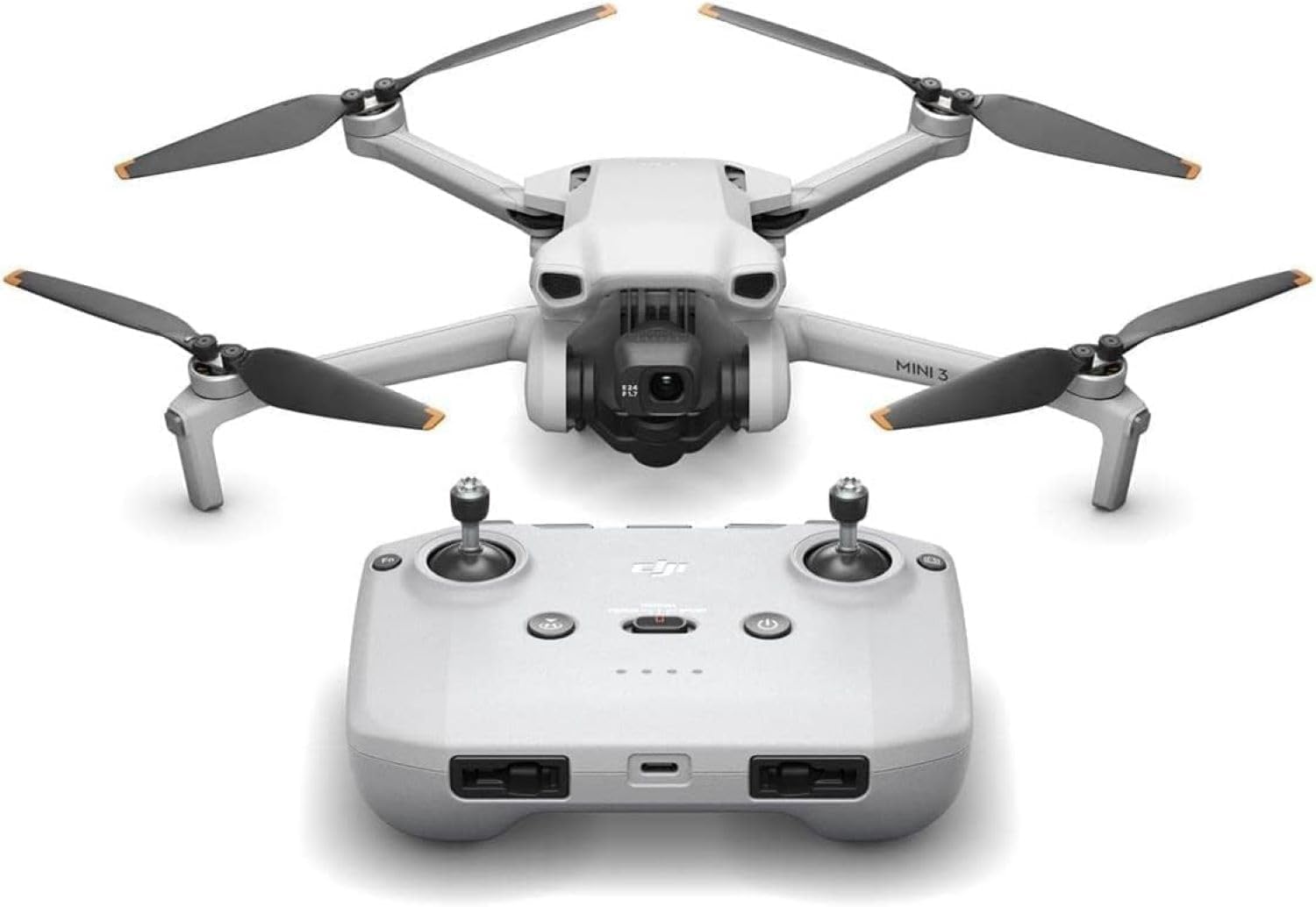
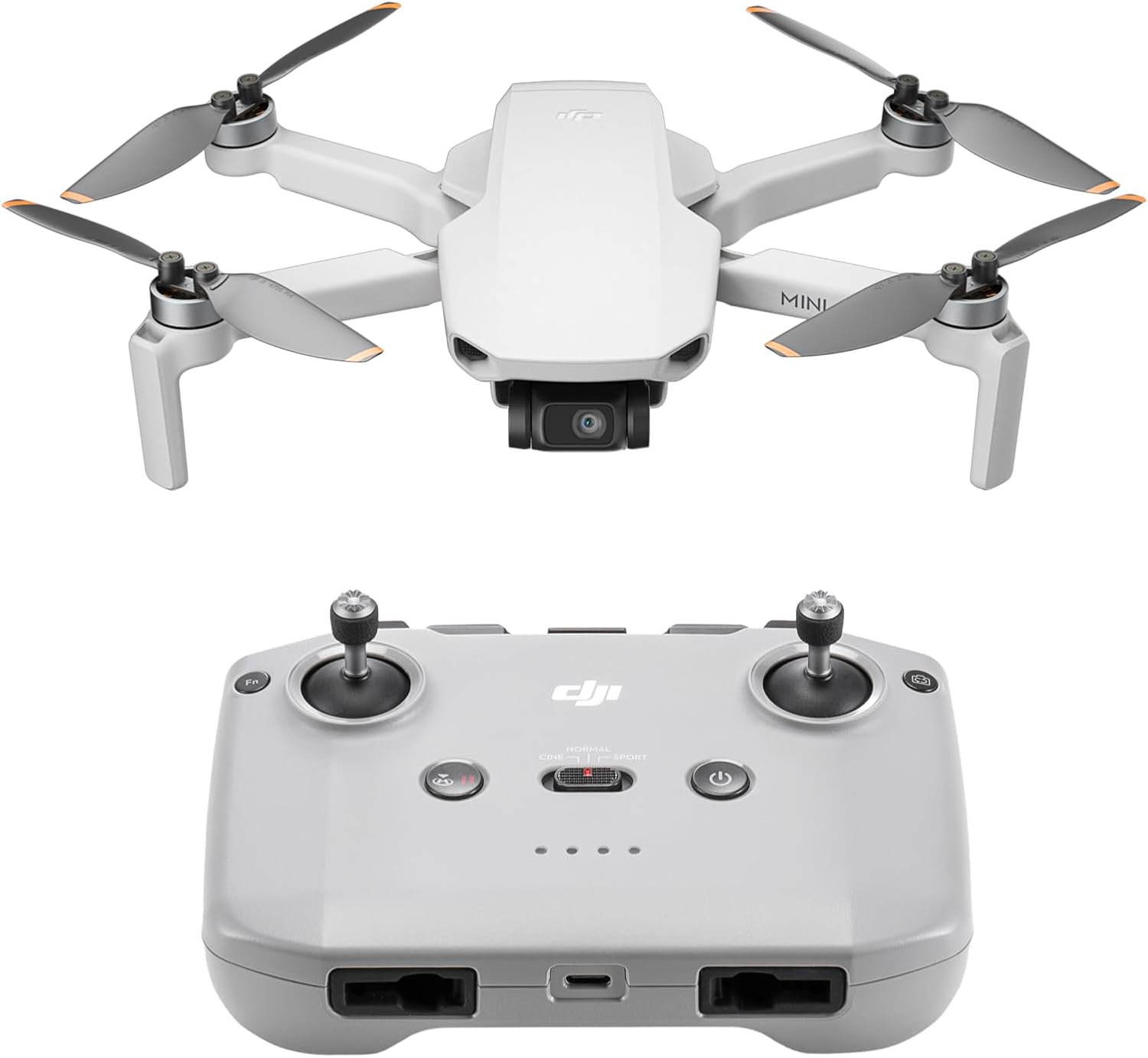
Yes, if your drone weighs more than 0.55 lbs (250 grams). The registration is with the FAA through the FAA DroneZone (faadronezone.faa.gov), not the state of Washington. The fee is $5 and is valid for 3 years. You must mark your drone with your FAA registration number before your first flight.
Do You Need a License or Certificate?
For recreational flying, you only need to pass The Recreational UAS Safety Test (TRUST), which is free and online. You must carry proof of passing TRUST and your drone registration. For commercial flying (any flight that furthers a business), you need a Part 107 Remote Pilot Certificate from the FAA. This requires passing a written knowledge test at an FAA-approved testing center.
Recreational Flyer
- Pass the TRUST test (free, online)
- Register drone if over 0.55 lbs ($5)
- Fly for fun only
- Follow FAA safety guidelines
Commercial Flyer (Part 107)
- Pass the FAA Part 107 knowledge test
- Register each drone ($5 each)
- Fly for business or work
- Requires a Remote Pilot Certificate
Where Can You Fly a Drone in Washington State?
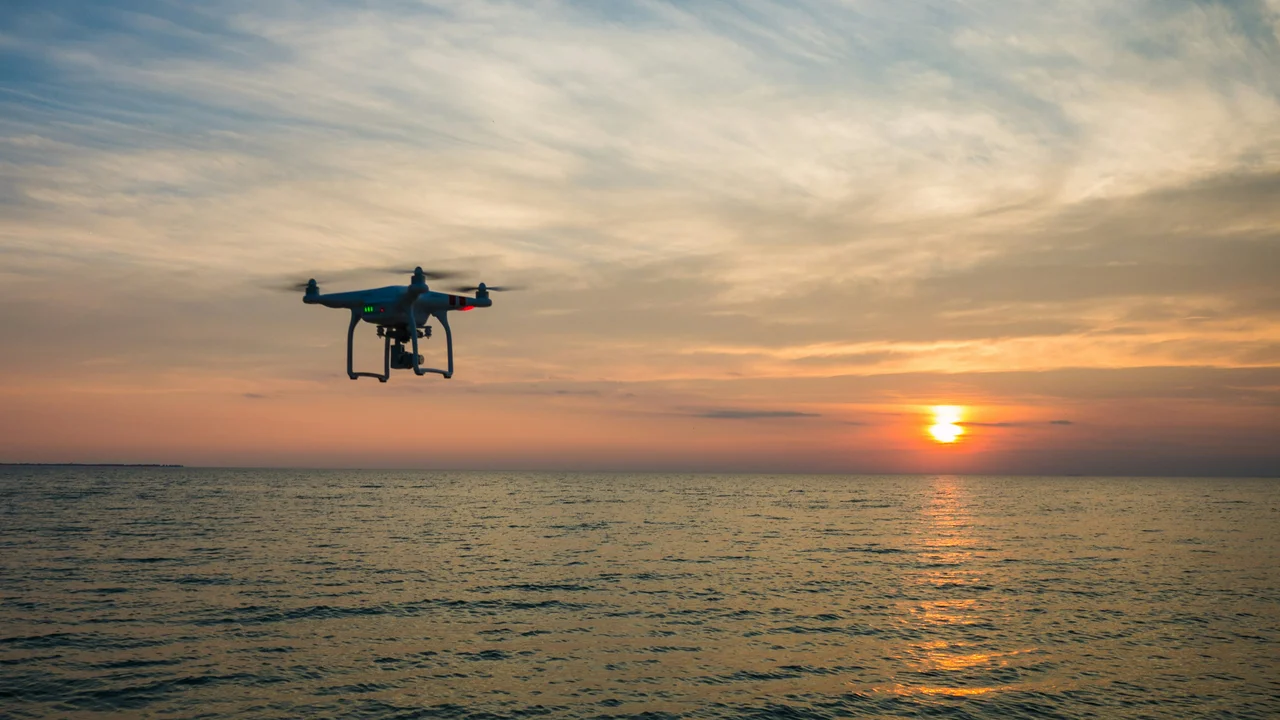
Most of Washington State is open for drone flight, as long as you follow FAA rules. However, there are significant no-fly zones and restricted areas you must know about. You cannot fly near airports, over national parks, or in military operating areas without specific authorization. Use the No-Fly Zone Checker before every flight to verify your location is legal.
DJI Mini 3
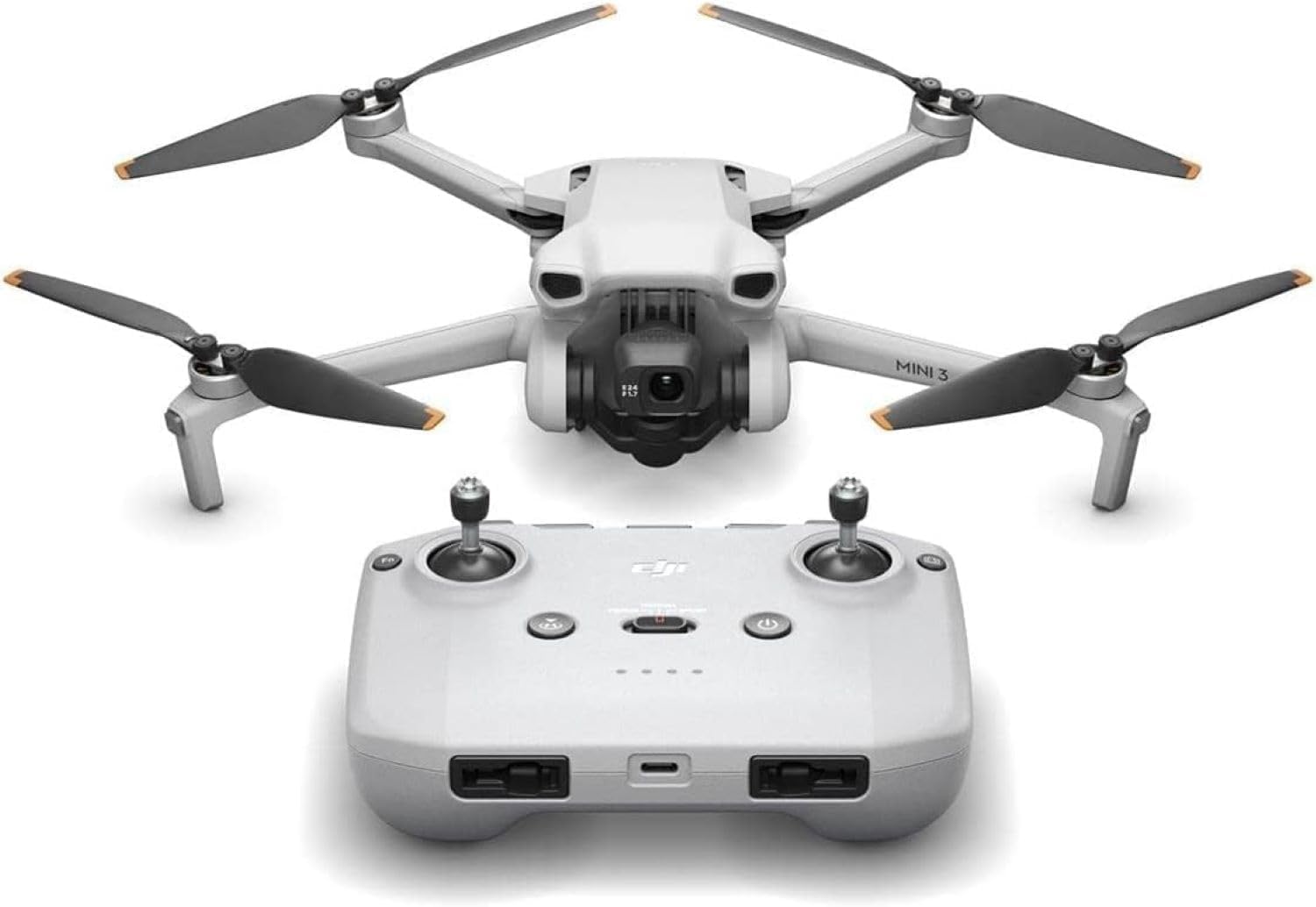
DJI Mini 3, 3-Axis Mechanical Gimbal Mini Camera Drone | 4K HDR Video, 38-Min Flight Time, up to 32800ft (10km) Video Transmission, True Vertical Shooting, GPS Auto Return
Check Price on AmazonDJI Mini 3 Fly More Combo
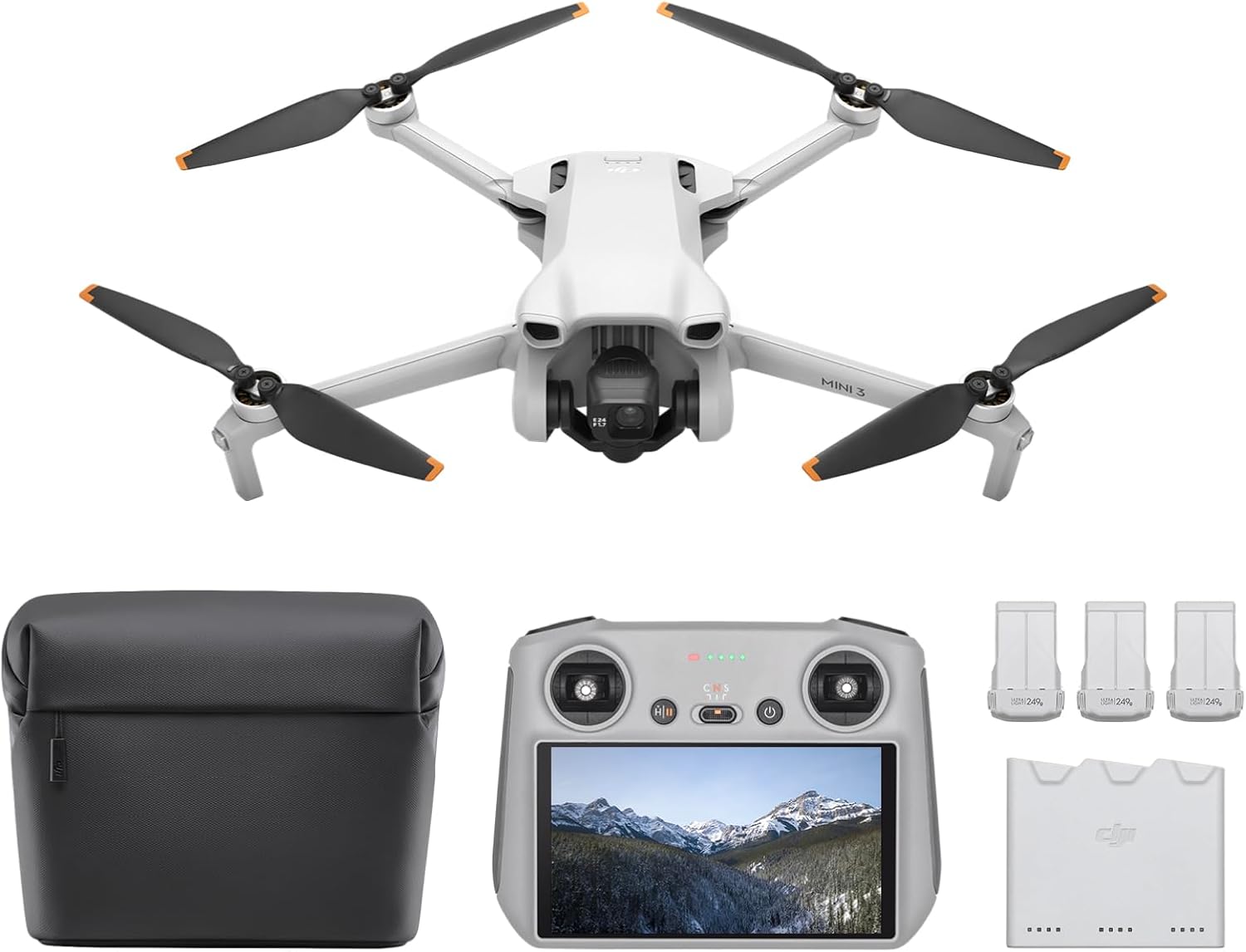
DJI Mini 3 Fly More Combo With DJI RC, 3 Batteries | Lightweight Camera Drone With 4K HDR Video, 114-Min Flight Time, Vertical Shooting, 32800ft (10km) Video Transmission
Check Price on AmazonDJI Mini 3 With DJI RC
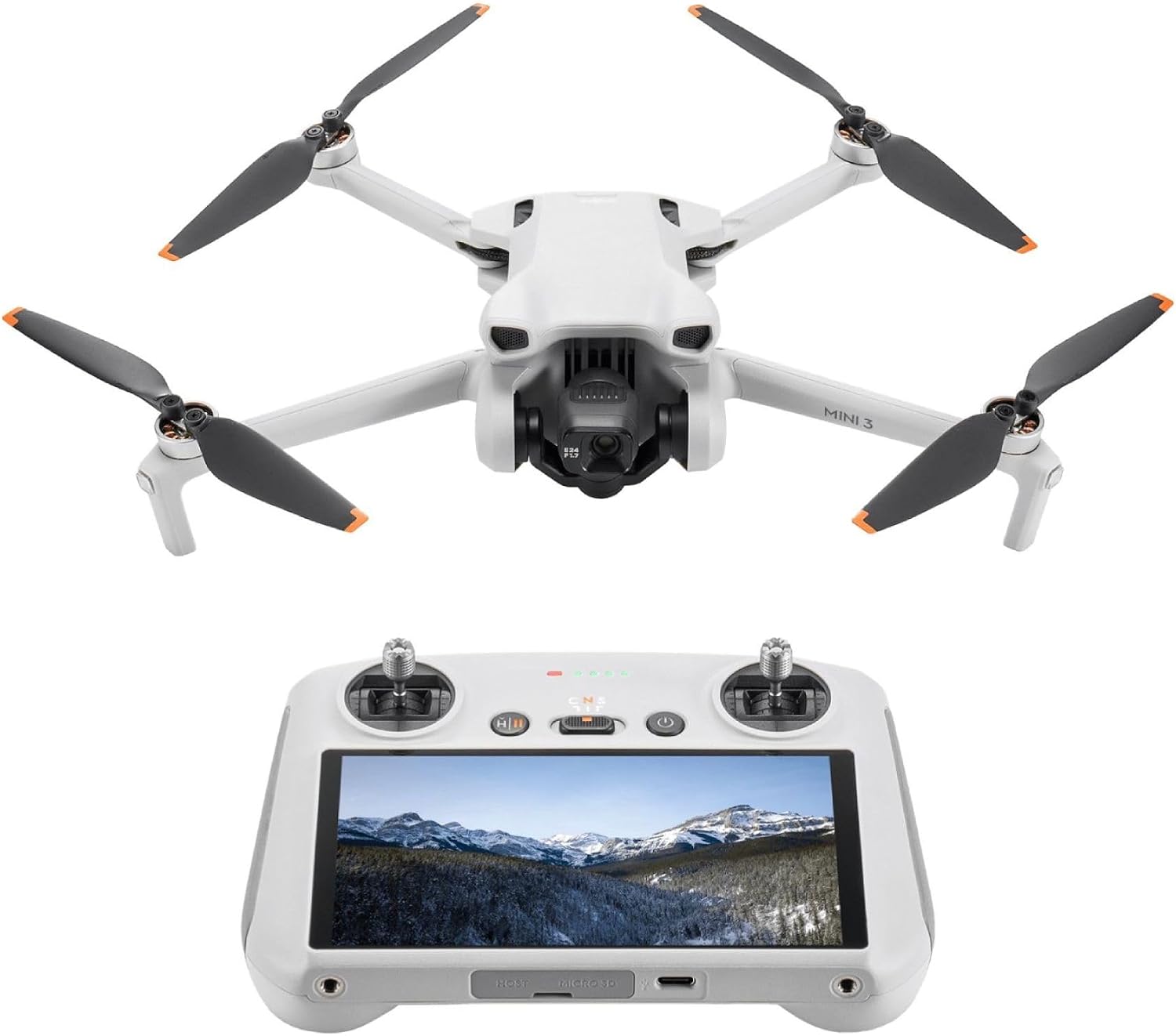
DJI Mini 3 With DJI RC, 3-Axis Mechanical Gimbal Mini Camera Drone | 4K HDR Video, 38-Min Flight Time, up to 32800ft (10km) Video Transmission, Vertical Shooting, GPS Auto Return
Check Price on AmazonNo-Fly Zones and Restricted Areas
The following areas are completely off-limits for drone flight without special permission from the FAA or the managing agency:
| Restricted Area | Details | Authorization Required? |
|---|---|---|
| National Parks (Olympic, Mount Rainier, North Cascades) | No takeoff, landing, or operation from NPS land. | No (permanent ban) |
| Airports (Class B, C, D, E airspace) | Flying within 5 miles of an airport without LAANC is illegal. | Yes (LAANC) |
| Military Bases (Joint Base Lewis-McChord, Fairchild AFB) | No drone operations over or near military installations. | No (permanent ban) |
| State Parks | Washington State Parks generally prohibit drone takeoff and landing, but flight over them may be allowed if you launch from outside the park. Check specific park rules. | Varies by park |
| Wilderness Areas | Many designated wilderness areas prohibit motorized equipment, including drones. | Usually no |
City and County Ordinances
Many cities in Washington have local ordinances that restrict drone use on public property, such as parks, sidewalks, and streets. For example, Seattle prohibits drone takeoff and landing in all city parks. Spokane and Tacoma have similar rules. Always check local city codes before flying in urban areas. The FAA’s airspace rules still apply, but local laws can affect where you can stand and operate the drone from.
What Are the Penalties for Violating Drone Laws in Washington State?
Penalties vary depending on whether you break federal or state law. The FAA can issue civil fines up to $1,464 for recreational violations and up to $27,500 for commercial violations. Criminal penalties can exceed $250,000 for reckless or dangerous flight. Under Washington State law (RCW 63.60), violating the privacy law is a gross misdemeanor, punishable by up to 364 days in jail and a $5,000 fine.
Step-by-Step: How to Fly Legally in Washington State
Follow this process every time you plan a flight in Washington State.
Carrying Hard Case for DJI Avata 360 Drone
Carrying Hard Case for DJI Avata 360 Drone - Portable Travel Bag for Goggles N3/RC Motion 3 Controller
Check Price on AmazonHard Case for Antigravity A1 Drone
Hard Case for Antigravity A1 Drone, Waterproof Protective Carry Case, Anti-Fall Storage Bag Fit for Drone, Batteries, Goggles, Accessories & RC Gear [Only Protect Shell]
Check Price on AmazonUse the Weight Checker Tool to see if your drone is over 0.55 lbs and requires registration.
If required, register on the FAA DroneZone. Pay the $5 fee and mark your drone with the registration number.
Take the free online test for recreational flying. Keep a digital or printed copy with you.
Use the No-Fly Zone Checker to verify you are not in restricted airspace. Get LAANC authorization if needed.
Do not fly over people without consent (RCW 63.60). Check local park ordinances. Avoid wildfires and national parks.
Do You Need a Part 107 License for Commercial Work in Washington?
Yes. If you are using a drone for any work-related purpose — real estate photography, roof inspection, agricultural monitoring, or filmmaking — you must hold a Part 107 Remote Pilot Certificate. There is no state-level alternative to this FAA requirement. The test costs $175 and must be taken at an FAA-approved testing center. You must also pass a recurrent test every 24 calendar months to keep your certificate valid.
Flying a DJI Mini 4 Pro in Washington State: Do You Need to Register?
The DJI Mini 4 Pro weighs less than 249 grams (0.55 lbs). Under current FAA rules, you do not need to register it for recreational use. However, if you add any accessories (such as propeller guards, a larger battery, or a strobe light) that push the weight over 250 grams, you must register. For commercial use, you must register the drone regardless of weight, and you need a Part 107 certificate. For a full review of this popular drone, see our DJI Neo Review 2026: The Ultra-Affordable Selfie Drone Worth Buying? (note: the Mini 4 Pro is a different model, but the registration advice applies).
Flying Near Mount Rainier National Park
Mount Rainier National Park is one of the most popular destinations in Washington State, but drone flight is strictly prohibited within park boundaries. The National Park Service bans all unmanned aircraft, including drones, from taking off, landing, or operating on NPS land. You cannot fly from inside the park, even if you keep the drone in sight. Violators face federal fines and potential confiscation of equipment. If you want to capture aerial footage of Mount Rainier, you must launch from outside the park boundary on non-NPS land and remain in uncontrolled airspace.
Flying Near Seattle-Tacoma International Airport (Sea-Tac)
Sea-Tac Airport is located within Class B airspace, which is highly controlled. You cannot fly a drone within 5 miles of the airport without prior authorization from the FAA through the LAANC system. LAANC (Low Altitude Authorization and Notification Capability) provides near-instant approvals for flights in controlled airspace up to 400 feet. You must use an FAA-approved LAANC service provider, such as Aloft or Kittyhawk. Without authorization, flying near Sea-Tac can result in interception by law enforcement and severe penalties.
Flying Over Private Property in Washington: What the Law Says
Washington State’s RCW 63.60 makes it clear: you cannot use a drone to intentionally capture images or recordings of people on private property where they have a reasonable expectation of privacy. This includes backyards, fenced areas, and inside homes. The law does not create a blanket ban on flying over private property, but it does prohibit surveillance. If you are flying for legitimate purposes, such as real estate photography, you should obtain consent from the property owner before flying over their land.
- ✔ Always get consent before flying over private property
- ✔ Do not hover over people’s homes or backyards
- ✔ Avoid recording people without their knowledge
- ✔ Stay at least 100 feet away from private structures
- ✔ Follow all FAA altitude and airspace rules
Summary: Final Thoughts on Drone Laws in Washington State
Flying a drone in Washington State in 2026 is straightforward if you follow the FAA’s federal framework and respect state-specific privacy laws. The key takeaways are: register your drone if it weighs over 0.55 lbs, pass the TRUST test for recreational flying, get a Part 107 certificate for commercial work, and always check airspace using the No-Fly Zone Checker. Avoid national parks, military bases, and wildfires. Respect local ordinances and the state’s privacy law (RCW 63.60). When in doubt, assume stricter rules apply. For a comparison of drone regulations in another region, read our guide on Canada Drone Laws Under 250g.
Frequently Asked Questions
What are the rules for drone laws in Washington State?
The rules for drone laws in Washington State are primarily set by the FAA. You must register any drone over 0.55 lbs ($5 fee, 3-year validity), fly at or below 400 feet AGL, keep the drone in visual line of sight, and avoid flying near airports without LAANC authorization. Additionally, Washington State law (RCW 63.60) prohibits using a drone to intentionally record people on private property where they have a reasonable expectation of privacy. Local city ordinances may also restrict takeoff and landing on public property.
Do I need to register my drone in Washington State?
Yes, you must register your drone with the FAA if it weighs over 0.55 lbs (250 grams). Registration is done through the FAA DroneZone website and costs $5, valid for 3 years. You must mark your drone with the registration number before flying. For drones under 0.55 lbs, registration is not required for recreational use, but you still need to pass the TRUST test. For commercial use, registration is required regardless of weight.
Are there restricted areas relevant to drone laws in Washington State?
Yes, there are several restricted areas in Washington State. You cannot fly in national parks (Olympic, Mount Rainier, North Cascades), over military bases (Joint Base Lewis-McChord, Fairchild AFB), or within 5 miles of airports without LAANC authorization. Washington State Parks generally prohibit takeoff and landing, though flight over them may be allowed if you launch from outside. Wilderness areas may also restrict motorized equipment. Always check the No-Fly Zone Checker before flying.
What are the penalties for breaking rules related to drone laws in Washington State?
Penalties vary by violation. The FAA can issue civil fines of up to $1,464 for recreational violations and up to $27,500 for commercial violations. Criminal penalties for reckless flight can exceed $250,000. Under Washington State law (RCW 63.60), violating the privacy law is a gross misdemeanor, punishable by up to 364 days in jail and a $5,000 fine. Flying near a wildfire can result in federal fines up to $25,000. Always fly responsibly to avoid these penalties.
Can I fly a drone in Washington State without a license?
Yes, for recreational flying you do not need a pilot’s license. You only need to pass the TRUST test and register your drone with the FAA if it weighs over 0.55 lbs (250 grams). For commercial work, you must hold a Part 107 Remote Pilot Certificate.
Is it legal to fly a drone over private property in Washington?
Yes, under federal law you may fly over private property as long as you stay below 400 feet, avoid populated areas, and do not harass people. However, Washington State’s RCW 63.60 prohibits using a drone to intentionally record or photograph individuals on private property where they have a reasonable expectation of privacy.
Do I need to register my DJI Mini 4 Pro in Washington State?
Yes. Even though the DJI Mini 4 Pro weighs under 250 grams, the FAA’s Remote ID rule requires all drones equipped with Remote ID capability (which the Mini 4 Pro has) to be registered. You can register online for $5, valid for three years.
Can I fly a drone in Mount Rainier National Park?
No. The National Park Service prohibits drone takeoff, landing, and operation in all national parks, including Mount Rainier. Violators face fines up to $5,000. You can fly in adjacent national forest land with proper permits.
How close can I fly to Sea-Tac Airport?
You cannot fly within the 5-mile radius of Sea-Tac Airport without prior FAA authorization through LAANC. The airport is within Class B airspace, and unauthorized flights can result in interception by law enforcement and fines up to $27,500.
What are the penalties for drone privacy violations in Washington?
Under RCW 63.60, violating the privacy law is a gross misdemeanor punishable by up to 364 days in jail and a $5,000 fine. Civil penalties can also apply if the victim sues for damages.
Last updated: July 14, 2026
NANUK 935 Pro Photo Kit Camera Case
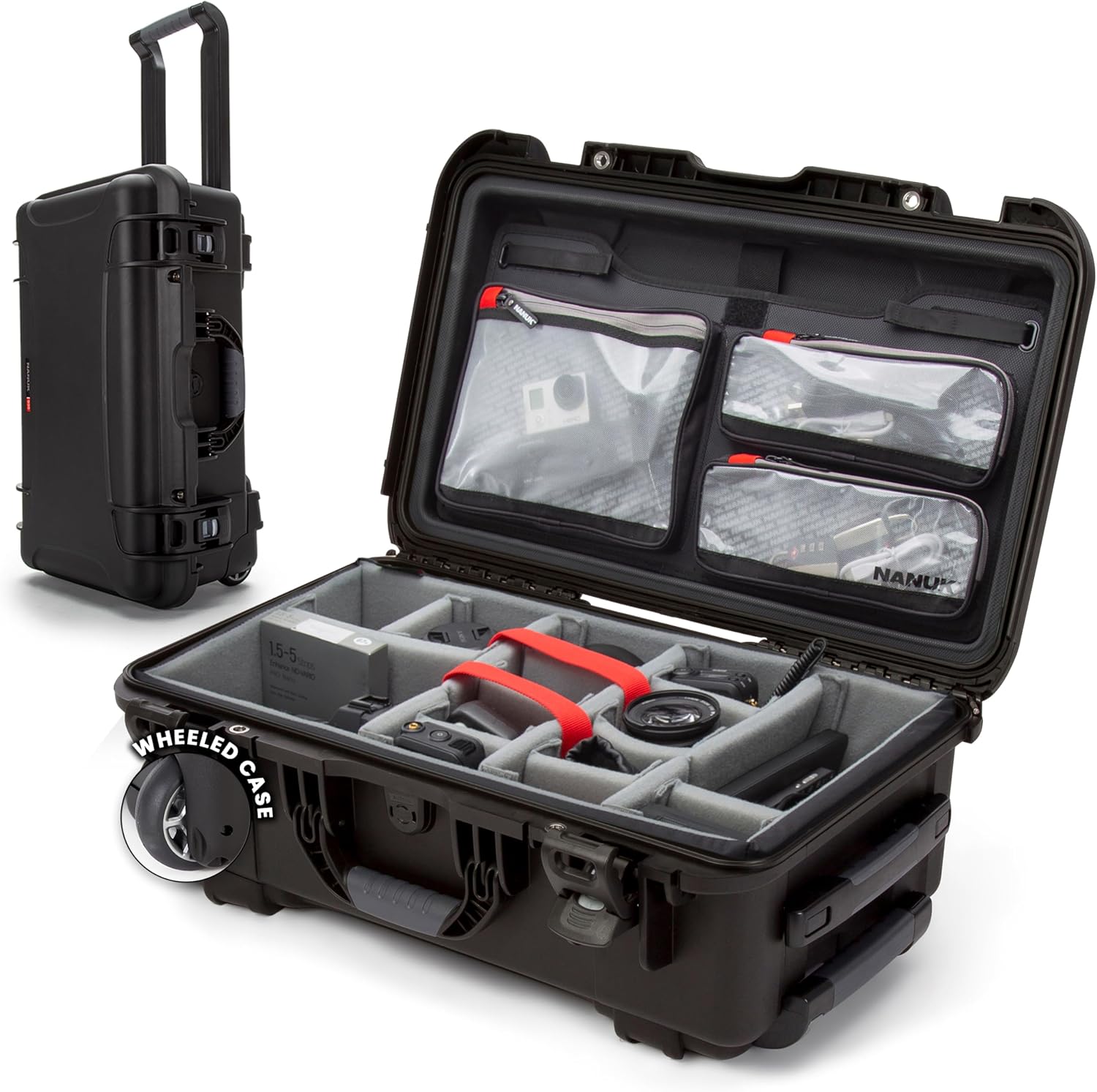
NANUK 935 Pro Photo Kit Camera Case, Waterproof Wheeled Hard Case, Carry-On, Black
Check Price on AmazonNANUK 925 DJI Mavic 4 Pro Creator Combo
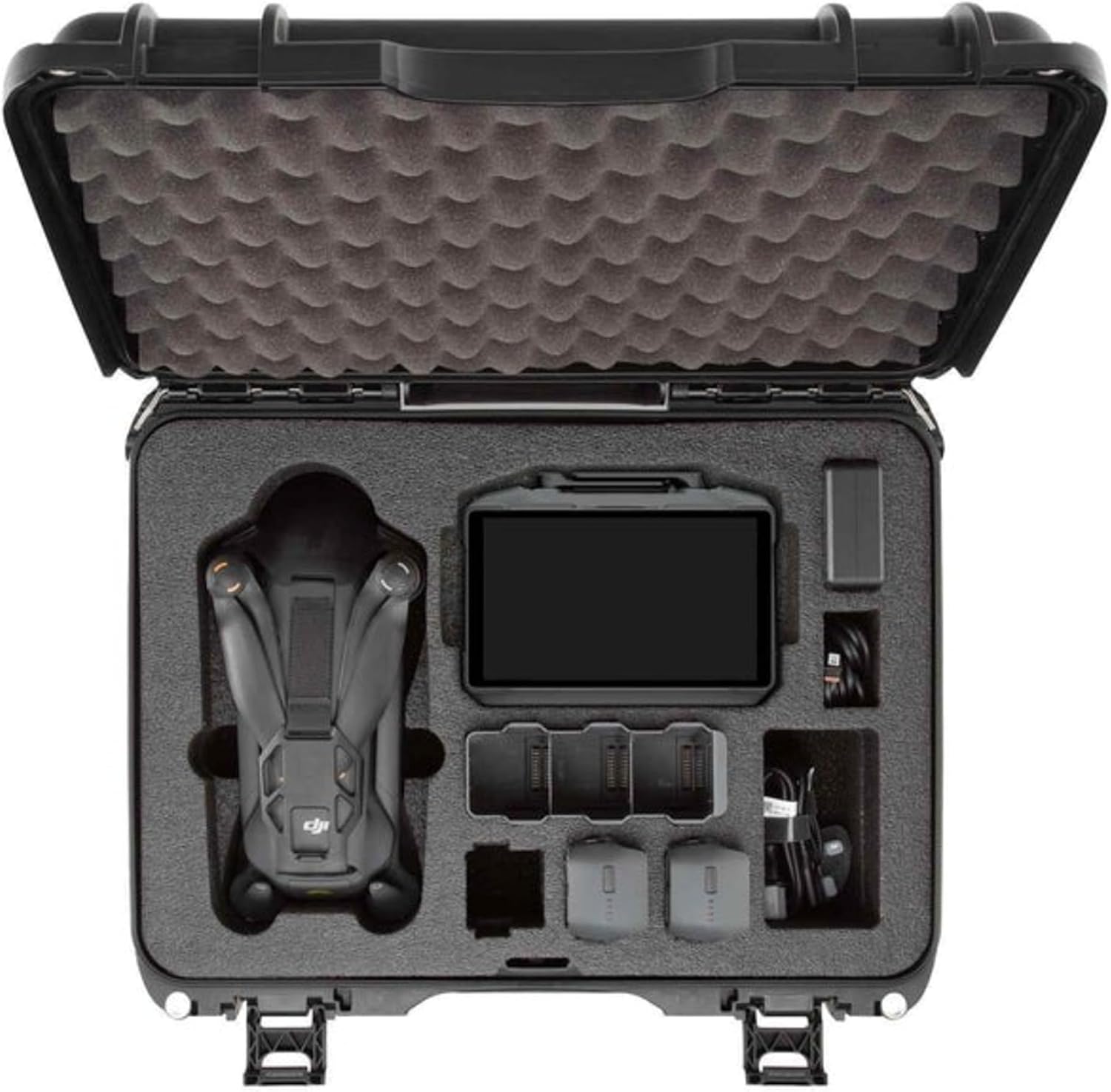
NANUK 925 DJI Mavic 4 Pro Creator Combo - Waterproof Hard Case with Drone Foam Insert, Crushproof, Portable Travel Case, Made in Canada (18.7” x 14.8”x 7”) - Black
Check Price on Amazon Drone Allowed
DroneAllowed editor covering drone regulations, aviation law, and aerial photography across USA, UK, Canada & Australia.