
Acadia National Park Drone Laws 2026: Maine Rules & Nearby Spots
 11 min read
2,121 words
11 min read
2,121 words
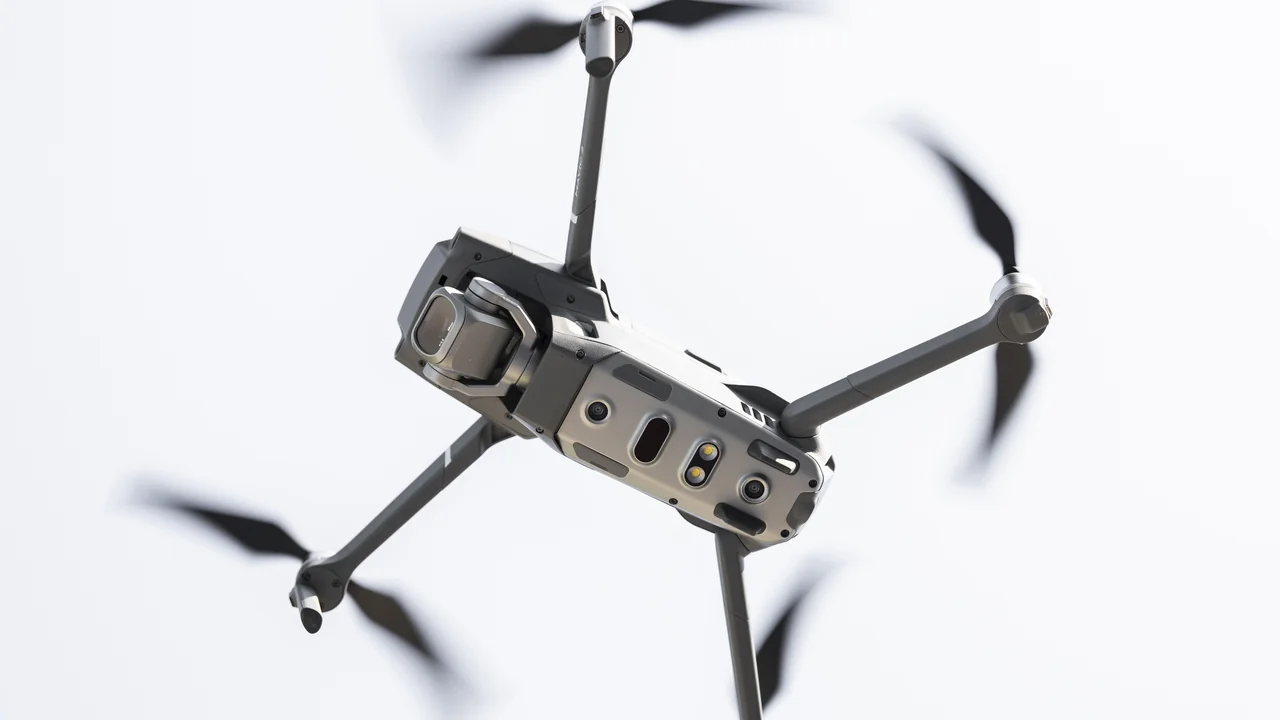
If you are planning a trip to photograph Maine’s stunning fall foliage or rugged coastal scenery from above, you are likely wondering about Acadia National Park drone laws for 2026. The short and direct answer is that drones are strictly prohibited within the entire boundary of Acadia National Park. This guide will clarify exactly where you cannot fly, explain the specific rules for adjacent towns like Bar Harbor, and show you the few legal options for capturing aerial footage near this iconic New England destination.
Are Drones Allowed in Acadia National Park in 2026?
No, drones are not allowed anywhere inside Acadia National Park. The National Park Service (NPS) enacted a nationwide ban on unmanned aircraft in 2014 under Policy Memorandum 14-05, and Acadia strictly enforces this rule. This covers all land, water, and airspace within the park’s boundaries, including popular locations like Cadillac Mountain, Jordan Pond, Thunder Hole, and Sand Beach. Flying a drone from outside the park boundary into park airspace is also illegal.
The ban covers all types of unmanned aircraft systems (UAS), including recreational drones, FPV racers, and camera-equipped quadcopters weighing under 250 grams. There are no designated “drone zones” or special permits available for hobbyist or commercial drone use within Acadia. The only exceptions are for official NPS research or emergency response operations, which are not accessible to the public.
Can I Fly a Drone at Cadillac Mountain?
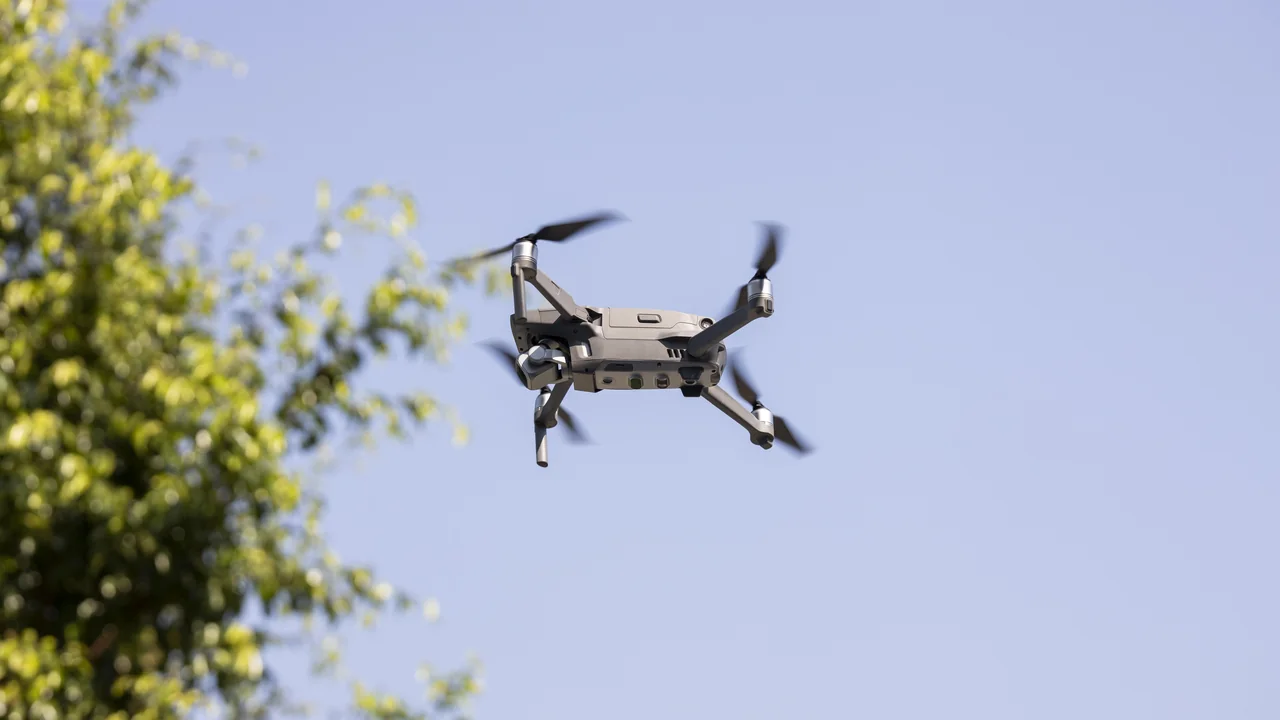
Cadillac Mountain is part of Acadia National Park, so drone flight is banned here just as it is everywhere else in the park. This restriction is particularly frustrating for photographers because Cadillac Mountain is the highest point on the U.S. Atlantic coast and offers sweeping views of Frenchman Bay, the Porcupine Islands, and the fall foliage below. However, the NPS considers drone flights disruptive to wildlife, visitor experience, and the natural soundscape.
During fall foliage season, the Cadillac Summit Road is heavily congested, and the summit area is packed with visitors. Flying a drone here would be both dangerous and illegal. If you want aerial shots of the Cadillac Mountain area, your only legal option is to fly from a private property or public land outside the park boundary, ensuring your drone never enters NPS airspace. Use the No-Fly Zone Checker to verify airspace restrictions before any flight.
Drone Ban Applies to Jordan Pond, Thunder Hole, and Sand Beach
All three of these iconic Acadia locations fall under the same NPS drone ban. Jordan Pond, with its crystal-clear waters and views of the Bubbles mountains, is a popular spot for photographers. Thunder Hole is a narrow inlet where waves crash into a cavern, producing a thunderous sound. Sand Beach is one of the few sandy beaches on the Maine coast. None of these locations permit drone flight.
The NPS ban is especially strict in high-traffic areas like these. Rangers monitor these spots closely during peak tourist season from June through October. If you are caught launching a drone at Jordan Pond or Sand Beach, you will likely face immediate citation. The fine structure starts at $500 for a first offense and escalates quickly.
| Location | Drone Status | Reason for Ban |
|---|---|---|
| Cadillac Mountain | Banned | NPS policy, visitor safety, wildlife disturbance |
| Jordan Pond | Banned | NPS policy, natural soundscape preservation |
| Thunder Hole | Banned | NPS policy, visitor congestion |
| Sand Beach | Banned | NPS policy, wildlife and nesting birds |
What Are the Drone Laws in Bar Harbor, Maine?
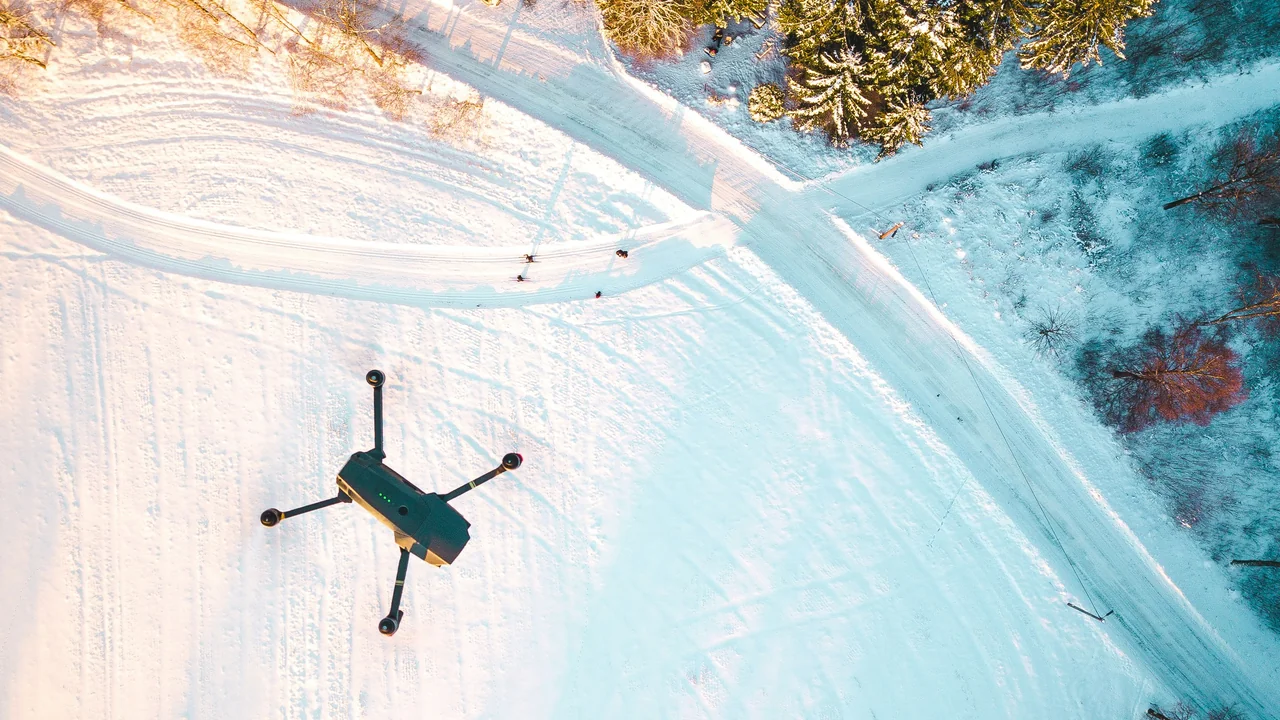
Bar Harbor is the town adjacent to Acadia National Park and serves as the primary gateway for visitors. Unlike the national park, Bar Harbor itself is not NPS land, which means drone flight is generally permitted here, subject to FAA regulations and local ordinances. The town has not passed any specific drone ban as of 2026, so you can fly over public spaces like the town pier, Village Green, and along Main Street.
However, there are important restrictions to keep in mind. You must follow all FAA rules, including keeping your drone within visual line of sight, flying no higher than 400 feet AGL, and not flying over people or moving vehicles. Bar Harbor is also within the Class D airspace of Hancock County-Bar Harbor Airport (KBHB), which requires LAANC authorization for any flight. You can request this authorization through the FAA’s DroneZone or a LAANC-approved app.
Are Drones Legal in Maine State Parks?
Maine State Parks have their own drone policy that differs from the NPS ban. The Maine Bureau of Parks and Lands generally prohibits drone takeoff and landing within state parks, but the rules are less strict than the national park ban. You cannot launch or land a drone within a state park without a special use permit, but flying over a state park from outside its boundary is technically not prohibited by state law.
Nearby state parks you might consider include Lamoine State Park (about 20 minutes from Bar Harbor) and Camden Hills State Park (about an hour south). Both offer coastal views and fall foliage, but you must launch from outside the park boundary. Contact the park manager directly to inquire about permit availability, as each park has discretion over drone use. The permit process typically takes 30 days and requires proof of insurance and a detailed flight plan.
Pros of Maine State Parks
- Permits available for special use
- Fewer visitors than Acadia
- Stunning coastal and forest scenery
Cons of Maine State Parks
- Cannot launch from within park
- Permit process can be slow
- No guarantee of approval
Can I Fly a Drone on the Maine Coast Near Acadia?
The Maine coast outside Acadia National Park is largely a mix of private land and state-managed areas. This creates both opportunities and challenges for drone pilots. Private land requires landowner permission for takeoff and landing. The Maine coastline is heavily developed, with many properties owned by private individuals, conservation trusts, or coastal homeowners’ associations.
Public access points like boat launches, town beaches, and municipal parks are your best bet for legal flights. Some towns along the coast have passed local drone ordinances, so check municipal codes before flying. For example, the town of Mount Desert (which includes Bar Harbor) has not banned drones, but other communities like Southwest Harbor may have restrictions. Always verify with the No-Fly Zone Checker to stay compliant.
Schoodic Peninsula Section of Acadia: Also Banned
The Schoodic Peninsula is the only mainland section of Acadia National Park, located about 45 minutes from the main Mount Desert Island section. Despite being less visited, it is still NPS land and subject to the same drone ban. Schoodic Point offers dramatic views of waves crashing against granite ledges, but you cannot fly a drone here.
This section of the park is popular for fall foliage photography because it receives fewer crowds than Cadillac Mountain or Jordan Pond. However, rangers patrol this area regularly, especially during peak foliage weekends in October. If you want to capture the Schoodic scenery from above, your best option is to find a private boat charter or a public boat launch on the mainland and fly over the water, staying well outside the park boundary.
Where to Legally Fly a Drone Near Acadia National Park
There are several legal alternatives for drone photography near Acadia. The best options include flying over Frenchman Bay from a boat, using private land with permission, or launching from Bar Harbor’s public spaces with LAANC authorization. Here is a step-by-step process for planning a legal flight:
Use the FAA’s LAANC system or the No-Fly Zone Checker to verify if your intended flight location requires airspace authorization due to proximity to KBHB airport.
Ensure you have permission to take off and land. Public boat launches, town parks, and private land with owner consent are legal. Never launch from NPS land.
Use the Weight Checker to confirm if your drone requires FAA registration. Drones over 0.55 lbs (250g) must be registered through the FAA DroneZone for $5, valid for three years.
Check municipal codes for any local drone bans. Bar Harbor has no ban, but other coastal towns may. Fly below 400 feet AGL and maintain visual line of sight.
Final Thoughts on Flying Near Acadia
Your best bet for legal drone photography in the Acadia region is to focus on Bar Harbor and the surrounding coastal areas outside the national park boundary. The fall foliage in mid-October is spectacular from the town pier, where you can capture shots of the Porcupine Islands without violating any rules. Always prioritize safety and legality over getting the perfect shot.
Remember that Acadia National Park drone laws are clear and non-negotiable. Do not attempt to fly from the park’s edge or launch from a boat within park waters. The fines and potential confiscation of your equipment are not worth the risk. Plan your flights carefully using the tools available, and you can still capture stunning aerial imagery of Maine’s beautiful coast.
Frequently Asked Questions
Are drones allowed in Acadia National Park?
No, drones are strictly prohibited in all areas of Acadia National Park under the National Park Service’s nationwide ban on unmanned aircraft. This includes Cadillac Mountain, Jordan Pond, Thunder Hole, Sand Beach, and the Schoodic Peninsula section. There are no exceptions for recreational or commercial drone pilots, and violators face fines starting at $500.
Can I fly a drone at Cadillac Mountain?
No, Cadillac Mountain is fully within Acadia National Park and subject to the same drone ban. Even though it offers stunning views of Frenchman Bay and the surrounding islands, launching or flying a drone from this location is illegal. The summit is heavily patrolled by park rangers, especially during fall foliage season.
What are the drone laws in Bar Harbor Maine?
Bar Harbor does not have a local drone ban, so drone flight is permitted in the town’s public spaces as long as you follow FAA regulations. You must obtain LAANC authorization due to the proximity of Hancock County-Bar Harbor Airport (KBHB), stay below 400 feet AGL, and keep your drone within visual line of sight. The town pier and Shore Path are popular legal launch points.
Are drones legal in Maine State Parks?
Maine State Parks generally prohibit drone takeoff and landing without a special use permit, but flying over them from outside the boundary is not explicitly banned by state law. Parks like Lamoine State Park and Camden Hills State Park may issue permits for drone use, but the process takes about 30 days and requires proof of insurance. Always contact the park manager before attempting any flight.
Can I fly a drone near Thunder Hole?
No, Thunder Hole is within Acadia National Park and is off-limits for drone flight. The area is a popular tourist attraction with heavy foot traffic, making drone operation dangerous and disruptive. If you want aerial footage of the rugged coastline, consider launching from a boat in Frenchman Bay or from a private property outside the park boundary.
Where can I legally fly a drone near Acadia?
Legal drone flight near Acadia is possible from Bar Harbor’s public spaces, private land with owner permission, and from boats on Frenchman Bay. You must obtain LAANC authorization for flights near the airport and ensure your drone never enters NPS airspace. Use the FAA’s B4UFLY app or the No-Fly Zone Checker to confirm safe flight zones before taking off.
Last updated: June 25, 2026
- National Park Service Policy Memorandum 14-05
- FAA Part 107 Regulations (14 CFR Part 107)
- Maine Bureau of Parks and Lands Drone Policy
- FAA B4UFLY Mobile Application
- Hancock County-Bar Harbor Airport Airspace Information
Drone Allowed
DroneAllowed editor covering drone regulations, aviation law, and aerial photography across USA, UK, Canada & Australia.