
Vermont Drone Laws 2026: Green Mountains, Fall Foliage & Rules
 16 min read
3,083 words
16 min read
3,083 words
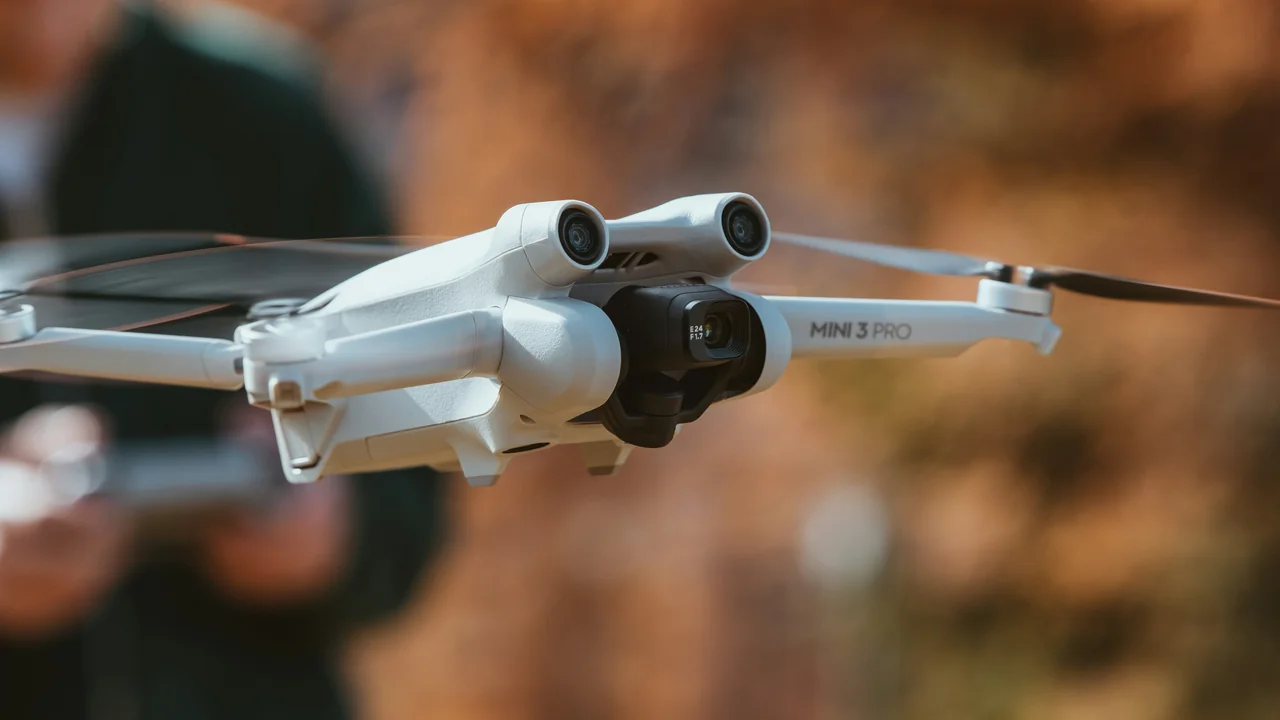
If you are planning to fly a drone in Vermont in 2026, especially to capture the stunning Green Mountains and world-famous fall foliage, you need to understand the specific Vermont drone laws that apply beyond the federal FAA rules. This guide covers everything from flying over Lake Champlain to navigating the airspace near Burlington International Airport, ensuring your foliage photography flights are both legal and safe. You will learn the state’s specific restrictions, where you can fly in the Green Mountain National Forest, and the rules for Vermont State Parks.
What Are the Federal FAA Drone Laws That Apply in Vermont?
Before diving into Vermont-specific regulations, you must comply with the Federal Aviation Administration (FAA) baseline. These rules apply to every drone flight in the United States, including over the Green Mountains and Lake Champlain.
If your drone weighs more than 0.55 pounds (250 grams), you must register it with the FAA through the FAA DroneZone and pay the $5 fee. You must also pass The Recreational UAS Safety Test (TRUST) and carry proof of passing. For commercial operations, you need a Part 107 Remote Pilot Certificate. The maximum altitude is 400 feet above ground level (AGL), and you must always keep your drone in visual line of sight. Most of Vermont is uncontrolled airspace (Class G), which simplifies flying, but you must still avoid manned aircraft and never fly over moving vehicles or people.
Do Vermont State Drone Laws (5 VSA § 3) Add Extra Restrictions?
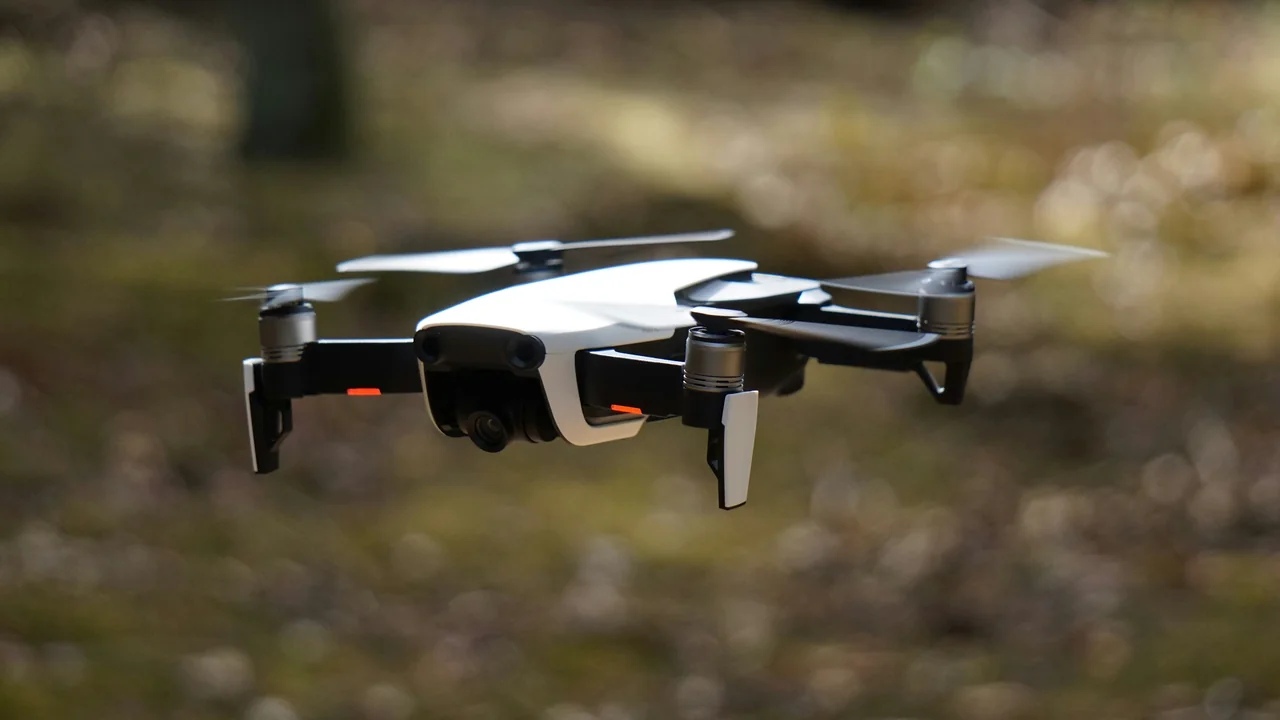
Vermont’s state-level drone law is found in Title 5 VSA § 3 of the Vermont Statutes Annotated, which is part of the state’s aviation act. This law generally prohibits the operation of drones in a manner that interferes with manned aircraft or violates federal airspace regulations. It does not create a blanket ban on drone flying across the state, but it does empower local law enforcement to enforce federal rules. The key takeaway is that Vermont defers heavily to FAA authority, but the state explicitly prohibits reckless or negligent operation that could endanger people or property on the ground.
Can I Fly a Drone in the Green Mountain National Forest for Fall Foliage?
The Green Mountain National Forest (GMNF) is one of the best places in the United States for drone photography, and the rules are generally favorable. The U.S. Forest Service (USFS) manages the GMNF, and as of 2026, drones are permitted in most areas of the forest for recreational use, provided you follow FAA rules. This means you can launch and land from within the forest boundaries as long as you do not interfere with wildlife, other visitors, or emergency operations. The spectacular fall foliage views from above the rolling hills and dense hardwood forests are some of the best in North America.
Are There Restricted Areas Within the Green Mountain National Forest?
Yes, there are specific zones within the GMNF where drones are prohibited. The most important restriction is the Breadloaf Wilderness and other designated wilderness areas. The USFS prohibits the use of motorized equipment, including drones, in all federally designated wilderness areas. Additionally, you cannot fly near active wildlife, such as moose or deer, especially during mating or calving seasons. Always check the GMNF’s official website or contact a ranger station before your flight.
What Are the Drone Rules for Mount Mansfield and Stowe Mountain Resort?
Mount Mansfield, Vermont’s highest peak, presents a complex situation because it spans both state park land and the Green Mountain National Forest. The summit and the ridgeline are within Mount Mansfield State Park, which is managed by Vermont State Parks. As detailed below, drones are prohibited in all Vermont State Parks without a special permit. However, the lower slopes and much of the surrounding area are within the GMNF, where drones are generally allowed. You must be extremely careful to know the exact boundary.
Stowe Mountain Resort is entirely private property. As a private business, the resort can set its own rules regarding drone operations. In 2026, Stowe Mountain Resort does not allow drone takeoffs, landings, or flights from their property without prior written permission. This applies to both the ski slopes and the surrounding resort grounds. If you want to capture aerial footage of the resort’s fall colors, you must launch from outside the resort’s boundaries, such as from the adjacent GMNF land.
Drone Laws in Burlington Vermont: Navigating BTV Airspace
Burlington is the largest city in Vermont and home to Burlington International Airport (BTV). This creates controlled airspace that requires careful planning. The airspace around BTV is Class C, which extends from the surface up to 4,000 feet. To fly a drone within this airspace, you must obtain an LAANC (Low Altitude Authorization and Notification Capability) authorization from the FAA. This is a free, automated process that can be done through apps like Aloft or Kittyhawk.
Use a tool like the FAA’s B4UFLY app or our No-Fly Zone Checker to see the exact boundaries of BTV’s Class C airspace.
Open your LAANC-enabled app, select your flight area and altitude, and submit the request. Approvals are typically instant for recreational flyers.
Once approved, you can fly within the authorized altitude limits. Never exceed the approved ceiling, and always yield to manned aircraft.
Outside of the immediate BTV airspace, most of Burlington’s downtown and waterfront areas are in uncontrolled airspace, making it easier to fly. However, you must still avoid flying over people and moving vehicles.
Are Drones Allowed in Vermont State Parks?
Vermont State Parks, managed by the Vermont Agency of Natural Resources (ANR), have a clear and strict policy: drones are prohibited in all state parks without a special use permit. This includes popular locations like Quechee Gorge, Mount Mansfield State Park, and Elmore State Park. The ban is in place for the protection of wildlife, visitor safety, and to preserve the natural quiet of the parks. A special use permit is rarely granted for recreational drone flights and is typically reserved for commercial film productions or scientific research. Do not attempt to fly in a state park without explicit written permission.
Can I Fly a Drone Over Lake Champlain and Quechee Gorge?
Lake Champlain is a large, open body of water that is not managed by state parks in its entirety. You can generally fly a drone over the lake as long as you are not launching from a state park or a wildlife refuge. The lake is a fantastic location for capturing sunrise and sunset shots, with the Adirondack Mountains in the background. However, be aware of the maritime traffic; you must maintain a safe distance from boats and never fly directly over them.
Quechee Gorge is a popular tourist destination, but it is a Vermont State Park. Therefore, launching or flying a drone from within the park is illegal. The best way to capture the gorge from the air is to find a location outside the park boundaries, such as a public right-of-way on the road above the gorge, and ensure your drone does not enter the park’s airspace. This is a narrow legal path, so proceed with caution.
What Are the Rules for Calvin Coolidge State Forest and Jay Peak?
Calvin Coolidge State Forest is a state-managed forest, but it is not a state park. This means the drone ban that applies to Vermont State Parks does not automatically apply here. The Vermont Department of Forests, Parks and Recreation allows drone operation in state forests, provided you follow all FAA rules and do not damage property or disturb wildlife. This makes it a good alternative for flying near the Killington and Plymouth areas.
Jay Peak, located in the remote northern part of Vermont near the Canadian border, is a private ski resort. Similar to Stowe, the resort does not allow drone flights from its property without a permit. The surrounding area, however, is largely private land or the Green Mountain National Forest. The airspace near Jay Peak is uncontrolled, so you can fly there if you find a legal launch point on public land or with landowner permission. The remote location means less air traffic, but you must still respect the 400-foot altitude limit.
Summary: Your Action Plan for Vermont Drone Flights
Flying a drone in Vermont for fall foliage photography is highly rewarding, but it requires careful planning. The Green Mountain National Forest is your best friend—it offers vast, open areas with spectacular views and generally permissive rules. Avoid all Vermont State Parks, including Quechee Gorge and Mount Mansfield State Park. For Burlington, use our No-Fly Zone Checker to navigate the BTV airspace. Always check your drone’s weight with our Weight Checker to confirm if FAA registration is needed. Respect private property at resorts like Stowe and Jay Peak. With the right preparation, you can capture some of the most beautiful aerial footage in the country.
Frequently Asked Questions
Are drones allowed in Vermont State Parks?
No, drones are prohibited in all Vermont State Parks without a special use permit. This includes popular locations like Quechee Gorge, Mount Mansfield State Park, and Elmore State Park. The ban applies to all park lands, including parking lots and trails. Violating this rule can result in fines and confiscation of your drone.
Can I fly a drone in the Green Mountains?
Yes, you can fly a drone in most of the Green Mountain National Forest (GMNF) for recreational purposes. The U.S. Forest Service generally allows drone flights as long as you follow FAA rules and do not disturb wildlife or other visitors. However, drones are prohibited in federally designated wilderness areas within the forest, such as the Breadloaf Wilderness.
What are the drone rules in Burlington Vermont?
Burlington has Class C controlled airspace around Burlington International Airport (BTV). You must obtain an LAANC authorization to fly within this airspace. Outside of the immediate airport zone, most of Burlington is uncontrolled airspace, but you must still avoid flying over people and moving vehicles. Always check the airspace map before flying.
Can I fly a drone to film Vermont fall foliage?
Yes, Vermont fall foliage is a fantastic subject for drone photography. The best places to fly are the Green Mountain National Forest, which is largely open to drones, and over open water like Lake Champlain. Avoid flying in state parks or from private resort property. Always follow FAA rules, including the 400-foot altitude limit and visual line of sight requirements.
Are drones allowed at Stowe Vermont?
Stowe Mountain Resort is private property and does not allow drone takeoffs, landings, or flights from its grounds without prior written permission. You can fly over the area if you launch from public land outside the resort, such as the adjacent Green Mountain National Forest. Always respect the resort’s rules.
What is Vermont’s drone law?
Vermont’s primary drone law is found in Title 5 VSA § 3 of the Vermont Statutes Annotated. This law prohibits operating a drone in a reckless or negligent manner that interferes with manned aircraft. It does not create a state-wide ban but defers to FAA authority. The most significant state-level restriction is the ban on drones in Vermont State Parks.
Can I Fly a Drone at Night in Vermont Under Part 107?
Yes, you can fly a drone at night in Vermont if you hold a Part 107 certificate and have completed the FAA’s updated initial knowledge test or recurrent training that covers night operations. Since April 2021, the FAA no longer requires a separate waiver for night flights. Instead, you must equip your drone with anti-collision lighting visible for at least three statute miles.
For recreational flyers, the situation is different. The FAA Reauthorization Act of 2018 requires recreational pilots to pass The Recreational UAS Safety Test (TRUST) and follow community-based safety guidelines. While the Academy of Model Aeronautics (AMA) guidelines permit night flying with proper lighting, you must still comply with all FAA regulations, including keeping the drone within visual line of sight at all times.
What this means for your flight: If you plan to capture the Milky Way over Lake Champlain or the northern lights in the Northeast Kingdom, ensure your drone has FAA-compliant lighting and your Part 107 training is current. Recreational flyers should stick to dawn or dusk and avoid total darkness to maintain visual contact.
Do I Need a Part 107 Certificate to Fly in Vermont for Commercial Work?
Yes, you absolutely need a Part 107 Remote Pilot Certificate if you fly a drone in Vermont for any commercial purpose. “Commercial purpose” includes any flight that furthers a business interest, even indirectly. Common examples in Vermont include:
- Real estate photography for a property in Stowe or Burlington
- Agricultural crop monitoring for a Vermont dairy farm
- Construction site progress documentation for a contractor
- Paid aerial videography for a wedding at a Vermont resort
- Insurance inspection of a roof in Montpelier
The FAA defines commercial operations broadly. If you post drone footage on YouTube and monetize it, that may also require a Part 107. The only exception is flying purely for recreation or hobby, where you must still pass TRUST and follow CBO guidelines.
To get your Part 107 certificate, you must be at least 16 years old, pass a TSA background check, and score 70% or higher on the FAA’s Unmanned Aircraft General – Small (UAG) knowledge test. The test covers airspace classification, weather, emergency procedures, and crew resource management. After passing, you receive a temporary certificate valid for 24 months.
Use the FAA’s free online course or a paid test prep service. Focus on airspace and weather sections.
Find an FAA-approved testing center near you. In Vermont, centers are located in Burlington, Rutland, and St. Johnsbury.
Submit your application through the FAA’s IACRA system. Your temporary certificate arrives within 48 hours.
Take the FAA’s free Part 107 recurrent training online. No need to visit a testing center again.
What Are the Penalties for Breaking Vermont Drone Laws?
Penalties for violating drone laws in Vermont vary depending on the specific infraction. Federal FAA violations can result in civil penalties up to $27,500 per violation. Criminal penalties for reckless operation that endangers life or property can reach up to $250,000 in fines and three years in prison. State-level violations under 5 VSA § 3 are typically handled as civil infractions with fines up to $1,000 per offense.
| Violation Type | Maximum Fine | Additional Consequences |
|---|---|---|
| Flying without FAA registration | $27,500 (civil) | Possible seizure of drone |
| Operating under Part 107 without certificate | $1,100 per violation | Revocation of future certification eligibility |
| Reckless operation (5 VSA § 3) | $1,000 (state civil) | Potential criminal charges if injury occurs |
| Flying in a Vermont State Park | Up to $500 | Ejection from park, possible trespassing charge |
| Interfering with manned aircraft | $250,000 and 3 years (federal criminal) | Felony record |
What this means for your flight: The risk is real. Vermont State Park rangers actively patrol popular areas and issue citations. In Burlington, airport police monitor for drone incursions near BTV. Always check airspace before launching and respect posted signs.
Can I fly a drone over my private property in Vermont without FAA registration?
No. FAA registration is required for all drones weighing over 0.55 pounds (250 grams), regardless of where you fly. This applies even if you only fly over your own property in Vermont. The FAA controls all navigable airspace from the ground up. Register your drone online through the FAADroneZone portal for $5, valid for three years.
Are there any Vermont towns with their own drone ordinances?
Yes, a few Vermont municipalities have enacted local drone ordinances. Burlington has restrictions near the airport and certain public events. Stowe has noise ordinances that could apply to drones. Always check local municipal codes before flying in any Vermont town. These local laws cannot conflict with FAA regulations but can add reasonable time, place, and manner restrictions.
Can I fly a drone in the fall foliage season in Vermont without a permit?
You can fly during fall foliage season as long as you follow all FAA regulations and avoid prohibited areas. The Green Mountain National Forest requires a permit for commercial filming. Vermont State Parks are off-limits entirely. Popular foliage spots like Smugglers’ Notch and Route 100 are in uncontrolled airspace, but check for temporary flight restrictions (TFRs) during peak foliage weekends.
What drone insurance do I need for Vermont flights?
FAA does not require drone insurance, but it is highly recommended. For commercial operations, many Vermont clients (especially resorts and real estate agents) will require proof of liability insurance with at least $1 million in coverage. Recreational flyers should check their homeowner’s or renter’s insurance policy—some exclude drone liability. Specialized drone insurers like SkyWatch or Verifly offer per-flight coverage starting at $10 per hour.
Is drone fishing allowed in Vermont waters?
Drone fishing—using a drone to drop bait or retrieve fish—is not explicitly prohibited by Vermont state law, but it is regulated by the Vermont Fish & Wildlife Department. Using a drone to take fish is considered an illegal method of take under Vermont fishing regulations. Additionally, flying over water presents risks: if your drone crashes into Lake Champlain, you could face environmental clean-up costs. Stick to aerial photography only.
Last updated: June 25, 2026
- Federal Aviation Administration (FAA) – faa.gov
- Vermont Statutes Annotated, Title 5 VSA § 3
- U.S. Forest Service – Green Mountain National Forest
- Vermont Agency of Natural Resources – State Parks Policy
- Burlington International Airport (BTV) – Airspace Map
Drone Allowed
DroneAllowed editor covering drone regulations, aviation law, and aerial photography across USA, UK, Canada & Australia.